Your Guide to Real Estate Photography NYC: Boost Listings with Stunning Property Photos
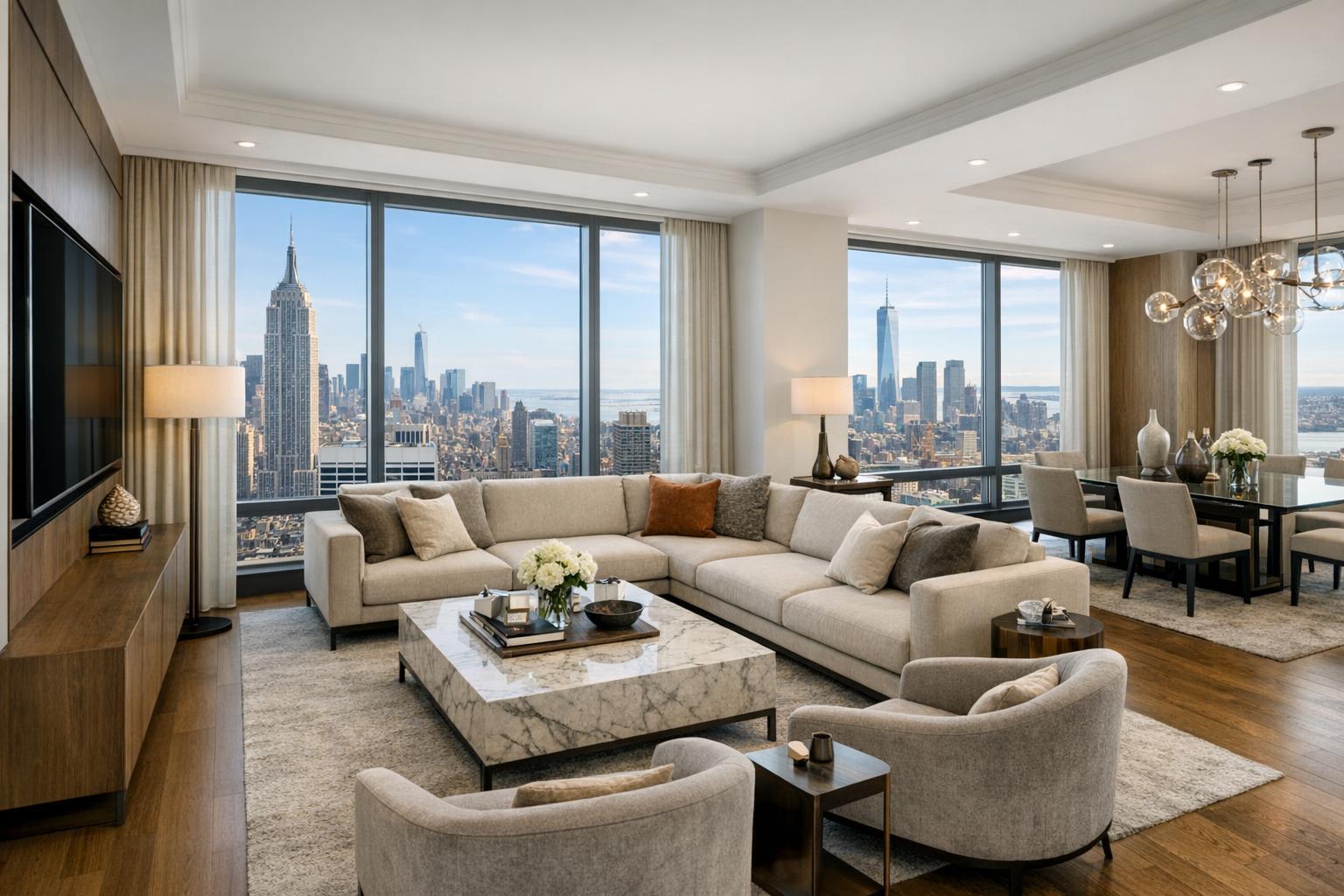
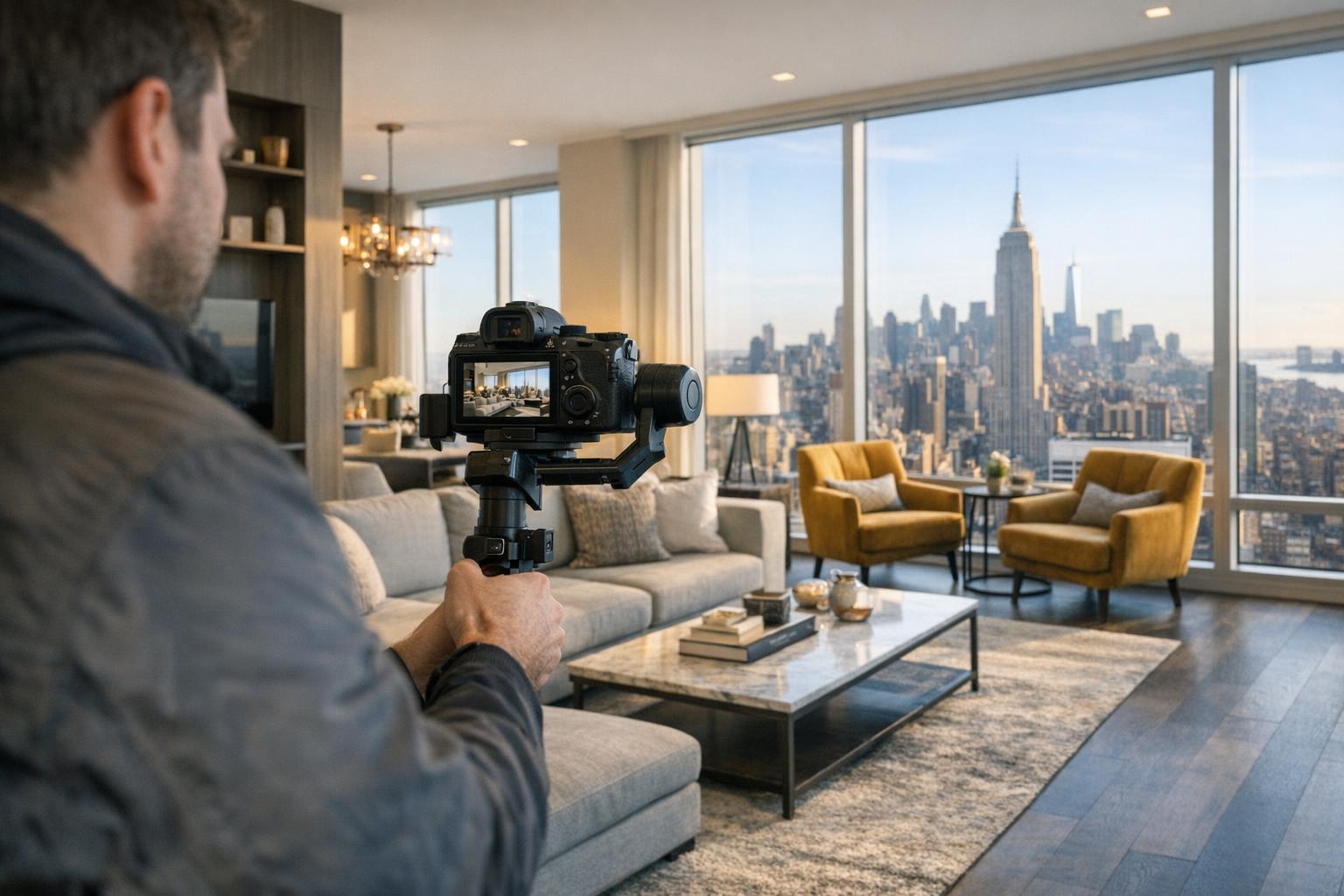
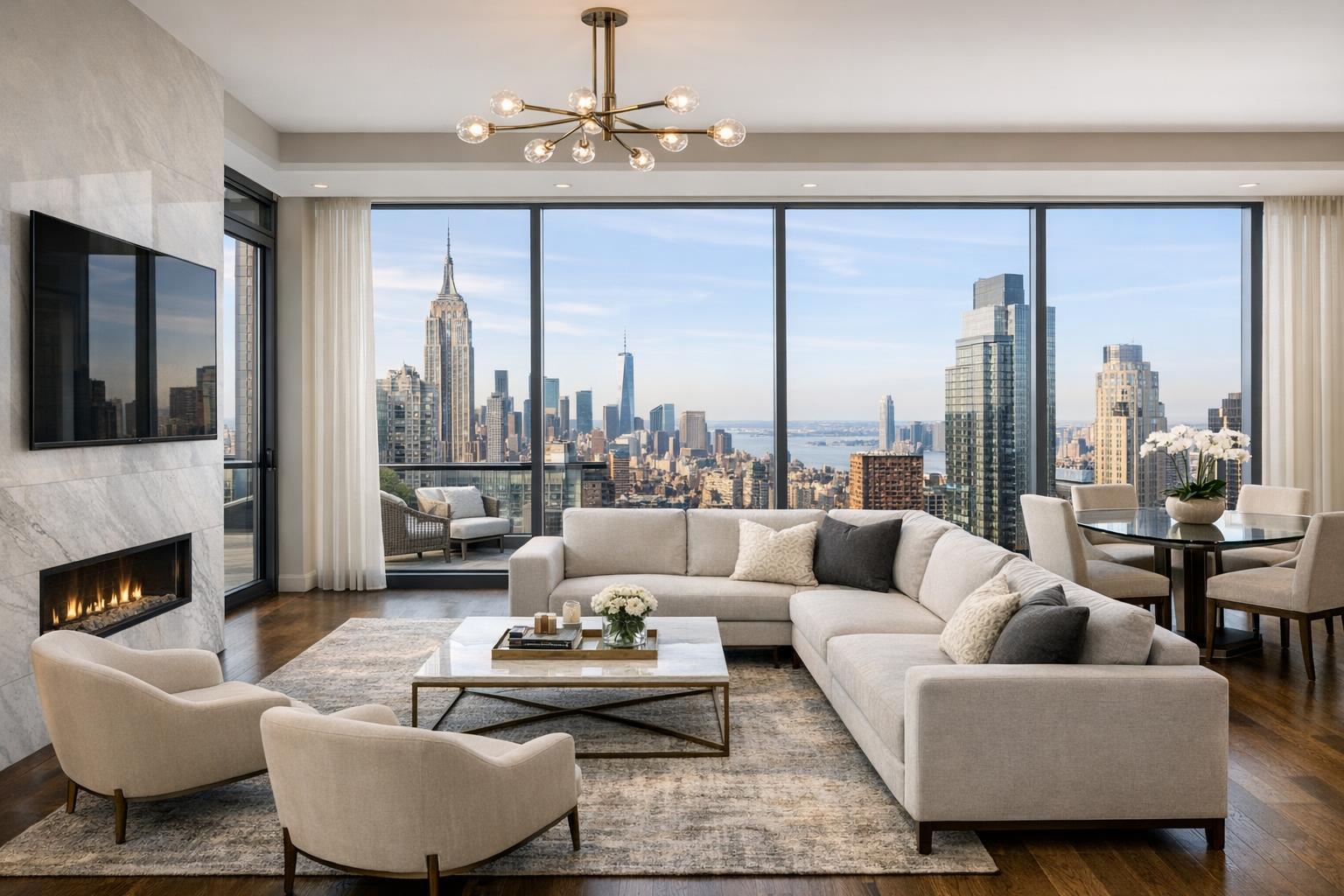
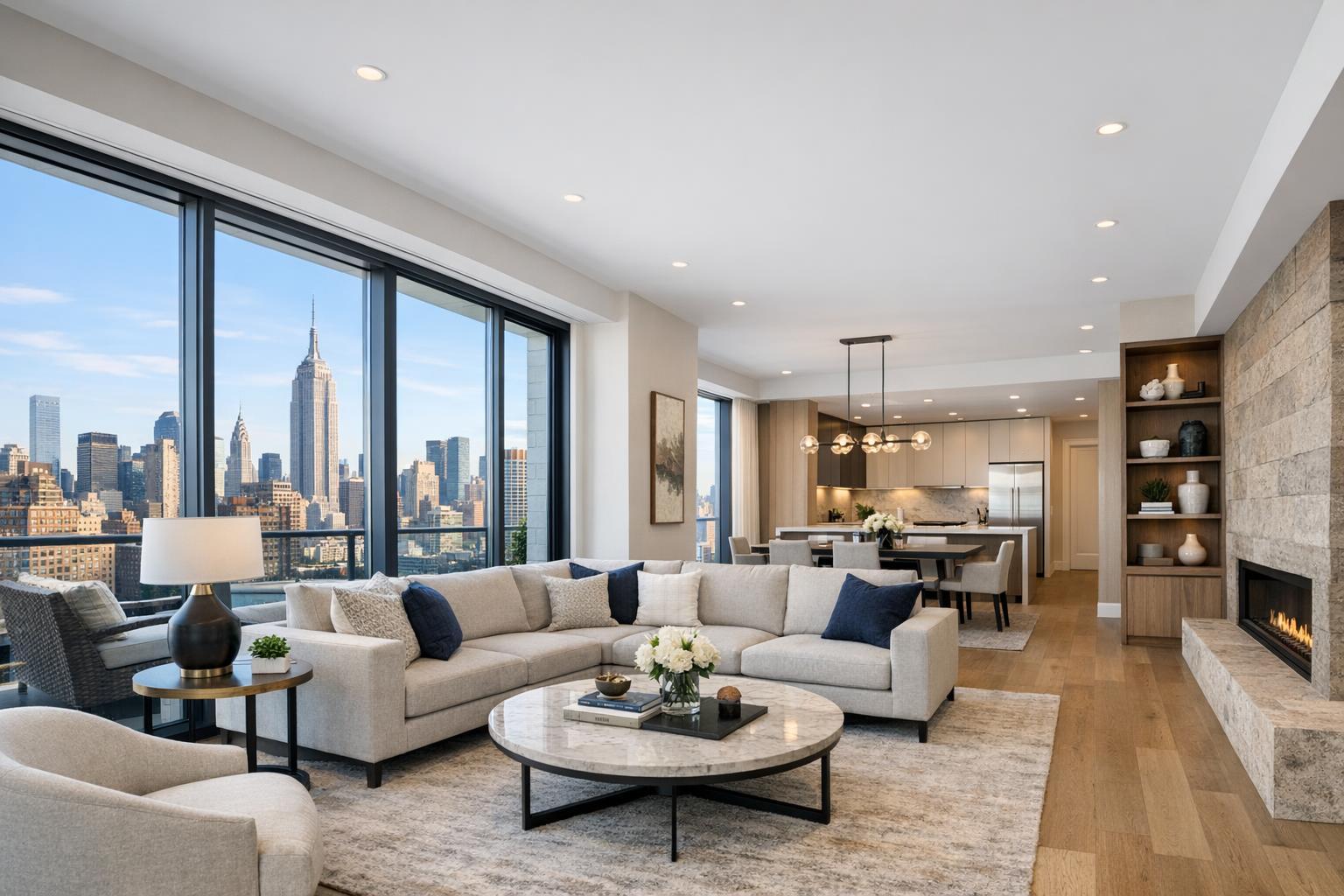
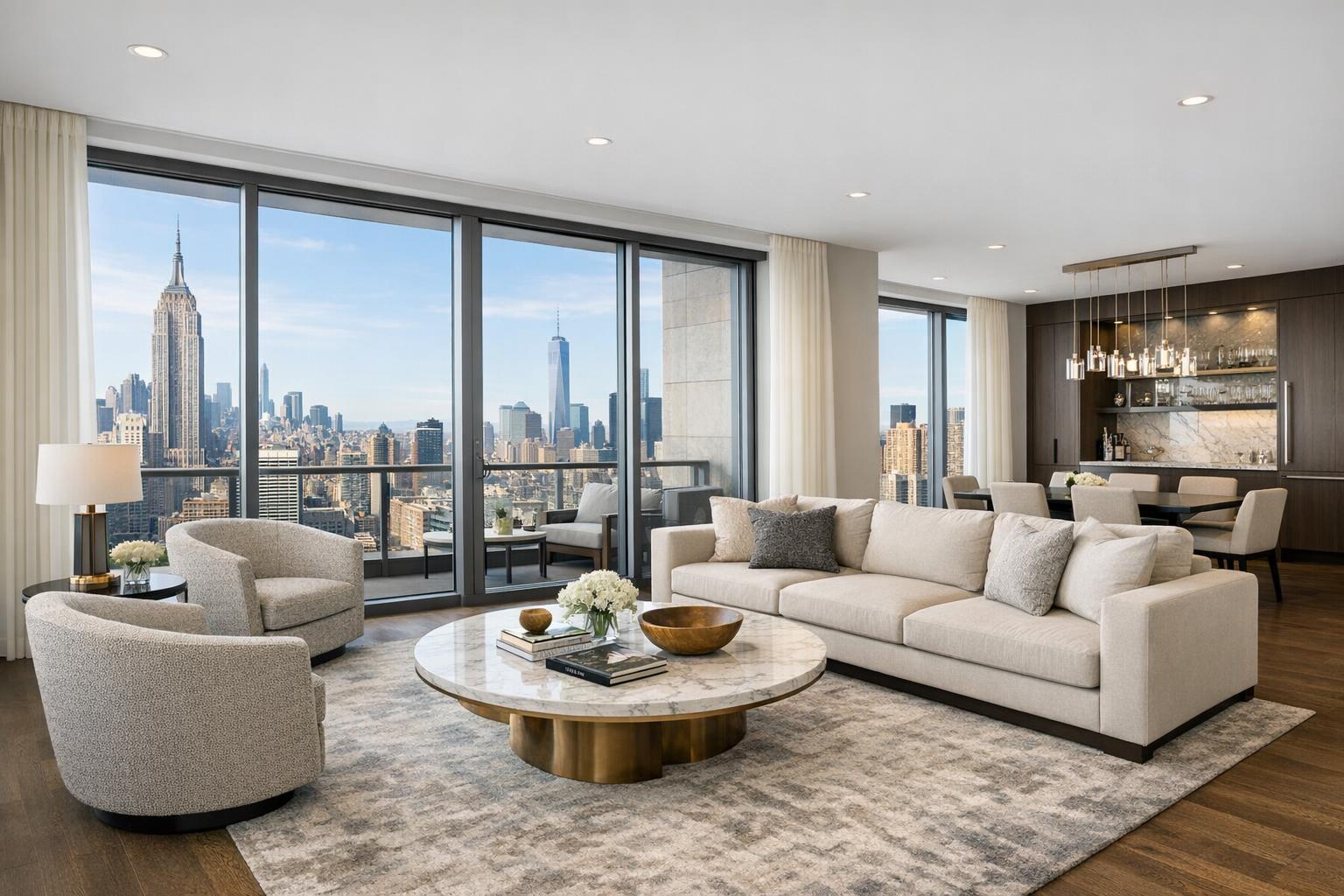
Showcasing a luxurious interior with a stunning view of the New York City skyline, the real estate photography NYC captures modern furnishings and expansive glass windows.
Your Guide to Real Estate Photography NYC: Boost Listings with Stunning Property Photos
Real estate photography in NYC tells a story before a prospective buyer ever walks through the door. When done thoughtfully, the right images shape how buyers interpret crucial details: spatial flow, lighting, finishes, city views, even the subtle character that sets a property apart. In a city where listings compete for attention—across compact studios, classic co-ops, architect-driven condos, and unique townhouses—strong photography guides both agents and buyers through what matters most.
What separates effective NYC real estate photography from ordinary snapshots isn’t just image quality. It’s about aligning technical skill and artistic judgment with a deep understanding of the local property landscape and the expectations of buyers searching through dozens of listings at a time.
This Newsletter unpacks what makes property photos effective in NYC, how to prepare for a shoot, and how to evaluate a real estate photographer in New York’s fast-paced market. We’ll weave in practical production insight from our experience working across NYC and New Jersey.
The High Stakes of Listing Photos in New York City
Visual storytelling is not optional in NYC real estate media—it's foundational. Many properties here demand more nuanced visual explanation than a typical suburban home. Studios require concise angles to clarify how the space works without exaggeration. Townhouses need images that establish flow from one floor to the next, highlight original details, and capture private outdoor areas or unique entrances.
Great listing photos need to quickly answer key questions buyers are already asking themselves:
- How do the main spaces connect?
- Where is natural light coming from, and how does it impact each area?
- Which finishes or features set this home apart?
- Are there functional highlights, like a terrace, home office, or custom built-ins?
- What does the building or neighborhood offer as context?
The focus is less on showing every wall and more on creating a logical visual journey—helping buyers envision daily life there and encouraging them to prioritize an in-person viewing.
Just as importantly, premium photographs serve as reusable visual assets that power multiple marketing channels: MLS, custom property sites, email newsletters, social platforms, printed brochures, and beyond. In a market as competitive as NYC, the advantage of a cohesive, professional set of listing photos cannot be overstated.
What Makes Real Estate Photos Work in NYC?
Photography is both craft and strategy. Listings stand out not only because the photos are beautiful, but because they’re honest, recognizable, and useful for buyers.
Purposeful Composition
Each room should be photographed in a way that communicates its intended use—whether that’s the potential for gathering in an open living space, practicality of kitchen layout, functionality of a secondary bedroom, or the inviting atmosphere of a private terrace. In small apartments, the living area might require two or three angles, since that single room often carries most of the listing’s narrative. For larger homes, it’s often the staircase or transitions between levels, rather than a sequence of bedrooms, that tell the property’s primary story.
Selecting which photos to take (and which to skip) is as important as the technical side of shooting. The most memorable listings are those where the photography highlights the actual spaces and features a buyer will recall after scrolling.
Working with Wide Angles—Intelligently
Wide-angle lenses are useful for showing spatial context—how a living room transitions into dining or kitchen, for example. The technique, however, must be applied with care. Effective real estate photographers avoid introducing obvious distortion, keeping vertical lines upright and avoiding stretched proportions that promise more than reality delivers.
Key elements to capture:
- Actual room relationships and traffic flow
- Light sources—window locations, quality of daylight at time of capture
- Ceiling heights and architectural lines
- Built-in features, detail work, or classic finishes
- Logical visual pathways throughout the home
When justified, close-ups add value: a restored mantle, chef’s range, or garden detail can convey personality, but should never disrupt the visual sequence.
Lighting and Color That Reflect Reality
New York properties often feature lighting extremes—from overly bright windows to deep interior shadows, accent walls, or cityscape views that shift throughout the day. High-quality post-production balances these competing exposures so a gallery feels natural and cohesive. True-to-life editing preserves the look of the property; overexposed windows or artificial colors can diminish trust once buyers visit.
A consistent approach to output, color correction, and exposure is critical when property features, outdoor views, or striking paintwork form part of the marketing angle.
Preparing for a Real Estate Shoot: What Actually Matters
No amount of professional photography can erase clutter, visual distraction, or unmade beds. Preparation before any real estate photographer arrives is the difference between images that work and images that underwhelm.
Here’s a streamlined room-by-room checklist to increase the effectiveness of your shoot:
- Declutter kitchen counters—remove mail, appliances, and extraneous items.
- Store toiletries, cords, pet accessories, and laundry.
- Make all beds neatly, fluff pillows, and straighten linens.
- Remove personal family photos and visible paperwork where possible.
- Open window treatments to maximize desirable views and daylight.
- Replace bulbs in areas to be lit; turn on appropriate lighting.
- Wipe glass, mirrors, and stainless surfaces for streak-free results.
- Stage outdoor areas, roof decks, balconies, and patios before the appointment.
- Ensure all spaces being photographed (including amenities or shared spaces) are accessible during the scheduled time.
Want to go deeper? The RealtaSnap real estate photography prep guide offers more detailed advice tailored to NYC and NJ properties.
Logistics are equally important. Double-check elevator and service entry access, lobby sign-ins, lockboxes, and building or resident procedures that could affect timing. Completing these steps keeps the focus on capturing the property effectively, not troubleshooting access on the day of the shoot.
How Many Photos? Coverage Should Serve the Story
The number of images required is dictated by the unique features, not just square footage. Compact but fully renovated apartments may need enough photos to explain layout and upgrades; larger homes or properties with extensive amenities require coverage that showcases both interiors and exterior assets.
A practical way to decide on coverage:
- Highlight rooms buyers will focus on for their decision.
- Include features justifying the price point (e.g. terrace, renovation, or distinctive details).
- Photograph spaces that may otherwise confuse potential buyers (odd layouts, versatile rooms).
- Add context with building amenities or neighborhood features, as allowed.
RealtaSnap packages real estate photography by photo count:
10 photos ($149), 20 ($189), 30 ($209), 40 ($269), and 50 ($299). Each comes with specific shoot times—for example, a 30-photo session allows up to 2 hours. For straightforward studios, a 10-image package may suffice, while larger or multi-level homes call for broader coverage. Plan to illustrate the story buyers must see, not just to fill a gallery.
For current pricing, see the NYC real estate photography page or pricing page.
When to Pair Photos With Other Listing Media
While still photography anchors almost every NYC listing, some properties benefit from supplemental media to answer additional buyer questions or illustrate features that static images cannot.
- Floor Plans. A floor plan (always drawn from on-site measurements) clarifies layout, room flow, and size relationships—essential for properties with unconventional layouts, dens, or open lofts. Floor plans are captured in person, never created remotely from PDFs or renovation sketches.
- Video. On-site-captured video reveals movement and the connection between spaces. This is most impactful for homes with dramatic entries, both indoor and outdoor entertaining areas, or unique features best shown “in motion.” Video is an extra, not a must-have for every listing.
- Virtual Staging. Empty rooms can be challenging for buyers to visualize as living spaces. AI virtual staging is available for fully vacant or properly decluttered rooms, and cannot be layered over existing, furnished spaces without paid clutter-removal edits. This ensures the result appears credible and inviting.
- Drone/Aerial Media. For listings with roof decks, substantial lots, architectural interest, or important surroundings, aerial imagery offers valuable overview and context. However, feasibility in NYC depends on airspace restrictions, roof access, safety, weather, and local pilot discretion—not every site is suitable for drone flights.
What to Ask When Hiring a Real Estate Photographer in NYC
Choosing the right real estate photographer means looking beyond price or schedule. It’s about trusting a team that understands both your property and the unique dynamics of the NYC market.
Ask these questions to get to the heart of their process:
- Can you show examples of homes similar to this property’s style, size, or lighting?
- Are the images consistent across all spaces—interiors, baths, views, kitchens, and exterior rooms?
- Do photos maintain correct perspective (no obvious stretching or tilting)?
- How do you handle access, occupied homes, building logistics, and custom shot requests?
- What exactly is included in each package, and what are the limitations or add-on options?
- Which editing requests are supported within your rate? What falls outside standard edits?
- How should the owner or agent prepare before the photographer arrives?
- How does your scheduling work—and what information is needed upfront?
Don’t just review portfolio highlights. Look at how ordinary spaces are depicted (are they as clear as the “hero” room?), whether window views are carefully managed, and if the full gallery tells a comprehensible story. Clear communication up front will help ensure your marketing assets are as effective as possible.
Booking RealtaSnap for NYC Real Estate Photography
RealtaSnap serves all five NYC boroughs—Manhattan, Brooklyn, Queens, the Bronx, and Staten Island—as well as statewide New Jersey. If you’re booking for multiple listings or need media across both urban and suburban properties, this coverage provides flexibility.
To schedule a shoot:
- Start at the NYC real estate photography page or select Schedule.
- Enter the service address and any needed access instructions.
- Choose the photo package (with options for add-ons like video, floor plans, or AI staging).
- Set the appointment time and add any special notes (apartment number, lobby check-in, on-site contact, features to prioritize).
- Confirm and pay in full—24 hours’ notice is standard, and any available slot on the real-time calendar is open.
Strategic special order notes (for example, “please focus on terrace and kitchen skylight” or “primary suite renovation details”) help the photographer arrive prepared.
Every Image Matters
In the end, effective real estate photography is about more than visual polish. It’s about clarity, credibility, and making it easy for buyers to truly understand what sets your NYC listing apart. From preparing a property and selecting the right media coverage to working with photographers who know the nuances of both the city market and technical production, these steps lead to more informative, market-ready listings.
For additional information or to schedule your next property shoot, visit www.RealtaSnap.com.
FAQ
Question: How many listing photos are ideal for a New York City property?
Answer: The best photo count is tailored to the home’s size and highlights. Studios and compact apartments may need fewer images, while larger homes or properties with notable upgrades, multiple exposures, and building amenities benefit from more coverage—aim to visually explain value and avoid leaving key rooms undocumented.
Question: How should an occupied property be handled differently for photography than a vacant one?
Answer: Occupied homes usually require more intensive preparation to minimize personal items, excess furniture, and visual distractions that do not help market the space. Empty homes may benefit from virtual staging (if appropriate), as long as rooms are vacant or have had clutter removed first.
Question: Can RealtaSnap perform virtual staging over existing furniture?
Answer: No, AI virtual staging is only intended for fully vacant or properly decluttered rooms. If a furnished room needs to be staged, a clutter-removal edit must be ordered and completed before staging is applied. This results in more credible, professional visuals.