How to Choose a Commercial Real Estate Photographer in NYC and New Jersey
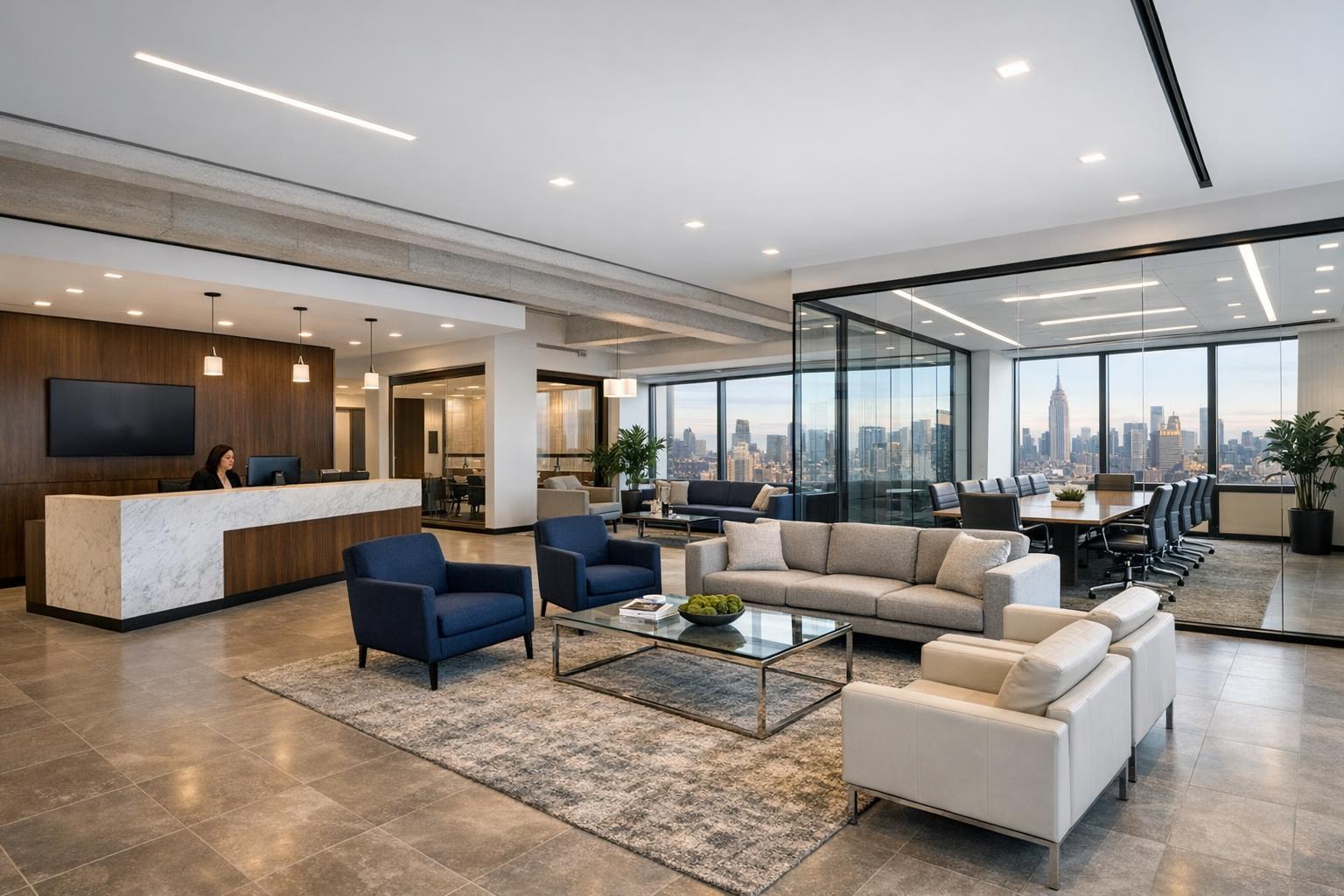
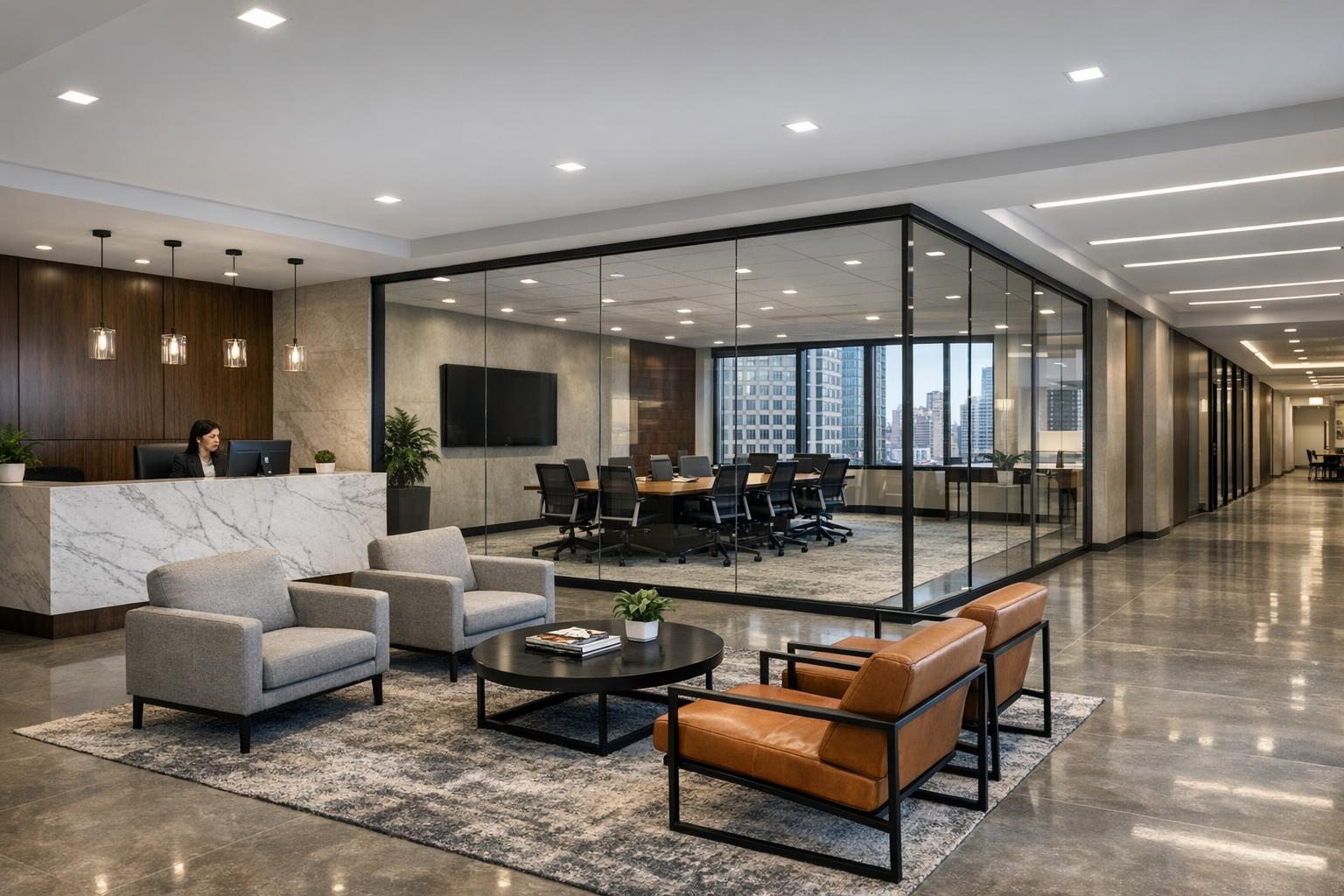
A commercial real estate photographer captures a modern office lobby featuring a marble reception desk, elegant seating area, and a glass-enclosed conference room with a city view.
How to Choose a Commercial Real Estate Photographer in NYC and New Jersey
A commercial real estate photographer in NYC or New Jersey is more than just someone who takes pictures—they’re a crucial partner for brokers, property managers, developers, and business owners who need to present assets with clarity, context, and purpose. In a market as complex and competitive as this one, the way a property is photographed often shapes how quickly and effectively it connects with tenants, buyers, or investors. Making the right hire is about understanding what sets commercial real estate photography apart from more common residential projects and knowing what to look for when reviewing portfolios and processes.
What Makes Commercial Photography Unique?
Commercial real estate photography services come with a unique responsibility: not only to show what a property looks like, but to help viewers understand how it works, where its value lies, and how it may support their business goals. This is a different mission than what you’ll find in residential listing photography, which often focuses on lifestyle and emotional appeal. In the commercial world, priorities shift to:
- Usable square footage and the configuration of rooms or open space
- The flow between areas such as reception, workspaces, amenities, corridors, and loading docks
- Building finishes, condition, and operational details like access points or infrastructure
- Context within the neighborhood, street frontage, or access to transit and parking
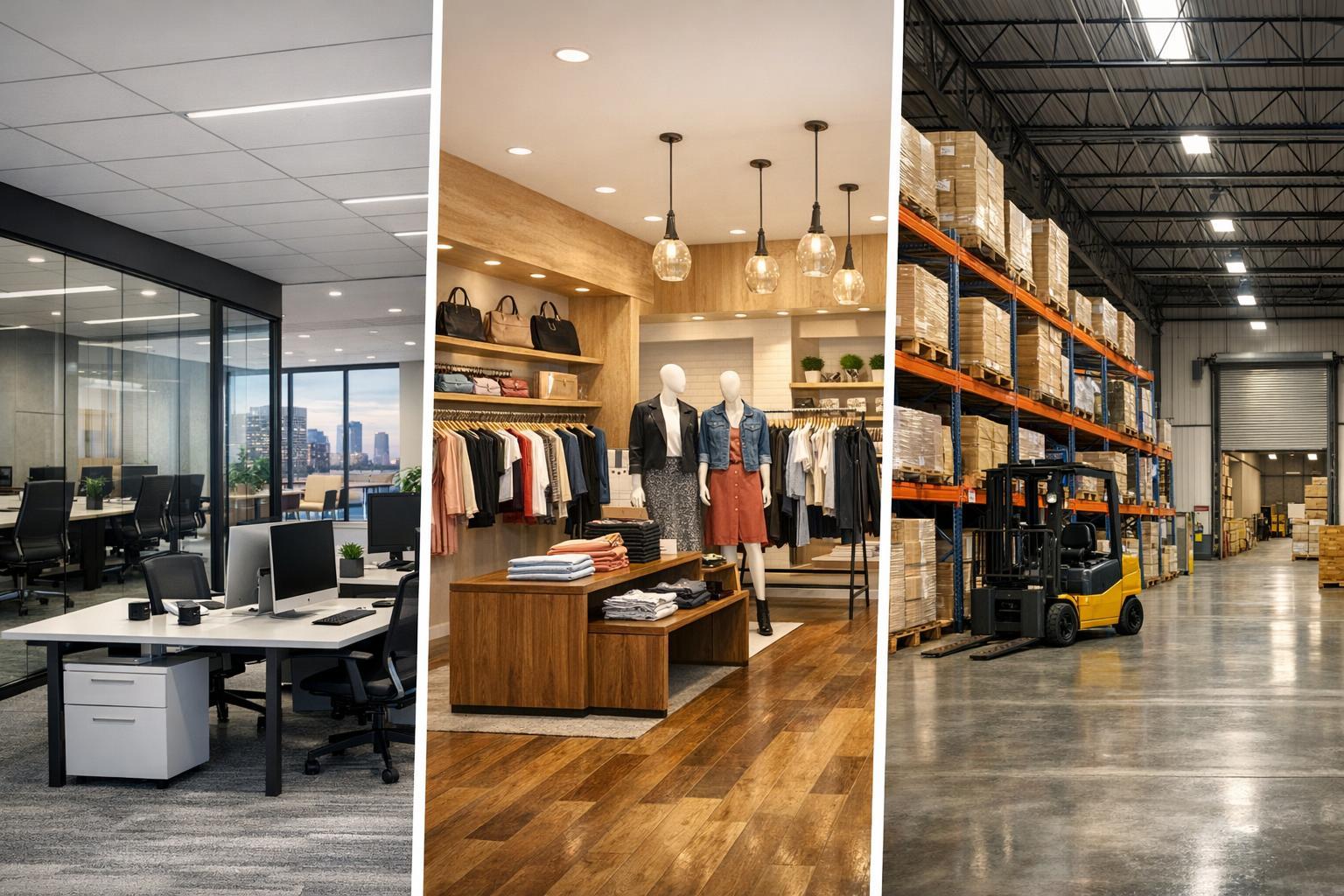
For example, a typical office suite shoot isn’t just about showing off furniture or aesthetics—it’s about documenting work areas, traffic flow, meeting rooms, and natural light. When photographing a Brooklyn storefront, street presence, visibility, and the connection between the interior and sidewalk become essential. Industrial spaces might require images that highlight ceiling heights, racking, dock access, and adjoining yard space.
Start with Your Marketing Objective
The first step in hiring a commercial property photographer is to clarify what you want the photography to accomplish. Every property has a story that will change depending on whether you’re targeting tenants, buyers, investors, or other business users. Are you marketing an office for lease, documenting construction for a developer, showcasing a ready-to-use restaurant, or outlining the bones of a warehouse?
The intended audience and marketing channel should drive the visual strategy. Good photographers will ask these questions before picking up the camera, not just arrive with a set formula.
- Office listings may require coverage of reception, common workspaces, private offices, conference rooms, and building amenities.
- Retail properties often rely on strong façade images, signage opportunities, and clear sightlines from the street.
- Industrial sites benefit from clear records of docks, bays, storage, power, office buildouts, and site access.
- Mixed-use developments need different “stories” for ground-floor retail, upper-floor residences, and common areas.
A photographer or media provider who asks about your goals is more likely to deliver what you need the first time.
Don’t Be Swayed by Pretty Pictures Alone: Look for Operational Skill
When comparing portfolios, focus on commercially relevant work. Too often, a gallery highlights dramatic images but omits the bread-and-butter shots that actually help decision-makers. For commercial assignments, camera skill is only part of the equation. The composition needs to make sense, verticals should look natural, and perspectives should support the viewer’s understanding rather than distort it.
What should you look for?
- Readability of the space: Images should reveal the true scale, shape, and relationship between rooms, avoiding misleading wide-angles or odd compositions.
- Light management: Commercial interiors, especially in NYC and North Jersey, can combine daylight, artificial lighting, backlit signage, and reflective surfaces. It takes know-how to show a room’s features without blowing out windows or hiding key details in shadow.
- Consistency: The full set should look like it belongs together—editing, color balance, and exposure should remain uniform across all spaces, including “unsexy” but important areas: restrooms, corridors, utility rooms, loading bays, or kitchenettes.
When possible, review whole galleries from commercial property shoots, not just highlight reels. This reveals how a photographer handles the realities of occupied, empty, or under-construction spaces and how the entire story of the building is presented.
Local Realities: NYC and New Jersey Require Practical Experience
NYC and New Jersey demand adaptability on the part of commercial real estate photographers. Manhattan office buildings often involve strict access protocols—coordinating with building management, scheduling elevators, accommodating active tenants, and working within tight daylight windows. Properties in Brooklyn or Queens may demand a nuanced approach to neighborhood character, signage shots, or foot traffic timing. In North Jersey, shoots may span large footprints or multiple buildings, making a deliberate shot plan even more important.
Preparation matters:
- Confirm who provides building access—and whether certificates, security clearance, or elevator bookings are involved.
- Identify which rooms and amenities are essential for your marketing.
- Plan around occupancy, deliveries, or high-traffic times.
- Remove obvious clutter, personal effects, or construction debris where possible.
Simple pre-shoot steps—like turning on house lights, opening shades, and decluttering—can make a real difference in the final product.
Different Property Types: A Professional Approach
A strong commercial real estate photography service is flexible enough to adjust for property type, layout, and business use.
- Offices: Images should balance aesthetics and utility, capturing reception, meeting areas, collaborative workspaces, private offices, break rooms, and views. Preparation helps—tidy desks, remove sensitive information, and ensure every featured space is accessible.
- Retail: Focus on customer experience, street visibility, window display areas, and back-of-house functionality. Interior shots need to show how the space accommodates foot traffic and product placement.
- Industrial/Warehouse: Don’t expect glamour—these shoots succeed when images clearly communicate ceiling heights, loading bays, dock doors, racking, power, offices, and external access. The priority is legibility for those considering logistics and operations, not making warehouses look like luxury lofts.
- Development/Mixed-Use: Media should evolve with the project stage—site conditions and shell spaces early, then finishes, amenities, and new-build features later. For mixed-use assets, each segment (retail, office, residential) deserves tailored coverage.
Editing and Post-Production: Accuracy Over Artificiality
Post-processing is foundational but shouldn’t border on digital trickery. Adjustments for lighting, exposure, and color help make images easier to interpret, but edits should never mislead about a property’s scale, color, or condition. In commercial media, representing a property honestly is more important than reaching for dramatic effects.
If a space is vacant and hard to visualize, virtual staging may help—so long as the digital furniture supports a credible commercial use such as workstations or conference setups. For rooms that still have existing furniture, cleaning and decluttering should be addressed on-site before the shoot.
When to Supplement Still Photography
While high-quality stills remain the backbone of most commercial property marketing, some assets benefit from complementary media like:
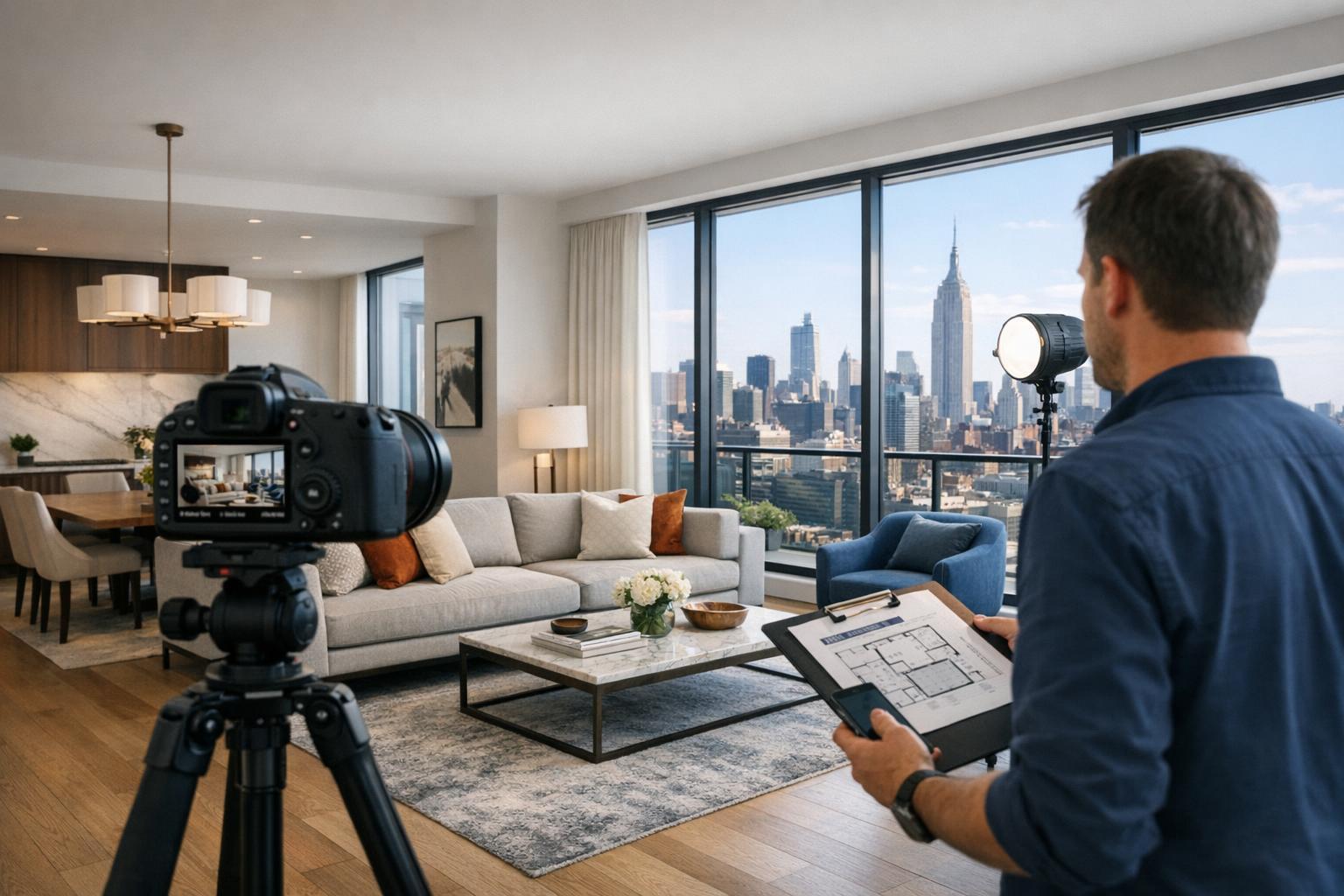
- Video walkthroughs: Useful for demonstrating flow, context, and access—particularly for larger properties.
- Floor plans: Help orient viewers to the layout. These require on-site measurements and aren’t created from PDFs.
- 3D virtual tours: Particularly valuable for remote stakeholders or complex properties.
- Aerial photography/video: Provides external context and shows larger sites in a single view but depends on airspace, weather, and safety clearance.
Choose these add-ons based on the actual marketing needs—not just because they’re available.
Evaluating Providers: Process Over Lowest Price
Price is a factor, but so is process. Commercial photography assignments can range from a few quick shots to multi-phase projects spread over months. A capable provider asks practical questions about access, coverage, timing, and special conditions before quoting or committing. As you compare options, consider:
- Relevance of commercial experience shown in their portfolio
- How well they communicate about scheduling, building rules, and deliverables
- Their approach to editing and visual consistency
- Whether they offer needed add-ons, such as drone or virtual tours, when relevant
RealtaSnap offers an online booking system where you can select services, leave notes, and reserve available times across NYC and New Jersey. For more involved or custom needs, project-specific conversations ensure the right approach. Learn more about services and booking at www.RealtaSnap.com.
Conclusion
Deciding who to trust with your commercial property’s media is about results—images and media that answer the right questions for your marketing channel, presented clearly and honestly. A thoughtful process, commercial experience, and reliable communication matter far more than flashy effects or generic shot lists. RealtaSnap specializes in commercial real estate photography and media for NYC and New Jersey and is always happy to discuss your asset’s particular needs. For details, visit www.RealtaSnap.com.
FAQ
Question: How is commercial real estate photography different from residential photography?
Answer: Commercial photography focuses on how a property functions for business use—showing areas like lobbies, workspaces, access points, and operational infrastructure. Residential photography emphasizes lifestyle appeal and home features. In commercial shoots, clarity, scale, and usability take priority.
Question: What’s important to prepare before a commercial property shoot?
Answer: Make sure there’s a plan for building access, the right rooms and amenities are identified, clutter and personal belongings are removed, and lights are on for best results. Properties in NYC or New Jersey may also require coordination with management for elevators or security.
Question: Should I add floor plans, video, or drone images to my commercial listing?
Answer: Supplementary media is most useful when it helps the intended audience better understand the property—such as using drone images for exterior context, floor plans for layout, or video for flow. Choose based on what will make your asset’s key features easiest to interpret. For more on available options, see RealtaSnap’s service overview.