How to Choose a Manhattan Real Estate Photographer for Your Next Listing
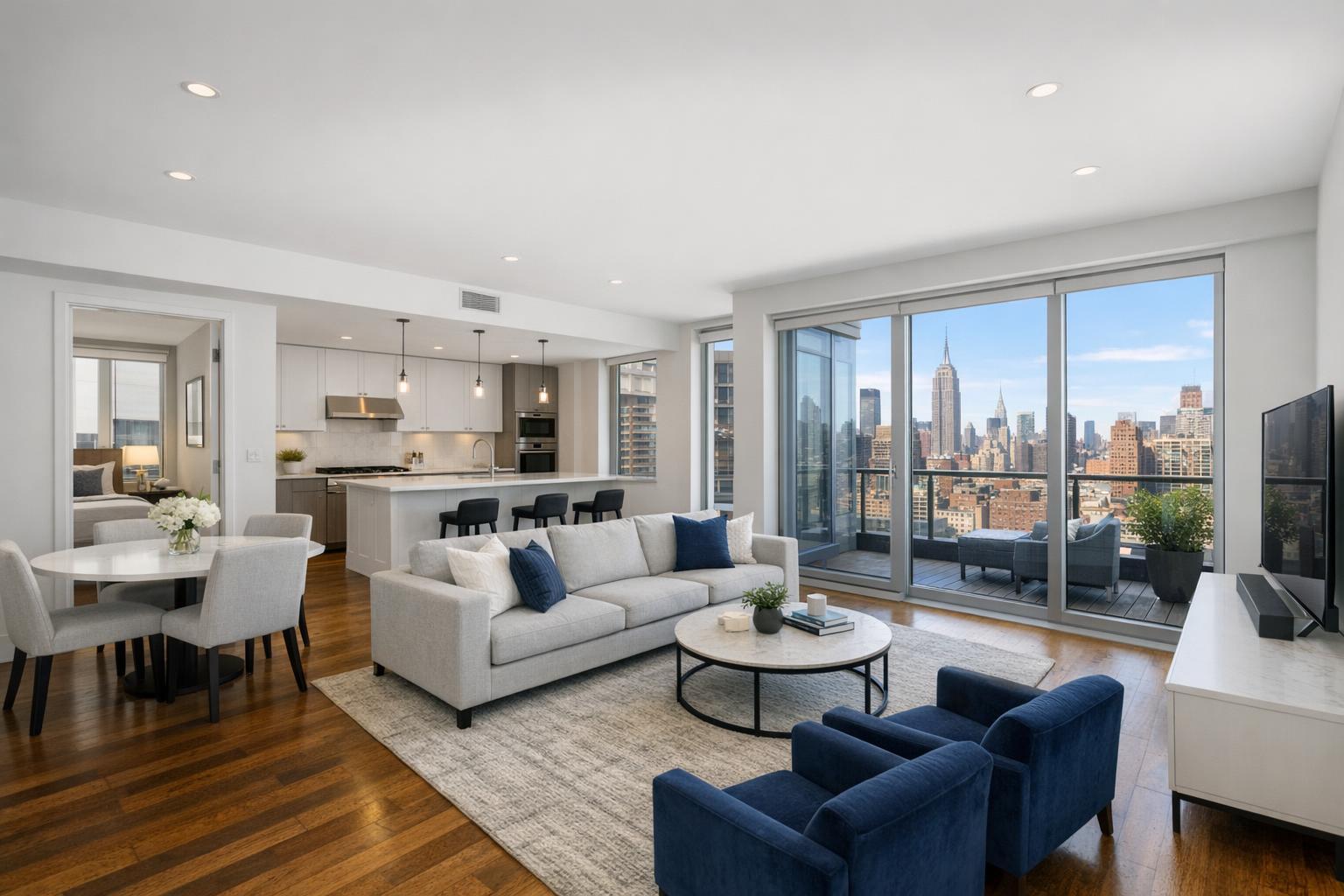
A stunning living room with a panoramic view of Manhattan's skyline is beautifully captured by a Manhattan real estate photographer.
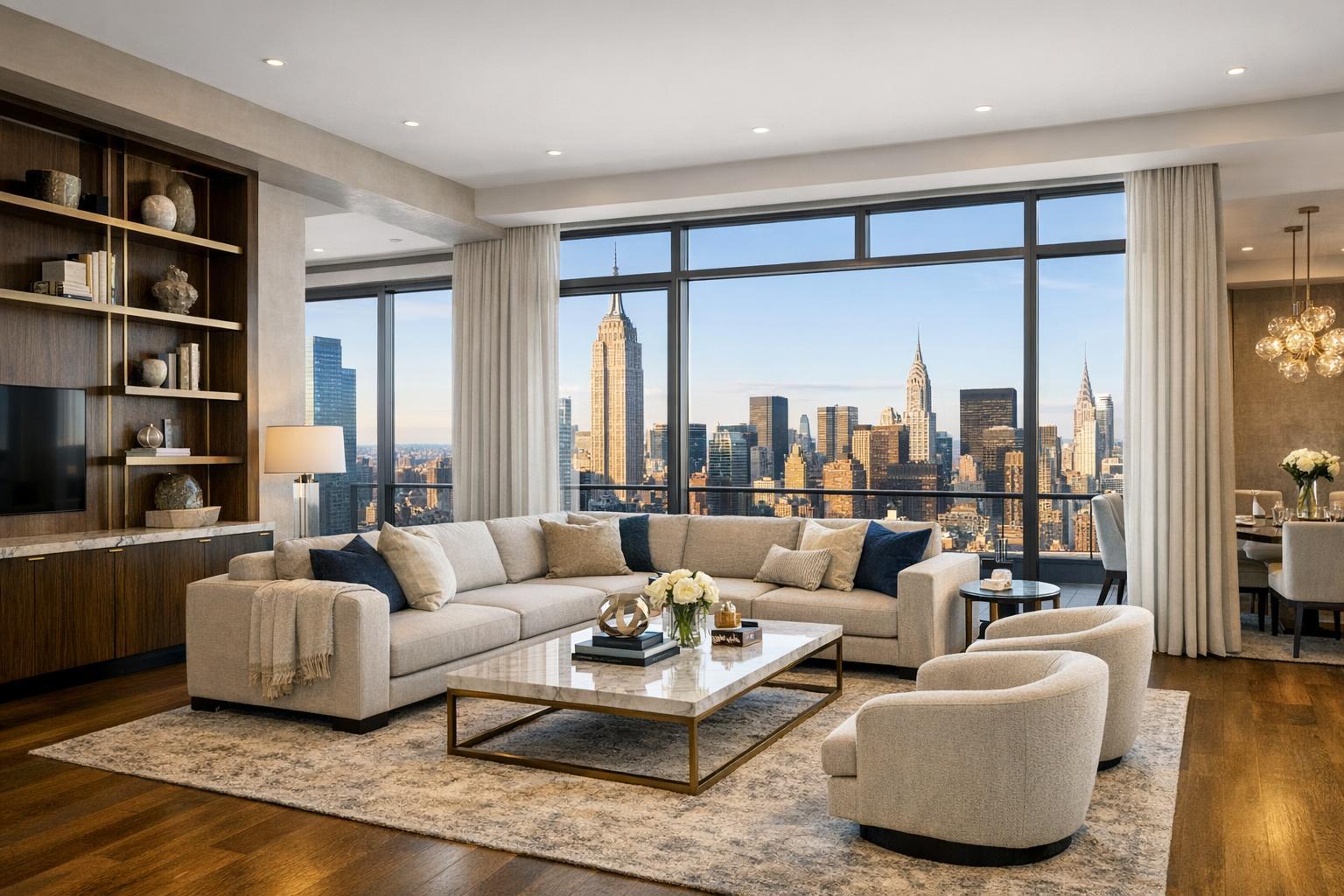
How to Choose a Manhattan Real Estate Photographer for Your Next Listing
A Manhattan real estate photographer faces a unique set of expectations. Any provider who works in NYC and the surrounding area needs more than a solid technical portfolio or professional gear—they need on-the-ground understanding of how to capture properties in the city’s real world. From the intricacies of doorman buildings and narrow townhouses to the challenge of representing pre-war details and managing occupied spaces, choosing the right photography partner is as much about practical logistics as visual style.
If you’re comparing providers for your next Manhattan listing (or for a project across the Hudson), here’s what actually matters as you make your decision—and what experienced teams notice before, during, and after every shoot.
What to Look for in a Real Estate Photography Portfolio
The package options or service menu are just the tip of the iceberg. If you really want to understand how a photographer will represent your property, start with their gallery—preferably one that shows a variety of interiors, not just the “best-of” highlight reel.
Evaluating a portfolio goes beyond simply looking for a dramatic kitchen or a postcard-perfect skyline view. For both newer and veteran agents, it’s essential to review images that reflect the property types you actually represent: from glass-walled new-development condos and classic co-ops to cozy studios, multi-level townhouses, or even furnished rentals.
Here’s what the pros look for when assessing a Manhattan property photographer's sample work:
- Natural, believable interior lighting: The finished photos should feel bright and inviting—never overly retouched, blue, yellow, or washed out. Sturdy color, true-to-life whites and wood tones, and visible detail are subtle signals that editing hasn’t erased the space’s character.
- Window views are controlled, not distracting: Manhattan buyers and renters care about what’s outside, whether that’s a city vista, river, or leafy block. Skilled photographers balance indoor exposure so that exterior views are visible but not overpowering, and white “blown-out” window rectangles are kept to a minimum.
- Vertical architectural lines are preserved: Wide-angle lenses can make compact rooms seem spacious, but they also risk bending walls and warping proportions. Look for straight cabinetry, door frames, and windows throughout the gallery—if everything seems to lean or curve, the presentation can start to feel off.
- Room proportions look accurate: Good photography finds the balance between making a compact living room feel welcoming and avoiding the illusion of a gigantic “stretched” space, especially at the edges. Honest representation is a must in NYC, where square footage is precious.
- Editing is consistent across the listing: Nothing undermines a professional gallery like abrupt changes from warm and bright to dark and cool, or inconsistent saturation from one room to another. Smooth, cohesive editing helps establish a clear visual rhythm for the listing.
Navigating Manhattan Logistics: Access and Scheduling
In New York City, access and workflow aren’t afterthoughts—they’re central to a successful shoot. A Manhattan real estate photographer who is familiar with local buildings will anticipate key logistical details:
- Entry procedures: Concierge or doorman check-in, certificate of insurance, and security protocol are common requirements.
- Elevator and equipment policies: Service elevators, restrictions on hours or gear, and common area photography rules can impact timing and coverage.
- Resident, broker, or owner coordination: Knowing exactly who will provide access (and when) cuts down on delays and confusion.
- Special spaces: Requests for amenities, roof terraces, or courtyards often need pre-approval.
The best results come when building instructions are clearly communicated during booking. An experienced team will ask pointed questions about access, and will appreciate any agent who can share the doorman’s details, elevator requirements, or specific timing notes up front.
Occupied apartments require special preparation: Knowing which spaces need to be shot first, who will be present, or whether specific rooms must be captured before others can streamline the process. Small adjustments—like scheduling around a resident’s remote work call—can really make a difference.
It's Not Just About Square Footage—Property Type Matters
Square footage is only part of the story in NYC real estate photography. The style, age, and layout of the home shape not just what’s photographed, but how.
- Pre-war and historic co-ops: These spaces sometimes feature high ceilings, decorative moldings, fireplaces, and unique room shapes. Photography should highlight those elements, capture long sightlines, and show formal entertaining spaces accurately.
- Newer condos: Open-plan living, floor-to-ceiling windows, contemporary finishes, and signature views are worth emphasizing. Clean lines and measured compositions make the difference.
- Townhouses, duplexes, and larger homes: Here, the gallery should flow like a walk-through—taking the viewer logically from the main entry to living and sleeping spaces, rather than hopping randomly between rooms.
- Compact studios and furnished rentals: Smart angles and thoughtful styling can reveal room relationships without exaggerating size or misrepresenting the space.
It’s always fair to ask the photographer how they approach your property’s specifics. Have they handled units like this before? How do they tackle window glare or dim interiors? Can you share your building and access priorities ahead of time? Practical, knowledgeable answers are a good sign you’re working with a professional.
Preparing the Space: Setting Up for a Successful NYC Shoot
Even skilled editing can’t always rescue a poorly prepared listing. In Manhattan—where storage is at a premium and apartments are often fully occupied—photography prep doesn’t mean sterilizing every surface, but removing distractions so the space reads clearly.
A few practical steps make a big difference:
- Clear kitchen and bath surfaces of personal items and small appliances.
- Take down magnets, notes, and visible clutter from refrigerators.
- Put away visible cords, electronics, pet items, and laundry.
- Open window coverings where you want to feature a view (privacy allowing).
- Straighten everything—bedding to chairs to curtains.
- Remove oversized items that block natural walkways or focal points.
- Turn off screens and TVs to avoid digital glare.
Communicating preparation expectations to any residents, tenants, or other stakeholders ahead of the shoot can avoid tense surprises on the appointment day. The aim isn’t perfection; it’s a visually coherent, easy-to-read home.
For more step-by-step guidance, see RealtaSnap's Real Estate Photography Prep Guide.
Photography Alone—Or a Broader Media Approach?
Photography remains the foundation for nearly all Manhattan listings, but not every property requires the same mix of media. Deciding what’s right depends heavily on the type, size, condition, and marketing goals of each listing.
- Video is especially effective for showing how spaces connect, presenting movement, or highlighting unique layouts. It’s captured on site, not built from still photos.
- Floor plans make a real difference when the property has unconventional flow, split levels, or hard-to-describe room arrangements. These are generated from on-site capture, not remade from PDFs.
- 3D virtual tours (like Matterport) allow remote buyers and renters to click through spaces themselves—a practical option for corporate relocations, busy schedules, or high-rise buildings.
- Drone imagery can add context for listings with roof access, outdoor amenities, or significant exterior presence, but feasibility in NYC depends on airspace, building access, and weather.
- Virtual staging demonstrates how an empty room could look furnished, but is only applied to vacant or properly decluttered spaces to ensure realism.
For a detailed read on what goes into each service, or to compare options, visit RealtaSnap’s services pages.
Communication and Workflow: What Sets a Professional Team Apart
The client experience is shaped long before the shutter clicks. A competent real estate photography provider will establish clear communication from the first outreach, walk through access and service details, answer technical questions transparently, and provide an easy booking process.
Agents and property managers benefit from being prepared. Typical information you’ll want at your fingertips:
- Property address
- Detailed building and access instructions
- Contact details for entry
- Special notes for amenities or residents
- Target photo count and any add-on requests
- Priorities (views, rooms, architectural highlights)
RealtaSnap clients, for example, can use the online scheduling platform to enter address, select services, add instructions, and confirm appointments in just a few steps.
Matching the Photographer to the Listing
At the end of the day, the right Manhattan property photographer is the one who can capture your listing accurately, work comfortably within the realities of NYC buildings, communicate promptly, and organize the shoot efficiently.
A focus on clean interiors, accurate colors, balanced window exposures, straight lines, and practical scheduling makes for a gallery that reflects the actual property—not an exaggerated or underwhelming proxy. Once you’re confident in those fundamentals, you can layer on video, floor plans, 3D tours, drone, or staging as appropriate.
If you’re getting ready to bring a new listing to market, check the provider’s recent work, confirm their knowledge of your building’s requirements, and select the media suite that genuinely helps prospects visualize the space.
When you want a straightforward, professional experience, RealtaSnap makes it easy to schedule your next shoot or learn more at www.RealtaSnap.com.
FAQ
Question: How many photos are suitable for a typical Manhattan apartment listing?
Answer: It depends on the size and features of the property. Studios may need fewer images than large condos or brownstones, but it’s always best to cover the main living areas, kitchen, bedrooms, baths, prominent views, and unique details. Prioritize clarity over quantity.
Question: Should I order a floor plan for a small apartment?
Answer: A floor plan is often helpful if the layout isn’t straightforward or if readers may struggle to understand room relationships from photos alone. For especially simple layouts, high-quality photography might be enough. Remember, creating a floor plan requires physical access and on-site capture.
Question: What access information should I share with the photographer for a Manhattan shoot?
Answer: Be ready to provide doorman or concierge contact, any certificate of insurance requirements, elevator reservation details, specific entry instructions, and access contacts for occupied spaces. Sharing these ahead of time helps prevent delays and makes the appointment run smoothly.