Why You Need a Professional Real Estate Photographer in NYC for Standout Listings
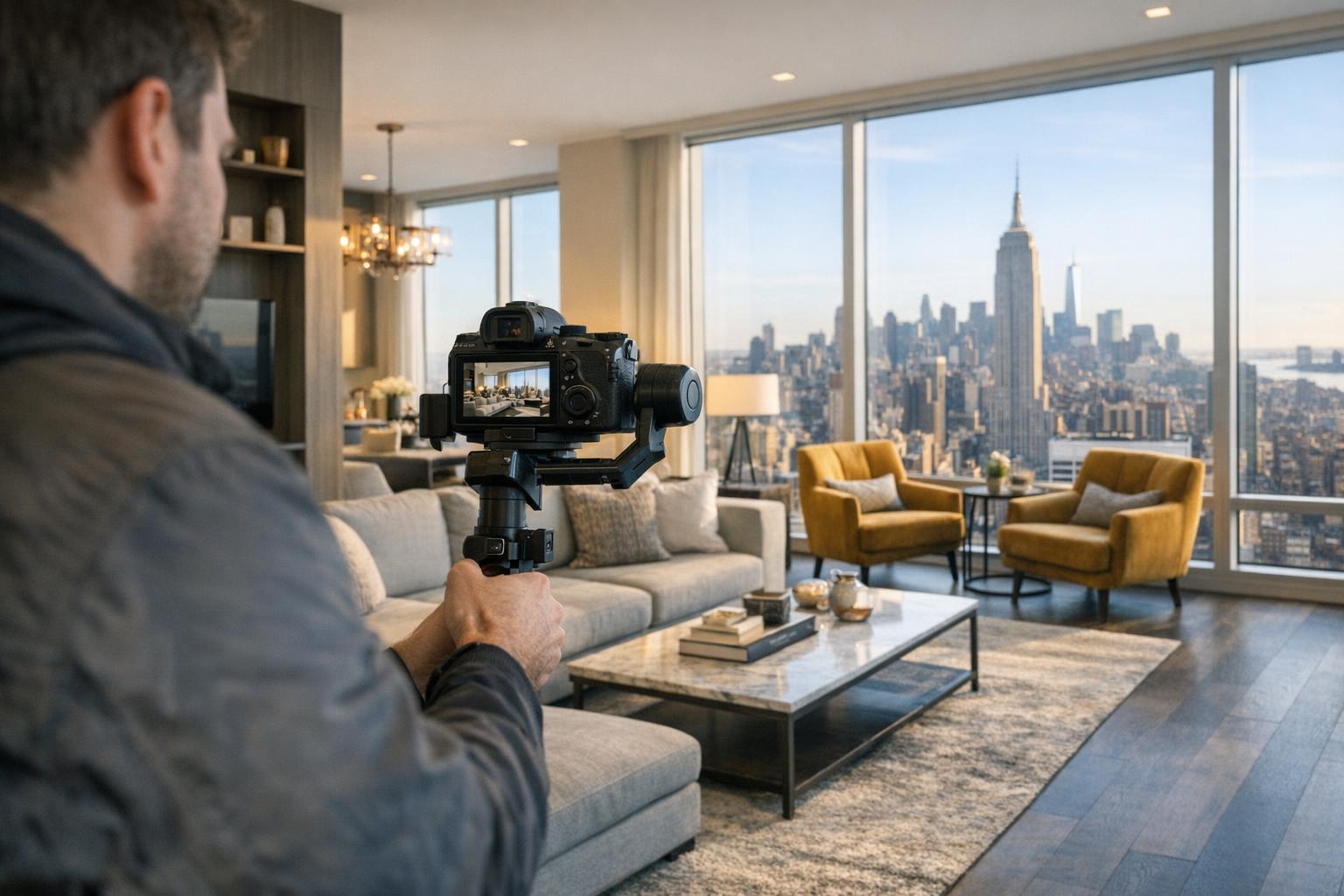
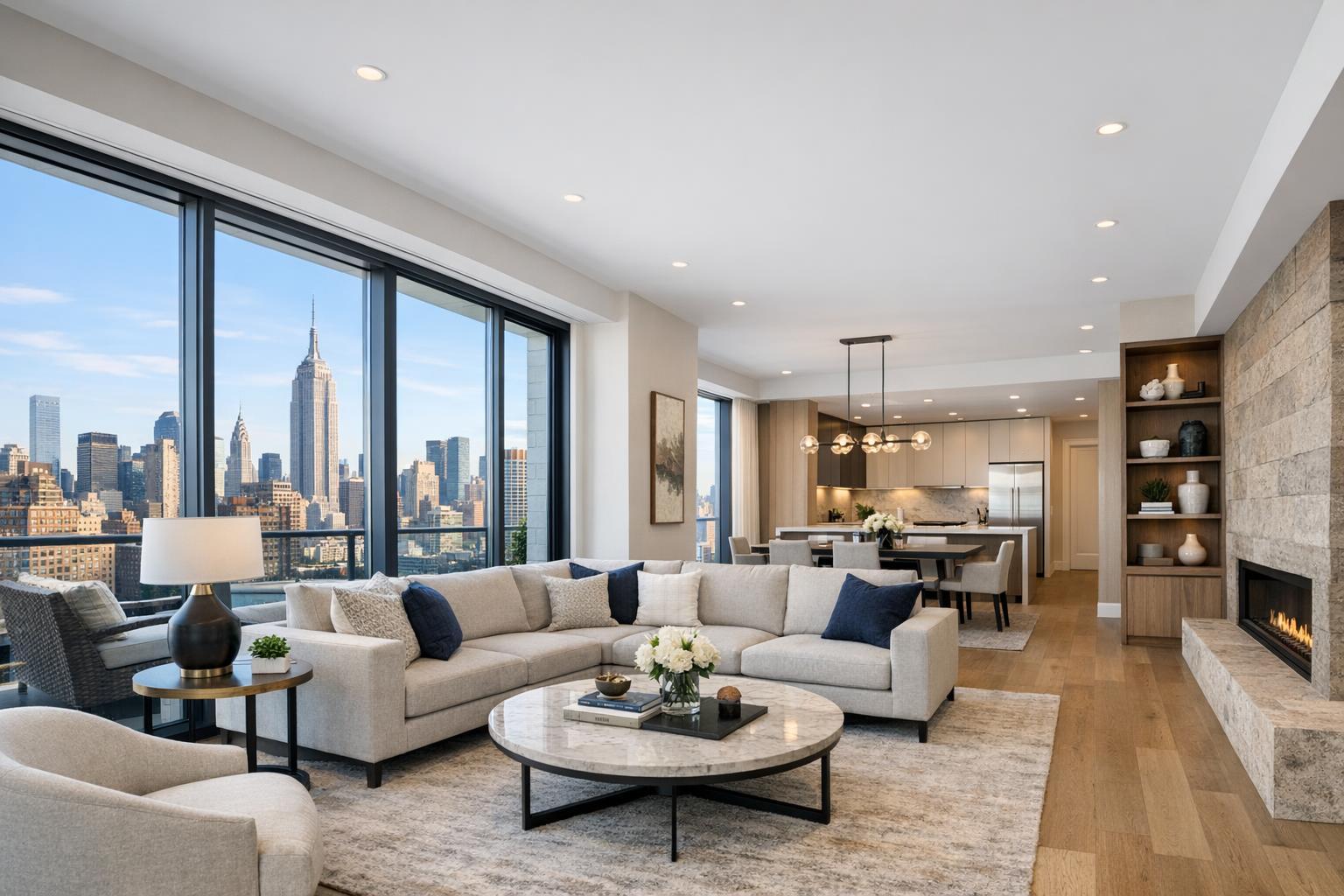
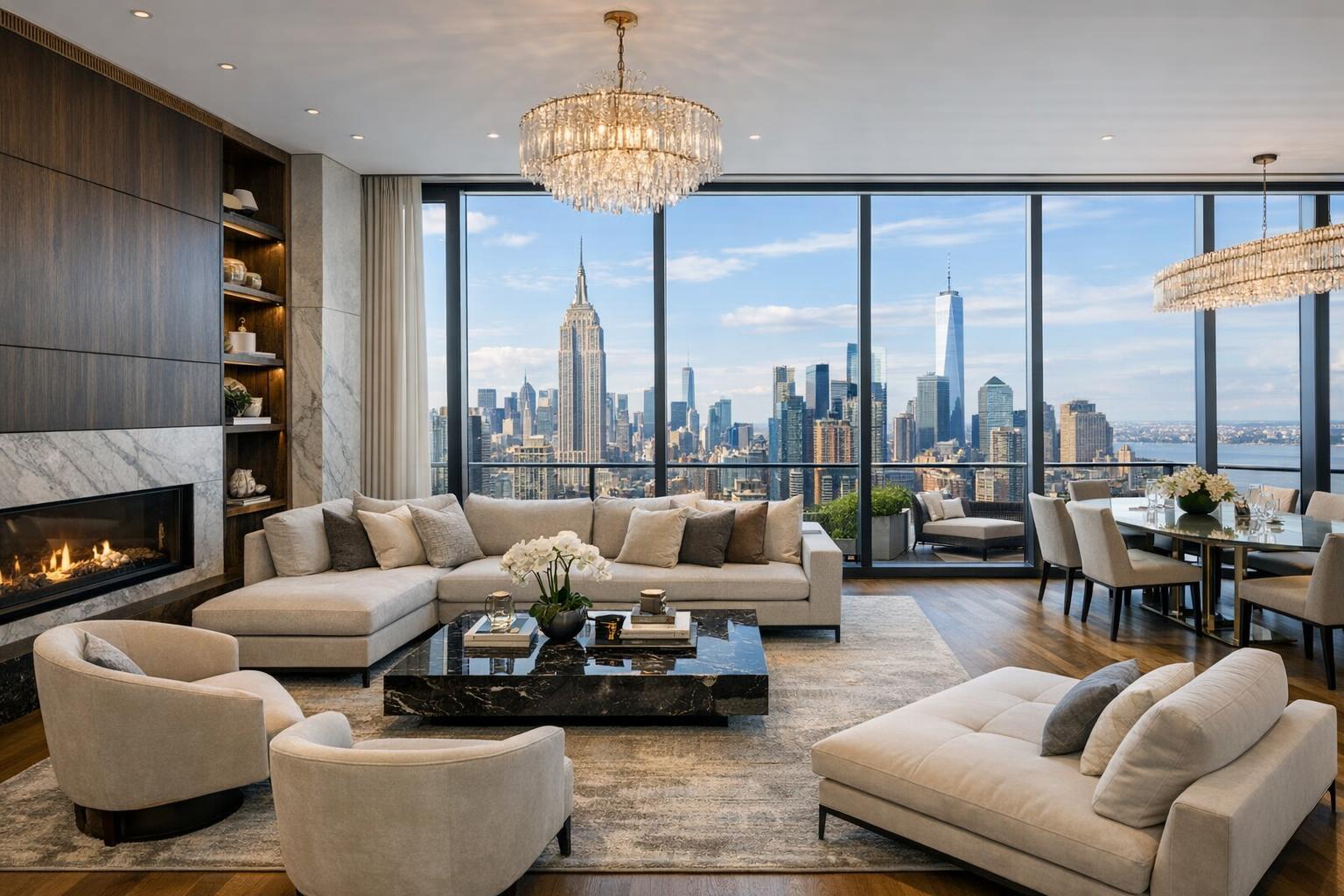
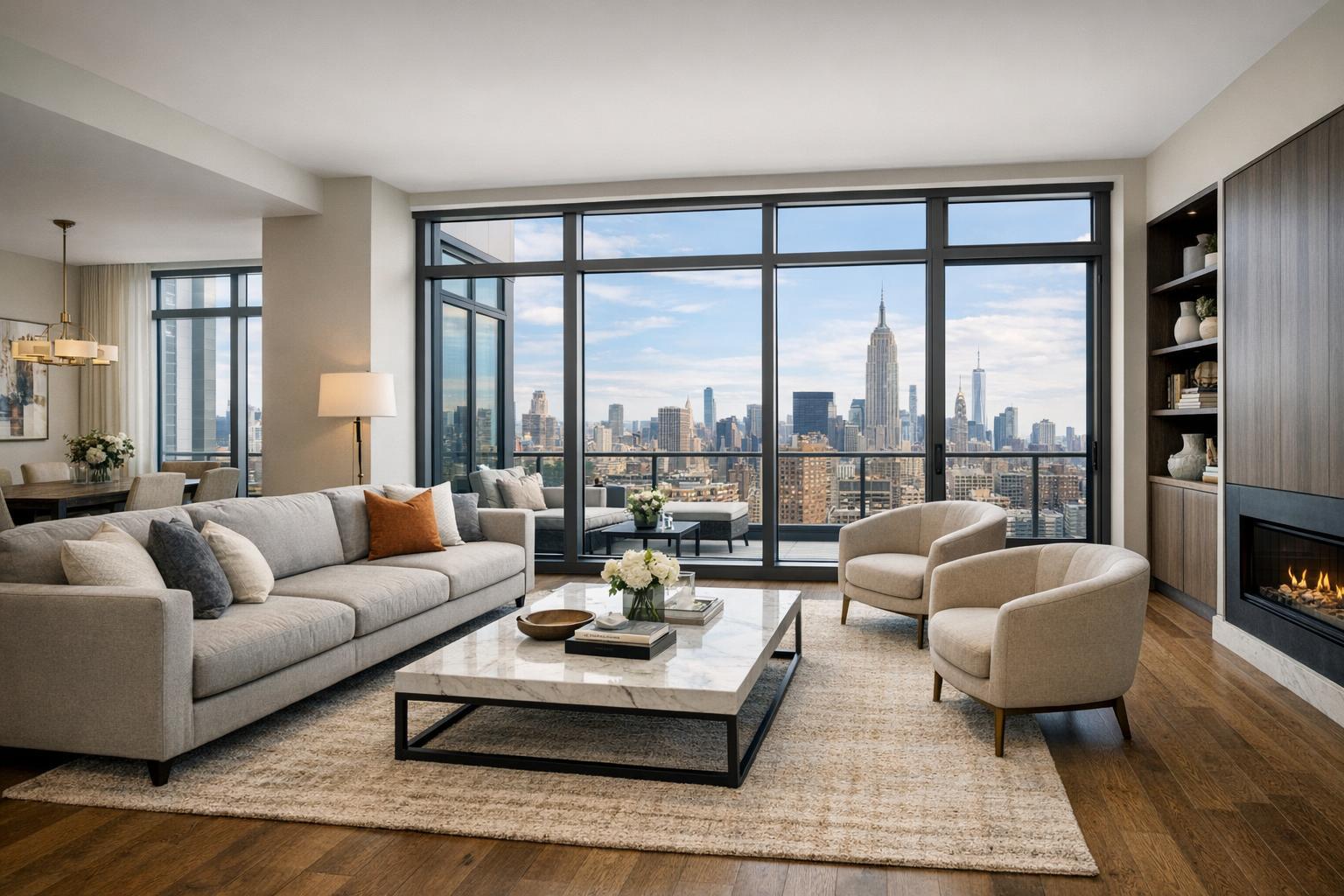
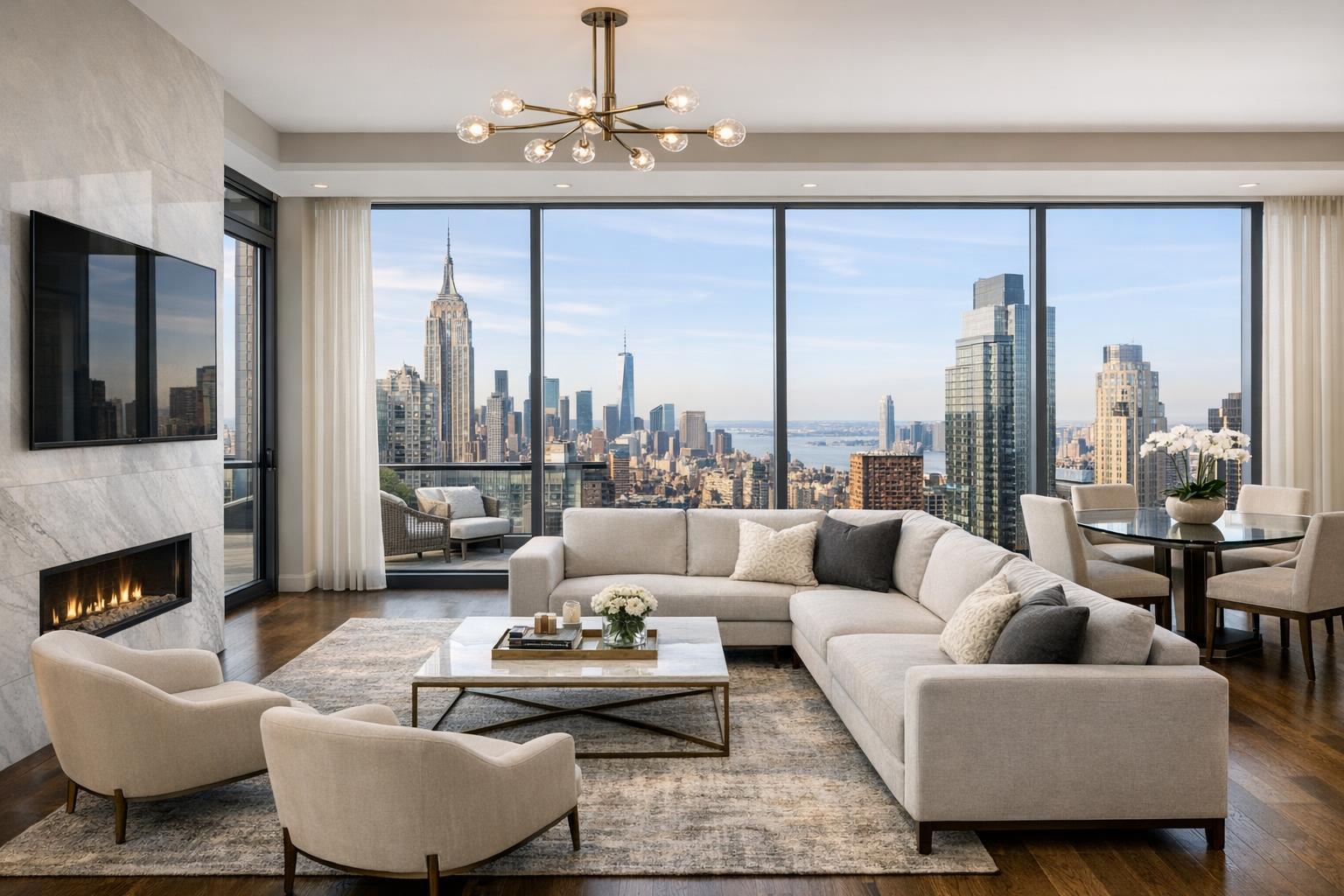
Capturing a luxurious living room with a stunning New York City skyline, the real estate photographer in NYC highlights modern elegance and breathtaking urban views.
Why You Need a Professional Real Estate Photographer in NYC for Standout Listings
A real estate photographer in NYC is more than someone taking photos—they’re a visual translator, providing clarity, context, and first impressions in one of the world’s busiest property markets. Professional real estate photography shapes how a prospective buyer, agent, or tenant first engages with a space. In a city as competitive and diverse as New York, clear, honest, and inviting images can be the difference between immediate interest and a listing that gets scrolled past.
First Impressions: Where Real Estate Photography Matters Most
In New York City and its surrounding markets, the sheer density of available listings means every decision about an apartment, brownstone, or condo often starts with photos. The gallery is the new curb appeal. Most buyers and renters flip through a property’s images long before reading its description or amenities. That initial reaction—curiosity, clarity, confusion, or even dismissal—traces directly back to how well the property is visually presented.
Well-produced photography ensures:
- Each room is easy to recognize and evaluate.
- Layout and flow are communicated honestly, avoiding distortion.
- Lighting is managed to reflect real ambiance—balancing sunshine with interior lighting, preserving the true feel of New York’s varied spaces.
- Standout features (from exposed brick to terrace views, decorative moldings to modern kitchens) receive the right emphasis.
Independent, unedited, or haphazard snapshots rarely deliver the context today’s buyers expect. Listings with inconsistent, underlit, or misleading photos tend to require more explanation and may not inspire the confidence that brings serious buyers through the door.
The Practice: Why Professional Photography Is a Strategic Decision
Professional real estate photography isn’t about airbrushing reality. It’s about developing an honest, attractive representation of a property—one that encourages exploration but still sets the right expectations for an in-person visit.
Managing Light and Perspective
NYC properties can throw some visual curveballs: daylight pouring in from a single window, deep shadows in pre-war layouts, and tight spaces that need to look inviting but not exaggerated. Experienced photographers handle these situations routinely:
- Using HDR techniques to combine multiple exposures, retaining detail inside and out.
- Correcting for awkward verticals and slanted lines, so rooms appear stable and proportionate.
- Choosing camera heights that feel natural for each space.
- Highlighting room-to-room relationships rather than cropping them out of context.
For a compact apartment, it might be about showing how functional a space truly is, without turning a 200-square-foot living room into a photographic illusion. In larger homes—like brownstones or townhouses—photography becomes a tool for storytelling, sequencing images to provide a visual walk-through from parlor level to garden or rooftop.
Honest Editing: Accuracy Above All
In professional real estate media production, editing is about refinement, not reinvention. RealtaSnap, for example, photographs actual spaces—capturing what physically exists and presenting it cleanly. The purpose of post-production is to address exposure and color accuracy, remove temporary minor distractions if needed, and avoid any artificial enhancements that could mislead buyers. Rather than layering on effects or removing permanent features digitally, images stay true to the property’s current state.
A Local Approach: NYC and New Jersey Considerations
Properties in New York and North Jersey have their own set of logistical and visual priorities. Here’s what seasoned photographers watch for:
- Downtown and uptown apartments might call for different lighting and wide-angle techniques without distorting proportions or making window views look artificial.
- Brownstones and pre-war buildings benefit from careful composition to showcase details (think original floors and moldings) and thoughtful progression through multi-level layouts.
- High-rises or buildings with amenities—gyms, roof decks, lounges—require planning around building access, staff coordination, and sometimes elevator scheduling.
- In New Jersey, larger lots and single-family homes expand the photographic canvas, emphasizing interior flow and broader exterior views.
Different property types pose different challenges, but the unifying principle is strategic intent: every image should clarify, not confuse; invite, not oversell.
Getting Ready: Preparation Sets the Stage
Great photos start with preparation—much of it outside the photographer’s direct control. Staging isn’t always required, but clean, clutter-free spaces help highlight the property, not its distractions. Agents and sellers can facilitate better results by:
- Clearing off kitchen counters, tables, and vanities.
- Tucking away everyday items like laundry, toiletries, pet toys, and visible trash.
- Opening shades or drapes for balanced natural light, when privacy allows.
- Ensuring all lights are working and easy to turn on.
- Removing excess furniture that restricts movement or blocks sightlines.
- Notifying building staff, tenants, or household members about the scheduled shoot.
Vacant listings may be eligible for virtual staging—but only when the room is truly empty or properly cleared, ensuring any virtual furniture doesn’t clash with physical objects in the frame.
Curious what to expect before a shoot? RealtaSnap offers practical guidance in the real estate photography prep guide, making the preparation step-by-step and easy to follow.
Choosing a Real Estate Photography Service: What Actually Matters
When comparing real estate photography services in NYC or NJ, portfolio quality tells more than promises. Consider these evaluation factors:
- Natural and Consistent Visuals: Do full galleries appear cohesive? Overly brightened images, wild lens distortion, or excessive sky-swapping are red flags.
- Property Type Familiarity: Has the provider demonstrated work with similar properties—whether that’s a mid-rise condo, a classic co-op, or a multi-story townhouse?
- Local Operational Knowledge: Urban shoots can require elevator scheduling, staff coordination, and compliance with building policies. Providers familiar with these realities avoid headaches at crunch time.
- Transparent Booking, Pricing, and Service Boundaries: Is the booking process clear and self-explanatory? Are all included and optional services spelled out in advance?
With RealtaSnap, online booking is straightforward—agents or property managers can schedule online, select coverage, specify needs, and choose a time in just a few clicks. Service policies and pricing are available up front.
How Many Photos Is Enough? It Depends
A small listing doesn’t need a sprawling, repetitive photo gallery, while a larger home with many features deserves broader coverage. The right gallery size is determined by
- Room count and layout complexity
- Property size
- Amenity and exterior space value
For reference, RealtaSnap’s most popular package includes 20 photos at $189, with options ranging up to 50 images for more complex properties. Reviewing the property in advance—rather than just ordering “as many as possible”—helps make coverage more effective and visually coherent.
For more about package options, see the full NYC photography page or NJ coverage.
When Complementary Media Complements—but Doesn’t Replace—Photography
While photography remains the foundation, some listings benefit from an expanded media plan. The right additions answer specific buyer questions or logistical needs:
- Floor plans help clarify layout and scale, especially when rooms have multiple purposes or the property has unusual flow.
- Video tours create a sense of movement, showing transitions from space to space that static photos can’t always capture.
- 3D virtual tours allow for interactive remote viewing—useful for buyers who want to revisit or explore at their own pace.
- Drone imagery, when feasible, is most helpful for properties with exterior space, views, or unique urban sites—but always requires a reality check regarding airspace, weather, and building access.
The goal is always the same: meaningful context, not media overload. The strongest listings answer common buyer questions clearly.
What Experience Teaches Us About Property Photography
With every project, real estate photographers become more precise with the details that matter. A few recurring lessons:
- Preparation pays off—clutter-free, clean rooms communicate value faster than post-production fixes ever could.
- Honest capture—shooting what exists, not presenting a fantasy, builds trust across the listing process.
- Consistent, thoughtful sequencing—from lead images to conclusion, galleries should be organized by the property’s story, not just room type.
- Awareness of operational realities—from elevator reservations to tight access windows, local expertise means fewer surprises on shoot day.
These aren’t abstract principles. They’re the sorts of real-world, on-the-job observations that differentiate a listing that feels inviting from one that feels quickly assembled.
Ready for Better Listing Media?
If you want your next NYC or New Jersey property listing to put its best foot forward, start by considering the value of professional, property-specific visual media. RealtaSnap is built for agents and property managers who need clarity, quality, and a smooth process—whether for a full-service listing or a simple photo refresh.
You can get started or learn more at www.RealtaSnap.com.
FAQ
Question: How much professional photography does my property need?
Answer: The right number of images depends on the size and complexity of your listing. A smaller apartment might need just enough to fully explain each room, while larger homes, multi-level spaces, or properties with unique amenities may require broader coverage. RealtaSnap’s packages are designed to scale with property needs, so you only pay for the coverage you use.
Question: Is physical staging necessary before a photo shoot?
Answer: Physical staging can help, particularly for vacant or ambiguous rooms, but it’s not required for every listing. Clean, well-organized spaces with existing furniture often photograph very well. For vacant spaces, virtual staging after decluttering is a solid choice. RealtaSnap can advise on the best approach for your specific situation.
Question: What if my building has access or scheduling restrictions?
Answer: Many NYC and NJ buildings have policies around visitor access, elevator reservations, or specific shoot windows. That’s not a problem—just communicate any requirements when booking. RealtaSnap is used to coordinating with building staff and can often accommodate access protocols to keep things running smoothly.