How to Choose a Commercial Real Estate Photographer in NYC
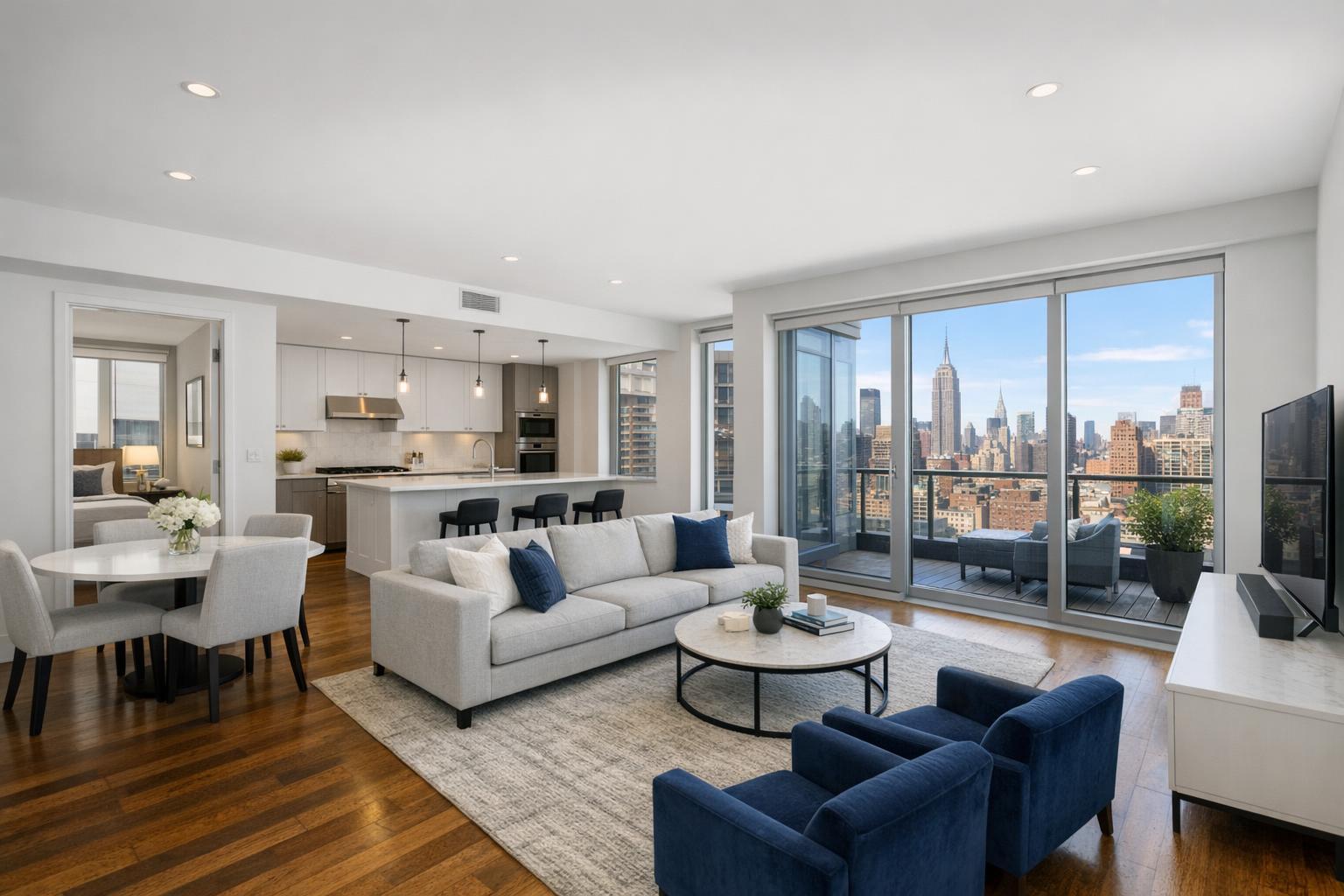
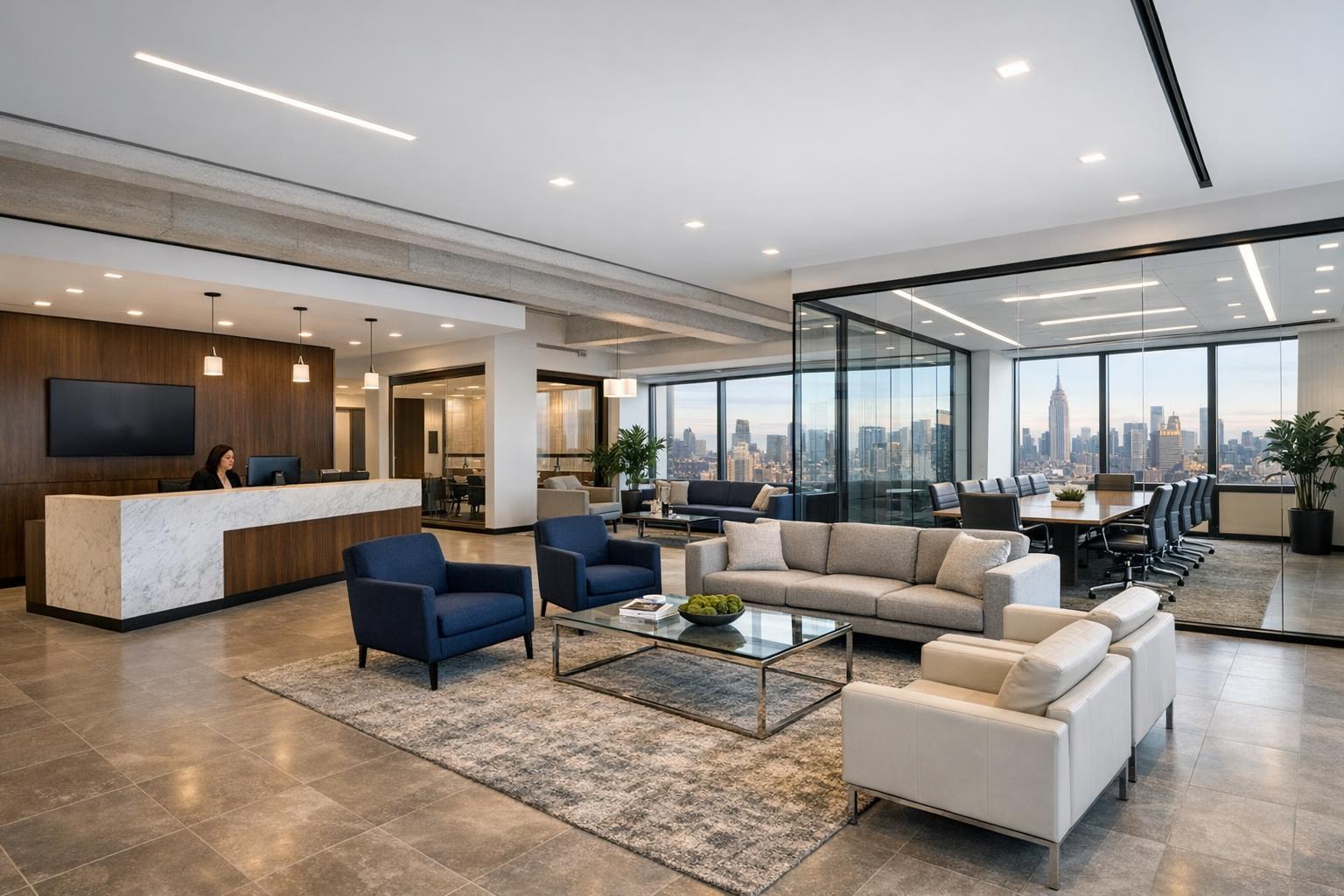
Captured by a commercial real estate photographer, the modern office space features sleek furnishings, a reception area, and a city skyline view through large windows.
How to Choose a Commercial Real Estate Photographer in NYC
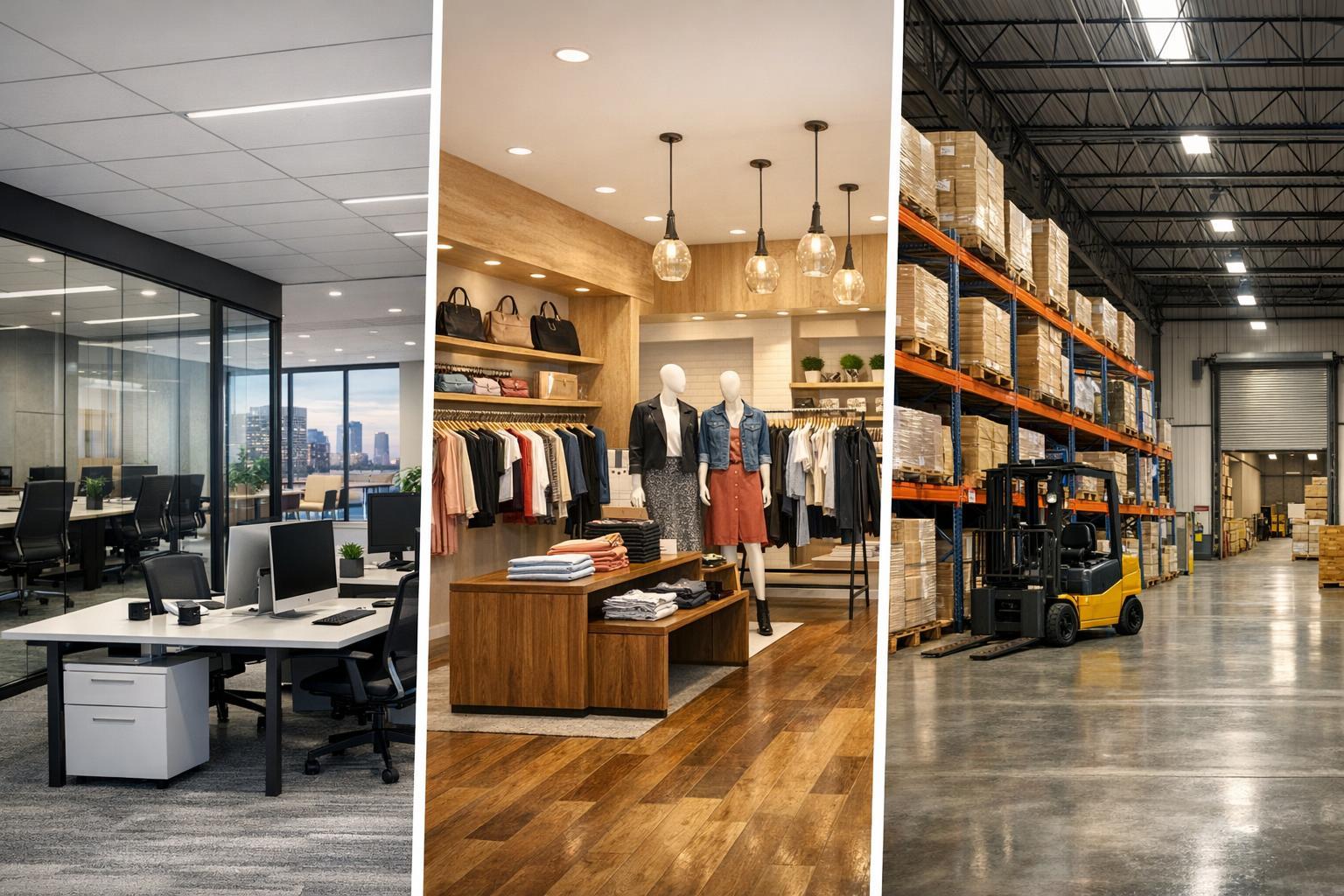
A commercial real estate photographer plays a unique role in helping professionals communicate property value before anyone even sets foot on site. In New York City and neighboring New Jersey, what matters most isn’t just visually striking images—it’s creating media that clarifies scale, layout, access, lighting, and the practical story of each property’s use. Whether you’re listing an office suite, storefront, warehouse, or development project, making the right photographer choice requires a blend of aesthetic sensibility and operational precision.
The Real Job of Commercial Photography
A gallery of attractive photos isn’t enough for successful commercial marketing. What truly matters is representing a property’s reality: functional scale, accurate layout, believable context, and clear visual orientation. Commercial real estate photography should give office tenants, retail prospects, investors, and other stakeholders the practical information they need to see how a property will work for them.
A strong commercial property photographer will ask in-depth questions about your target audience and the goals for your marketing campaign. Images may need to support widely varied objectives, from leasing to investment presentations, and determining the right mix requires clarity up front.
Every Property Deserves Its Own Strategy
Treating every commercial shoot as simply “interior photos” is a missed opportunity. Different property types and locations across NYC and NJ present different priorities:
- Office spaces in Manhattan often benefit from photos emphasizing natural light, flexible layouts, and amenities—while also making tight footprints feel inviting rather than cramped.
- Brooklyn retail and mixed-use properties require particular attention to exterior presence, street activity, and window visibility. Timing a shoot to capture bustling sidewalk traffic or favorable daylight is frequently more valuable than flawless lighting inside.
- New Jersey industrial properties demand focus on truck courts, loading bays, yard space, functional access, and scale—elements that define value for industrial tenants far more than wall finishes.
A smart shot list adapts to the actual property, not just a checklist. In retail, the sidewalk presence may be just as critical as the sales floor; in development projects, consistent views across phases help document progress and keep stakeholders in sync.
What Real Professionals See (That Casual Shooters Don’t)
Making spaces look attractive is only half the job. In our experience working with commercial properties, attention to technical realities separates professional results from forgettable snapshots:
- Straight, natural lines: Vertical surfaces should remain vertical—distorted perspectives can leave an office or warehouse looking off-kilter, misleading, or physically inaccurate.
- Balanced lighting: Especially in workspaces and lobby areas, window brightness and interior exposure should appear natural. It takes awareness to prevent one from overwhelming the other.
- Consistent editing: Every image in a set should match for color, contrast, and brightness. Otherwise, conference rooms may look dramatically different from hallways—even if separated by just a few feet.
- Contextual composition: Instead of photographing isolated rooms, effective shots show how spaces relate—illustrating how tenants move from the lobby to their offices, or how receiving docks connect to warehouse floor areas.
These details are subtle, but they’re what make galleries trustworthy and properties easy to imagine occupied.
Building the Right Shot List
A commercial property doesn’t benefit from a generic “every room in order” approach. Instead, the best shot lists focus on the property’s real marketing needs:
- For offices: Include communal spaces, work zones, private offices, amenity areas, and important building features (like direct elevator access or high ceilings).
- For retail: Emphasize facade width, signage opportunity, street context, and the relationship between outside activity and interior presentation.
- For industrial/flex: Document loading access, parking, bay dimensions, yard space, and operational paths—often using wider perspectives to show scale.
- For mixed-use and developments: Plan images that visually separate the residential, retail, and amenity components, rather than merging them indistinctly.
If some features require special scheduling, such as access to rooftop zones or construction sites, arrange them early to avoid last-minute issues.
Key Questions to Set Your Project Up for Success
Clear expectations make for a smoother shoot and predictable results. Before you hire any commercial real estate photographer, consider these practical decisions:
- Has the provider worked with properties similar to yours—offices, retail, industrial, or mixed-use?
- Will you review and confirm a shot list that matches your marketing priorities?
- What arrangements are needed for exterior, amenity, or mechanical access?
- How will occupied workspaces, operational staff, or sensitive material be handled on site?
- Is your shoot best scheduled for a particular time of day to capture natural light, avoid foot traffic, or work around business operations?
- What pre-shoot preparations do you need (cleaning, decluttering, turning on lights, etc.)?
- Who will be on site to provide property access and approve in-the-moment decisions?
For multi-tenant or secure buildings, make sure access through security, elevators, or restricted areas is resolved in advance.
Navigating Busy Properties, Building Logistics, and Real-World Hurdles
Active commercial spaces—whether they’re open offices, bustling stores, or functioning warehouses—require a different kind of planning than empty residential listings. Managing people, equipment, clutter, and visible distractions makes a difference in how professional your finished images appear.
Some practical tips from our production team:
- In offices: Decide whether desk areas should be shown “as is” or cleared for a tidier look. Consider whether people should be visible in final images; sometimes, a few staff members add energy, but it’s best to coordinate this in advance.
- In retail: Aim for organized displays and clear line-of-sight to storefronts—schedule around periods of low customer flow if possible, but don’t risk missing the natural vibrancy of retail activity when it adds marketing value.
- In warehouses: Clarify any zones that shouldn’t be photographed, and coordinate with building operations to work around active loading or equipment use.
A property walk-through before your shoot day can help identify and remove common distractions like bins, extension cords, temporary signage, shipping boxes, and other visual clutter.
When to Consider More Than Still Photography
Still photography is foundational to most commercial listing packages, but not always enough to address every marketing need. Consider supplementing with:
- Video: Demonstrates flow, movement, and the spatial relationship between zones. Commercial video should be intentionally shot on site, not cobbled together from photos after the fact.
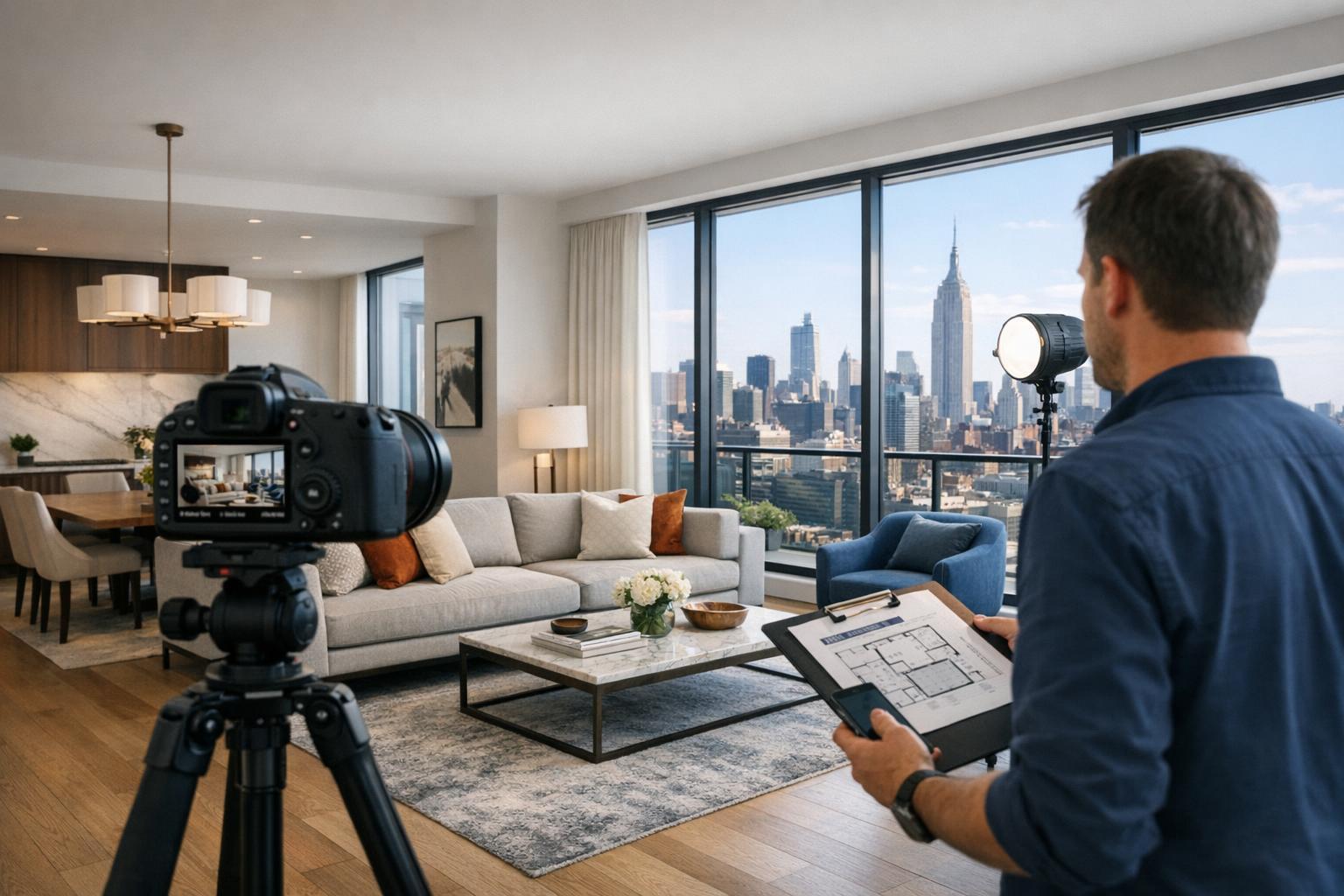
- Floor plans: Especially valuable for multi-room offices, retail sites, and warehouse layouts. Accurate plans require physical access and on-site measurement—plans made from photos or PDFs won’t reflect the real space.
- 3D virtual tours: Enable remote stakeholders to explore a property interactively. Like floor plans, these require comprehensive, on-site scanning.
- Aerial media: Drone photography or video can contextualize site layout, access roads, and neighboring development. In Manhattan, airspace restrictions and roof access limitations require case-by-case evaluation.
Choose these services because they answer a specific stakeholder need—never simply because they’re available.
Communication and Coordination: The Overlooked Ingredient
Commercial shoots tend to require more coordination than residential photography. When multiple decision-makers, building managers, or stakeholders are involved, communication becomes as important as camera settings.
It pays to clarify who will provide property access, how to handle active areas, and when on-the-fly adjustments can be made. For offices, warehouses, multi-level spaces, or listings needing both photo and video, having everyone aligned on timing and scope reduces friction.
RealtaSnap, for example, is designed around easy, coordinated service for commercial property clients in NYC and New Jersey. Standard projects can be booked online, with options to add media services and provide customized access notes for the field team. For properties with unusual requirements, sharing full project details in advance allows for realistic workflow planning. You can review property photography services or get started at RealtaSnap's commercial photography page.
Making Your Property Easier to Evaluate
The real litmus test for any commercial media project isn’t how striking the photos look online—it’s whether they make the floor plan, flow, and function of your asset easier to understand. Prioritize a photographer or team who can:
- Represent physical scale and space accurately
- Maintain natural architectural lines and perspectives
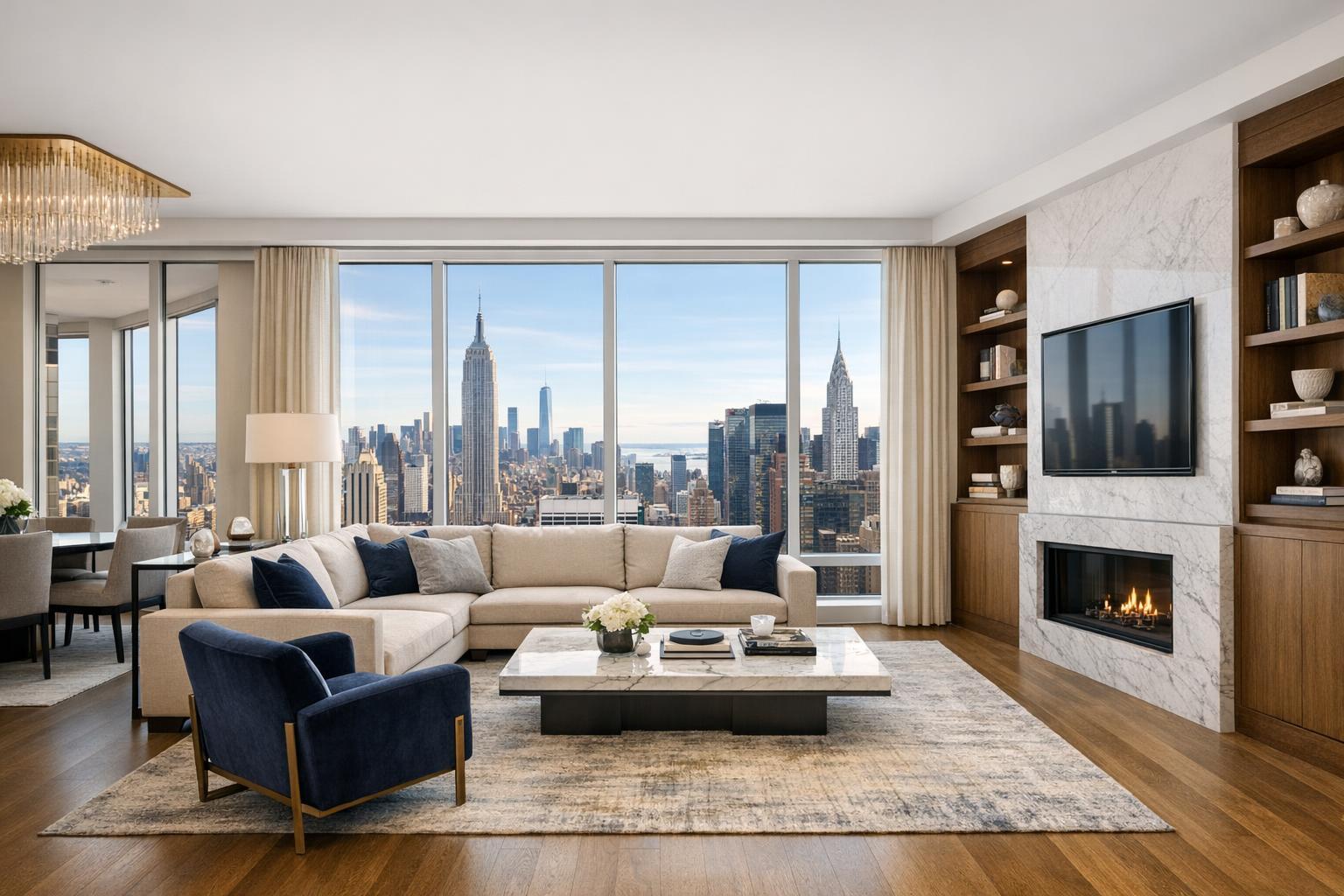
- Balance light conditions, especially with large windows or high ceilings
- Build sequences that help viewers navigate the space as though they were on site
With careful planning, a property walk-through, and collaboration between client and photographer, commercial real estate photography can provide not just polish, but clarity for everyone involved.
Ready to plan your next commercial shoot, compare booking options, or see more about what we offer? Visit www.RealtaSnap.com to learn more or get started.
FAQ
Question: How many images does my commercial property actually need?
Answer: The right number depends on property size, scope, and your marketing goals. For small office suites, a concise set of well-chosen images often does the job. Larger multi-story spaces, warehouses, or projects with multiple distinct zones will likely need additional coverage—both interior and exterior—so prospects can understand every functional area.
Question: Can you photograph active offices or retail properties during business hours?
Answer: Yes, but it’s important to prepare beforehand. Photos can capture an active environment, but you’ll want to organize visible work areas or merchandise, clear sensitive information, and coordinate so key spaces are accessible. Think through whether you want team members or customers to appear, and discuss this preference before the shoot.
Question: Is drone photography feasible for commercial listings in NYC?
Answer: Drone shoots may be possible, but they’re always handled on a case-by-case basis. Factors like city airspace, weather, safety, building access, and FAA rules come into play. If drone media matters for your property, reach out with the address and requirements, and RealtaSnap can evaluate feasibility and coordination options.