Why Real Estate Photography NYC is Essential for Faster Sales in 2024
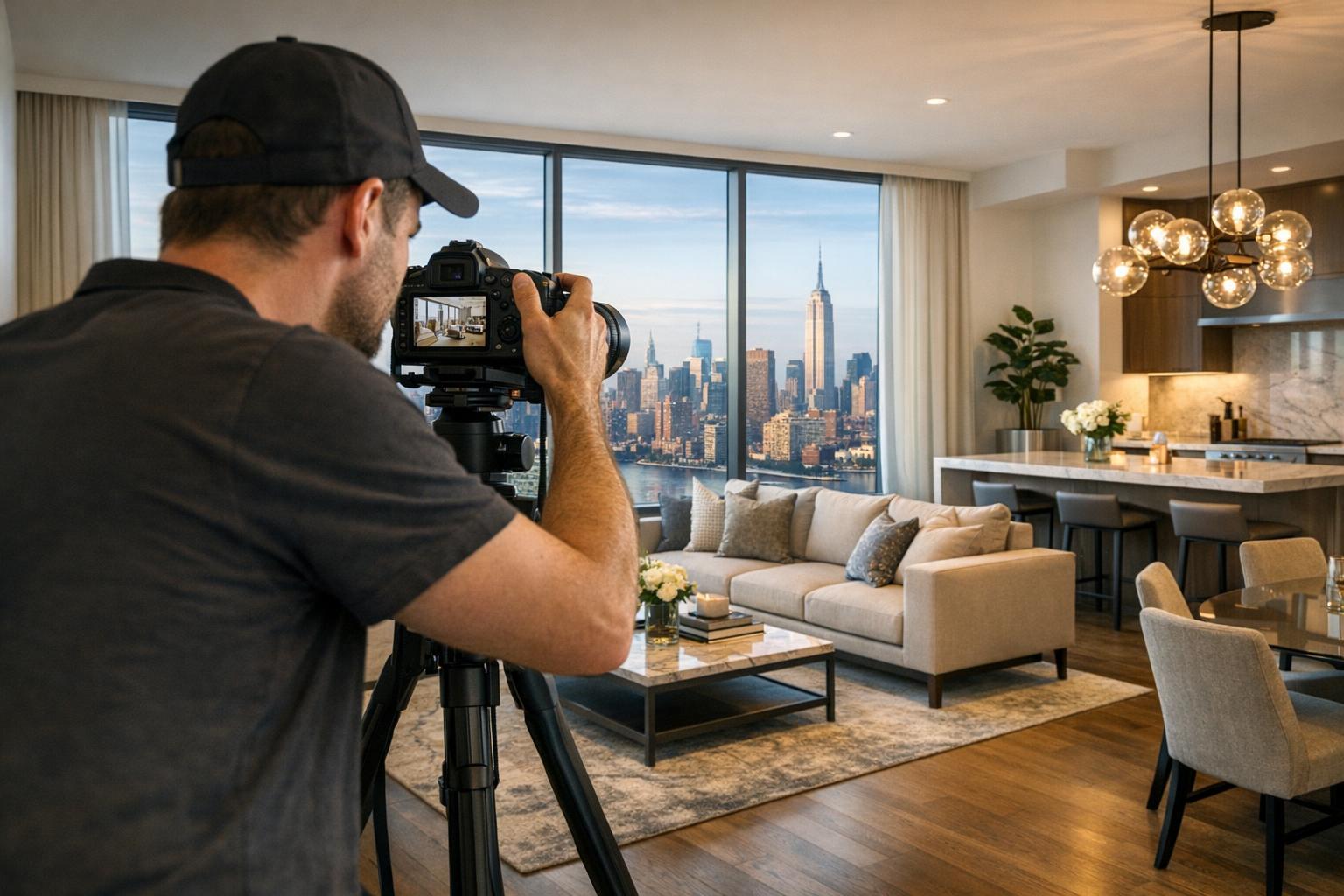
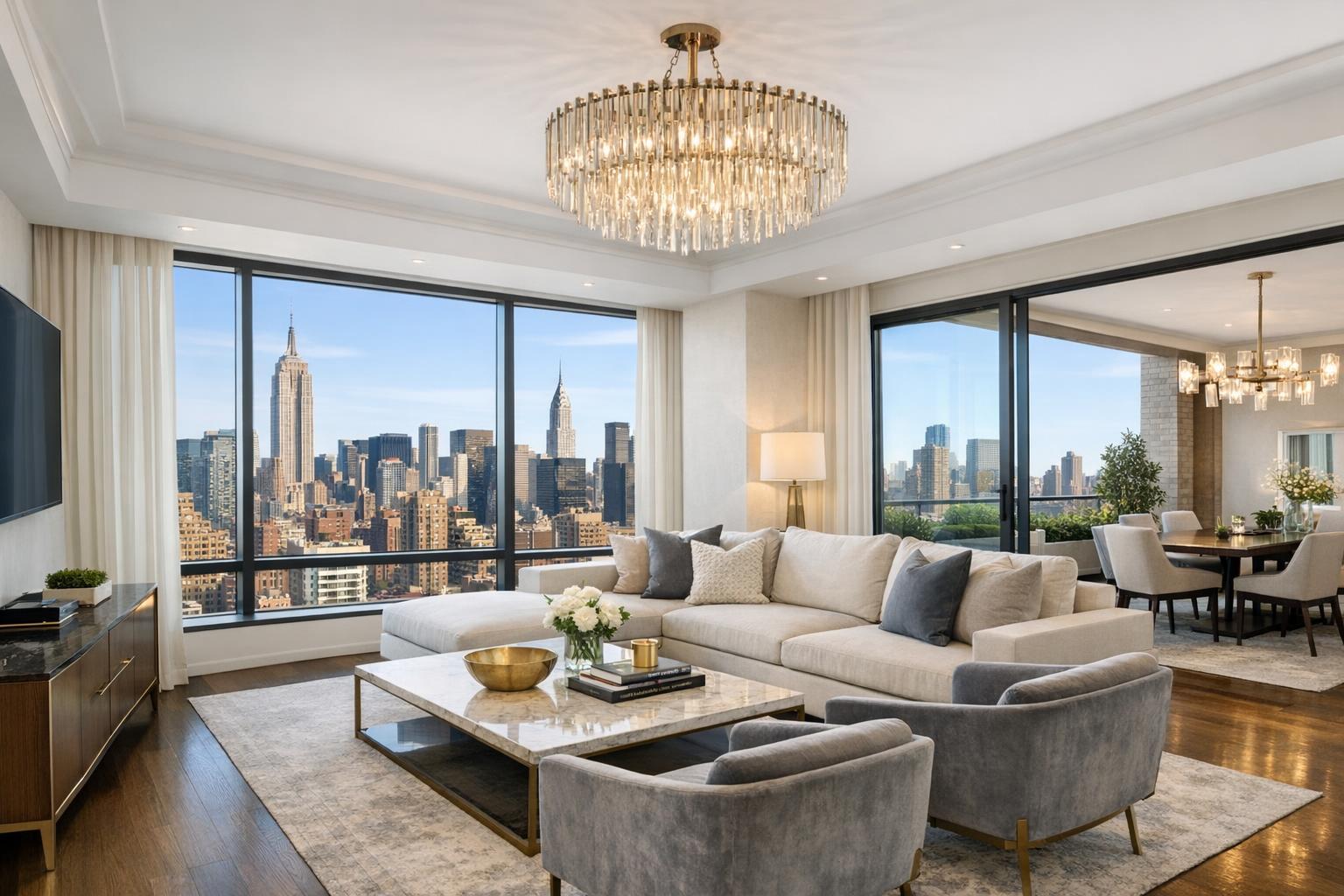
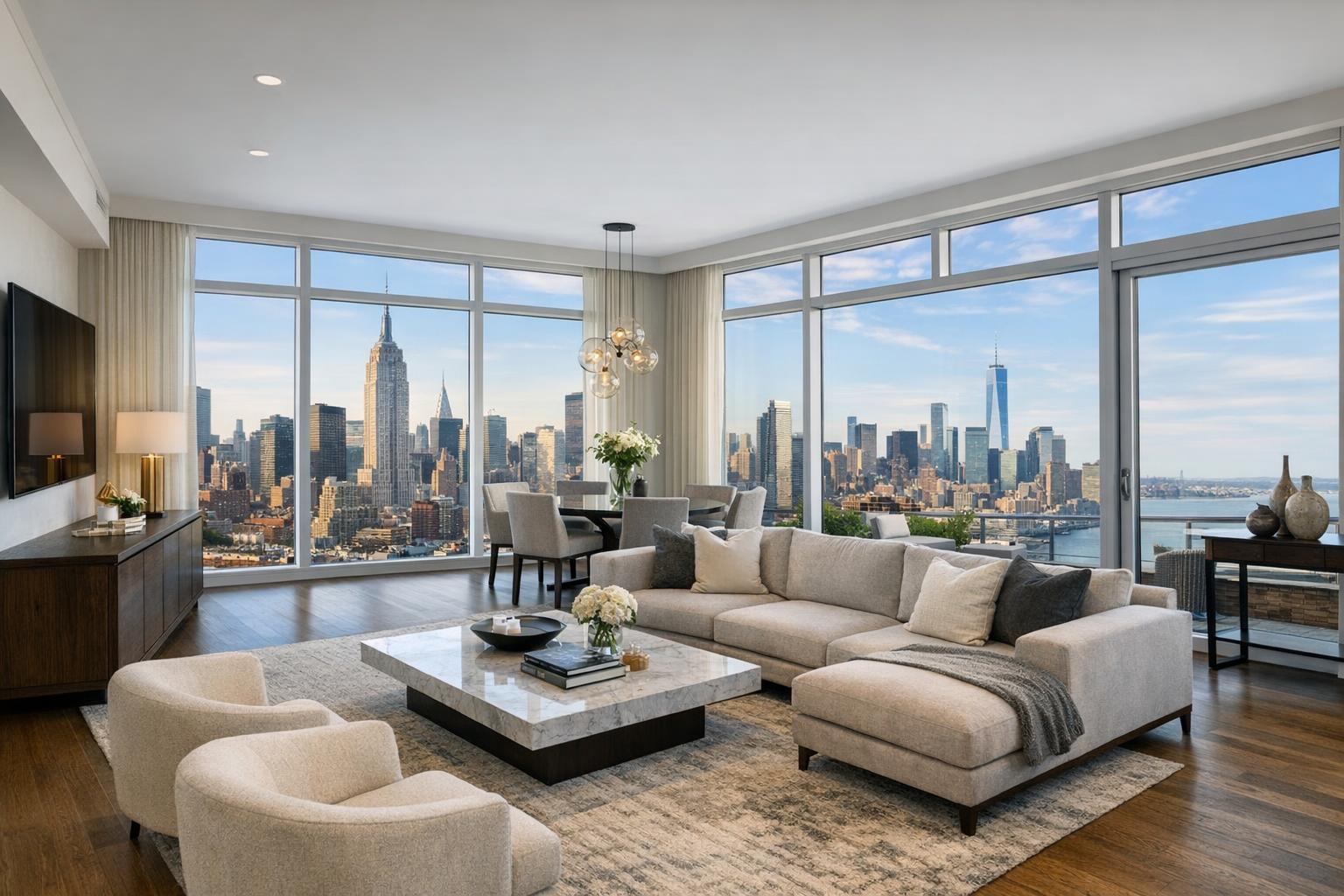
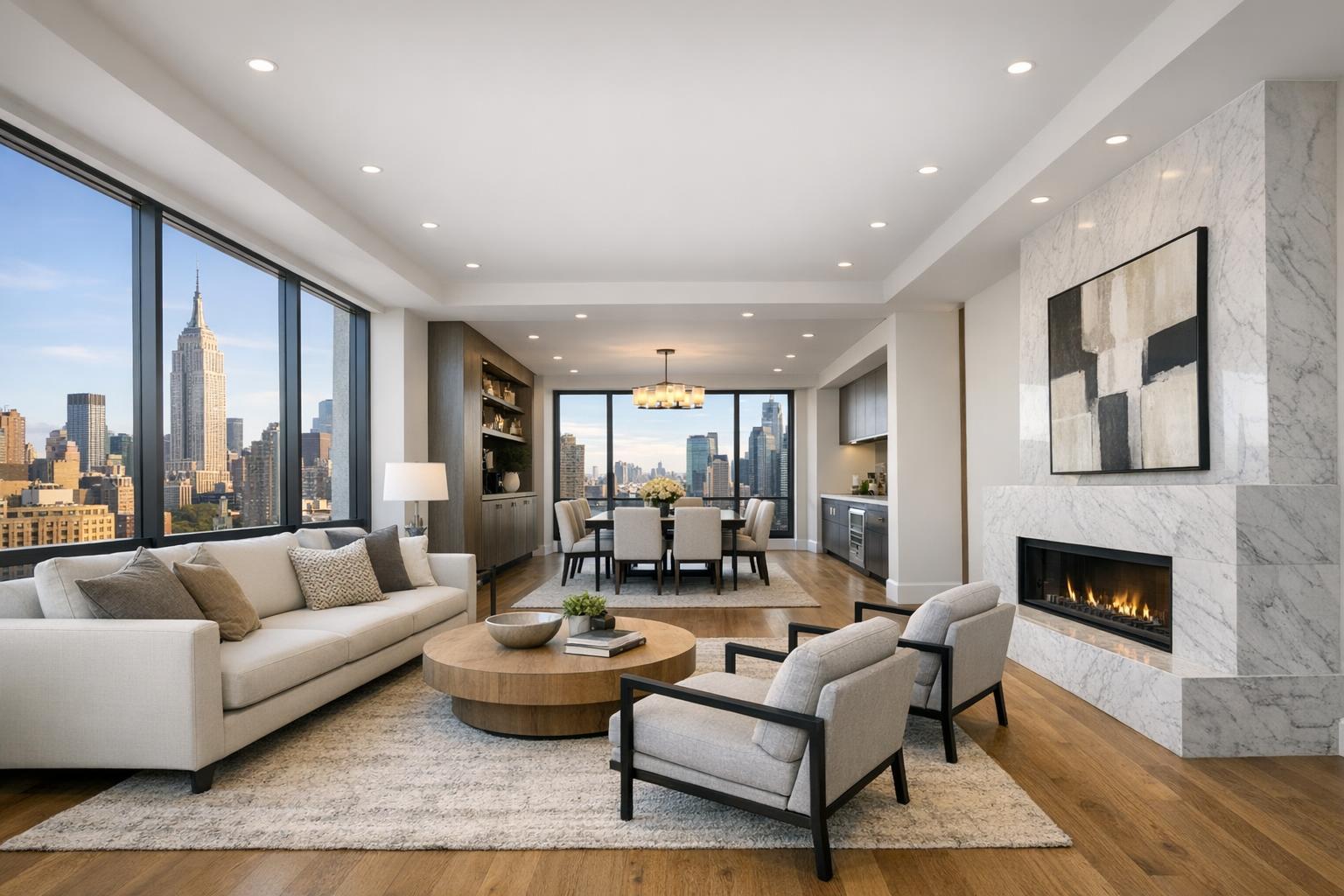
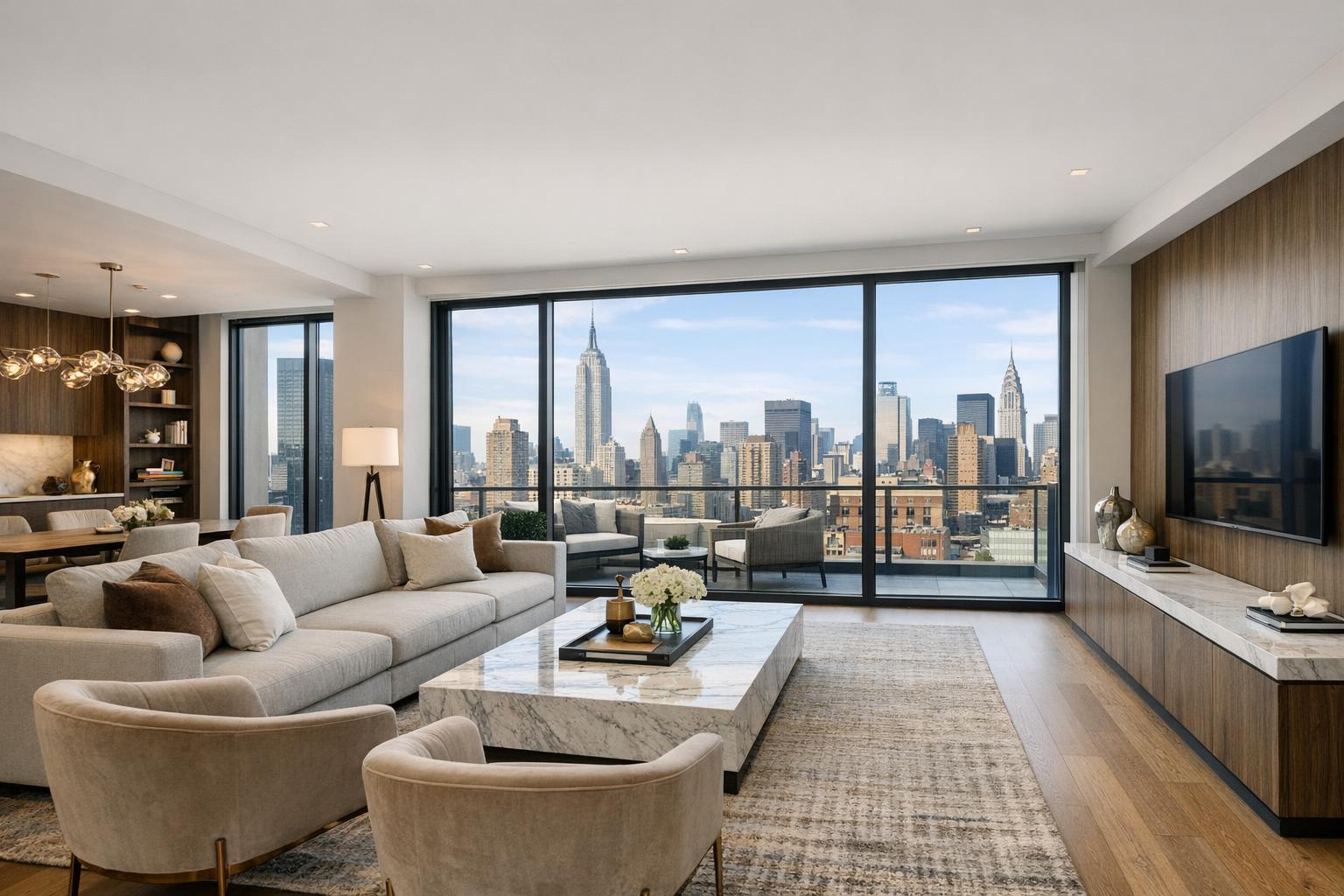
A luxurious apartment interior showcasing panoramic views of the New York City skyline exemplifies sophisticated real estate photography in NYC.
Why Real Estate Photography NYC is Essential for Faster Sales in 2024
Real estate photography in NYC sits at the front line of every listing’s marketing strategy—and it’s often the single most influential factor in whether a property gets noticed or ignored during an online search. In a market where competition is relentless and every detail matters, the images that represent your listing are more than marketing collateral; they are the listing’s digital handshake.
The Crowded NYC Market: Why Presentation Isn’t Optional
Most prospective buyers in New York City will tour dozens of listings on a screen long before ever setting foot inside a property. The city’s unique mix of architecture—compact Manhattan studios, grand Brooklyn brownstones, and shiny new developments in Long Island City—means every listing faces distinct visual challenges. In an environment where buyers are comparing multiple options in a matter of seconds, nothing gets a property overlooked faster than poor or forgettable photography.
A clean, thoughtfully-lit image is often what compels a viewer to pause, explore details, and consider scheduling a showing. A cluttered, dark, or distorted photo can do the opposite, moving your listing to the "pass" pile before it has a chance.
Key operational realities our team frequently manages in NYC and New Jersey include:
- Tight layouts that require careful perspective and composition choices.
- Variable natural light caused by building orientation, floor level, and neighboring structures.
- The need to capture pre-war features (think moldings and fireplaces) or the spare lines of a modern condo each in ways that honor their unique appeal without looking repetitive.
- Building access procedures and tight scheduling, which are just part of listing life in NYC.
Clear, polished photos can’t force a sale. But they do help buyers, investors, and tenants see potential and context from the very first scroll.
More Than Decor: Building a Visual Narrative
Strong property photography in NYC doesn’t just flatter a space—it tells a story about how the home functions and how spaces connect. For most buyers, understanding flow and scale is just as important as seeing the latest finishes.
An effective photo sequence helps viewers mentally “walk” through the home, from living areas to kitchen, bedrooms, and outdoor spaces. And if your property offers special features—window views, a private terrace, clever built-ins—highlighting those in a way that makes sense is crucial.
Operational tip:
Using wide-angle lenses is standard in real estate media, but the most effective shots avoid overextending the space, maintaining honest proportions and minimizing visual distortion. Consistent vertical lines and balanced exposure are core to making a room feel both honest and inviting.
How Lighting and Composition Influence Perception
Natural light in New York is unpredictable, and few apartments enjoy wall-to-wall sun. Professional HDR (high dynamic range) photography, a staple of our shoots, balances different light levels—illuminating darker interiors and retaining bright views out the windows. The result: rooms feel as they are meant to, not artificially edited, but genuinely understood.
Each photo in a sequence should be composed to show context and spatial flow. That often means capturing sightlines into adjacent rooms and using measured camera height to avoid stretched furniture or awkward vantage points. The aim isn’t to make every room look larger, but to help viewers quickly grasp function and layout.
Real-world challenge:
Photographing an occupied apartment may require more prep—removing clutter, closing open drawers, and moving personal items out of sight—to allow the property’s permanent features to shine.
Visual Priorities for NYC and New Jersey Listings
One formula doesn’t fit all. Manhattan apartments often require a focus on efficient layouts, window exposures, and every square foot of storage. In Brooklyn, brownstones and townhomes may benefit from a photo sequence that reveals vertical transitions—from parlor to kitchen to garden—making the property’s scale and character clear. New Jersey’s larger single-family homes and suburban properties often call for broader shooting coverage, more generous exterior shots, and showcasing of outdoor spaces.
Considerations we weigh for different property types:
- Apartments and condos: Prioritize core spaces, window views, and amenities when available.
- Townhomes and brownstones: Document vertical layout, transitions between floors, and unique details like fireplaces or staircases.
- Single-family homes and commercial spaces: Capture both scale and functionality, with exteriors and usable features presented clearly.
The Value of Preparation: How to Make Every Shot Count
High-quality photography starts with preparation long before our team arrives with a camera. While you don’t need to create a magazine-ready environment, following a preparation checklist can make every minute of the shoot more productive and result in images that feel clear and uncluttered.
Quick preparation tips:
- Clear personal and miscellaneous items from countertops, desks, and side tables.
- Limit small kitchen appliances or knickknacks to just a few intentional items.
- Open window treatments where possible, but consider privacy and building exposure.
- Turn on all working lights to ensure balanced illumination.
- Smooth out bedding and store away excess linens and laundry.
- Move vehicles from driveways if an exterior shot is planned.
- Verify building access and scheduling in advance—especially for doorman or high-rise buildings.
A well-prepared property allows the photography session to focus on capturing usable angles, genuine finishes, and true architectural flow. This makes the visual story more consistent from image to image.
Occupied properties: If rooms feel visually crowded, agents and clients may consider temporarily removing or rearranging furniture to improve flow—not to conceal, but to show the room’s best purpose and potential.
Trends in Real Estate Photography Media
Today’s listing media toolkit is broader and more versatile than ever, but still photography remains the foundation for day-to-day listing success in NYC and New Jersey. No matter how video and 3D tours evolve, clear, well-lit images serve as a universal language for buyers and agents alike.
Complementary media can help provide further visual context, but it should always be used intentionally:
- Video tours: Useful for showing room-to-room movement and the “feel” of the space but must be planned and captured on-site.
- Floor plans: Essential for clarifying layout and room dimensions, especially when photos alone can’t tell the full story.
- 3D virtual tours: Allow remote prospects to tour a property interactively, providing an immersive experience.
- Drone imagery: When allowed by local airspace and weather, these views can help buyers understand setting, scale, and outdoor features.
- Virtual staging: Intended for empty or properly decluttered rooms, not occupied or cluttered spaces.
Choosing which formats to use depends on property type, marketing strategy, and audience. But functional, accurate photography is nearly always the starting point.
For guidelines on preparing your listing, see our Real Estate Photography Prep Guide.
What Sets the Best Property Photography Apart
Evaluating a photography provider goes beyond looking at a handful of dramatic portfolio images. The real value comes from consistent quality, clear communication, and a deep understanding of property marketing logistics. Relevant questions to consider include:
- Does the photographer reliably deliver sharp, balanced images across both dark interiors and bright window exposures?
- Are similar property types represented in their portfolio?
- Can they work within your building’s scheduling or access policies?
- Are all deliverables and editing policies clearly explained up front?
- Can complementary services (floor plans, video) be added as part of the same appointment for efficiency?
An effective real estate photographer works as a partner, not just a vendor. Understanding the operational challenges—city or suburban—makes a tangible difference in resulting images and the ease of your listing process.
For details on RealtaSnap’s media options, visit RealtaSnap’s homepage.
Working With RealtaSnap: What to Expect
Active real estate marketing in NYC and New Jersey moves quickly. Our team provides booking and service delivery designed around the realities of listing launches, building protocols, and varying seller timelines. Photography packages range from focused coverage for smaller listings to more comprehensive solutions for larger homes and commercial spaces.
Booking is streamlined through our scheduling platform at www.RealtaSnap.com/schedule. For each appointment, you can specify coverage, add notes and select optional services like floor plans, video, or drone, as needed. Pricing is clear, with standard photo packages beginning at $149 for a 10-photo package, scaling with coverage needs. See full details on our photo services and rates.
Give Your Listing a Clearer Advantage
Ultimately, factors like price, location, and market timing are outside any photographer’s control. But presenting your listing with sharp, coherent, and honest imagery is one of the few elements you can plan in advance—and it profoundly influences how potential buyers and their agents will perceive your property from the start.
If you’re preparing a listing in NYC or New Jersey, consider how professional property photography—and the right balance of supporting visual content—can help your marketing feel both polished and practical.
Questions about services or scheduling? Explore options for your next listing at www.RealtaSnap.com.
FAQ
Question: How many images are recommended for a typical NYC real estate listing?
Answer: There’s no one-size-fits-all answer. Studios and one-bedroom apartments often benefit from 10–20 focused photos, while larger homes, townhouses, or properties with outdoor amenities may need more coverage for clarity. Each image should add value, not just repeat the same view.
Question: Should owners attend the photography session?
Answer: Owners can be present if building access or coordination is needed, but rooms usually photograph best when prepared ahead and free of people, pets, and excess activity. Agents often help with scheduling and preparation to keep the process smooth.
Question: Can virtual staging help with an occupied space?
Answer: Virtual staging works best in empty or properly decluttered rooms. If furniture remains, clutter-removal editing (as a paid add-on) is completed first, ensuring the virtual result looks clean and realistic. This policy helps present listings accurately while making the most of digital staging tools.