Why Professional Real Estate Photography Services in NYC Make All the Difference
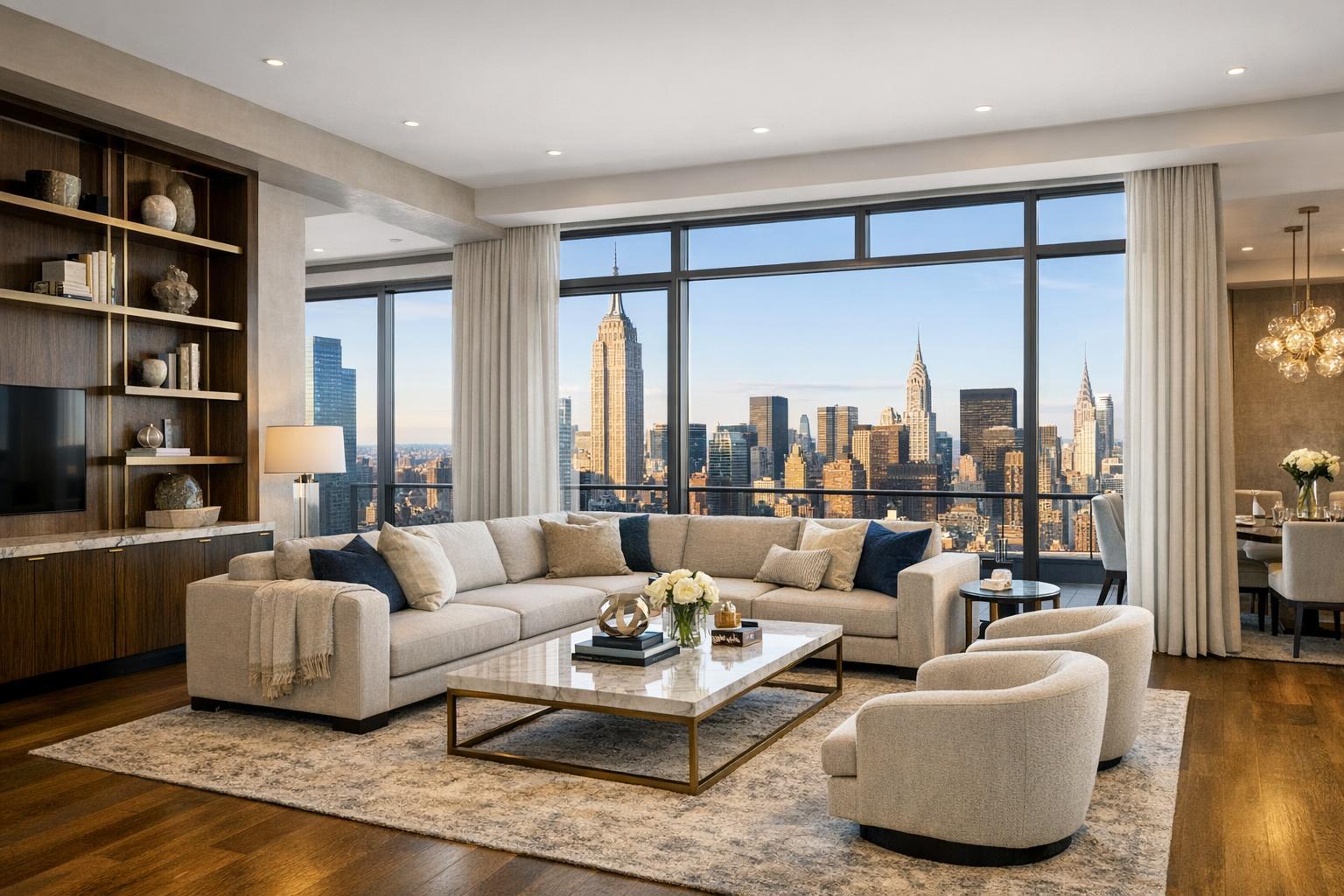
A luxurious living room featuring modern decor and a stunning view of the New York City skyline, captured professionally by real estate photography services in NYC.
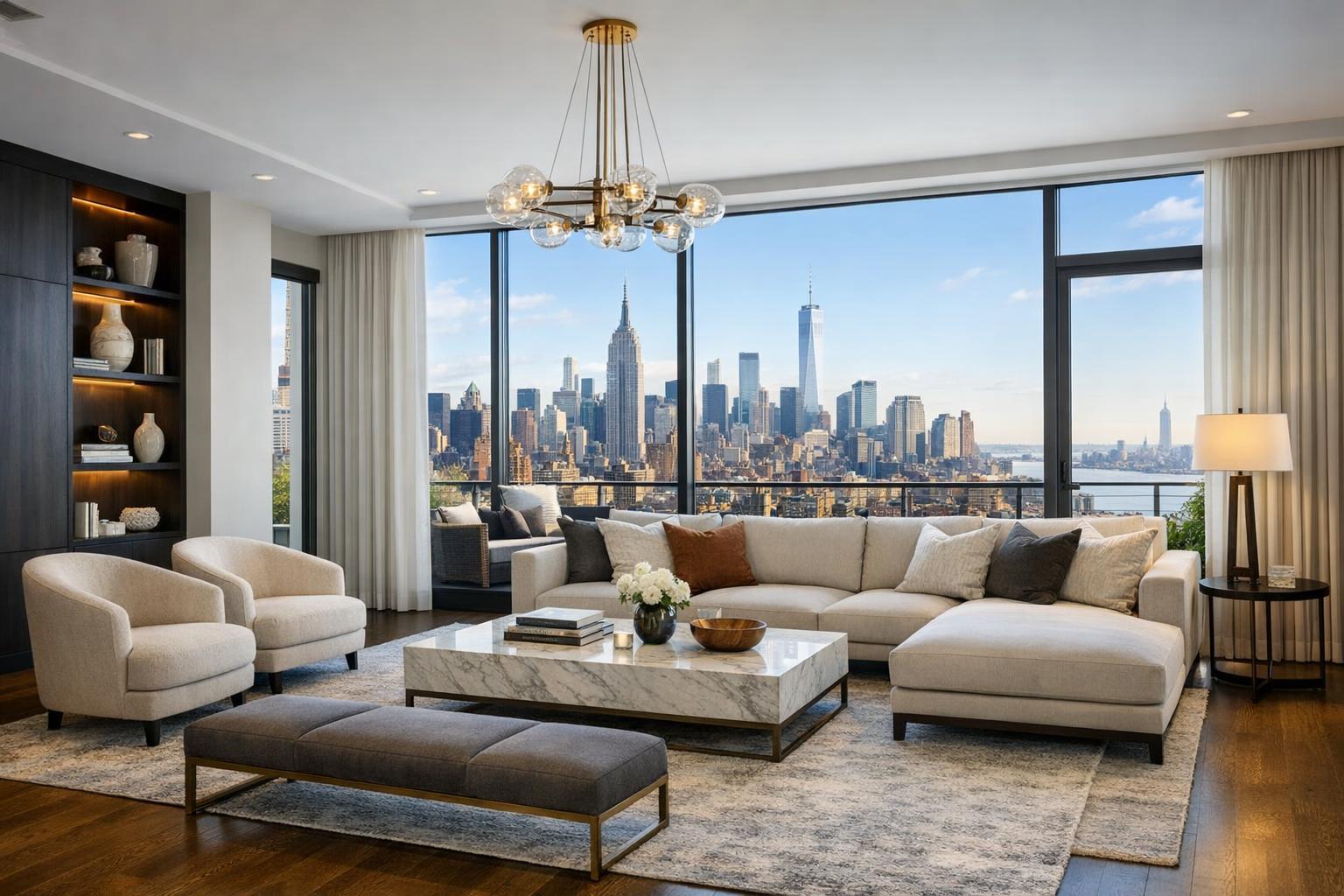
Why Professional Real Estate Photography Services in NYC Make All the Difference
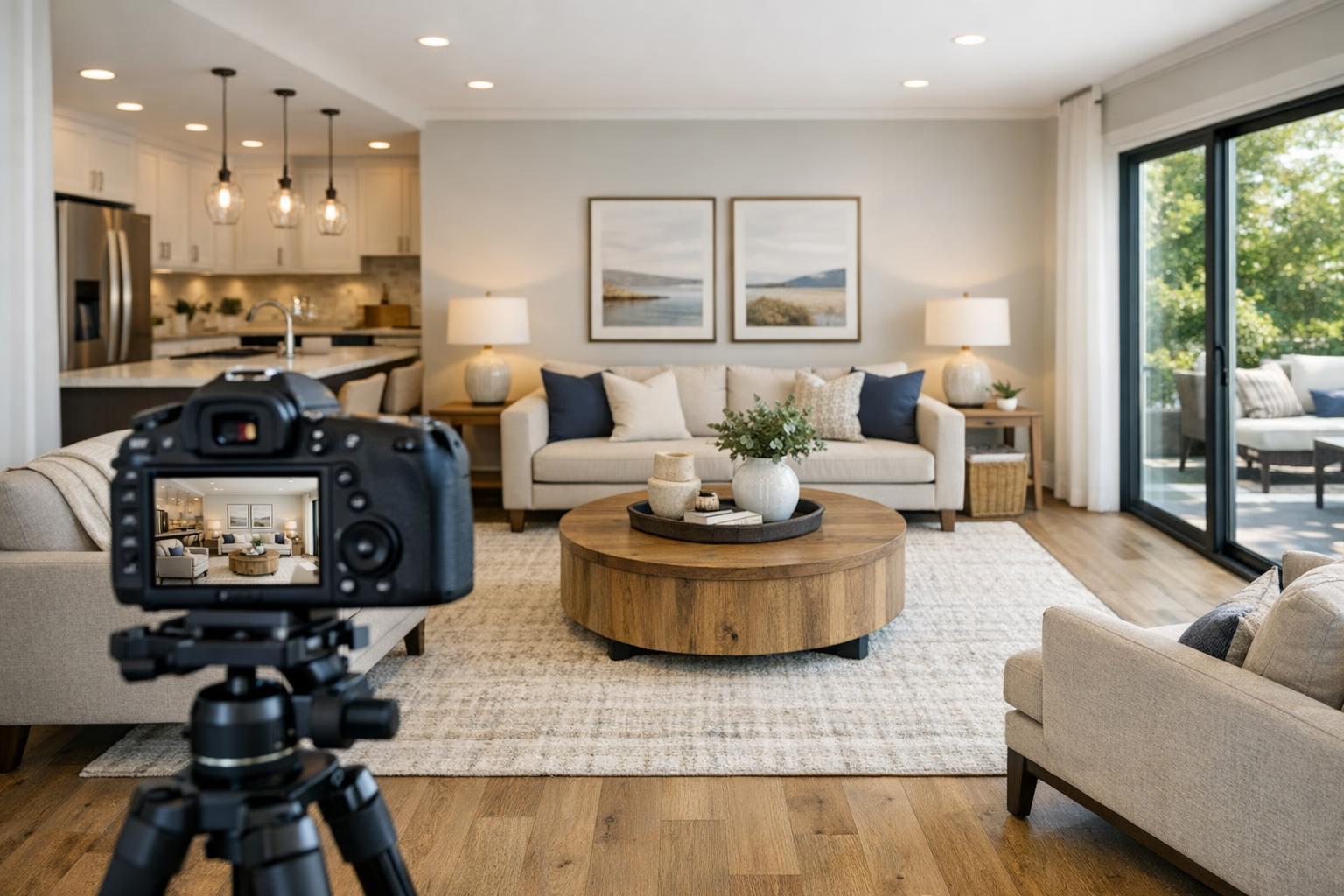
Real estate photography services NYC agents depend on are more than a checkbox—they’re the first critical decision in launching a listing that resonates with buyers or renters right from that initial online scroll. In a city defined by variety—Manhattan co-ops, Brooklyn brownstones, high-rise condos, and commercial lofts—no two properties photograph the same, and every photo must work harder to clarify what makes each listing unique.
From our vantage point as a real estate media company actively serving NYC, New Jersey, and surrounding regions, we see every day how effective photography can clarify not just features, but the overall feel and function of a space. Skillfully produced listing imagery isn’t just a backdrop for selling a property; it’s a bridge between a potential client’s questions and your answers.
Why NYC Demands a Sharper Photographic Eye
Real estate in New York City comes with distinct visual challenges and opportunities. It’s common to encounter properties with compact layouts, unusual room connections, limited natural light, or standout features like pre-war moldings, exposed brick, or a terrace overlooking the skyline. In these settings, quick snapshots rarely do the job. Instead, it takes a considered approach—a photographer who thinks carefully about composition, lighting, and flow.
Here are a few elements that make NYC property photography so nuanced:
- Rooms that serve multiple purposes: Studios and converted lofts often need one image to communicate how a single area functions as living space, workspace, and sometimes even sleeping quarters.
- Light management: Many NYC apartments have dramatic windows, but uncontrolled daylight can create intrusive highlights or leave interiors in shadow.
- Context matters: Photographing a terrace or roof deck should show not just the square footage outside, but its visual connection to the living area or the city beyond.
- Architectural quirks: Capturing a pre-war fireplace, high ceilings in a brownstone, or open shelving in a condo means thinking beyond basic room shots, focusing on scale and detail.
Simply put, every photo should help someone “read” the space and understand how they’d move through it. This isn’t about making rooms look larger than life, but about making their actual layout and possibilities easy to grasp.
Listing Photos as a Search Tool—Not Just Decoration
Most potential buyers and renters start their search online. Good photography here isn’t about filters or extreme wide angles; it’s about delivering accurate, informative visuals that reduce uncertainty.
Practical Field Observations:
- Window and interior exposure: Balancing bright exteriors with dim interiors is critical. If the image shows only blown-out windows or dark corners, crucial details get lost.
- Vertical lines and camera height: Keeping walls upright (not leaning) and selecting the right height for the camera helps small NYC rooms feel realistic and organized—never misleading.
- Order and flow: A set of disconnected photos confuses viewers. Instead, the visual sequence should guide the eye logically: entry, main living area, kitchen, bedrooms, outdoor features.
By managing these aspects, listing photos answer questions that buyers might otherwise save for a private showing. They reveal not just what’s there, but how it could function for the next occupant.
Why Rushed or DIY Photography Drops the Ball
It’s tempting to snap a few quick photos on a phone or ask a helpful friend, but in NYC’s competitive environment, hasty photography often misses the mark. Common pitfalls include:
- Crooked walls creating a sense of imbalance.
- Overly wide angles distorting true room proportions.
- Poor lighting leaving details unclear or colors unnatural.
- Missed features—like built-in storage, unique ceilings, or bathroom finishes—that buyers and renters value.
In practice, quick phone shots may document a room, but rarely communicate why that room works. Professional real estate photography corrects for these issues by handling light, organizing shots, and seeing details that untrained eyes might miss.
Getting the Property Ready: Prepping for Professional Capture
Photography sessions always start better when the property is prepared. This isn’t about perfection or sterile spaces—it’s about minimizing distractions and letting meaningful features shine.
A hands-on pre-shoot checklist helps:
- Declutter surfaces: Remove personal items, loose cords, countertop appliances, and excess décor.
- Bring in light: Open blinds or curtains where appropriate.
- Tidy all rooms, including balconies and common spaces.
- Make beds, replace burned-out bulbs, and double-check for any overlooked clutter.
- For apartments or shared spaces: Let everyone know about the shoot and which areas need to be accessible.
For empty properties needing extra “life,” virtual staging is an option, but is most effective when the room is clear of furniture and clutter. For occupied homes, the pre-shoot process can dramatically increase the final quality and usefulness of your media.
For more in-depth preparation tips, see the RealtaSnap Real Estate Photography Prep Guide.
How Many Photos Should You Include?
Each NYC property has its own visual story. A smaller apartment often benefits from a tight photo set that answers the big questions: primary rooms, layout, key features. Larger condos, townhouses, or multi-unit buildings may require broader coverage—living spaces, multiple bedrooms, unique amenities, and exteriors.
Think through what a prospective viewer would want to know. Is there a standout view? Do building amenities matter for this price point? Does the layout have quirks, like a home office niche or an unusually positioned kitchen? Only include images that clarify those elements rather than repeating angles or crowding the gallery.
Supplementing the Story: When to Use Video, Floor Plans, and Virtual Tours
High-quality photos are foundational, but some listings benefit from additional media. For example:
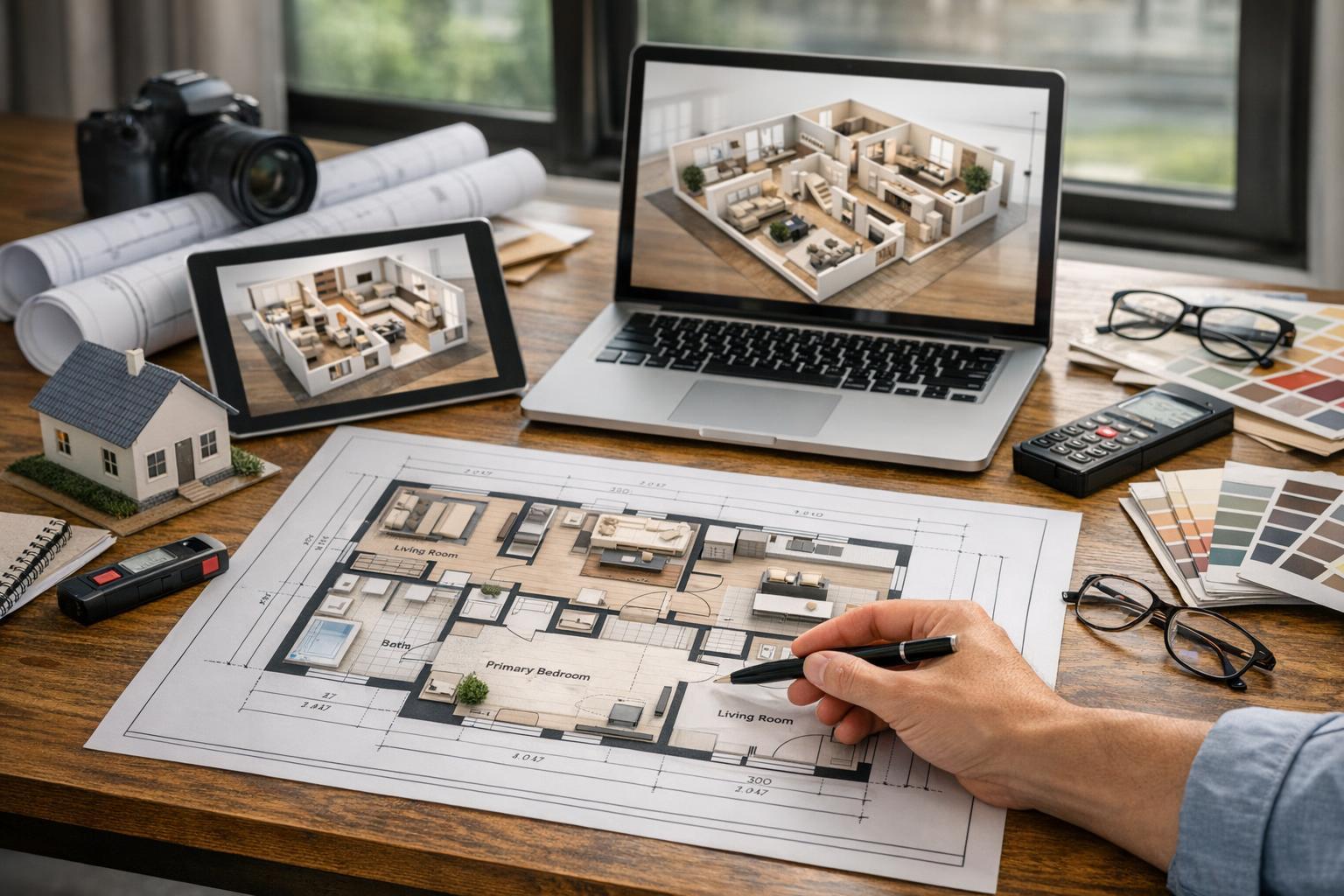
- Floor plans let viewers understand room relationships—especially in NYC properties with non-traditional layouts.
- Professionally shot video can clarify how the space feels “in motion,” showing flow from one room to the next.
- 3D virtual tours (such as Matterport) allow remote buyers or renters to explore interactively.
- Drone imagery can provide context—showing rooftops, yards, or proximity to parks, but is always subject to city rules, airspace, weather, safety, and the photographer’s judgment.
The choice to add these tools should be thoughtfully matched to the property, audience, and marketing goals. For most listings, strong images do the heaviest lifting. Complementary media simply answer questions that photos alone might not.
To see how RealtaSnap approaches these services, visit RealtaSnap Real Estate Photography NYC or RealtaSnap Real Estate Photography NJ for New Jersey coverage.
Selecting the Right Real Estate Photographer in NYC
Choosing a provider goes beyond hiring anyone with a camera and availability. Here’s what real estate professionals should look for:
- Portfolio clarity: Consistency across room types, accurate color, well-managed verticals, and windows that aren’t washed out or overly “brightened.”
- Experience with NYC and NJ properties: Local experience matters. High-rise buildings, brownstones, co-ops, and townhouses each require different approaches—even within the same borough.
- Clear process for interiors: Ask about how they balance mixed lighting situations, deliver images, and whether they can coordinate floor plans, videos, or virtual tours if needed.
- Transparent policies: Understand what’s included in your photo package, how access is handled (e.g., elevator reservations, doormen, tenant notifications), timing for delivery, and prep expectations.
Consistent communication can be the difference between a smooth shoot and a frustrating one—especially in NYC buildings with access policies or limited booking windows.
Ready to schedule? RealtaSnap makes booking straightforward at www.RealtaSnap.com/schedule.
How RealtaSnap Approaches Real Estate Photography in NYC and NJ
At RealtaSnap, we focus on creating practical, honest, and visually sharp presentations of properties throughout NYC and New Jersey. Our work relies on HDR photography for balanced exposure and natural tones, which matters especially for interiors with challenging light or dramatic views. We tailor our coverage to the property’s needs, whether it’s a quick, clear set for a one-bedroom rental or extensive photo and video for a multi-floor townhouse.
We also offer related services like video, floor plans, and virtual tours, which can be added based on the specific workflow of the listing. Each offering is meant to provide clarity and efficiency to both the agent and the audience, never overwhelming the gallery with unnecessary extras.
For local service details, media options, and real-world gallery examples, see our NYC photography services or NJ service area.
Conclusion: Smart Listing Images Make the Difference
Professional photography can’t change a property’s square footage or location. What it can do is help viewers quickly see value, understand layout, and develop a realistic sense for the space. That’s especially important in the NYC and New Jersey markets, where property types and buyer expectations are anything but standard.
If you’re preparing a listing and want clear, professional media that reflects the real selling points of your property, we’re always glad to help. Learn more, see real examples, or start your next booking at www.RealtaSnap.com.
FAQ
Question: How much real estate photography do I need for a standard NYC listing?
Answer: It depends on the specific property. Smaller apartments often benefit from 15–20 well-composed images showing the living area, kitchen, bedrooms, and a few building or amenity highlights. Larger homes or multi-floor properties may need more coverage to ensure no important areas are skipped. It’s often best to focus on photos that clarify the layout rather than including many similar angles.
Question: Should occupied and vacant properties be photographed differently?
Answer: Yes. Occupied homes typically require more preparation to remove distractions, straighten up, and present a clear view of permanent features. Vacant spaces can look clean but may require virtual staging or thoughtful composition to indicate how they might function furnished. RealtaSnap offers AI virtual staging for empty rooms when needed.
Question: What is the booking process for a photo shoot with RealtaSnap?
Answer: Booking is handled online at www.RealtaSnap.com/schedule. Once you enter the property address, you’ll be able to select your preferred services, add notes, and choose an available time from the calendar. If you have any questions about the process, just let us know—we’re happy to help.