Why Professional Real Estate Photography Services Are a Game Changer in NYC
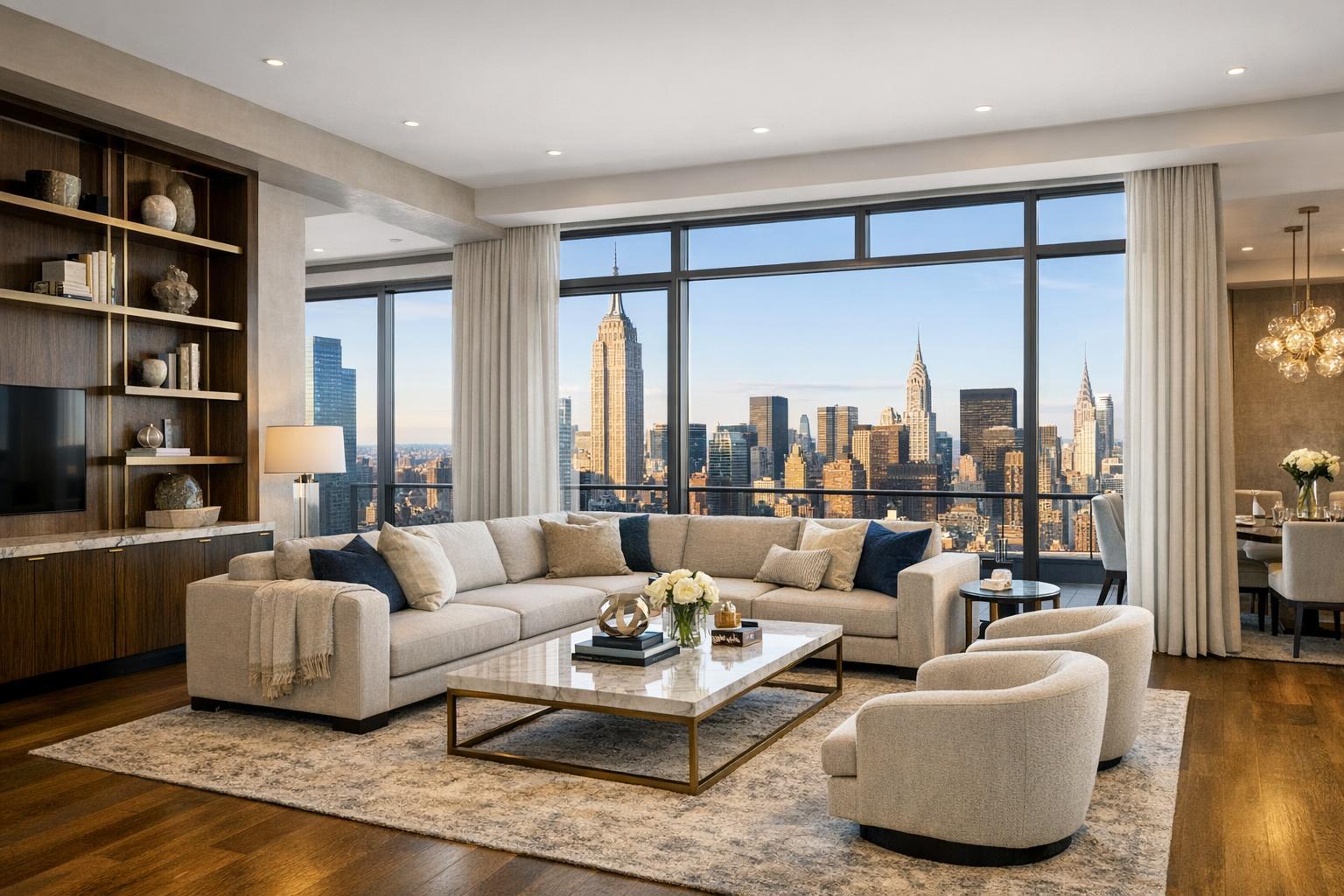
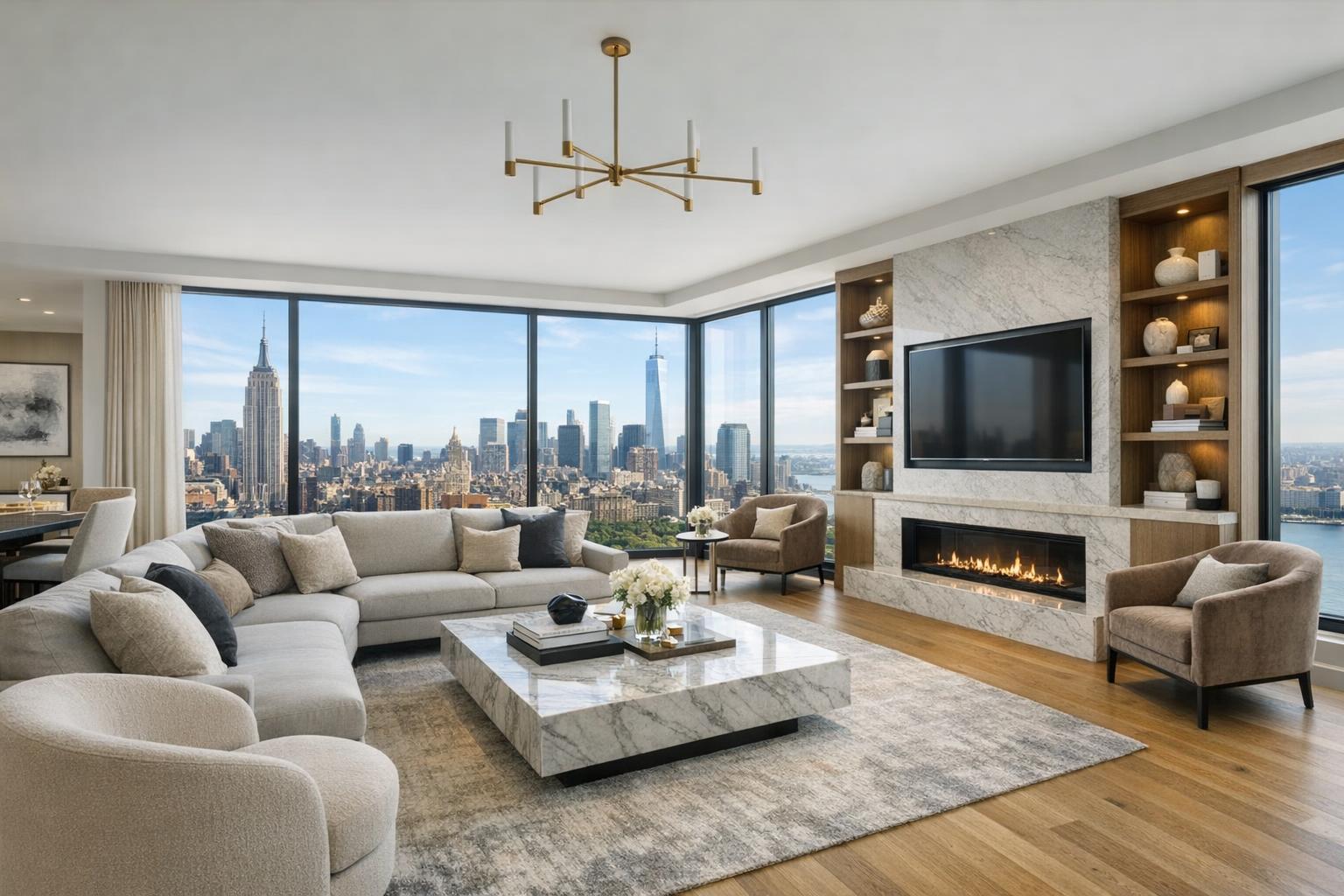
A stunning panoramic view of New York City complements the modern living room interior, showcasing the expertise of real estate photography services NYC.
Why Professional Real Estate Photography Services Are a Game Changer in NYC
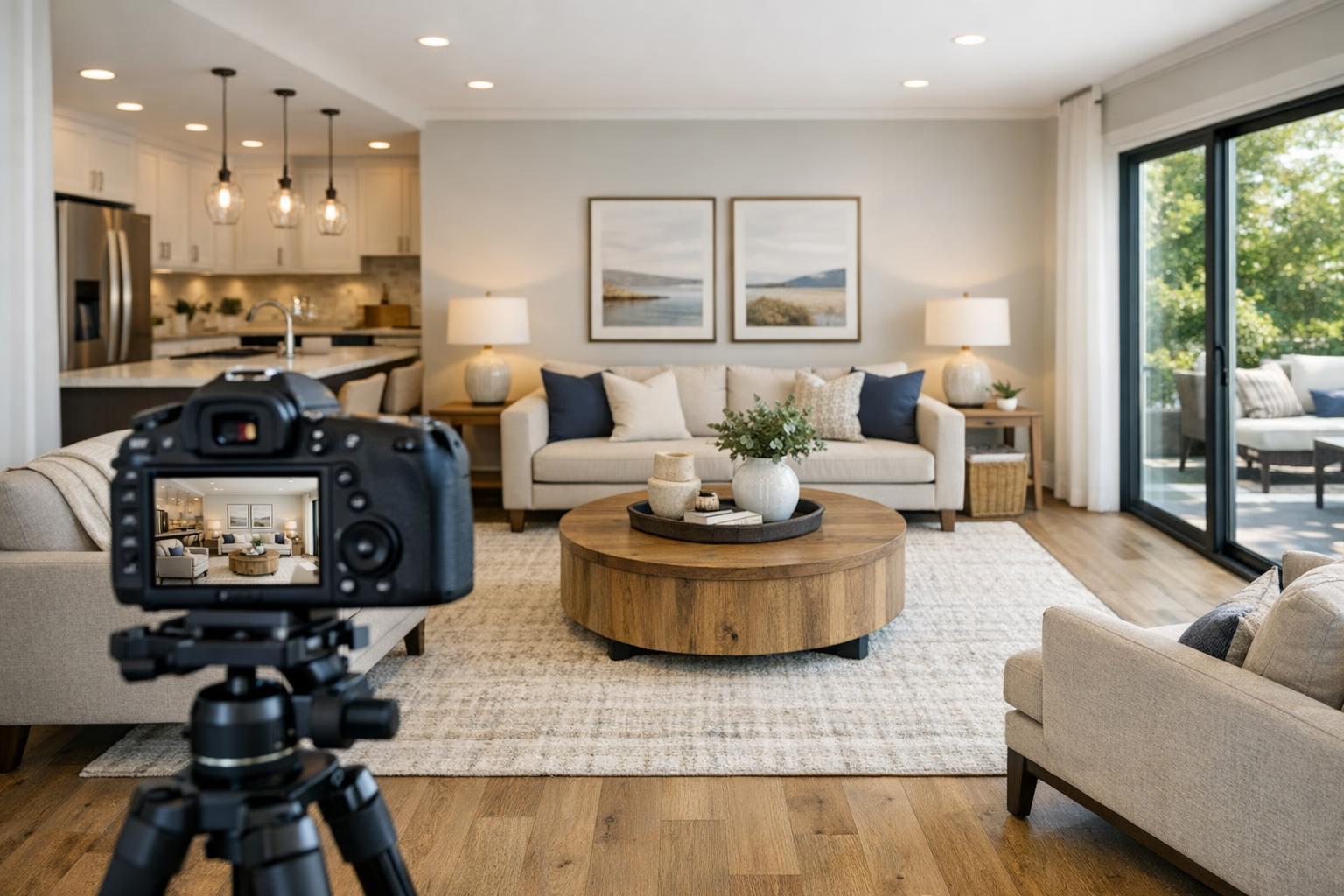
Real estate photography services NYC agents rely on are central to how properties are presented—especially when buyers or renters might tour ten different neighborhoods in one sitting, all from their phone or computer. The first photographic impression is often the only chance a listing gets to visually communicate its space, condition, and appeal before a potential showing is even considered. In practice, quality property imagery is far more than decoration. It’s part of the buying and selling workflow for agents, sellers, and property managers working across New York City, New Jersey, and similar densely built environments.
Setting the Stage: The True Role of Real Estate Photography in New York City
Every NYC property has its own unique composition. Condos, co-ops, brownstones, and rental units are rarely simple to photograph. Professional real estate photography is about more than simply capturing what’s in front of the lens. It’s about making spaces understandable at a glance—whether that means showing the layout of a narrow Brooklyn duplex or capturing skyline views from a Midtown high-rise.
For agents, consistently strong photography means presenting listings with polish across every channel: listing sites, email blasts, agent websites, social media, and print. For buyers or renters, quality images create a level playing field—allowing them to quickly filter listings and focus on what genuinely interests them.
Beyond Basic Photos: What “Professional” Means in a NYC Context
New York City listings have visual challenges not found in many suburban or rural areas. Spaces might have mixed or inconsistent lighting, unconventional layouts, odd nooks, and intense window exposures. Professional property photography addresses these head-on, rather than simply snapping wide shots.
Some practice-based observations:
- Good composition shows how rooms relate, not just how large they are. For instance, highlighting the flow from living area to kitchen, or the connection between a bedroom and its en-suite bath, gives context beyond square footage.
- Lighting and exposure control are essential. NYC apartments often combine direct light, shadows, interior fixtures, and views—all within a single shot. Proper balancing ensures neither the room nor its view is lost.
- Keeping architectural lines straight is more than an aesthetic choice; it maintains the integrity of verticals and horizontals, which helps viewers judge space realistically.
- Editing choices should refine and clarify the space, not create false impressions. Overly aggressive edits or misleading perspectives can hurt a listing once buyers visit in person.
Organizing the Visual Story: Hierarchy in Listing Galleries
Buyers and renters typically scan image galleries quickly. The first one or two photos do the heavy lifting, but the rest of the sequence should guide them through a logical visual story. Professional photographers start with the home’s strongest feature—whether that’s a distinctive exterior, bright living room, kitchen with upscale finishes, or a private terrace—and build out from there.
A strategic order helps prevent confusion and repetition. Especially in New York, where similar listings compete on details beyond basic specs, thoughtful photo sequencing allows distinct features like window placements, ceiling details, or room-to-room flow to make an impression.
The Demands of Luxury Real Estate Photography
High-value real estate comes with higher expectations for photography. “Luxury” isn’t just about price—it’s about showcasing distinctive architectural features, materials, and spaces that set a property apart.
Some practical realities of luxury real estate photography:
- Attention needs to shift between wide shots that establish scale and closers that spotlight features like custom millwork, hardware, or integrated lighting.
- In spaces like Manhattan lofts, capturing the feeling of volume and light is essential. In classic brownstones, original moldings, fireplaces, and transitions between restored and modernized rooms need to be carefully balanced.
- Detail images supplement, but do not replace, context shots. Too many close-ups without a sense of overall space can make even a highly designed home feel abstract rather than inviting.
The best luxury property galleries blend editorial-style attention to detail with a clear sense of how the home fits together.
Preparation Makes or Breaks the Final Images
In any city environment, the physical state of the property at the time of the shoot strongly influences the results. Professional photographers can’t work magic with cluttered countertops, personal items, cords, or poorly lit rooms. A bit of advance planning by agents, owners, or tenants leads to more effective photos and fewer distractions for buyers reviewing listings online.
Photo-Ready Checklist for NYC & NJ Properties:
- Remove visible cords, bins, laundry, excess kitchen and bath items, and personal effects.
- Straighten bedding, pillows, towels, and chairs.
- Turn on all working interior lights.
- Open blinds or curtains if the view is an asset.
- Discuss which spaces should (or shouldn’t) be photographed based on their appeal.
- For vacant properties, consider if virtual staging would help, but keep representations realistic and clearly based on the actual space.
Preparation doesn't mean making a home feel uninhabited—just that permanent features take visual priority over temporary distractions.
Visual Media Beyond Photography: When to Add More
While professional photography remains the core of most listings, some properties benefit from additional media:
- Video helps convey flow, especially when movement through rooms is key to the experience.
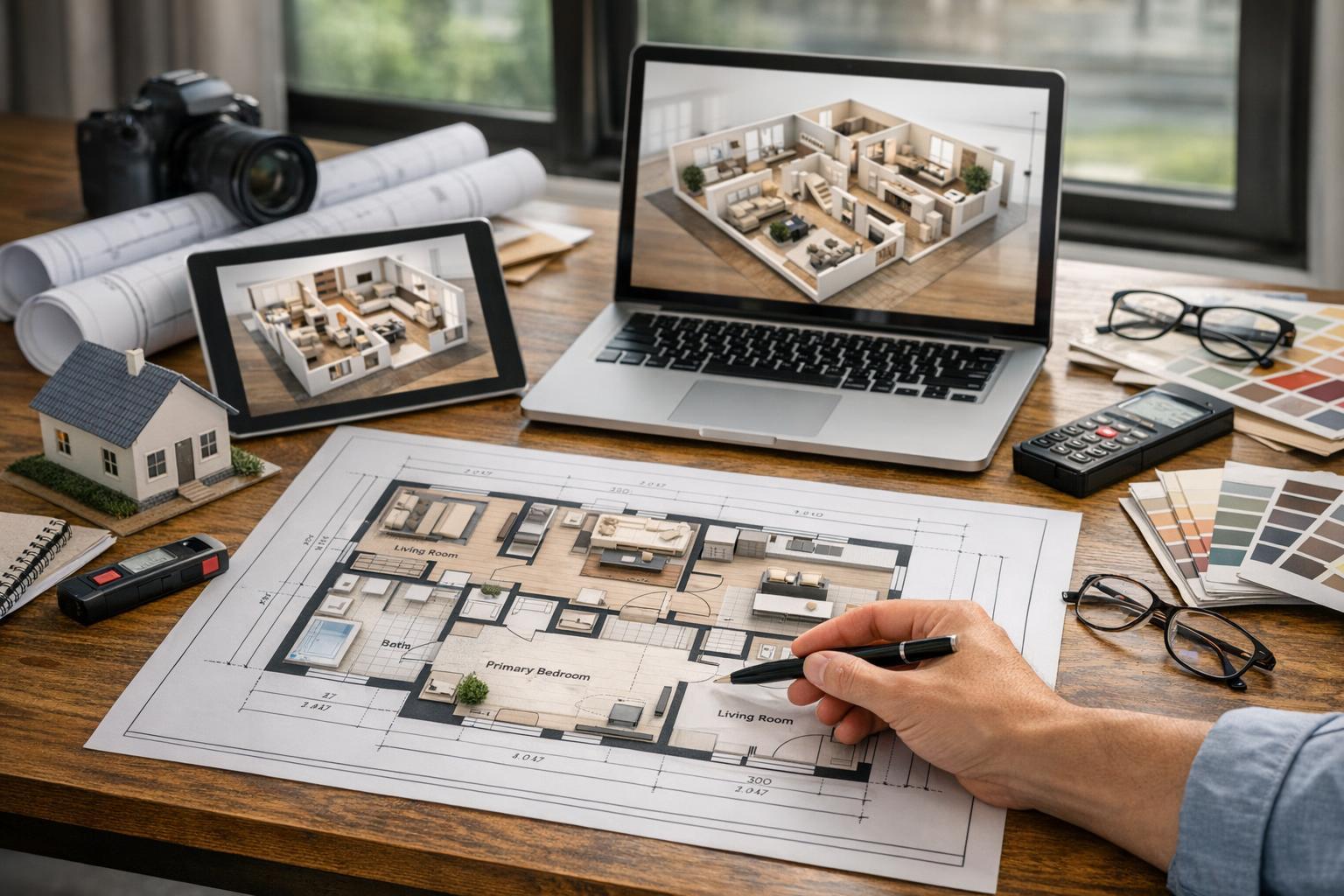
- Floor plans answer questions about room sizes, relationships, and circulation—helpful for buyers who respond to dimensions as much as images.
- 3D virtual tours allow remote buyers to “walk through” a property at their own pace.
- Drone imagery can provide unique perspectives, though in NYC airspace and building proximity sometimes limit what’s possible.
Use these options thoughtfully. The best property marketing matches the media to the listing’s features, not simply to trends.
Learn more about professional real estate photography in NYC
Explore options for drone photography and videography
Find floor plan services for your listing
Practical Guidance: Choosing and Working With a Photographer
Not every provider is the same. For property managers and real estate agents, reviewing a photographer’s portfolio is as important as checking availability and price. Look for:
- Clarity in images (not too much distortion, not too dark or overexposed)
- Realistic handling of window views and interior light
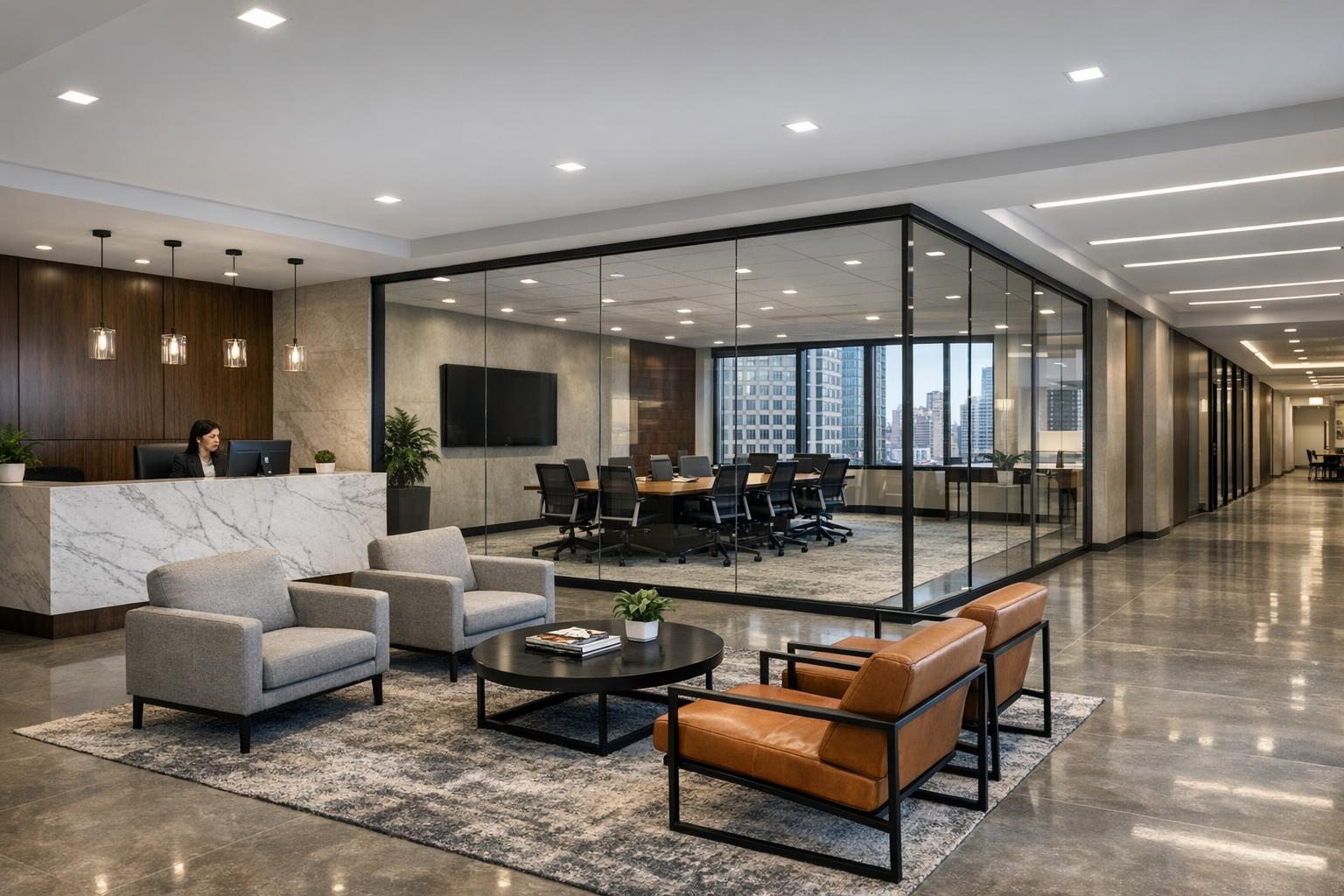
- Consistency across different property types, including luxury and standard listings
- Editing that supports, not replaces, reality
- Transparent service: know what’s included, how scheduling and delivery work, and whether the provider offers video, drone, or other relevant media
Once the listing is live, high-quality, consistent images make it easier to extend the visual story across every marketing channel an agent or owner uses.
A Clear Visual Presentation Starts On-Site
Experienced real estate media teams know that stand-out property photos don’t happen by accident. Polished, professional results are the outcome of careful prep, deliberate composition, technical experience, and editing grounded in accuracy. In crowded urban and suburban markets like NYC and New Jersey, that level of care helps listings compete for real attention—whether it’s a starter apartment, a classic brownstone, or a high-end penthouse.
If you’re preparing for an upcoming listing and want to learn more about what’s possible for your space, visit www.RealtaSnap.com.
FAQ
Question: How many photos are standard for a real estate listing in New York City?
Answer: Photo count depends on property size and features. Smaller apartments sometimes need a concise set focused on the main rooms, while larger condos or houses—especially those with outdoor areas or unique amenities—warrant broader coverage. Prioritize images that clearly explain layout and key features.
Question: What should be done to prepare a home for professional photography?
Answer: Clear surfaces of personal items, make beds, open window treatments (if the view is desirable), and remove clutter visible in photos. Good preparation ensures the property’s strengths are front and center.
Question: Can professional photography make a small space seem larger than it is?
Answer: Professional techniques can help small apartments look organized, uncluttered, and bright, but they shouldn’t be used to mislead on scale. The focus is to present the space as it exists—making its best features clear and understandable to viewers.