Why Professional Real Estate Photography Is Essential for NYC Listings
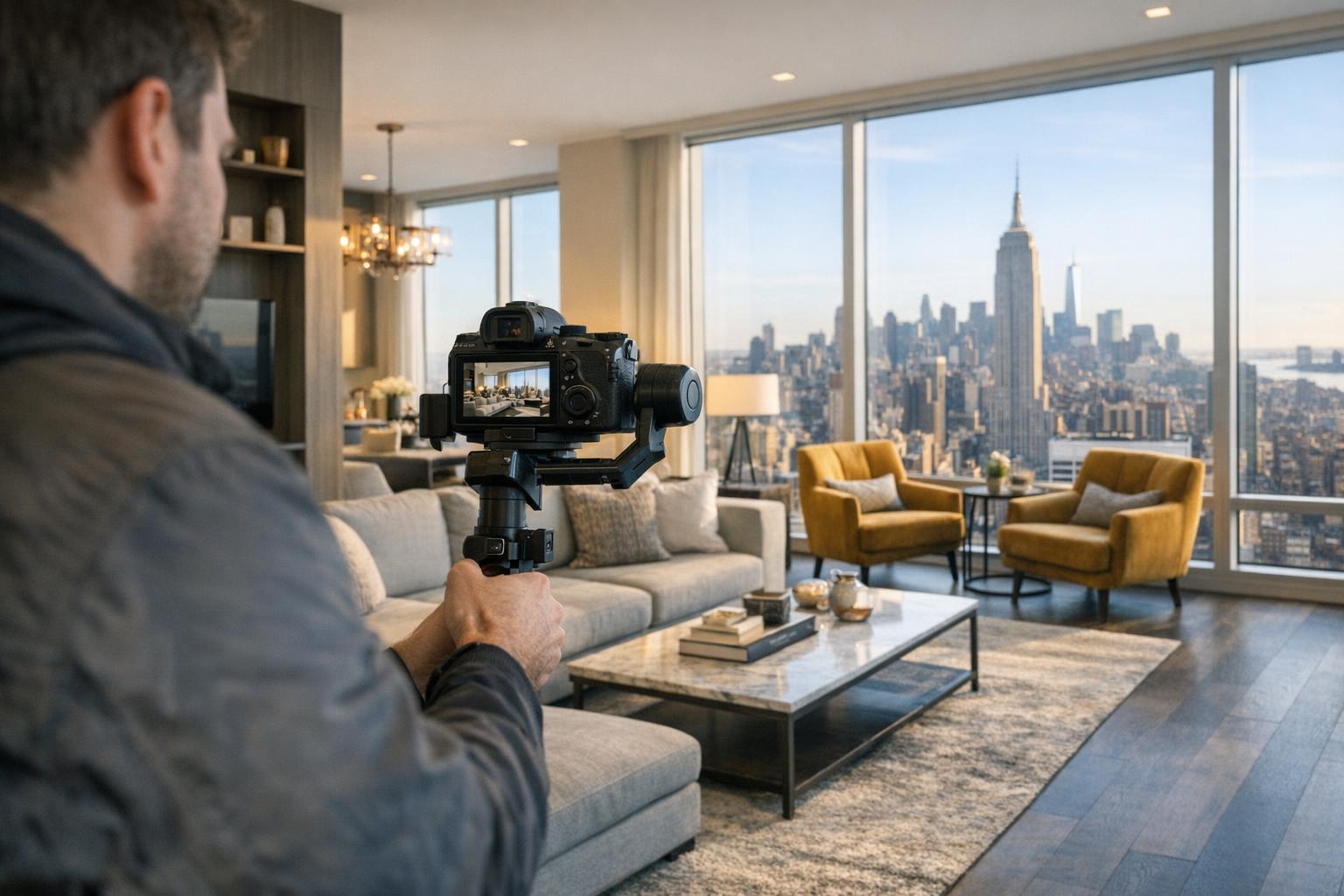
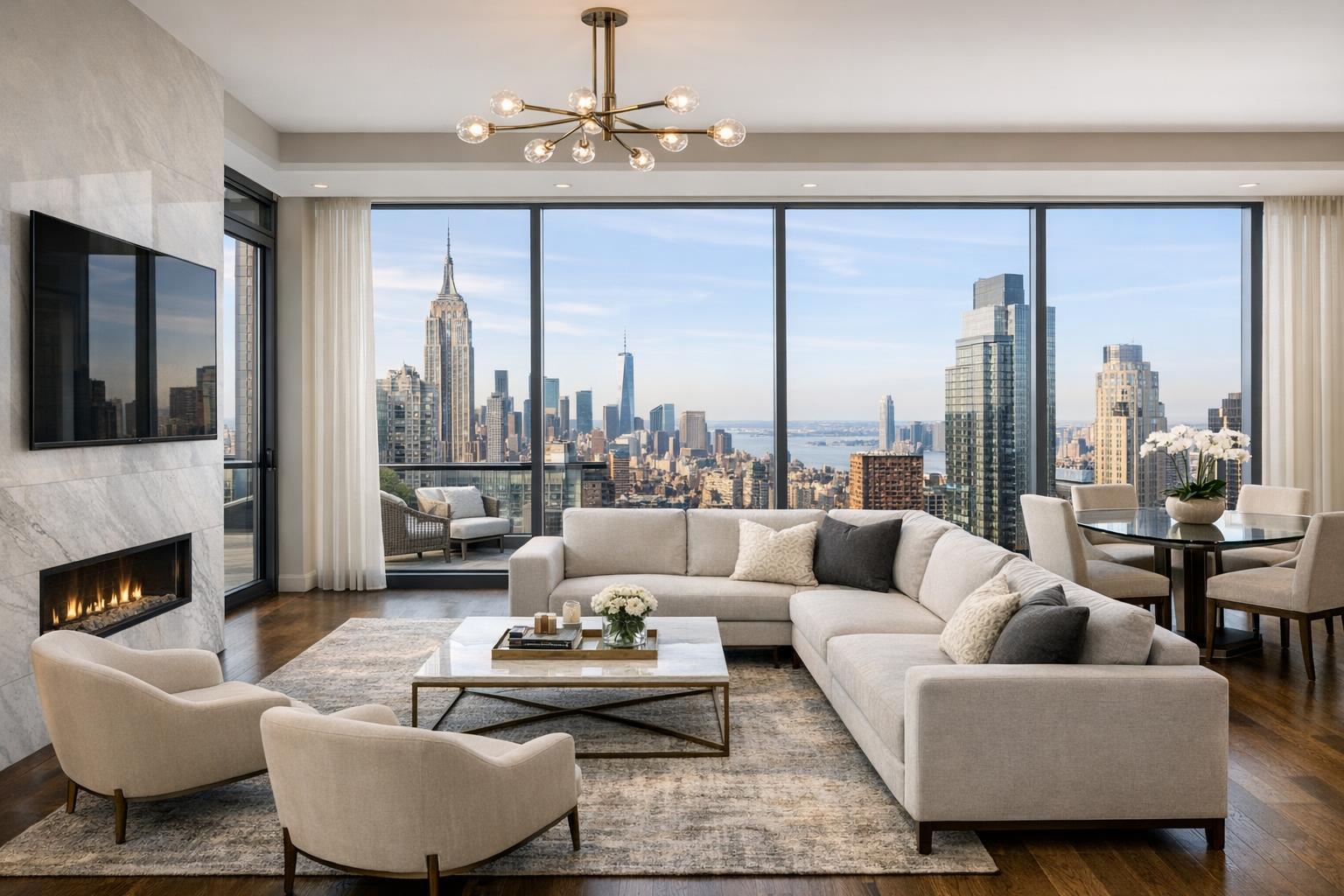
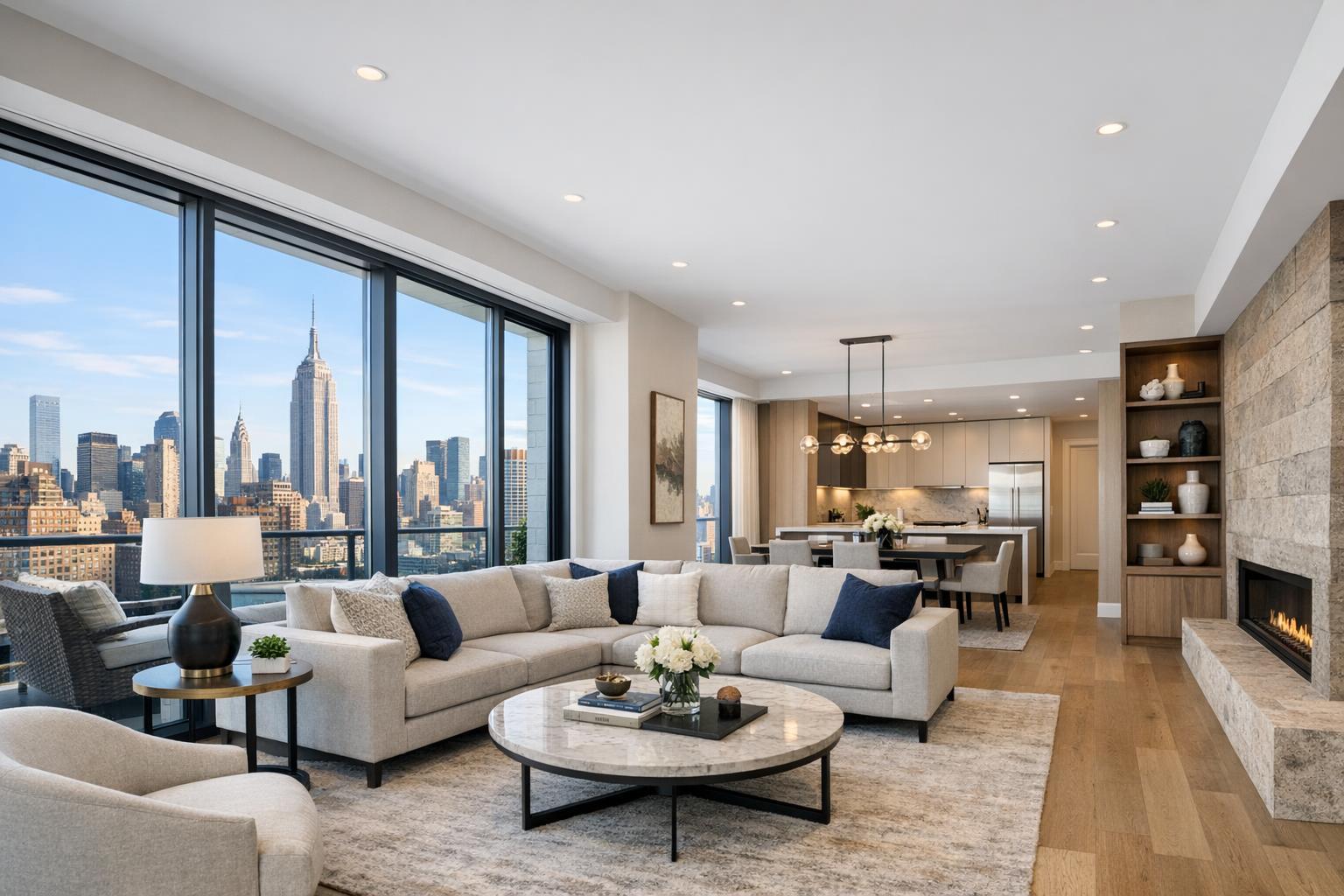
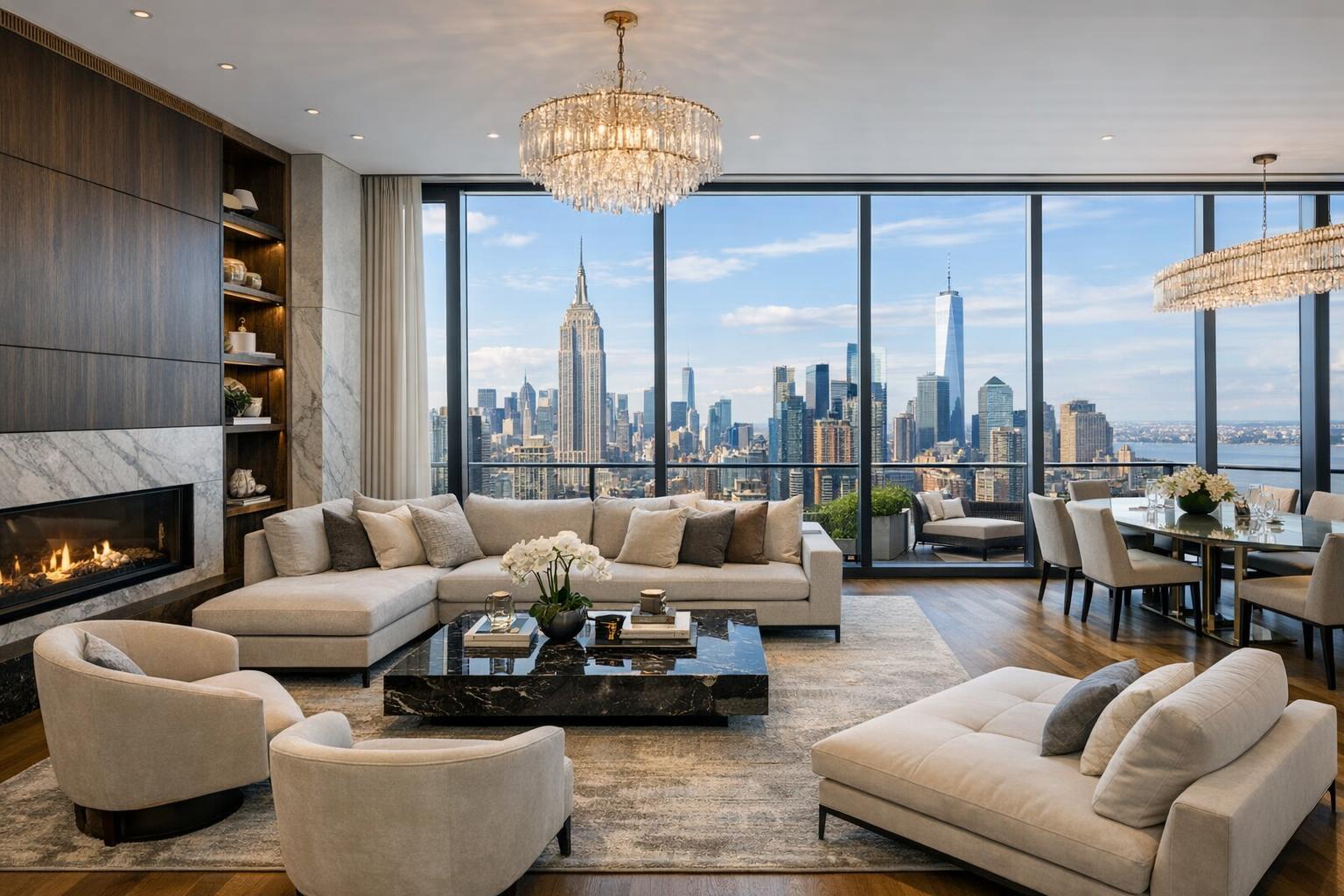
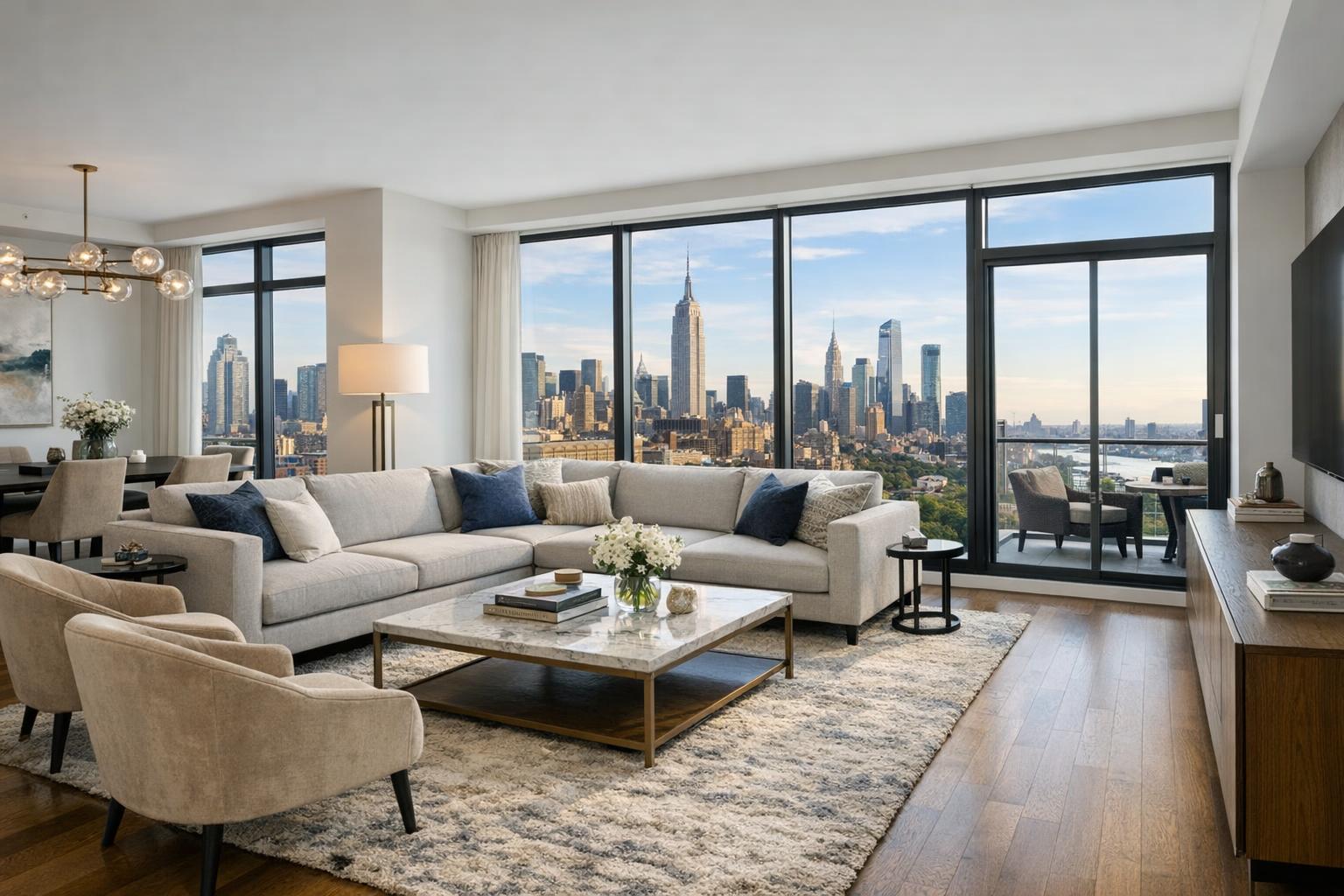
Incredible real estate photography in NYC captures a luxurious living room with floor-to-ceiling windows showcasing a breathtaking city skyline view.
Why Professional Real Estate Photography Is Essential for NYC Listings
Real estate photography in NYC shapes the very first impression a property makes on today’s buyers. In a city where nearly all home searches begin online—whether for a co-op, condo, townhouse, new rental, or multifamily investment—the quality of your property photos drives who chooses to look closer and who scrolls right past.
Setting the Stage: The Power of Photographic First Impressions
For home shoppers in places like Manhattan, Brooklyn, and Jersey City, visuals aren’t an afterthought—they’re a gatekeeper. The right images can translate a compact studio’s layout, capture a prewar apartment’s historic charm, or spotlight a brownstone’s proportions and private outdoor space. Conversely, dim, cluttered, or poorly framed photos can instantly diminish interest in even the most appealing listing.
It’s easy to underestimate the impact these first digital moments have. Buyers on NYC-focused platforms, such as StreetEasy or regional portals, quickly assess style, light, layout, and overall care—often glancing at a gallery for a matter of seconds before moving on. If your photo sequence is confusing, dark, or cluttered, your property risks being dismissed before a single inquiry is made.
Why Professional Photography Delivers an Edge
Quality real estate photography isn’t about over-selling or distorting reality. It’s about clarity, balance, and presenting a truthful sense of place—helping buyers quickly understand why a home is worth their time. Here’s what sets a professional real estate photographer in NYC apart from a quick phone snapshot:
- Expert use of light: New York and New Jersey properties represent a spectrum of lighting challenges, from east-facing studios to brownstones with garden-level shade. Professional photographers are trained to control bright windows, balance sunlight with interior lighting, and maintain natural tones across all rooms. This technical skill ensures that both sunlit living rooms and windowless interiors are presented accurately and attractively.
- Composition that communicates functionality: Camera height, angle, and thoughtful framing let buyers instantly grasp a room’s purpose—whether that’s a workspace in a studio, dining zones in a townhouse, or open living in a high-rise. Rushed, doorway-only shots or images with too much ceiling and too little usable floor space create confusion and reduce perceived value.
- Attention to detail: Property photography goes beyond wide angles. Strategic close-ups spotlight original woodwork, designer kitchens, clever storage, or neighborhood views that set a home apart. The goal is to build a gallery that tells a complete, memorable story—never distracting the viewer with random vignettes or making the property feel disjointed.
- Image consistency and editing: Unpolished galleries often suffer from mixed color temperature, crooked architectural lines, and inconsistent brightness. Professional editing ensures photos look cohesive and trustworthy, helping buyers imagine themselves in the space.
What Buyers Want: Atmosphere Meets Accurate Information
Skilled real estate photographers understand that a shot must be more than visually pleasing; it must be useful. In both NYC and New Jersey, properties often feature layouts or amenities that are distinct from other markets. Buyers look for clear depictions of entryways, living areas, kitchens, bedrooms, and outdoor spaces. They also depend on photos to answer:
- How are rooms connected?
- Where does the natural light fall throughout the day?
- Are unique features such as skyline views, roof decks, or renovated baths properly highlighted?
- Does the sequence help them orient themselves within the home?
A concise set of meaningful, non-repetitive photos serves both compact apartments and multi-bedroom homes alike.
Practical Considerations for Agents and Sellers
Even the best property photographer can’t compensate for poor preparation. Before the shoot, agents and owners can do a lot to improve results:
- Declutter countertops, vanities, and nightstands.
- Remove personal items, pet accessories, and excess furniture.
- Replace any burnt-out lightbulbs and open shades or blinds to maximize available light.
- Straighten bedding, tidy up rugs, and align chairs to minimize visual distractions.
- Confirm that every space—indoors and out—is accessible at the scheduled time and ready to photograph.
- Let the photographer know about special features to prioritize.
For a detailed room-by-room prep checklist, explore RealtaSnap’s real estate photography prep guide.
Enhancing the Marketing Mix: When to Add Floor Plans and More
While photos remain the centerpiece of almost any listing, some properties benefit from additional media:
- Floor plans: Essential for homes with unusual layouts, multi-level living, or open-concept design, floor plans help viewers visualize spatial relationships that can’t be conveyed through photos alone. RealtaSnap creates floor plans through on-site capture, ensuring accuracy every time.
- 3D virtual tours: Particularly valuable for remote or relocating buyers, virtual tours provide interactive exploration of the property, making it easy to “walk through” each room online.
- Video and drone: When the movement through space or neighborhood context enhances the story, on-site listing videos or aerial media add further depth. These are subject to home access, safety, airspace, and weather conditions.
- Virtual staging: For vacant units, AI-powered staging helps buyers imagine finished spaces, but it should only be applied to fully empty or sufficiently decluttered rooms for a natural result.
The choice of media should always match the property’s strengths, the likely buyer, and the realities of physical access. See RealtaSnap’s NYC real estate photography page and full cost breakdown for local options.
Choosing the Right Photographer: What to Look For
Selecting a real estate photographer in NYC or New Jersey involves more than a quick portfolio check. Here’s what professionals and sellers should consider:
- Evaluate full listing galleries, not just “hero” shots. Consistency across every room, clear depiction of challenging spaces (small kitchens, bathrooms, windowless interiors), and logical sequencing reflect both experience and skill.
- Ask about approach. A good photographer will want to understand your priorities, from significant renovations to unique views or outdoor features. This collaboration results in stronger, property-specific coverage.
- Understand what’s included. Is virtual staging, twilight photography, or clutter removal included? Or are these available as add-ons? With RealtaSnap, services such as AI virtual staging and clutter removal are per-photo options, and full details can be previewed during booking.
- Schedule with realistic lead time. In NYC especially, building access, elevator reservations, and tenant or management coordination all matter. RealtaSnap requires only 24 hours’ notice for appointments booked via the real-time calendar, but properties must be camera-ready at the scheduled time.
RealtaSnap Coverage and Photo Packages
Serving all five boroughs, statewide New Jersey, and select surrounding markets, RealtaSnap offers professional real estate photo packages sized to every property:
- 10 photos: $149
- 20 photos: $189
- 30 photos: $209
- 40 photos: $269
- 50 photos: $299
Larger, amenity-rich or multi-level homes may need broader coverage, while studios and one-bedrooms typically benefit from a tighter, thoughtfully selected gallery. Add-ons—like virtual staging or 2D floor plans—are available as needed.
Booking is simple; visit RealtaSnap online, enter your service address and access instructions, select the desired package, add any relevant services, choose your time, and confirm with secure online payment.
Give Buyers a Reason to Look Closer
In NYC’s fast-moving real estate landscape, polished listing photography isn’t just about making a property “look good.” It’s about giving buyers a clear and honest understanding of the home, its light, layout, finishes, and personality. The most effective galleries let qualified buyers imagine themselves living there, driving more in-person showings and ultimately supporting stronger outcomes for agents and sellers.
To learn more or schedule your own professional property photography session in New York City or New Jersey, visit www.RealtaSnap.com.
FAQ
Question: How do I decide how many listing photos are needed for my property?
Answer: Choose your photo count based on the size and features of the home. Compact studios or one-bedroom apartments typically require fewer images to document meaningful spaces, while larger residences, multi-family homes, or properties with extensive amenities benefit from a more comprehensive set. Focus on clear coverage of each primary room, and avoid repetitive or unnecessary angles.
Question: What steps should I take to prepare my property for a professional photo shoot?
Answer: Declutter and clean all visible surfaces, remove personal and pet items, maximize available light, and ensure every space is accessible during the shoot. Tidying up details such as bedding, pillows, and rugs can make a significant difference in the final gallery. For more tips, review RealtaSnap’s photography prep guide.
Question: Is virtual staging a good idea for empty New York apartments?
Answer: Virtual staging is often an effective solution to help buyers envision furnished layouts in completely vacant or properly decluttered rooms. Avoid placing virtual furniture over existing pieces, as this can look unnatural. With RealtaSnap, AI virtual staging can be added per image when rooms have been cleared or clutter removal arranged.