Why Professional Real Estate Photography in NYC Sets Your Listings Apart
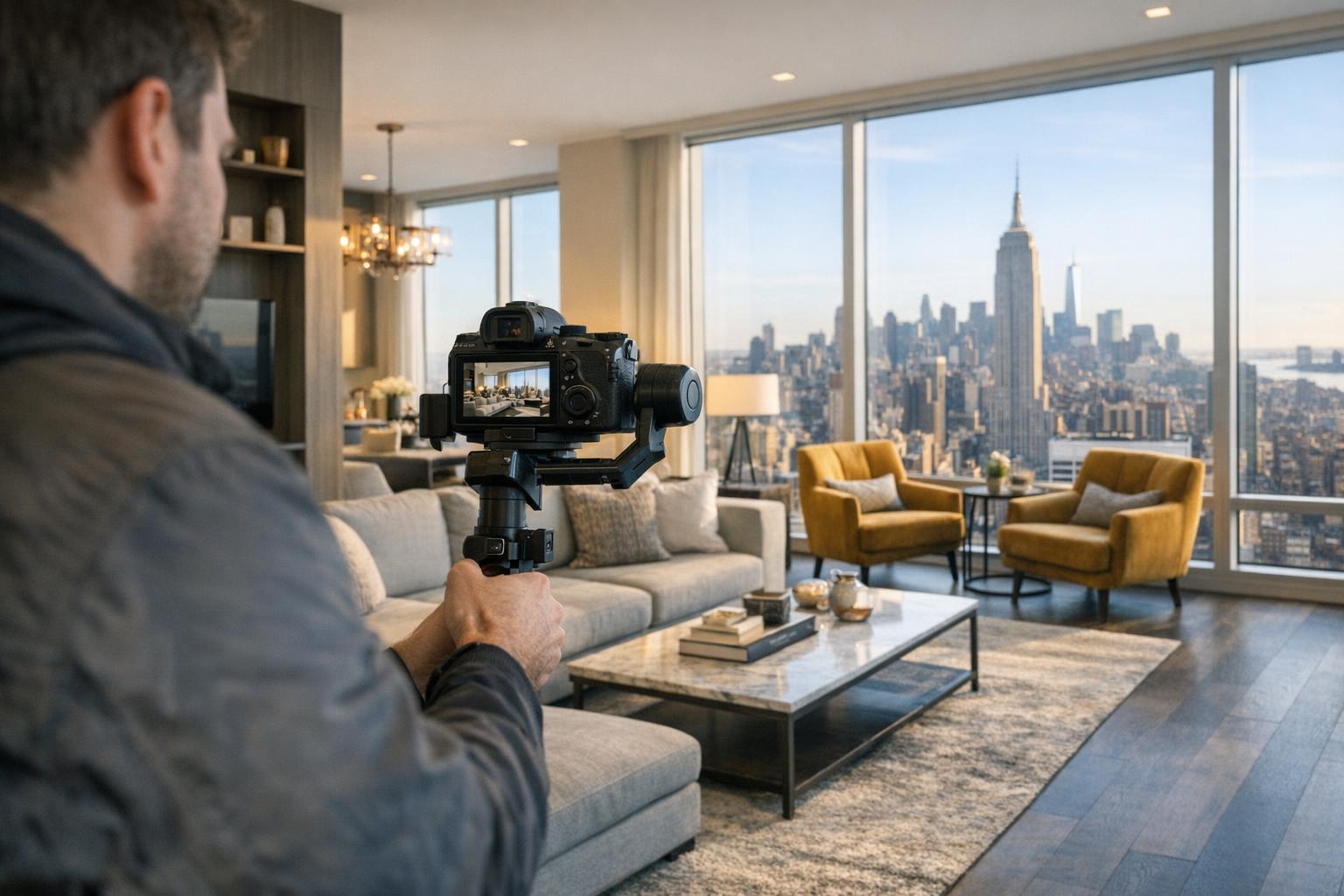
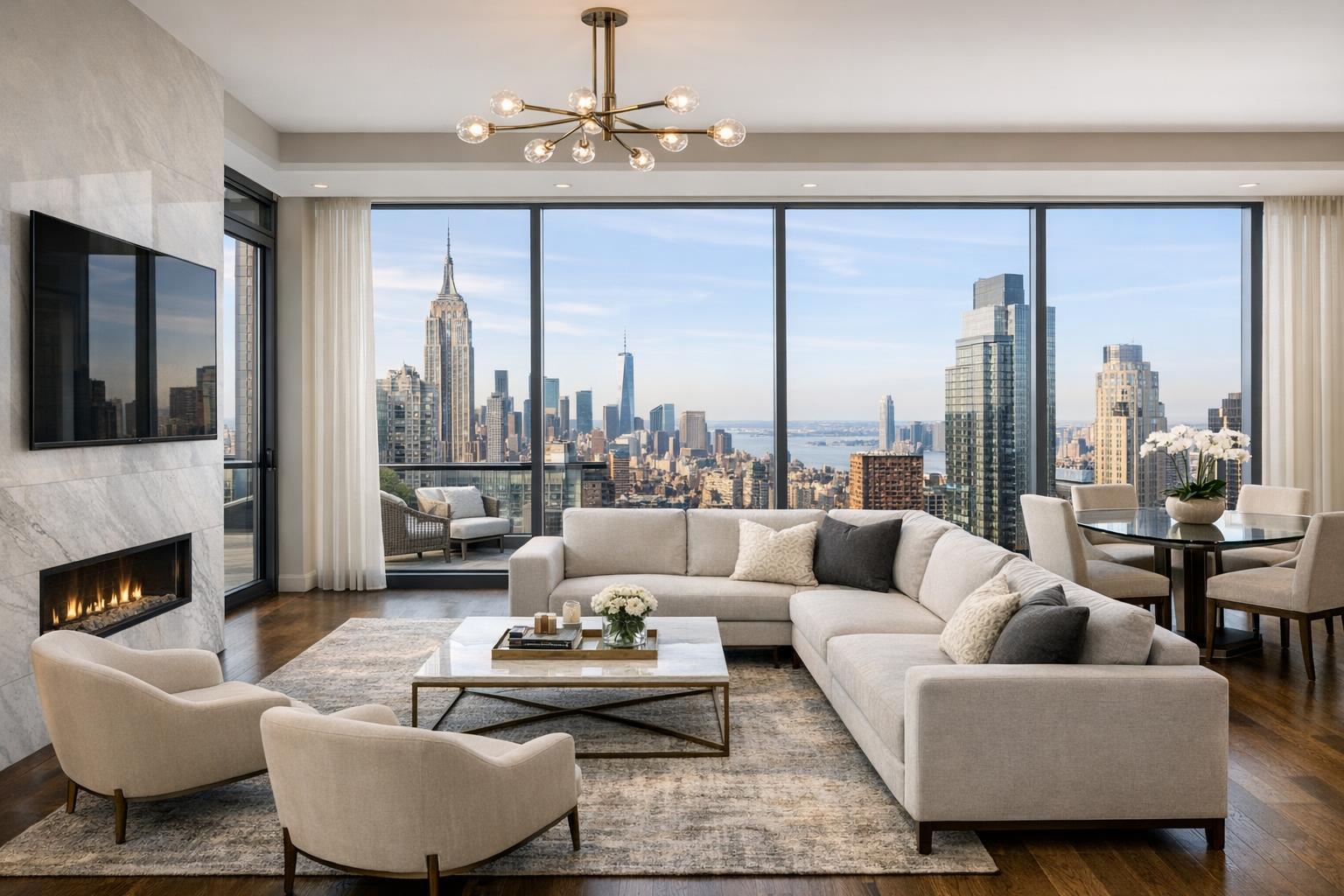
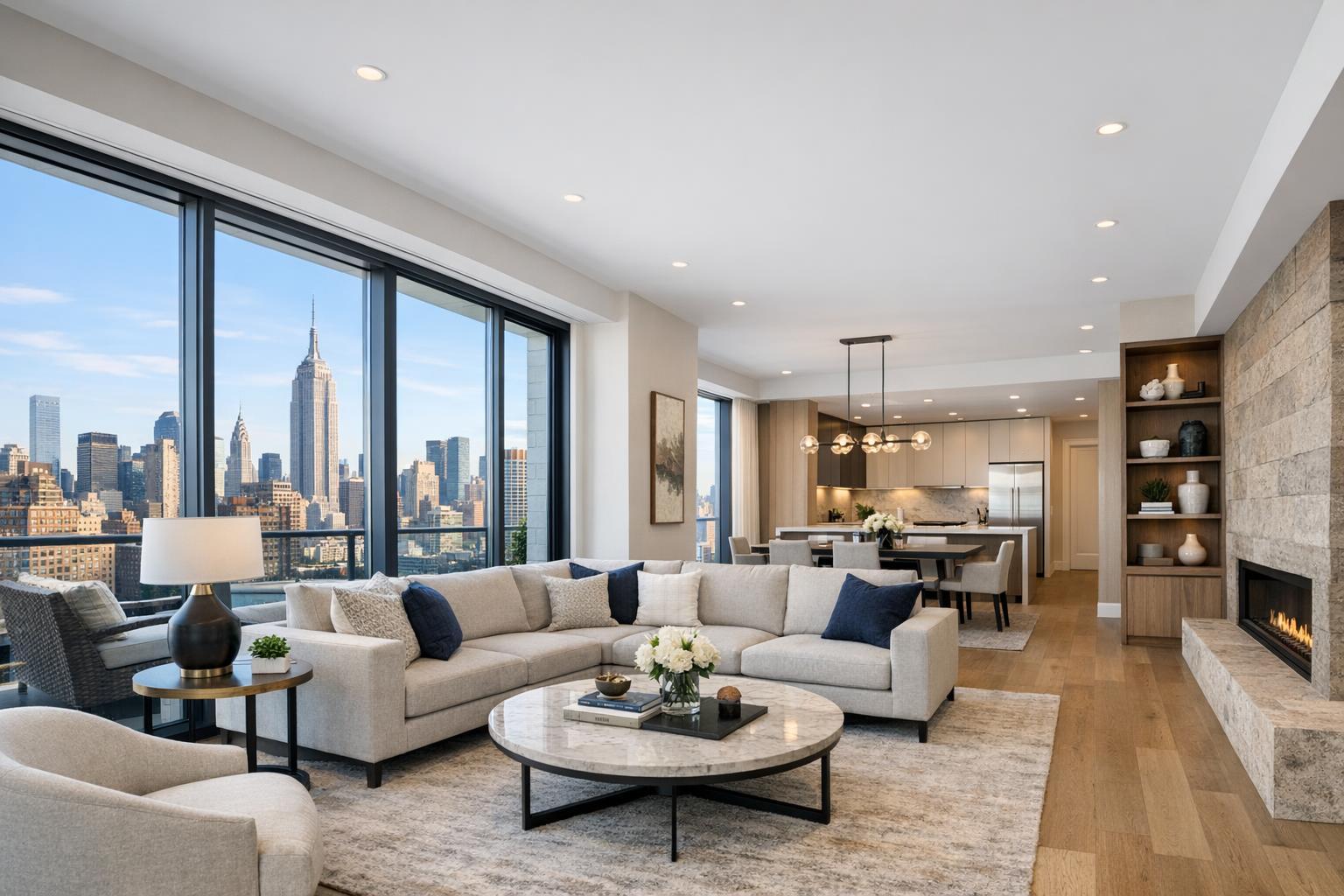
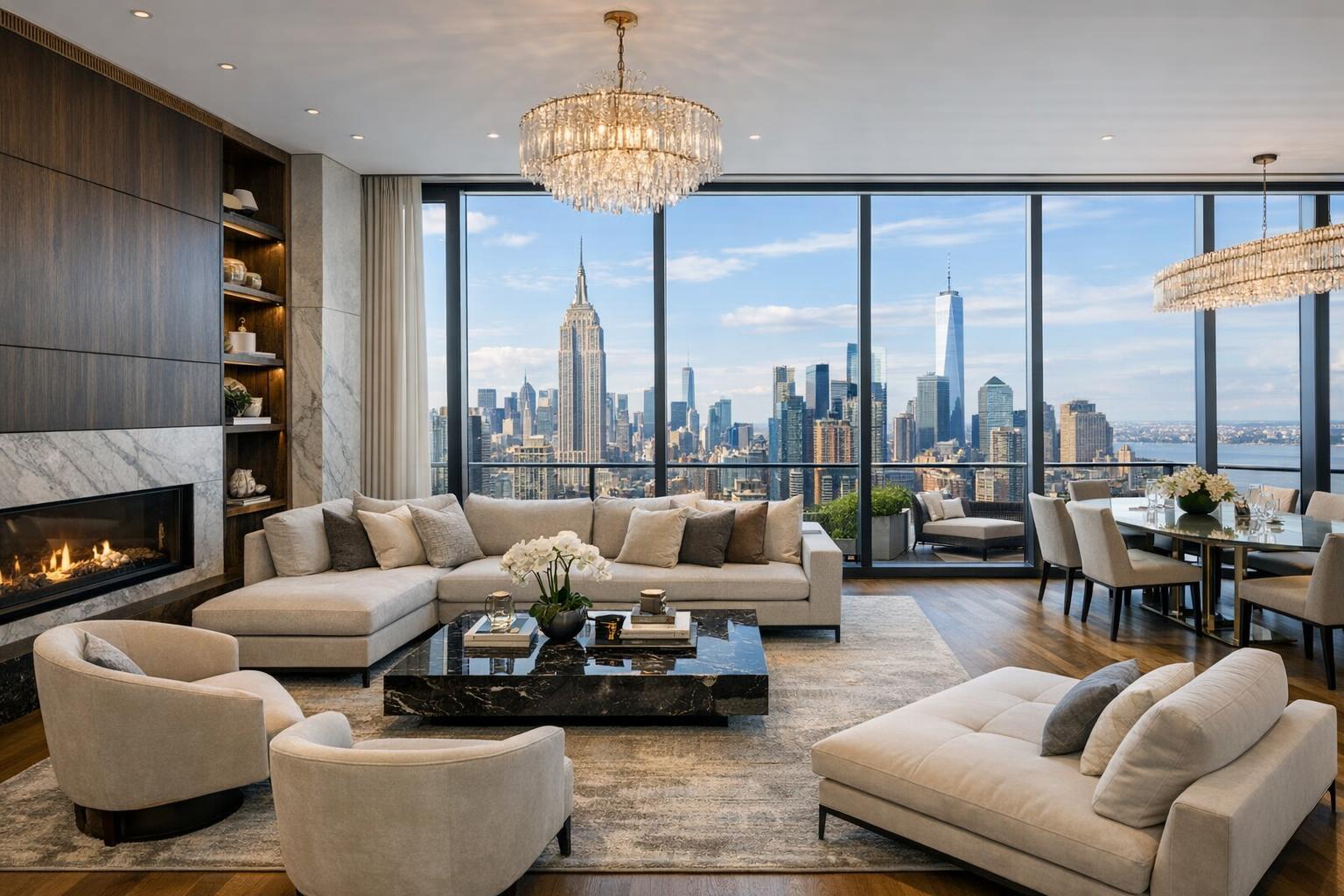
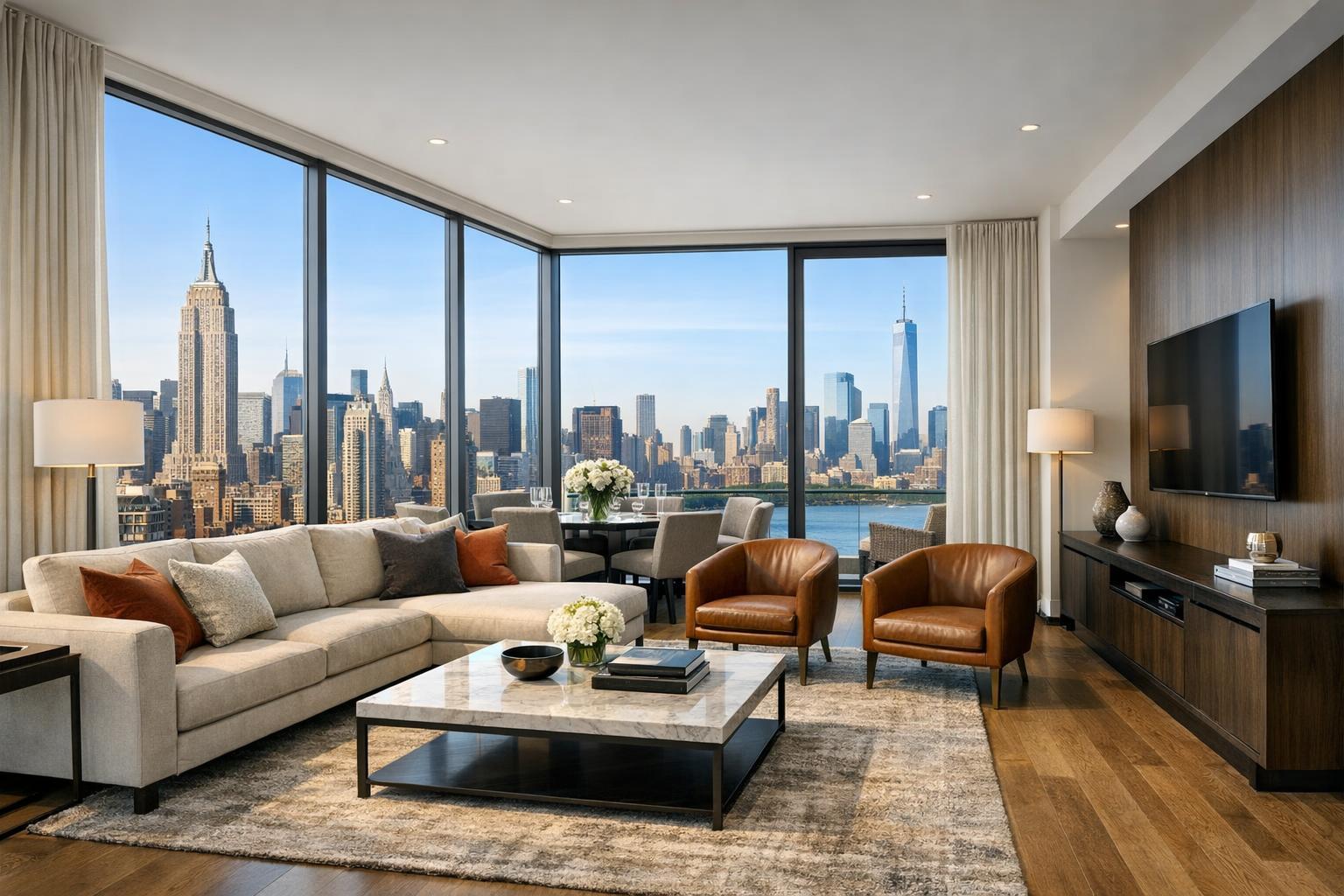
In the realm of real estate photography NYC, a luxurious apartment interior overlooks the iconic city skyline with expansive windows framing the view.
Why Professional Real Estate Photography in NYC Sets Your Listings Apart
Real estate photography in NYC is more than a formality—it's a strategic decision that shapes how buyers experience a home before they ever open the front door. In a city where condos, co-ops, townhouses, and new developments compete for attention alongside unique rentals and single-family homes, each listing is given precious seconds to make an impression. Professional photography plays a critical role in communicating space, light, character, and condition clearly and credibly.
The Importance of Visual Storytelling for NYC Buyers
Almost every NYC property search starts with digital images. Prospective buyers—many of whom are filtering through multiple listings on the subway, between meetings, or across different time zones—make their first judgments based on what they see on a screen. In this environment, strong visuals aren’t just a bonus; they’re a necessity.
Professional photos do more than document square footage. They guide viewers through a property’s journey: from an inviting entry image to thoughtfully sequenced shots that reveal layout, finishes, and those small details that stick in memory—whether it’s a smart studio organization, original brownstone millwork, or a waterfront terrace that brings the outside in.
The combination of clarity and intention allows buyers to picture themselves in the space, compare properties effectively, and feel confident that what they’re seeing matches the real thing.
What Sets Professional Real Estate Photography Apart
Anyone can snap a picture of a room. It takes experienced eyes to craft a collection of images that serve an agent or seller’s goals. True property photography requires expert assessment of each space, careful composition, smart control of lighting, and responsible editing—always with the aim of depicting the property accurately.
Light as the Basis for Atmosphere and Honesty
Urban apartments in NYC can be particularly challenging, with variable daylight, deep courtyards, or exposure affected by taller neighbors. Balancing bright window light with interior shadows is a common challenge in city photography. Techniques like HDR (high dynamic range) photography, used judiciously, allow for the preservation of both shadow and highlight details—especially important when showcasing rooms that face cityscapes, have under-cabinet lighting, or offer special exterior views.
However, respectful editing means the photos should reflect reality: a photo should not artificially brighten a north-facing bedroom or digitally reimagine built-in finishes.
Composing Each Room for Readability
Good composition is about more than attractive angles. It’s about making rooms visually legible—helping buyers understand how spaces connect and what makes each one function. Careful attention to lines, furniture placement, and camera height makes rooms look spacious, but not misleading. Wide-angle views, when used with intent, can open up a living room, while strategic vantage points in a galley kitchen or bathroom ensure that layouts are understandable and inviting.
Editing and Visual Consistency
Professional editing goes beyond minor color tweaks. Straightening architecture, removing visual distractions (such as stray cords or misplaced décor), and keeping color consistent across the gallery all help buyers focus on the property, not on overlooked clutter. When it comes to empty spaces, virtual staging can be a valuable tool—so long as it’s applied responsibly, only to rooms that are vacant or properly decluttered, ensuring that buyers see the space’s true potential.
Luxury Real Estate Photography: Showing Restraint Amid Detail
Luxury real estate photography isn’t just about grand spaces or expensive finishes—it’s an exercise in discerning which features deserve special attention. A prewar apartment might warrant selective close-ups of custom hardware or elaborate millwork, while a new condo could benefit from showing off sleek appliances, private terraces, or amenity spaces. Effective luxury visual coverage balances wide shots that establish context with a handful of crisp detail images that add narrative depth without overwhelming the viewer.
A cluttered gallery of repetitive photos can detract from the impact—as can an overproduced effect that masks the property’s real character. Intentional curation allows buyers to understand the highlights and imagine how they would use each area.
Tailoring Photo Coverage to Each Property
The optimal number and type of images for a listing depend on both the property and the platform. A compact Manhattan studio likely benefits from a concise, focused set of images, zeroing in on layout, storage, and light flow. Large townhouses, multi-level homes, or amenity-rich condominiums may require more extensive photo sets to communicate flow and showcase every material selling point.
Before scheduling a production, it’s worth walking through the property to identify the rooms and features that actually drive buyer decisions—entry experience, major living areas, kitchen details, bedroom count and arrangement, bathrooms, unique amenities, and meaningful exterior views.
Operational Tips for Sellers and Agents
- Remove personal photos, excess items on counters, pet supplies, and visible cords before the shoot.
- Open blinds or curtains when natural light enhances a room, but consider the exterior view.
- Make beds, straighten cushions, and confirm that all light fixtures are working for consistent lighting.
- Store cleaning tools and other distractions out of sight.
- Notify the photographer of unique features that may deserve attention, such as hidden storage or recent upgrades.
Preparation allows photographers to focus on capturing appealing angles and real features, rather than problem-solving clutter or adjusting for distractions during the appointment.
For properties with limited space or shared household activity, deciding in advance which rooms will be photographed can save time and avoid surprises.
Choosing a Professional Real Estate Photographer: What Really Matters
Not all photographers bring the same skill set or perspective to real estate media. When selecting a property photographer in NYC or New Jersey, review full galleries—not just highlight reels. Look for consistent results across housing types, light conditions, and staging scenarios.
Consider asking the following before booking:
- What’s included in the service: number of images, turnaround time, preparation expectations, and available add-ons like virtual staging or drone images.
- Experience with similar property types, from small Manhattan apartments to larger New Jersey homes.
- Proven ability to represent both bright and low-light interiors accurately.
- Workflow flexibility to match the listing’s unique needs.
A professional process should make it easy to match the right level of service—whether that’s a targeted 10-photo collection or a full gallery of 50 images for a luxury home. At RealtaSnap, for example, photo packages range from 10 to 50 photos, with pricing starting at $149 for 10 HDR images, and various add-ons, including AI virtual staging and clutter removal, to help listings shine.
RealtaSnap’s Coverage, Process, and Practical Considerations
RealtaSnap serves clients across all five boroughs of New York City and throughout New Jersey statewide. Each project begins with a clear, straightforward online booking process: clients simply provide the address, select services and add-ons, pick a time using the real-time calendar, and confirm their booking online Book your shoot. At least 24 hours’ notice is typically required for appointments.
Preparation guidance is available via the RealtaSnap photography prep guide, helping both sellers and agents optimize photo-readiness for best results. Professional execution and ethical editing are built into every service; what is captured reflects the true condition and arrangement of the property, helping promote trust with buyers and agents alike.
Giving Buyers a Reason to Keep Exploring
In a crowded NYC and New Jersey market, clarity, accuracy, and thoughtful visual storytelling are what help a listing break through the noise. While professional photography can’t compensate for pricing or staging missteps, it can ensure that buyers get an honest, inspiring introduction to a property’s strengths. The right images help a home earn attention, prompt in-person showings, and make the entire sales process smoother.
To explore options for listing photography or see media prep tips for your next property, visit RealtaSnap real estate photography in NYC or browse the official site.
FAQ
Question: How many photos should a typical NYC apartment listing include?
Answer: The right number of photos depends on the property’s size, layout, and unique features. Smaller studios may benefit from a concise set covering essentials, while larger apartments, townhouses, or homes with notable amenities deserve more comprehensive coverage. Focus on images that answer buyer questions about layout, condition, and appeal, while avoiding redundant shots.
Question: Should sellers use virtual staging for empty homes?
Answer: Virtual staging can be helpful in showcasing an empty property’s potential, especially when the room is completely vacant or decluttered. It’s important that virtual furniture is used ethically—not layered over existing items—to help buyers imagine how the space could function without misrepresenting actual conditions.
Question: When is drone photography appropriate for NYC listings?
Answer: Drone photography is most useful when exterior context—such as large lots, roof decks, or proximity to parks and landmarks—adds value to the listing. However, feasibility in NYC depends on factors like airspace regulations, pilot authorization, weather, and building access. Not all properties will be eligible for drone imaging, but for those that are, aerial photography can provide meaningful perspective.