Why Professional Real Estate Photography in NYC Elevates Your Listings
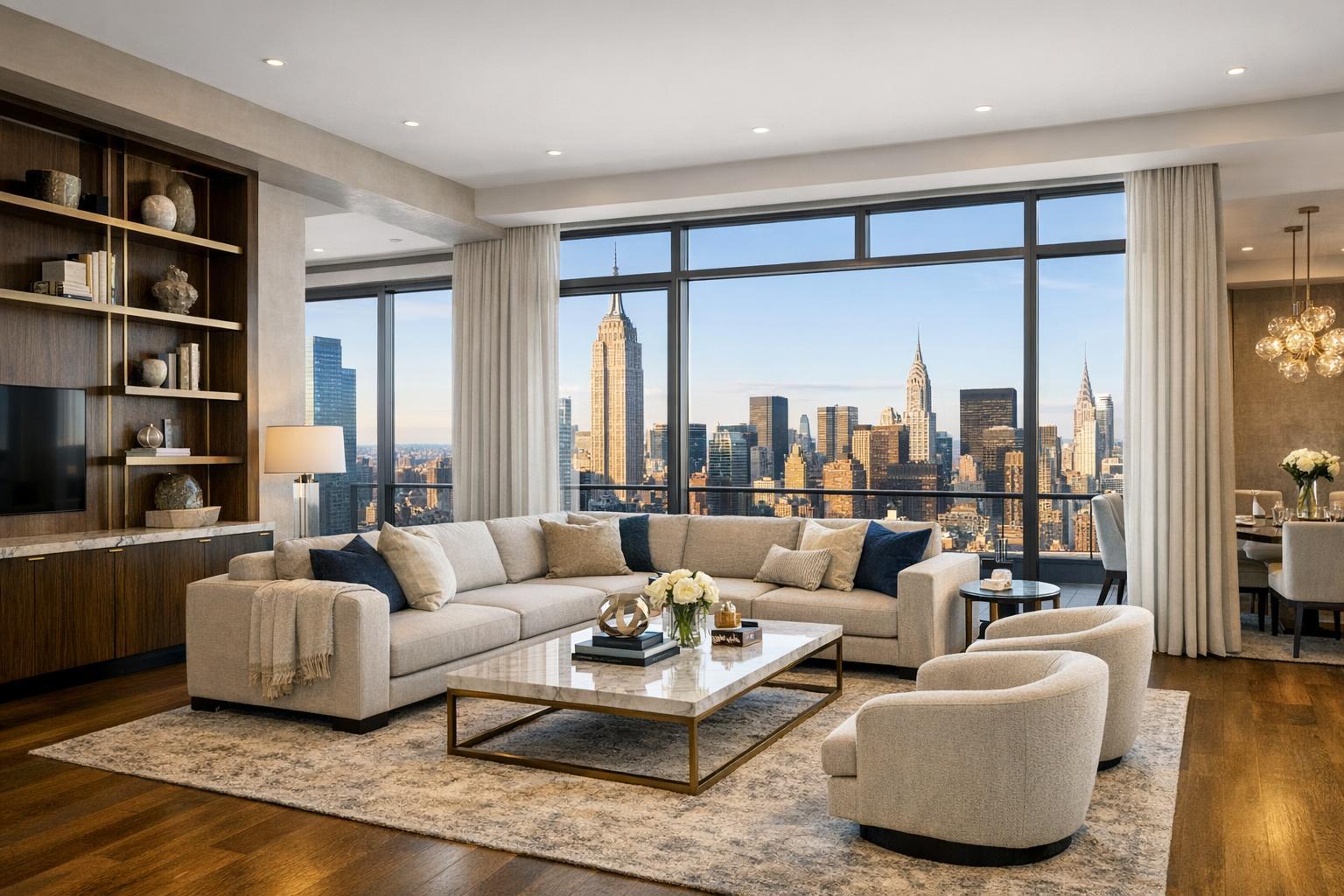
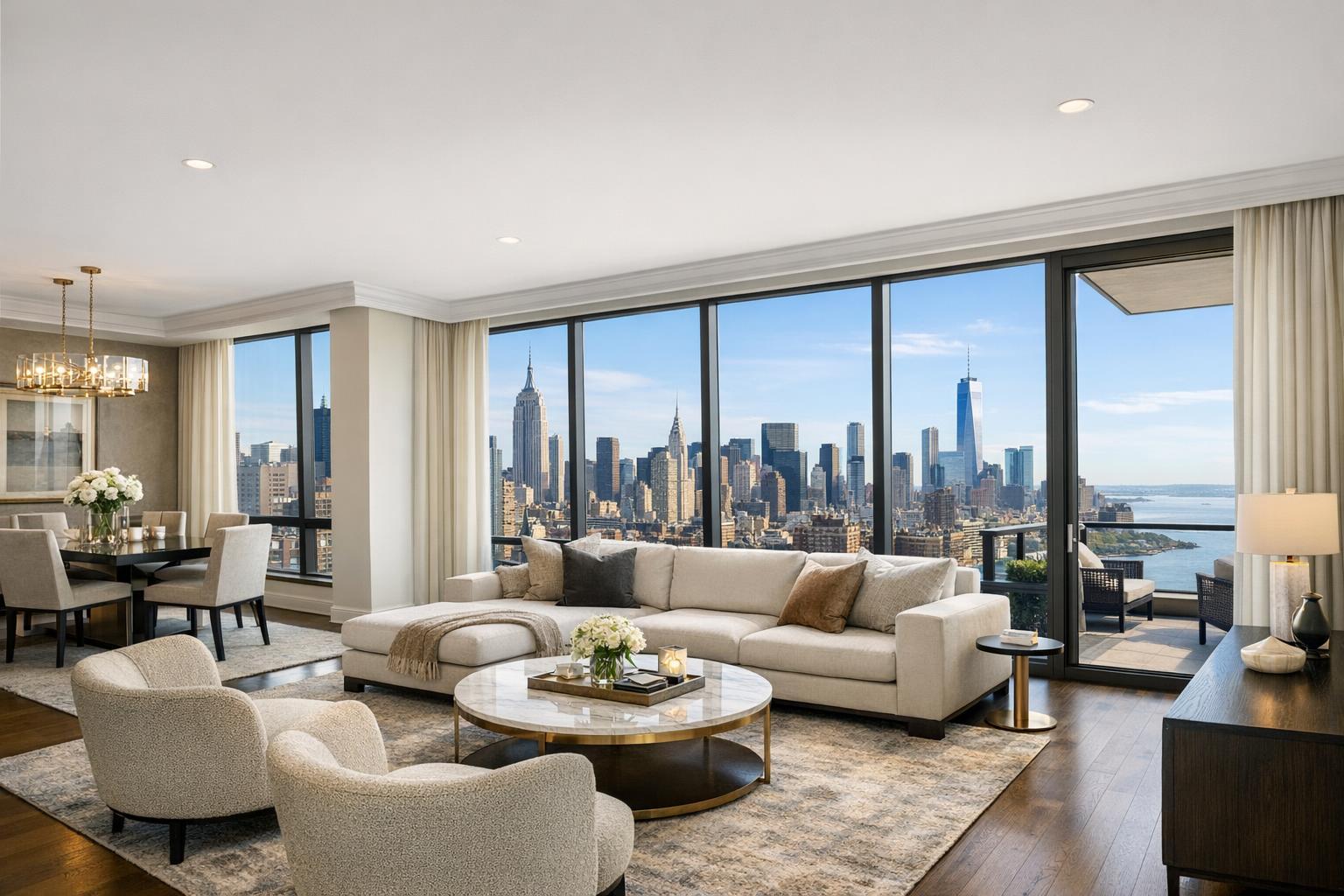
A luxurious New York City living room showcases an elegant interior with expansive windows offering a stunning view of the iconic skyline, exemplifying premium real estate photography in NYC.
Why Professional Real Estate Photography in NYC Elevates Your Listings
Real estate photography in NYC is more than a marketing add-on—it’s a foundational tool for agents and sellers who want their listings to speak clearly and confidently in one of the most competitive markets in the country. With so many listings competing for attention, having professional, well-composed photography is often what gets a property noticed, considered, and remembered.
Setting the Scene: Why Quality Images Matter in NYC
Over the years, we've seen just how pivotal first impressions can be. Most NYC buyers and renters start their search online. Whether they’re scrolling through brownstones in Brooklyn, co-ops in Queens, or high-rise condos in Manhattan, their decision to click, inquire, or schedule a showing depends heavily on the images they see. A strong visual presentation lets viewers quickly grasp the layout, size, light, and features—critical in a market defined by variety and density.
The reality is that property photography NYC listings depend on isn’t about making a space look unrecognizable. It's about presenting rooms and features honestly, at their best, so viewers know what to expect. The consistency of professional images carried across MLS, brokerage websites, and social channels can make a listing feel more inviting and polished at a glance, while providing a clear baseline of what’s being offered.
The Technical Edge: What Actually Sets Professional Photos Apart
Professional real estate photography services in NYC bring more than fancy cameras. There’s discipline, intention, and specific technical knowledge that separates professional shoots from a rushed round of phone photos.
- Composition and Perspective: Tiny bedrooms and oddly angled hallways are standard in the city. Skilled photographers know how to choose vantage points that explain the space without distorting scale or misleading the viewer. For example, the right camera height preserves vertical lines and architectural features, making narrow kitchens or tall ceilings easy to read.
- Light and Exposure: NYC properties often pair abundant natural light with deep interior shadows or artificial lighting. HDR (high dynamic range) techniques help capture both the bright window views and the details in shaded corners, so living rooms and city vistas both appear true to life. Equally important is post-shoot editing that keeps colors natural and avoids the “over-filtered” look, ensuring that wood floors, tile, and painted walls photograph as they truly appear.
- Visual Flow: Thoughtful sequencing of listing photos helps guide viewers through a property in a way that mimics how someone might experience it in person. Instead of randomly jumping between spaces, a professional shoot develops a story: starting with the main living space, then moving through adjacent rooms, highlighting architectural features, and ending with memorable details like a terrace or facade.
Common Pitfalls: Phone Photos and Understated Features
Phone cameras have their use, but the limitations become clear quickly:
- Lighting can become uneven, leaving windows washed out or corners in shadow.
- Wide-angle distortions can exaggerate space or create a funhouse effect.
- Clutter, personal items, or awkward furniture layouts can distract from what actually matters.
For smaller NYC listings, concise coverage is often best, but that doesn’t mean skimping on quality. One well-lit, well-composed photo of a bedroom is more valuable than three phone shots that confuse the viewer.
Preparing NYC Properties for Photography
A well-prepped space streamlines the shooting process and helps permanent property features take center stage.
Preparation Checklist
- Clear kitchen counters and bathroom surfaces.
- Remove personal and everyday items from sight.
- Make beds, fluff pillows, and straighten window treatments.
- Hide cords, bins, pet gear, and laundry.
- Replace burnt bulbs and turn on all available lights.
- Open window coverings to highlight natural light where beneficial.
- Decide which amenities or outdoor spaces should be included ahead of time.
- For vacant rooms, consider if virtual staging can help—professional staging (physical or digital) is best done in uncluttered, empty spaces.
Small touches make a noticeable difference. Planning with your photographer about which spaces and features need attention avoids misunderstandings and saves time on the day of the shoot.
For more preparation tips, visit the RealtaSnap photo shoot prep guide.
How Many Photos Does an NYC Listing Need?
There’s no one-size-fits-all answer. A compact, straightforward studio might require only 10 focused photos to give a complete sense of the space. In contrast, a multi-level townhouse or luxury condo may need a more extensive set—spanning living spaces, bedrooms, outdoor areas, and unique amenities.
At RealtaSnap, HDR photography packages start at 10 photos ($149) and grow to cover larger homes with up to 50 images ($299). The point isn’t to add photos for the sake of padding out a gallery but to select a set that explains the property’s layout and highlights what makes it stand out.
If you’re curious about available packages, see our portfolio and price options for real estate photography in NYC.
Nuances of Property Coverage: Matching Approach to Each Listing
It’s worth considering the particular challenges of our region’s housing stock:
- Pre-war apartments often shine with images that communicate ceiling height, moldings, and how rooms relate.
- Modern condos may prioritize balanced shots that showcase both sweeping views and interior finishes.
- Brooklyn townhouses typically benefit from a progression—starting with the exterior, passing through living levels, and including any garden or outdoor space.
- Vacant spaces are sometimes hard to photograph dynamically but can benefit from virtual staging, provided the room is clean and ready.
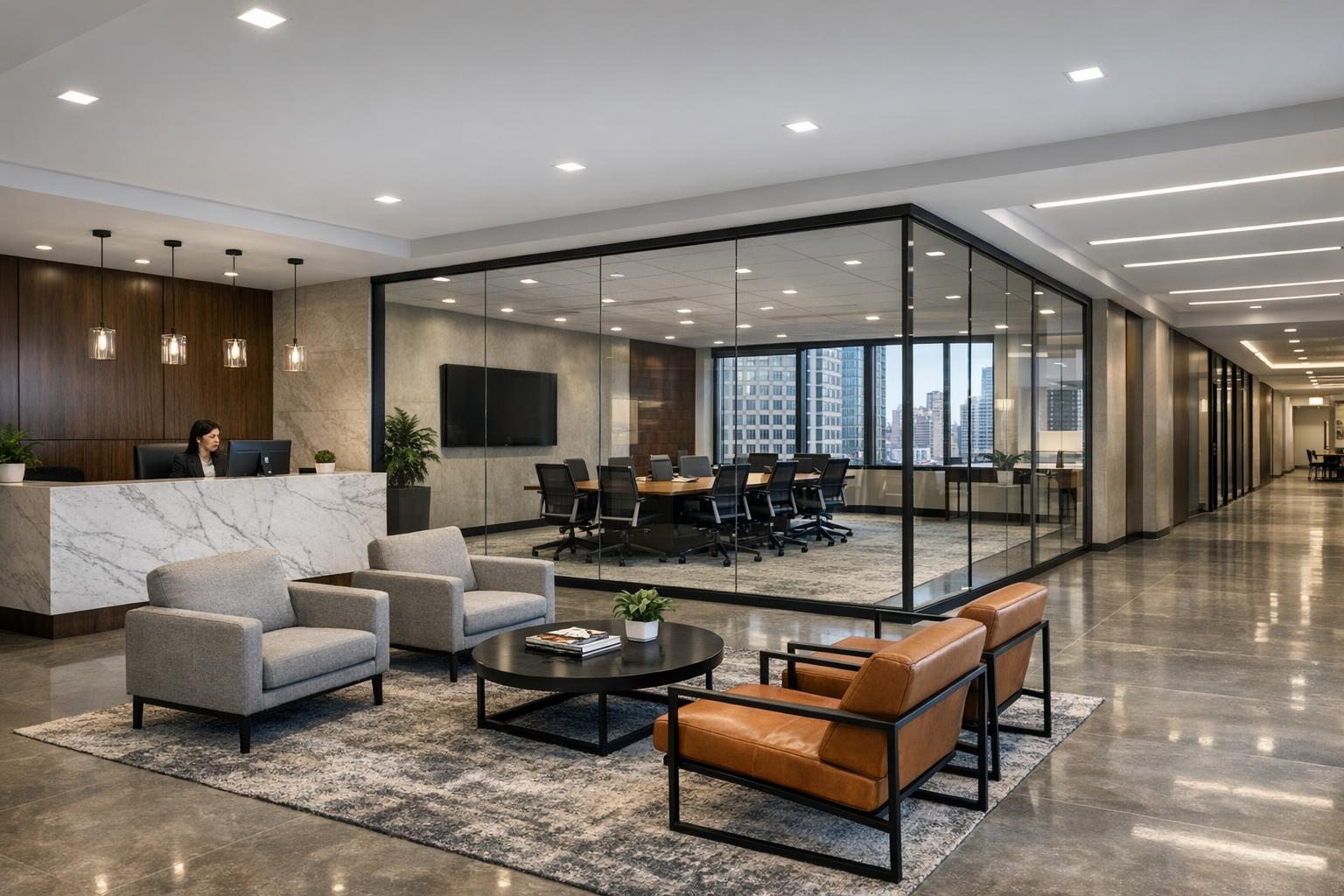
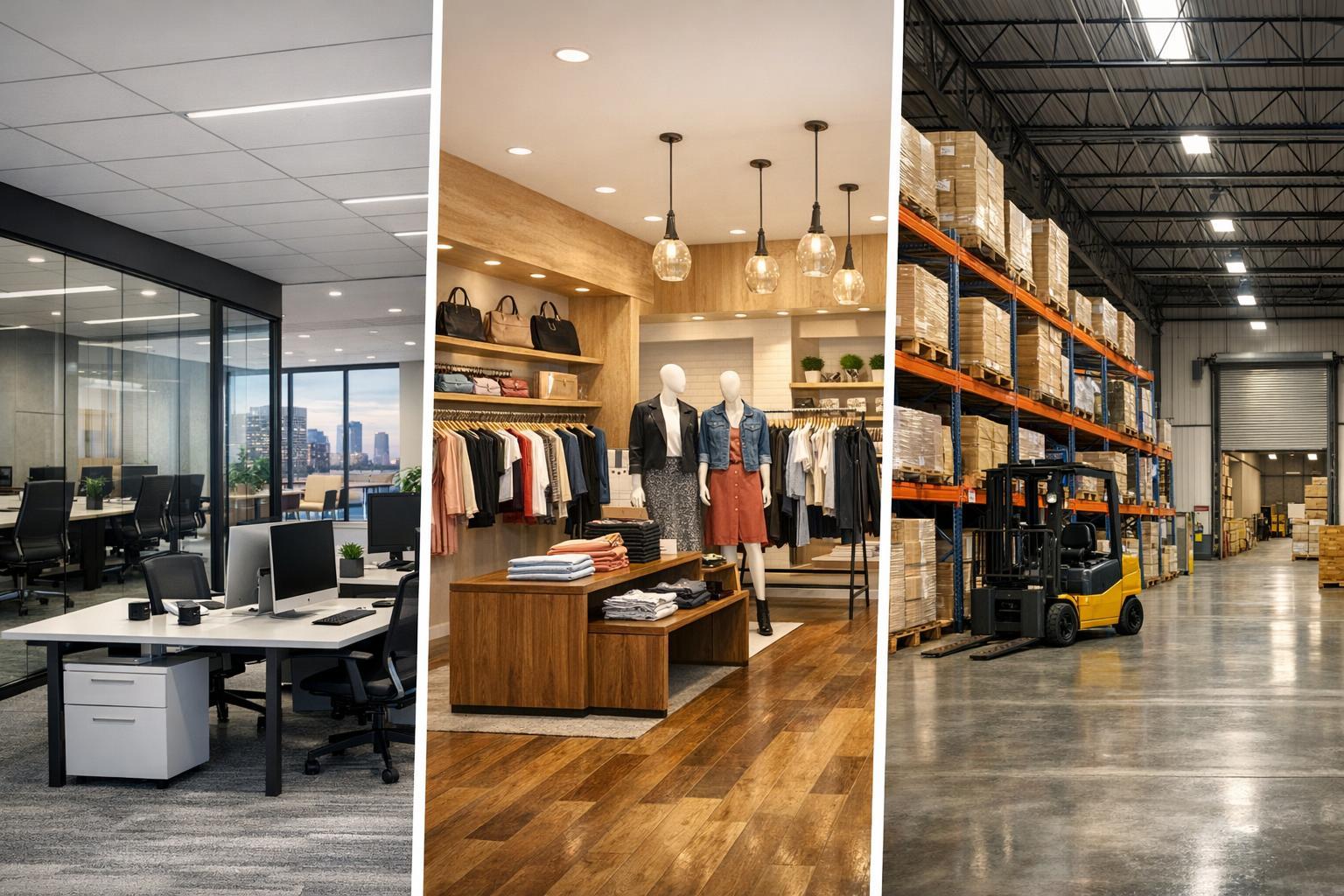
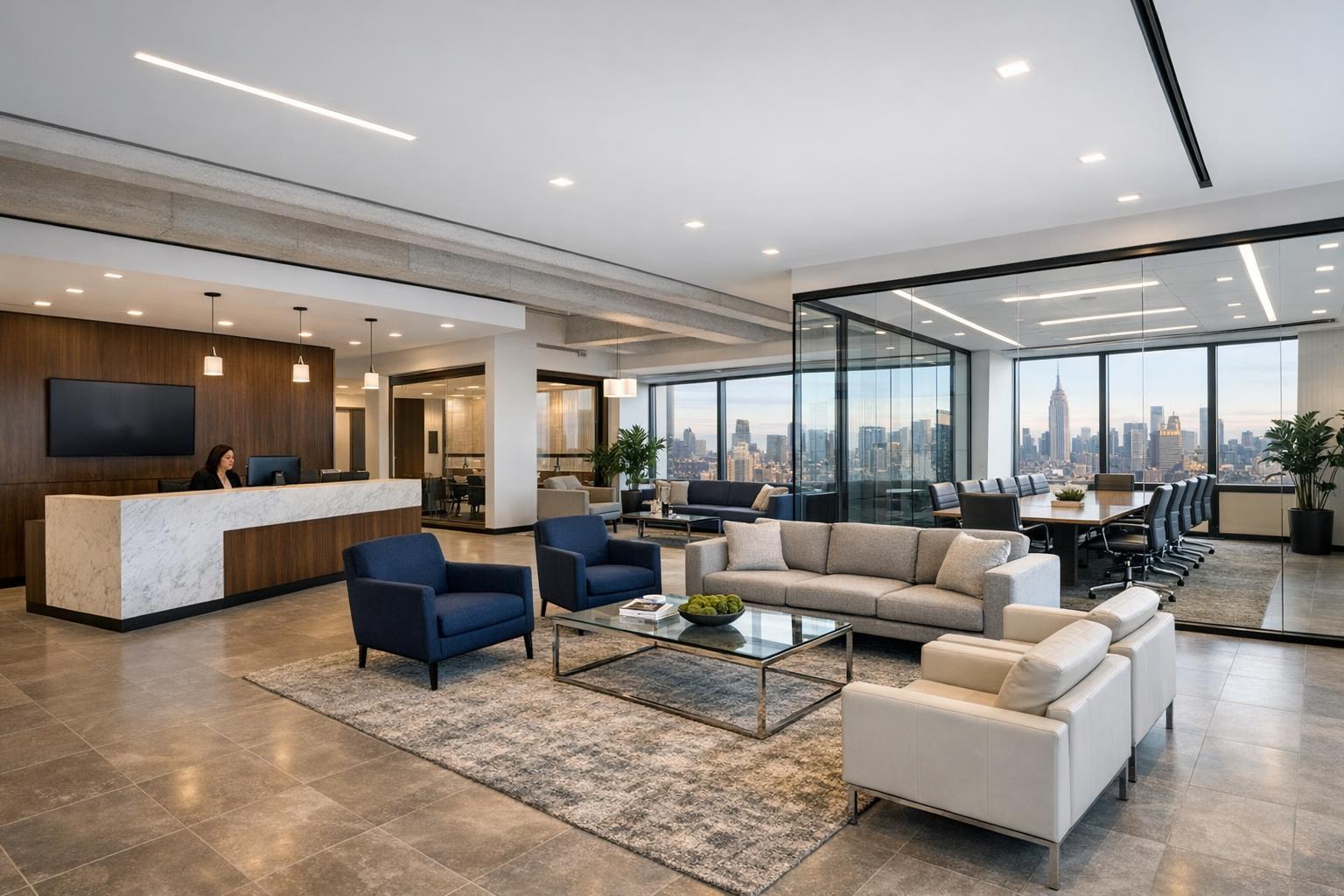
Commercial properties, too, require their own approach. In addition to showing size and features, the focus is often on conveying scale, circulation, accessibility, and the condition of building infrastructure.
Questions to Ask Before Booking Real Estate Photography Services in NYC
Not every photographer or service provider takes the same approach. Asking a few targeted questions can clarify expectations and ensure your priorities are respected:
- Which spaces and features are most important for this listing?
- Will outdoor areas, views, or amenities be included?
- How do you handle challenging lighting or tight interiors?
- What preparation is required before arrival?
- How and when will images be delivered?
Open communication leads to better results than simply chasing the most images for the least cost.
The Role of Photography in a Complete Marketing Strategy
While professional images build the essential story of a property, other media can complement the experience:
- Floor plans can be crucial for listings where layout isn’t immediately clear from photos alone, especially in flexible or non-standard spaces.
- 3D virtual tours help remote buyers or renters understand room-to-room flow.
- Listing videos add atmosphere and motion, bringing the experience one step closer to an in-person tour.
- Drone photography provides context for buildings with notable exterior features, yards, or urban positions—subject to airspace and safety constraints.
The best strategy is not to add every available media product but to consider what the property genuinely needs to communicate to potential viewers.
Maximizing the Value of Finished Images
Once media is delivered, make it work for you:
- Lead a listing with the strongest, most representative photo.
- Use a full set where allowed and a curated mini-set for social promotions.
- Maintain consistent visual style across platforms: MLS, social, email, and flyers.
- Pair images with listing copy so that each feature mentioned is visually supported.
- When possible, keep crops natural to architecture and space.
Keeping media organized and consistent builds visual trust and helps prospective buyers and renters know that what they see is what they’ll get.
A Final Note: Photography as the Honest First Chapter
In NYC and New Jersey, real estate listings that invest in professional media consistently provide clearer, more reliable first impressions. It’s not about selling a fantasy or hiding flaws—it’s about respecting clients’ time and making the evaluation process straightforward.
For teams listing in and around New York City and New Jersey, RealtaSnap offers tailored real estate media solutions with on-site HDR photography, flexible photo packages, and region-appropriate operational expertise. If you’re planning your next listing, see what’s available or book a session when ready.
For expanded guidance and more services, visit www.RealtaSnap.com.
FAQ
Question: How many photos should I order for my NYC listing?
Answer: The right number depends on your property’s size, layout, and marketing needs. Small studios typically need around 10 focused photos, while larger homes and properties with multiple features may require up to 50. Prioritize images that explain layout and emphasize key selling points. You can choose and book packages online at www.RealtaSnap.com.
Question: What’s the best way to prepare my property for a professional photo shoot?
Answer: Start by decluttering all surfaces, making beds, removing personal and miscellaneous items, and checking that lights work in every room. Decide whether outdoor areas, amenities, or building features should be included. If you’re considering virtual staging, ensure vacant rooms are completely cleared for best results.
Question: Can professional photography handle mixed lighting and bright window views in NYC apartments?
Answer: Yes—experienced real estate photographers use HDR techniques and careful editing to balance interior lighting with bright NYC window exposures. The process typically results in images where both room details and exterior views are clearly visible, reflecting the property’s features as accurately as possible.