Why Manhattan Real Estate Deserves Professional Photography: Drive Sales with Stunning Visuals
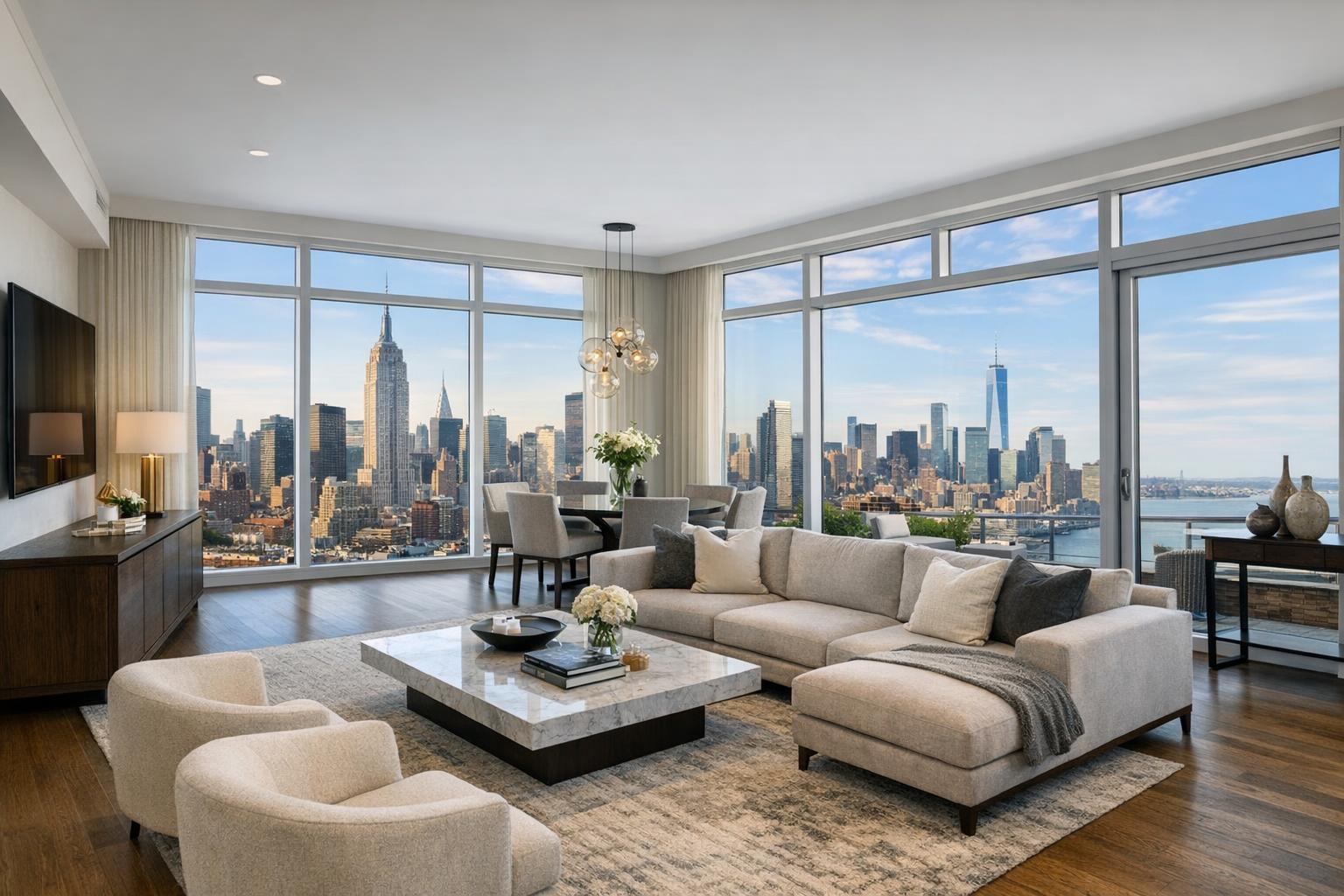
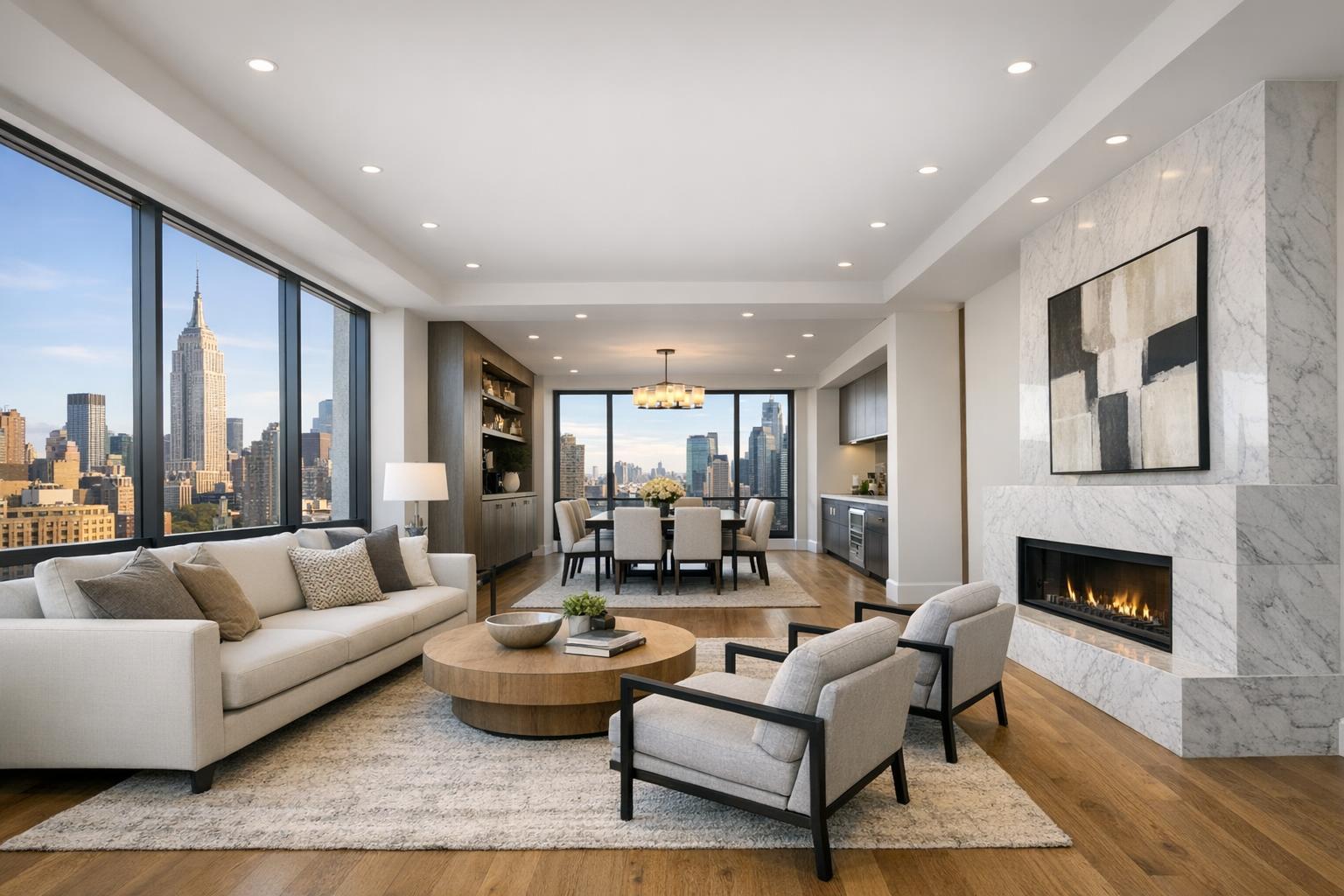
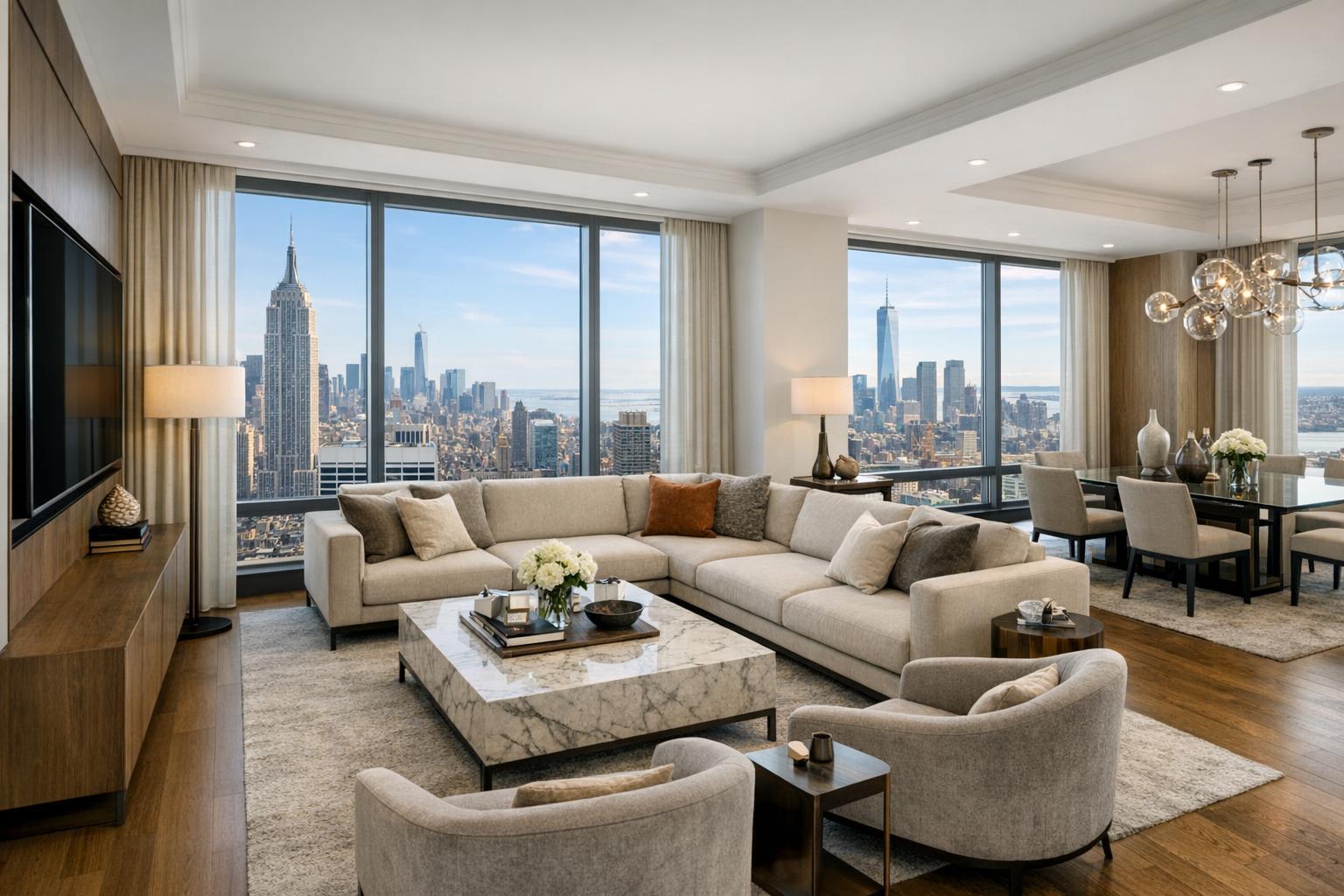
A luxurious Manhattan apartment with elegant interiors and breathtaking skyline views is expertly captured by a real estate photographer.
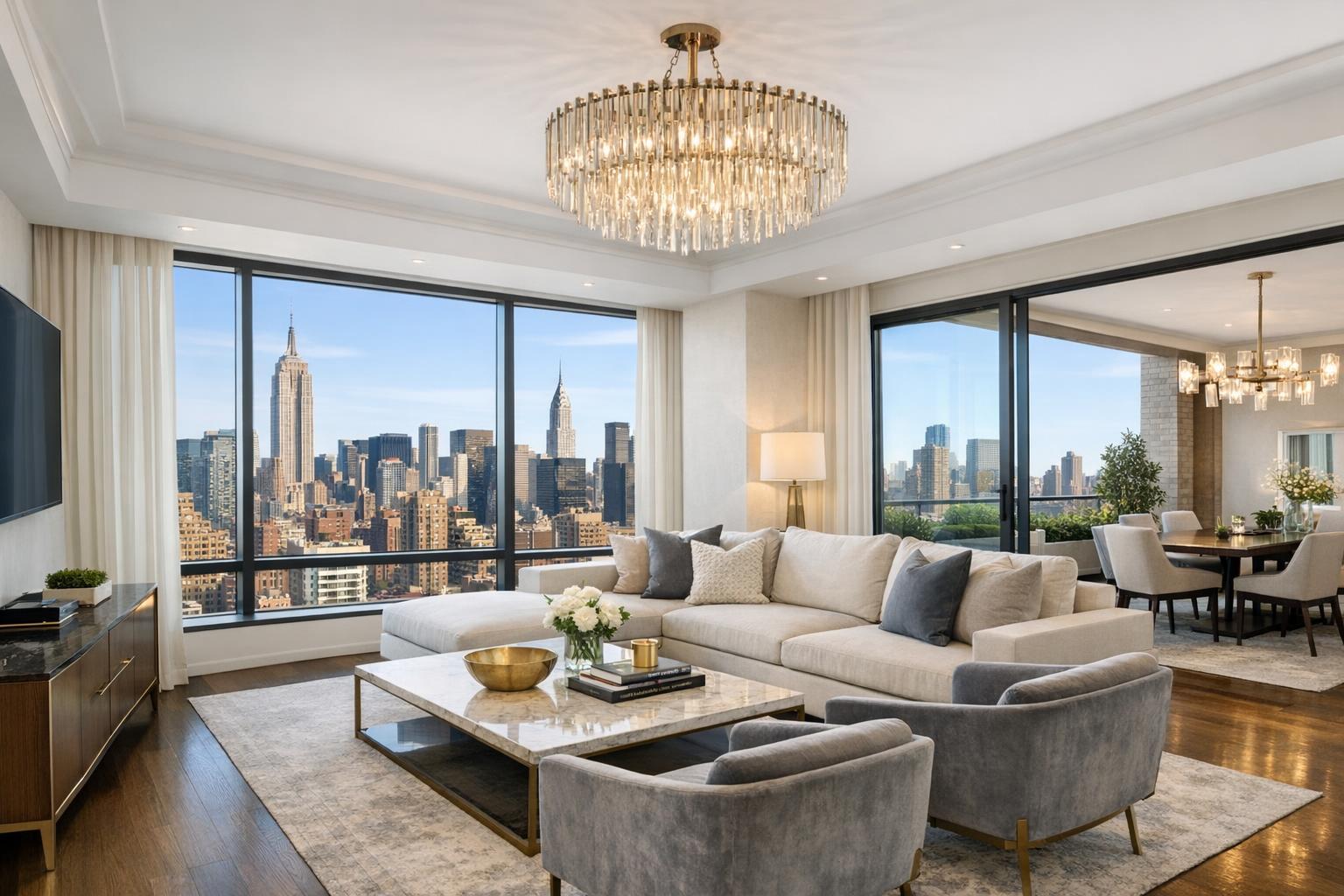
Why Manhattan Real Estate Deserves Professional Photography: Drive Sales with Stunning Visuals
A manhattan real estate photographer often makes the difference between a listing that gets skipped and one that gets scheduled. In a market as visually driven and competitive as New York City—where listings are judged within seconds—presentation is non-negotiable. Whether you’re working with a classic pre-war co-op, a modern glass condominium, or a brownstone with intricate architectural detail, professional real estate photography in NYC isn’t simply an upgrade—it’s a core requirement.
Visual Presentation as the Deal Breaker
In Manhattan, every square foot counts, and every feature matters. Most buyers and renters first encounter listings online, long before they consider location, renovation details, or building amenities. Well-executed photography serves as the digital front door of the property. It communicates light, layout, scale, and actual character before a single showing is booked.
Real estate professionals in NYC and New Jersey know these visual expectations run high. Low-light, cluttered, or distorted images unconsciously lower the perceived value of a space—sometimes before agents or sellers ever have the chance to explain its strengths. A sharp, thoughtfully composed photo set doesn’t guarantee a faster sale by itself, but it creates credibility and generates interest for the work that follows.
Moving Beyond the Snapshot: What True Professionalism Looks Like
It’s easy to think the latest smartphone can suffice for a property shoot. While phones are capable in a pinch, professional workflows involve more than just better cameras. True property photography involves expertise in:
- Choosing camera height and position to maintain realistic room proportions
- Balancing bright windows with darker interiors
- Keeping lines straight (especially in tight apartments and historic spaces)
- Sequencing shots to help viewers “walk” logically through the listing online
- Highlighting details that distinguish the property, such as original moldings, terrace views, or custom finishes
These best practices are especially relevant in Manhattan, where two similarly sized apartments can feel worlds apart due to ceiling height, window placement, or unique layouts. A quick snapshot can miss the selling point entirely, leaving an otherwise desirable home overlooked.
Helping Buyers Understand the Space—Before the Visit
The strongest NYC listing photography doesn’t just make a room look good; it helps viewers form a realistic and enticing mental image of living there. This is fundamental in a market where buyers and renters are evaluating multiple neighborhoods and property types at once.
Consider these common buyer questions, answered visually:
- Does the living area accommodate both dining and entertaining?
- Are bedrooms laid out for privacy or clustered together?
- Is there adequate natural light in the main living spaces?
- How do outdoor spaces or unique amenities connect to the primary rooms?
Professional images provide this context instantly, reducing confusion and giving agents a stronger foundation when fielding inquiries.
Operational Observations: What Matters in NYC Media Execution
Having worked extensively across Manhattan, New Jersey, and surrounding areas, teams like RealtaSnap focus on real-world solutions for local challenges:
- Balancing Window Exposure: Bright city views or park vistas are a common selling point, but these can overpower interiors if not handled carefully. Proper high-dynamic-range (HDR) techniques allow both interior details and exteriors to remain visible and true-to-life.
- Room Preparation: In both occupied and vacant properties, a streamlined pre-shoot checklist helps reduce distractions. Removing excess clutter, coordinating linens, and clearing surfaces lets the permanent features of the property shine through.
- Space Interpretation: Small apartments and large townhomes each present unique shooting considerations. For compact spaces, the careful positioning of the camera keeps the area from looking cramped or distorted. In larger properties, sequencing images logically (not just by room size) helps viewers understand how spaces connect.
- Consistent Editing and Delivery: Visual consistency across all images builds trust and makes a property easier to understand online. This means maintaining uniform color balance, perspective, and visual flow from photo to photo.
Strategic Image Coverage for Manhattan Properties
For city apartments, every photo slot matters. Too many images of similar rooms can overwhelm; too few can leave questions unanswered. An effective shoot captures all significant spaces—entry, main living area, kitchen, bedrooms, bathrooms, and any private outdoor space—while reserving extras for features that truly warrant attention.
In New Jersey and the surrounding suburbs, properties may require additional exterior coverage, outbuildings, or yard space imagery. City listings, by contrast, may benefit more from detail shots of high-value amenities or historical touches.
For both urban and suburban properties, the package size selected (from 10 to 50 photos at RealtaSnap) should be based on the listing’s complexity and what is needed to communicate a complete, cohesive story.
Explore photo package options and details at RealtaSnap real estate photography services.
Preparing for Success: The Importance of Property Readiness
No amount of advanced editing can fully compensate for rooms that are crowded, cluttered, or poorly prepared. In tight NYC apartments with limited storage, agents often need to coordinate temporary decluttering or creative solutions to present a clean visual. Editing can handle minor distractions, but what’s most effective is a space that’s show-ready before the appointment:
- Surfaces cleared of personal items and small appliances
- Beds made with simple, coordinated linens
- Pet products, toys, and litter boxes tucked away
- Windows and treatments open, unless privacy or view dictates otherwise
- Wastebaskets, laundry, and bathroom products out of sight
- Outdoor space presented as tidy and usable
For empty apartments, vacant staging or digital virtual staging (when used) should be applied judiciously and labeled clearly.
Current Trends: Realism, Clarity, and Editorial Touches
Manhattan and New Jersey listings have evolved past over-processed images and gimmicky editing. The preferred style is clean, bright, and believable—showing each room’s actual conditions while presenting them in their best light.
- Natural-Looking Editing: Balanced brightness and controlled highlights cultivate trust during in-person visits. Prospective buyers want to see accurate color and space.
- Lifestyle Context: Select detail shots—like custom hardware, restored fireplace mantels, or key outdoor views—support the larger room images but do not replace them.
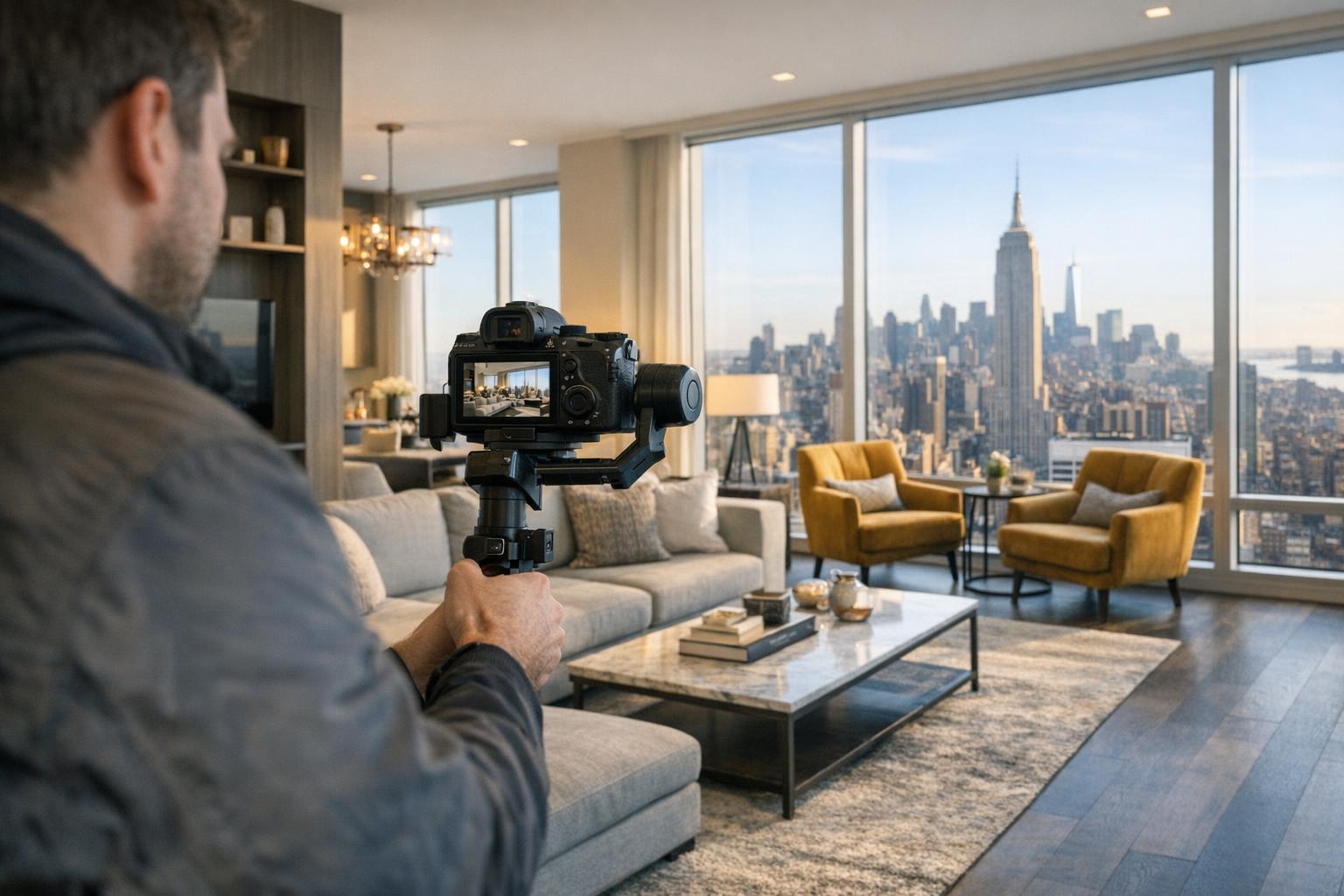
- Explaining Flow: Floor plans or a limited supplemental video can provide a clearer view of how rooms relate. For most listings, a sequence of well-planned photographs does most of the heavy lifting, but additional visuals are available for complex or upscale spaces.
Selecting a Real Estate Photographer: Evaluating for NYC Experience
In Manhattan, portfolio variety matters. Look for a photographer whose work displays an understanding of both bright, modern condos and cozier, historic apartments. Essential evaluation points include:
- Accurate room proportions and straight vertical lines (no obviously distorted images)
- Skillful handling of windows, natural light, and varied exposures
- Logical image sequencing reflective of the property’s flow
- Portfolio coverage of building types similar to the listing at hand
- Clarity around deliverables, booking, and preparation expectations
Misleading images or haphazard sequencing can create confusion or mistrust—both for agents and viewers.
About RealtaSnap’s Approach
RealtaSnap provides HDR photography for listings throughout New York City (all boroughs), New Jersey (statewide), and select approved projects in Westchester and upstate New York. Packages start at 10 images and scale up depending on the property and coverage needed. Every shoot is handled by expert photographers, with sharp detail, natural tones, and fast turnaround.
Complementary media—floor plans, video, virtual staging—are available in situations where they add clear value. RealtaSnap does not promise to “make a property look perfect,” but rather to deliver accurate, listing-focused photography that communicates what exists at the property at the time of capture.
Agents, property owners, and brokers can find all options, policies, and example work at www.RealtaSnap.com.
If you have an upcoming Manhattan listing, a well-prepared space and a plan for professional photography remain essential steps toward a more effective marketing launch.
Explore your options or schedule a shoot at RealtaSnap.com.
FAQ
Question: How many images should be included in a Manhattan real estate listing?
Answer: The ideal number depends on the property’s size and the features you want to showcase. Compact studios may only require 10 to 15 images, while multi-bedroom units with amenities, private outdoor spaces, or architectural features may benefit from 30 or more. The priority is to provide complete, purposeful coverage that tells the full story of the listing without unnecessary repetition.
Question: What preparation steps do you recommend before a real estate photography shoot?
Answer: Preparation is key to achieving polished results. Remove personal items, declutter surfaces, make beds with coordinated linens, clear away pet accessories, and tidy up any outdoor spaces. For occupied apartments, it’s especially important to minimize items that might draw attention away from the room’s best features.
Question: Can professional photography capture a property’s city views accurately?
Answer: Yes, provided the photographer manages both the indoor and outdoor exposures using techniques like HDR capture. It’s also helpful when the window area is clean and unobstructed, so the true view and quality of light can be shown in the final image.