Why Manhattan Real Estate Demands Professional Photography: Key Benefits for Sellers & Agents
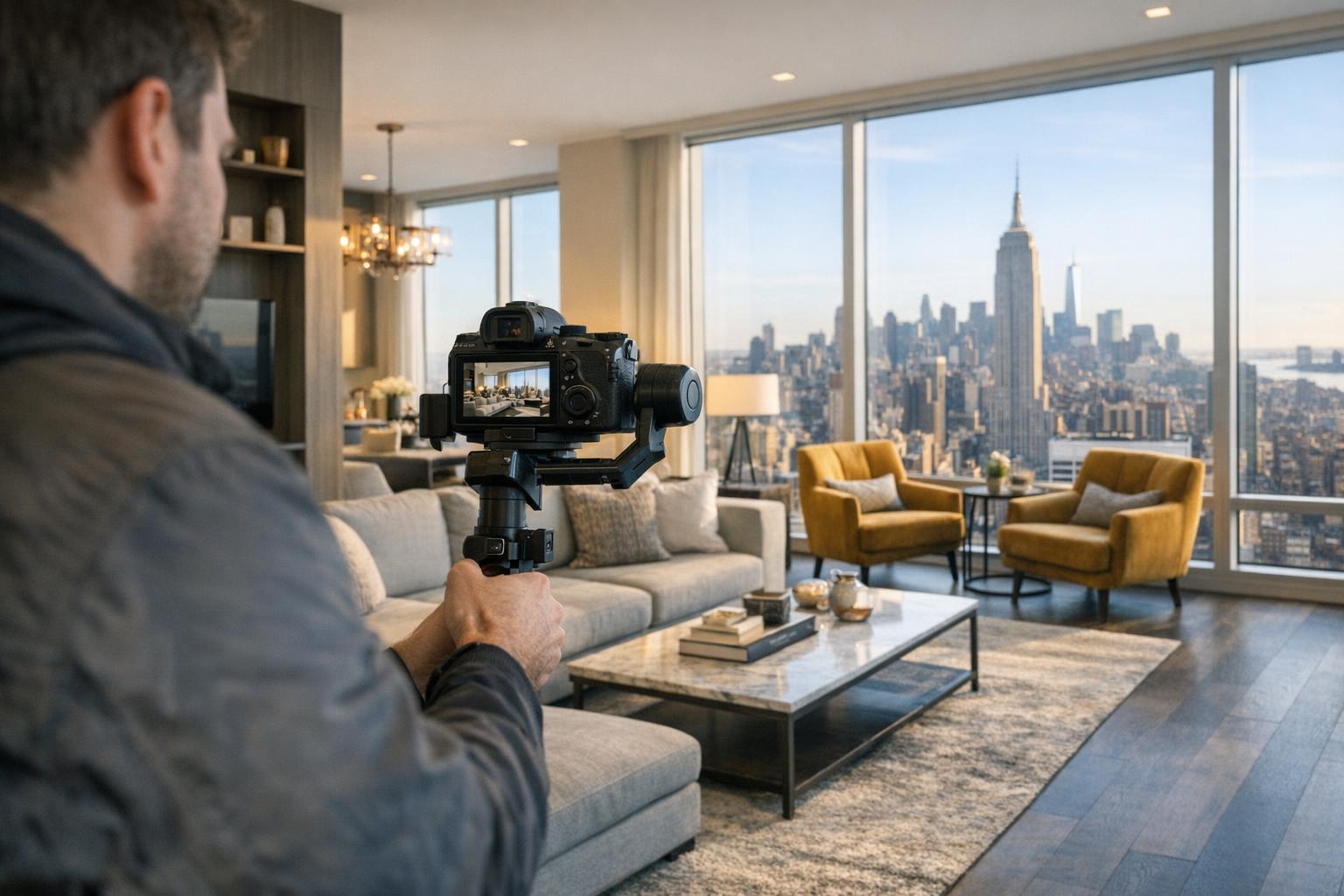
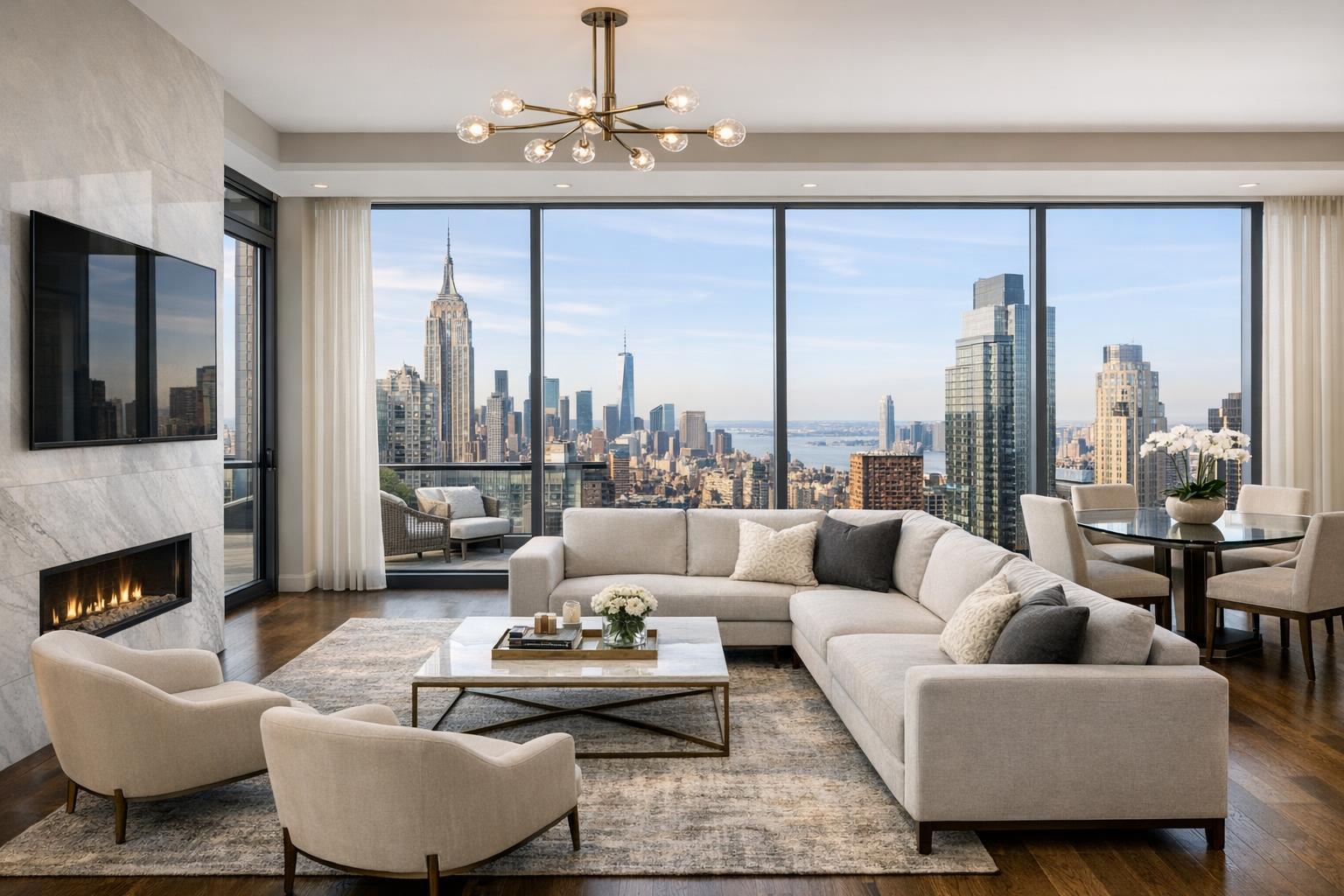
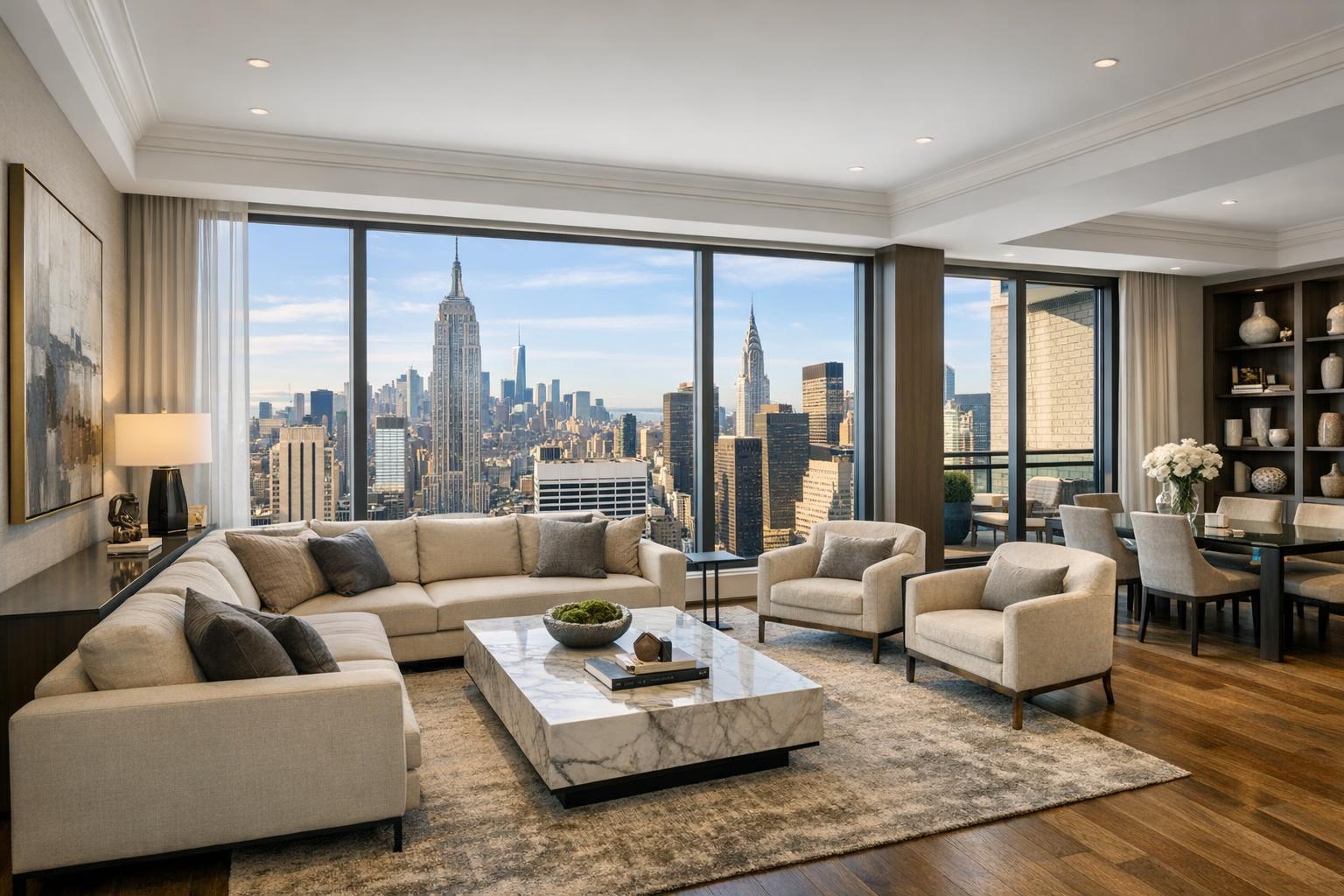
The Manhattan real estate photographer beautifully captured a luxurious living space with a stunning view of the New York City skyline, featuring the Empire State Building.
Why Manhattan Real Estate Demands Professional Photography: Key Benefits for Sellers & Agents
A Manhattan real estate photographer is more than someone who captures attractive images—they serve as a visual strategist, translating the structure, atmosphere, and unique features of some of New York City’s most complex homes into a story buyers can quickly understand. In an environment where listings compete not just with immediate neighbors but with wildly different property types—think of a classic pre-war on the Upper West Side appearing alongside a glassy Midtown high-rise or a downtown loft—how a property is visually introduced matters.
In this editorial, we draw from our practical knowledge as a real estate media company serving NYC, New Jersey, and nearby areas to highlight why specialized real estate photography in NYC is so critical, what actually goes into producing listing-ready images, and how to approach your own photo needs with clarity and confidence.
Navigating Manhattan’s Visual Complexity
It’s no secret that Manhattan properties offer a staggering range of design, proportion, and character. From ornate historic apartments to minimalist high-rises, brownstones, tight studios, and still-empty new developments, each type presents genuine production challenges.
What makes professional, property-focused photography different?
- Lighting balance: Manhattan rooms often have a mix of very bright windows and comparatively shaded interiors. Skillful capture and editing are needed to keep both the view and the interior legible. Overexposed windows or murky shadows fail to portray the real atmosphere and can leave buyers confused about what they’ll see in person.
- Composition in tight spaces: Many NYC apartments were designed long before the notion of wide-angle photography. It’s easy to end up with distorted walls or exaggerated spaces using inappropriate lenses or angles, but experienced photographers know how to position the camera to convey natural proportions while maximizing the sense of usable space.
- Detail awareness: Pre-war moldings, parquet flooring, unique millwork, and built-ins are critical to many Manhattan listings, but these details can disappear if not intentionally composed and lit. Conversely, modern glass walls require careful exposure and reflection management to avoid visual clutter.
- Practical limitations: Capture isn’t always straightforward. Accessibility, elevator schedules, resident privacy, and building rules all influence how and when photography can be done, especially in busy or luxury properties.
Every decision—from camera height to sequencing room shots—should be informed by a working knowledge of NYC property layouts, not just general real estate best practices.
What Buyers (and Agents) Need from Listing Photography
A successful set of property images does much more than demonstrate that rooms exist. It helps an online viewer quickly grasp how spaces connect, what the volume actually feels like, and which unique qualities make this particular home worth visiting.
We often recommend organizing images in a logical order: context and exteriors, entry, main living spaces, kitchen, bedrooms, bathrooms, then special features like a terrace or a skyline view. This approach minimizes confusion and enables prospective buyers to mentally walk through the property just as they would on a tour.
Thoughtful professional photography prioritizes:
- Clear presentation of light and window exposure, so buyers know what they’re actually getting.
- Honest representation of room proportions and layout to avoid misleading expectations.
- Focus on architectural or stylistic elements (such as ceiling height, exposed brick, or custom storage) that make the listing stand out.
Buyers searching across boroughs are comparing very different homes. Manhattan’s market rewards listings that communicate their strengths upfront. True professional media provides this transparency.
Photography as a Foundation for Listing Strategy
Agents and sellers alike benefit from a consistent visual campaign. Professional photography provides a robust asset base for listing portals, custom property websites, social feeds, brochures, and direct marketing.
For agents, strong listing photos create a more productive starting point in buyer conversations, since viewers come pre-informed about the space. For sellers, intentional photography is a sign of care—demonstrating that every room has been considered and prepared for public view.
Critically, quality images cannot guarantee a sale outcome or price, but they do reduce uncertainty for buyers in the early decision stage. When buyers can clearly see what a space offers—and what it doesn’t—they’re more likely to engage meaningfully or request a tour.
Preparing a Manhattan Property for Professional Photography
While a total redesign isn’t required, taking a few practical steps before the shoot will help ensure that the resulting images work in your favor. Our recommendations for Manhattan and NYC-area properties include:
- Remove clutter from kitchen countertops and visible surfaces.
- Store personal items, wires, excess decor, pet accessories, and miscellaneous paperwork.
- Open blinds or shades where privacy and natural light allow, enhancing the sense of brightness.
- Make beds and tidy any textiles so photos read as clean and intentional.
- Turn on all lights and replace burned-out bulbs to create even illumination.
- Straighten chairs, adjust pillows, and neaten furniture for order and balance.
- Prepare outdoor spaces, balconies, and terraces just as carefully as interiors.
- Give the photographer clear building access instructions and highlight any areas that require special attention.
One principle holds true: preparation isn’t about manufacturing perfection, but rather, about giving buyers an unhindered view of what actually exists and making the space as easy to understand as possible.
The Manhattan Details That Demand Extra Attention
Certain listing features are consistently underrepresented without intentional professional technique:
- Views: Capturing both bright exterior views and the interior often requires multiple exposures or advanced techniques. It’s not enough to show a window; buyers want to see what lies beyond, whether it’s cityscape, park, or architectural interest.
- Small Rooms: Overly wide lenses can mislead, but restrained composition communicates scale honestly. Buyers in Manhattan value accuracy and are sensitive to unrealistic portrayals of space.
- Character Elements: Editing should support, not erase, the apartment’s unique qualities. Original brick, plaster, wood tones, and other period details contribute significantly to perceived value and emotional appeal.
Professional real estate photography in NYC is about context and restraint—creating images that are informative without being overprocessed or misleading.
When to Use Additional Visual Media
While photography remains the core asset for most listings, Manhattan properties sometimes benefit from supplementary media. Video is especially useful for homes with distinct movement or multi-room flow. A 3D tour can help out-of-town buyers experience the layout interactively before visiting in person. Floor plans clarify spatial relationships in unusual layouts. Virtual staging can present a thoughtfully furnished scenario in empty spaces when executed with clean, empty rooms.
For most properties, these tools are best added by intent, not by default. RealtaSnap evaluates each listing to determine what best supports its presentation—never just tacking on extras for the sake of catalog completeness.
For those interested in learning more about what a full suite of media services looks like for Manhattan listings, we share service information here: Real estate photography for NYC listings.
Choosing the Right Manhattan Real Estate Photographer
Not every property photographer in Manhattan approaches the borough’s specific needs with the same eye for detail or operational experience. When you’re evaluating options—or determining if your current process is working—consider these factors:
- Do sample images show consistent, straight architectural lines and honest proportions?
- Are window views well-controlled, or do they wash out the interiors?
- Is there a natural, logical sequence that helps a remote viewer “tour” the property?
- Are small rooms represented accurately without overstating their scale?
- Is there consistency in color and brightness from one room to another?
- Does the photographer understand the realities of co-op, condo, and doorman access?
- Can they deliver the range of images and supporting media your particular listing needs?
- Is the booking process clear and compatible with your own timelines and workflow?
A strong real estate photographer in Manhattan should have a varied portfolio, demonstrating results in both historic and modern spaces, with and without furnishings, and in all lighting conditions.
To view photography packages and book online, visit: RealtaSnap booking.
Setting the Standard for Manhattan Real Estate Listings
The highly visual nature of Manhattan’s real estate market means that listings are often judged visually well before a buyer digests the full text or makes an inquiry. Professional photography offers a clear, honest, and compelling introduction, making the property’s features legible and attractive from the first click.
At RealtaSnap, we focus on producing photography (and supporting media) tailored to properties across Manhattan, all NYC boroughs, and the entire state of New Jersey. Our approach combines practical operating knowledge, respect for property intricacies, and a commitment to clear, useful visual storytelling.
If you’re preparing for an upcoming listing and want photography that aligns with the demands of the Manhattan market, you can learn more, view our preparation guide, or schedule an appointment at www.RealtaSnap.com.
FAQ
Question: How many listing photos does a typical Manhattan apartment or condo need?
Answer: The optimal number depends on property size, layout, and unique features. A studio might require fewer images than a multi-bedroom home with outdoor space or detailed renovations. Aim for clear, non-repetitive coverage that highlights every section buyers should see.
Question: Should apartments be furnished for professional real estate photos?
Answer: Furnished rooms are often easier for buyers to visualize as living spaces, provided things are tidy and personal items are minimized. Unfurnished properties can photograph well when clean, and virtual staging may be considered for select empty rooms when prepared properly.
Question: Can professional photography highlight both interiors and window views effectively?
Answer: Yes, with appropriate capture and editing, it’s possible to balance bright outdoor light with interior features. The results depend on the specific property, lighting, weather, and time of day, but experienced photographers use exposure techniques to achieve a realistic, inviting result.