Why Luxury Real Estate Photography Matters for High-End NYC Listings
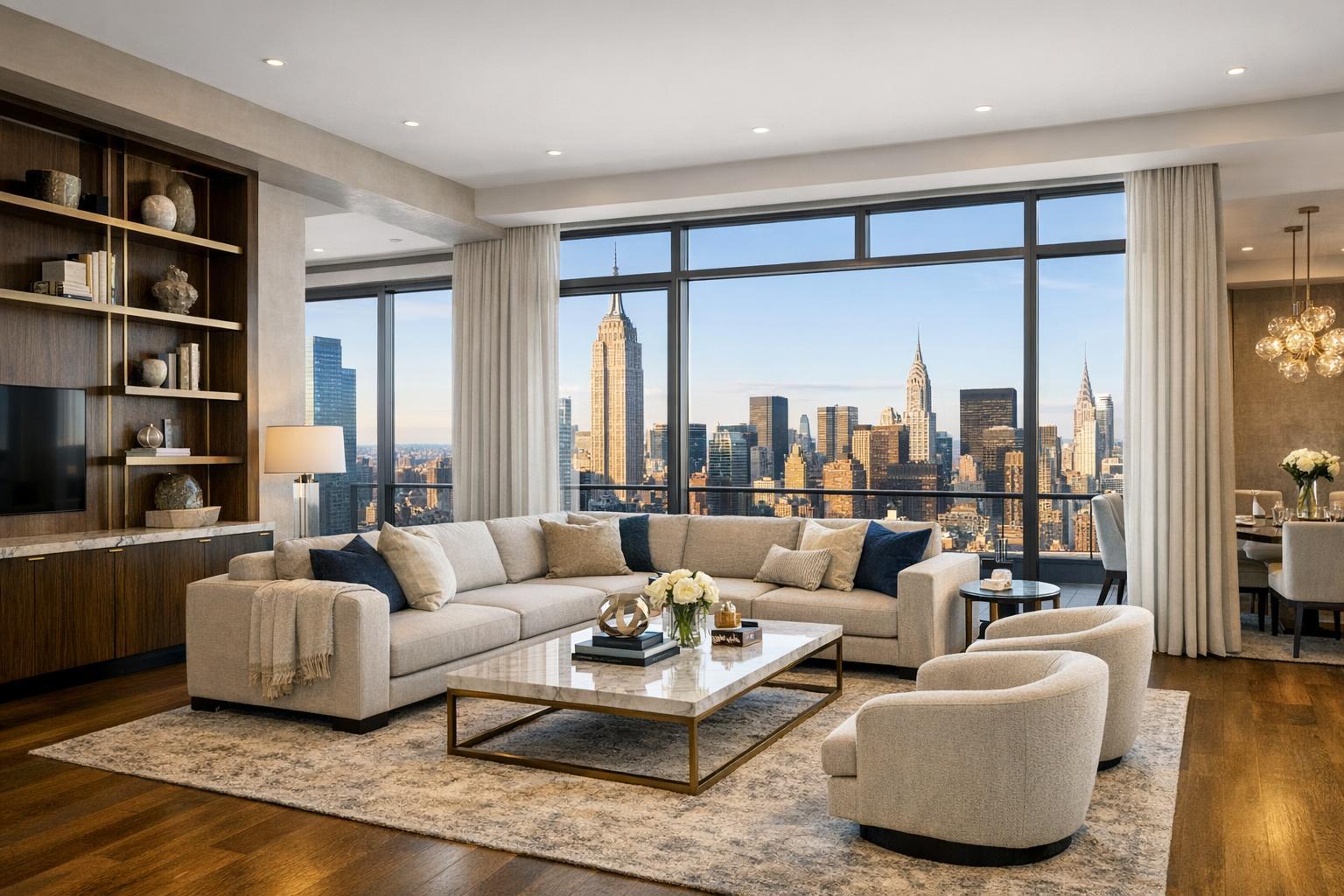
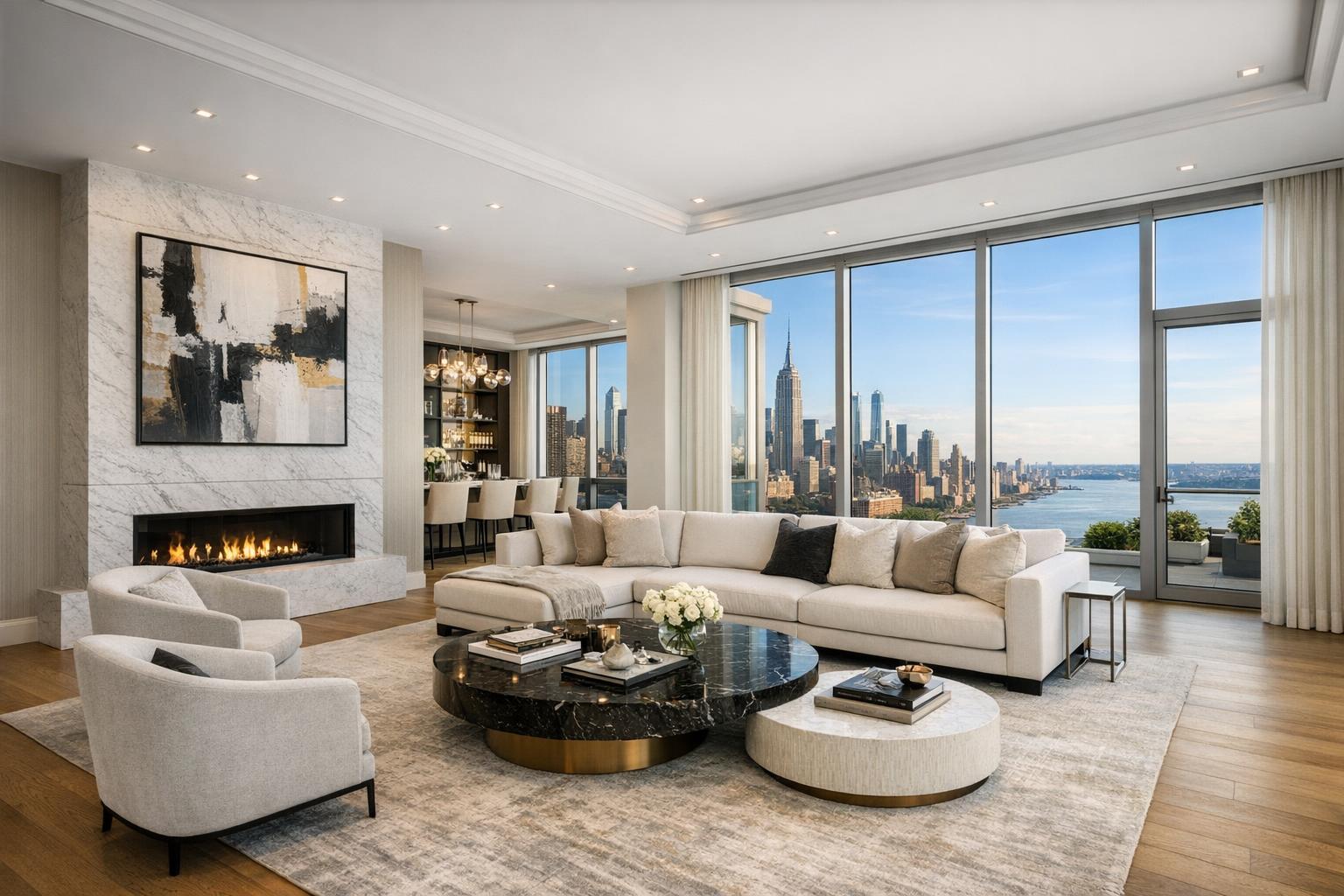
The luxurious real estate photography showcases an elegant living area with modern furnishings, a marble fireplace, and floor-to-ceiling windows offering a stunning city skyline view.
Why Luxury Real Estate Photography Matters for High-End NYC Listings
Luxury real estate photography is the visual foundation that gives high-value properties in NYC—and similarly competitive areas like New Jersey—the presentation they require to stand out and spark buyer interest. In an environment where potential buyers are making initial decisions from digital galleries before ever setting foot in a property, the difference between average and expertly crafted images can shape both perception and engagement.
For agents, property owners, and developers who specialize in premium spaces, great photography is much more than a bright snapshot. It’s the careful visual translation of space, flow, materials, and atmosphere—a professional craft informed by experience, technical understanding, and a strong sense of place.
Looking Beyond the “Bright Room” Approach
Luxury buyers, particularly in dense urban markets like New York City, are searching for more than a collection of spacious, well-lit rooms. They want to understand the materials, the unique details, the transitions between spaces, and the perspective of living there. Upscale property photography needs to give enough context for viewers to answer the right questions as they swipe through a gallery:
- How does each room relate to the next?
- Where do the best city or skyline views appear—and from which rooms?
- Is there a story in the architecture or finishes that sets this home apart?
- How much natural light does the property receive at different times of day?
- Is the property rooted in history, or does it offer a striking modern atmosphere?
In a Manhattan condo, this could mean showing how a living space frames both city views and interior finishes without losing crucial detail. If we’re talking about a Brooklyn brownstone, it’s about preserving the character of original moldings, the scale of a parlor floor, or the calm of a rear garden. For New Jersey homes—including larger suburban properties—the composition may focus on the openness of exterior areas, the connection to a yard, or the interplay between indoor and outdoor living.
Photography should bring coherence and transparency to the listing. The images should guide the viewer through the property’s story—not just present a sequence of rooms, but translate the nuances that define upscale living.
Practical Restraint is Central to Luxury Visual Marketing
The strongest luxury visual marketing relies on thoughtful decisions: what to show, and equally, what not to overemphasize. Experienced real estate photographers know that exaggerating with ultra-wide lenses or dramatic edits often works against believability. For high-value listings, images that feel refined, naturally lit, and true-to-life are far more compelling.
Light as a Tool—Not a Distraction
Lighting conditions vary widely across the NYC–New Jersey region, from high-rises with sweeping glass exposures to deep townhouse interiors. Effective real estate photography balances natural and supplemental light, aiming for an honest, approachable result. Managing window exposures to retain both interior detail and exterior views is not just possible—it’s expected at the luxury tier. This balance often means carefully choosing the time of day for the shoot and using techniques to control reflections and color variation so each room’s character is preserved.
Composition That Makes Sense
Real estate photographers with high-end experience consider not just room size, but scale, symmetry, sightlines, and the flow from one area to another. For example, photographing a kitchen may mean finding the angle that shows the quality of appliances while showing how the space opens to a living or dining room. In townhouses and multi-story homes, capturing the stairway or the transition between floors provides essential spatial understanding—a detail that commonly gets missed in generic coverage.
Straight, true vertical lines are an operational priority. Leaning walls or skewed perspectives can quickly undermine the impression of luxury, no matter how well the property presents in person.
Consistent Editing for a Cohesive Experience
Professional editing is not about making a listing look better than reality—it’s about clarity, consistency, and honesty. A polished but natural look helps buyers understand what they’ll see during a showing. Edits that go too far with color, contrast, or digital changes risk breaking trust and can even raise red flags for discerning clients.
Regular distractions—everyday clutter, visible packing boxes, or excessive personal decor—are addressed through practical prep or targeted editing (where appropriate and approved). However, editing is never about hiding or fundamentally changing permanent features. RealtaSnap’s approach is always to represent properties as they exist on site.
The Unique Demands of Real Estate Photography in NYC and New Jersey
No two regions present quite the same challenges as NYC and its neighboring New Jersey markets. Apartments can be compact or grand, with every square foot valuable; brownstones offer vertical layering and historic detail; new developments compete with sharp lines and expansive amenities. In New Jersey, property scale often increases, as do opportunities for exterior and drone shots, but the need for a clear narrative remains the same.
Professional real estate photography in these markets must account for:
- Properties with irregular or compact layouts
- Architectural features like fireplaces, built-ins, and molding
- Challenging exposures and combinations of interior/exterior light
- The importance of lobby, entrance, and amenity spaces in large buildings
- Outdoor areas that add real value—balconies, terraces, yards, or gardens
Experience in the field means knowing when a building amenity or view is an asset, and when it might distract from the core property. Not every shot needs to make the gallery; choosing and sequencing images to tell a coherent story sets expert-level coverage apart.
For examples of local work and property-specific considerations, you can view RealtaSnap’s dedicated NYC real estate photography page or New Jersey real estate photography page.
How Specialized Photographers Shape High-End Listings
Professional real estate photographers with deep market familiarity offer perspective beyond technical skill. They recognize which specific spaces lead a gallery and how to create a final selection that fits a property’s marketing purpose.
Key steps in professional execution include:
- Determining the property’s strongest visual features before shooting
- Deciding which rooms and details deserve primary and secondary coverage
- Judging when to incorporate supporting spaces (like outdoor areas, views, or amenities)
- Understanding how a vacant, occupied, or staged space will read on camera
- Collaborating with the marketing plan to cover the right shot list (and nothing unnecessary)
Additional formats—such as video, floor plans, 3D tours, or virtual staging—are considered case by case. For instance, a 3D Matterport tour can help remote buyers explore the property in detail, while a floor plan can support buyers who need clarity on layout. Virtual staging is reserved for clean, empty spaces; it's available as a separate service when needed and is only appropriate after any existing furniture is addressed.
Preparing Luxury Listings for the Camera
While professional photography can do a great deal, preparation is just as crucial for premium results. A clear, calm, and uncluttered environment allows the home’s materials, scale, and natural light to dominate attention. That means:
- Removing non-essential items from surfaces and sightlines
- Ensuring walkways and main living areas aren’t crowded
- Tidying up exterior areas, outdoor furniture, or storage
- Checking windows for cleanliness to emphasize light and views
- Making sure lighting is functional and consistent throughout visible spaces
Outdoor amenities—whether a compact terrace in Manhattan or a generous yard in the New Jersey suburbs—should receive the same attention as interiors, since they increasingly define value in the local market.
For a step-by-step resource on getting listings photo-ready, visit RealtaSnap’s prep guide.
Common Pitfalls to Avoid in High-End Real Estate Photography
Even premium listings occasionally slip with avoidable mistakes that lessen their impact. Frequent issues to watch out for include:
- Distorted perspectives: Overly wide lenses can stretch and skew proportions, making rooms appear less natural and less credible.
- Cluttered or unfinished spaces: Visual distractions can override luxury features. Schedule the shoot for after cleaning, minor repairs, and finishing touches.
- Lack of hierarchy or narrative: Presenting every room in random order confuses the viewer. The gallery should start with standout features and follow a deliberate visual path.
- Ignoring setting and context: Unique views, outdoor areas, and architectural details should be captured when relevant, but not at the expense of the interior's role as the central subject.
- Relying on phone photos: Phone cameras rarely match professional equipment for critical aspects like controlled exposure, lens correction, and consistency across multiple shots.
An experienced team will guide you away from these missteps and toward outcomes that actually support marketing goals.
Aligning Coverage to the Property and the Market
Not every property requires the same coverage. A small but carefully renovated pied-à-terre may need fewer images, but each should be intentional. Larger, amenity-rich homes often warrant extended coverage, including specialty shots and complementary formats.
The right scope depends on the property’s real assets—is it the view, historic flavor, layout, or outdoor experience that buyers will value most? Real estate marketing in NYC and New Jersey is rarely about hitting a photo quota. It’s about helping buyers understand at a glance what makes a home worth their attention.
To learn more about tailored real estate media services across the region, visit RealtaSnap’s homepage.
Final Thoughts: Presenting High-End Homes as They Deserve
Luxury real estate photography serves both the listing and the professional behind it. It clarifies, polishes, and communicates value honestly—helping the right buyers connect with the right properties. When a listing’s images combine technical excellence, true-to-life representation, and intentional visual storytelling, they become a natural extension of the work already invested in bringing a property to market.
For high-end listings in NYC and New Jersey, it’s worth making the visual investment the property’s details deserve. To discuss photography or media needs for your next listing, visit www.RealtaSnap.com.
FAQ
Question: How is luxury real estate photography different from standard property photography?
Answer: Luxury real estate photography places extra emphasis on architectural characteristics, premium materials, and seamless visual narrative. Techniques like careful composition, balanced window and interior lighting, and consistent editing contribute to a credible, appealing presentation that showcases a property’s unique value—going well beyond what’s typical in standard listing photos.
Question: What should I do to prep my luxury listing before a professional shoot?
Answer: Focus on visual calm and clarity. Remove non-essential items from surfaces, hide cords and clutter, tidy up both interiors and exteriors, check lighting fixtures for functionality, and make sure windows are clean. Preparation helps ensure the photo session highlights the property’s best features without distractions.
Question: Should I add a 3D tour or virtual staging to my luxury listing in NYC or NJ?
Answer: Adding a Matterport 3D tour or virtual staging can be useful when it fits the listing’s needs—such as large or complex layouts, remote buyers, or empty spaces. However, each should be considered individually, and virtual staging works best in clean, empty rooms. Additional media should support the property’s story, not simply be added by default.