Why Hiring a Real Estate Photography Company in NYC Maximizes Property Value
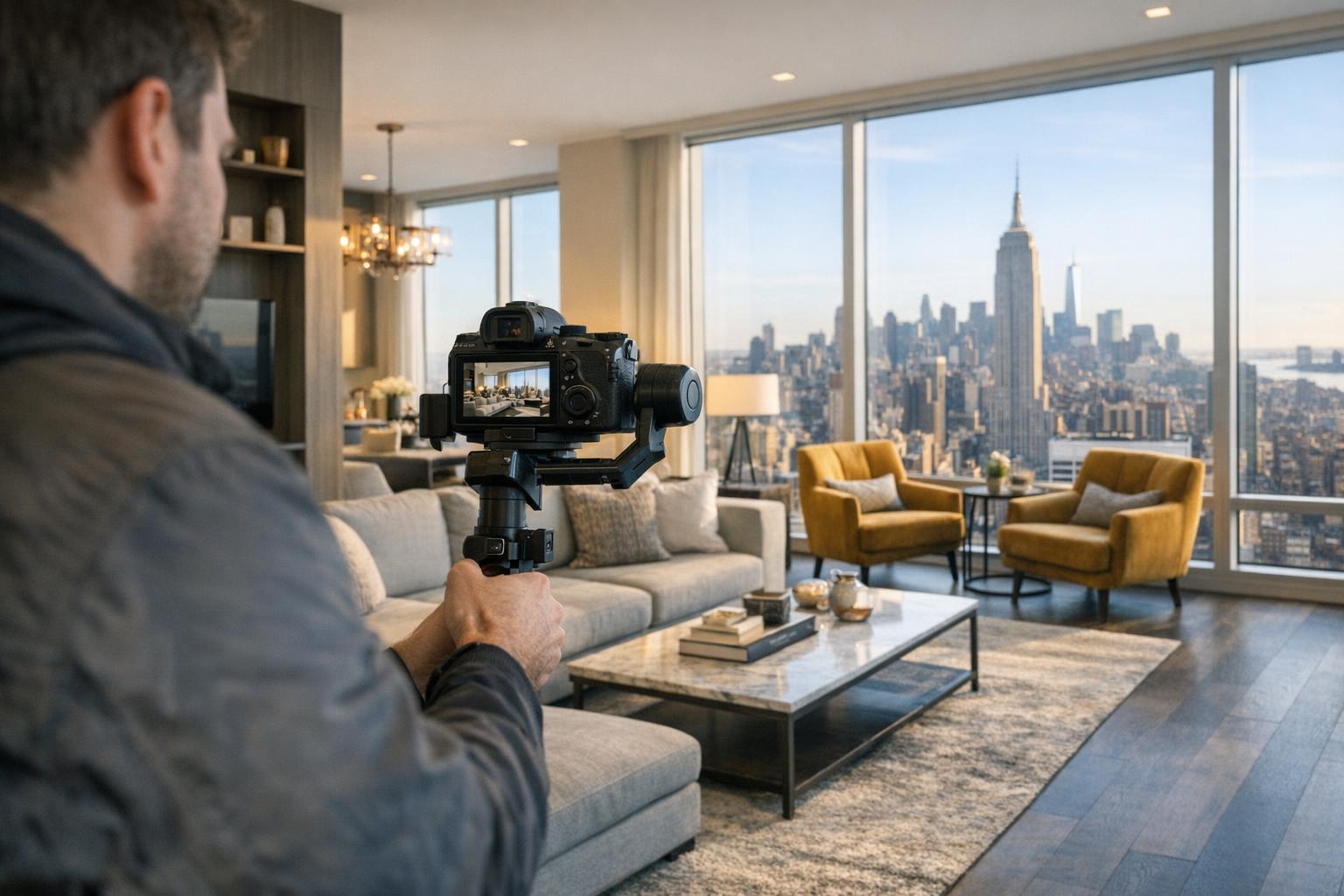
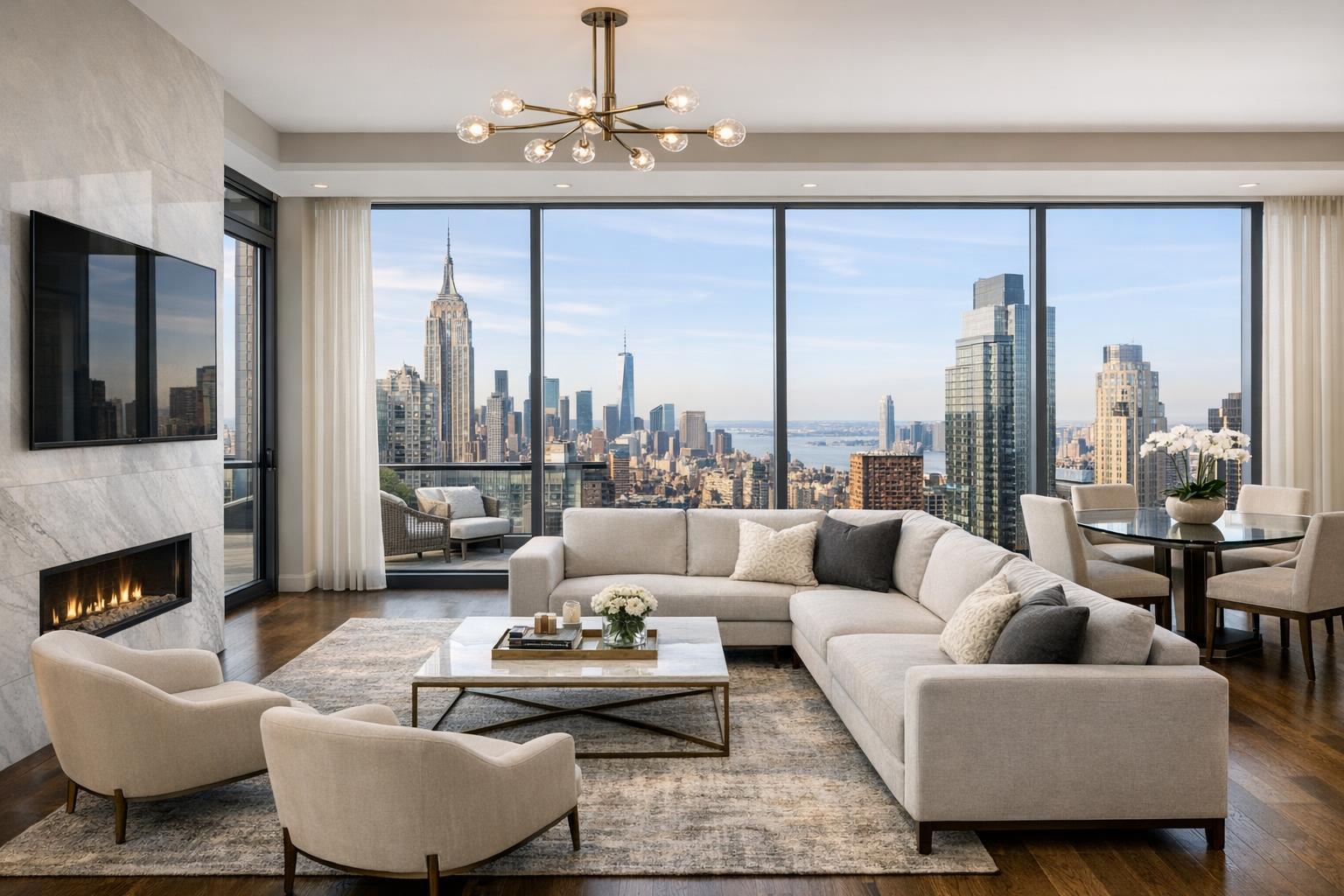
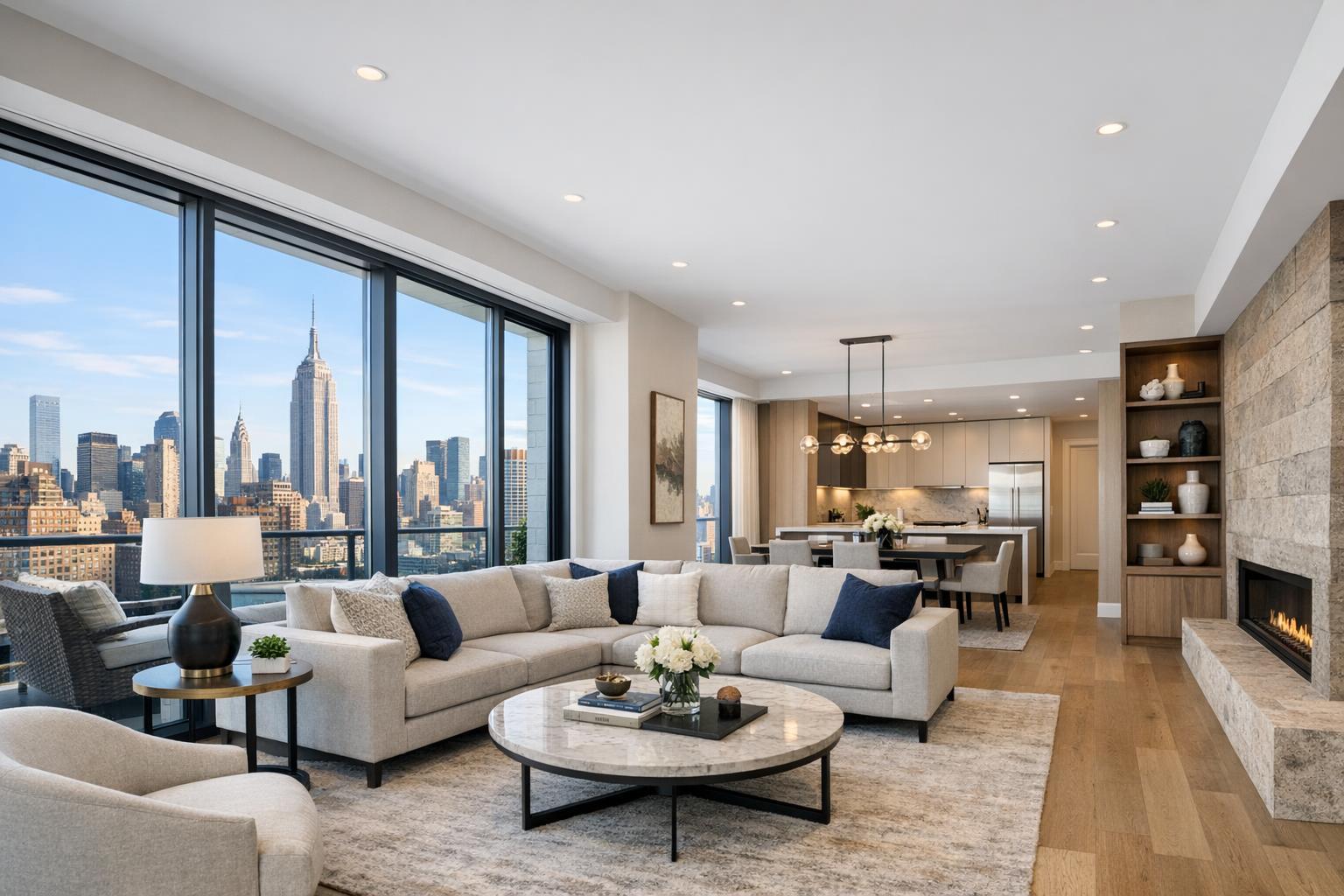
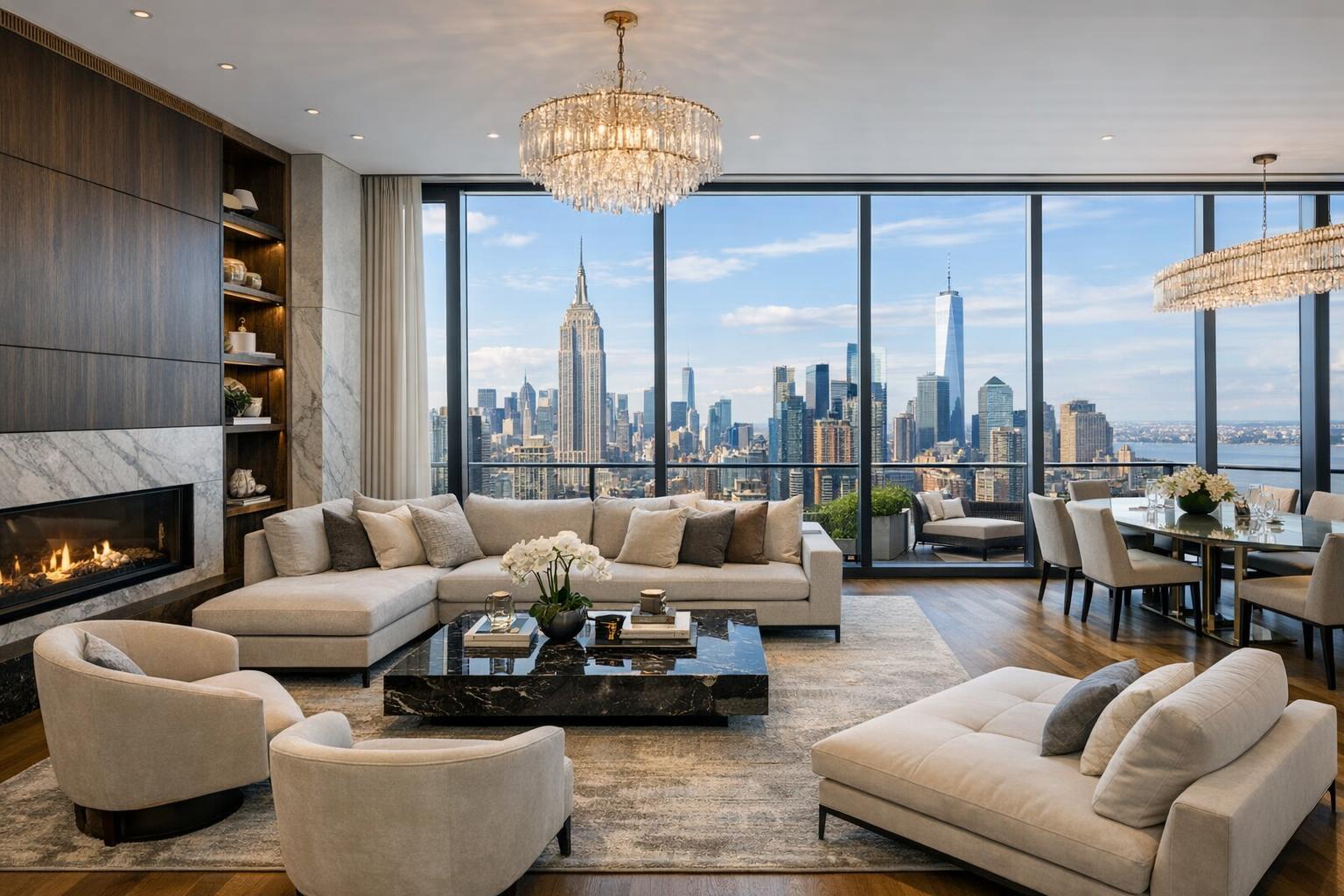
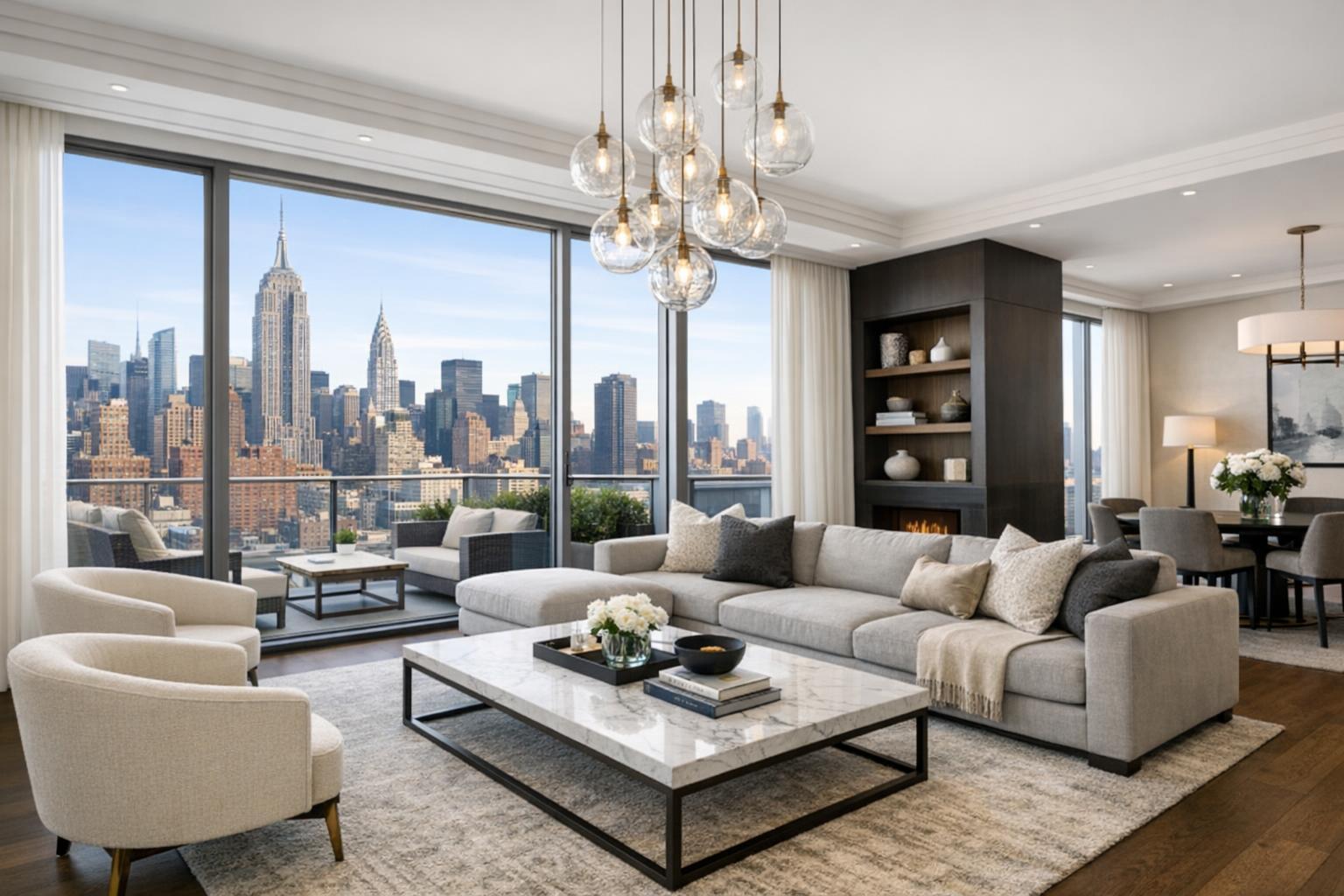
A luxurious living room with panoramic views of the NYC skyline is captured, highlighted by elegant modern furnishings and large floor-to-ceiling windows, showcasing the expertise of the real estate photography company NYC.
Why Hiring a Real Estate Photography Company in NYC Maximizes Property Value
A real estate photography company in NYC isn’t just a vendor with a camera—it’s an operational partner for maximizing property appeal and value before a potential buyer or renter ever schedules a tour. In fast-moving markets like New York City and parts of New Jersey, property photos are often the first and most influential touchpoint for any listing. When decisions come down to a swipe, tap, or scroll, the difference between a professionally photographed property and a DIY smartphone gallery is more than visual polish: it’s clarity, scale, trust, and a credible foundation for every follow-up step.
How Visual Presentation Shapes Value Perception
Listings in NYC are rarely reviewed for more than a few seconds before a decision is made to read further—or move on. Buyers and renters compare a wide array of properties: compact Manhattan co-ops, sunlit Brooklyn condos, classic townhouses, and larger New Jersey homes. Each listing’s visuals must do two things instantly: capture attention and help the viewer understand what makes each space unique.
Professional real estate photography doesn’t “transform” a property. Instead, it prevents good features from being lost in poor lighting or awkward perspectives. Clean, balanced images highlight details like:
- Natural daylight and window orientation
- Architectural qualities such as ceiling height or moldings
- Modern kitchen finishes and appliance layouts
- Living space proportions and functional zones
- Storage, outdoor patios, roof decks, or building amenities
Importantly, professional photos aim for honesty—rooms shouldn’t look artificially huge, nor should photos obscure the property’s actual layout. The focus is on creating an organized, visually accurate record that allows viewers to mentally “walk through” the space and form a realistic impression.
The Limits of DIY: What a Phone Camera Misses
Modern smartphones are impressive, and in the hands of realtors or property owners, they’re great for quick social updates. For a formal property listing, however, DIY images rarely meet the standard needed for serious consideration. Some common missteps include:
- Stark lighting disparities where bright windows turn interiors into silhouettes
- Narrow hallways and small spaces feeling cramped or poorly framed
- Overuse of wide-angle lenses, resulting in distorted walls or stretched furniture
- Visible clutter or distracting backgrounds that detract from permanent features
- Crooked lines, uneven colors, or photos arranged out of logical order
Properties in dense markets like NYC often amplify these technical issues. A high-rise may need coverage that balances strong exterior light without sacrificing interior details. A brownstone or townhouse benefits from photographic sequencing that clearly shows how rooms connect rather than just a collection of angles.
Professional photographers bring operational know-how—choosing the right heights, working around challenging light, and editing for true-to-life color and scale. Consistent presentation enhances trust and keeps viewers engaged rather than second-guessing what they’re seeing.
Real-World Workflow: Photography Built Around the Actual Space
Effective property photography is as much about planning and logistics as technical skill.
Property Preparation Makes a Difference
Before the camera comes out, every room should support the shoot. This isn’t about stripping personality away, but about reducing distractions so viewers see the space itself:
- Clear kitchen counters, bathroom vanities, and visible surfaces
- Make beds and smooth linens for a sense of care
- Remove personal items, pet supplies, and cables where visible
- Replace or turn on bulbs to show lighting accurately
- Open window shades or curtains, when the view adds value
- Move vehicles out of exterior shots where practical
- Grant access to shared amenities or outdoor spaces slated for coverage
For vacant spaces, careful photographic composition helps communicate scale and possible function. Where appropriate, virtual staging can provide an example of potential use but is best reserved for fully emptied and decluttered rooms.
Capturing and Editing Are Two Halves of the Process
Great property photos rely on both what’s captured and what happens after. At RealtaSnap, capture is always based on the existing property condition at the time of the shoot. Editing is done to:
- Balance brightness and exposure between windows and interiors
- Maintain natural color and white balance throughout the set
- Keep vertical architectural lines as visually correct as possible
- Sequence photos for a logical virtual walkthrough
Only small, approved edits—such as limited object removal—are considered, and major changes, overlays, or “Photoshopped” renovations are never substituted for documenting the actual property.
Why Expertise Matters in NYC and New Jersey Markets
Property types and buyer priorities differ across neighborhoods and even blocks. A real estate photography company covering NYC and New Jersey must fit photo coverage to each space:
- Downtown lofts emphasize openness, window walls, and flexible zones
- Pre-war apartments focus on character details like fireplaces or millwork
- New Jersey single-family homes may require broader coverage, including lawns, patios, or multi-level layouts
- Brownstones and townhouses often benefit from a sequence connecting indoor and outdoor living elements
Photographic coverage is not about capturing every angle, but making sure anyone reviewing the listing can truly understand how the space is organized and where its value lies.
Maximizing Marketing Assets with Smart Media Choices
Still photography is foundational: platforms, portals, emails, print collateral, and social media all rely on clear images. But some properties benefit from additional media when it clarifies something photos can’t show alone:
- Video: Useful for demonstrating movement between rooms, lobby access, or neighborhood context. RealtaSnap captures video on site for a natural presentation.
- Floor Plans: Help viewers understand room relationships and scale. RealtaSnap requires on-site capture for new plans.
- 3D Virtual Tours: Best for allowing remote viewers to explore freely—these also require physical scanning of the property.
- Drone Photography: Brings exterior context to properties with unique settings, outdoor amenities, or views, but flights depend on weather, airspace, and access.
Not every listing needs every option; for smaller apartments, exceptional photos and a floor plan may be sufficient. Larger properties, multi-unit buildings, or those with unique exterior features can benefit from layering photo, video, plan, and aerial perspectives.
Choosing a Real Estate Photography Company in NYC: What Actually Matters
Not every media provider takes the same approach, and the lowest price may yield results that cost more in the long run through missed showings or lackluster presentation. When evaluating partners, consider the following:
- Portfolio with Realistic Range
Review work from apartments, townhouses, and commercial spaces. Look for accurate lighting, balanced color, straight lines, and editing that feels true to life rather than exaggerated. Avoid any company whose images make every room appear larger than possible. - Clear Service Options
The right number of images depends on property type and size—a compact unit won’t need fifty photos, while a sprawling home might. RealtaSnap offers packages ranging from 10 to 50 photos to make it simple to match coverage to actual listing needs. Pricing starts at $149 for a focused set and increases based on total coverage. - Streamlined Booking and Service
Efficient scheduling is crucial in NYC, where access may depend on building policies, doorman availability, or tenant cooperation. RealtaSnap’s booking process is entirely online. Clients can select the address, enter any special access instructions, choose from available appointment slots, and confirm payment—all at www.RealtaSnap.com/schedule. - Honest Guidance on Add-Ons
Professional advice helps determine if virtual staging, video, or drone services add actual value for a particular listing. For example, AI virtual staging is reserved for empty rooms; listing video is always captured as live footage, not stitched from stills.
For additional details about real estate photography offerings in NYC, RealtaSnap provides a dedicated informational page at www.RealtaSnap.com/real-estate-photography-nyc.
A Smart Investment in Accurate, Trustworthy Marketing
Expert photography alone isn’t a replacement for an effective pricing strategy or skilled representation, but it is the foundation that gives every marketing effort credibility. For sellers, great images help their investment stand out authentically. For agents and developers, professional media extends brand reputation across multiple listing cycles and creates reuse opportunities across print and digital campaigns.
If you’re prepping a new listing—whether it’s a Manhattan co-op, a Brooklyn brownstone, a Queens multifamily, a Staten Island single-family home, or a New Jersey property—dedicate real care to the visual media you present. To learn more, view package options, or schedule an appointment, visit www.RealtaSnap.com.
FAQ
Question: How many listing photos should I have for a New York City property?
Answer: The ideal photo count depends on the property’s layout, size, and unique features. A small apartment might only need 10–20 well-chosen images to present each important area and key detail. Larger properties may benefit from more comprehensive coverage to ensure every room, amenity, and relationship between spaces is clear.
Question: What are the main advantages of hiring a professional real estate photographer instead of taking photos myself?
Answer: Professionals offer reliable composition, balanced lighting, and editing that preserves true color and scale. They also bring familiarity with local property types, address technical challenges like window glare or small space distortion, and deliver a cohesive set that helps viewers actually understand the listing.
Question: Is virtual staging recommended for every empty apartment?
Answer: Virtual staging is most valuable for empty, decluttered rooms where added furnishings help viewers imagine function or layout. It should be used thoughtfully and isn’t suitable for rooms that still have furniture or significant clutter. At RealtaSnap, AI virtual staging is an option for fully empty spaces and can be discussed as part of the booking process.