Why Hiring a Commercial Real Estate Photographer in NYC Gives Your Listings an Edge
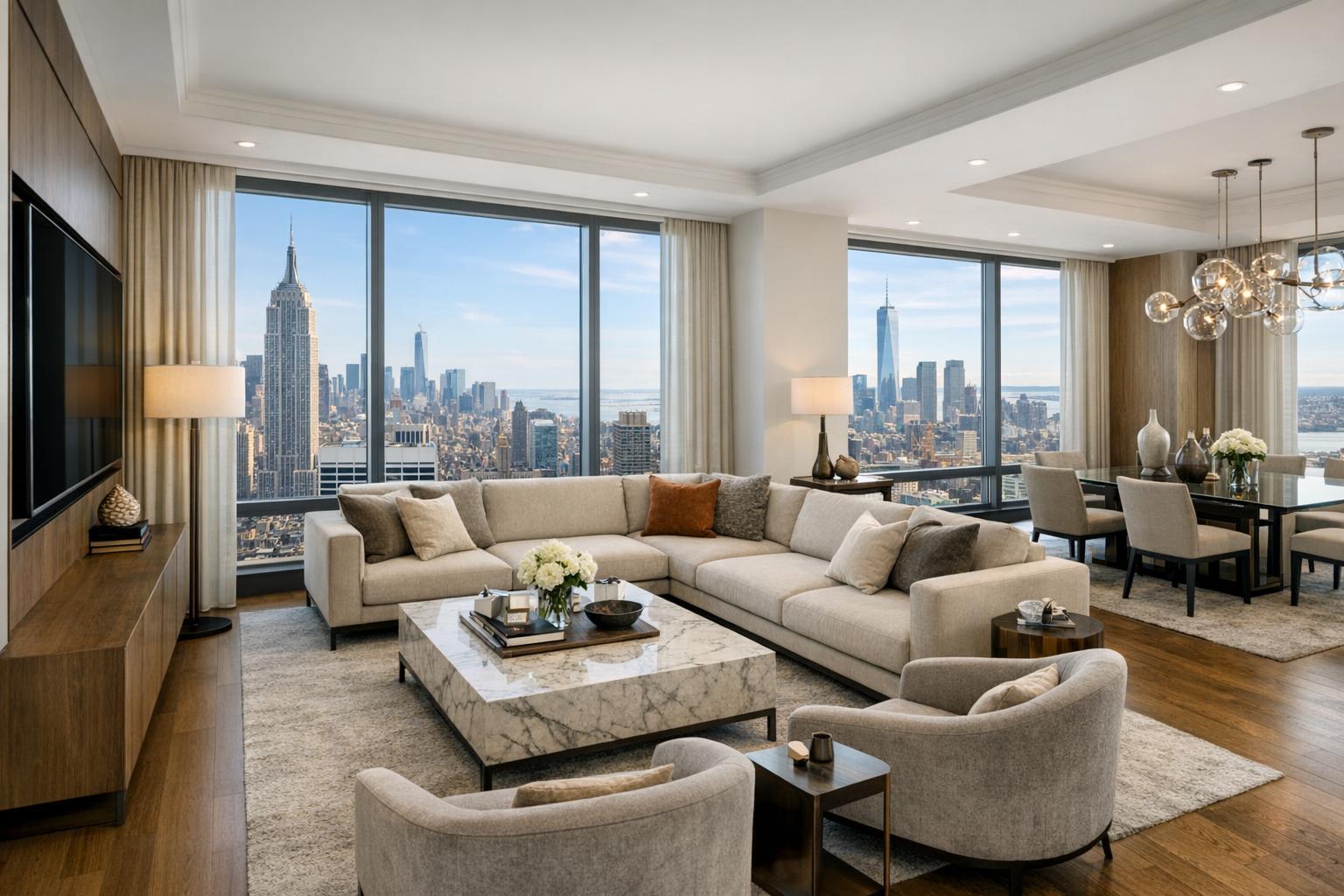
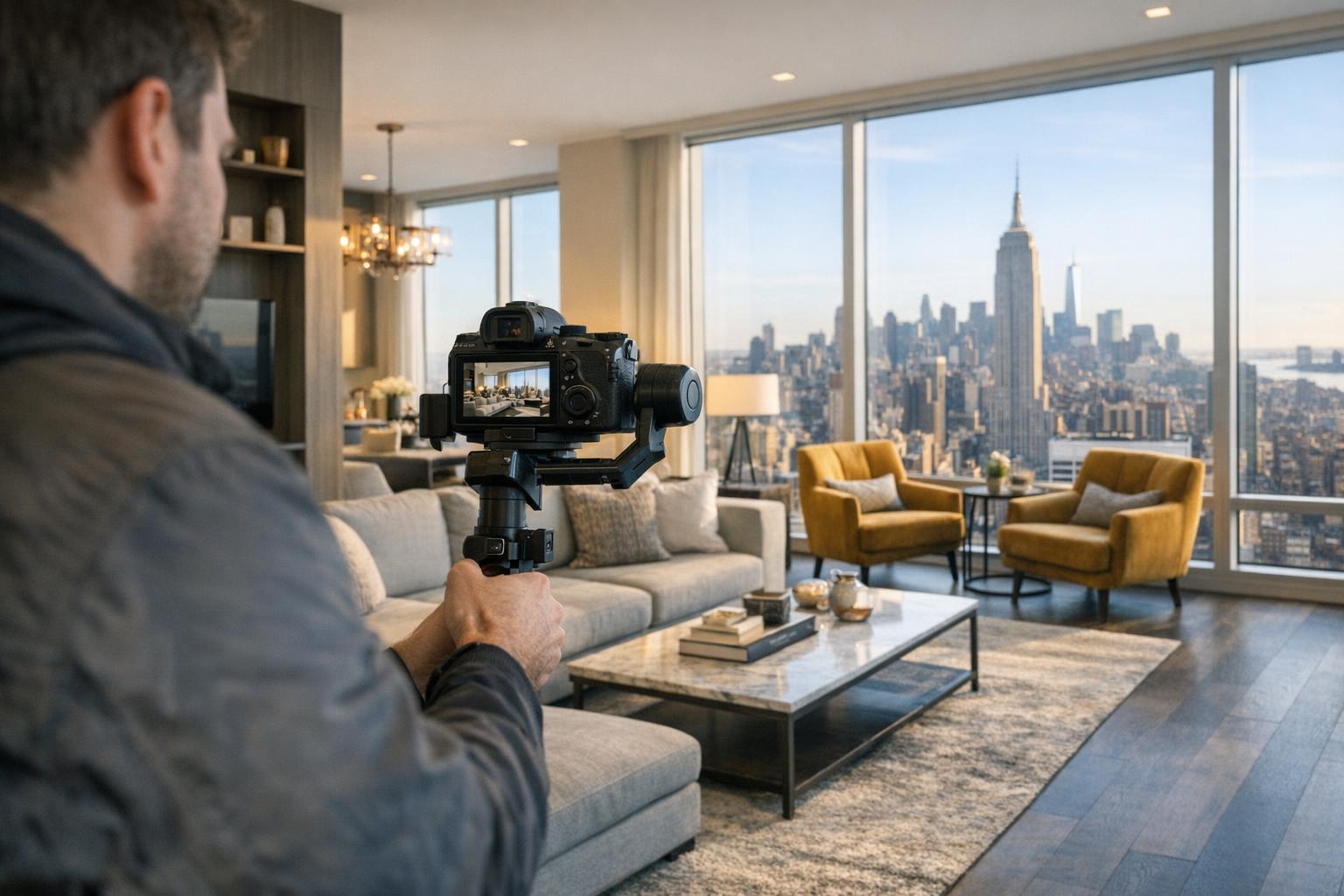
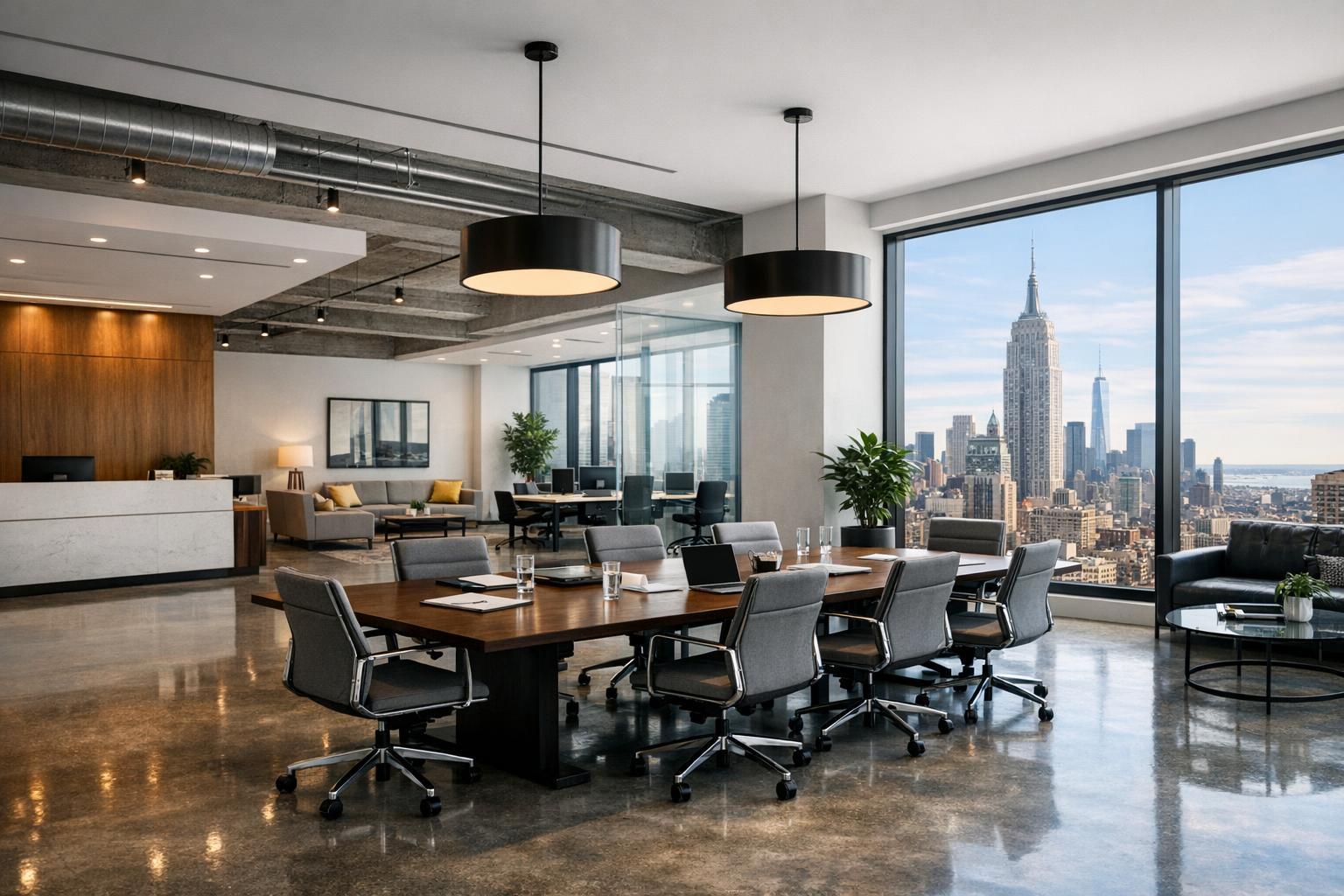
Capturing a sophisticated office setting with a stunning city skyline through the lens of a commercial real estate photographer, the image features spacious seating areas, sleek furniture, and large windows.
Why Hiring a Commercial Real Estate Photographer in NYC Gives Your Listings an Edge
A commercial real estate photographer can be the advantage that separates a listing from a sea of similar options in New York City’s competitive property market. Commercial listings in NYC rarely market on square footage alone—visibility, functionality, and the overall perception of a space often decide whether a property wins meaningful attention from tenants, buyers, or investors. As a real estate media company working in both NYC and New Jersey, RealtaSnap sees every week how specialized real estate photography shapes not only how listings are seen, but how efficiently they funnel interest from screen to site visit.
What Actually Matters in Commercial Property Photography
The core value of professional commercial real estate photography isn’t just technical image quality or making spaces look bright. It’s about communicating a property’s features, layout, and business potential in a clear, usable way for a decision-making audience. When corporate users, owners, or brokers review photos, they aren’t browsing for charm—they are evaluating whether a property matches their operational needs:
- Is the space configured for efficient team workflow?
- Does street exposure justify retail rent?
- Are important access points and amenities documented?
- Does the layout support inventory or equipment?
- Are light and sightlines captured accurately?
- Can you see proximity to transit, neighboring businesses, or loading?
A haphazard photo gallery, no matter how visually appealing, often skips over operational priorities. Commercial real estate photographers organize images to help viewers move quickly from exterior context, to main entries, through primary zones, to specific features—making the physical space both imaginable and evaluable from a remote screen.
Why NYC Commercial Spaces Demand More Than Standard Photography
Urban commercial properties come with logistical and visual challenges that are often missed by less experienced shooters.
- In Manhattan, commercial storefronts are judged not just for their interiors, but for their sidewalk visibility and signage potential; it’s rare for a wide interior photo to fully document retail impact.
- Brooklyn creative offices might feature exposed brick, warehouse-style windows, or open loft layouts—photos need to preserve architectural lines and the “flow” between areas, showing not just the finishes but the workspace functionality.
- Industrial or flex space in Queens may require careful attention to ceiling heights, clear floor space, loading access, or drive-in features that make or break a lease for some users.
- Multi-tenant professional suites—medical, financial, legal, educational—must convey both privacy and polish, with coverage not just of rooms but key common areas.
Local conditions add complexity. In NYC, property photographers often work with limited space, narrow corridors, busy sidewalks, elevator schedules, security desks, or properties that are still actively in use during the shoot. A standard residential workflow can miss essential commercial details, resulting in imagery that doesn’t represent the property’s true appeal or logistical advantages.
How Commercial Real Estate Photography Differs From Residential
While both residential and commercial photo shoots rely on strong composition, lighting, and post-production, their objectives diverge. Residential photography is usually intended to make a potential homeowner “feel at home” in a space, while commercial projects must accurately demonstrate:
- Workable room relationships—showing how teams, equipment, or customers would flow through a space.
- Architectural accuracy—keeping lines straight and perspectives true, so stakeholders can judge spatial dimensions and logistics based on real features, not flattering perspective.
- Brand and tenant respect—capturing opportunities for a new user while preserving privacy and professionalism if a space is still occupied.
- Exterior context—like street frontage or main entry, which matters immensely in urban retail and office.
- Lighting challenges—commercial spaces frequently mix daylight, fluorescents, and specialty fixtures; the chosen approach should make interiors readable and real.
- Marketing focus—the photo set is tailored to what sells a commercial property: access points, signage, scale, unique amenities, not just a checklist of rooms.
Experienced commercial property photographers, like those on RealtaSnap’s NYC and NJ teams, approach each shoot having clarified property type, audience, and marketing emphasis. This prevents residential-focused errors—such as making a creative office look like someone’s apartment, or capturing an industrial warehouse as a collection of empty boxes.
Professional Photography Makes Listings Easier to Evaluate
Online listing audiences make fast judgments. If the first impression is made up of dark, poorly composed, or incomplete property photos, a broker or tenant may not look closer—even if the real thing is a solid opportunity. Clear, specialized imagery helps viewers:
- See key features, not just generic spaces
- Understand the relationship from entrance to reception, work zones, amenities, and exits
- Judge the scale of rooms, available light, and finishes
- Identify external presentation, signage space, and proximity to surrounding activity
- Visualize important practical details: loading bays, storage, restrooms, shared corridors
For brokers and managers, a well-organized, property-specific image library is a versatile resource, ready for listings, presentations, brochures, social, and more. A photo set captured with commercial intent is less likely to leave stakeholders confused about what is actually on offer.
Preparing a Commercial Property for a Photography Session
A successful shoot starts before the camera is set up. RealtaSnap and other top-tier providers emphasize client preparation—whether for a vacant warehouse or a busy law office:
- Remove or hide temporary signage, portable storage, loose wires, and excess boxes
- Confirm all necessary lighting is functional; replace visible burned-out bulbs
- Clean glass, desks, counters, and other high-visibility surfaces
- Identify in advance whether branding, sensitive documents, or personal items should remain visible or be temporarily removed
- Provide access plans for all spaces to be photographed (building entry, roof, loading, amenities)
- Communicate the shoot schedule to on-site staff, especially in occupied zones, to minimize disruption
- Decide (working with the photographer when needed) which features are most marketable and deserve extra attention
Occupied spaces do not need to be empty, but environments free of clutter and distractions will always photograph more clearly. A few minutes spent on these prep steps can lead to sharper, more usable marketing materials and reduce the need for costly editing later.
When Supporting Media Makes Sense
While still photography is the foundation for most commercial listings, complementary media can serve property types where images alone fall short. For example:
- Video: A professionally captured walkthrough video can bring to life the experience of moving from a building lobby to a suite, or walking through segmented retail zones or large industrial floors.
- Floor Plans: Especially on spacious or complex layouts, floor plans clarify the spatial relationships among rooms and key areas. They can only be produced from in-person capture—remote creation isn’t supported.
- Drone Media: For properties with outdoor scale, surrounding land, roof features, or major nearby context (such as highways or rivers), drone imagery can provide perspective that ground photography cannot. In NYC, drone feasibility is subject to airspace, safety, weather, and access, and not every property qualifies for aerial coverage.
Selecting additional services depends on the size, complexity, and marketing plan for the listing. Some might benefit from a focused package with a floor plan, while others—a flagship retail, mixed-use, or logistics property—may justify full media coverage including video and drone.
Choosing a Commercial Real Estate Photography Provider
The criteria for selecting a commercial real estate photography company go well beyond finding a skilled photographer. Consider providers who can discuss:
- Experience capturing your property type (office, retail, industrial, hospitality, mixed-use)
- A portfolio that demonstrates not just image quality but practical, readable compositions
- Mastery of perspective and architectural accuracy—especially critical for commercial listings
- An explicit plan for photo coverage, rather than just “shooting every corner”
- Logistics understanding, including building access, shoot scheduling, and compliance with on-site rules
- Clear communication about what to expect on delivery and, when needed, options for supporting media like floor plans or video
Sharing your intended marketing channels and priorities up front allows services like RealtaSnap to prepare a more effective shot list and spot logistical challenges before they cause delays. Learn more about RealtaSnap’s commercial photography services.
The RealtaSnap Approach in NYC and New Jersey
For commercial listings across NYC and New Jersey, RealtaSnap focuses on clean, well-organized imagery designed to answer the questions that matter to commercial tenants and buyers. From giving retail storefronts the exterior visibility they need, to documenting deep industrial layouts or the flexible zones of a creative office, RealtaSnap adapts capture planning to every property profile.
Clients can book standard shoots online using the appointment scheduler. Enter the property address, select service types, add special notes, and choose from available windows—all while flagging building details, access requirements, or features that need focused capture.
Every project follows RealtaSnap’s commitment to showing each property as it truly exists. Deliverables are organized to provide marketing flexibility, supporting agents, owners, and managers across every channel—from national listing sites to in-person investor presentations.
See More. Communicate More. List Smarter.
In the pressure-filled NYC and NJ commercial property markets, clarity is leverage. Professionally executed photography doesn’t just decorate a listing—it empowers better, faster, more confident decision-making for every party involved. For office suites, retail corridors, warehouses, mixed-use assets, or multifamily opportunities, a dedicated commercial real estate photographer documents what actually counts, and organizes it for quick understanding.
To discuss service options or schedule your next commercial property shoot, visit www.RealtaSnap.com.
FAQ
Question: What should be prioritized when photographing a NYC office listing?
Answer: Focus on capturing the main entrance, reception area, open workspaces, private offices, conference and meeting rooms, kitchens, restrooms where relevant, window exposures, and any amenity areas that explain the tenant experience. The exact sequence and coverage depend on the suite’s target audience and marketing goals.
Question: Can commercial properties be professionally photographed while occupied?
Answer: Yes, active spaces can be captured effectively. Preparing in advance by clearing clutter, securing sensitive materials, and informing staff can make the process smoother and yield better results. Complete vacancy is not required—clarity and organization are more important than emptiness.
Question: When is drone photography advisable for commercial real estate in NYC?
Answer: Drone imagery is valuable when aerial perspective helps explain exterior scale, surrounding context, access, or key site features. However, actual feasibility depends on local airspace rules, available access, pilot discretion, weather, and building type. Providers like RealtaSnap assess each location individually before confirming drone service availability.