Why Every NYC Listing Needs Professional Real Estate Photography in 2024
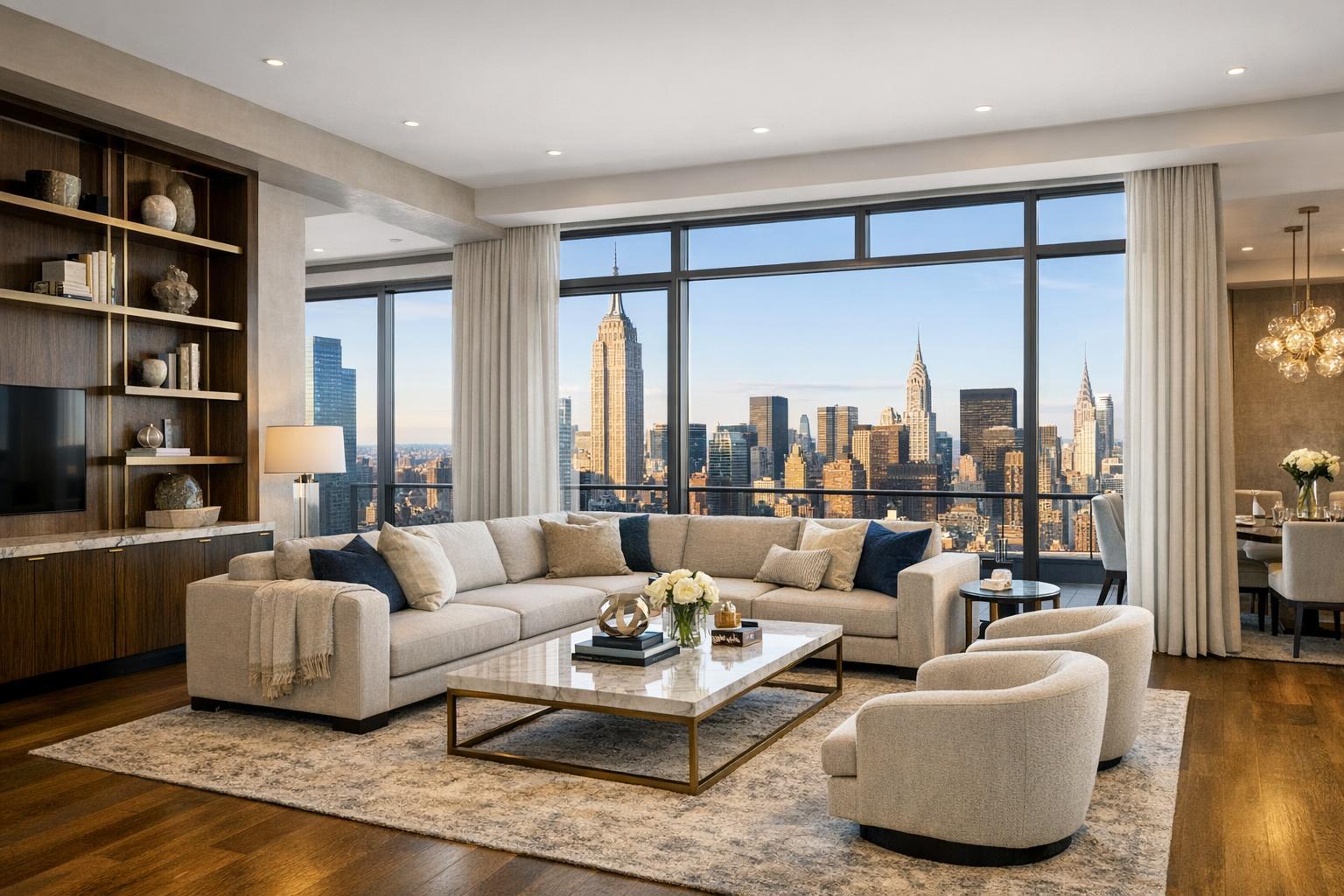
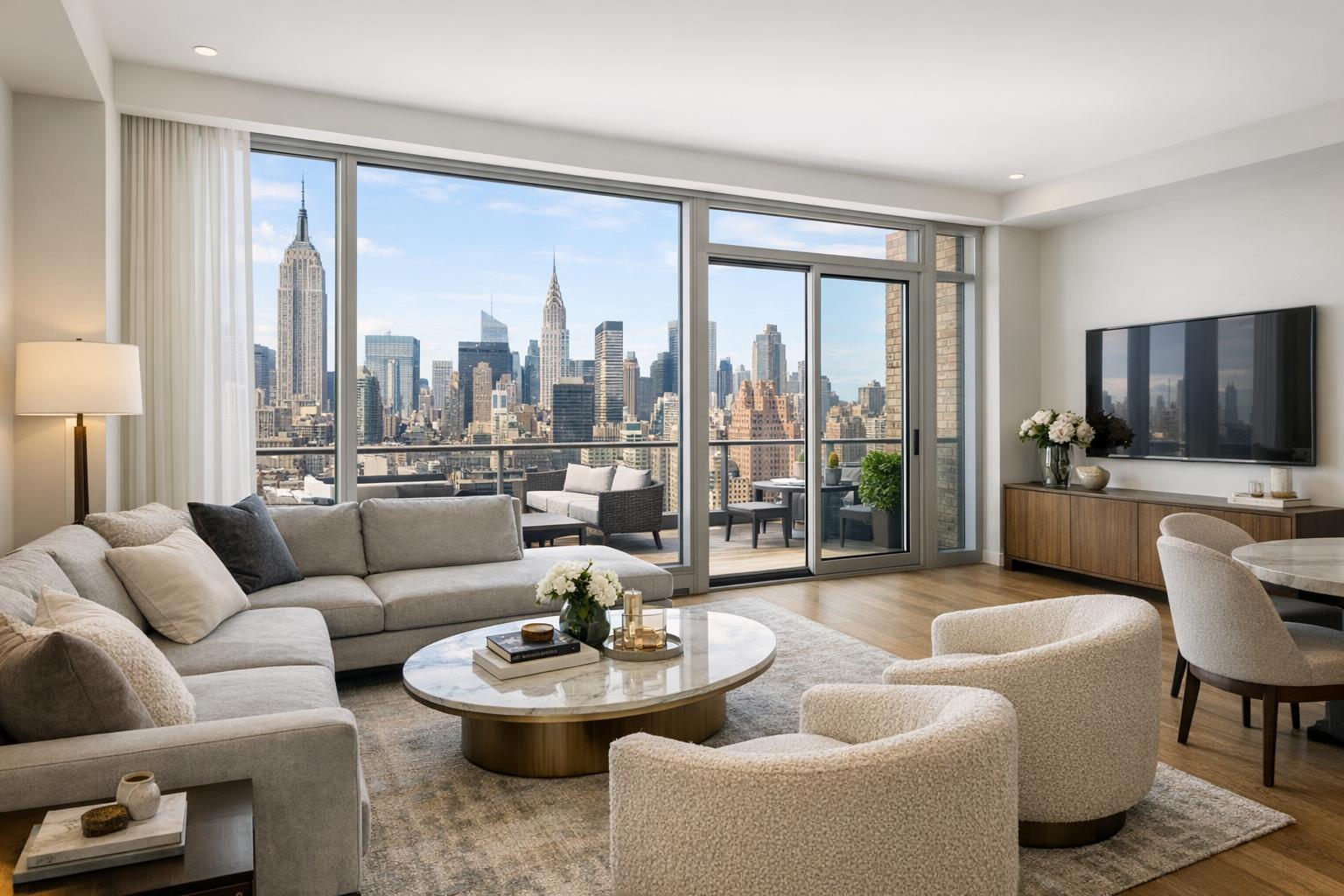
Real estate photography NYC showcases a modern living room with panoramic views of the city skyline, highlighting luxurious interiors and elegant decor.
Why Every NYC Listing Needs Professional Real Estate Photography in 2024
Real estate photography in NYC is much more than snapping a few bright images of a living room and calling it a day. In a city where buyers often compare a packed slate of listings—from compact Manhattan co-ops to sprawling Brooklyn brownstones and everything in between—visual presentation is a critical piece of the buying experience. Most apartment searches start online, and those first few images frequently decide which listings buyers investigate further and which ones they overlook.
How Photography Frames the Online Viewing Experience
The reality is that almost every NYC buyer sorts through listings based on photos long before they consider visiting in person. A single thumbnail must communicate a lot: space, light, layout, finishes, and context, all at a glance. Professional property photography goes beyond simply documenting what’s in the room. It’s about making the space understandable and inviting from the outset.
Buyers want to know:
- What does the main living area feel like?
- How do the rooms relate to one another?
- Is there natural light or a view?
- What’s the scale of each room?
- What distinguishes this apartment or home from others nearby?
A strong photo set doesn’t rely on heavy-handed filters or dramatic angles. The best listing photography in NYC is bright, balanced, and realistic. Viewers should be able to imagine themselves there and come away with clear expectations—something that’s essential for both serious buyers and for the agents guiding them.
In Manhattan, for instance, capturing an efficient studio layout without distortion or confusion can be just as important as highlighting a Central Park view. In Brooklyn, showcasing a brownstone’s unique staircase, garden, or the flow from parlor to kitchen tells a more compelling story than a handful of generic wide shots.
Why a Professional Eye Matters in NYC and New Jersey
Not every listing challenge is about “making it look bigger.” NYC properties routinely present visual hurdles you won’t find elsewhere: narrow rooms, mixed lighting, limited windows, reflective finishes, or even building access restrictions that require precise scheduling. The right real estate photographer in NYC prepares for these scenarios, making deliberate choices on-site and in post-production.
Here are a few insights that separate a professional from an amateur:
- Thoughtful Composition: Small or oddly shaped rooms benefit from intentional framing rather than simply shooting from the doorway. For larger homes or multi-level apartments, a logical visual sequence helps buyers understand the layout instead of seeing a jumble of disconnected images.
- Balanced Exposure: Many city apartments feature both bright windows and darker interior zones. Skilled photographers blend multiple exposures (HDR) to preserve exterior views without losing detail inside—a technique that’s especially valuable for listing media in cities with dramatic lighting contrasts.
- Straight Lines and Realistic Angles: Nothing signals inexperience faster than warped walls or leaning door frames. Correcting perspective—keeping vertical lines vertical—is a subtle but vital detail that creates trust and supports a credible presentation.
Each of these factors becomes even more crucial in neighborhoods where buyers expect sharp, honest—and visually appealing—representation.
Amateur Snapshots vs. Professional Real Estate Photography
It’s true that smartphones have made it easier than ever for agents to grab a quick photo for a social update or a rental listing. However, comparing casual snapshots to professional property photography reveals fundamental differences in process and results:
- Intentional Image Selection: Professional sets are curated to tell the story of the property, rather than uploading everything shot from the corner of a room.
- Balanced Lighting: Quality real estate photography manages the competing light from windows and interiors, preventing blown-out highlights or murky shadows.
- Visual Consistency: Professional editing ensures each image is color-corrected, ordered logically, and free from distractions like clutter or cords.
- Accurate Representation: The goal is never to deceive, but to present the property at its best, so that buyers arrive for a showing with realistic expectations.
This is why experienced teams like RealtaSnap approach every shoot with preparation and clear operational standards—ensuring consistency across all delivered media.
Photography as a Marketing Asset Beyond Listings
Professional images aren’t just for listing feeds. A thoughtfully planned shoot creates an asset library that agents leverage far beyond the property portal:
- Listing presentations
- Direct broker outreach
- Email campaigns
- Social media features
- Print marketing
A strong “hero” image can become the anchor across all these channels, while supporting shots draw attention to valuable details—think a landscaped terrace, custom kitchen, skyline view, or original fireplace.
For property sellers, seeing their home carefully presented signals a higher degree of care and seriousness from their agent. For the agent, it means less scrambling for suitable visuals every time a flyer, social post, or targeted email needs to go out.
Preparing a Property for Photography: What Actually Matters
A successful real estate photo shoot doesn’t start when the photographer walks in the door. Effective preparation gives every image its best chance:
- Clarity Over Perfection: The objective isn’t to make the home look staged for a magazine, but to present it as clean, orderly, and truly “showing ready.”
- Prioritize High-Traffic Areas: Pay the most attention to areas that will lead each viewer’s journey: entryways, main living space, kitchen, primary bedroom, bathrooms, and outdoor spaces.
- Remove Visual Distractions: This includes clearing kitchen and bathroom counters, tucking away pet items, freshening linens, and managing or removing clutter. Even in well-finished rooms, too many personal items or busy surfaces can make spaces seem smaller or harder to read.
In occupied homes, decluttering makes an immediate impact. Sometimes not every object can be removed before a shoot—professional teams can provide additional clutter removal through editing, but the best results start with a physically prepared space.
For more detailed guidance, RealtaSnap maintains a practical Real Estate Photography Prep Guide outlining what’s worth doing before a shoot.
Photo Coverage: Choosing the Right Quantity and Scope
Quality trumps quantity when it comes to property photography coverage. A compact NYC studio doesn’t need 40 repeating angles, while a multi-level townhouse or spacious New Jersey property may benefit from broader coverage to show main rooms, special features, outdoor areas, and building context.
Agents should:
- Focus on meaningfully distinct spaces
- Avoid repeating nearly identical shots
- Ensure the sequence helps viewers visually “walk through” the home
RealtaSnap offers flexible options ranging from essential coverage for smaller listings to expanded packages for larger or more complex spaces. Starting with a practical base package (such as 20 images) is often a good fit; additional coverage can be added when a property warrants more detail.
See more about package options and online scheduling at RealtaSnap’s Real Estate Photography page.
Complementary Media: When Do Add-Ons Make Sense?
While photography remains at the heart of most listing media plans, some properties benefit from specialty services:
- Virtual Staging: Empty or vacant rooms can be challenging for buyers to visualize. Well-executed virtual staging helps demonstrate one possible furnished layout, provided the room is empty or properly decluttered first. Virtual staging at RealtaSnap is only applied to clear spaces to ensure realism.
- Drone Photography: Aerial views can showcase roof decks, outdoor space, or neighborhood context—particularly relevant for properties with unique settings. In NYC or densely built areas, drone feasibility depends on airspace, weather, access, and safety, all reviewed case by case.
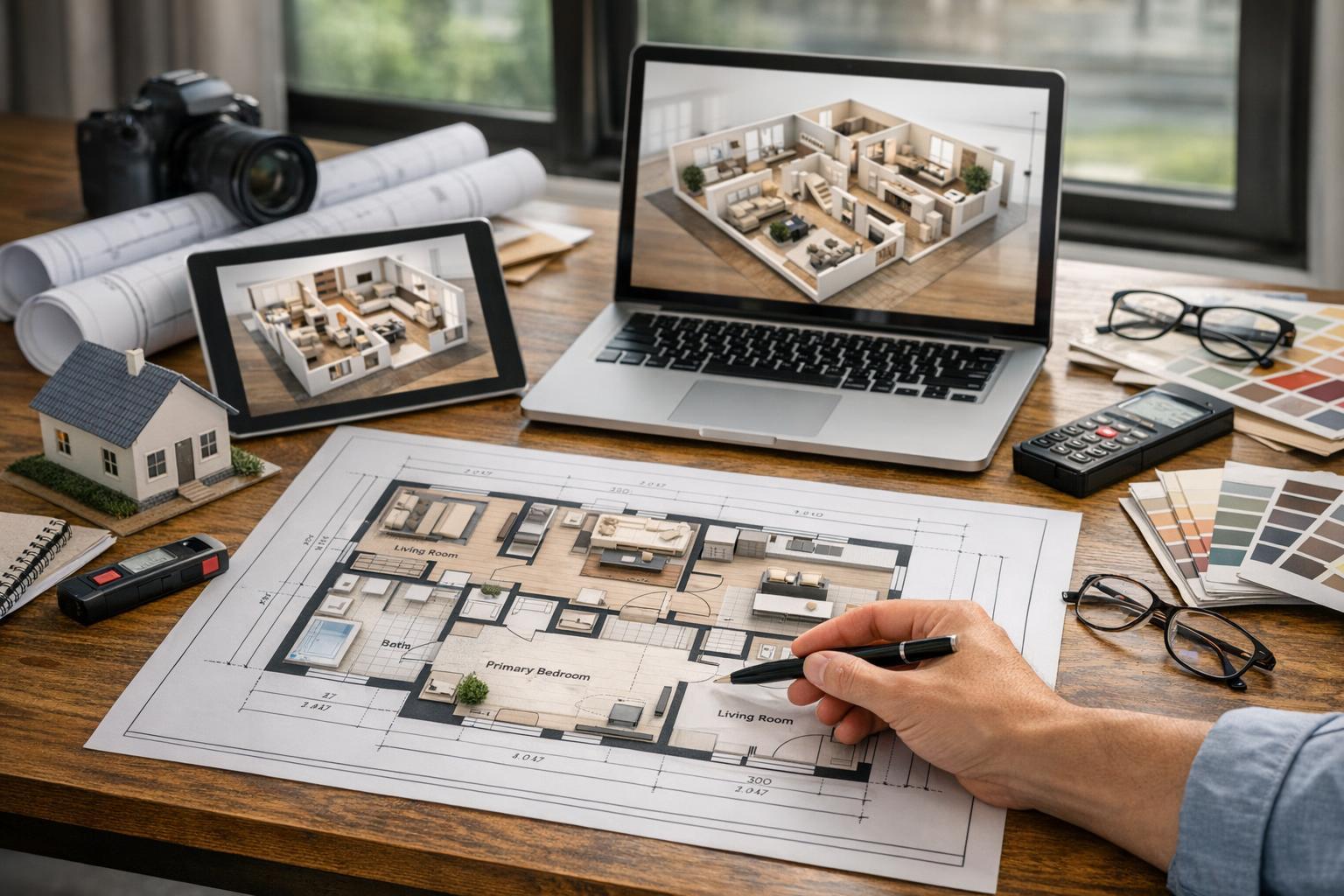
- Matterport 3D Tours: These virtual walkthroughs offer an interactive experience, especially valuable for listings with complex layouts or when buyers are remote. Matterport tours require on-site scanning and careful preparation, just like traditional photography.
For an overview of these add-ons and their use cases, visit RealtaSnap’s blog.
Selecting a Real Estate Photographer: Questions to Consider
Not all professional photographers work the same way. Choosing a partner for NYC or New Jersey listings means asking the right questions:
- How is photo coverage determined based on property type and size?
- Are HDR, exposure balancing, and perspective corrections included?
- What policies are in place for building access, occupied property, or special instructions?
- What preparation is expected of the client?
- How is scheduling handled, and what’s the standard turnaround for delivering finished photos?
- Which add-on services (virtual staging, drone, 3D tours) are readily available if needed?
RealtaSnap’s online booking process lets agents select exactly what they need, input access and preparation details, and choose available time slots—making the workflow straightforward and transparent. Service coverage includes all five NYC boroughs, North Jersey, and select surrounding areas.
Conclusion: The Value of Clear, Honest Imagery
Professional real estate photography is about more than just producing attractive images—it’s about clearly communicating what’s special about a property while setting realistic expectations. In a market as competitive as New York, buyers and agents alike benefit from media that’s not only well-crafted but anchored in the property’s real strengths.
Thoughtful preparation, experienced shooting, and careful editing come together to help every listing put its best foot forward. For agents with properties in Manhattan, Brooklyn, or across New Jersey, RealtaSnap offers a local, professional approach that prioritizes visual clarity and honest representation.
To schedule a shoot or explore service options, visit www.RealtaSnap.com.
FAQ
Question: How many photos should I include in my NYC real estate listing?
Answer: The right number depends on the property. Small apartments usually require fewer images—think key rooms, features, and at least one exterior—while larger homes or properties with multiple amenities might warrant 20 or more. The goal is to give buyers a complete look without overwhelming them with repetition.
Question: Should I move furniture out for the shoot, or leave spaces furnished?
Answer: Well-arranged furniture can make rooms feel warm and help showcase layout, but less is usually more. Remove excess items, simplify surfaces, and avoid blocking architectural features. For truly vacant rooms, virtual staging after decluttering is a useful option.
Question: Is drone photography possible for every NYC property?
Answer: Drone work depends on a variety of factors, including local airspace, weather, and building or roof access. Not every location is feasible for aerial photography—flights are reviewed case by case to respect all safety and regulatory considerations. If drone isn’t possible, ground-level shots can still provide exterior context.