What to Look for in Real Estate Photography for NYC Listings
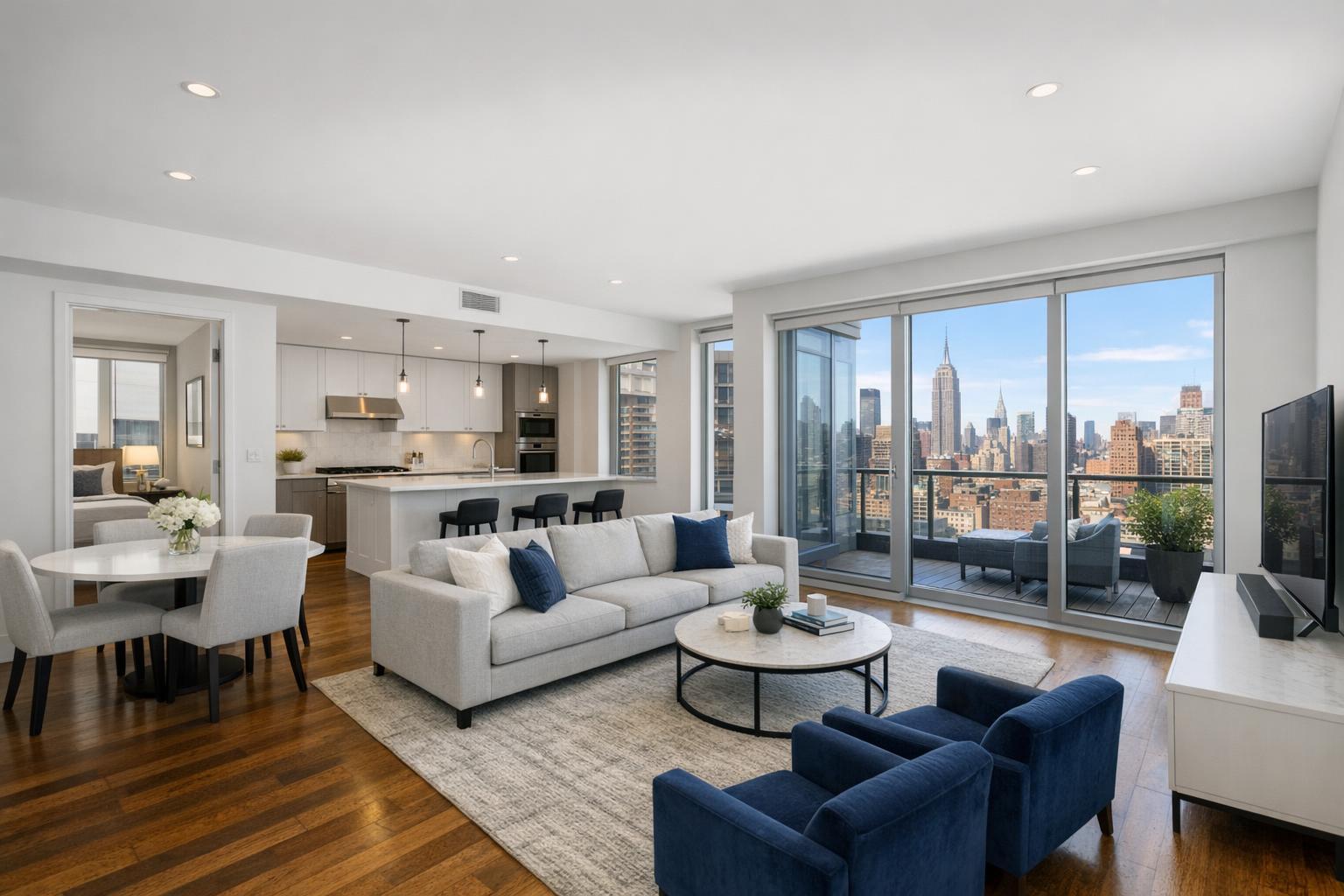
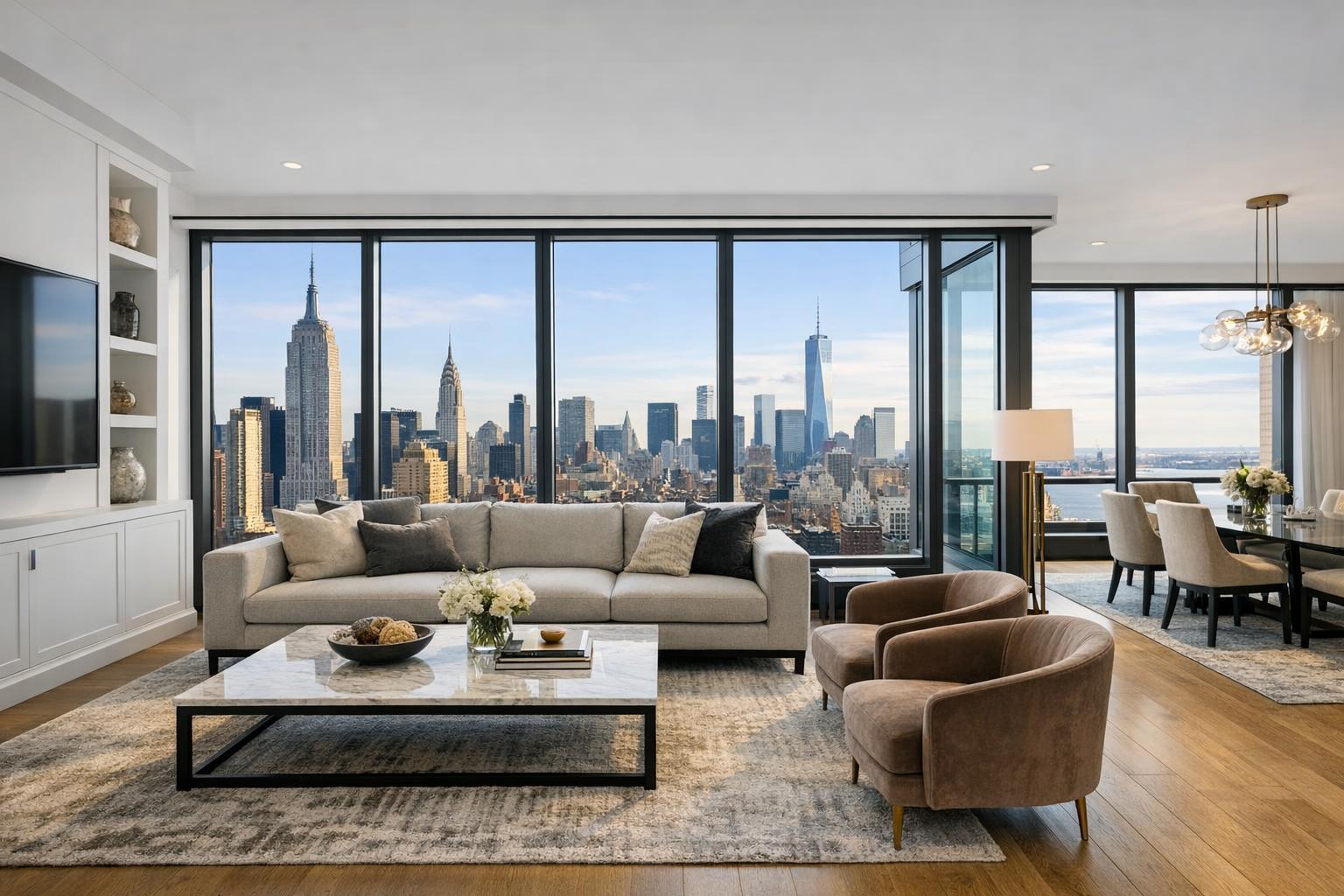
A luxurious living room with modern furnishings showcases an expansive view of a city skyline through large floor-to-ceiling windows, exemplifying stunning real estate photography.
What to Look for in Real Estate Photography for NYC Listings
Real estate photography holds outsized influence in shaping the initial perception of any NYC or New Jersey property listing. A quick online scroll is often a prospective buyer’s or renter’s first—and sometimes only—chance to evaluate dozens of apartments, condos, brownstones, or homes. In this landscape, the quality and clarity of the property photos are just as critical as the listing description or showing details. Choosing a real estate photography partner for an upcoming listing requires much more than a glance through an impressive portfolio. The right provider will navigate the real-world complexities of local properties, showcase the space with honesty and appeal, and help agents set clear expectations before anyone arrives for a showing.
Evaluating More Than a Portfolio
A professional-looking online portfolio isn’t the only measure that matters for real estate photography. High-impact images are impressive, but the practical experience to photograph unique layouts—from narrow Manhattan walk-ups to sprawling New Jersey homes—separates a specialist from a generalist.
Look beyond dramatic “after” photos and ask questions like:
- How are challenging lighting and deep rooms handled?
- Are window exposures managed to avoid flashing out city views or making interiors feel unnaturally dark?
- Do editing styles remain consistent from kitchen to bedroom to exterior?
- Can the photographer work efficiently within limited access times, building requirements, or busy schedules?
- Does the work show an understanding of proportion, perspective, and spatial relationships—so online gallery visitors aren’t misled by distorted angles or misleading room scales?
These considerations matter whether you’re staging a brownstone in Park Slope, marketing a Hudson waterfront condo, or prepping a tenant-occupied loft in Midtown.
Natural Light Without Over-Editing
Every property tells its story through light. In New York City, a single apartment may have bright windows on one side and shadows on the other; a New Jersey split-level may feature sunny living rooms but darker hallways. Balancing this contrast in photos is about more than technical skill—it’s about accurately representing the space.
Watch for:
- Images where natural shadows or the warmth of finishes are preserved rather than replaced with an artificial, clinical brightness.
- No overexposed “white box” window frames obscuring skyline or courtyard views.
- Walls and surfaces that look true to life—neither harshly blue nor washed-out gray by excessive editing.
Quality real estate photographers will aim for clarity and warmth that feels welcoming, not surreal. Good editing clarifies, but doesn’t erase, the unique character of a property.
Window Views: Present, Not Overpowering
A familiar challenge for any real estate photographer in NYC is handling windows. Those big city or garden views are desirable, but photographers must be careful not to lose the sense of the space itself. Proper technique allows viewers to see both the interior and what lies beyond the glass.
- Exposing mainly for the room can make outside turn into a blank glare.
- Focusing only on exterior views often results in dim, lifeless interiors.
Professionals balance exposure so that both room and view are understandable. Not every detail of a skyline or treetop needs to appear, but context should always feel believable and visually helpful.
If a space boasts a terrace, floor-to-ceiling window, or river view, request examples of similar work. Management of window-heavy rooms is a telling sign of a technical, listing-focused photographer.
Straight Lines: A Foundation of Trust
It’s easy to underestimate the importance of vertical and horizontal lines, but in real estate photography, these details are crucial. Listing photos with leaning doorways or angled walls can mislead and chip away at client confidence. True-to-life representation comes from maintaining straight lines for:
- Walls, cabinetry, and trim
- Doorways and hall passages
- Exterior features and cityscapes
A wide-angle lens is often used to cover smaller NYC interiors or to convey openness, but careless usage may stretch, compress, or distort architectural details. The best real estate photographers consciously correct for these effects, so viewers get an honest sense of space and layout.
Proportional Representation: Accuracy Over Illusion
No photograph can perfectly replicate the physical experience of being in a room, but thoughtful photo composition helps clients understand actual space use. This is especially important in smaller Manhattan apartments, compact Hoboken condos, or multi-level brownstones where every square foot counts.
Professional property photos should clarify, not exaggerate:
- Honest transitions from kitchen to living space, bedroom to hallway
- The size relationships between major fixtures and rooms
- The flow of open layouts or the functionality of atypical spaces (like railroad-style apartments or basement rec rooms)
Online browsers appreciate listings that set realistic expectations, so accuracy in proportion builds trust from the first click.
Consistency in Editing: Visual Flow Matters
One strong photo can grab attention, but consistency throughout a listing gallery is where the difference shows. Photos that jump from warm to cool, sharp to soft, or bright to dark can make a property seem fragmented or even disjointed.
Agents should review complete galleries rather than highlight reels. Experienced media teams understand how to deliver a cohesive, visually unified story—across bedrooms, kitchen, exterior spaces, and all the in-between areas that make a property distinctive.
This is particularly effective for listings with varied interiors, such as townhouses with both sunny and shaded floors, or apartments with dramatically different lighting in each room.
Efficiency and Real-World Workflow in NYC
Quality isn’t just about the final photos—it’s also about the process. Scheduling real estate photography in NYC and New Jersey often involves tight timelines, access considerations, and building protocols. A knowledgeable photography provider stays organized, maintains clear communication, and respects coordinated schedules with agents, residents, or doormen.
Best practice includes sharing relevant property details in advance:
- Entry and access instructions
- Occupancy status
- Ongoing renovation, cleaning, or delivery schedules
- Key features highlighted for extra attention (views, outdoor areas, custom details)
- Spaces excluded from coverage
- Amenity or rooftop restrictions
Efficient, respectful workflow benefits owners, tenants, and agents alike—and results in a lighter on-site footprint.
Property Preparation: Maximizing Clarity
A well-prepared property photographs best. In compact city spaces, excess items can quickly make a room look cluttered, and even a single misplaced object draws the eye in a photo.
Preparation checklist before a shoot:
- Remove kitchen countertop items, cleaning products, loose papers, and visible cords
- Hide pet supplies and personal effects
- Tidy shelves, organize visible storage, and remove non-essential furniture
- Keep bathrooms immaculate, with fresh towels and concealed laundry
Preparation isn’t about making spaces feel sterile. A few decorative touches lend warmth, but too many can distract from what matters most: the property’s built-in features and layout.
For occupied homes, a quick walk-through with the agent, referencing the shot list, helps keep every angle on-message.
Photography Can Refine, Not Create, a Property
Professional listing photography is designed to capture an honest—yet appealing—representation of what’s on site. Editing can refine and enhance, but no post-production effort can substitute for a tidy, well-cared-for space.
Permanent features are photographed as they exist. RealtaSnap does not digitally redesign layouts, hide renovations, or invent architectural changes. For empty rooms, virtual staging may help demonstrate possibilities, but when furniture or clutter is present, it needs to be removed (physically, or through a specific clutter-removal edit) before realistic virtual staging can be applied.
Being clear about what photography can and cannot accomplish helps avoid dissatisfaction and promotes a stronger gallery, ready to generate real interest.
When to Add Complementary Media
Most listings will benefit from professional property photos alone, but some situations call for additional tools:
- Floor plans help buyers and renters understand dimensions and flow, especially for multi-level properties or complex layouts. Floor plans must be captured on site.
- On-site video illustrates movement—walking from entry to living area, navigating an open layout, or linking interior and terrace. RealtaSnap only provides video captured during the shoot, not slideshow-style edits from still images.
- 3D virtual tours let buyers explore interactively, making remote assessment possible. Like photos and video, these require on-site scans.
- Aerial photography provides exterior context for properties with significant land, exterior features, or elevated views. Drone work is subject to regulatory and safety considerations and is not guaranteed in all locations.
Each add-on should answer a real question posed by the listing and earn its place. More media is not always better; focus on what best clarifies the property for potential buyers or renters.
Choosing a Real Estate Photography Partner
Selecting the right real estate photographer in NYC or New Jersey is about more than sharp images. Evaluate complete galleries, ask about experience with similar property types, and confirm a clear process for scheduling, preparation, and delivery. Local expertise, transparent policies, and open communication are foundational.
For agents, brokers, and owners seeking professional, listing-focused real estate photography—and complementary media—RealtaSnap specializes in clean, accurate property presentation across New York City, all boroughs, and New Jersey. Services are easily booked online, with scheduling, options, and address entry handled at www.RealtaSnap.com.
Thoughtfully prepared properties and honest, market-ready photography create listings that stand out for all the right reasons. To book your upcoming shoot or learn more, visit www.RealtaSnap.com.
FAQ
Question: How many photos are typically needed for a NYC or NJ real estate listing?
Answer: The right number depends on property size and features. A small studio might need a concise set covering all key areas, while a townhouse, brownstone, or single-family home may need broader coverage for bedrooms, levels, and outdoor space. RealtaSnap offers packages to fit a range of needs; see real estate photography pricing for details.
Question: Can you photograph an occupied property with the owner’s furniture?
Answer: Yes, as long as the space is tidy and visually organized. Existing furniture helps communicate how rooms function, but minimizing clutter and personal items is critical for the most appealing photos. Preparing the space beforehand often matters more than relying on edits after the fact.
Question: Is adding a floor plan to a listing photo package worth it?
Answer: Floor plans are especially useful for properties with unconventional layouts, multiple levels, or unique dimensions. They help buyers understand relationships between spaces, something that’s difficult to convey with photos alone. Floor plans require physical access for on-site capture; RealtaSnap includes this as a service option when booking.