What to Look for in Real Estate Photography for NYC and New Jersey Listings
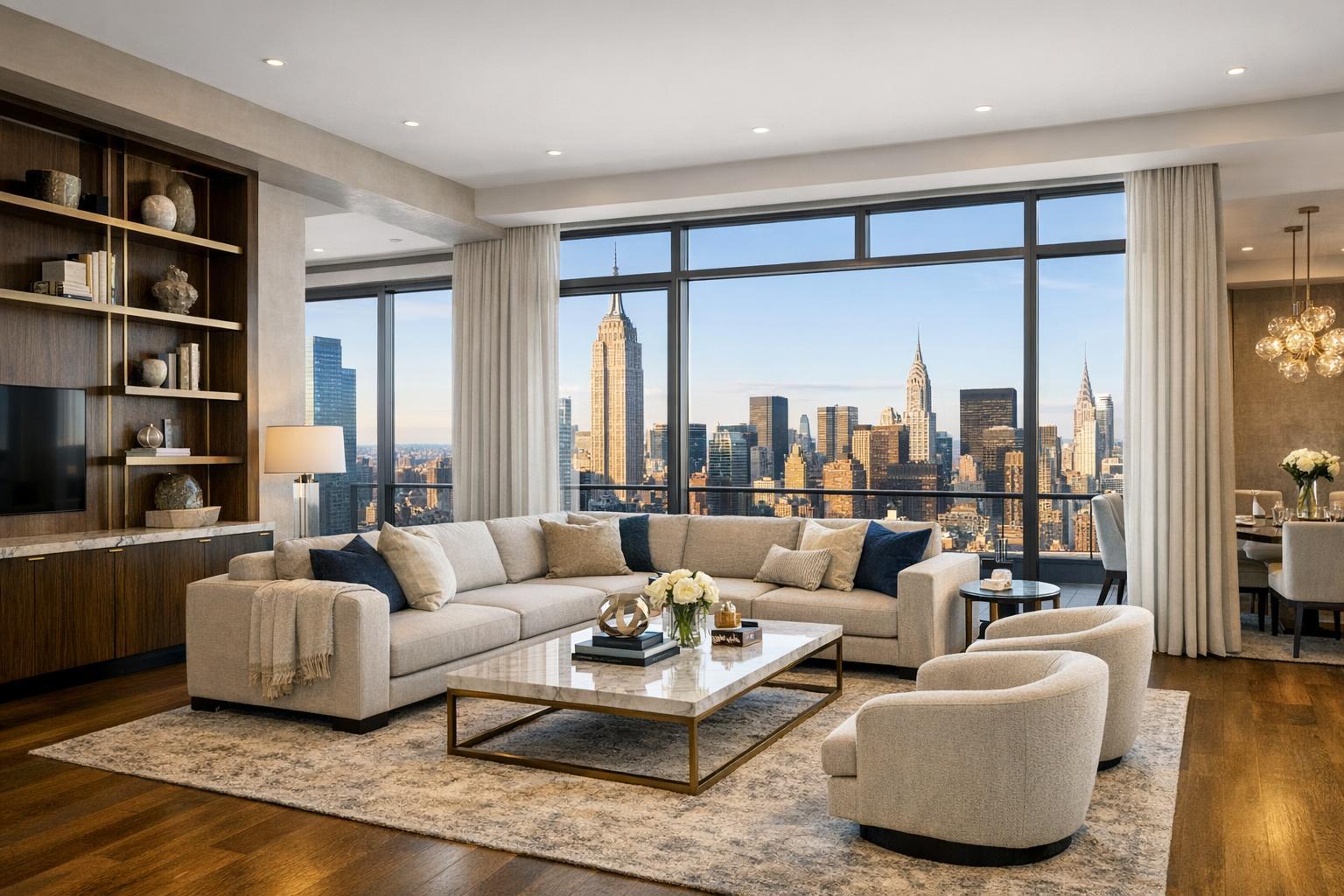
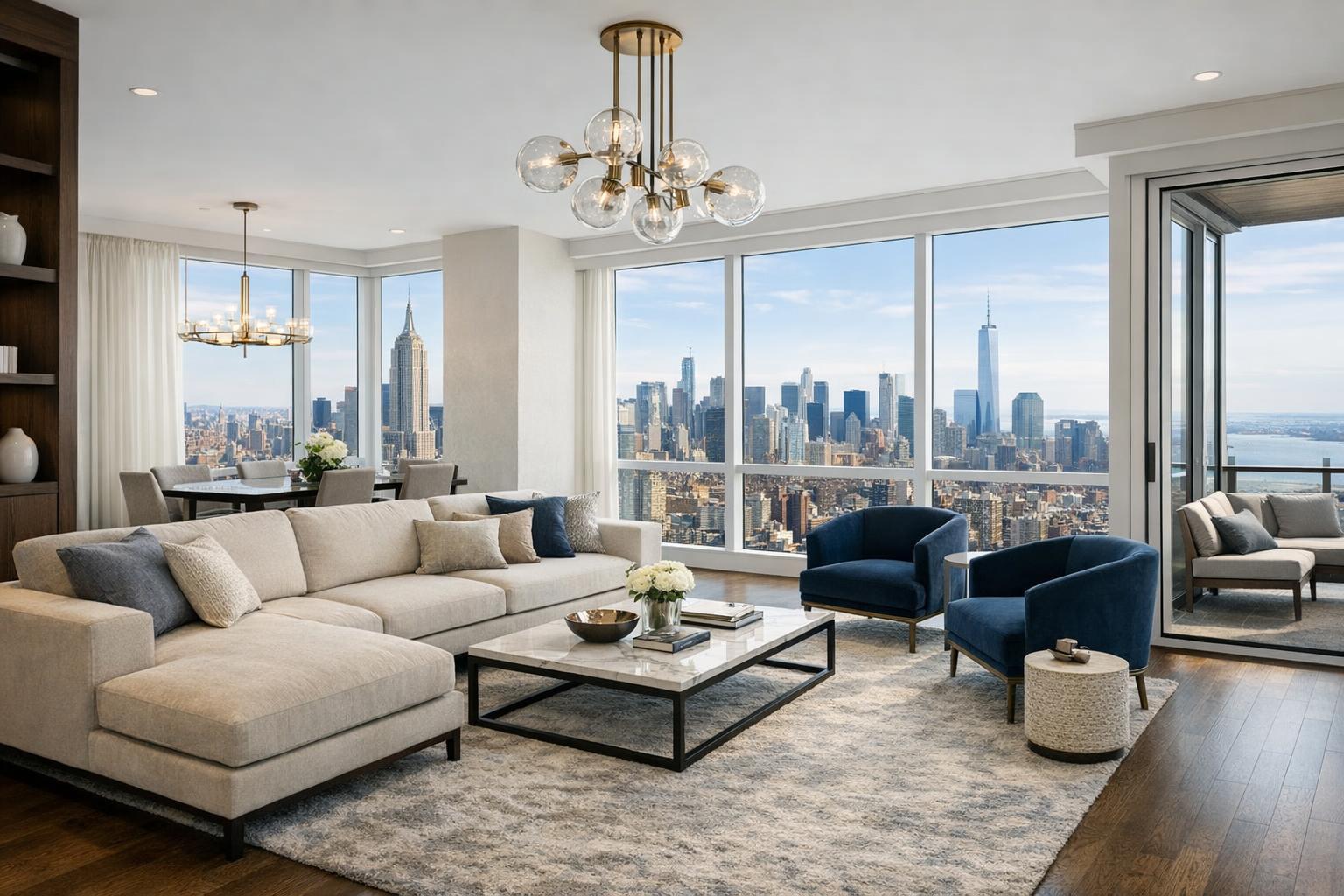
A luxurious modern living room features large windows with panoramic city views, highlighted by elegant furnishings in neutral tones and rich blue accents.
What to Look for in Real Estate Photography for NYC and New Jersey Listings
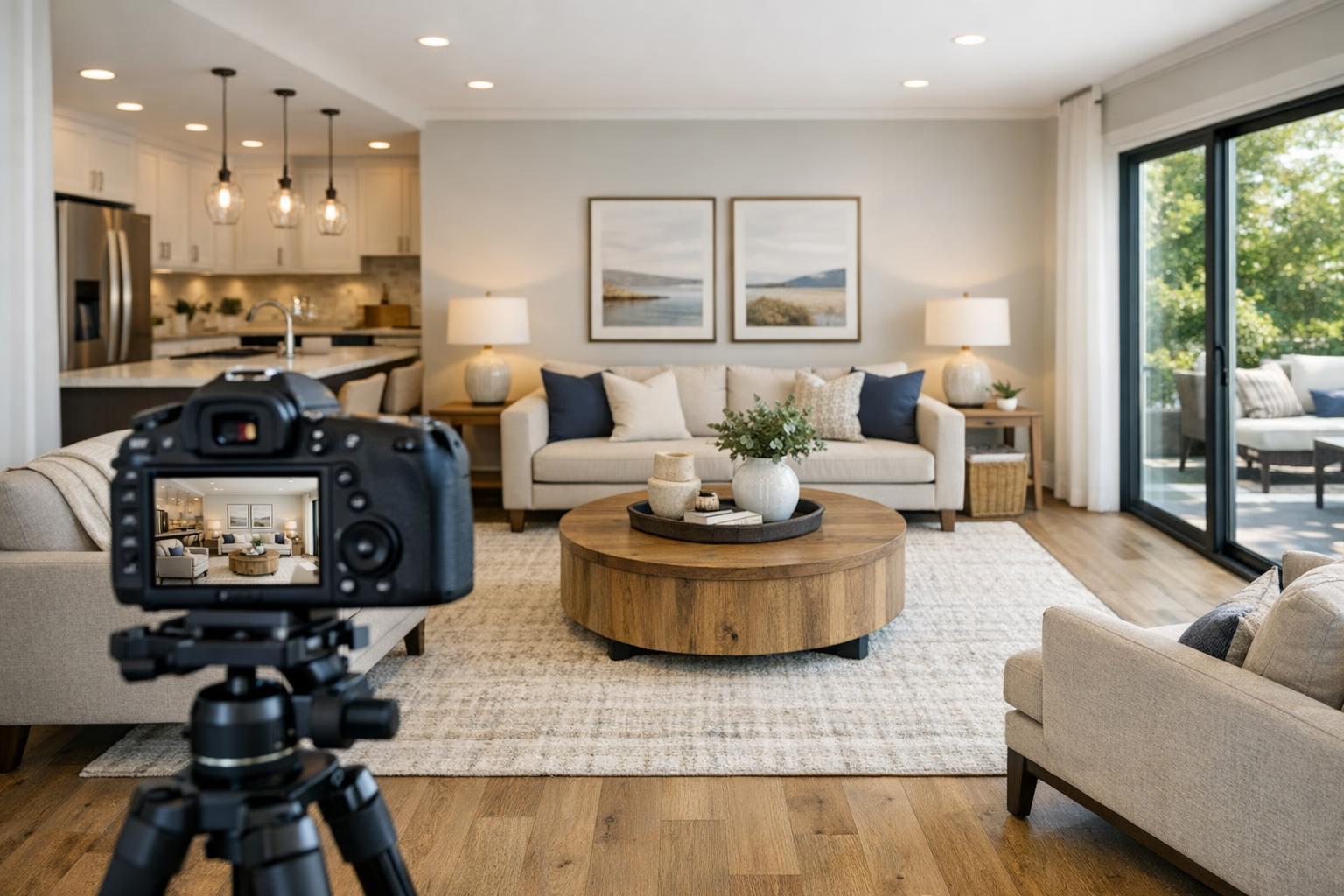
Real estate photography is typically the first introduction that prospective buyers, renters, and tenants have to a property—long before they view a floor plan or tour the space in person. The quality and clarity of listing images shape whether they keep scrolling or schedule a showing, especially in competitive markets like NYC and New Jersey. For real estate agents and property professionals, the task isn’t simply to collect a series of images, but to commission visual storytelling that demonstrates the true character, proportions, and features of every listing.
Professional property photography is both an art and a workflow. Done well, it distills the property’s flow, lighting, and unique features into a clear and honest presentation. That means agents and brokers need to look beyond the basics when choosing real estate photography services—and understand what actually creates value for listings in New York City, New Jersey, and the surrounding region.
Function First: Images That Build Trust
Before a photograph can be memorable or dramatic, it must be clear. Listing images should communicate the actual qualities of a space and give viewers the confidence that what they see online will match what they find at an open house.
Experienced real estate media teams keep these factors front and center:
- Overall property condition and details: There should be no question about what kind of property is being shown.
- Room-to-room flow: Pictures should make it easy to follow the layout and see how living, dining, kitchen, and bedroom spaces connect.
- Scale and proportion: Wide-angle views help, but must be carefully balanced so that rooms look inviting—not distorted.
- Distinctive features: Views, ceiling heights, outdoor spaces, built-ins, and architectural quirks deserve to be showcased.
- Daylight and lighting: Listings benefit when natural and interior lights are balanced so spaces feel bright but believable.
For example, an Upper East Side co-op may call for images that capture both the charm of pre-war details and the realities of compact floor plans. A New Jersey single-family home might need broader photo coverage: entry, living zones, bedrooms, yard, deck, and exterior. A single wide photo rarely tells the full story—a considered sequence reveals both what’s special and how every area connects.
Composition Beyond “Making It Look Big”
Effective composition is rarely about making rooms appear larger—it’s about honest presentation and visual flow. Straight verticals (walls, door frames, cabinets aligned with the edges of the image), logical camera placement that avoids odd foreground objects, and disciplined framing are all professional basics.
When reviewing a photographer’s portfolio, look for:
- Images that tell you where one space ends and another begins
- Furniture placement that demonstrates room function
- Minimal repetition—each shot should add something new
- Careful use of wide-angle lenses to avoid warped perspectives
Brooklyn brownstones may require extra attention: original millwork, signature staircases, fireplaces, and indoor-outdoor transitions are features that matter. Similarly, Manhattan apartments often rely on tight composition to clarify scale without losing valuable details like window groupings, built-ins, and ceiling height.
Managing Light: Realism, Not Gimmicks
Mixed lighting—from windows, lamps, and overhead fixtures—can complicate interior shoots. Poorly managed, it leads to washed-out windows, colored shadows, or unnatural hues. Professional real estate photographers frequently use HDR (high dynamic range) techniques that blend multiple exposures to keep both bright and shadow areas visible. But the end result must look natural. Color casts, overexposure, or gray “flat” images can reduce trust and make rooms feel underwhelming or misrepresented.
Key points to evaluate:
- Can you see what’s outside the window in main living spaces?
- Are white walls actually white, or do they show the color of a bulb or window tint?
- Is the presentation consistent throughout the gallery—not just in a few staged rooms?
- Do wood, stone, and textile colors look authentic?
A high-rise condo with skyline views may benefit from careful window balancing. Meanwhile, a traditional New Jersey home may need controlled exposure to prevent bright outdoor light from overpowering deeper rooms. Visual consistency—not identical lighting, but a trustworthy, polished look from room to room—is the goal.
Natural Editing: Honesty Over Hype
Image editing in real estate photography isn’t about deception; it’s about clarity. Correcting for color imbalances, fixing minor window glare, and gently minimizing small distractions are within scope. On the other hand, extreme edits—overly blue skies, flattened wall details, or colors that never appear in real life—can be misleading and ultimately backfire.
A few principles that reflect professional standards:
- Edits should enhance, not transform, what’s present at the property.
- Walls, ceilings, and cabinetry should appear realistic.
- Architectural details should remain crisp, not “smoothed out.”
- Distracting objects (like cords or bins) should be removed on-site where possible—not Photoshopped away after the fact, unless specifically arranged.
- Consistency matters: the editing style should not jump around from room to room.
Agents considering virtual staging for vacant or decluttered spaces should know that staging is best used to demonstrate possible furniture arrangements—never as a substitute for actual property preparation.
Local Perspective: Matching Coverage to the Type of Property
Professional real estate photography services succeed when they match local property types and client expectations. Context matters.
Manhattan Apartments and Condos:
NYC apartment photography often demands precision. It’s typical to capture main living zones, workable kitchen layouts, bedrooms (with visible storage or closets), and—where they add value—balconies or building amenities. Tight layouts mean composition and timing are essential, especially in buildings with security and access rules that can shape the shoot plan.
Brooklyn Brownstones:
Townhomes and brownstones frequently offer split levels, architectural ornamentation, and original details that require more than single wide shots. A comprehensive sequence should document not only standout features, but also how parlor floors transition to garden or upper levels.
New Jersey Homes:
Suburban listings usually require a different strategy. Larger square footage, yards, garages, finished basements, and exterior elements like decks or pools mean agents should prioritize the spaces that will define the listing experience, rather than an exhaustive photo count of every hallway or closet.
To see how RealtaSnap approaches each unique property type, explore the Photography Service page.
Portfolio Review: Looking for Consistency, Not Just Hero Shots
Nearly every professional can select a few portfolio images that look exceptional. Instead of focusing only on highlights, request to see full or near-complete galleries from similar properties. This shows whether the photographer can maintain quality across different listing types, handle non-staged interiors, manage reflections and window views, and deliver work that reflects actual living spaces—not just editorial vignettes.
Key considerations:
- Does the photographer keep the quality steady from listing to listing?
- Can they handle both compact city apartments and larger suburban homes?
- Are difficult lighting situations handled smoothly?
- Do the photos work together as a complete package, or are there gaps?
Communication, Scheduling, and Delivery: Practical Realities
Production value starts before the photographer arrives. Clear communication about access instructions, building rules (elevator schedules, doorman policies), shoot scope, and coverage requirements are all essential. Confirm details such as:
- Property address and contact for access
- Special features to highlight
- Whether the home is occupied, vacant, or staged
- Image quantity and coverage expectations
- Preferred delivery timing
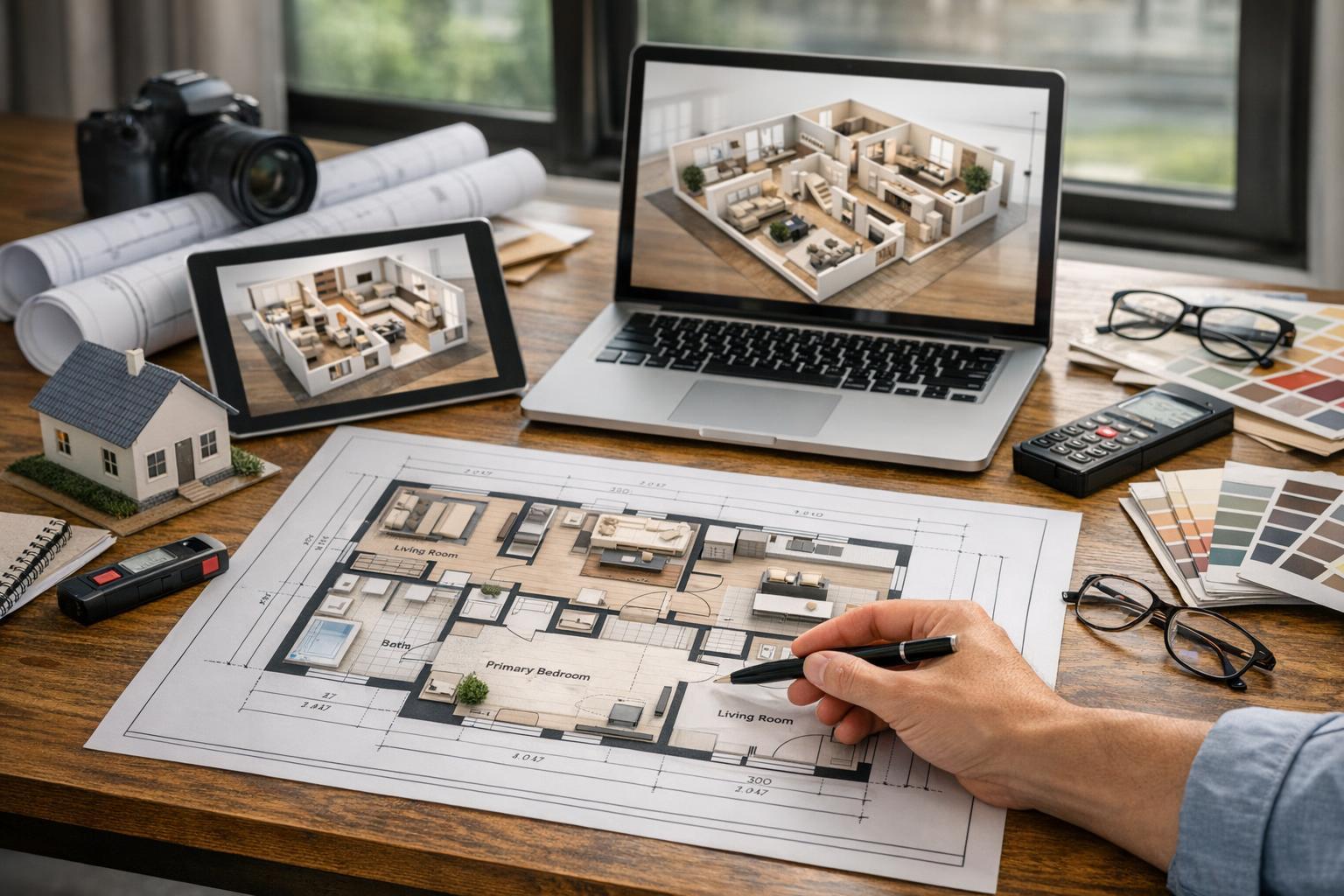
- Additional media needs (video, floor plans, drone) when appropriate
Listing timelines are often tight, but speed should support—not compromise—visual quality. At RealtaSnap, HDR photography is offered at multiple coverage levels, with package options from 10 to 50 images and next-day standard delivery. Agents can fine-tune each booking for their listing type, with add-ons like virtual staging or twilight editing as needed. See service options at real estate photography pricing.
Getting the Space Ready: Preparation for Successful Shoots
Exceptional real estate photographs depend on thoughtful preparation. Professional photographers can manage light and composition, but they cannot erase clutter or transform an unready room on-site. For best results, property owners and agents should:
- Remove unnecessary items from surfaces in kitchens and bathrooms
- Hide cords, pet items, trash bins, and cleaning supplies
- Turn on all interior lights and replace burned-out bulbs
- Open shades/blinds when privacy and views allow
- Make beds, tidy up, and remove excess décor or personal items
- Ensure driveways are clear for exterior shots
- Note anything unique or easily missed (roof access, special storage, hidden terrace)
For more, see preparing your listing for professional photos.
Hiring with Confidence: Choosing the Right Real Estate Photography Service
The right real estate photography company does more than produce nice images; it provides clarity, trustworthiness, and visual transparency that help agents market listings efficiently and effectively. In NYC and New Jersey, this means working with teams that understand both property types and the realities of site access, scheduling, and market expectations.
When hiring, review real portfolio examples, gauge their familiarity with your listing type, and be clear about expectations. If you want to work with a local team who understands these nuances and can deliver consistent, reliable media for any property in the region, explore your options at www.RealtaSnap.com.
FAQ
Question: How many photos should I order for my property listing?
Answer: The right photo count depends on the size, layout, and features of the property. Smaller city apartments may need as few as 10–15 focused images, while larger homes with extensive interior and exterior spaces may benefit from 30–50 photos to cover everything viewers expect to see. Prioritize quality and useful coverage over simply reaching a high image number.
Question: Is it important to be present during the shoot?
Answer: Someone should be available for access when required, especially in buildings with strict entry procedures. If a property has unique features that aren’t immediately obvious, it helps to be there to point them out. Once priorities are communicated, giving the photographer room to work is usually best for efficiency.
Question: Can professional photography make a furnished or occupied property look staged?
Answer: Professional composition, lighting, and editing can present an occupied property attractively, but what’s physically present at the shoot will appear in the final photos. For a “staged” look, the space should be properly tidied and decluttered beforehand. For empty rooms, virtual staging is an option to highlight potential layouts.