What to Look for in Luxury Real Estate Photography for NYC Listings
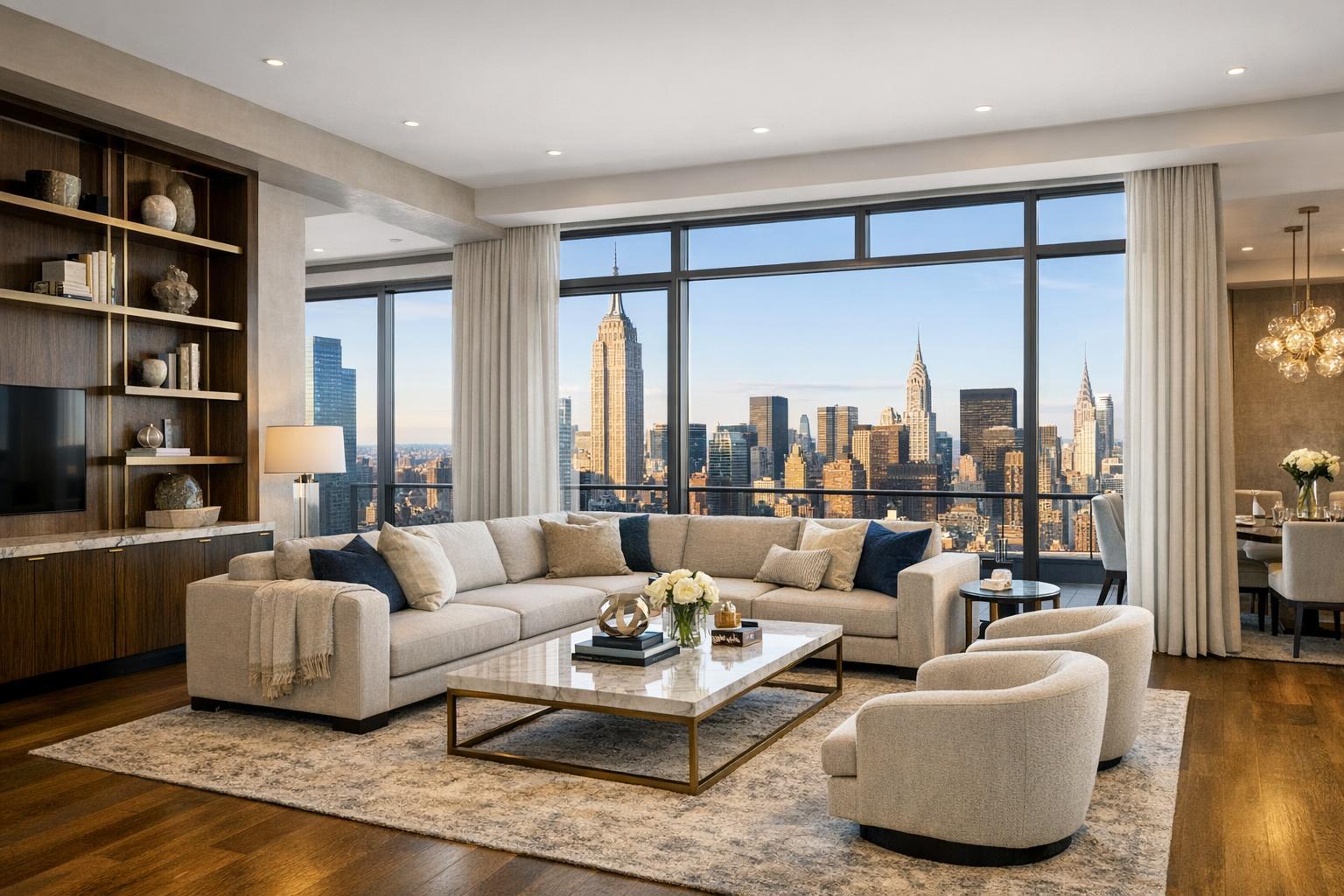
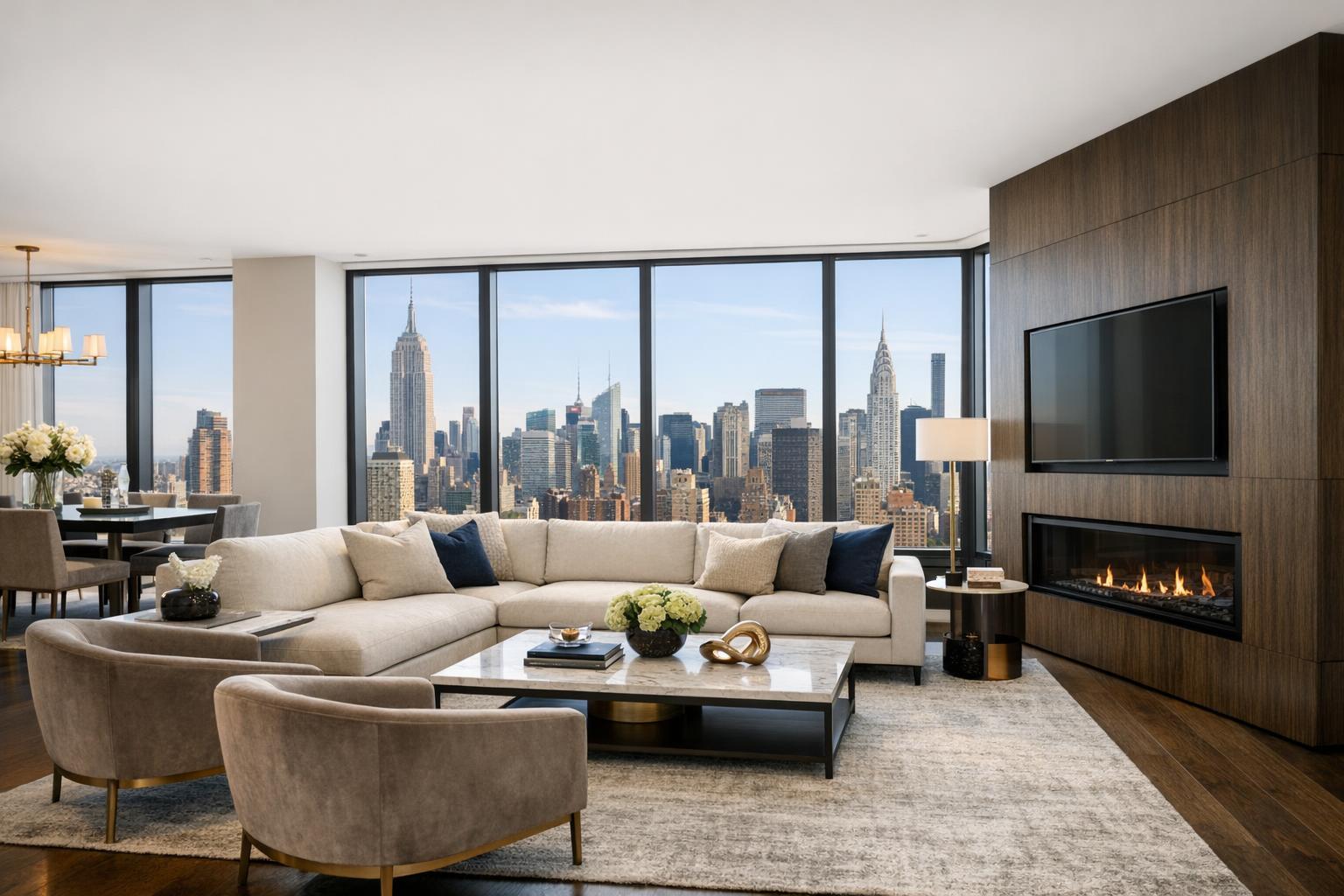
Luxury real estate photography showcases a sophisticated living room with panoramic city views, featuring sleek furnishings and a modern fireplace.
What to Look for in Luxury Real Estate Photography for NYC Listings
Luxury real estate photography has evolved beyond bright images and wide lenses. For agents and developers in New York City and New Jersey, the decision to hire a luxury real estate photographer is ultimately about conveying the true scale, quality, and character of a high-end property—before anyone steps through the front door. At RealtaSnap, we’ve seen how photography decisions directly shape a listing’s effectiveness, from a Manhattan condo with city views to a Brooklyn brownstone or a distinctive New Jersey residence with its own architectural story.
The Difference: Judgement Over Drama
In practice, luxury real estate photography is not about dramatizing every corner of a home. The real value lies in showcasing clarity, restraint, and a careful selection of what matters most for that specific listing. When you scan an online gallery, what enables a potential buyer to imagine living there? Strong luxury photography answers this by highlighting scale, materials, finishes, views, layout, and authentic design elements—while avoiding visual tricks that can undermine credibility.
Photography for high-value properties requires more than technical competence. It demands that the photographer recognize and elevate what truly distinguishes the home—whether it’s a carved wood staircase in Brooklyn, skyline views from a high-floor unit in Manhattan, or acreage and landscaped grounds in New Jersey.
Key Characteristics of Quality Luxury Photography
Media That Respects the Real Space
A rush job can flatten hard-earned architectural detail or reduce an impressive view to a blank rectangle of light. Authentic luxury photography gives natural materials, custom millwork, layered lighting, and inviting transitions between rooms the space to resonate.
Well-composed photography should help buyers answer:
- How do the main living areas connect?
- What is the view, and how is it framed?
- Are finishes and design elements presented accurately?
- Does the sequence of rooms feel logical and believable?
- Do the images help buyers understand the scale—without distortion or exaggeration?
Over-brightening, excessive wide-angle use, or heavy editing (think artificial skies and color shifts) might generate attention-grabbing photos, but these can be counterproductive for serious buyers and experienced brokers.
Thoughtful Composition and Respect for Architecture
One hallmark of a skilled luxury real estate photographer in NYC is the ability to compose images that organize each space around its strongest features. Rather than a quick snapshot from every doorway, the best images thoughtfully establish an entry point for the viewer’s eye, respect symmetry, and highlight key visual anchors—a fireplace, a run of windows, a custom kitchen, a sculptured staircase.
- Wide images with purpose: Wide shots contribute when they reveal real flow or relationships between spaces, not just to “include everything.” An overstretched living room or a bedroom exaggerated by the lens loses its appeal.
- Maintaining straight lines: Vertical and horizontal lines—walls, doors, windows—should appear intentional and architecturally sound. Slanted lines from careless angle selection or distortion subtly erode the perception of quality.
- Visual flow in the gallery: A complete photographic set should “walk” a buyer through public areas, connecting spaces, private retreats, bathrooms, and outdoor features in a sequence that matches the property—not just a shot list.
Balance Light and Views
NYC luxury listings rarely trade on their interiors alone—window views (city, park, river) are often core-value drivers. Capturing them requires experience. When photographing interiors with strong natural light, it takes careful technique to preserve both the feeling of the room and the exterior scene. Managing window exposure is especially challenging in corner units, high-floors, brownstones with garden access, or New Jersey homes with broad grounds.
- Not every room needs a dramatic exterior. The photographer’s judgement should drive when to honor the view, and when to let the space itself take precedence.
- Overexposed windows turn city views into empty rectangles; underexposed interiors make rooms feel gloomy and uninviting.
Consistent, Trustworthy Color
High-end interiors often feature nuanced finishes: layered palettes, custom paint, stone, brass, wood, and designer fixtures. Editing should reflect genuine materiality rather than imposing a “look.” Cool-toned processing might cause oak floors or marble to read gray; too much warmth can make white paint appear dingy. The portfolio should demonstrate reliable color judgment across rooms with different lighting—daylight, lamps, recessed LEDs, or twilight exteriors.
Details That Add, Not Distract
Detail images can make a difference, particularly for showing craftsmanship missed in wide shots—think custom fixtures, tilework, unique carpentry, or landscape elements. The key is to use detail photography as a complement after the essential rooms and flows are already documented. Detail images should help a buyer understand what sets the property apart, not replace informative room or contextual views.
Responsible Editing and Accurate Representation
Post-production absolutely has a place: improved exposure, color correction, window balancing, and minor distraction removal are all standard. But editing should never misrepresent layout, features, or finishes. Room proportions, permanent fixtures, built-ins, and scale must remain credible. In vacant spaces, virtual staging can be an asset if used sparingly—it works best in clean, empty rooms. If the space is furnished or cluttered, physical removal or a professional edit is required before virtual staging is considered.
Contextual Practice: NYC and New Jersey Considerations
Local expertise makes a tangible difference in how a property is presented:
- In NYC: Tight footprints, landmark buildings, and unpredictable sunlight demand careful planning. Building access, elevator timing, and permission for common-area or amenity photos are real operational steps.
- In New Jersey: Larger homes, more varied exteriors, and properties with extensive grounds often call for a broader approach to coverage—including aerial photography, when possible, to convey scale.
- For unique homes and high-rises: It’s important to map the sequence and plan key captures in advance—to minimize schedule strain and maximize efficiency on site.
Evaluating the Photographer’s Portfolio
Before hiring a luxury real estate photographer, review their portfolio like a client—not just a viewer:
- Do rooms feel spacious but not distorted?
- Are straight lines maintained, especially around windows and cabinetry?
- Do images balance interior and exterior light?
- Are color and material representations believable?
- Does the full image set progress logically and tell the property’s story?
- Are detail images informative and appropriate, not overused?
- Does the work feel consistent across different property types (condo, townhouse, brownstone, or detached home)?
The portfolio should signal a photographer’s ability to adapt—not simply repeat a one-size-fits-all formula.
For a look at RealtaSnap’s real estate photography across NYC and New Jersey, you can review examples at RealtaSnap’s official website.
Preparation: Setting the Stage Before the Shoot
The best photos come from properties that are ready before the session begins. We regularly advise agents and property managers to:
- Clear everyday items from counters, vanities, and open shelving.
- Straighten beds, fluff pillows, align rugs, and tidy window coverings.
- Remove visible trash bins, cleaning tools, pet items, and stray cords.
- Test lighting in each room, replace burnt-out bulbs, and open shades (where privacy and view allow).
- Confirm access to amenity areas and outdoor spaces.
- Notify your photographer about unusual features (smart-home controls, hidden storage, radiant heat, notable building views, or multiple entrances).
For brownstones and homes, exterior tidiness is as important as interiors—remove or organize outdoor items that could distract in the property’s first impression.
When Additional Media Makes Sense
Photography should be the foundation. For some high-end listings, complementary media such as cinematic video, floor plans, 3D virtual tours, or aerial photography can help explain the space and its context. In New York City especially, aerial media depends on airspace, weather, safety, and building access—and is not always possible. When selecting additional services, focus on supporting the experience, not just “checking the box.”
For more insight on available service options, visit the RealtaSnap real estate photography NYC page or explore floor plan details.
Setting an Attainable Standard
Exceptional high-end property photography helps buyers intuitively understand a property and remember what makes it special. Consistency, honest representation, and visual flow from start to finish are the hallmarks of well-executed luxury media.
Agents, brokers, and developers in NYC, New Jersey, and the surrounding area can expect a thoughtful, property-specific approach from RealtaSnap—backed by market knowledge and a straightforward online scheduling process. Booking is simple, with service area confirmation and selection directly at www.RealtaSnap.com/schedule.
If you’re preparing a premium listing and ready for photography that clarifies, not confuses, explore what RealtaSnap offers at www.RealtaSnap.com.
FAQ
Question: How do I know if a photographer’s portfolio is right for my luxury NYC listing?
Answer: Evaluate if the images maintain proportional scale, straight lines, believable finishes, and a logical sequence that matches the kind of property you’re listing. Look for consistency in color and composition across different home types and lighting conditions. The work should feel reliable and adaptable, not formulaic.
Question: Should I include detail shots in every high-end listing gallery?
Answer: Detail shots are useful when they add information about craftsmanship, materials, or design not easily understood in wide shots. However, they should supplement—never replace—essential room and layout coverage. Use them when they genuinely add value to the story you’re presenting.
Question: What’s the best way to prepare my property for luxury real estate photography?
Answer: Focus on minimizing clutter, straightening soft furnishings, ensuring all lights are working, and clearing surfaces. Open window coverings to allow natural light if appropriate, and make sure key features—both interior and exterior—are accessible. Advance preparation helps the visual story focus on permanent property features and architectural strengths, rather than distractions.