What to Look for in a Real Estate Video Tour for an NYC or New Jersey Listing
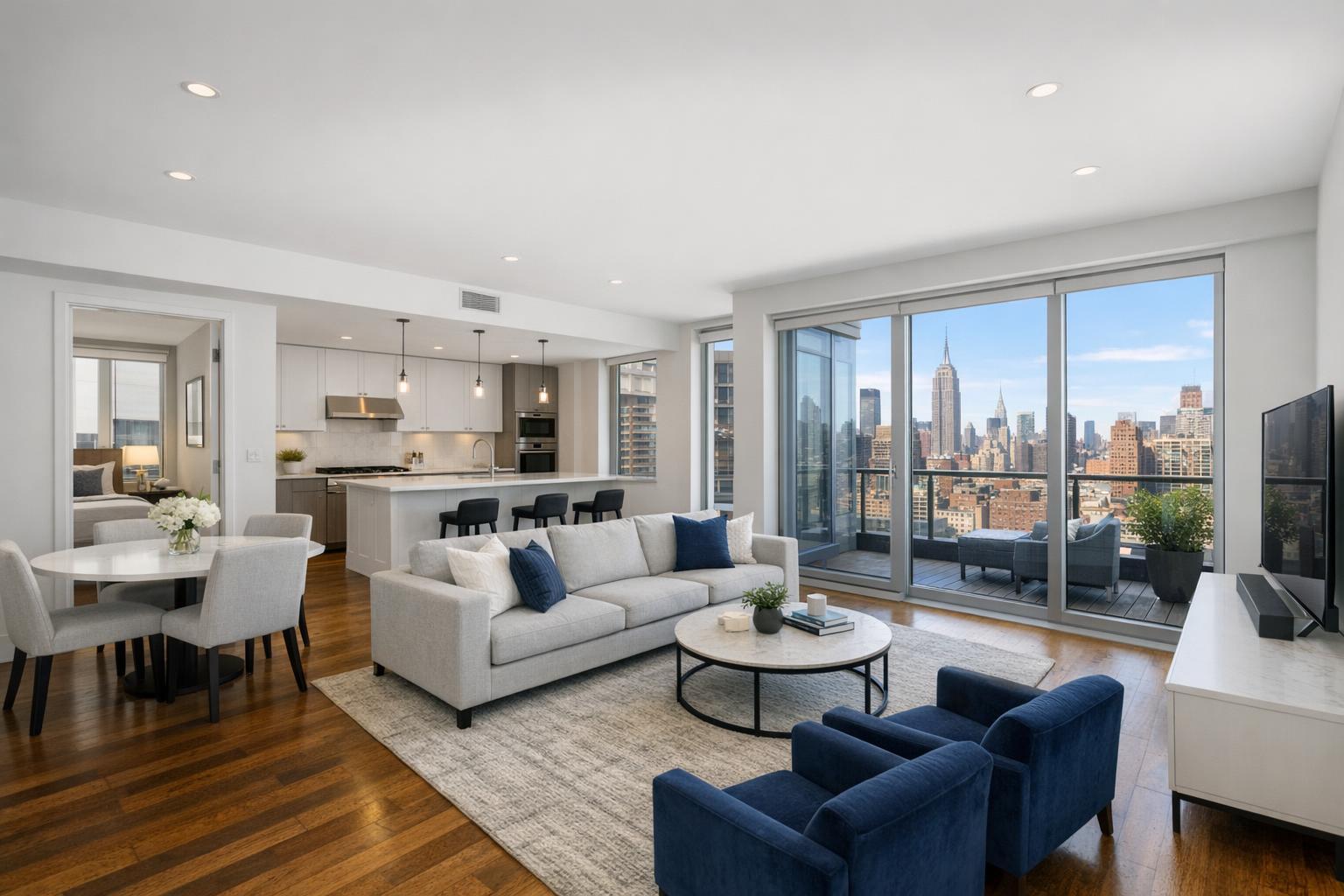
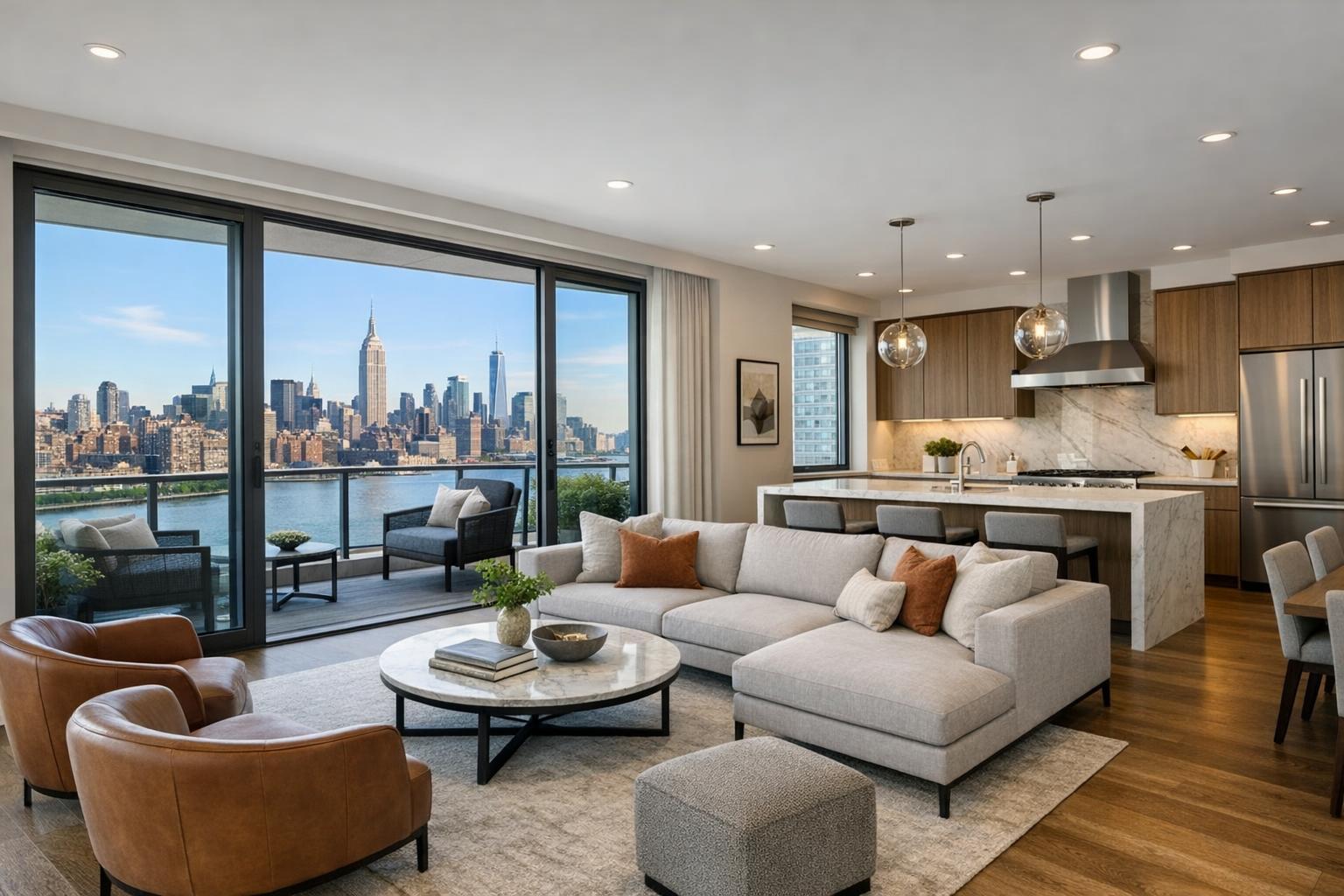
A luxurious, modern open-plan living space offers stunning views of a city skyline through expansive windows, as highlighted in the real estate video tour.
What to Look for in a Real Estate Video Tour for an NYC or New Jersey Listing
A real estate video tour, when done right, is a window into how a property actually feels—not just a replay of the listing’s best photos set to music. For anyone marketing a listing in NYC or New Jersey, understanding exactly what makes a video tour useful (and where many attempts fall short) is the difference between truly connecting with a potential buyer or tenant and simply adding more noise to the listing.
Let’s break down what goes into an effective property walkthrough video and why a strategic approach matters—from footage and movement to local context, lighting, preparation, and production choices.
What Sets a Real Estate Video Tour Apart
A good property video does something photography and photo slideshows simply can’t: it shows spatial relationships. Instead of moving the audience from one pretty shot to another, a video walkthrough leads them through the property as if they’re on site. When done with care, this movement clarifies how rooms connect, how light travels through the space, and what the flow of daily life might feel like—information buyers and renters rarely get from still images.
For busy agents in Manhattan, a compact apartment’s unique layout may require thoughtful sequencing and careful pace. In Brooklyn, brownstones call for a logical path from stoop, to parlor, to backyard. New Jersey single-family homes often demand coverage that transitions from main living spaces to exterior features and surrounding yard.
At RealtaSnap, we've found that the details of how video is captured—where the path starts, how the camera moves, and what’s shown at each turn—matter far more than flashy effects or endless room spins. Our approach is always grounded in the realities of the property, so viewers come away with a true understanding of layout, light, and feature highlights.
Walkthrough Video vs. Slideshow: Why It Matters
It’s not unusual for agents to be offered quick “listing videos” generated from still photos. These photo slideshows have their uses (think: social recaps or quick teasers), but they don’t show the actual experience of transitioning from a living room to a kitchen, or stepping out onto a terrace. A proper real estate video tour is captured live on site. That means viewers see actual connections—hallways, sightlines, entryways—rather than a jump from one frame to another.
Look for these in a true walkthrough:
- An intentional “first impression” or entry point
- Logical, room-to-room progression (not random jumps)
- Slow, steady camera movement—avoiding confusion or motion sickness
- Clear transitions (e.g., kitchen to dining, bedroom to bath)
- Enough pause to register key spaces and features
- Footage that reflects how the space looked and felt on the day of filming
At RealtaSnap, our on-site approach means no slideshow substitutes. The property’s flow and strengths are captured as they are—not manufactured in post-production.
The Role of Movement: Communicating Layout (Not Just Energy)
Video’s biggest asset is its ability to move. But movement, for its own sake, can undermine the clarity a buyer needs. Fast spins, dramatic whooshes, or excessive speed can disorient a viewer. Instead, each shot should have a purpose: guiding the eye, revealing a transition, or emphasizing where rooms connect.
For example:
- Carefully advancing down a hallway so viewers understand spacing between rooms
- Angling toward a window to show both a room’s depth and its best view
- Slowly revealing exterior-interior relationships, especially in single-family homes or townhouses
Pacing is important, too. Not every room deserves equal attention—a powder room may get a swift sweep, while a primary suite or garden may warrant a longer look. The objective is simple: help the viewer imagine being there.
Lighting, Window Exposure, and Views
Lighting makes or breaks a property video. In NYC, it’s common to see sun-soaked rooms quickly turn to dimly lit interiors, often within the same home. Larger windows may need special attention to prevent exterior views from blowing out on camera, while deeper rooms might be prone to shadows.
Thoughtful planning here can include:
- Checking that key lights are working and matched for color
- Deciding which window treatments stay open based on privacy and view importance
- Prioritizing especially bright rooms or spaces known for their afternoon light
- Keeping windows clean to avoid distracting spots or reflections
Preparation pays off—an accurate, inviting look means maximizing what’s there without considerably changing reality. Over-brightening or over-editing tends to create misleading impressions, which is best avoided.
Video vs. Interactive 3D Tours
Both real estate videography and interactive 3D tours help remote viewers explore a space, but the experience is different. Video is curated—an editor and agent decide the viewer’s journey, select which features to highlight, and use music or graphics to set a mood. In contrast, a 3D tour allows the viewer to control movement, wander at will, and revisit spaces for as long as they like.
So, when is each approach useful?
- Use video walkthroughs to tell a visual story, shape first impressions, and provide an easy-to-share media asset.
- Consider an interactive 3D tour when buyers might want to explore every angle or understand a complex layout, especially for larger, multi-level, or highly detailed properties.
Importantly, both require on-site capture by professionals—neither should ever be generated from stand-alone photos or architectural plans alone. RealtaSnap’s videos, for example, are shot specifically for each property, not stitched from previous images.
For more information on our video offerings, see RealtaSnap video services.
Tailoring Video Coverage to Property Type
Manhattan Apartments: Clarity Above All
Studio and one-bedroom apartments benefit from videos that make their layout understandable. Strategic wide shots show how living, dining, and sleeping spaces relate, without inflating their apparent size. Key priorities often include the entry experience, window direction, built-in storage, and functional transitions between zones.
Brooklyn Brownstones: Sequencing With Character
Brownstones and townhomes have architectural stories, so video should move intentionally from entryway to parlor, highlighting period details, millwork, staircases, and progressing logically to upper or garden levels. A sense of vertical and horizontal flow gives viewers a true sense of scale.
New Jersey Single-Family Homes: Interior and Exterior Flow
Here, capturing the relationship between interior spaces and exteriors is central. Videos may include arrival via front walk, transitions to open-plan living areas, and coverage of backyards, decks, or pools. Larger lots or notable surroundings may sometimes warrant aerial footage, but only if conditions, access, and regulations permit.
Developments and Commercial Spaces
Newer developments often combine model units with shared amenities—fitness centers, lobbies, terraces—which need to be distinguished clearly for prospective buyers. In commercial listings, functionality drives the production strategy: clear coverage of entry, workspace, private offices, and relevant utilities.
Operational Insights: Preparation and Production
Even the best camera work can only do so much if the property isn’t ready for filming. Agents and sellers should take the time to:
- Declutter and remove visible personal effects or distractions
- Ensure all lights work and window treatments are adjusted for optimal look
- Make all necessary rooms accessible at the scheduled time
- Remove or tidy items like bins, pet gear, cleaning supplies, and loose cords
- Clean and arrange outdoor spaces for a consistent experience
- Pre-select which features or rooms deserve special attention, and flag anything that shouldn’t be filmed
For those planning to use virtual staging, remember that empty (or at least decluttered) rooms yield the best, most realistic results.
RealtaSnap always recommends a brief pre-shoot walk-through with the agent to set filming priorities and avoid surprises during capture.
Editing for Clarity and Story
Video detail shots—close-ups of custom millwork, unique fixtures, or skyline views—are most useful when they support the property’s story. Too many, too soon can confuse viewers about where they are within the layout. Clarity comes from establishing context before zooming in on specifics.
A helpful approach, which we use in the edit, is to think in three layers:
- Where is the viewer? ("Orientation")
- How does the space function? ("Flow")
- What’s special here? ("Character")
This editorial discipline helps keep the walkthrough both engaging and grounded in the reality of the space.
Choosing Format and Length
There is no single correct length for a real estate video tour. Most listings in NYC or New Jersey work well with a concise—but thorough—edited video. Larger homes, developments, or agent-led walkthroughs can justify more time. For listings needing a version for social media, a separate vertical or square cut typically works better than just cropping the main edit.
RealtaSnap offers a range of options, from a standard 1-minute video at $199, to a premium format with more amenities and custom branding, and even agent-guided interview videos up to 3 minutes for standout listings. For those focused on Instagram Reels or short-form content, alternate cuts can be ordered—each edit is tailored, not generic.
For full details and pricing, check real estate video services in NYC.
Making Every Video a Useful Visit
Above all, a good property video is about usefulness—not spectacle. Prioritize showing actual layouts, honest light, and meaningful features, not just visual effects or over-produced energy. The more authentic, navigable, and visually organized the video, the more buyers and renters trust the experience.
If you’re considering video coverage for your next NYC or New Jersey listing—from Manhattan apartments to suburban homes in New Jersey—RealtaSnap can help align the approach to your property’s strengths and marketing goals.
See more at www.RealtaSnap.com.
FAQ
Question: How is a real estate video tour different from a standard photo slideshow?
Answer: A true video tour is filmed on site, walking viewers through the property in real time and highlighting how spaces connect. Photo slideshows simply display still images in a sequence—useful for recaps or quick teasers but lacking the sense of movement and room-to-room understanding viewers get from video.
Question: Does every property need both video and a 3D interactive tour?
Answer: Not necessarily. Video walkthroughs are great for shaping first impressions and sharing on listing pages or social media. 3D tours can add value for properties with complex layouts or when remote buyers want to “walk” themselves through every space. Many NYC listings work well with just one format, while large homes and new builds may benefit from both.
Question: What’s the best way to prepare a property for a video shoot?
Answer: Clean, declutter, and ensure all rooms to be filmed are accessible. Replace burned-out bulbs, open blinds for natural light (unless privacy is a concern), and pre-select spaces or features to highlight. The more ready the property is, the smoother filming will go, and the stronger the finished video will be for your listing.