What Real Estate Media Does a Listing Need?
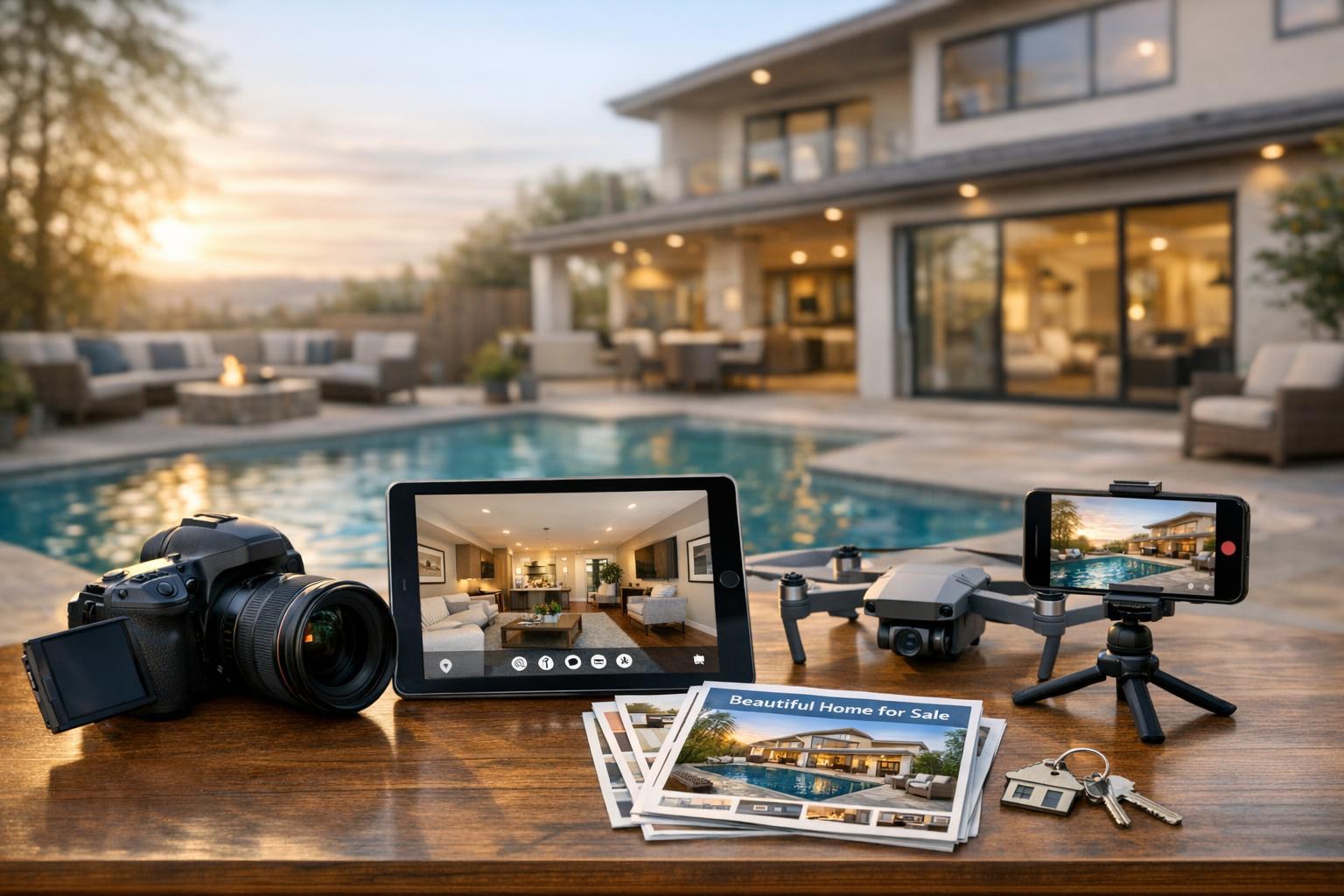
Capturing the essence of real estate media, a professional camera, tablet, smartphone, drone, and brochures are arranged on a table in front of a luxurious home with a pool, beautifully highlighted by the setting sun.
What Real Estate Media Does a Listing Need?
Real estate media plays a defining role in how buyers, tenants, or decision makers perceive a property—often before they ever schedule a showing. With so many services available, from professional photography to 3D tours and drone video, it makes sense to ask: Which assets actually make a listing easier to understand, and which might just add noise or cost?
In NYC, New Jersey, and nearby markets, property types and layouts can vary dramatically, so the mix of media assets should always respond to the specific property. Below, we’ll walk through a real-world approach to building out the right collection of property marketing assets, using local context and professional insight drawn from regular production in these neighborhoods.
Understand the Property Before Ordering the Media
The starting point for any effective listing presentation is the property itself, not a generic media package. Think about what kind of information a potential buyer or renter will need:
- Is the space compact and straightforward, or does the layout need explanation?
- Are there multiple levels or features like outdoor areas, views, or amenities that photos can’t capture in a single frame?
- Will remote viewers need a more interactive way to judge the space?
- Is the unit vacant, making it hard for viewers to imagine how the rooms could be used?
For instance, a one-bedroom condominium in Manhattan with an open layout often does well with high-quality photos and a clear floor plan. But a multi-story Brooklyn brownstone benefits from photography, a floor plan, and sometimes a thoughtfully-sequenced video or aerial shots—especially if access to a roof deck or garden changes the feel of the property. New Jersey’s larger homes, with big yards or pool areas, may call for drone views and robust exterior photo coverage so online viewers can appreciate both the house and its setting.
Key operational insight: Before booking services, consider the building’s access rules, elevator timing, and logistics, as these can affect what media is realistically possible to produce, especially in NYC.
Photography Is the Backbone of Any Listing
Professional photography remains the essential ingredient for almost any listing. Well-crafted real estate photography translates the experience of a space into images that can serve portals, social media, property websites, print, and more.
A good photo set does more than document: it clarifies scale, showcases sightlines, and brings out details that matter—whether it’s the ambient light in a pre-war co-op, the finishes in a modern condo, or the sense of openness in a commercial corner suite. In smaller NYC apartments, thoughtful composition and careful management of window exposure are key for showing off rooms without misrepresenting space or washing out views. For New Jersey homes, photography often extends outdoors, covering gardens, patios, pools, and front elevations.
Operational insight: Maintaining consistent editing and keeping vertical lines true to the property preserves accuracy and prevents distorted expectations. Every room that plays a real role in decision making should be shown, while avoiding duplicating perspectives or creating visual clutter.
Photography also provides the visual foundation for other services—most viewers will first see a listing as a thumbnail image or cover photo on a portal before they notice anything else.
For more about real estate photography in the area, see professional real estate photography in NYC or photography options in New Jersey.
Video: When Movement Adds Value
Listing videos are most effective for properties where movement through space tells a story. Walking from a Brooklyn garden up to a parlor level, showcasing a New Jersey home’s open flow between kitchen, dining, and living room, or connecting multiple levels in a brownstone—these transitions add context that is difficult for still images or floor plans to capture alone.
Not every property benefits equally from video. Smaller layouts may end up with videos that feel repetitive or forced, while multi-level or unusually arranged homes can use video to resolve confusion around room-to-room connections or the function of ambiguous hallways.
Real-world note: Professional video should be captured on site. Videos stitched together from static images rarely deliver the sense of continuity and navigation provided by actual video walkthroughs.
For an overview of RealtaSnap’s approach to listing videos, visit real estate videography in NYC.
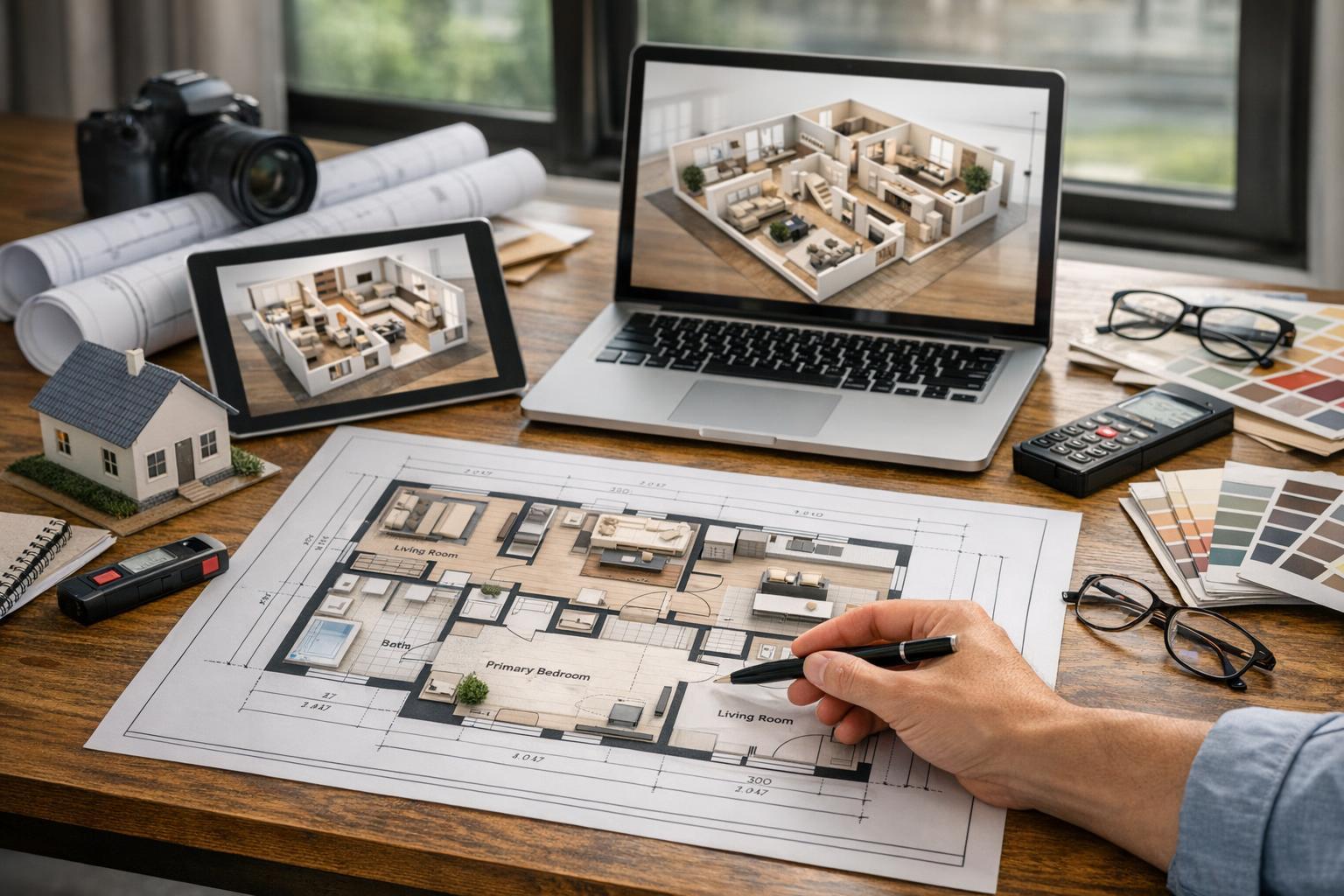
Floor Plans: The Clearest Way to Explain Layout
One of the most common frustrations for online viewers is uncertainty about layout: “How do these rooms connect? Which bedrooms are adjacent? Is the office off the living area or up a flight of stairs?”
A clear floor plan answers these questions at a glance. While photos capture light, finish, and detail, floor plans make relationships between spaces explicit—something especially important for NYC apartments with split bedrooms or long corridors, and for multi-level suburban homes throughout New Jersey.
Best practice: Floor plans must be captured on-site; they can’t be created accurately from existing photos, PDFs, or old plans. For combination units, each segment must be accessible at the time of capture.
View more about floor plans for NYC real estate.
3D Virtual Tours: Enabling Interactive Exploration
3D virtual tours serve clients, buyers, or tenants who want to explore a property at their own pace—especially those who may be relocating or need input from decision makers who cannot attend a showing. These tours allow navigation between rooms, 360-degree viewing, and revisiting of specific spots, adding a layer of interactivity beyond video walkthroughs.
In New York and New Jersey, 3D tours are often chosen for larger or more complex listings, luxury condos, or commercial spaces that may draw interest from out-of-area or remote buyers. Tools like Matterport and Zillow 3D Home both rely on in-person scanning, ensuring the virtual experience matches the real property at the time of capture.
Clarifying note: 3D tours do not replace the need for high-quality photos. Most listings benefit from both: photos offer curated, impactful views, while a 3D tour provides a full sense of space and layout.
Learn about Matterport and virtual tours for NYC properties.
Drone Media: Showing Exterior Context and Views
While ground-level images can document exteriors and curb appeal, drone photography and video place the property in its actual context. This can mean showing a Jersey Shore home’s proximity to water, the extent of a suburban lot, or a Manhattan townhouse’s relationship to surrounding rooftops or open spaces. Aerial views are frequently valuable for larger homes, properties with acreage, or buildings where exterior context influences value or use.
Operational considerations: Drone usage in NYC requires review of airspace, weather, safety, and building access. Airspace restrictions may limit what’s possible, and pilot discretion always applies. Roof access can sometimes improve feasibility in dense city settings but doesn’t guarantee flight.
More information: drone photography and video in NYC and NJ.
Virtual Staging: Helping Viewers See Potential
Empty spaces often leave viewers unsure about room use or scale. Virtual staging offers a visual reference by adding digital furnishings to professionally-shot, vacant-room photos. This approach is frequently used in newly-renovated condos, empty homes, or clear rental units to provide a sense of potential without physically staging the property.
Experience-based tip: Virtual staging works best when the room is truly vacant or properly cleared. If any furniture remains, clutter removal must come first for the edit to look natural and believable. The result must always reflect reality—the intent is to illustrate potential, not to hide permanent features or flaws.
Matching Media to Common Listing Types
A tailored, not “one size fits all,” approach provides the best results:
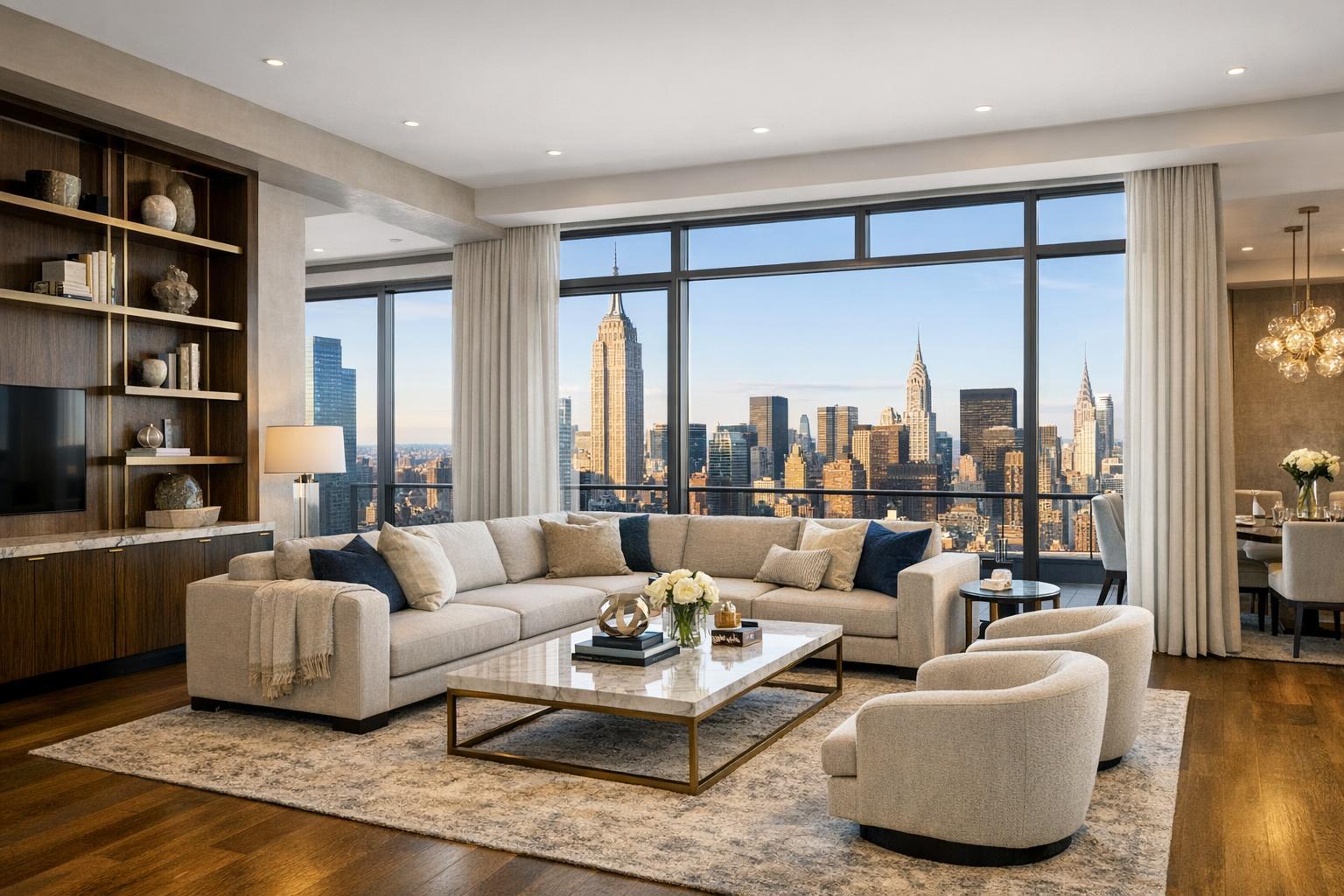
- NYC Apartments/Condos: Start with professional photography. A floor plan becomes important if the unit’s shape, number of bedrooms, or unique elements raise layout questions. For premium or remote-focused listings, consider a 3D tour.
- Brownstones/Townhouses: Use photos and a floor plan to clarify multi-level layouts. Add video if the movement between floors, garden, and parlor is a selling point. Drone may help if exterior or roofline context matters and airspace restrictions permit.
- Larger New Jersey Homes: Combine photos, a floor plan, and (where helpful) video. Drone imagery can make a difference for significant lots, pools, or views. Final choices should always support what makes this property unique.
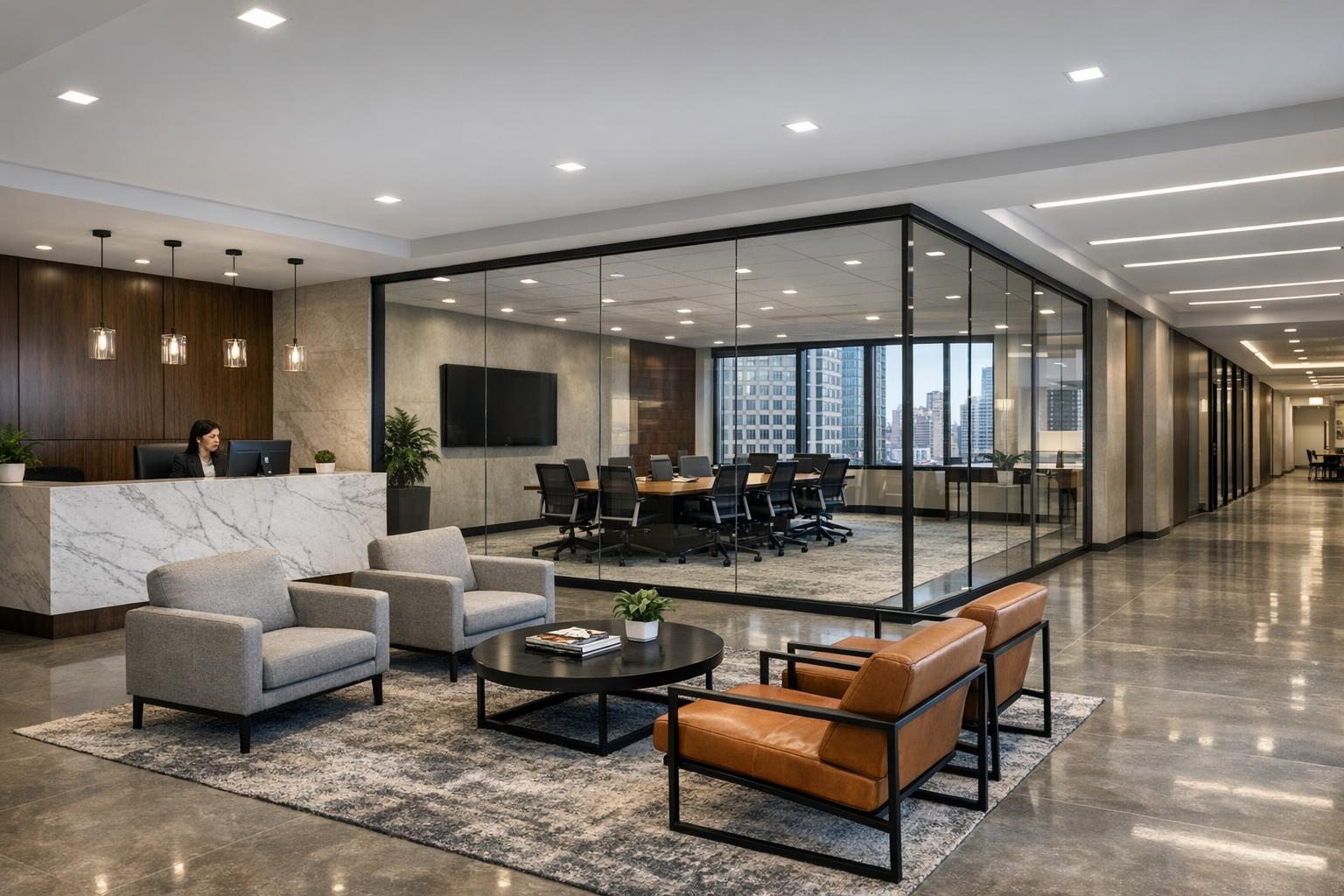
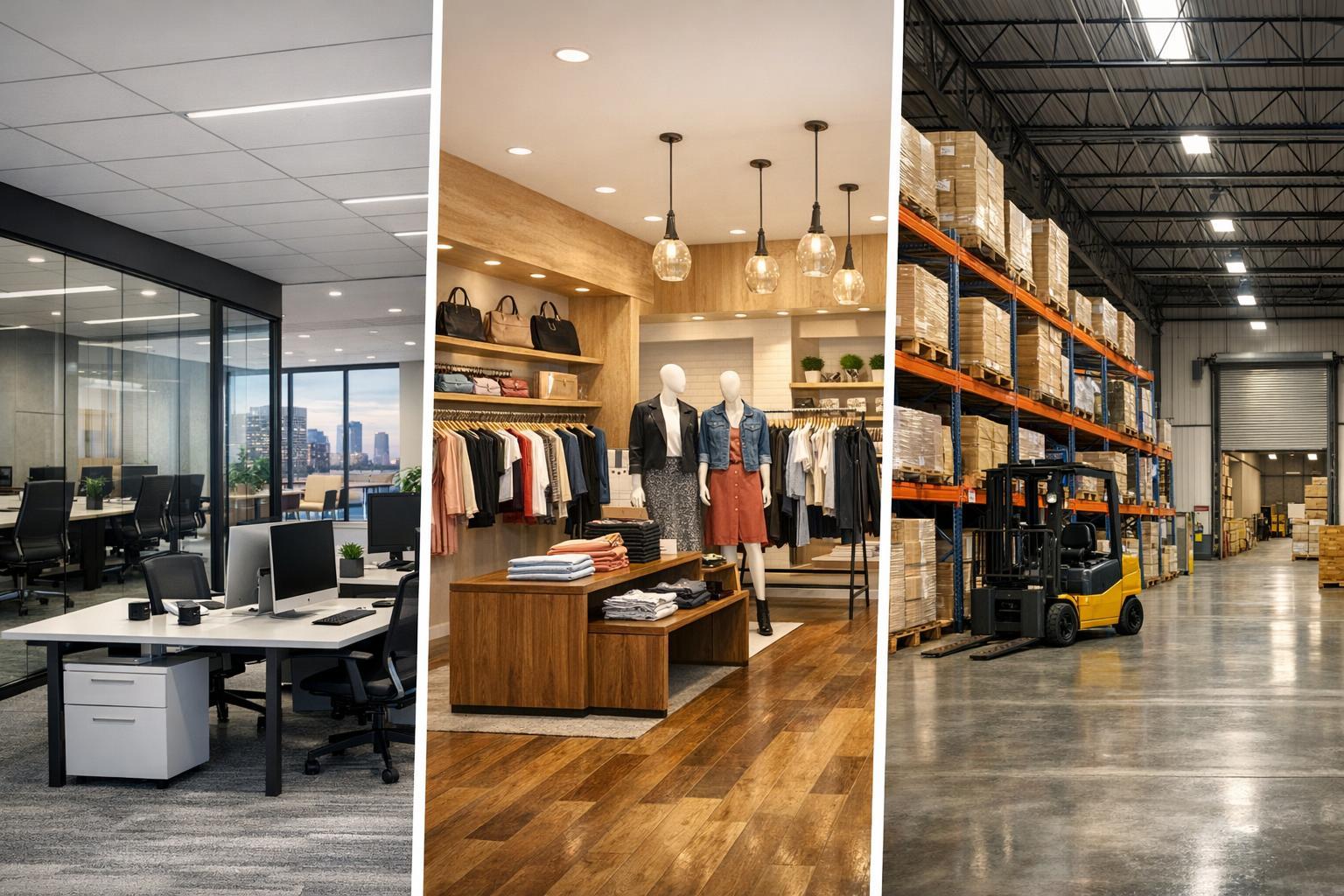
- Commercial Properties: Photography documents condition, light, and finishes. Floor plans or 3D tours help stakeholders assess usability and flow if they’re not touring in person. Add aerial media when site access or exterior scale will factor into a decision.
Build Your Media Plan Around Real Questions
The most effective property marketing assets are those that directly answer likely questions from prospective buyers or tenants—not simply the largest quantity of services. Focus first on photography, then add floor plans, video, 3D tours, drone coverage, or virtual staging only when those assets clarify the property or support a better understanding.
If you’re preparing a listing in NYC, New Jersey, or nearby markets, RealtaSnap can help you identify the right media mix and coordinate on-site capture.
For more information or to book a session, visit www.RealtaSnap.com.
FAQ
Question: Do all listings need video, floor plans, or 3D tours?
Answer: Not necessarily. The best mix depends on the property’s size, complexity, and market strategy. Straightforward apartments may only need excellent photos, while larger, multi-level, or unusual layouts can benefit from floor plans, video, or 3D tours to improve online understanding.
Question: Can a floor plan or 3D tour be made from photos or old documents?
Answer: No. Accurate floor plans and virtual tours require on-site capture of the current physical space. These services cannot be created from existing images, PDFs, or previous drawings.
Question: Will drone media be possible for any NYC or New Jersey property?
Answer: Drone feasibility is handled on a case-by-case basis. Airspace rules, safety, weather, building access, and pilot discretion all play a part, especially in dense areas like Manhattan or Jersey City. Roof access can sometimes help but never guarantees aerial availability.