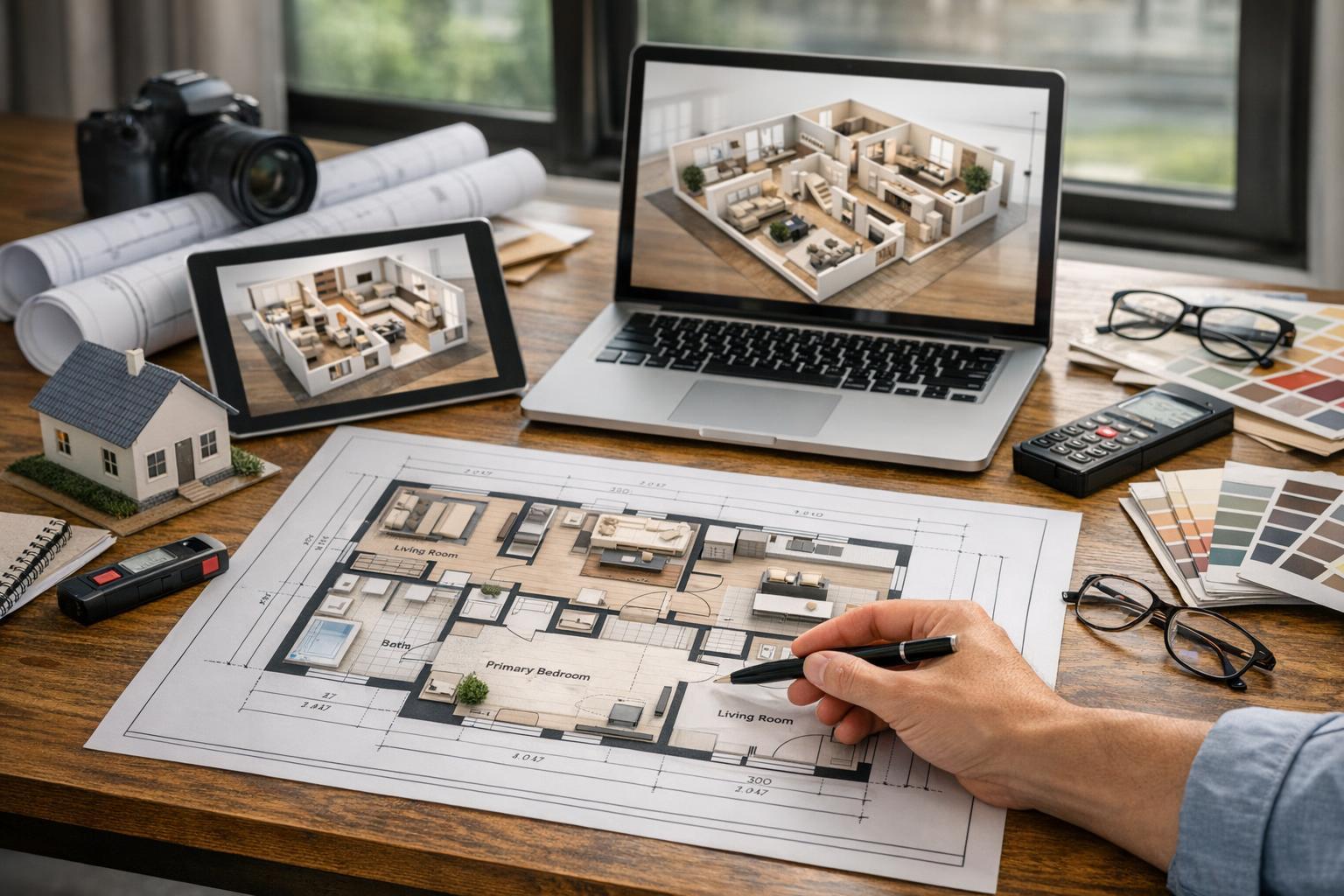
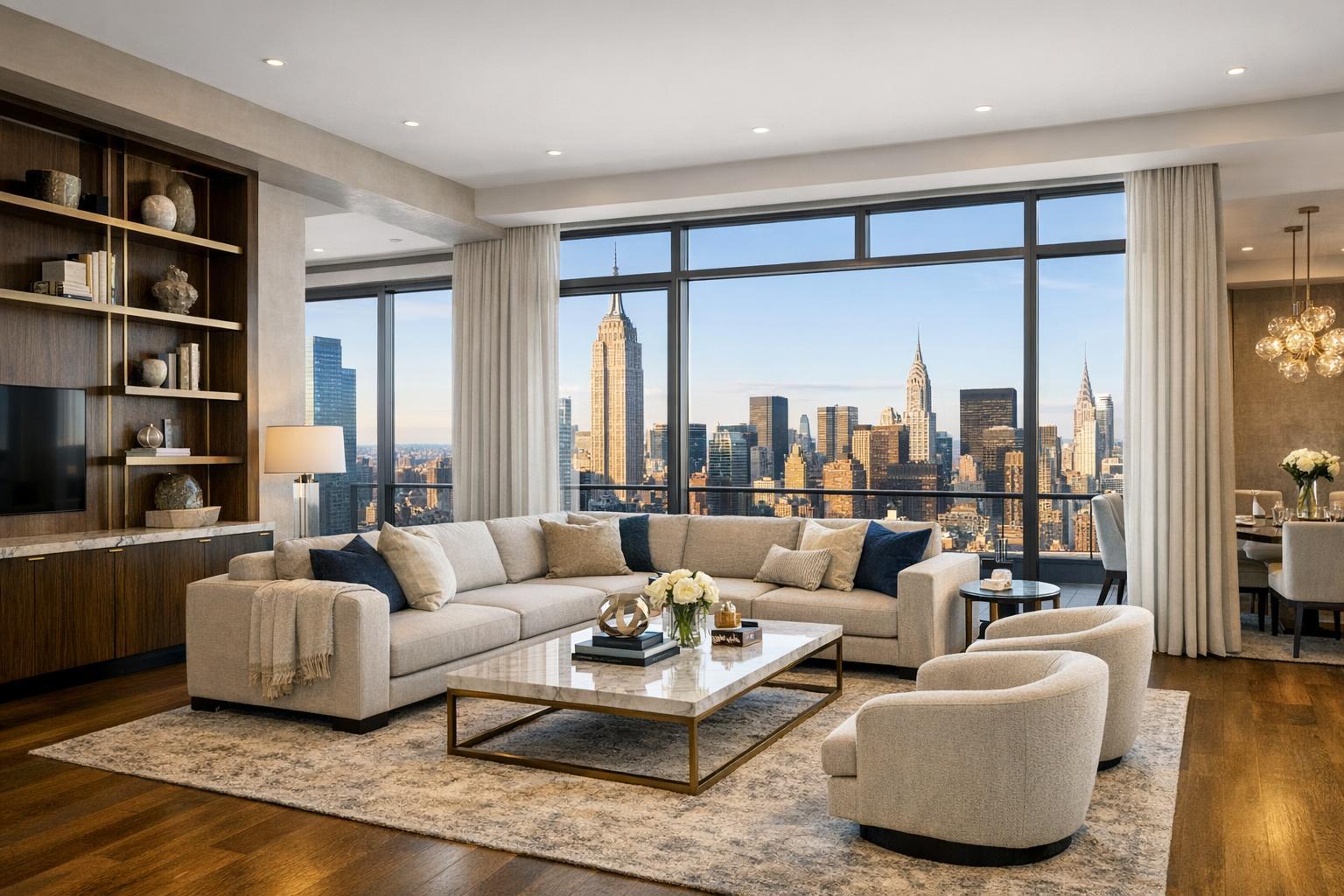
What Real Estate Media Does a Listing Need? A Practical Guide for Agents
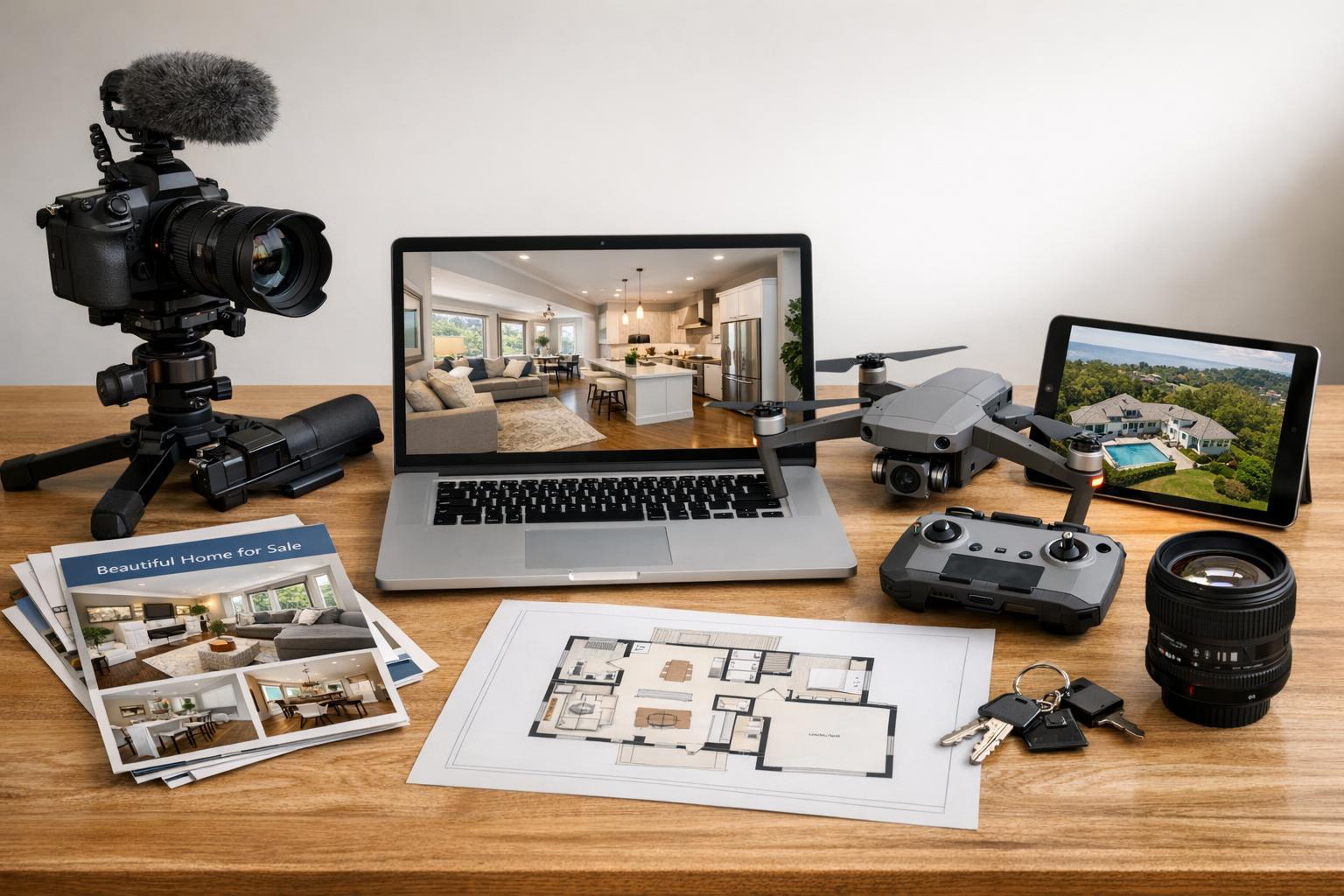
A desk is set up with real estate media tools including a camera, drone, laptop, tablet, brochures, and floor plans, highlighting a multimedia approach to property marketing.
What Real Estate Media Does a Listing Need? A Practical Guide for Agents
Real estate media is the backbone of today’s property marketing strategies. For agents and property managers in New York City, New Jersey, and the surrounding areas, the right mix of media assets tells the story of a listing before anyone even steps inside. But not every service fits every property—and knowing which tools to use is just as important as delivering polished results.
Over the years, RealtaSnap has seen countless variations in homes, apartments, and buildings across the region. While every listing deserves clear, accurate media, the plan behind it should be tailored to the property itself: its layout, condition, size, features, and the needs of its likely audience.
Building a Media Strategy Around the Property—Not the Product List
It’s easy to default to a “more is better” approach, but not every listing needs a full package of every available service. Start by asking a few questions:
- Does this property shine with strong architectural features or finishes that need careful photographic attention?
- Is the layout or room-to-room flow tricky to understand in photos alone?
- Would visualizing the space be easier for viewers if they could see the floor plan, or tour it virtually?
- Is the location, lot, or setting important for context—perhaps requiring aerial or drone media?
- Is the property vacant, making it tough for buyers to picture how furniture would fit?
Taking a step back to look at a listing through a first-time viewer’s eyes often yields the best, most cost-effective strategy.
For example:
- A bright one-bedroom apartment in Manhattan may only need top-notch photos and perhaps a floor plan if alcoves or flex spaces are involved.
- A Brooklyn brownstone, with its multiple floors and classic detail, benefits from a combination of photography, video, and a floor plan—and maybe drone photography if there’s a notable garden or roofline.
- A larger home in New Jersey might call for photos, a detailed floor plan, a walk-through video, and drone media to showcase exterior spaces.
Photography: The Visual Bedrock
Professional photography is the core of any real estate media plan. But crafting a strong visual sequence means more than snapping wide angles from every corner. Thoughtful photographers consider how the eye moves through a space, keep lines straight, manage window and interior exposure, and frame rooms so prospective buyers can accurately judge space and flow.
A few key moments when pro photography really deserves extra attention:
- Properties with substantial light, views, or architectural character.
- Homes where interior finishes or design upgrades are a selling point.
- Listings with distinctive exteriors, gardens, outdoor spaces, or amenity areas.
- Older homes where unique details and multiple levels can be tough to explain with a single image.
For properties in densely built NYC neighborhoods, capturing the interplay of small rooms, long hallways, or multi-level spaces is a challenge solved by smart camera placement and honest representation—striving for clarity, not distortion.
You can find more detail about our real estate photography process in our NYC photography overview or by checking our photo prep guide.
Video: When Movement Matters
Photos capture moments in time, but video brings a listing’s “walkthrough” experience to life. Well-executed video can help viewers grasp room-to-room flow, highlight dramatic entries or double-height areas, and showcase how spaces connect—especially important for multi-level homes, open layouts, or properties with a compelling outdoor connection.
Professional listing video isn’t a quick slideshow of stills; it’s produced on site with intentional motion and sequencing. Video is a strong fit when:
- The transition between spaces is a feature in itself.
- Layout complexity may confuse buyers who can’t visit in person.
- Entryways, staircases, or unique layouts set the property apart.
Learn more about when to incorporate video by visiting our real estate videography service page.
Floor Plans: Answers for the Visually Oriented
Floor plans translate the three-dimensional feel of a property into a two-dimensional reference, helping buyers piece together everything they see in the listing gallery. Especially in New York’s dense apartment market (with alcoves, split bedrooms, or odd angles) or in multi-level houses in New Jersey, a floor plan removes doubt about where everything connects.
Floor plan capture always requires physical access to the property, and can’t be created from old listing images or architectural plans alone. When accuracy counts—especially for layouts that buyers might misinterpret—a floor plan is the media asset that organizes the visual story.
For more on this, see our floor plan overview.
3D Virtual Tours: Enabling Self-Guided Walkthroughs
For listings where remote viewing is expected—or when a layout just can’t be explained in a handful of photos—3D virtual tours let buyers explore at their own pace. Instead of following a fixed path like in video, a virtual tour lets each viewer look wherever their interest leads.
This approach makes sense for homes expecting out-of-town buyers, for listings that will spend a long time online, or for larger houses and furnished rentals in the New Jersey suburbs. Not every compact studio needs a virtual tour, but for distinctive (or confusing) spaces, Matterport or Zillow 3D Home tours are worthwhile additions.
All 3D tours require an on-site scan—meaning access to every space to be shown, prepared in advance and ready to capture.
For a deeper dive into 3D options, check our virtual tour service page.
Drone Media: Aerial Context That Adds Value
Aerial photography and video provide context that ground-level media just can’t deliver. Drone media is most valuable for homes with large lots, waterfront settings, dramatic landscaping, or unique exterior features—attributes especially common in New Jersey listings, but occasionally relevant for Manhattan and Brooklyn properties (think private rooftops or gardens).
Drone flights are never guaranteed. Airspace regulations, weather, site accessibility, and building rules all play a part in feasibility. In some parts of NYC, pilot discretion and special permissions may be required, so a conversation early in the process is important to avoid surprises.
Our drone photography and videography page provides more detail on what’s possible where.
Virtual Staging: Making Vacant Spaces Legible
Empty rooms can feel bigger, but they’re also harder for many buyers or renters to visualize. Virtual staging inserts digital furniture and decor—showing one possible way an empty room might look if fully furnished. This is most effective for listings that are physically vacant and cleared of clutter.
Staging should never suggest a layout that doesn’t exist. It’s best used to help explain scale and possible function, not to mask flaws or mislead viewers. For virtual staging to look right, the room needs to be empty; any existing furniture should be removed before the shoot, or addressed via a separate clutter-removal service.
Examples of Media Plans for Common NYC and NJ Properties
Compact Manhattan Apartment
Begin with strong photography. Add a floor plan if the layout isn’t obvious or features alcoves, split bedrooms, or classic entryways. 3D virtual tours may be useful for particularly unique units or if targeting buyers who can’t visit right away. Drone media is rarely the priority unless there’s a terrace or rooftop worth featuring.
Brooklyn Brownstone
Multiple floors, distinctive details, and original charm make a floor plan and thoughtful photo sequence essential. Video can give a sense of flow, especially when there are garden levels or intricate layouts. Drone photography might be worth considering if capturing the block, garden, or roofline would add context.
Larger New Jersey Home
Standard coverage should include comprehensive photography and a detailed floor plan. Larger interiors justify adding video, and substantial exteriors or land often benefit from drone media to show pools, gardens, or outdoor amenities. If the house is vacant, virtual staging for main rooms can help buyers picture themselves in the space.
The Practical Side: Preparing and Planning Ahead
The best results come from planning the property marketing assets before the shoot date. This means:
- Reviewing which rooms and features deserve extra attention
- Communicating which areas need to be captured with floor plans or 3D scanning
- Clarifying whether drone coverage is feasible and worthwhile
- Deciding if (and where) virtual staging could offer clarity
- Ensuring spaces are clean, decluttered, and accessible at the scheduled time
Agents can book all services online at RealtaSnap’s scheduling page. For a more property-specific plan or questions about what’s possible in your area, explore our service overview.
Match Every Asset to Its Purpose
Real estate media isn’t about crossing items off a checklist. It’s about presenting each property honestly and clearly, so buyers and renters can make confident decisions. Choosing the right assets—photography, video, floor plan, 3D tour, drone, or virtual staging—fine-tunes the listing’s story for the people most likely to care.
Ready to craft a media plan for your next NYC or New Jersey listing? Visit www.RealtaSnap.com to see all options or book your next shoot.
FAQ
Question: Is a floor plan necessary for every listing?
Answer: Not always. Floor plans are particularly helpful for homes with complex layouts, multiple floors, or apartments with unique shapes and alcoves. They’re less critical when the space is simple and photos give all the needed context.
Question: How do video tours differ from 3D virtual tours?
Answer: Video tours provide a guided, cinematic view of the property—great for highlighting flow or atmosphere. 3D virtual tours, like Matterport, let viewers “walk” the listing at their own pace. Some properties benefit from both, but usually, one approach will make the most sense depending on the layout and the target audience.
Question: Can I request virtual staging if a room has furniture in it?
Answer: Virtual staging is designed for empty rooms. If the room is furnished, those items either need to be removed before the appointment or handled through a paid clutter-removal edit before staging can be added. This ensures the staged images look clean and realistic.