The Ultimate Guide to Real Estate Photography in NYC: Boosting Listings with Professional Media
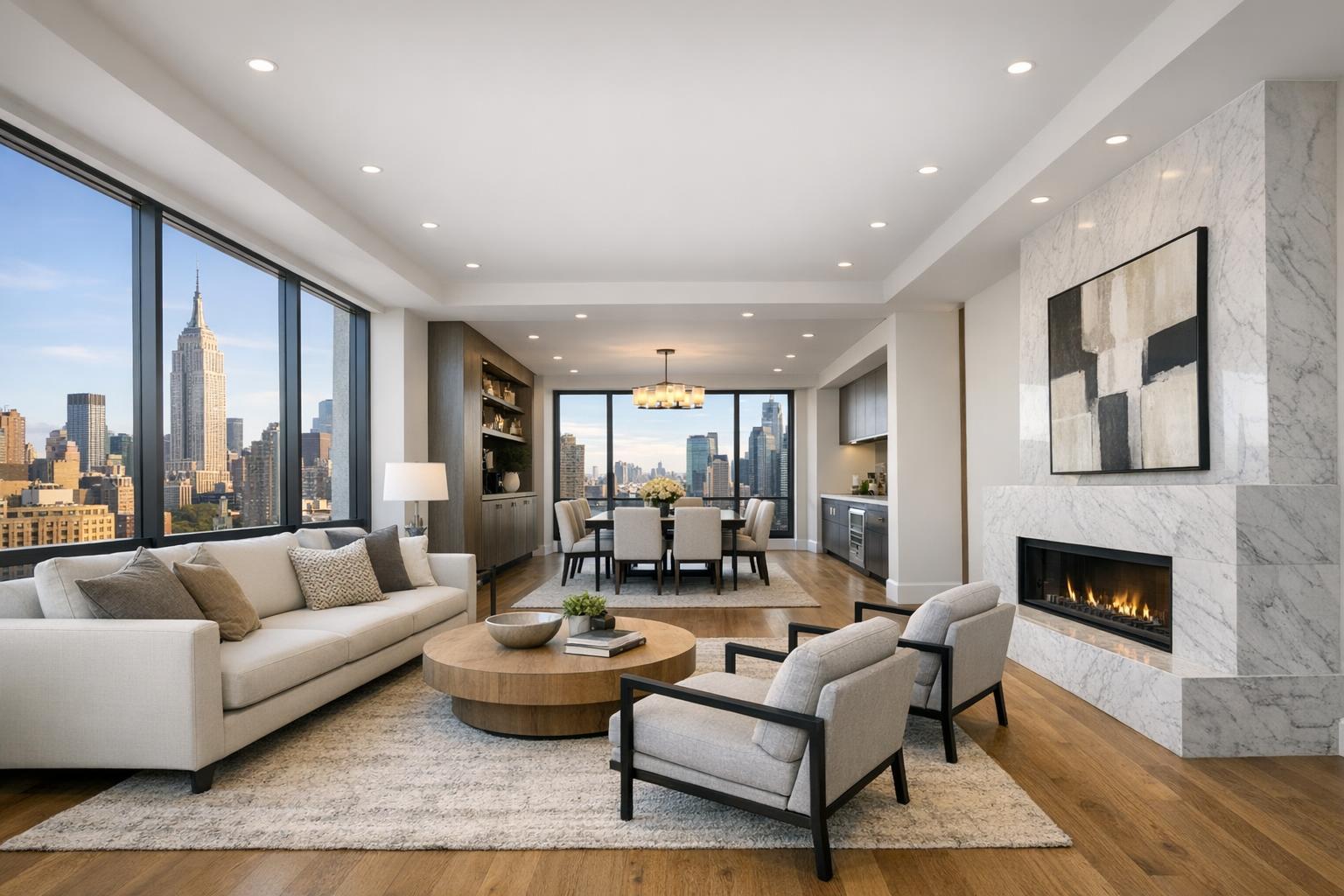
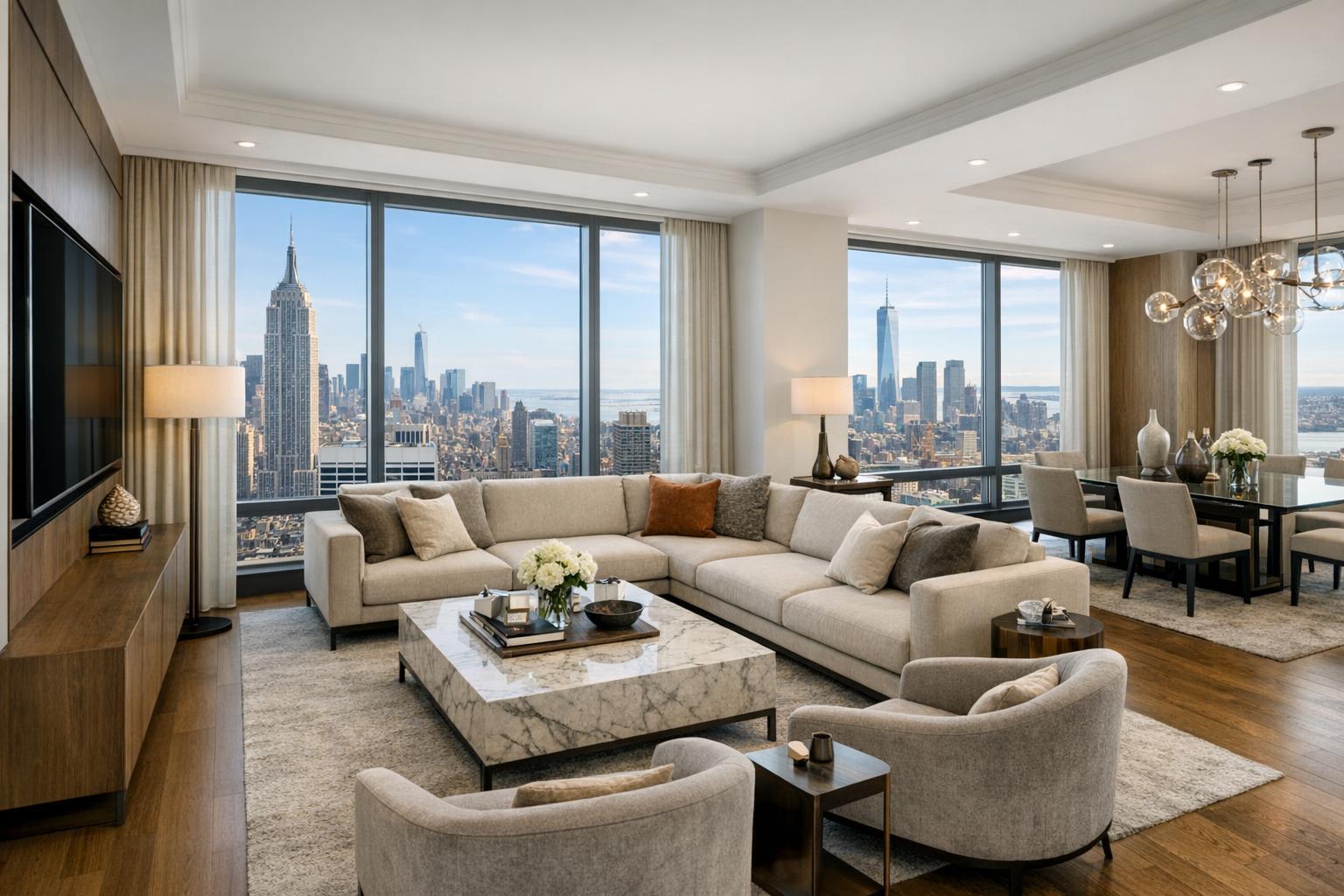
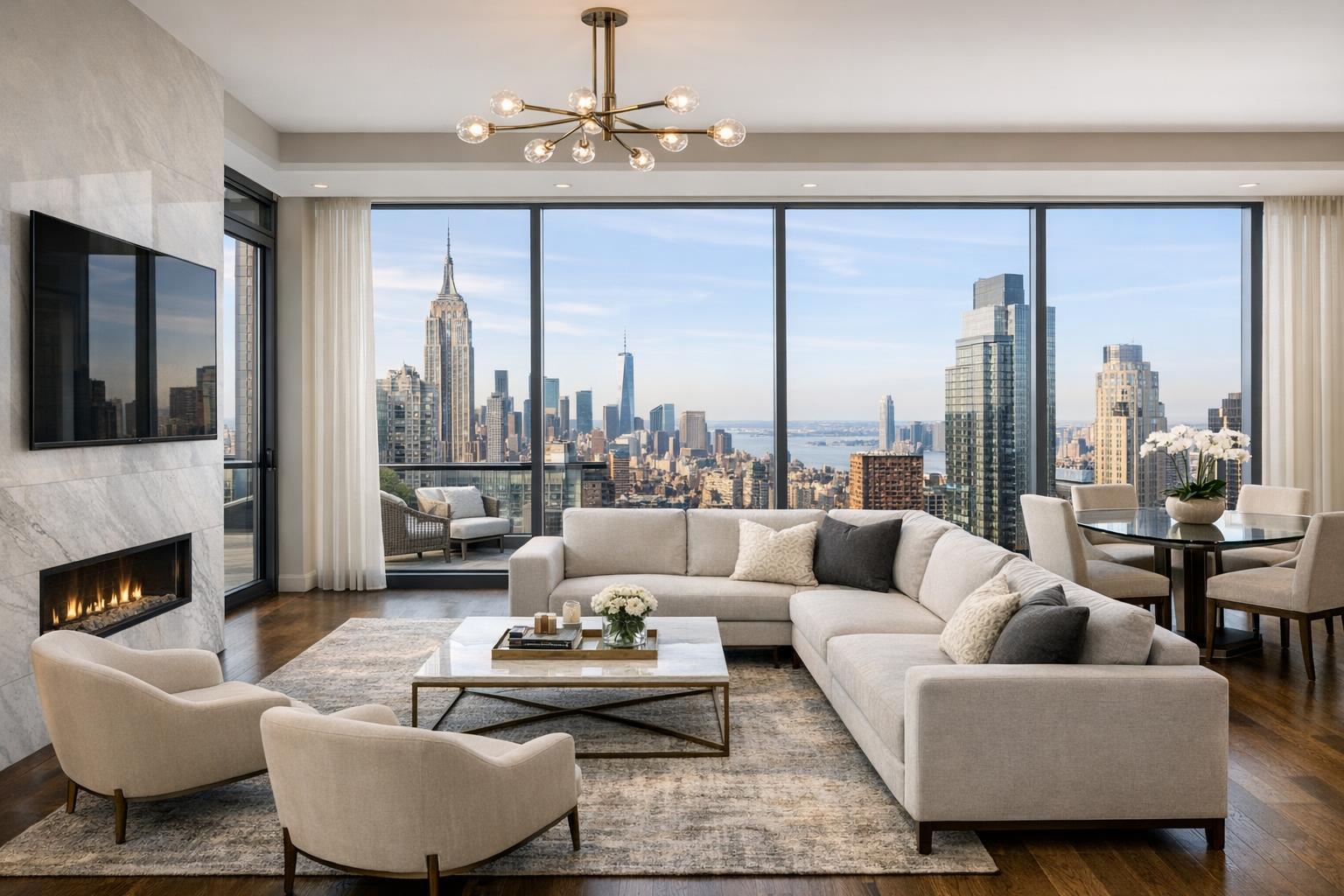
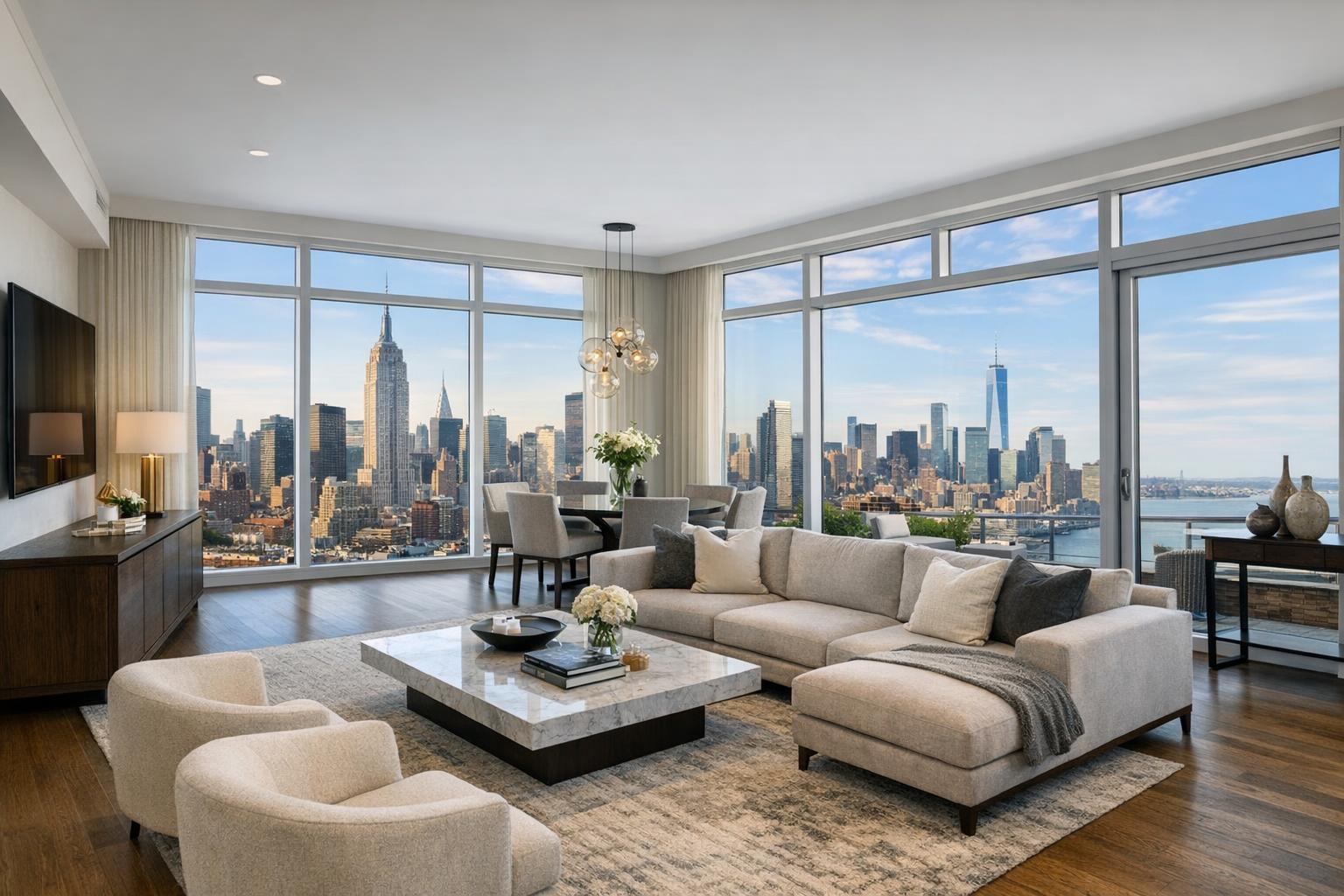
A luxurious living room with panoramic windows offers stunning views of the New York City skyline, showcasing real estate photography in NYC.
The Ultimate Guide to Real Estate Photography in NYC: Boosting Listings with Professional Media
Real estate photography in NYC is more than snapping a set of wide shots and uploading them for a listing. In practice, strong visual presentation is one of the fastest ways for agents, sellers, and landlords to communicate value, space, and unique features before anyone schedules a showing. With every type of property competing for attention across platforms—from co-ops in Manhattan to brownstones in Brooklyn and condos in Jersey City—what stands out visually is clarity, care, and authenticity.
Smart use of professional real estate photography isn’t a silver bullet that replaces competitive pricing, property prep, or good representation. Rather, it’s about delivering an honest, appealing first impression online, leveraging one of the few aspects of a listing you can directly control from the start.
What Sets Professional Property Photography Apart in NYC
In New York City, space may come at a premium, but presentation should never feel compressed or generic. The local market demands visuals that balance real-world constraints with the expectation of polish. Achieving this consistently involves a careful approach to several elements:
- Choosing the right angles: It’s about determining how to best show the room’s size without misrepresenting it—especially true for tight city floorplans or units with unique layouts.
- Balancing natural and artificial light: Many NYC apartments have dramatic window light, often set against deeper room interiors or contrasting finishes. Getting a believable exposure across both areas is more challenging than it looks.
- Visual sequencing: The best image sets walk viewers naturally through the apartment, building visual understanding from the entryway to main living areas, kitchen, bedrooms, and any notable outdoor or amenity spaces.
- Maintaining architectural integrity: Vertical lines should stay vertical, and proportions should feel natural. Proper perspective correction during editing prevents any confusion or disappointment at in-person viewings.
Professional photography is never about making rooms look artificially large; it’s about representing the property at its best, with a sense of scale and an honest story.
Why Listing Photography Matters—And How Agents Actually Use It
Photos still drive most first impressions for NYC and New Jersey listings, whether on brokerage portals, national sites, email blasts, or social channels. The images chosen shape the narrative: are we presenting move-in ready shine, highlighting pre-war detail, or introducing top-tier amenities and city views?
Well-planned coverage helps agents and owners:
- Build a consistent, confident visual identity across all marketing channels
- Clarify layout and flow for potential buyers or tenants—especially when a floor plan won’t tell the whole story
- Communicate care and attention, reassuring sellers and building client trust
For many clients, having professional photography in hand is also a layer of confidence that their property is being taken seriously in the market.
Key Elements of Effective NYC Real Estate Photography
Light, Composition, and Flow
In practical terms, light is one of the toughest aspects to manage in urban real estate photography. Window exposures can easily overpower interiors, leaving spaces feeling harsh or under-lit. New York City photographers routinely work to balance daylight and installed lighting, while editing aims to keep key details in both highlights and shadows.
Composition isn’t about the widest lens possible; it’s about making sense of a tight bedroom, showing the relationship between kitchen and living area, or capturing that moment of wow from the right sightline. In larger condos or single-family homes across New Jersey, composition might also mean sequencing images to show vertical flow, outdoor context, or unique specialty rooms.
Scale and Visual Integrity
Wide-angle lenses are tools, not shortcuts. In compact city units, they can open up a layout, but overused, they quickly produce distortion—lines start leaning, rooms stretch wider than physically possible, and what seemed like a grand entry online turns out to be a closet in person.
Quality post-production includes perspective correction and mindful cropping, maintaining the reality of the room. This is especially critical in pre-war buildings, homes with intricate moldings, or listings where architectural details truly sell the space.
Purposeful Detail
Not every listing needs an album of faucet close-ups. However, a few intentional detail shots can communicate character or upgrades: custom cabinetry, restored fireplace mantels, standout hardware, or distinctive amenities. At the same time, too many details without context can confuse viewers about the actual layout. The balance comes from capturing both the full picture and the moments that make the property memorable.
Preparing Your NYC or NJ Property: Real-World Steps
The reality is, photography sessions move faster, and final images look better, when a property has been thoughtfully prepped. Even the best real estate photographer can’t fully “fix” clutter, heavy shadows, or maintenance issues within the limits of ethical editing.
Ahead of the shoot, it’s helpful to:
- Declutter surfaces (counters, desks, shelves)
- Remove trash, laundry, and visible cords
- Straighten bedding and curtains, stage dining spaces
- Check working bulbs and open shades (where privacy allows)
- Minimize seasonal décor or personal photos if possible
- Prepare access details—building entry, elevator procedures, amenity reservations
Occupied NYC apartments present their own challenges: the aim isn’t to erase evidence of daily living, but to reduce visual noise so permanent features shine. For New Jersey homes, attention may shift to yards, driveways, and larger outdoor areas—areas that benefit from quick tidying and removal of toys, hoses, or excess furniture.
For a hands-on, room-by-room approach, see our Real Estate Photography Prep Guide.
Basic Listing Coverage vs. Luxury and High-Detail Photography
“Basic” and “luxury” are often marketing categories, but in day-to-day work, the difference usually comes down to the extent of coverage, the type of property, and the narrative being built.
- Basic photography is practical for smaller rentals, studio co-ops, or properties where clear documentation is the highest priority. It means high-quality images that quickly communicate the essential space and features—usually fewer total images, more focus on function.
- Luxury or high-detail coverage means broader image sets, attention to craftsmanship, and inclusion of supporting media where it matters (such as dusk photography, video, or drone context). High-end townhomes, penthouses, and landmark properties benefit from additional time on site and a wider array of angles, amenities, and vignettes. Still, even luxury photography aims for realism—not just drama or heavy editing.
In every scenario, the photo count should fit the property, not a generic standard. Smaller apartments can feel over-photographed if every corner is included; expansive homes can feel under-represented with only a handful of shots.
Choosing the Right Media for Each Listing
Photography is the anchor of any listing, but media decisions don’t stop there. Depending on the property’s unique selling points and the marketing plan, additional options may have a place:
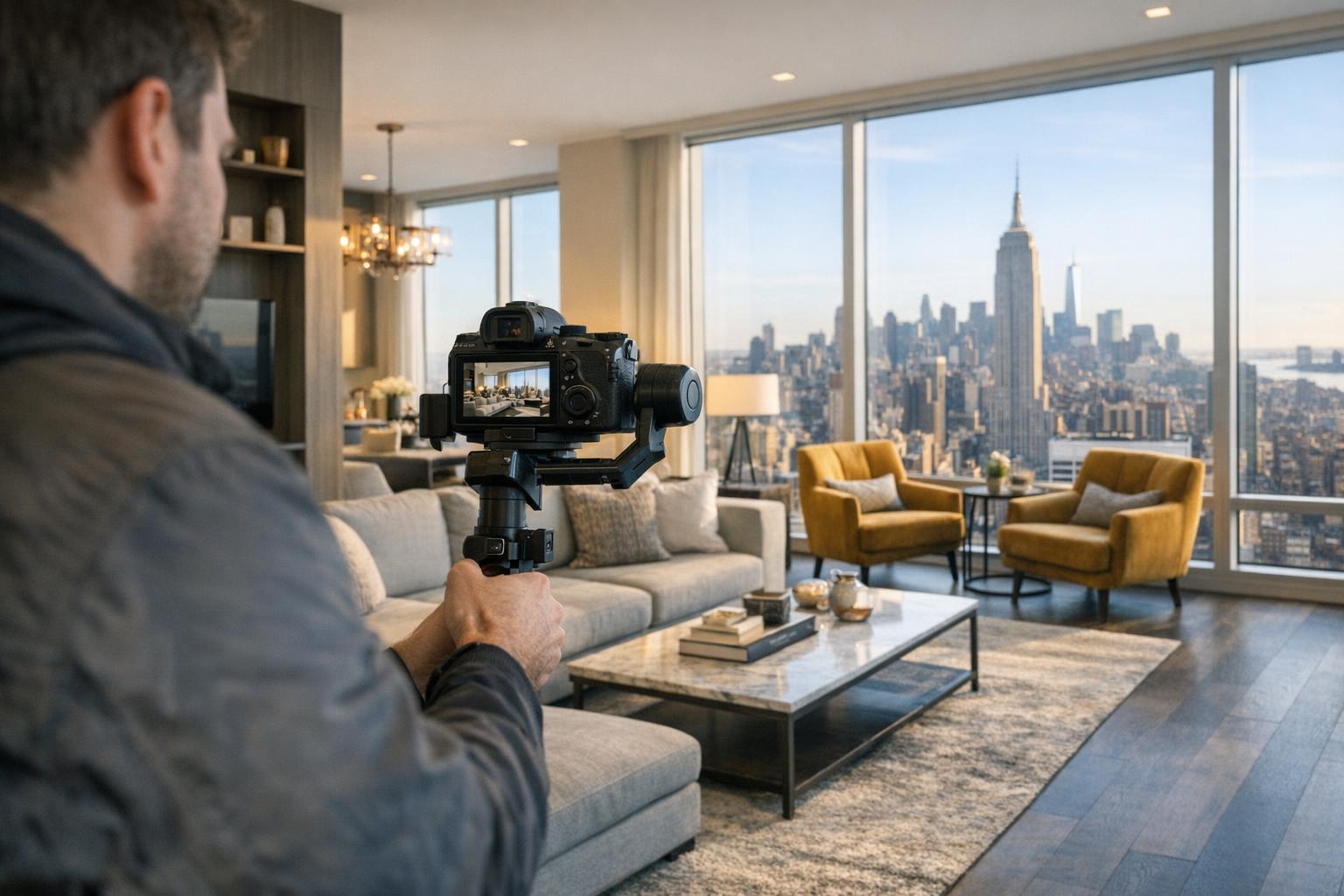
- Video: Captures room-to-room movement, scale, and atmosphere. A true listing video is always shot on site—not stitched together from stills—and is best for properties with notable flow, outdoor transitions, or compelling amenities. See more about Real Estate Videography in NYC.
- 3D Tours: Interactive virtual tours (like Matterport) allow remote exploration of the actual property, especially useful for relocations, out-of-state buyers, or thorough comparisons. These always require an on-site scan; they can’t be generated from floor plans or standalone photos. Explore Matterport Virtual Tours for NYC Properties.
- Floor Plans: Photographs convey finishes and feel; floor plans clarify layout. In NYC and complicated NJ homes, accurate on-site capture provides buyers with the confidence to understand spatial relationships at a glance. For service details, visit Real Estate Floor Plans.
- Drone/Aerial Imaging: Aerial photos or video are valuable where rooftops, outdoor spaces, or wider context are selling points—think NYC rooftops (where accessible) or larger NJ exteriors. Feasibility is always case by case, considering airspace, weather, and access.
- Virtual Staging: When a room is vacant, virtual staging gives buyers a sense of scale and possibility. It’s most effective for empty or thoroughly decluttered rooms; overlaying furniture on top of existing pieces often fails to look natural and isn’t something we recommend. If items remain, paid clutter removal may be required first.
How to Evaluate a Real Estate Photography Company in NYC
Selecting a media partner should go beyond browsing highlight images. Instead, focus on:
- Consistency in composition, lighting, and perspective across property types
- Ability to offer and deliver the specific media your listing actually needs—photo, video, drone, tours, or staging
- A workflow that accommodates building-specific requirements, access notes, and special requests
- A clear scope of editing and realistic boundaries for digital changes
- Simple booking and straightforward add-on selection, tailored to each property’s needs
- Transparent communication on limitations—especially for drone work, staging, or major edits
For a sense of what’s possible, you can browse RealtaSnap’s NYC Photography Services and supporting options.
A knowledgeable provider makes the process predictable, answers questions clearly, and sets reasonable expectations about timing, editing, and deliverables. Strong real estate photography companies are practical partners—not miracle workers, but collaborators who help listings compete visually from the outset.
Bringing It All Together: Building a Smarter Listing Presentation
Great listing media starts with understanding the unique value of the property and preparing thoroughly before the shoot. From there, focus coverage on the primary rooms and features, and add supporting media (like video, 3D tours, floor plans, drone, or virtual staging) only where it offers clear additional context.
RealtaSnap provides professional real estate photography and related media throughout NYC, New Jersey, and select surrounding areas. If you want to schedule coverage, add specific services, or learn more about preparing your next listing, you can find more information or book online at www.RealtaSnap.com.
FAQ
Question: How many photos are ideal for an NYC property listing?
Answer: The right number depends on the property’s size and the features that actually matter to buyers. A small studio or one-bedroom may only need a focused set of well-composed images, while large homes or apartments with outdoor areas may require broad coverage to show every key space. The best approach is to prioritize comprehensive but relevant photos rather than hitting an arbitrary quota.
Question: When does virtual staging make sense for NYC or NJ listings?
Answer: Virtual staging is most effective for vacant or empty rooms where buyers might struggle to imagine possible uses. For existing furnished or cluttered rooms, either physical removal or paid digital clutter removal is required before adding virtual furniture. This ensures final images look realistic and avoid digital overlap.
Question: Can drone photography be used for any NYC property?
Answer: Drone photography is evaluated for each property, with feasibility depending on factors like airspace restrictions, weather, access, and building logistics. In dense neighborhoods, rooftop access can help but does not guarantee a successful flight. RealtaSnap always approaches drone work on a case-by-case basis, and not every listing will be suitable for aerial media.