Real Estate Marketing in NYC: Choosing the Right Media for Each Listing
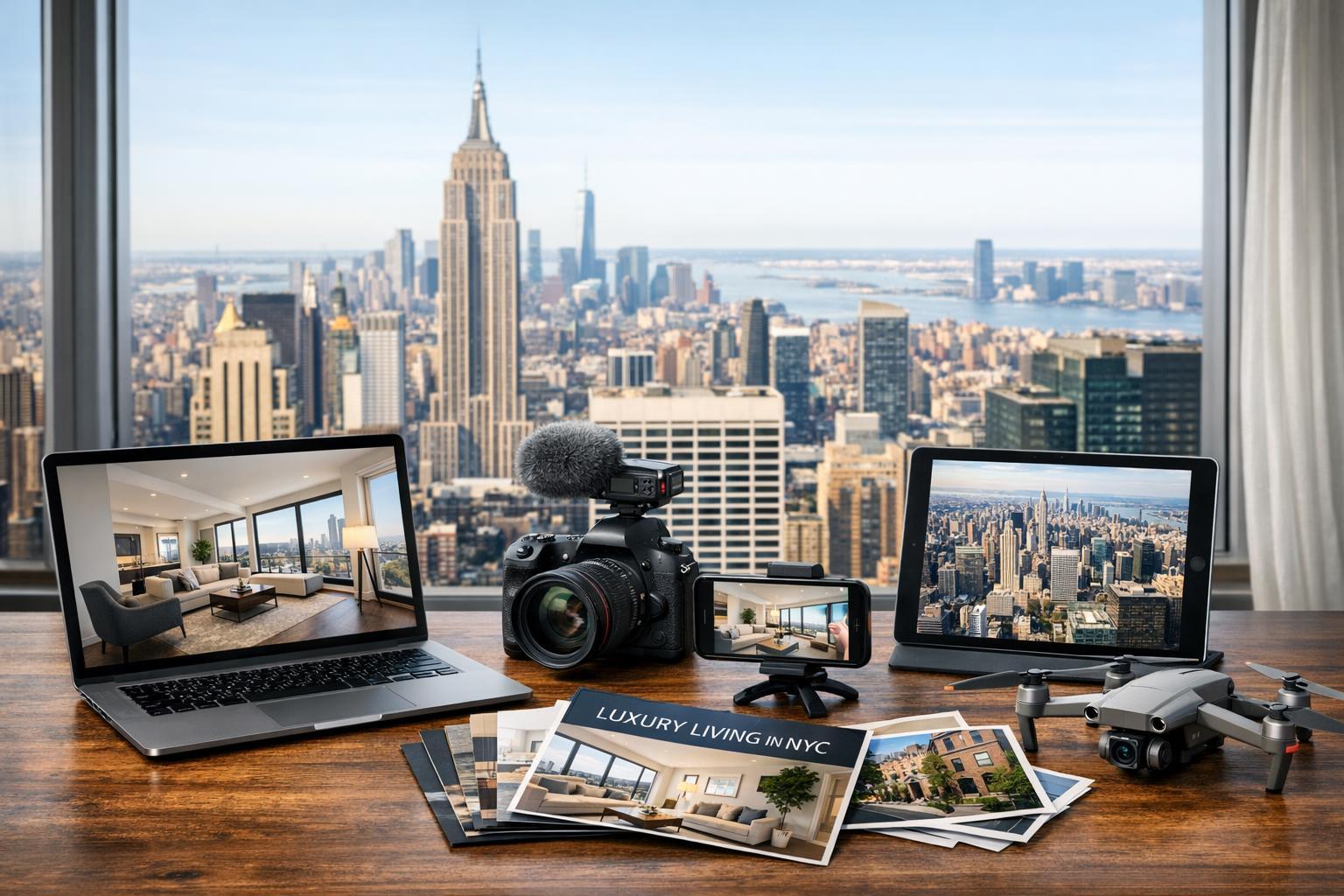
Real estate marketing in NYC is showcased with a camera, laptop, tablet, flyers, and a stunning city skyline backdrop.
Real Estate Marketing in NYC: How Media Choices Shape a Property’s Story
Real estate marketing in NYC demands a unique approach—one where every listing, whether a compact Midtown apartment, a Brooklyn brownstone, or a New Jersey home, deserves its own tailored media plan. Cookie-cutter packages can miss the mark, especially in a region where space, style, and storytelling vary so dramatically from one property to the next. The tools we use as a real estate media provider shape not just first impressions but the clarity and accuracy of every listing presented to buyers and renters.
The Heart of the Decision: Choosing the Right Media, Not Just “More”
In practice, great NYC property marketing services are more about what you show (and how you show it) than how many assets you deliver. The most effective real estate media services in NYC help a prospect quickly visualize what makes a space unique—and let agents communicate value directly and honestly.
The right decision begins before an order is placed. What does a buyer or renter really need to see or understand to evaluate this listing? Is the layout simple, or would a floor plan help make sense of tight corners and transition spaces? Is a view, a private terrace, or original detailing the selling point? Or does the property’s story depend on movement between indoor and outdoor spaces?
The way we answer these questions in consultation with agents and property marketers shapes every shoot. Not every listing needs every visual format. Instead, it’s about identifying the mix that clarifies features, answers layout questions, and represents the space truthfully.
Professional Photography: The Bedrock of NYC Listings
For nearly every listing, professional photography is indispensable. Still images are the anchor content for MLS, portals, flyers, and digital marketing. But in NYC (or North Jersey condos and suburban homes), the challenge is more than point-and-click. Tight spaces, mixed lighting, and dramatic exterior views all call for careful composition.
- In a Manhattan studio or alcove apartment, emphasizing distinct living areas and available light requires more thoughtful framing and exposure decisions than larger, more forgiving layouts.
- For pre-war apartments, capturing true ceiling height, detailing, and window placement provides visual context that buyers cannot get from a floor plan alone.
- Kitchens and baths often demand clean, precise shots that communicate finishes without distortion.
Small but critical details—like making sure architectural lines are straight and reducing glare from bright windows—make the difference between accurate, inviting photography and images that either misrepresent or undersell the space.
Some listings need only this. A straightforward apartment or simple rental may be best served by current, well-prepared photography, especially when budget or building access is limiting.
When Video Tells a Stronger Story
Photos highlight features; video reveals flow. For listings where movement and transition matter—think brownstones with multiple levels, condos with dramatic entries, or homes with extensive outdoor elements—real estate video builds the experience from arrival to finish.
Property video is most beneficial when:
- The relationship between rooms is key to the appeal.
- Amenities like gardens, rooftop decks, or pools add value.
- The listing is expected to be used for social campaigns or digital marketing beyond standard listing platforms.
Unlike slideshow videos, true listing video is captured onsite in real time, requiring the property to be fully prepped and accessible for a continuous walkthrough. This ensures the finished product genuinely represents how a buyer or renter might explore the space in person.
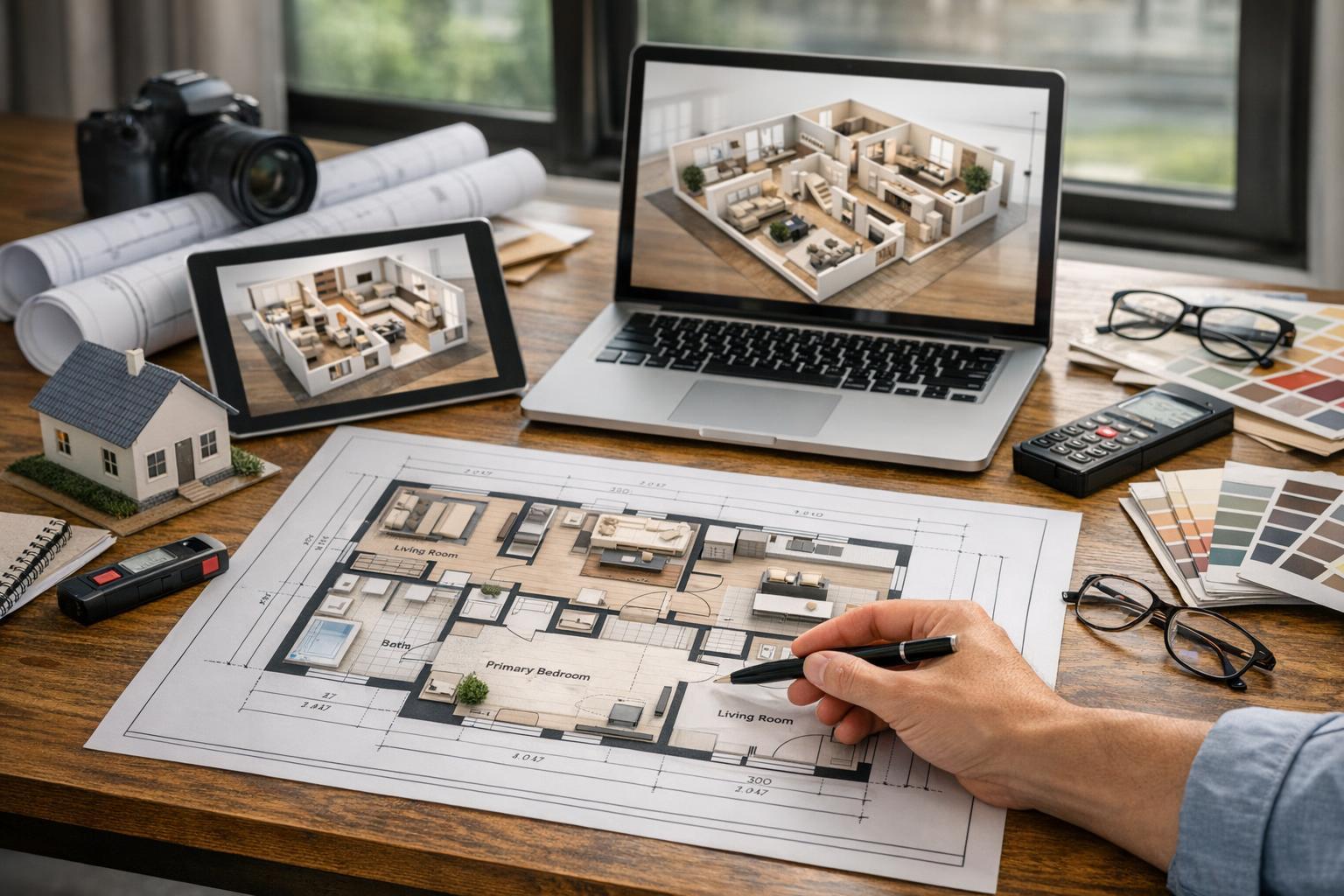
Why Floor Plans Still Matter (Especially in NYC)
In high-density markets with unique or awkward layouts, a floor plan adds value that still images often can’t. It answers “Where am I in the space?” at a glance—helpful for listings with:
- Odd room locations or shapes
- Alcove/loft configurations
- Multiple levels or duplex arrangements
- Relationship between interior and exterior areas
Floor plans aren’t just for show—they require physical, onsite measurement and capture. For properties that have combined units, added offices, or altered layouts, accurate access and preparation matter. These plans give buyers and appraisers confidence in what’s being sold or rented.
3D Virtual Tours: Making Remote Exploration Possible
The rise of 3D virtual tours, such as Matterport, has changed how properties are previewed—especially when access or scheduling is tricky, or when many prospects are shopping remotely. Unlike a video, a tour lets viewers move through at their own pace, pausing and revisiting rooms as needed.
This format excels for:
- Occupied homes with showing limitations
- Larger properties where a static set of images can’t convey scale
- Listings catering to out-of-town investors or renters comparing options from afar
A 3D scan requires onsite access and upfront preparation (not just photos or old architectural plans). It’s critical to set aside time for accurate capture and clean, unobstructed pathways.
Virtual Staging and Vacant Spaces
Vacant rooms are a blank slate—sometimes too blank for buyers to picture themselves living in them. Virtual staging steps in to suggest possible uses, highlight scale, and add warmth to these empty spots. It’s most appropriate in:
- Empty apartments or homes
- Recently renovated but unstaged properties
- Rooms with an unusual shape or purpose
For best results, virtual staging should be applied to clean, empty rooms; existing furniture or clutter gets in the way, physically and visually. When dealing with occupied listings, clearing extra furniture or personal items during prep is almost always a better first step.
Aerial and Drone Media: Adding Context Above the Roofline
Drone photography and video can offer valuable geographic, architectural, or outdoor context for the right listing: suburban homes, properties with notable grounds, or buildings with rooftop amenities. In dense urban environments, it’s not always possible—or necessary—to include an aerial view. Drone operations depend on local airspace rules, weather, available access, and pilot discretion.
When feasible, drone media complements—not replaces—ground-level photos and interior walkthroughs. It should provide context for the property’s location, lot, or outdoor appeal.
For more on using drone media in New York City and New Jersey, see our drone photography overview.
Practical Field Considerations: Preparation and Access
A great media plan can only deliver when the property is accessible and ready:
- Confirm building entry, certificate, and elevator requirements for NYC buildings.
- Plan around occupants, pets, and construction schedules.
- Clear countertops, hide excess cords, minimize personal items, and prep rooms for capture.
- Open shades only if the view genuinely adds value or supports the feeling of the room.
- Confirm all areas intended for coverage—interiors, terraces, exteriors, or roofs—can be accessed at the scheduled time.
RealtaSnap captures what’s present at the appointment—so focused preparation, from clearing clutter to turning on appropriate lights, directly supports the quality of your media assets.
To help agents and property marketers plan for shoots, we’ve assembled a focused guide: preparing your property for real estate photography.
Matching the Media Mix to the Listing
No two listings require the same combination of assets. Here are a few examples that commonly fit our local markets:
- Compact Manhattan apartments: Professional photography is non-negotiable; a floor plan or virtual tour are worth adding if the layout is tricky or access is limited.
- Brooklyn brownstones: A package combining photos, video, and floor plan often captures the full character, highlighting room transitions and outdoor space.
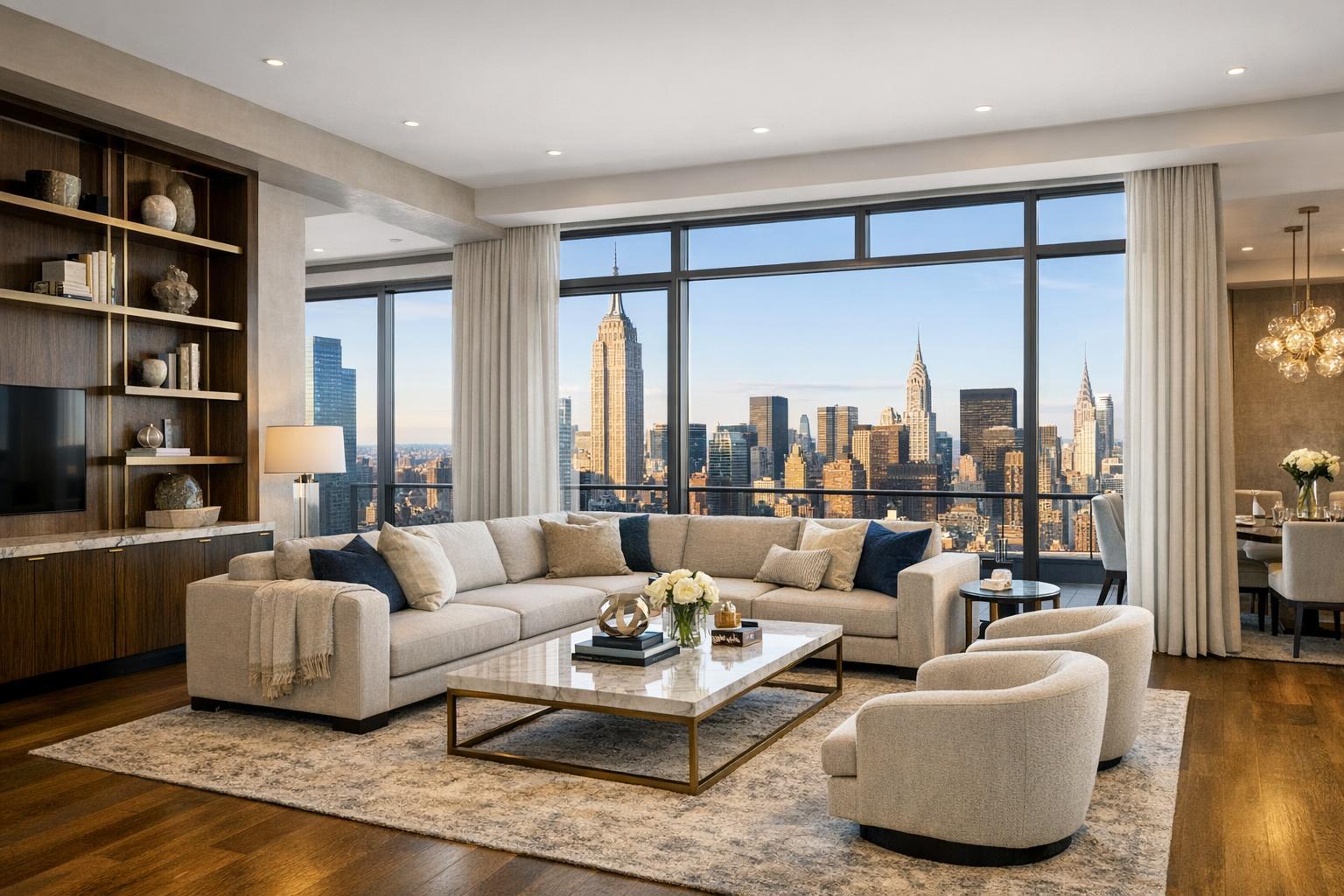
- Condos with major views: Images balancing interior and exterior light, potentially with supplementary video or virtual tours, help show both the space and the city.
- Vacant renovations: Crisp photos and (where practical) virtual staging make empty rooms relatable; accurate floor plans clarify what’s new or updated.
- Larger New Jersey homes: More expansive coverage (including drone, video, and plans) may be called for, but every media piece should answer a clear presentation need.
Booking Listing Media with RealtaSnap
Convenience is important for NYC and New Jersey agents managing multiple listings. With RealtaSnap, you can book online around the clock for standard shoots. The booking process is simple: enter the service address, add any notes, choose your services, and pick a time. If it’s visible on the calendar, it’s available. Standard appointments require at least 24 hours’ notice, and payment is collected at checkout.
If you’re coordinating more complex listings or need a service quote, you’re encouraged to reach out for a conversation first.
The Takeaway
Real estate marketing in NYC is all about clarity and credibility. Rather than defaulting to a long list of visual assets for every property, start with what makes the listing compelling and easy to understand. Select the media formats—whether photos, video, floor plans, virtual tours, staging, or aerial—that help tell an accurate, persuasive story, then prepare the property accordingly.
Visit www.RealtaSnap.com for guides, booking, or more details about presenting your next NYC or New Jersey listing.
FAQ
Question: Do I need to order every media format for my NYC property listing?
Answer: Not necessarily. Most listings start with professional photography. Additional assets like floor plans, video, or a 3D tour should solve specific problems: illustrating a tricky layout, capturing vertical movement, or supporting remote buyers. The most effective media mix addresses what buyers want to know about a particular property.
Question: Can a floor plan or virtual tour be created from existing photos or building plans?
Answer: No, both floor plans and 3D virtual tours require physical onsite capture by the media provider. They can’t be generated from old photos, marketing plans, or PDFs because those don’t provide the spatial data needed for accurate deliverables.
Question: Is drone photography always possible for NYC listings?
Answer: Drone work is reviewed case by case. Airspace restrictions, weather, safety, building access, and pilot discretion all play a role. In certain dense city areas, flights may not be allowed; in others, roof access could make it feasible. Agents interested in drone coverage should confirm availability before assuming it can be included.