How to Choose the Right Real Estate Video Tour for Your Listing
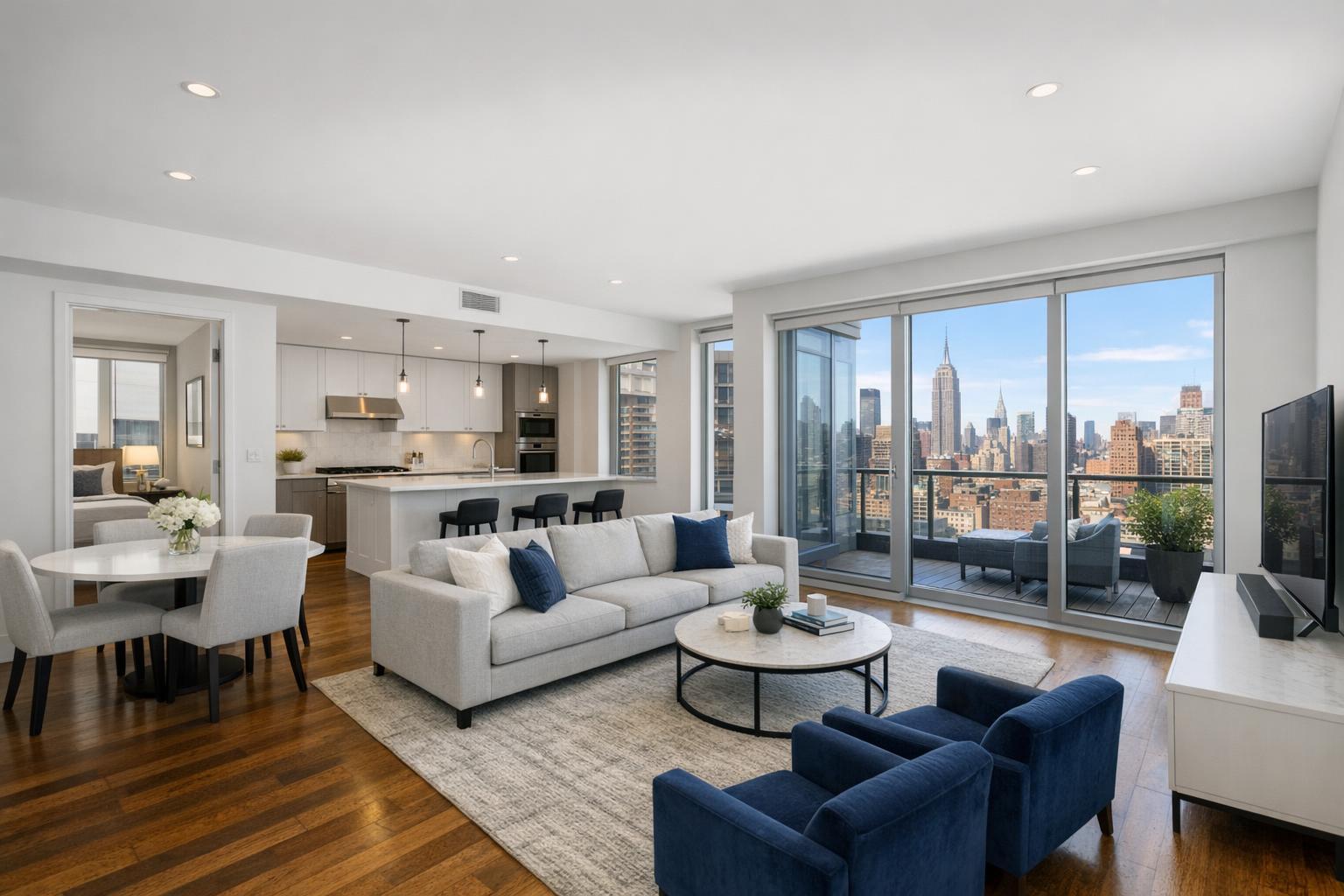
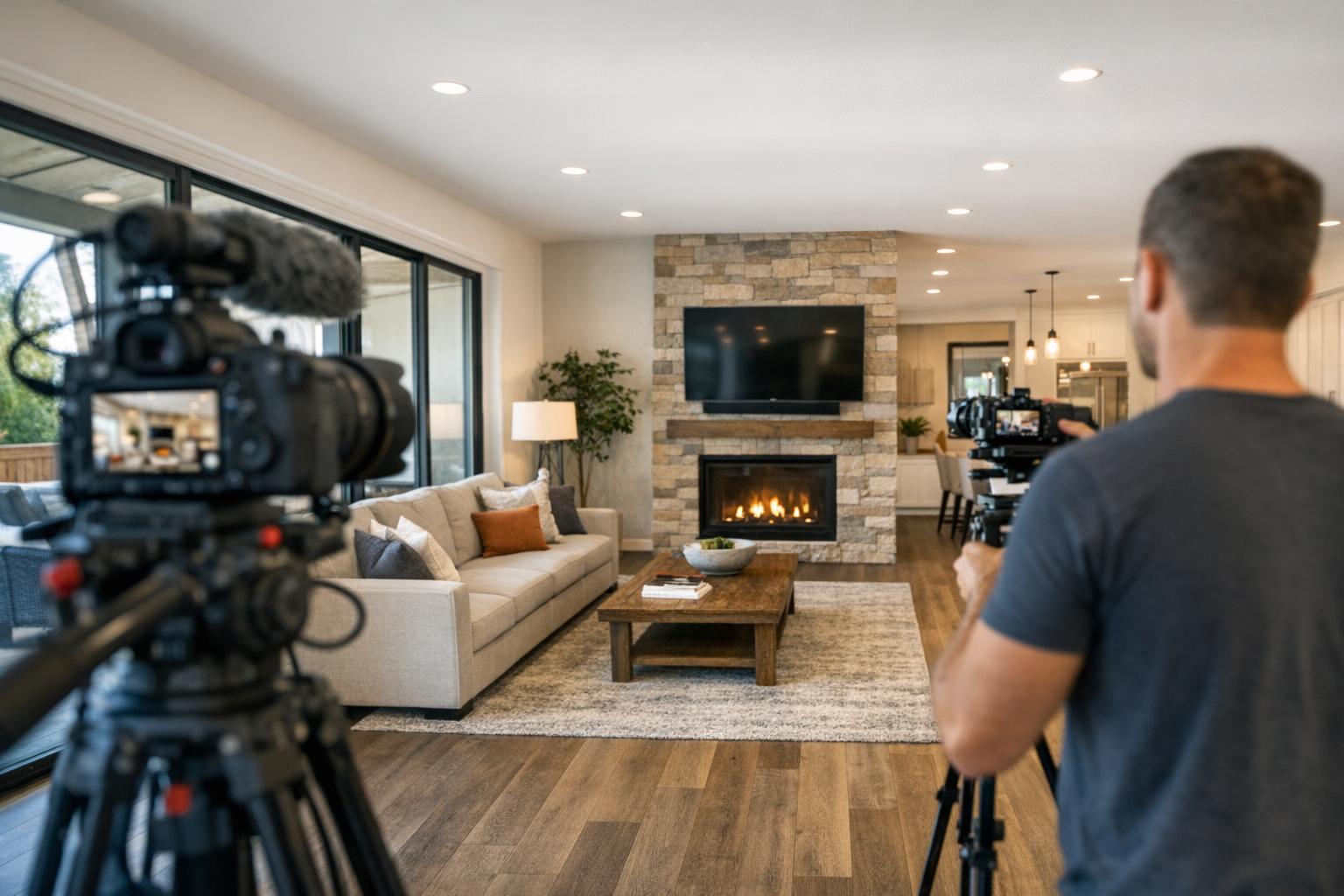
A real estate video tour is being filmed in a modern living room featuring a cozy fireplace, a large flat-screen TV, and stylish decor.
How to Choose the Right Real Estate Video Tour for Your Listing
A real estate video tour is often the first immersive touchpoint buyers or renters have with a property, but choosing if—and how—to use video requires more thought than simply checking a box on your media order. Real estate video tours, especially in markets like NYC and New Jersey, can make a listing feel more vivid, but the real impact comes from matching the right format, coverage, and story to the property itself.
This guide explores what property professionals actually need to consider before booking a video tour, how property walkthroughs differ from alternatives, and how to get the most from a professional, on-site video shoot.
Rethink What Makes a Great Video Tour
Not every listing will benefit the same way from a real estate video tour. Video has a unique advantage: it reveals how spaces connect as viewers move through them, which can clarify flow, highlight standout features, and create a memorable sense of place. But unless the property has a story that’s best told with movement—such as a dramatic entry, a connection between indoor and outdoor spaces, or distinct living zones—a series of professional photos and a clear floor plan may communicate just as much, often more efficiently.
Take the classic NYC apartment. Many have compact layouts where the sequence of entry, kitchen, bedroom, and living areas matters more than the square footage. A thoughtfully captured video can showcase this flow, showing how someone might actually experience moving through the space. In contrast, a large New Jersey home with open entertaining areas, a deck, a pool, or landscaped grounds naturally calls for more coverage and context. It’s less that one approach is “better,” and more that different stories need different tools.
Video is most valuable when:
- Room-to-room flow is a defining feature.
- There are memorable transitions (like top-floor staircases or sightlines to Manhattan).
- Outdoor areas connect seamlessly to interiors.
- Building amenities or neighborhood context elevate the listing.
- The agent or owner can add useful perspective through on-camera commentary.
When a video tour tries to function as a checklist—showing every corner just because it exists—the result is often a longer, less strategic viewing experience. Success hinges on focus: help prospective buyers or tenants understand the key experience that makes this property stand out.
How On-Site Video Differs From Photos, 3D Tours, and Floor Plans
It’s easy to assume all listing media communicate the same thing, but each format has distinct strengths:
- On-Site Property Walkthrough Video: Professionally captured, these tours lead viewers through chosen spaces in a planned sequence. Video can express arrival, movement, light, views, and the emotional “feel” of each room. RealtaSnap creates site-specific videos—never simple slideshows of still images—so the camera follows a natural, lived-in path that reflects the real property.
- Photography: Stills let viewers pause, study details, and understand finishes, views, and proportions. Strong listing photography acts as a visual record, with each image telling its own story. For smaller apartments or straightforward homes, photos may answer most buyers’ questions.
- 3D Virtual Tours: These interactive experiences allow users to explore on their own terms, revisit rooms, and examine spatial relationships at their own pace. A 3D tour is a complement to, not a replacement for, video—it’s best for more complex properties or remote viewers deciding if they want an in-person showing. Creating a 3D tour requires a physical on-site scan.
- Floor Plans: A drawing or measured plan communicates layout at a glance. Buyers can see if bedrooms are separated, how traffic might flow, or where a den or office could fit. Like 3D tours, floor plans require site capture and cannot be made from old plans alone.
Understanding these differences saves agents time and budget—and avoids “doubling up” on media that doesn’t add new value.
Does Video Add Clarity or Just More Content?
Before investing in a property walkthrough video, ask: What will someone learn in motion that isn’t obvious from the photos?
When video is essential:
- A dramatic entry opens into an open-plan living space.
- The kitchen, dining area, and terrace work together as a single entertaining zone.
- The property’s approach—driveway, entry, grounds—sets the mood.
- Amenities like a gym, rooftop, or common spaces define part of the appeal.
- An agent can add concise commentary on design, renovation, or lifestyle features.
If a property is visually simple or isn’t ready for filming, focusing on photos (and, where helpful, a floor plan) may be the smarter move. In practice, the most successful media plans are intentional: every piece of content should bring something unique to the table.
Planning the Property Walkthrough
Effective video tours look effortless because they’re planned. Working with a professional team means deciding in advance:
- The starting point and natural camera path.
- Which rooms or outdoor areas deserve extra attention.
- Which spaces can be shown briefly or omitted entirely.
For an NYC apartment, a video might highlight:
- Entry and first impressions.
- Transitions between living and dining areas.
- Views, natural light, and finishes in primary spaces.
- Unique features like built-ins, storage, or building amenities.
For a New Jersey home, priorities may shift to:
- Curb appeal and property approach.
- Flow through main living/deck/outdoor entertaining zones.
- Scale and flexibility of secondary spaces (like family rooms or guest suites).
- Aerial shots, when feasible and allowed.
Every property has different strengths. The strongest videos use time wisely, avoiding repetition or filler.
Preparing the Space: Video Is Less Forgiving Than Photography
Because video captures movement through space, it often reveals more than static photos. Items only barely visible in a photo—a crowded kitchen counter, a half-open closet, cords, pet gear—can become distractions as the camera moves. A tidy room in a photo can look cluttered in video.
Tips for video prep:
- Clear surfaces and window ledges.
- Remove bins, personal items, visible cords, and pet objects.
- Make beds and arrange pillows neatly.
- Use lighting that highlights the property’s assets; replace burned-out bulbs.
- Open curtains where daylight or views matter.
- Close doors to unshown rooms.
- Double-check building or amenity access for multi-unit or amenity-heavy listings.
Occupied spaces can be filmed successfully with advance preparation. The goal isn’t to erase all personality, but to keep the focus on the property—not on the stuff inside it.
Why Lighting, Timing, and Scheduling Matter
Video is sensitive to light quality, direction, and consistency. Bright window light adds impact, but must be managed to avoid overexposure or dark interiors. Mixed lighting (such as warm lamps with cool daylight) can change color balance through a walkthrough. Scheduling a shoot for a property’s best lighting—like hitting an afternoon glow in a west-facing living room—is something experienced providers handle, but agents and owners can help by arranging access at the ideal time.
In denser NYC contexts, coordination around elevator schedules, amenity access, and lobby times often matters just as much as sunlight. Pre-planning prevents rushed or incomplete coverage.
Choosing the Right Level of Video Coverage
There’s no universal “right length” for a property walkthrough. Decisions should reflect the property’s scale, intended audience, and the marketing story.
RealtaSnap offers on-site video options tailored to different needs, from concise one-minute cuts with contact info to premium edits that include custom branding, animation, and extended footage of common areas, amenities, and the surrounding neighborhood. For listings where the agent’s expertise adds unique value, Premium + Interview options bring an extra layer of context through on-camera or voice-guided commentary.
Sometimes, the most effective video is tightly focused—a short highlight reel for a studio or rental; a broader, feature-rich walkthrough for a larger home or amenity-driven building. Alternate video cuts for social channels are also available and can help reach wider audiences across platforms. You can see more about available formats on the RealtaSnap real estate videography page.
Weighing Exterior and Aerial Video
Aerial or exterior video can add genuine context, especially for properties where the setting or scale is a selling point—think larger suburban homes, waterfront locations, roof decks, or dramatic urban lots. However, drone work is always subject to practical constraints: FAA airspace rules, weather, safety, property access, and pilot discretion all shape what’s possible. In some urban cases, roof access can help, but even then, not every building allows for a drone flight. Share your intended needs early in the planning process for the best chance of including these shots.
Fit the Video Plan to the Property—Not the Other Way Around
A well-matched video tour is selective; it answers the questions real buyers have and matches the property’s strengths. A Manhattan co-op with a unique layout might call for a succinct film focused on flow and finishes. A sizeable New Jersey home often justifies a longer, more narrative presentation showing approach, interior, and exterior. For luxury or complex listings, a brief agent interview can provide additional context and credibility.
RealtaSnap offers on-site real estate videography for properties throughout New York City and New Jersey, tailoring solutions to the property, the client, and the audience. For more information about our service options or to discuss a specific property, visit www.RealtaSnap.com.
FAQ
Question: How is a real estate video tour different from a video made out of listing photos?
Answer: A real estate video tour is captured on-site and moves fluidly through the property, showing actual movement from space to space. A video made from listing photos is just a slideshow of stills and doesn’t show the true flow or sequencing of rooms.
Question: Should I order video, 3D tours, and floor plans for every property?
Answer: Not always. Video walkthroughs show motion and flow, 3D tours allow interactive viewing, and floor plans make layout clear. The right mix depends on the property, budget, and what your audience needs to know. Consider each media type as a tool with its own strengths.
Question: Can the listing agent appear in the video tour?
Answer: Yes. RealtaSnap offers a Premium + Interview video option where the agent or homeowner can add on-camera or voice commentary. This is most effective when the agent can keep comments concise and focused on unique property insights rather than repeating what’s already seen in the footage.