How to Choose the Best Real Estate Photographer in NYC: A Complete Guide for Agents
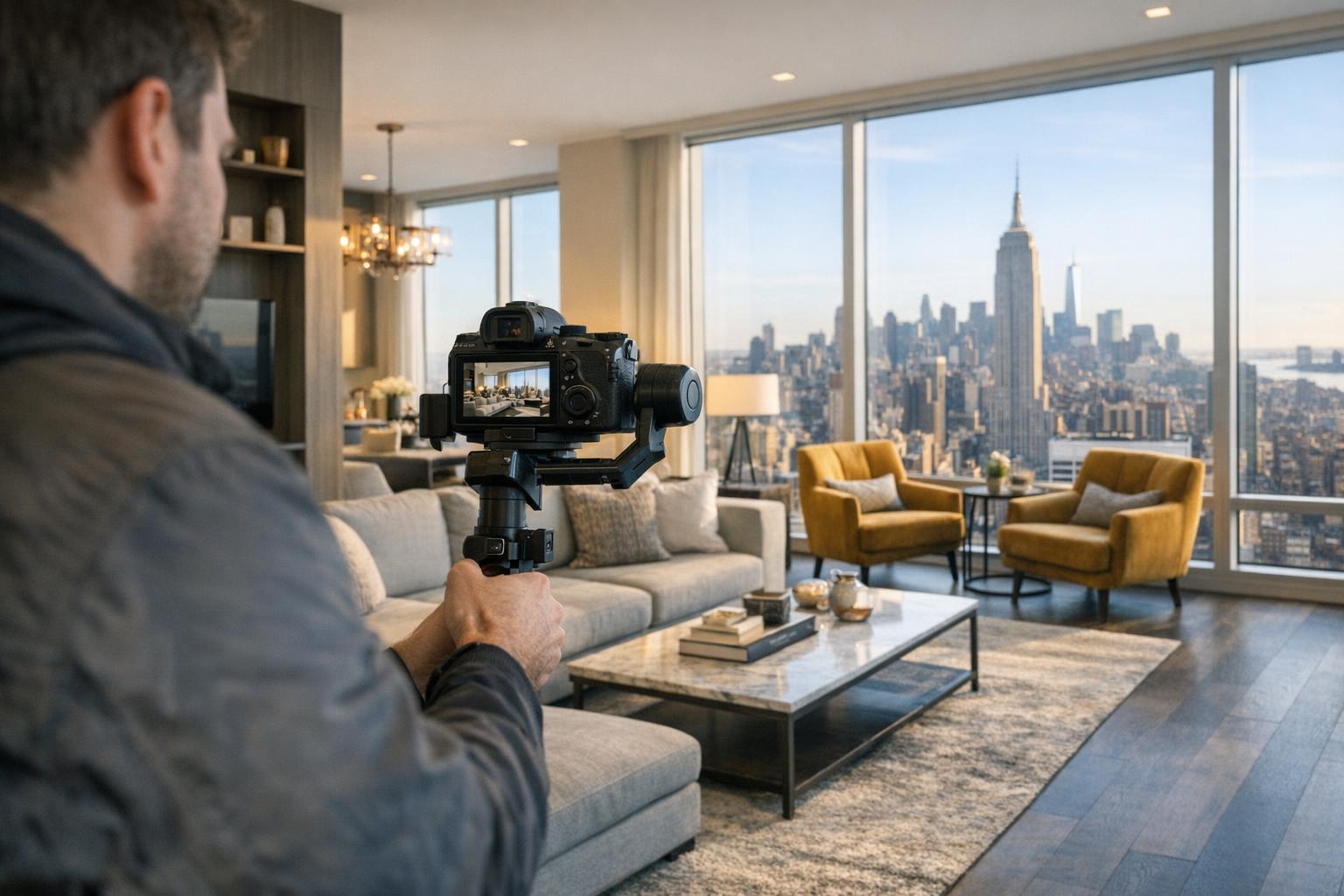
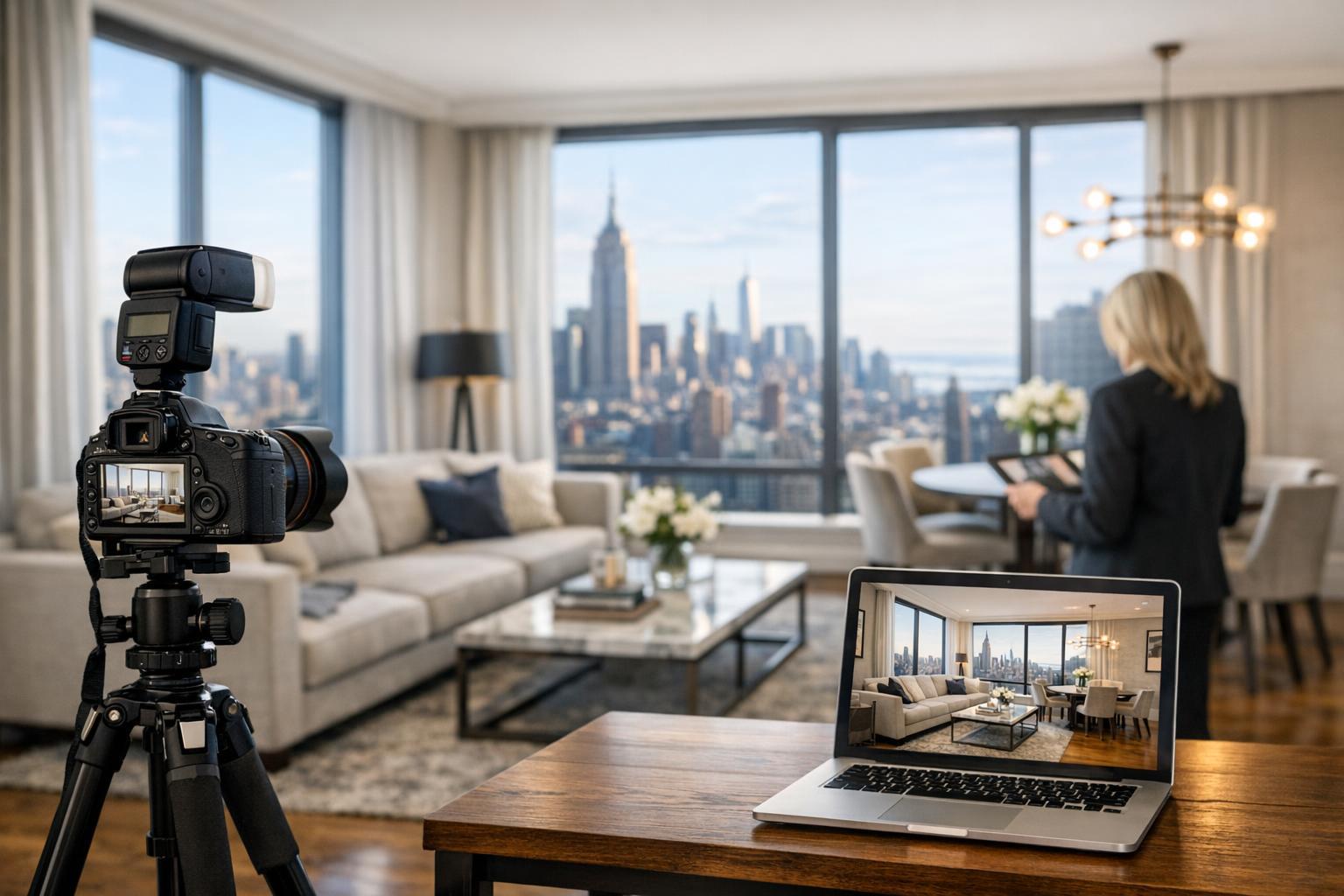
A real estate photographer in NYC captures a luxurious apartment interior with a camera and laptop, set against a stunning city skyline backdrop.
How to Choose the Best Real Estate Photographer in NYC: A Practical Guide for Agents
A real estate photographer NYC professionals can trust is one of the most valuable resources in a property marketing toolkit—especially in a city where every square foot counts and listings need to present clearly from the very first glance. The complexity of New York City and New Jersey real estate—from compact Manhattan studios to historic brownstones, luxury condos, or sprawling suburban homes—means that finding the right real estate photography NYC provider goes far beyond hiring someone with a camera.
Below, RealtaSnap shares practical insights on what to look for, how professional standards are set in this unique market, and what agents and property managers should consider before booking their next shoot.
Evaluating Portfolio Quality: More Than Just Bright Images
The portfolio is the foundation. When you review a property photographer NYC agents might hire, don’t just scan for the brightest or most visually striking photos. Instead, look for skillful presentation that helps viewers genuinely understand each space. Consistency is key. Reliable work features:
- Straight, natural-looking architectural lines and room perspectives
- Balanced window and interior exposures, even in rooms with challenging light
- Compositions that allow each room to feel connected, not isolated
- Clean framing—objects at the edge of a frame can distract from the property itself
- Realistic colors and lighting (an apartment shouldn’t look more like a rendering than a physical space)
- Appropriate sense of scale without over-relying on wide-angles that mislead
Review several examples, ideally focusing on property types and layouts similar to those you handle. If your portfolio of listings includes high-rise co-ops, historic buildings, Brooklyn brownstones, or New Jersey homes with yards and multiple levels, the photographer’s work should reflect an understanding of those spaces.
Visual Judgment Over Preset Filters
Editing can enhance—but also distort—a property’s representation. Overdone editing leads to harsh shadows, blue-tinted windows, or fantasy-level saturation that doesn’t match the in-person experience. Ask yourself: Do these images let me read the layout, surfaces, and features as they truly exist? Accuracy builds trust and reduces surprises during showings.
NYC (and NJ) Experience Shapes the Entire Process
NYC brings unique practicalities. Building access, elevator scheduling, narrow hallways, and shifting schedules all play a role in how (and when) a shoot unfolds. New Jersey, on the other hand, often involves larger properties and more exterior coverage, each with their own logistical concerns.
Experienced real estate photographers know how to:
- Coordinate with doormen and building staff
- Understand when daylight is workable for a north-facing studio versus a many-windowed penthouse
- Navigate property rules and permission requirements that might be unique to a co-op or new development
- Prepare for external factors like busy city streets or limited parking
Ask the photographer directly about their process for handling logistics, access, and potential curveballs. The right provider comes prepared—not only to capture the best angle, but to work within the actual realities of the property.
Mapping Out the Property's Story Through Photos
Every listing begins with a main photo, but the full gallery should thoughtfully introduce the home’s highlights, then guide viewers step by step through the space. The order/images should reflect the property’s strongest selling points—be it newly renovated kitchens, outdoor space, original craftsmanship, or panoramic city views.
A practical tip: Share your priorities before the shoot. If a windowed study doubles as a potential nursery, or an open-plan living area is the key feature, communicate this in advance. Still, a skilled photographer will be able to notice less-obvious details on site and suggest compositions or sequences beyond the written brief.
Dependable Turnaround and Clear Delivery
Efficiency matters. Agents and property managers often work within fixed listing dates, open house schedules, or fast-moving staging requirements. Before you book, clarify:
- When will images be delivered?
- Is turnaround always the same, or does it vary by package or property type?
- How will files be organized and transferred?
- What’s the process for requesting edits or supplemental images?
- Are weekends and holidays handled differently compared to standard business days?
With RealtaSnap, standard photo galleries are typically delivered within 24 hours for NYC and New Jersey listings, and the online booking platform allows users to select the preferred date and services—streamlining the process for agents who need everything to happen on schedule.
Choosing Media Options That Match Real Listing Needs
Photography should be the baseline for almost any property listing. But additional services can clarify the layout, create engagement, or solve property-specific challenges.
- Floor Plans: These are especially useful for condos with unique layouts, townhomes spanning multiple stories, or properties where spatial relationships aren’t immediately clear in photos. Keep in mind, floor plans require on-site access and can’t be made remotely from previous documents or photographs.
- Matterport 3D Tours: Interactive tours allow potential buyers or renters to "walk" through remotely, which is valuable when the property is large, has a complex layout, or targets out-of-town buyers.
- Virtual Staging: Works best in completely vacant or properly decluttered rooms, enabling viewers to visualize possible layouts and furnishing scales.
- Video & Drone: Video is ideal for showing flow and atmosphere, while drone visuals (subject to FAA rules, airspace, access, and weather) can highlight rooftops, large lots, or the property’s relationship to surroundings.
For a deeper breakdown of which services are available, see RealtaSnap’s full list of real estate media options.
Comparison Shopping: What Actually Matters?
A lower quote may look appealing until hidden limitations—such as too few images, unclear delivery windows, or exclusions—become apparent. On the other hand, adding every possible service to every listing can drain budgets quickly and overcomplicate the process.
Focus on what’s actually necessary for your property:
- Total number of delivered images
- Interior and exterior coverage, matched to the size and style of the property
- Editing consistency and realistic post-production expectations
- Turnaround time appropriate for your schedule
- Add-ons like floor plans or virtual tours if they clarify important aspects of the home
- Ease of communicating with and scheduling the provider
Smaller listings may need only a core photo package, while large townhouses or multi-unit buildings may justify floor plans or video. Let the property itself—and its audience—inform these decisions.
Preparing Properties: Collaboration Improves Outcomes
Even with expert real estate photography, a well-prepared property always delivers stronger results. Preparing the space ahead of time means the photographer spends less time clearing distractions and more time perfecting composition and lighting.
Preparation checklist:
- All lights on, with working bulbs
- Counters and surfaces cleared of unnecessary items
- Removable objects (cords, bins, pet items) out of sight
- Beds made, linens smoothed, pillows fluffed
- Window treatments open if privacy permits, maximizing natural light
- Balconies and amenities accessible if they’ll be photographed
- Share building entry, lockbox, and access notes prior to the session
For apartments and homes that are still occupied, prioritize the main photographed rooms and communicate any areas with unique restrictions or characteristics.
More tips are available in the RealtaSnap property prep guide.
Smart Questions to Ask a Photographer—Before Booking
A few well-chosen questions help ensure the photographer’s process aligns with your workflow:
- Can you share examples similar to my property type and layout?
- What’s your typical photo delivery timeline?
- How do you approach balancing bright windows or mixed lighting?
- Is there a recommended preparation checklist for the owner or occupant?
- Which additional media services, if any, are practical for this listing?
- How do you navigate building access and last-minute changes?
- How is drone service evaluated for NYC listings?
If you receive clear, confident answers, you’re on the right track.
Why Professional Visual Media Still Sets Listings Apart
For experienced agents and managers in New York City or New Jersey, great photography isn’t a "bonus"—it’s the baseline. It communicates the actual scale, flow, and finish of a home and minimizes misaligned expectations during showings. Professional images, consistently shot and edited, demonstrate respect for details that buyers, renters, and cooperating agents now expect.
Floor plans, video, interactive Matterport tours, and thoughtful virtual staging can all contribute to a clearer picture of the property for remote viewers or those trying to understand specific features from afar.
At RealtaSnap, clients can book online with just 24 hours’ notice in most cases. You’ll choose services, add property access notes, and select from live availability—all designed to make scheduling and delivery as smooth as possible. More information is available at www.RealtaSnap.com.
FAQ
Question: What is the standard turnaround for real estate photography in NYC?
Answer: For most NYC and New Jersey listings, RealtaSnap delivers edited photos within 24 hours of capture. Faster timelines are possible depending on the schedule, and delivery details are always confirmed at booking.
Question: When is it worth adding a floor plan or Matterport tour to a listing?
Answer: Floor plans work best when the property’s layout isn’t immediately clear, such as in multi-story homes or unconventional apartments. Matterport tours give viewers an interactive walkthrough and are particularly valuable for remote buyers or listings where room flow is a major selling point.
Question: Can virtual staging be done on rooms that already have furniture?
Answer: Virtual staging at RealtaSnap is intended for vacant or fully decluttered rooms for accuracy and realism. If the space includes furniture or clutter, a clutter-removal edit should be completed first before staging can be applied.
For expert real estate photography and media services throughout NYC, New Jersey, and select surrounding areas, visit www.RealtaSnap.com to explore options or schedule a shoot.