How to Choose Real Estate Videography Near Me for Your Next Listing
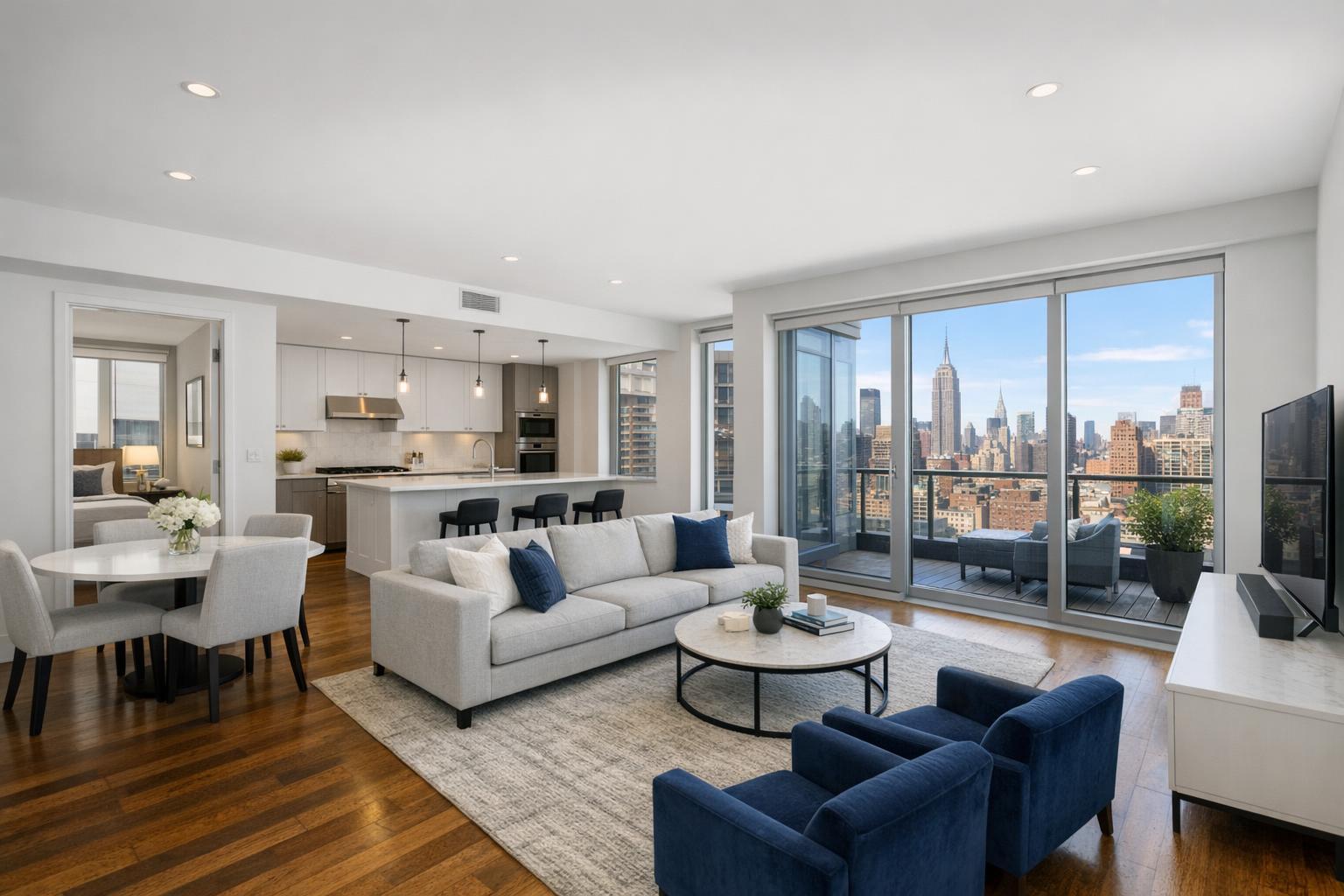
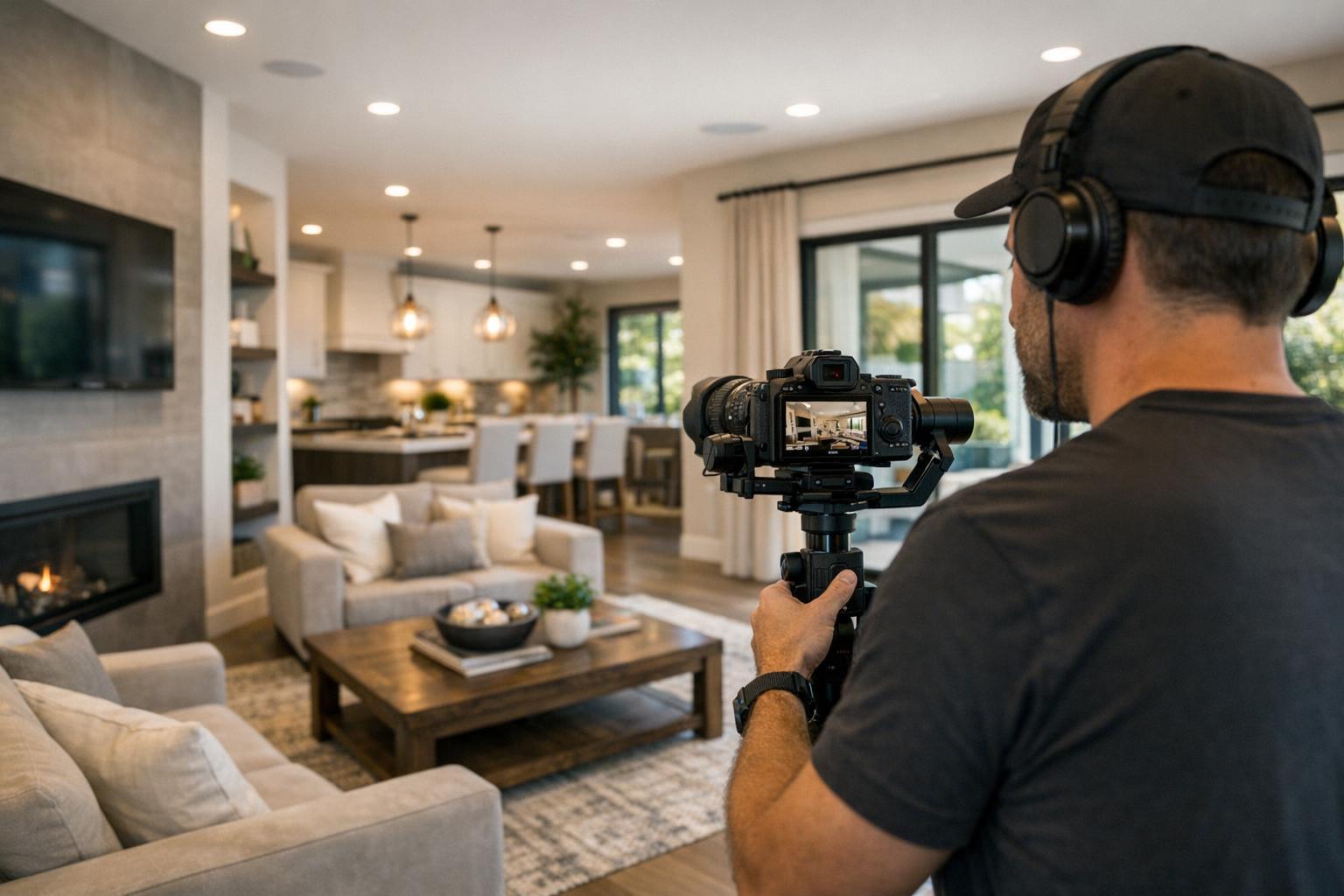
A videographer films a modern living and dining area, showcasing real estate videography near me.
How to Choose Real Estate Videography Near Me for Your Next Listing
Real estate videography near me is a search that almost always signals urgency: an agent, broker, or marketer needs local expertise—not just camera gear. That search is about finding a real-world partner with the operational knowledge to capture property motion, show the flow between spaces, and ultimately deliver a video designed for a specific marketing context.
What distinguishes a truly useful real estate video is less about the hardware or software and more about how the property’s narrative is constructed visually. Getting this right means more than just hitting record. Here’s how experienced real estate teams, especially those working across New York City and New Jersey, make the call when evaluating potential videography partners.
The First Question: Is On-Site Capture Included?
Before you decide which local property video services to book, clarify how the video will actually be made. Not every “real estate video” shows the same reality. At the professional level, there’s a basic but crucial split:
- On-Site Video Tours: The videographer visits the property, maps out natural movement, manages exposure, and films the real motion through doorways and hallways, capturing how a potential visitor might actually experience the space.
- Photo Slideshows: These are built from still images, animated with pans, fades, and music. They summarize the listing photos, but don’t convey anything about spatial relationships or real movement.
When your property relies on spatial flow—think a Brooklyn brownstone with parlor-to-garden access, or a North Jersey home with open kitchen, living, and outdoor zones—an on-site shoot is non-negotiable.
Questions to ask local providers:
- Will the videographer be filming on location?
- Will the video include transitions from room to room?
- Is the final video assembled from actual video clips, or just photos?
- Are there different length or format options?
- Can all deliverables be clearly explained before scheduling?
At RealtaSnap, all listing videos are filmed on-site, allowing us to accurately present connected living areas, unique entry sequences, or multiple levels wherever they play a critical role in a property’s appeal. See more about our approach at RealtaSnap Real Estate Videography NYC.
Adapt the Video Style to the Home
A polished video for real estate isn’t just about visual aesthetics—it’s about understanding what the listing actually needs. Not every property or audience benefits from the same pace, route, or coverage. Local experience matters, especially in markets with unique inventory or restrictions.
Urban Apartments: Manhattan’s Space and Scheduling Realities
Manhattan apartments are rarely spacious, which means efficient storytelling is key. Each clip should show something meaningful—such as the size and feel of the main living area, how the kitchen interacts with other rooms, or whether there’s real terrace or view access.
Efficient, tight editing prevents the video from feeling either too cramped or too static. In many NYC buildings, practicalities like elevator schedules and approval for equipment also influence what’s possible. Clear communication about access and rules up front helps ensure a stress-free shoot.
Brooklyn Brownstones: Storytelling with Progression
A Brooklyn brownstone often calls for a different narrative. The flow between stoop, parlor, living areas, kitchen, and garden (sometimes across multiple levels) is essential. A good real estate video tour here draws viewers through these zones in a logical order, letting architectural details and light transitions breathe. The editing should help buyers understand not just features, but the emotional “walk” through the space.
North Jersey Homes: Broader Coverage and Context
Larger suburban homes in northern New Jersey can introduce extra layers—finished basements, dedicated offices, expansive yards, or even pools and detached structures. Here, the challenge is prioritizing the key zones (entry, main living, primary suite, outdoor space) without making every corner compete for attention. Exterior shots and transitions can add context, but not every secondary room needs the same treatment as the spaces that define the home.
The Importance of Room-to-Room Flow
Strong real estate video tours feel intentional, even if the viewer doesn’t consciously notice every editorial choice. The big difference? Sequencing. A professional videographer should always be able to explain how they plan to show the progression through a home:
- Starting shot and first impressions
- Entry transition into main living areas
- Connections between rooms (hallways, doors, open layouts)
- Coverage of bedrooms, baths, secondary and utility spaces
- Outdoor and exterior perspectives
- Closing frames and details that anchor the home’s appeal
This planning isn’t just for “walkthroughs”—sometimes a property benefits from grouping shots by zone or feature (such as highlighting double-height windows or a unique kitchen design). What matters is that the coverage feels customized, not template-driven. It’s a warning sign if a provider focuses on flashy gear or effects but can’t talk through how they’ll handle the actual property’s flow.
Pro tip: Professional video is about movement, light, and transitions. For example, capturing steady motion from the entry through an open living-dining area takes real planning—it’s not as simple as following a checklist. Steady hands, balanced exposure (especially with bright windows), and careful revealing of each space all play a role.
Evaluate the Portfolio Realistically
When reviewing the sample work of a property video company, look for examples that genuinely match your listing type. A cinematic tour of a sprawling estate doesn’t prove the provider understands a compact studio or multi-level townhouse.
What to look for:
- Vertical lines remain straight (no exaggerated wide-angle distortion).
- Movement is smooth, not jarring or rushed.
- Window exposures are balanced so that views aren’t lost to glare.
- The editing matches the listing’s needs—restrained where appropriate, with no distracting effects or rapid-fire cuts.
- Spaces appear in a sequence that helps viewers grasp layout.
A provider’s ability to handle various property types—apartments, brownstones, new-construction condos, or single-family homes—should be evident from their reel. For local context, try searching for comparable properties in their online gallery. You can view RealtaSnap’s samples at www.RealtaSnap.com.
Choose Deliverables That Match the Marketing Plan
Before booking, think practically about where each video will live:
- Full Listing Video: Ideal for the listing page, property site, or email campaigns.
- Short-form Social Media Cut: Best for Instagram, Facebook, TikTok, or Stories. Fast to watch, easily shareable.
- Trailer or Preview: Quick teasers to build interest—might direct viewers to the full tour.
- Raw Footage: Useful for marketing teams that need custom edits, but requires prior planning.
RealtaSnap provides several video options, including standard, premium, and premium with interview. Add-ons like social media cuts and 30-second trailers are available, each tailored for its intended platform. If there’s a specific format or alternate cut you’ll need, confirm before the appointment to avoid last-minute issues.
Should You Add Drone Footage?
Aerial views can dramatically increase context for certain properties—showing lot size, waterfront proximity, landscaping, or nearby amenities. In tight urban areas, drone perspectives may help situate a building in its immediate environment, though not every location will allow flight due to airspace, weather, or access restrictions.
If drone content is a priority, mention it as early as possible. At RealtaSnap, drone work is evaluated case by case. Feasibility often depends on address-specific factors rather than generic promises. In dense parts of NYC, roof access may expand options, while suburban homes often allow easier flights. For details, see RealtaSnap Drone Photography and Videography NYC.
Communication and Workflow Matter, Too
The quality of the finished video is only one part of the overall experience. Clear communication and efficient scheduling make the process smoother for everyone involved.
Here’s what to clarify upfront:
- Property address and special access instructions
- Occupancy (vacant or occupied) and preparation status
- Building or community requirements for vendors
- Spaces that should be prioritized
- Any people who may appear on camera
- Target use and necessary deliverables
- Timeline (especially if syncing with a listing launch)
For occupied spaces, it’s wise to address staging, clutter, or pet-related items in advance. Video captures movement and connected sequences, so even small details (cords, stray items, temporary storage) can become distracting on screen.
Booking with RealtaSnap is entirely online. After inputting a service address, you can select media services, add notes, choose a time slot, and check out. All available times are visible, and at least 24 hours’ notice is required. Start your booking at www.RealtaSnap.com/schedule.
The Decision Checklist
If you want to quickly assess fit, ask a potential provider:
- Do you film at the actual property, or just build videos from existing photos?
- Which video package would suit this particular property and use?
- How will you demonstrate flow between rooms?
- Have you covered similar property types before?
- What should be ready before the shoot?
- Can alternate edits or social cuts be provided?
- Is drone coverage an option for this location, and how is feasibility determined?
- How should access, building rules, and day-of instructions be communicated?
A reputable local video team should explain their process clearly and help you select coverage that is justified by what the property—and your marketing goals—actually need.
Why the Right Video Partner Makes a Difference
Choosing real estate videography near me is about more than simply outsourcing a video. It’s selecting a partner who understands both the property and its context—who can adapt their workflow and post-production to the realities of apartments, brownstones, and homes in NYC and New Jersey, and who offers deliverables that are actually useful for agents, marketers, and brokers.
For a look at RealtaSnap’s property media services, on-site video approach, or to schedule a session, visit www.RealtaSnap.com. We’re always happy to answer questions about our process, formats, or scheduling for specific listings.
FAQ
Question: What makes an on-site real estate video tour different from a photo slideshow?
Answer: An on-site tour is filmed in person, using motion footage to showcase room flow and transitions, helping viewers understand the real experience of moving through the property. A slideshow is a sequence of still images, animated with music or digital effects, and doesn’t provide the same sense of spatial connection.
Question: Is drone footage always recommended for listings?
Answer: Drone content is most valuable when it adds important context, such as property size, lot boundaries, exterior amenities, or neighborhood setting. Feasibility depends on airspace regulations, safety, weather, and site access. Not every location qualifies—each potential flight is evaluated individually.
Question: What should I do to prepare for a real estate video shoot?
Answer: Prepare the property similarly to a photo appointment but pay extra attention to the flow between rooms. Turn on all appropriate lights, clear surfaces and floors, tidy up visible areas, and remove personal or temporary items in pathways. Sharing access notes and priority features with your videographer before the shoot will also make the process more efficient.