How to Choose Real Estate Photography Services in NYC for Your Next Listing
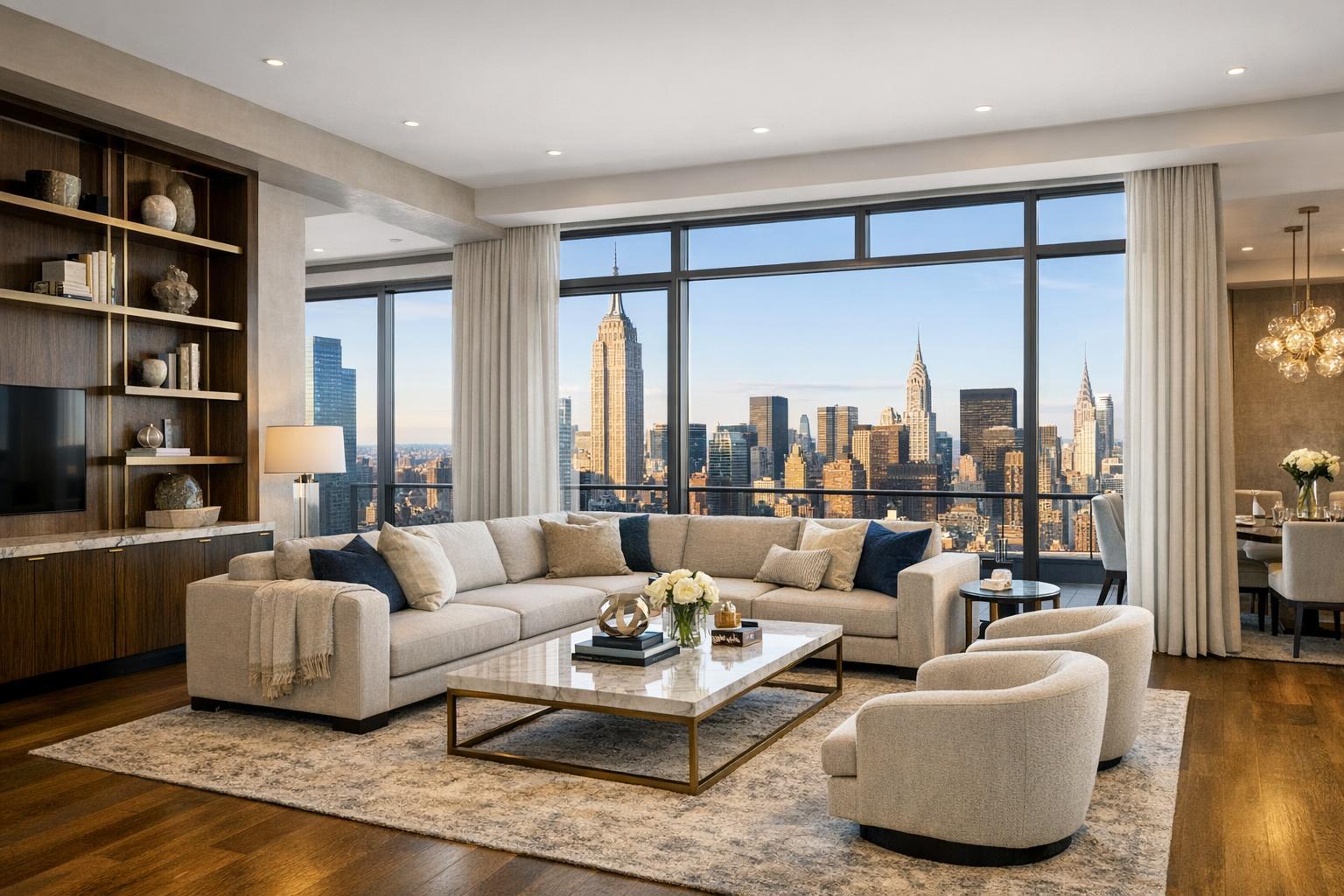
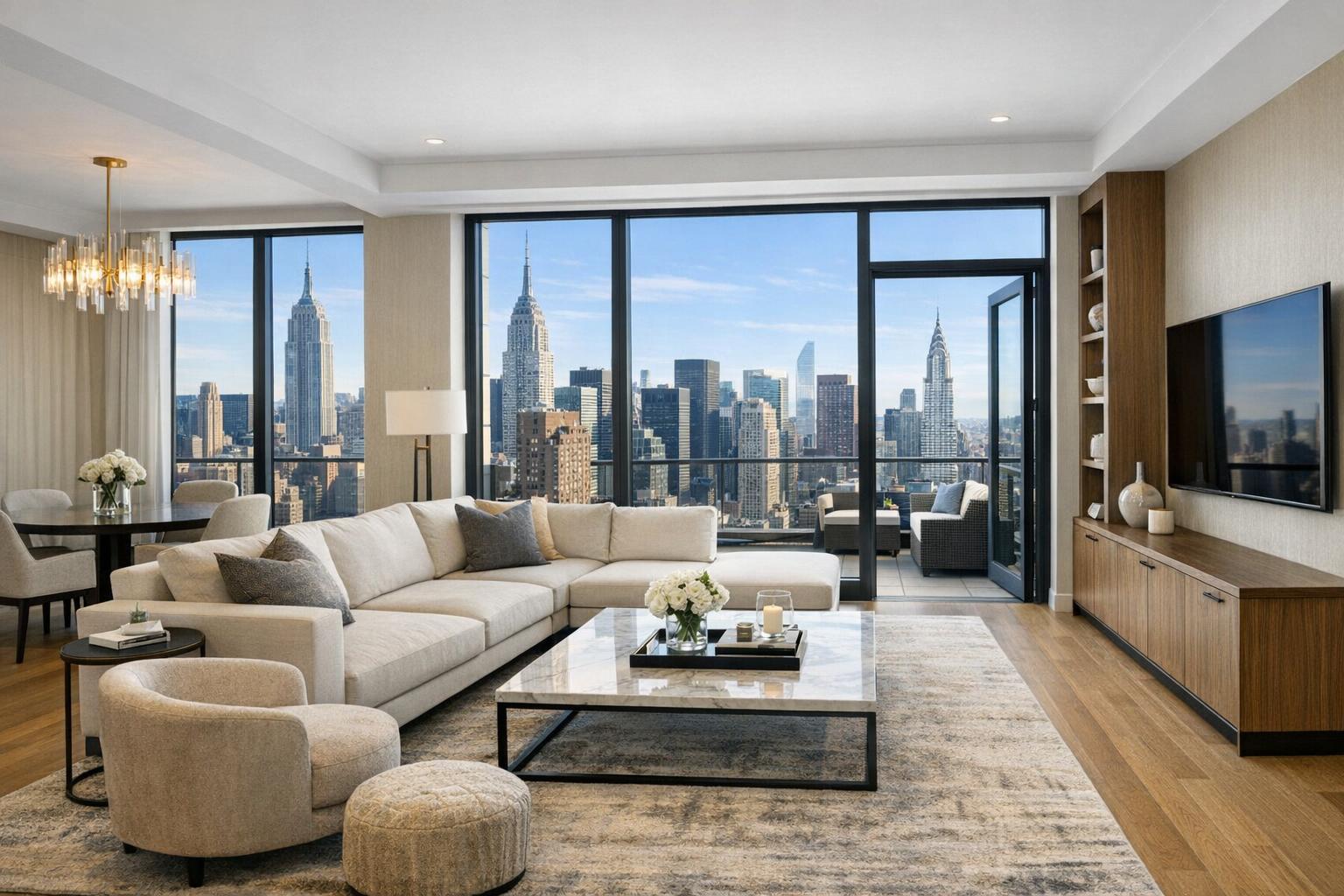
Showcasing a luxurious, modern living room with a stunning view of the New York City skyline, this example highlights the expertise of real estate photography services in NYC.
How to Choose Real Estate Photography Services in NYC for Your Next Listing
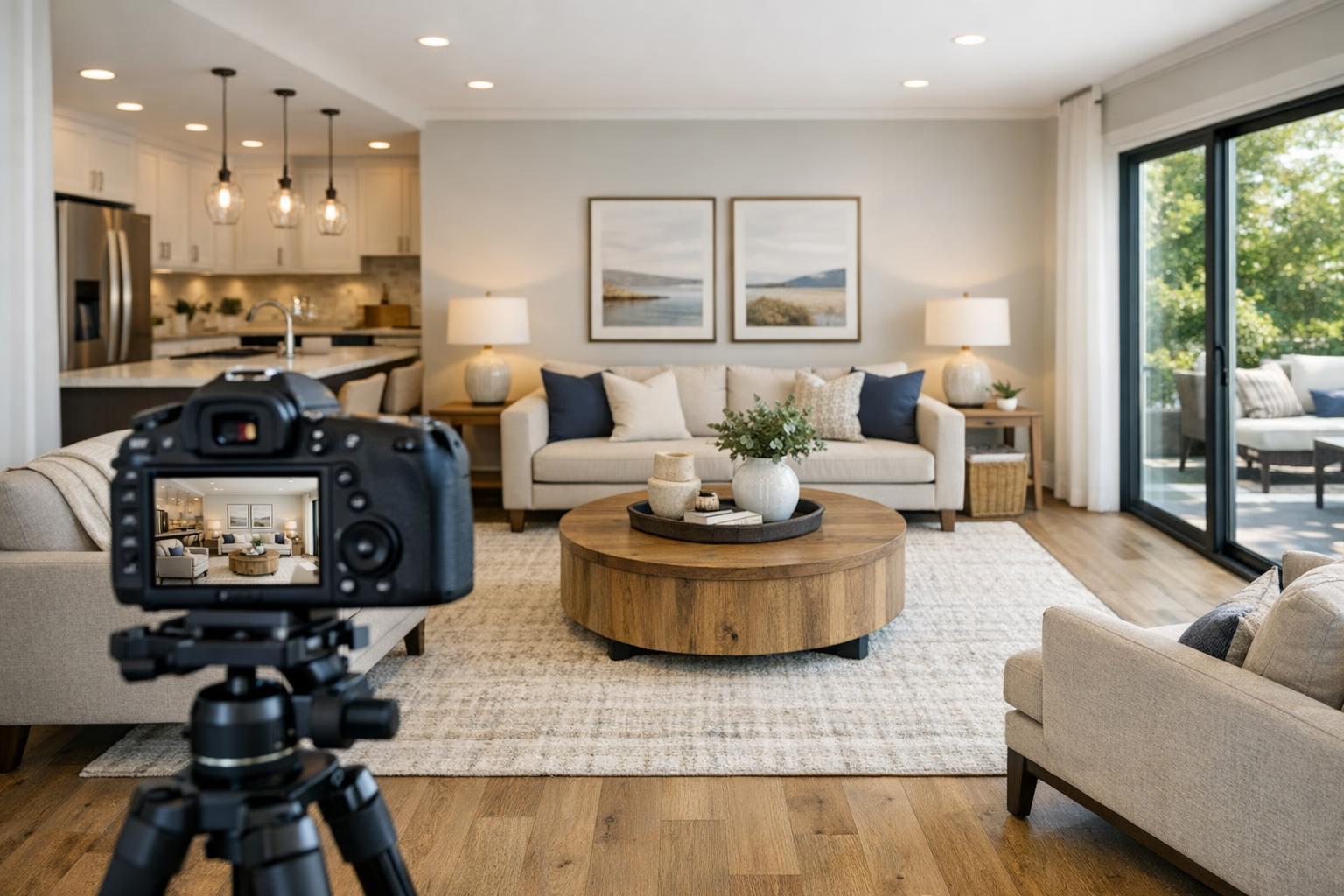
Real estate photography services NYC agents, brokers, property managers, and owners select can dramatically impact how potential buyers or renters understand a property before ever setting foot inside. In a region where apartments, brownstones, condos, and single-family homes each bring their own quirks, professional listing photography is less about over-polishing a space and more about communicating the true experience of living there.
It’s not enough to make rooms look big and bright; in the competitive NYC and New Jersey markets, photography needs to answer real questions: How does the space flow? Where is the light coming from? Does the image accurately reflect the property’s scale or exaggerate with wide lenses? As a real estate media company working daily across these markets, we’ve seen firsthand how a pragmatic, thoughtful approach makes all the difference.
Matching the Photography Plan to the Property
The best place to start isn’t with a generic photo package, but with the property itself. NYC is notorious for the variety you’ll see within just a few blocks: pre-war walkups with interior quirks, new developments filled with amenities, co-ops that favor efficiency, and sprawling brownstones with outdoor gardens. Even across the river in New Jersey, the difference between a compact Hoboken condo and a suburban Colonial can completely change the coverage a listing requires.
Rather than ticking off a list of standard angles and rooms, a professional approach adapts to what actually matters for each space:
- Does the layout need explaining (open or uniquely shaped)?
- Are window views, ceiling height, or sunlight the most valuable assets?
- Are there multiple floors, outdoor spaces, or amenities to highlight?
- Would extra images help viewers understand how rooms relate—or just repeat what’s already clear?
A useful set of photos isn’t about hitting a quota, but providing enough context to prevent questions. For example, a one-bedroom in Manhattan may require a focus on how the kitchen and living area connect—whereas a townhouse shoot may need to clearly show transitions up the stairs, into a backyard, and among distinct living spaces.
What Effective Real Estate Photos Show (and What They Leave Out)
Professional NYC property photography boils down to accuracy balanced with appeal. Editing should refine—never mislead.
Handling Light and Window Views
Many New York properties feature punchy window exposures that can overpower interiors. A practiced photographer brings out the natural light, reveals exterior views purposefully, and avoids the white-out or blown highlights common in amateur images. Sometimes a window view is the hero; sometimes it’s best left as subtle context. The mark of skill is in making every shot feel both inviting and honest.
Keeping Lines Straight and Proportions Real
Distorted verticals, weird angles, and oddly wide images flatten out room features and can confuse viewers—especially in compact NYC layouts. Listing photography worth its salt respects architectural lines, maintains natural perspectives, and doesn’t use wide-angle effects to make rooms look impossibly cavernous. Accurate proportions help agents and buyers alike trust the representation of the space.
Sequencing Photos for Room-to-Room Logic
A logical, browsable photo sequence is vital. Start strong: lead with the most defining space or room. Carry through entryways, main living areas, bedrooms, kitchens, baths, and highlight any unique features. Consistency throughout a listing gallery helps prospects envision moving from one area to the next, rather than producing a jumble of disconnected images. Professional media companies will have a deliberate, property-specific flow to their work—review their sample galleries to see if this comes through.
NYC and NJ Logistics: The Details Behind the Shoot
A real estate photography company NYC clients hire needs to do more than handle the camera—it has to have a working knowledge of the city’s unique logistics. Think elevator reservations for condos, certificate of insurance requirements for buildings, front desk sign-ins, service elevator access, and timing for amenities. Brownstones, on the other hand, may mean more stair climbs, tight rooms, backyard gates, or rooftop spaces.
Some practical questions for any provider:
- Are they comfortable with apartments, condos, brownstones, townhomes, and single-family homes?
- Can they incorporate building amenities if permitted?
- What do they need to know in advance about access rules?
- Who will handle keys, lockboxes, and resident schedules?
- How do they adapt if a property isn’t ready at appointment time?
Knowing these logistics can prevent unnecessary delays and ensure a smooth experience—especially with occupied properties that require careful scheduling with tenants, owners, or management teams.
Set Clear Expectations: Deliverables, Photo Counts, and Turnaround
Professional photography services vary in final image count, on-site shooting time, and asset delivery. Simply quoting by square footage rarely works; the number of unique spaces, features, and add-ons required matter more.
At RealtaSnap, for example, our HDR photography offerings typically range from focused packages of 10 images up to 50 or more, depending on the property’s scope. Pricing starts at $149 for 10 images (current as of publication), with tiered options for homes that require deeper coverage. Discuss with your provider:
- How many final, edited photos you’ll receive
- Which spaces and amenities will be photographed
- How long after the shoot to expect delivery
- How images will be sent, and in what format
- Whether property websites or additional listing assets are included
- The process for requesting revisions
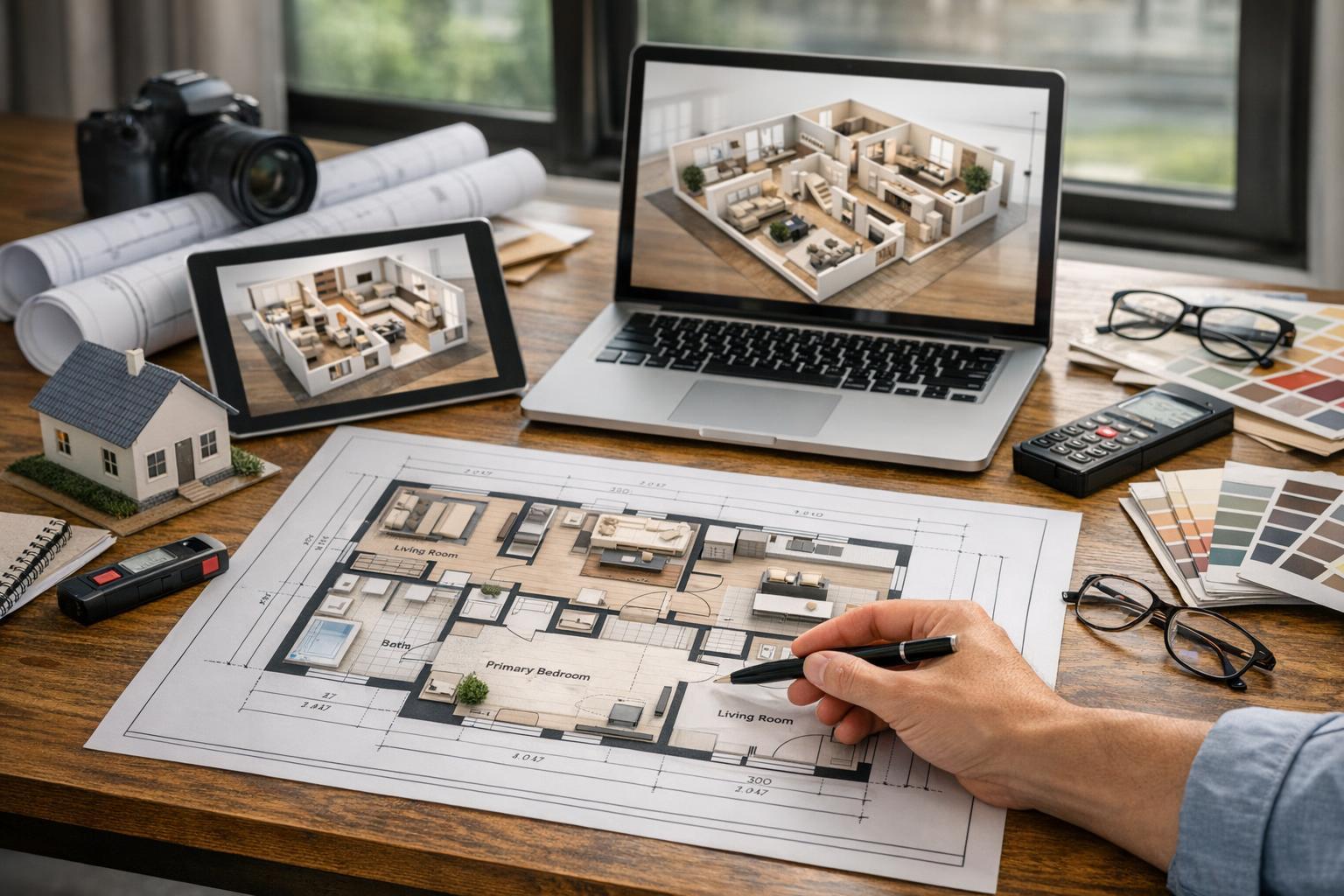
If you’re interested in add-ons like floor plans or virtual tours, clarify requirements: floor plans, for instance, require on-site scanning—never remote creation from photos or sketches. Virtual tours or videos also have distinct workflows and capture requirements.
Explore our real estate photography service options and details at RealtaSnap Real Estate Photography.
Preparing Your Property for Capture
Photography can only be as good as the space it represents. Even small touches can affect how a room photographs: clutter, cords, personal décor, and shadows can all distract from the selling points of the listing.
A practical pre-shoot checklist covers the essentials:
- Clear kitchen and bathroom counters
- Neaten beds with simple linens
- Replace any burnt-out bulbs; switch on lamps for warmth
- Hide cords, trash, laundry, and pet gear
- Open window treatments when privacy and the view allow
- Tuck away personal items, family photos, and signage
- Ensure all areas that need photos are accessible (no locked doors)
For empty rooms, virtual staging can help—but digital furniture should only be added once the space is completely clear. Our AI virtual staging is intended for vacant or fully decluttered spaces, with clutter removal as a separate service if needed.
Media Add-Ons: Only When They Help Answer a Buyer’s Question
Still photography forms the backbone of nearly every listing, but NYC and New Jersey markets sometimes call for more.
- Listing Video: Especially valuable for showcasing flow — not as a slideshow but as an on-site-captured sequence that gives a real sense of movement.
- Floor Plans: These clarify spatial relationships—essential for complex layouts, multi-level homes, or combination units. Floor plans require on-site measurement.
- 3D Virtual Tours: For relocators or anyone shopping remotely, tools like Matterport help buyers “walk” through properties online. This service also requires on-site capture.
- Drone Imagery: Only appropriate (and feasible) for certain properties, considering safety, airspace, and weather. Ideal for buildings with roof decks, large lots, or noteworthy surroundings; remember that drone coverage in NYC is always subject to location and regulatory constraints.
If these formats answer real, property-specific questions, they’re worth considering. Otherwise, keeping the package focused is often the best use of budget.
Comparing Providers: People Matter as Much as Portfolios
A polished website or a gallery of highlight images is only half the story. Evaluate your real estate photography company based on their communication: do they ask useful questions, clarify what’s included, and provide a straightforward way to coordinate logistics? Are they comfortable with the kinds of properties common in your market, and can they adapt to the quirks of a specific borough, neighborhood, or building?
You should feel at ease confirming address details, coverage needs, timing, occupant status, and any special requirements with your provider. The right fit combines technical skill with practical organization, ensuring your appointment runs smoothly and your final media is ready for the listing.
For NYC and New Jersey: Property Media as a Local Practice
What works for a Tribeca loft might not work for a Jersey City brownstone, and suburban homes present their own priorities. Strong real estate photography, along with any complementary media, is always about clarity, honesty, and adapting to the property’s real needs—whether that’s a few sharp images and a floor plan, or more extensive coverage with video and drone.
If you’re preparing a New York City or New Jersey property for market—or want a clearer sense of how various media services can support your listing—explore what’s possible with RealtaSnap at www.RealtaSnap.com.
FAQ
Question: How many real estate photos does a NYC apartment listing actually need?
Answer: The right number depends on the unit’s size, number of rooms, features, and layout complexity. Smaller apartments might need as few as 10–15 well-composed images covering key spaces, while larger properties or multi-level homes may call for 20, 30, or more to show additional rooms, outdoor areas, and features. The goal is coverage, not repetition.
Question: Should I get both a floor plan and a 3D tour with my listing photos?
Answer: Floor plans are best for giving viewers an instant understanding of room layouts and dimensions. 3D tours (like Matterport) offer an interactive experience for those who want to navigate the whole space virtually. Some listings benefit from both—especially when the space is confusing or detailed. Each service involves separate, on-site capture.
Question: Can virtual staging be used if there’s existing furniture in a room?
Answer: Virtual staging works best in empty or fully decluttered spaces. If a room has existing furniture, your provider should recommend physical removal or digital declutter editing before adding digital furnishings. This ensures the final image looks realistic and market-ready. RealtaSnap requires clutter removal as a first step before applying virtual staging to any non-empty room.