How to Choose Real Estate Photography Services for Your Next Listing
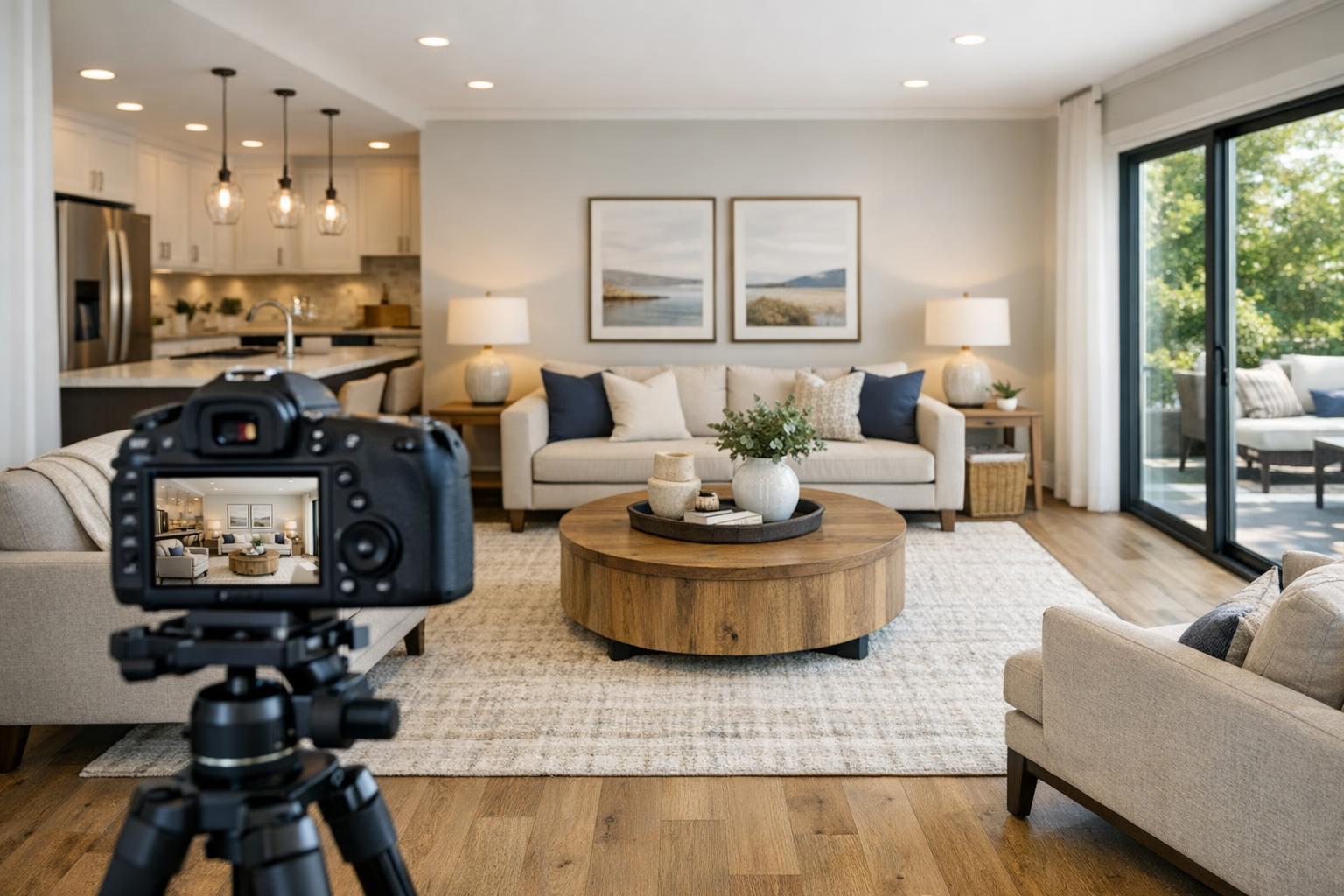
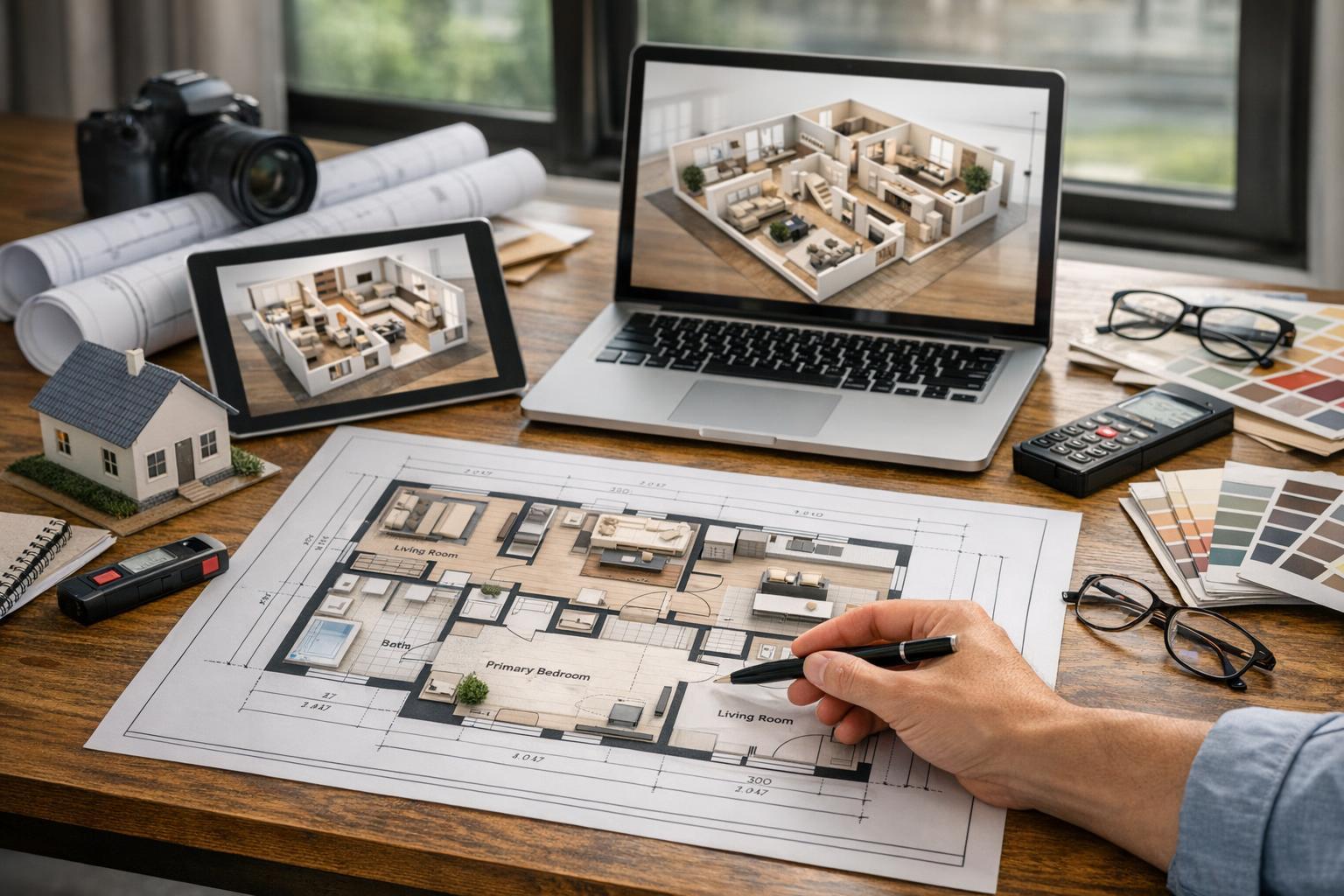
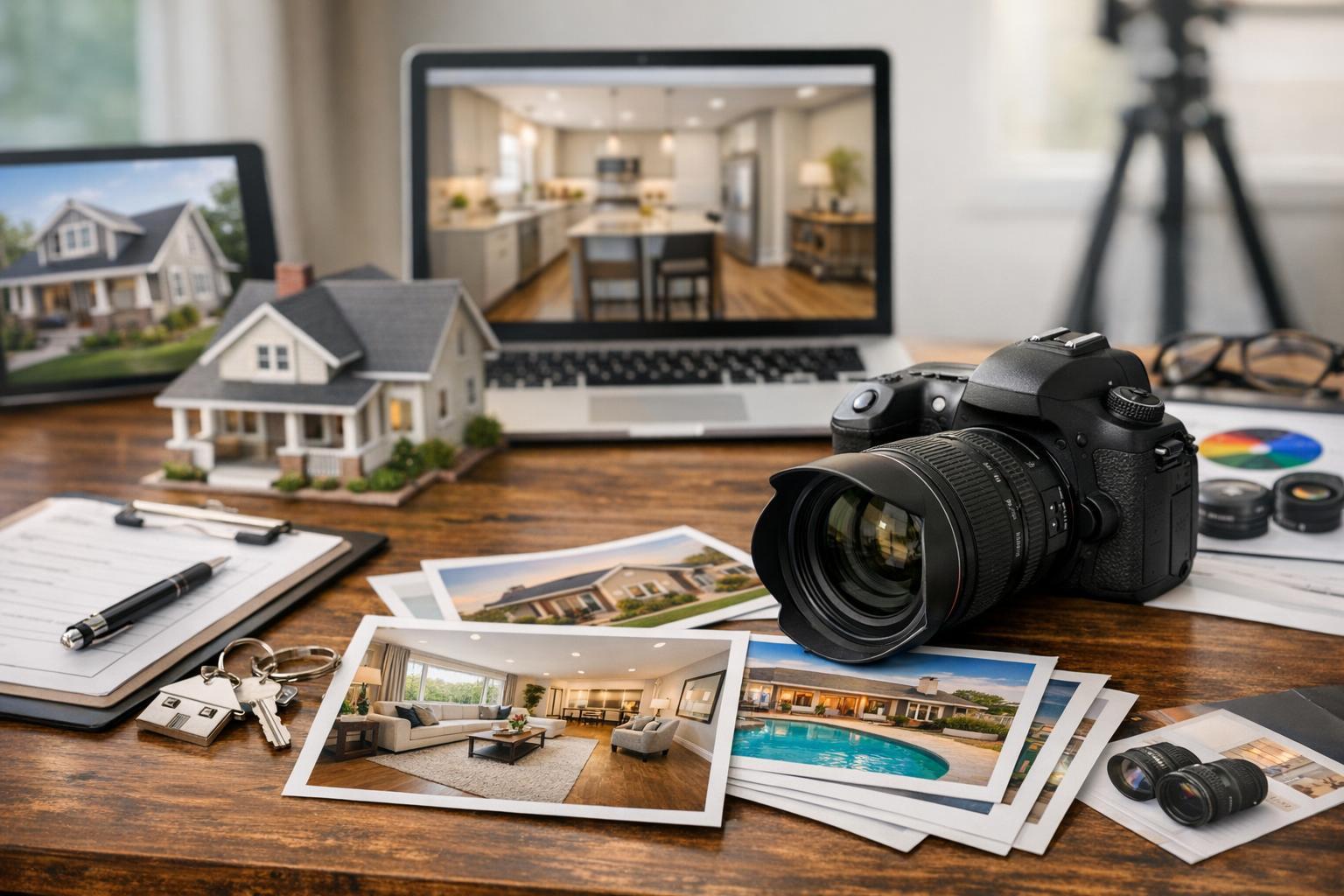
A camera and photographs of real estate are displayed on a wooden desk alongside a laptop, a model house, and work accessories, highlighting a setup for property marketing.
How to Choose Real Estate Photography Services for Your Next Listing
Real estate photography isn’t just about capturing a property with a nice camera. It’s about providing clear, reliable visuals that help buyers, renters, and decision-makers understand a space before they ever step inside. For agents, brokers, property managers, and owners, the decision to hire professional real estate photography services comes down to whether the images will actually make the property—and the listing—easier to understand and more appealing.
A consistent challenge in the New York City and New Jersey markets is that every listing tells a different story. The photos should help tell that story and answer the questions buyers are most likely to have, whether it’s a compact Manhattan studio or a sprawling New Jersey home. Here’s a grounded look at what goes into evaluating and choosing the right real estate photography provider, from a team that specializes in visual media for properties of every type across NYC and the Garden State.
The Listing Story Comes First—Not the Camera
At its core, real estate photography is about organizing visual information so that a prospective buyer or renter can quickly understand what’s important about the property. This means prioritizing:
- The overall style and condition of the home
- The way major rooms relate to each other
- Natural light, windows, views, and exterior elements
- Unique selling points (like a custom kitchen, private terrace, or amenities)
- The actual scale and flow of the space
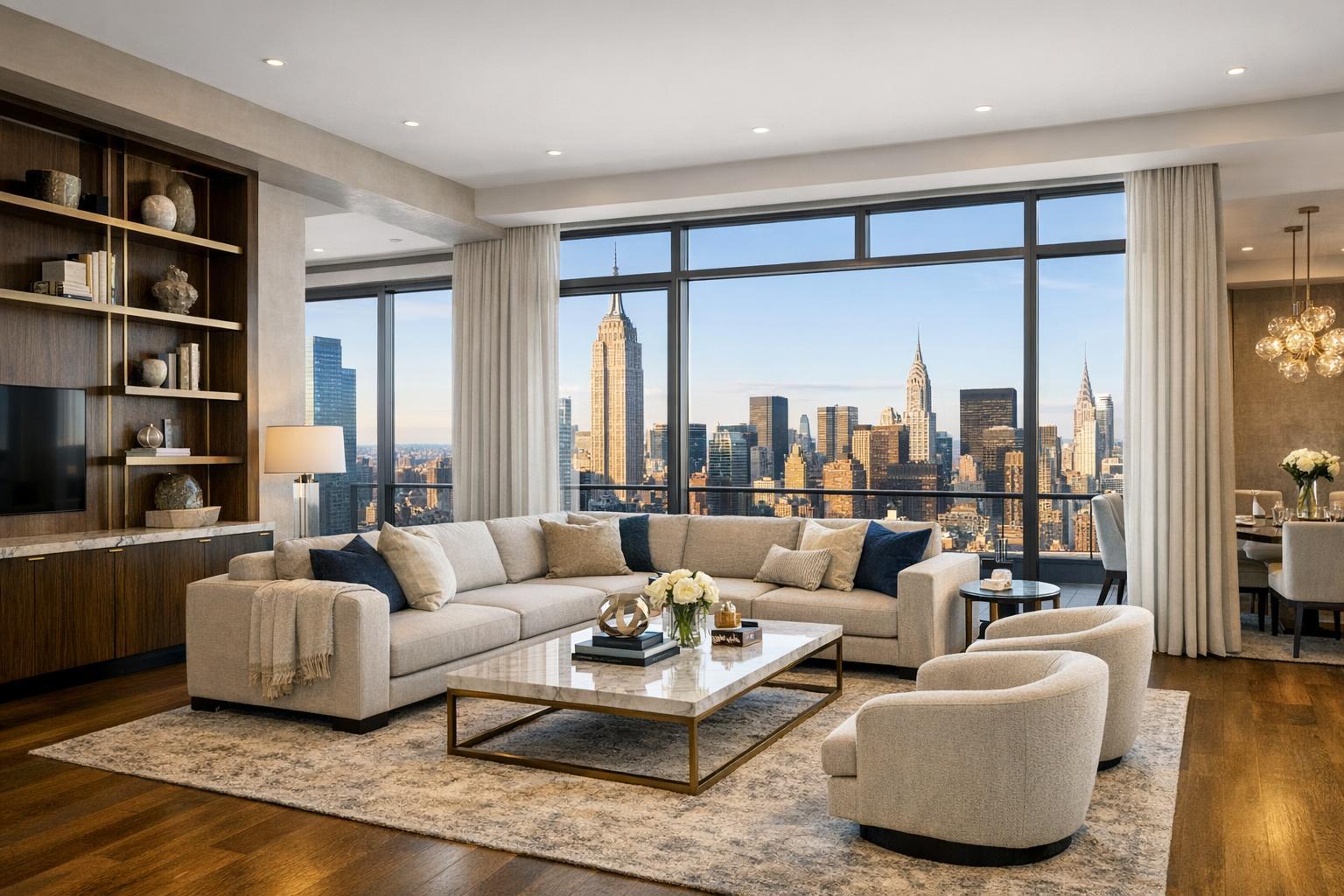
A studio in Manhattan will need a different approach than a multi-story home in Maplewood. Smaller NYC apartments might need thoughtful shots to show how a living area transitions into a dining nook or highlight storage solutions, while larger New Jersey listings often require more coverage to map out bedrooms, finished basements, backyards, or pools.
Before contacting a provider, take a moment to note which spaces and features are critical to the listing. Professional photographers use this direction to focus their capture, while still relying on their training to make split-second decisions on-site.
What Professional Listing Photography Delivers
Professional property photos have a job to do: make the property easy to understand and imagine living in, without misrepresenting reality. In practice, that requires several non-negotiables:
Balanced Light, No Matter the Conditions
NYC and New Jersey properties frequently deal with odd lighting—a garden-level apartment, a west-facing brownstone, or a windowless hallway. Good photographers know how to expose for both interior features and window views, using multi-frame HDR or similar workflows. The result should show rooms as they are: readable, inviting, and never washed out or so bright that details are lost.
Natural-Looking Color That Matches the Actual Property
In a city like New York, every room may have several types of bulbs or a combination of daylight and lamps. Seasoned editors keep whites consistent from shot to shot and make sure wood floors don’t look gray, bathroom tiles don’t turn yellow, and buyers aren’t surprised at a viewing because the color in photos was off.
Correct Scale and Right-Angled Lines
Wide lenses help fit entire rooms into a single shot, especially in tight spaces, but they should never distort reality. Walls and windows should stay vertical, and the image should reflect the real dimensions of the space. Subtle shifts in lens choice, camera height, and positioning make all the difference in getting straight lines and a sense of true proportion—especially in co-ops, condos, and brownstones with strong architectural details.
Purposeful Composition and Useful Coverage
Each image should answer a question. Does the kitchen open to the living room? Is there storage in the hallway? What’s the relationship between the main bedroom and the bath? Images should show off desirable features—maybe a fireplace, original moldings, or a skyline view—but avoid filler photos or multiple near-duplicates that dilute the gallery’s impact.
Evaluating Providers: Beyond the Standout Image
Every provider’s website will showcase a few striking "best of" shots. The real test is consistency, especially across varied property types. As you review options:
- Open complete galleries where possible. Look for consistency across apartments, houses, and properties with challenging elements.
- Are the interiors bright and natural throughout?
- Do vertical lines stay true from room to room?
- Are main features explained from credible angles?
- Is editing style steady across different listings?
- Are outdoor and amenity spaces captured where they’re meaningful?
A reliable portfolio should include urban spaces with tough lighting, furnished listings, exteriors, and common areas—highlighting the provider’s ability to adapt to the realities of busy NYC streets, high-rise doormen, and unpredictable New Jersey weather.
If you’re representing primarily Manhattan condos, look for galleries that match. If you’re routinely marketing four-bedroom homes in Bergen County, check for the coverage and composition you’d expect in a suburban setting.
Tailoring the Photo Plan to the Listing
One-size-fits-all packages can leave some listings feeling over-photographed and others undersold. A focused plan typically includes:
- Exteriors (street view, entry, facade)
- Main living areas (living, dining)
- Kitchen features and adjacent spaces
- Primary bedroom and bath
- All additional bedrooms, plus any value-adding secondary bathrooms
- Special details (built-ins, fireplaces, views)
- Amenity and common areas (if allowed and useful)
- Outdoor spaces, yards, pools, garages (as available)
For apartments, understand access rules: many NYC buildings require advance notice or permission for amenity and common-area photos. In New Jersey, decide if every outbuilding or landscaping feature warrants its own frame.
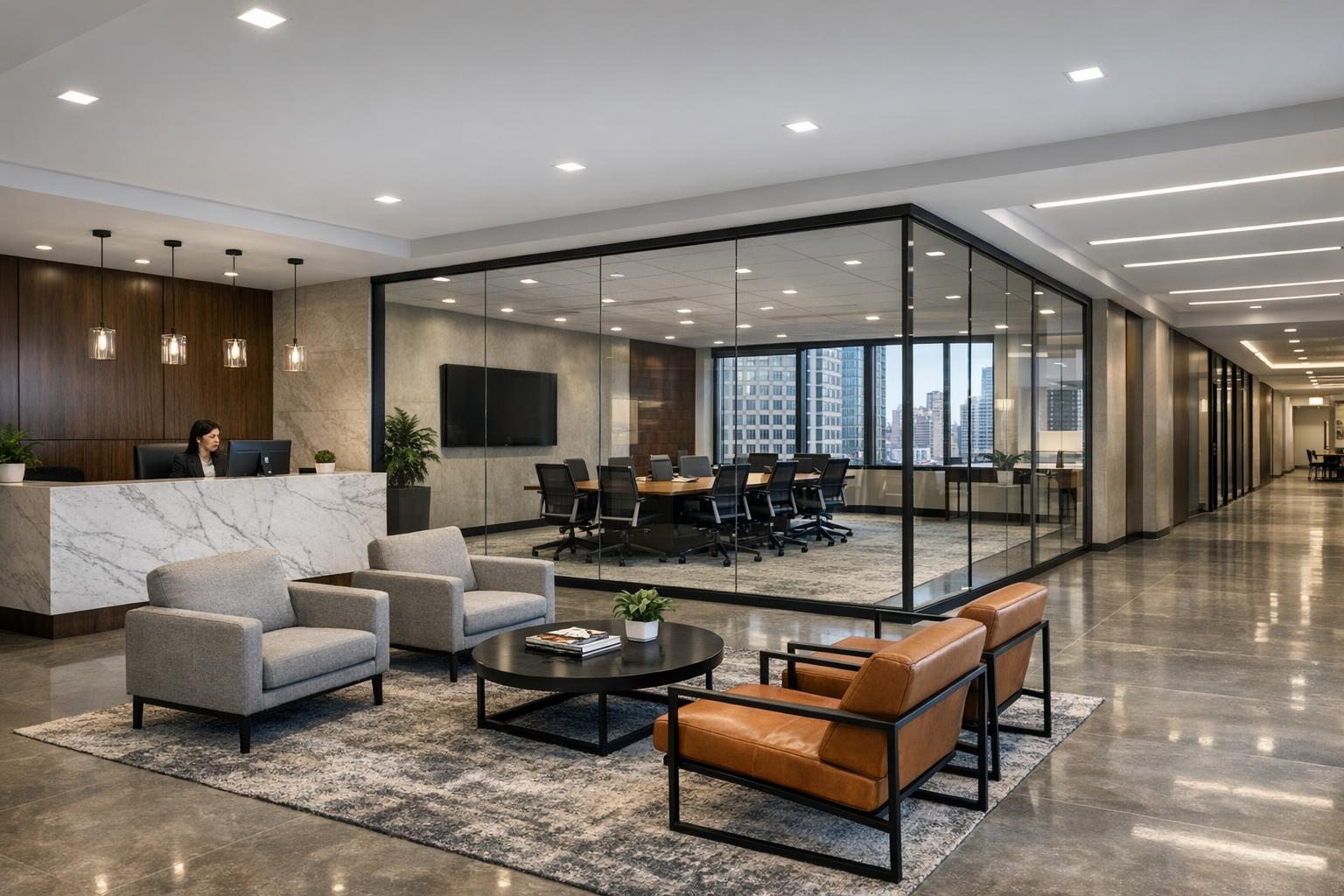
A larger home may deserve extra time on exteriors and secondary bedrooms. For urban listings, capturing a lobby, entry, or amenity deck might make or break a buyer’s first impression.
Preparations That Matter—Before the Photographer Arrives
Strong photography can only do so much if the space itself isn’t ready for the camera. Practical pre-shoot prep includes:
- Clearing personal items, loose cords, and clutter
- Tidying kitchen counters, making beds, simplifying bedroom surfaces
- Putting away pet gear and toys
- Opening blinds for natural light where privacy allows
- Checking bulbs and turning on the right lights in advance
- Moving parked cars if exteriors will be photographed
- Ensuring pets, family, and contractors will be out of main shooting areas
- Sharing access, lockbox, and parking details up front
Vacant rooms can be visually enhanced through virtual staging—a good fit if the space is physically empty or properly decluttered so the final result feels realistic.
Occupied listings generally require extra cooperation for de-personalization (while still feeling lived-in) so that buyers focus on the property, not someone else’s belongings.
Communication and Workflow: What to Ask Before Booking
Listing visuals are only as useful as the process that gets them to you. When comparing providers, practical questions help set expectations:
- What information should you provide ahead of the appointment?
- How does the provider handle building or gate access?
- What timeline can you expect for delivery?
- Can you specify priority rooms, exterior angles, or unique details?
- How are revision or paid editing requests handled (such as virtual staging or clutter removal)?
- What’s the plan if weather doesn’t allow for aerials or exteriors?
- Are additional media services, like floor plans, video, or tours, available if needed?
With RealtaSnap, everything is handled online at www.RealtaSnap.com/schedule. You can select photo coverage, provide property and access details, add notes, choose appointment times, and handle payment during booking. Our process is focused on a straightforward, property-first approach so you get visuals that truly represent the space.
Local Experience Matters: NYC and New Jersey Context
A provider’s experience with your market can make all the difference. Photography teams used to NYC buildings know to factor in elevator time, doorman check-ins, and daylight constraints—plus how to handle tight quarters and original architectural quirks. In New Jersey, teams must understand how to photograph larger homes, multi-level layouts, and outdoor spaces or unique features that might matter to buyers.
RealtaSnap's working area includes all five New York City boroughs and all of New Jersey. We’re familiar with both urban listing types—apartments, co-ops, condos, brownstones—as well as the coverage expectations typical of large homes and properties with more outdoor context.
When to Add Floor Plans, Video, or Virtual Tours
Still photography forms the backbone of most real estate marketing, but you may want to add:
- Floor plans: Good for properties with less intuitive layouts or when buyers need to see room relationships and square footage.
- Virtual tours: Useful for remote buyers who need an interactive sense of the property.
- Video: Helps display overall flow, movement, and arrival experience.
- Drone images: Best for properties with significant lot size, special exteriors, or views—subject to safety, weather, and access.
Not every listing needs every possible format. In most cases, high-quality listing photography paired with clear listing descriptions is enough to give buyers what they need.
To learn more about these services or see example projects, visit the RealtaSnap homepage.
Choosing a Provider Who Helps Buyers Understand
At the end of the day, the most valuable real estate photography services are those that make it easier for buyers to quickly and clearly understand what’s being offered. That means images that feel natural, consistent, and true to life; a workflow that makes it easy to prepare and share information; and a provider committed to making your listing process a little simpler.
Focus on which questions your listing’s photos should answer and choose a provider with the experience, portfolio, and approach to fit the actual property—not a template.
If you have an upcoming NYC or New Jersey listing that would benefit from high-quality, listing-focused photography, you can schedule directly at www.RealtaSnap.com.
FAQ
Question: How many photos should a listing have?
Answer: Photo count depends on property size and features. A one-bedroom apartment may be well covered with 10–20 images, while large homes might need 30 or more to show bedrooms, baths, outdoor areas, and amenities. Focus on clear, useful variety instead of repeating similar shots.
Question: Should lights be on during real estate photography?
Answer: Yes, working interior lights should be turned on before the photographer arrives (unless you’re given other instructions). Balanced lighting helps the rooms feel more inviting and can offset darker areas or late-afternoon shoots.
Question: Can clutter or furniture be edited out of photos?
Answer: Some editing is possible, but decluttering before the shoot is much more effective. For virtual staging, the best results happen in empty rooms, or after clutter-removal services if furniture is present. This keeps the final visuals realistic and clean.