How to Choose Real Estate Photography Services for Your Next Listing
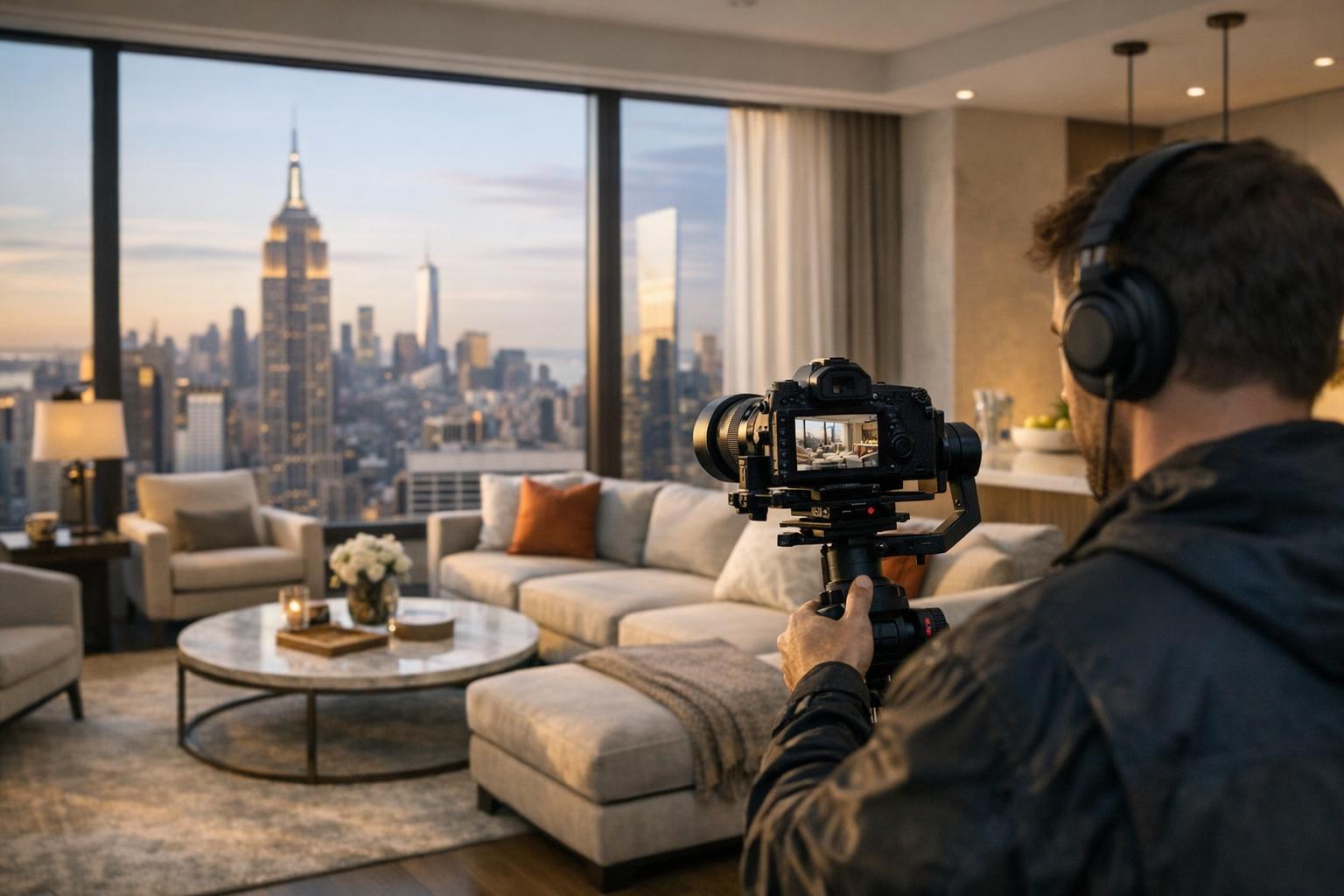
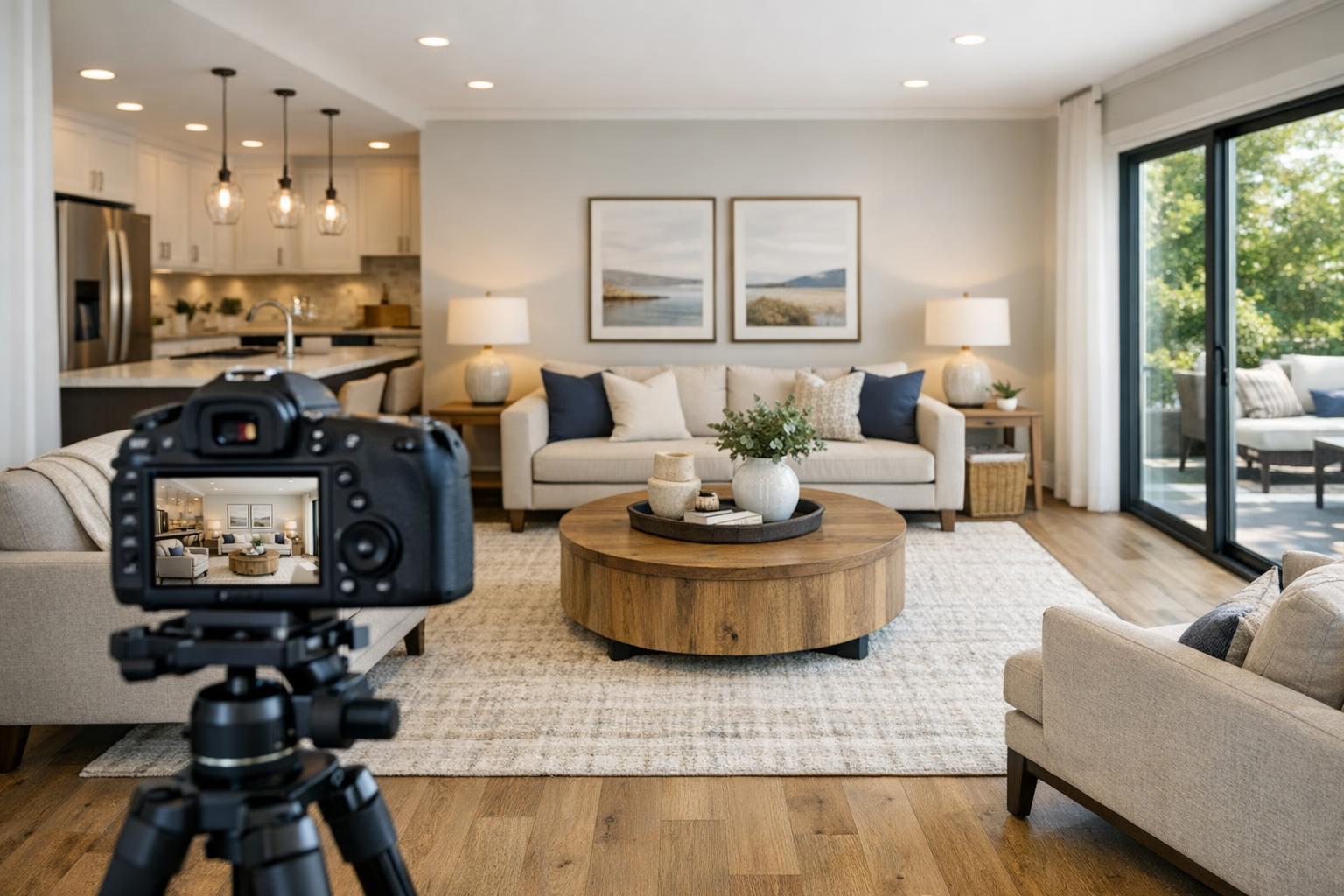
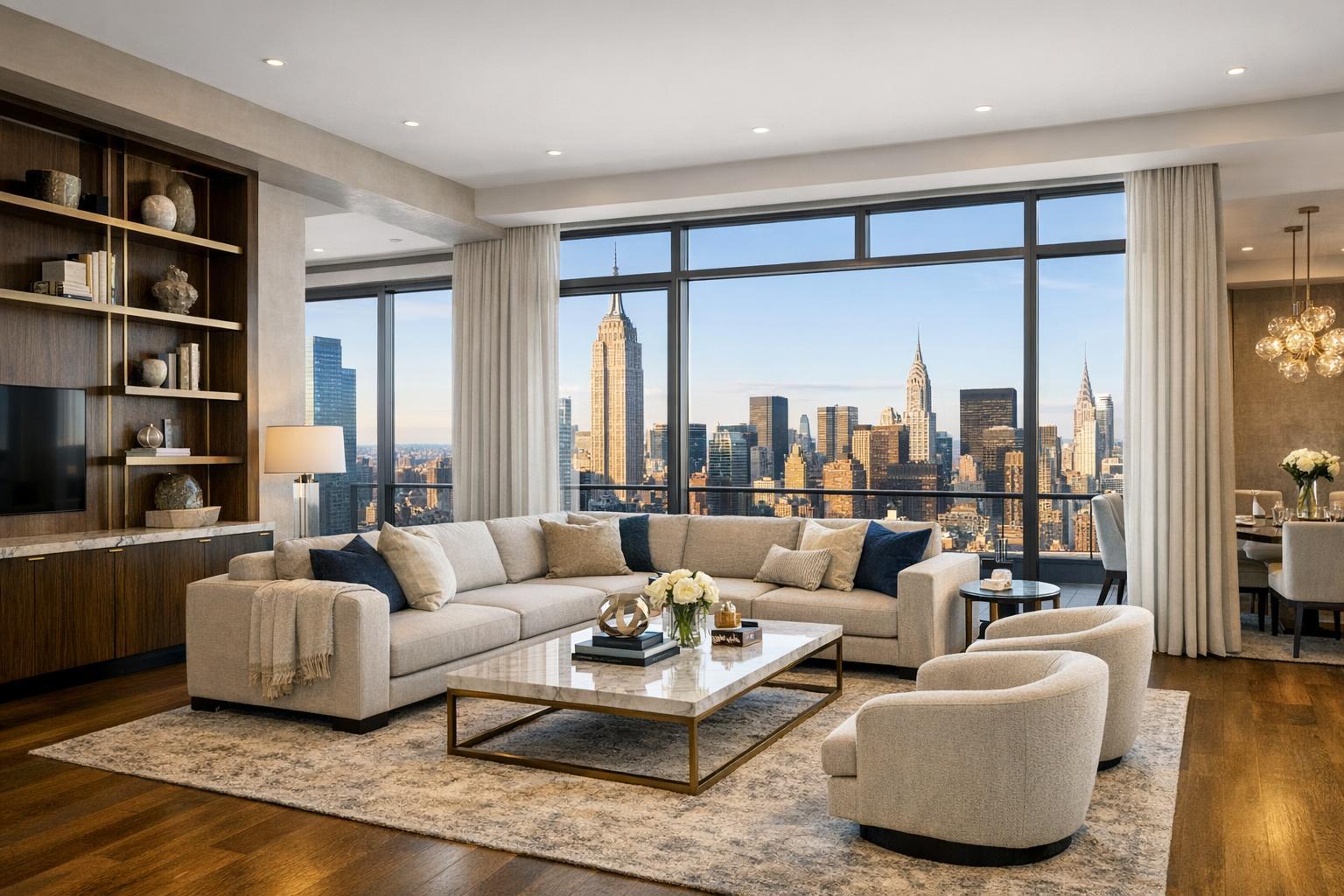
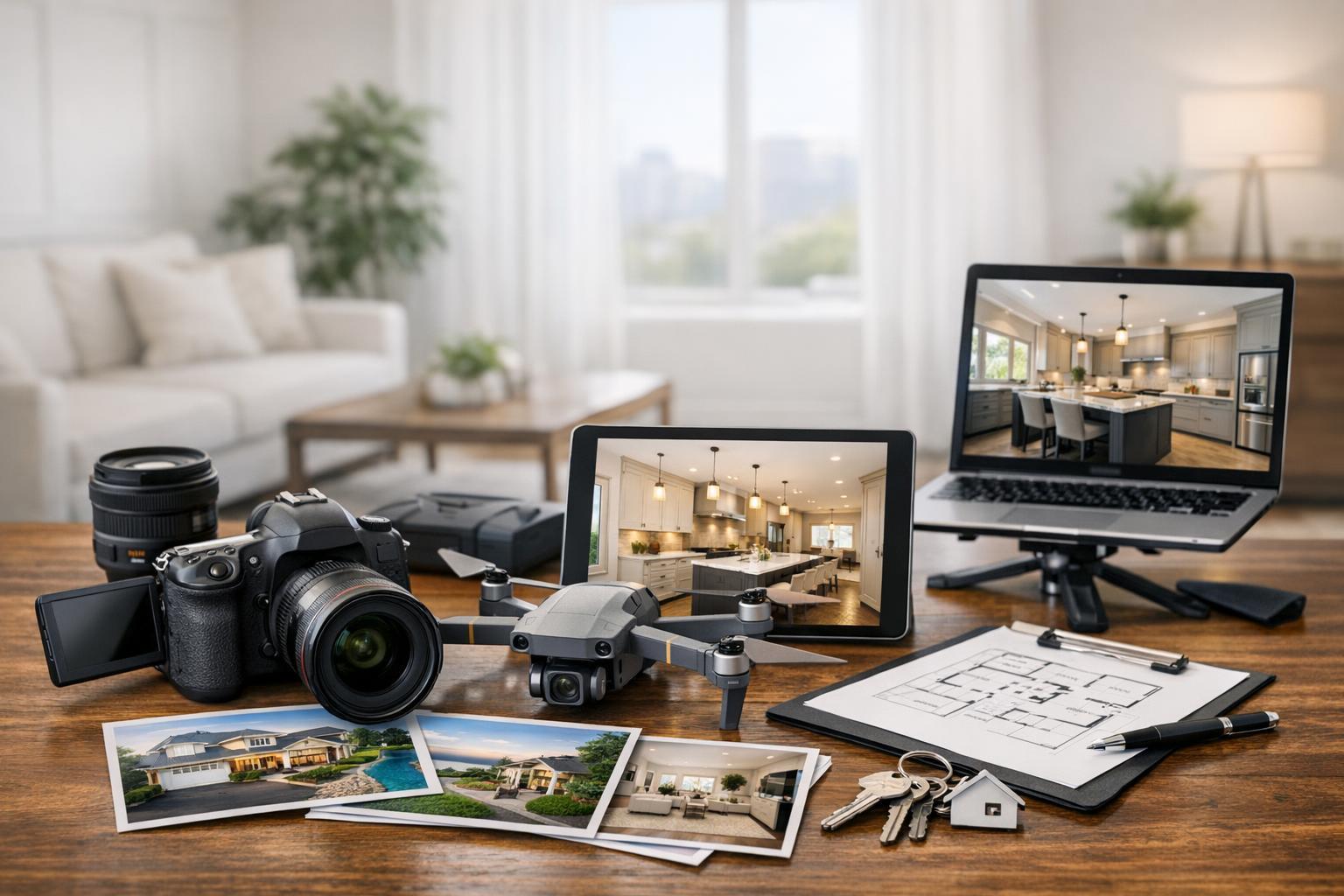
On a wooden table, a camera, drone, tablet, laptop, and real estate photos are arranged to showcase property visuals, with digital screens displaying interior images.
How to Choose Real Estate Photography Services for Your Next Listing
Real estate photography plays a pivotal role for agents, property managers, and brokers who want to present a listing with clarity and appeal. The first look a potential client gets—before any showing or phone call—is nearly always through professional property photos. When those images communicate the feel, scale, and possibilities of a space, the right prospect is more likely to schedule a tour. When they fall flat or confuse the layout, momentum is lost before it can even begin.
Yet, hiring a real estate photography service isn’t just another item on a listing checklist. Choosing wisely shapes not only the visual presentation but the entire pre-listing workflow—from preparation and scheduling to the delivery and use of finished images. Here's how experienced teams in NYC, New Jersey, and nearby markets approach that decision.
Defining the Listing’s Visual Story
Every property has unique characteristics and priorities. Real estate photography should clarify, not complicate, the experience for prospective viewers. In a compact Manhattan studio, efficient use of space, natural light, and ceiling height can be critical. For a brownstone in Brooklyn, the blend of period details, staircase flow, and outdoor access may deserve emphasis. Larger homes in New Jersey often call for broader coverage, highlighting the connection between interiors, exterior setting, and outdoor features like patios or pools.
Before contacting a photographer, take time to consider:
- Which features actually drive buyer, renter, or client interest?
- How should the sequence of images reveal the space and its context?
- Are there details—like city views, renovations, storage options, or multiple levels—that merit strong visual focus?
Outlining these points sharpens the assignment and results in images that show the property as it exists, with priority placed right where it matters.
Evaluating Consistency Beyond the Portfolio
Nearly every provider has a polished highlight reel. The true measure of real estate photography services is found in complete listing galleries—how the team handles everyday spaces, challenging rooms, and entire property flows. Ask to review full galleries from similar property types: NYC condos, Brooklyn brownstones, or New Jersey homes of comparable scale.
Look for:
- Balanced lighting: Window views should remain visible and natural, not blown out or muddy. HDR techniques can help, but the final look should avoid artificial halos or dramatic color casts.
- Straight architectural lines: Verticals—walls, doors, cabinetry—should appear true, especially in modern or recently-renovated spaces.
- Accurate room proportions: Wide-angle composition is helpful, but not when it misleads about the space. Professional photos should inform, not confuse, viewers about what the property is really like.
- Cohesive editing: The full gallery ought to share a consistent style. If colors, whites, or contrast shift unpredictably, the result distracts from the property itself.
A reliable service isn’t just about delivering a few dramatic images. It’s about providing a clean, readable set of visuals that help buyers or renters understand the actual home.
Matching Coverage to the Property—Not Just the Photo Count
Effective real estate photography services adapt their approach to the scale and complexity of each property. Ordering too few photos risks missing essential details; ordering far too many can overwhelm or create repetitive galleries.
Considerations that influence the order:
- Apartment or home size
- Number of unique rooms
- Open vs. closed layouts
- Important outdoor or amenity spaces
- Finished lower levels or accessory spaces
A small NYC studio may need just enough coverage to walk through living, sleeping, kitchen, bath, and any standout view or amenity area. In contrast, a multi-level brownstone or spread-out suburban listing benefits from more comprehensive coverage, ensuring visual continuity from floor plan to finished basement and backyard.
When comparing services, ask how they handle spaces with tight rooms, elongated layouts, multiple floors, and areas where telling the story of flow is just as important as highlighting individual features.
Understanding Workflow and Logistics
Outstanding photography captures a property as it stands, but the operational side—access, communication, and delivery—matters just as much.
- Scheduling: Especially in NYC buildings, elevator reservations, doorman protocols, or insurance documentation may be required. Suburban and New Jersey homes bring different access questions: driveways, gates, tenants, pets, or weather dependencies for exterior shots.
- Day-of Prep: Agents and property managers play a vital role here. Clutter, personal items, and visible distractions should be removed in advance—photography, no matter how expert, will capture what actually exists at the property. A practical prep checklist can help (see RealtaSnap's prep guide).
- Turnaround and file delivery: Clarify when and how images will be delivered. Are simple edits or corrections included? How does the process work if you need something tweaked?
When these issues are clear from the beginning, the day-of experience runs smoother for everyone.
Local Experience Makes a Difference
Real estate in NYC and New Jersey comes with details that aren’t always present in other markets. Tight Manhattan apartments require careful attention to perspective and composition. Brooklyn brownstones often have multilevel flows and historical features that don’t capture well without planning. Larger New Jersey homes, meanwhile, call for broader shots that balance interior space with exterior context.
Familiarity with these property types helps a provider anticipate common challenges and avoid surprises on shoot day. Ask about relevant experience and review galleries from analogous listings.
Preparing the Property: What Photography Can—and Can’t—Solve
No matter the photographer’s skill, the physical state of the property on shoot day sets the limit for what will be captured. Preparation matters. Declutter spaces, remove small items from counters, conceal cords and pet supplies, make beds, and replace any burnt-out bulbs. Vehicles should be out of key exterior shots, and all intended rooms must be accessible.
If showcasing a possible furnished look in a vacant room, virtual staging is an option worth considering—but it works best when the space is empty (not just digitally covered over existing furniture).
For detailed prep tips, see RealtaSnap’s complete checklist.
When to Add Floor Plans, Video, or Drone Media
While photography is the foundation for most listings, additional media can fill important gaps:
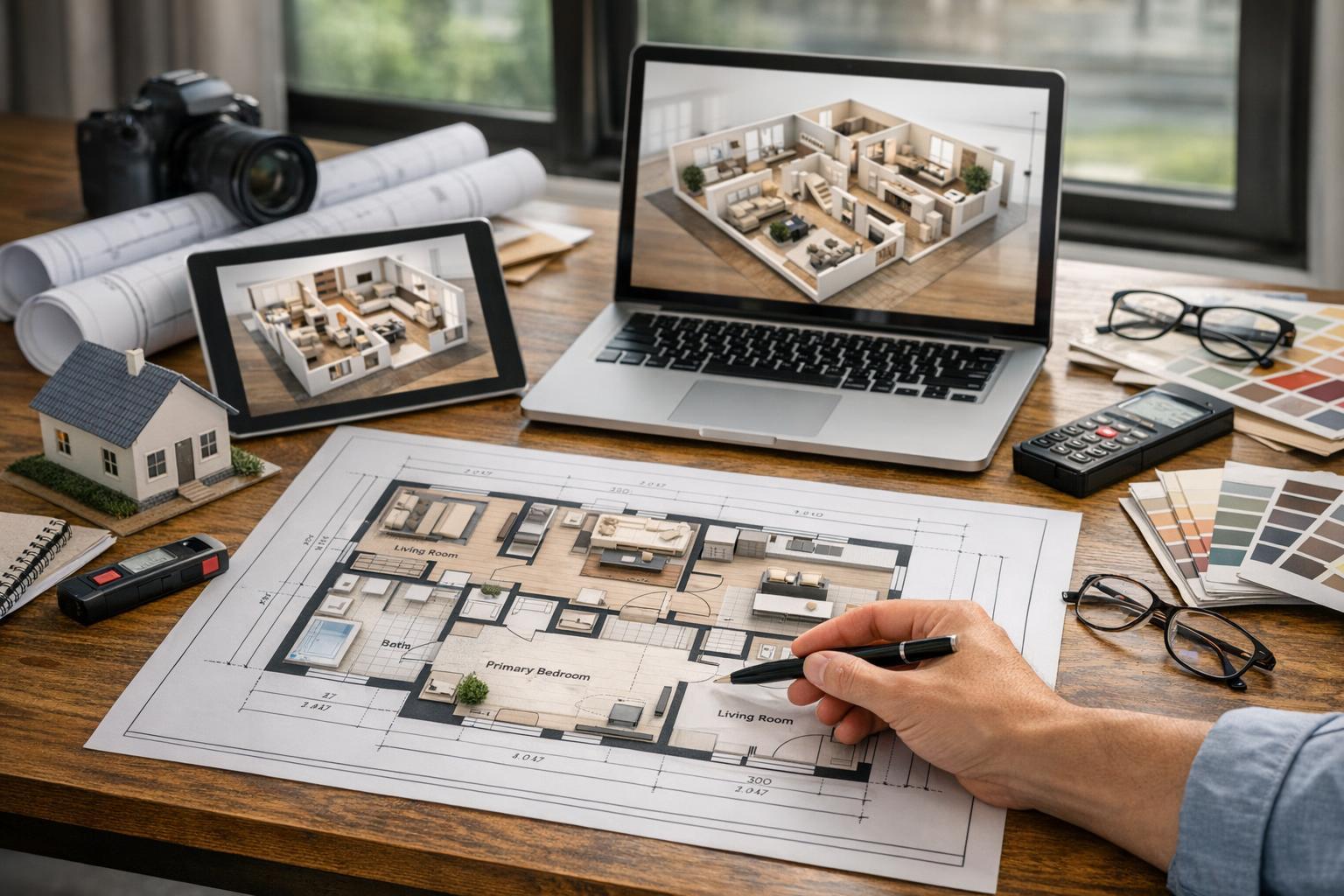
- Floor plans clarify unusual layouts, multiple levels, or room connections. These must be captured on site for accuracy—PDFs or old plans don’t suffice.
- Video adds context for properties where movement and sequential flow matter: think multi-room brownstones, homes with seamless indoor-outdoor access, or buildings with notable amenities.
- Drone captures provide aerial context for homes with large lots, significant outdoor features, or meaningful surroundings. Feasibility in urban locations can depend on roof access, airspace, and weather. Drone work is always handled on a case-by-case basis.
Not every property needs every format. The decision comes down to which media can help buyers or renters better understand something that photos alone might not fully explain.
The RealtaSnap Approach
At RealtaSnap, our focus is on producing crisp, listing-focused visual media that keeps the real property at the center of every shoot. We cover NYC (all boroughs), New Jersey, and select areas in Westchester and Upstate NY for project-based needs. Our photographers capture what exists—no overproduced edits, no speculative alterations—so listings stay honest and thoughtful.
Booking is handled online for convenience and transparency. You can review available slots and service packages, then prepare your team and property with confidence, knowing you’re working with a provider grounded in practical, local experience.
Make the Decision Early—Before the Listing Clock Starts
The right real estate photography service supports your team, seller, or client by making the process seamless. Review whole galleries, clarify communication and access needs, prepare the space, and choose a provider who approaches each listing with clarity and respect for its unique story.
When your next listing is on the horizon, take the step to set it up for a strong first impression. For local expertise in NYC, New Jersey, and surrounding areas, learn more or book directly at www.RealtaSnap.com.
FAQ
Question: How do I determine the right number of photos for my property?
Answer: Match the coverage to the property’s features and complexity, not just a standard photo count. A one-bedroom apartment may need a concise gallery, while larger homes, brownstones, or properties with expansive outdoor areas typically benefit from more comprehensive coverage that clarifies the layout and flow.
Question: What preparation should happen before the photographer arrives?
Answer: Remove personal items, clutter, cables, pet supplies, and anything that could distract from the home’s features. Open blinds where helpful, replace burnt-out bulbs, make beds, and ensure all rooms are accessible. A well-prepped property lets the photography highlight the best, most marketable aspects of the space.
Question: When should I consider adding floor plans or video to my listing?
Answer: Floor plans make sense when the layout is a major selling point or the space spans multiple levels. Video can be valuable for properties where flow and movement matter—like open-plan homes or listings with impressive amenities. Each of these services requires on-site capture, so discuss your needs early in the process with your photography provider.