How to Choose a Real Estate Videographer for an NYC or New Jersey Listing
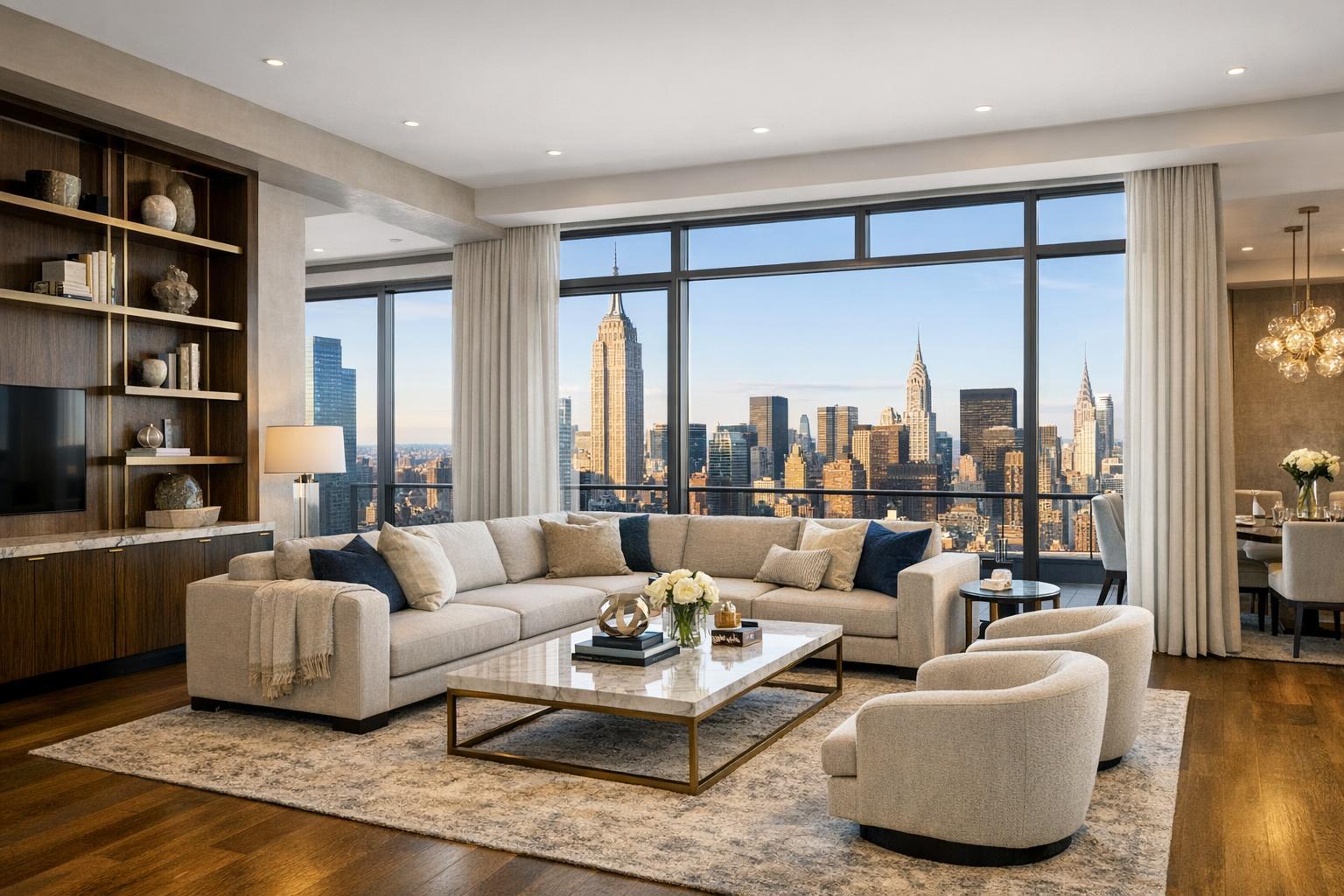
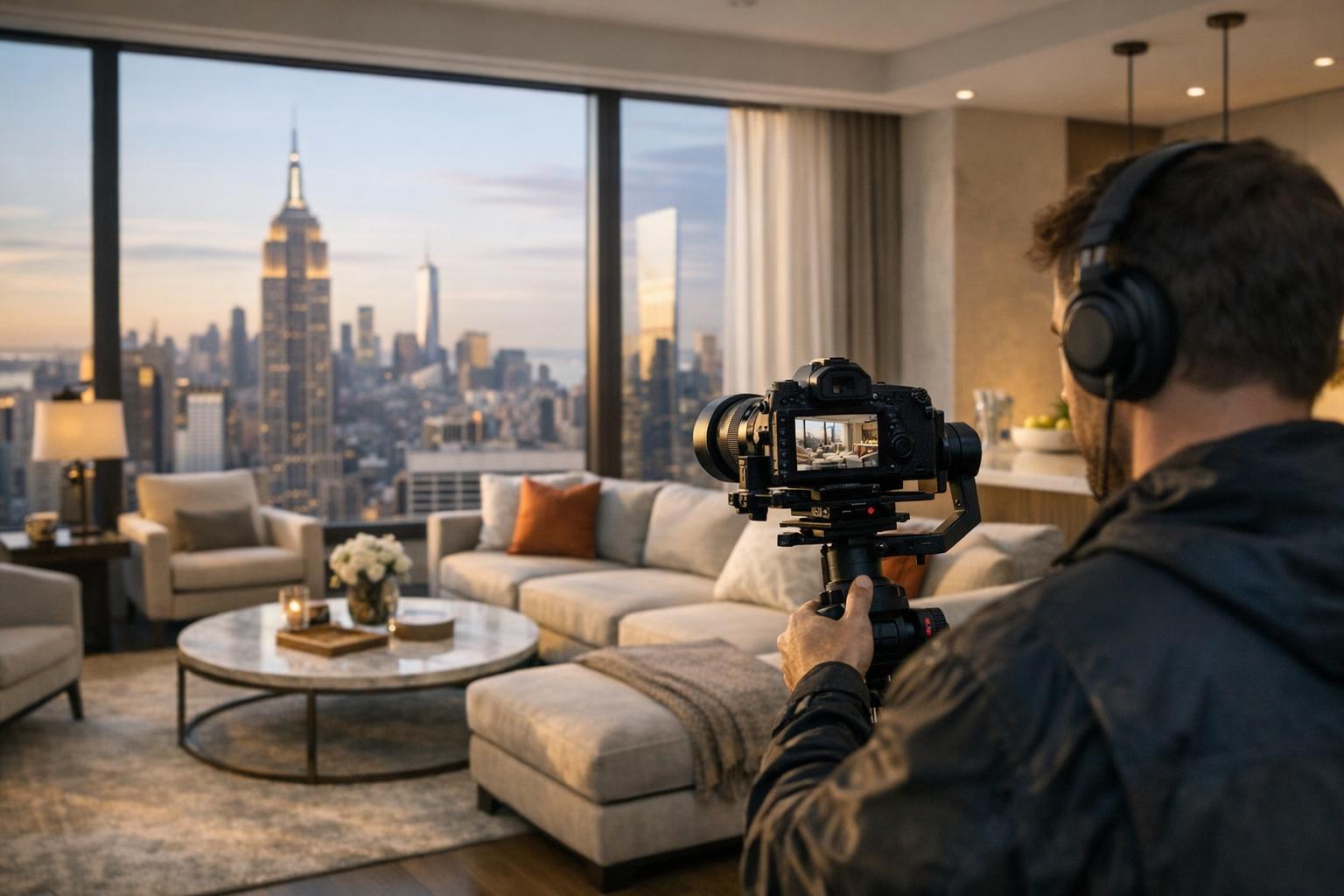
A real estate videographer captures a luxurious apartment interior with stunning city skyline views at sunset.
How to Choose a Real Estate Videographer for an NYC or New Jersey Listing
A real estate videographer is more than just a professional with a camera—they’re someone who can translate the feel of a space into a seamless visual journey, making a property truly come alive for viewers. In markets like NYC and New Jersey, where properties range from ultra-compact city apartments to sprawling suburban homes, the right property video professional identifies and communicates what makes each listing unique.
For real estate agents, brokers, and owners searching for the right partner, the decision is practical and strategic. The right real estate video tour can clarify details that might otherwise be overlooked, guiding prospective buyers or renters through the flow of a home, the quality of light, and the relationship between key spaces.
What Should a Real Estate Video Tour Really Show?
A genuinely useful real estate video tour doesn’t simply look attractive—it informs. It gives viewers an accurate, intuitive sense of how they’d experience the property. Before evaluating a videographer or reviewing portfolios, think through what’s crucial for someone seeing the home for the first time. For most listings, that should include:
- The approach and entry—how the property greets you
- Main living spaces, with a sense of flow between areas
- Noteworthy details in kitchens, bedrooms, and bathrooms
- Light, views, ceiling height, and architectural features
- Relevant exterior areas and neighborhood context
The challenges can shift dramatically by location. In Manhattan, it’s often about making the most of a compact and creative layout. In Brooklyn, you may want to capture the character of a brownstone through original details or yard access. In Jersey City and across New Jersey, the priorities may include connecting larger rooms, highlighting finished basements, or helping viewers understand the relationship between indoor and outdoor amenities.
Evaluating Portfolio Work: Full Videos Over Flashy Clips
It’s easy to be drawn in by a well-edited montage, but short highlight reels rarely tell the full story. The real measure of a property video professional’s work is how they handle a complete listing from start to finish. When reviewing sample videos, take a close look at:
- Purposeful camera movement: Smooth movement can reveal room connections and make spaces feel inviting, while excessive motion or overly dramatic transitions detract from clarity. A good video paces the viewer, showing what they’d naturally be curious about—what’s around the corner, how rooms connect, and how outdoor features are accessed.
- Consistent exposure and color: Properties, especially in NYC and older NJ homes, often mix tricky lighting—sunlight pouring through one window and shadow in another. Consistency here matters: white walls shouldn’t become orange in one shot and blue in the next without cause. The video should maintain a cohesive, natural look, representing the property truthfully.
- True-to-life architectural proportions: Wide lenses help capture more of a room but should be handled carefully to avoid stretching or distortion. Notice whether the video keeps vertical lines stable, maintains honest proportions, and avoids tricks that make rooms look larger or stranger than they are.
- Steady, logical editing rhythm: Music and pacing help define a property’s presentation. Watch for edits that allow a viewer time to understand each main space, rather than rushing or lingering unnecessarily. Ideally, each transition in the video moves the viewer forward in a way that feels natural and informative.
Prioritizing On-Site Video—Not Slideshows or Stock Clips
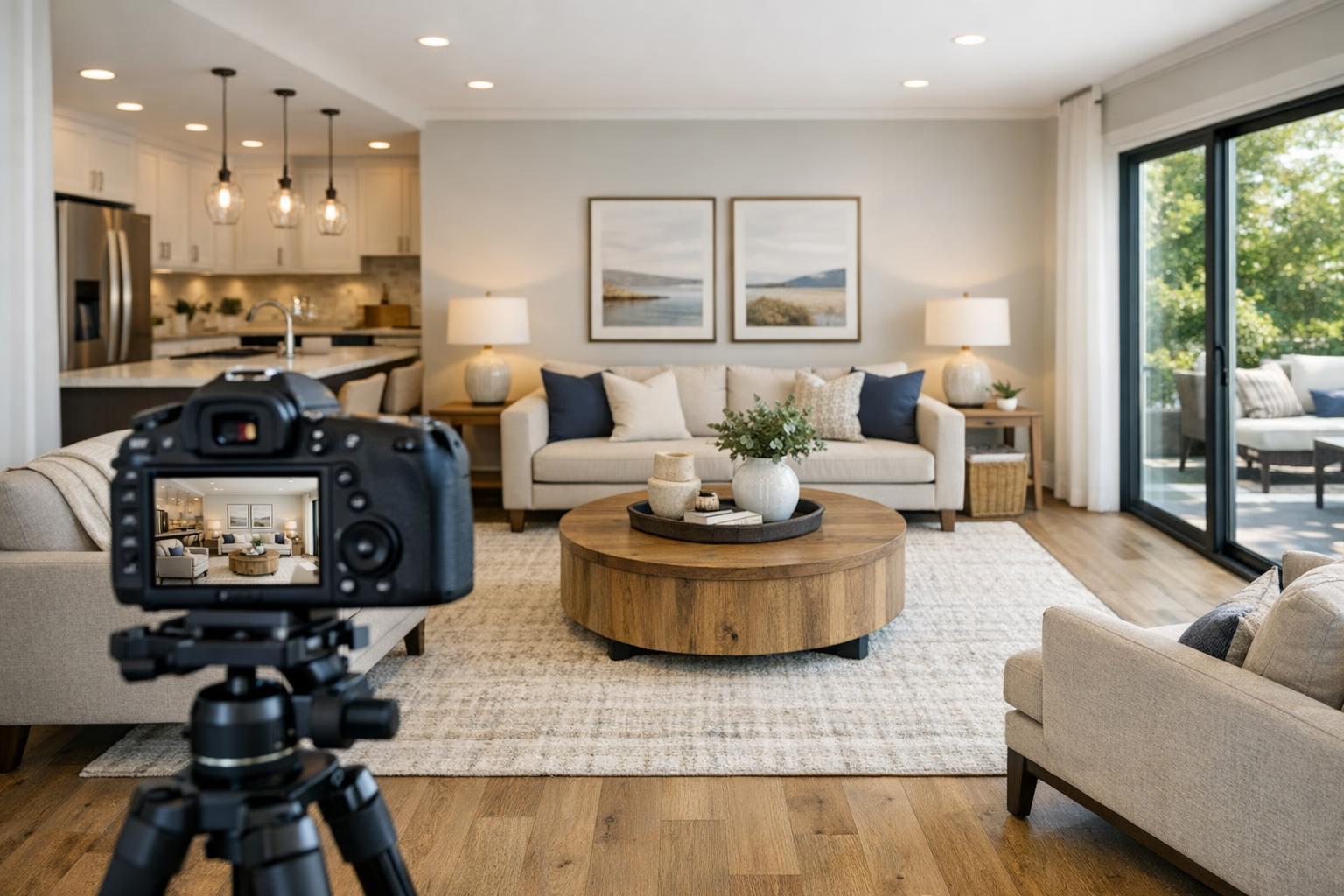
True listing video is created on-site. This means the videographer plans the shoot, moves through the property, adjusts for real conditions, and captures how a home actually feels. Some media providers offer slideshows made from listing photos, but these lack authentic movement, transitions, and the perspective that only a walkthrough video provides.
At RealtaSnap, all real estate video tours are filmed on location to ensure that every frame reflects the property as it exists, making the final product more valuable and accurate for listings where layout and flow matter. This distinction is especially important for duplexes, brownstones, homes with unique floor plans, and properties with outdoor elements.
Planning and Preparation: What Really Affects Quality
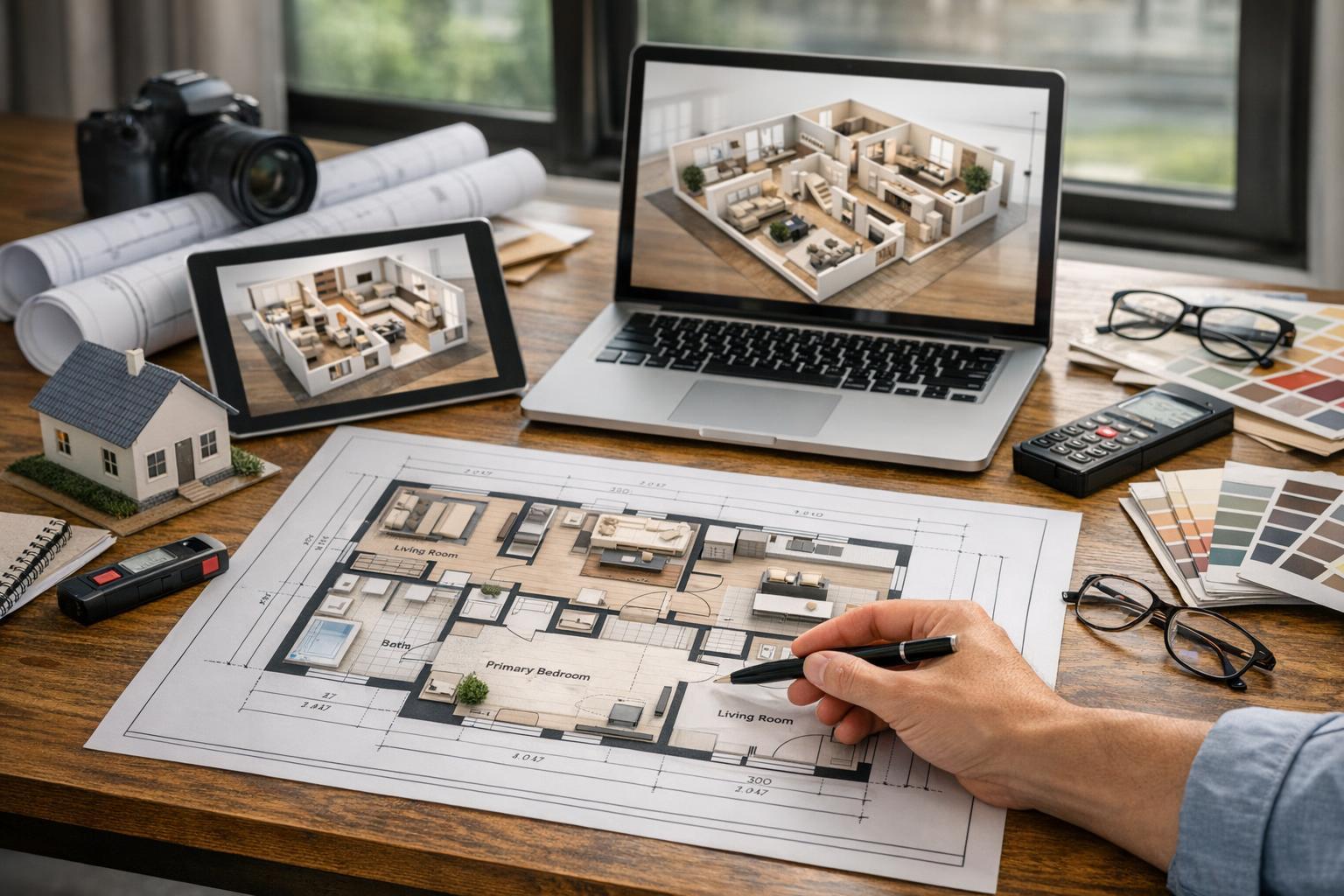
Effective property video isn’t accidental. A well-prepared provider will guide you through critical planning steps long before the camera rolls. Common points to coordinate:
- Which rooms and features are most important to capture
- The time required for filming, considering light and access
- Whether someone should be present for the shoot
- Best times of day for natural lighting or exterior footage
- Local logistics, like elevator or parking rules (especially relevant in NYC co-ops and condos)
- Special features to highlight, such as a renovated kitchen, a roof deck, or specific views
For larger suburban homes in New Jersey, discussion may include driveway access, landscaping, or capturing pool areas at their best. For city properties, building access, certificates of insurance, and service-elevator coordination often need to be arranged. Sharing these details in advance with your video professional is key to a smooth experience.
Preparing Properties for Video—A Few Practical Steps
Every experienced real estate videographer will confirm that preparation makes a visible difference, especially since video is less forgiving than still photos. As the camera moves, any stray item or unfinished detail stands out. Helpful tips for preparing a listing:
- Clear counters, tables, and vanities
- Remove visible cords, personal items, pet supplies, and trash bins
- Open curtains or blinds to let daylight in (when views are an asset)
- Make beds and arrange pillows
- Tidy up exterior areas and remove vehicles from sightlines if needed
The aim isn’t to erase personality, but to reduce distractions so viewers can focus on architecture, finishes, and layout. For vacant properties, discuss furniture options or whether virtual staging should be considered. Keep in mind, however, that virtual staging works best when the room is actually empty; if there’s existing furniture, it will need to be removed or decluttered prior to staging.
Is Aerial (Drone) Video Worth Including?
Aerial media can add significant value for certain listings—think New Jersey homes with extensive grounds, rooftop access, or unique exterior features. Drone video offers context, showing how a house relates to its surroundings, yard, or nearby parks and water.
However, drone use is not always appropriate or possible. For many Manhattan apartments or condos in dense areas, ground-level video remains the priority. Aerial capture depends on local airspace, weather, safety, building access, and specific regulations, so always discuss feasibility with your provider early in the process.
For more on RealtaSnap’s approach to aerial media across NYC and New Jersey, you can visit the RealtaSnap drone services page.
Clarifying Deliverables: What Will You Receive?
Not every real estate videographer means the same thing when they say “video.” It’s important to clarify:
- The primary format (horizontal, vertical, or both)
- The main purpose: listing video, social-media cut, or a quick trailer
- Whether agent introductions, branding, or custom music are needed
- Delivery deadlines and file types
- Options for edits or revisions
- Where and how the video can be used (MLS, email, Instagram, etc.)
At RealtaSnap, video deliverables include Standard, Premium, and Premium with Interview options, add-on social media edits, and short trailers—making it easier for agents to choose the format that best fits their property and marketing plan. All on-site listing videos are created around the actual attributes of the home, not cobbled together from photos or generic footage.
For more information about video service options, see the RealtaSnap real estate videography page.
Making the Selection: Beyond the Sample Reel
Choosing the right property video professional means looking past good highlight videos and asking practical questions:
- Does their work demonstrate real property storytelling—not just pretty images?
- Do they explain how the process unfolds on-site, and what’s needed for a smooth shoot?
- Can they adapt their filming and editing style to fit the property’s character and the intended audience?
- Are deliverables, timelines, and expectations clearly defined?
The right fit should result in a video that not only catches the eye, but also helps buyers and renters truly understand the property. The best listing videos create clarity while still expressing the experience of being there.
Ready to Book or Explore Your Options?
RealtaSnap serves all five boroughs of NYC, the entire state of New Jersey, and select nearby regions. If you’re looking to capture a property with clarity, efficiency, and real attention to detail, you can browse examples or book your next video service online at www.RealtaSnap.com.
FAQ
Question: What questions should I ask a real estate videographer before committing to a shoot?
Answer: Look for full video examples of similar properties, not just short highlight clips. Confirm that all footage will be captured on site—not created from existing still photos or stock assets. Ask about planning for light, room selection, logistics, and final deliverables. Mention any building or access rules, and specify features that need special attention.
Question: When does drone or aerial video add real value to a property listing?
Answer: Aerial video offers meaningful value when it helps explain a property’s setting—larger homes with land, outdoor amenities, waterfront proximity, or unique architecture. For city apartments or condos where the story is largely indoors, ground-level video may be more relevant. Drone feasibility varies by property and is influenced by airspace, weather, and safety factors.
Question: Can a listing video be made from still photographs if on-site capture isn’t possible?
Answer: Professional real estate listing videos should be filmed on location for the most accurate and engaging result. Slideshows made from still photos can be assembled, but they don’t replicate the movement, transitions, or visual flow that a true walkthrough video captures. At RealtaSnap, on-site video tours are always built around the actual property experience.