How to Choose Real Estate Photography Services for Your Next Listing
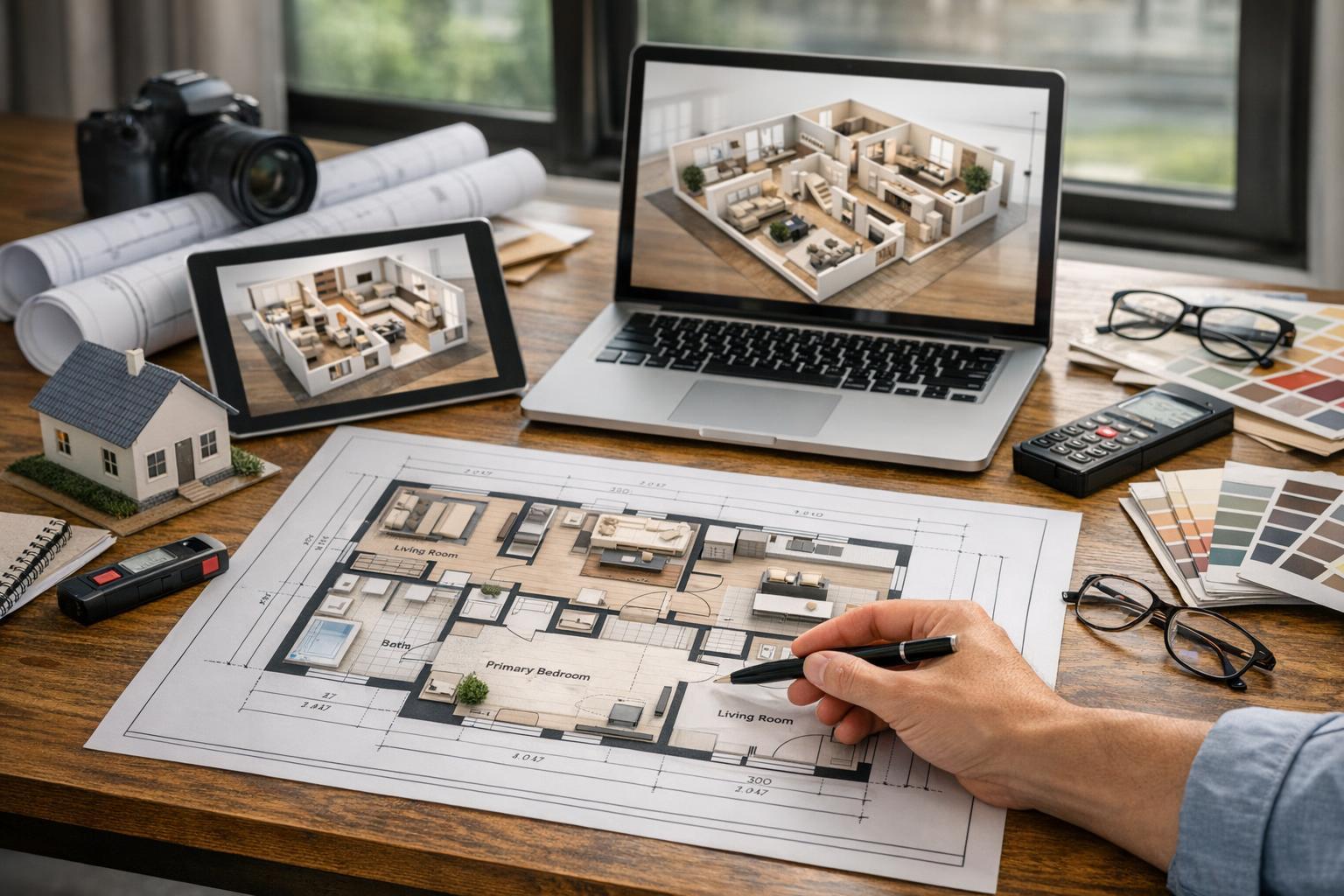
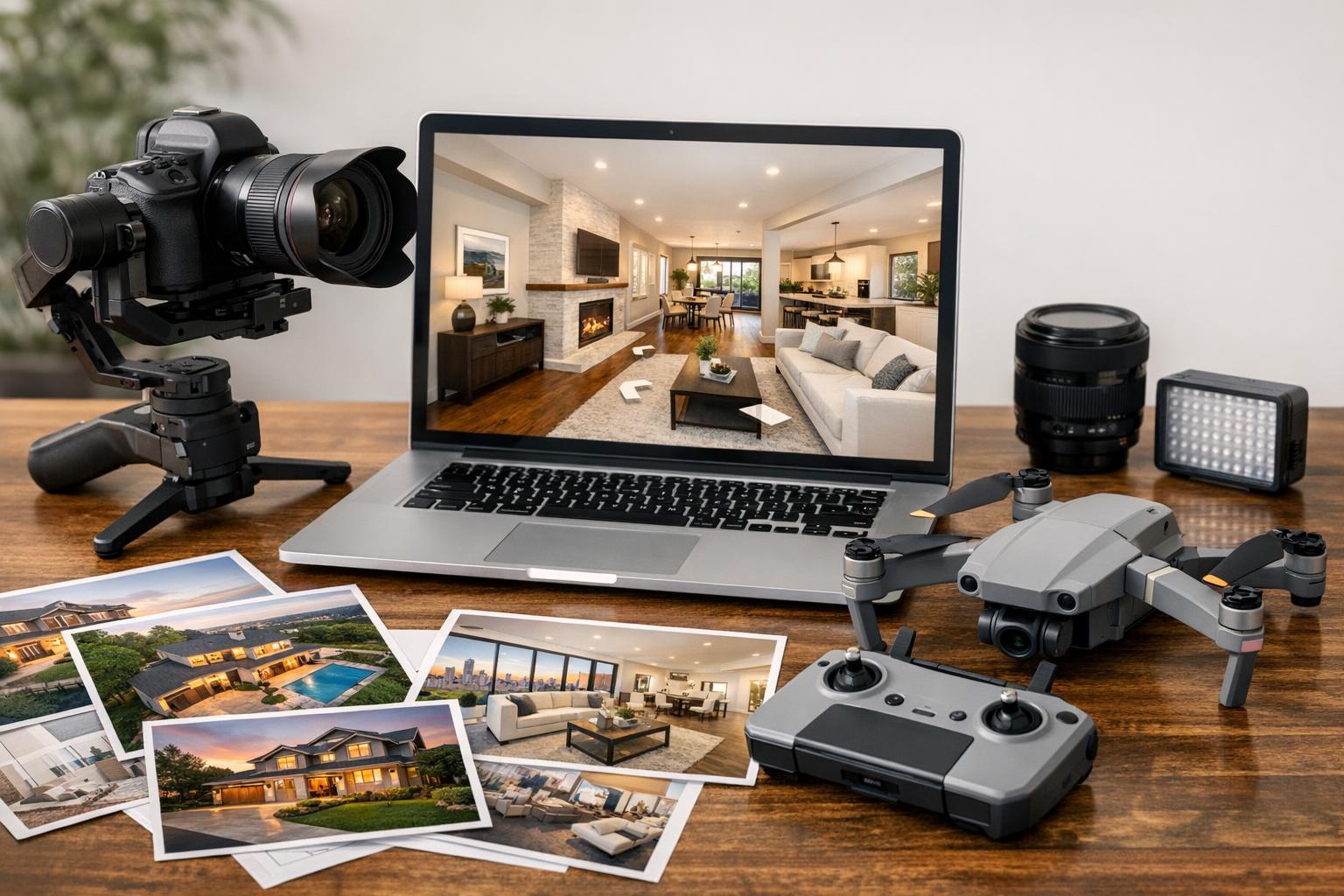
Showcasing tools of the trade, this scene features a camera, drone, and editing equipment used in professional real estate photography services.
How to Choose Real Estate Photography Services for Your Next Listing
Real estate photography services are often the first line of communication between a property and the potential buyers, renters, or investors viewing it online. Whether you're listing a compact Manhattan apartment, a Brooklyn brownstone, or a spacious New Jersey home, the decision of which real estate photography company in NYC or NJ to trust with your marketing images shapes how your listing will be perceived. On the surface, hiring a professional photographer might seem as simple as selecting a package or comparing prices. In practice, it’s a decision that deserves deeper consideration—because what you’re really choosing is the quality, clarity, and credibility of your listing.
Start by Defining What Your Listing Needs to Say
The most effective property media doesn’t just document what’s present—it helps the viewer understand what’s special about each space, even before setting foot inside. Before reaching out to a service provider, it’s worth reflecting on the story your property needs to tell.
Consider the following:
- Which rooms or features are essential to highlight front-and-center?
- Does the floor plan require extra explanation because of its uniqueness or flow?
- Are there important external elements (land, views, amenities, context) that photos alone may not fully explain?
- Is the property furnished, empty, lived-in, or still in prep?
- Would video, a floor plan, or a 3D tour better support the listing alongside photos?
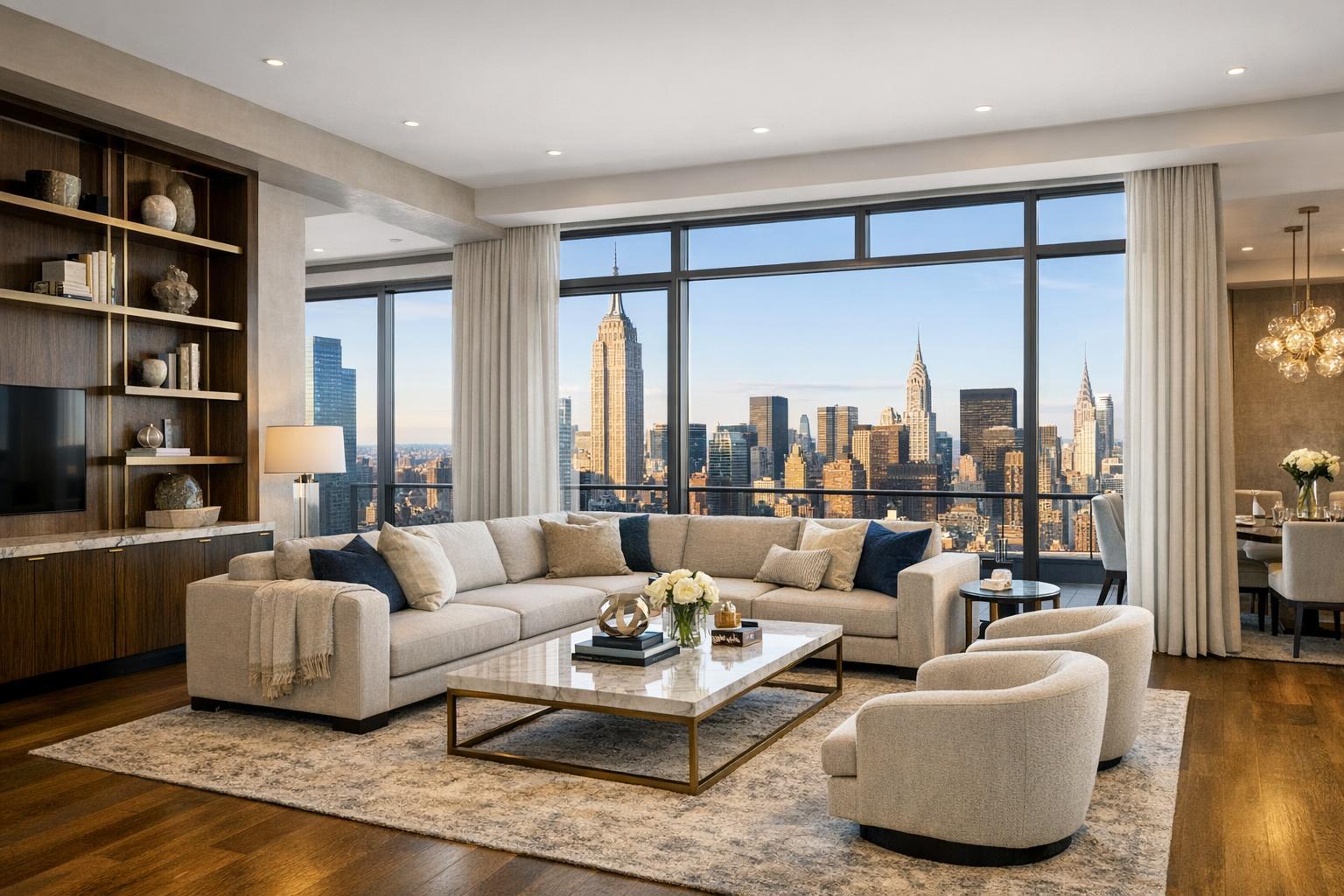
For example, a studio in Manhattan may need careful, accurate composition to maximize perceived space without exaggerating it. A historic Brooklyn brownstone, with layered rooms and classic details, calls for a series of images showing relationships between spaces and features. Large New Jersey homes often benefit from broad interior, exterior, and possibly aerial coverage whenever appropriate.
The right set of deliverables isn’t about maximizing add-ons—it’s about supporting the story you want your listing to tell.
Beyond the Photo Count: What Professional Coverage Means
One of the most common questions from agents and owners is “How many photos do I get?” While understandable, the photo count alone is not a reliable quality metric. An extensive gallery with repeating angles adds little value; too few images can leave buyers guessing.
What matters more is how a professional property media team approaches the assignment:
- Thoughtful on-site capture of the property as it exists today
- Compositions that show rooms, architectural features, and major amenities clearly
- Balanced lighting—especially where bright windows and darker interiors meet
- Vertical lines and realistic room proportions
- Editing to remove small distractions while keeping the home’s real characteristics intact
If photography creates confusion, exaggerates space, or makes features unrecognizable, it can undermine trust or lead to disappointment at in-person showings. For NYC apartments especially, wide-angle images must be handled judiciously to avoid distorting scale or context.
A capable professional anticipates these challenges and communicates what’s achievable within the realities of the property and conditions.
Portfolios: Looking for Consistency and Appropriateness
Portfolios offer an immediate sense of a real estate photography company’s standards. The standout shots may impress, but for listing evaluation, consistency is more valuable. Look at a provider’s ability to confidently present everything from compact apartments to multi-level homes.
Concrete details to notice:
- Logical Visual Flow: Do the images help you understand where you are in the property from frame to frame?
- Natural and Polished Lighting: Are interiors bright, inviting, and believable—with windows handled thoughtfully?
- Proportions and Lines: Cabinets, moldings, and doorways should appear straight and visually accurate, not warped or skewed.
- Editing Choices: Great photography removes minor eyesores; it shouldn’t erase permanent features or create an idealized version of a home. If retouching is needed—like clutter removal for virtual staging—ask how it’s handled.
Check whether the company demonstrates comfort and skill with properties similar to the one you are listing, whether that’s a Manhattan co-op, a brownstone, or a spacious home in northern New Jersey.
Preparation: Maximizing the Value of Your Shoot
No matter how skilled the photographer, property preparation affects the outcome. Prepping a space unlocks its visual potential and saves post-production headaches. Small actions matter:
- Clear off kitchen and bathroom surfaces, limiting to a few purposefully placed items.
- Tidy all visible spaces—remove personal photos, cords, pet supplies, and unnecessary clutter.
- Ensure all interior lights are working and switched on for the shoot.
- Open blinds or drapes when possible to showcase views.
- Make beds neatly and tuck away loose bedding or throw pillows.
- Move vehicles from the driveway before exterior photos.
- Confirm all rooms and amenities to be photographed are accessible.
For occupied homes, the aim isn’t a sterile space but one where the property—not the contents—takes center stage. Even minimal clutter in compact urban apartments can dominate the frame; for larger homes, check garages, pools, patios, and other spaces that will appear in the listing.
Professional Workflow: What to Ask Before Booking
Efficient, transparent communication is a hallmark of a reliable media partner. Ask service providers specific questions so you know what to expect:
- What information is needed before the appointment?
- Are there options for communicating access instructions and listing priorities?
- How are services and add-ons selected during booking?
- How will the finished images and media be delivered?
- Is there a process for requesting edits or adding more photos if needed?
- Do occupied and building-managed properties require special arrangements?
- Who needs to be present (or not) during the shoot?
RealtaSnap, for instance, offers an online booking process where users can input the property address, provide notes and access instructions, choose from a menu of services, and confirm available times—all before the shoot day. This keeps scheduling straightforward for both clients and media teams.
To explore available service options or start the scheduling process, visit RealtaSnap’s homepage.
Selecting the Right Types of Visual Media
Photography is almost always core to property marketing, but some properties deserve additional coverage to address specific questions or features:
- Video: Useful for demonstrating room-to-room flow, key transitions, and the atmosphere of lived spaces—especially in homes where layout and movement are part of the appeal.
- Floor Plans: Essential for listings where understanding layout, scale, or functional space is critical. Always requires in-person access for accurate on-site capture.
- 3D Virtual Tours: Matterport and similar formats let buyers explore remotely, making them valuable for relocation clients, busy schedules, or listings with complex spatial orientation.
- Drone Photography or Video: For properties with extensive land, water views, or architectural scale. In dense urban settings like NYC, flights depend on airspace, safety, and practical conditions.
- Virtual Staging: Helps buyers visualize how an empty room could be used, but is best applied to properly decluttered, vacant spaces.
Each supplemental service involves factors beyond just placing an order. For example, virtual staging in a room with existing furniture requires preliminary clutter removal—ask the provider about their process for these scenarios.
Local Experience Matters
NYC and New Jersey listings bring unique logistical and environmental considerations. In New York City, a listing shoot might involve building security, elevator reservations, tight floorplates, or even limited daylight. New Jersey homes often come with larger lots, more exterior features, and, sometimes, different expectations around amenities like pools or detached garages.
A knowledgeable real estate photography company in NYC understands these regional nuances—making the preparation, scheduling, and delivery process easier for everyone involved. RealtaSnap’s team regularly works across both NYC and New Jersey and brings familiarity with the practical realities of each market.
Building a Productive Media Relationship
For many professionals, consistency across multiple listings is as important as the results from any one shoot. A dependable provider delivers:
- Reliable quality across project types
- Communication that fits your workflow
- Booking and delivery processes that respect your time
- Visuals that present properties accurately—no surprises at showings
When you’re confident in your media team, launching, prepping, and promoting listings becomes more predictable and efficient.
If you have an upcoming property in NYC or New Jersey and want to see how professional media can streamline your listing process, you can explore, compare, and book services online at www.RealtaSnap.com.
FAQ
Question: How many images should I order for a standard listing?
Answer: The ideal number of listing photos depends on property size, layout, and the features you’d like to highlight. For a smaller apartment, 10–20 images may suffice; multi-level homes or properties with special amenities may benefit from broader coverage. Focus on photos that explain the property clearly rather than maximizing photo count for its own sake.
Question: Is it worth adding a floor plan or 3D tour to my order?
Answer: If your property has a unique, complex, or multi-level layout that may be difficult to understand from photos alone, floor plans or 3D tours can add real value. Both require an in-person scan, so it’s best to decide before your scheduled appointment.
Question: Can virtual staging be applied if the room still contains some furniture or clutter?
Answer: Virtual staging by RealtaSnap is intended for empty or properly decluttered rooms. If there is furniture or clutter present, clutter removal edits may be required before virtual staging can be applied, maintaining a clean and realistic final image.