How to Choose Real Estate Photography Near You for Your Next Listing
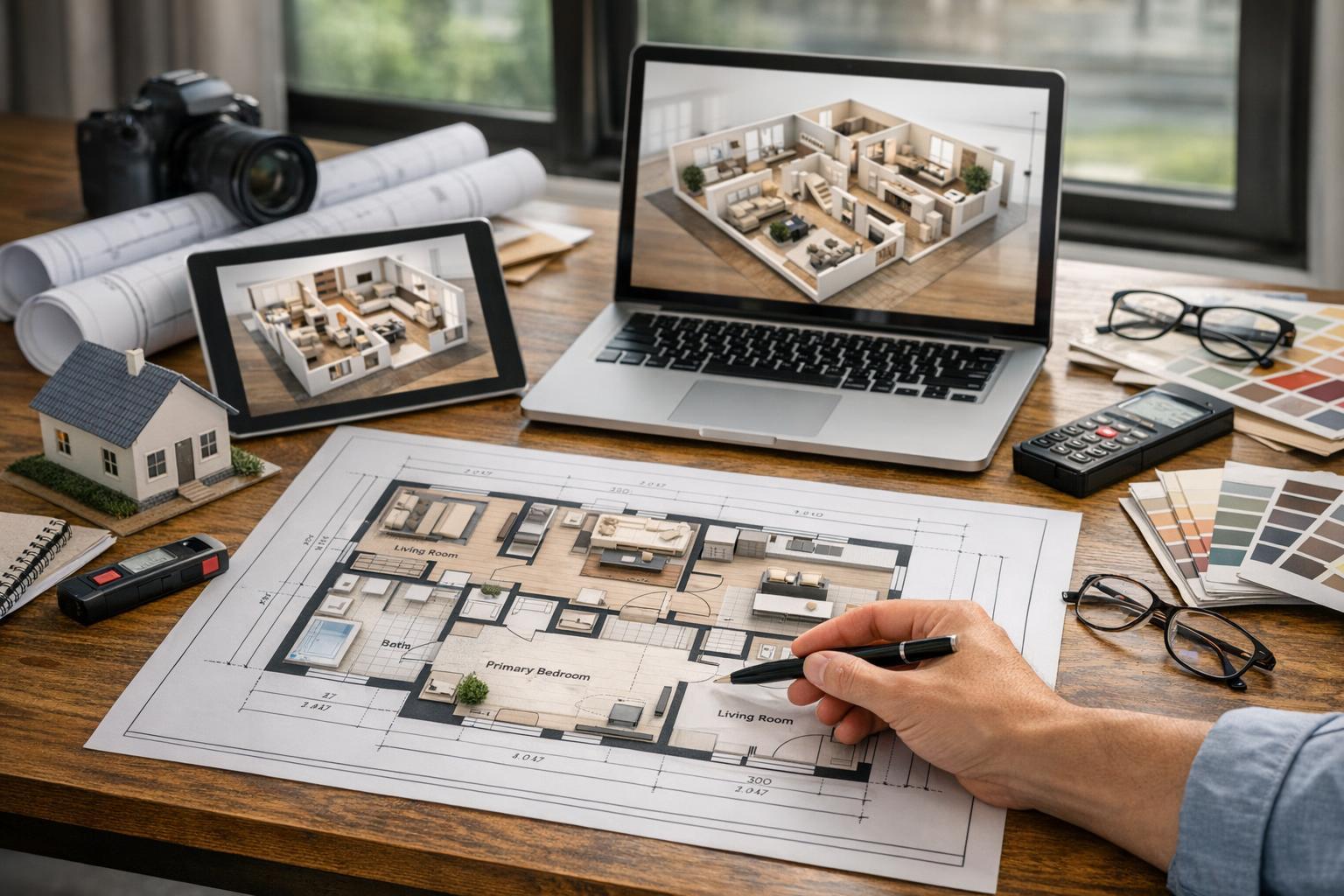
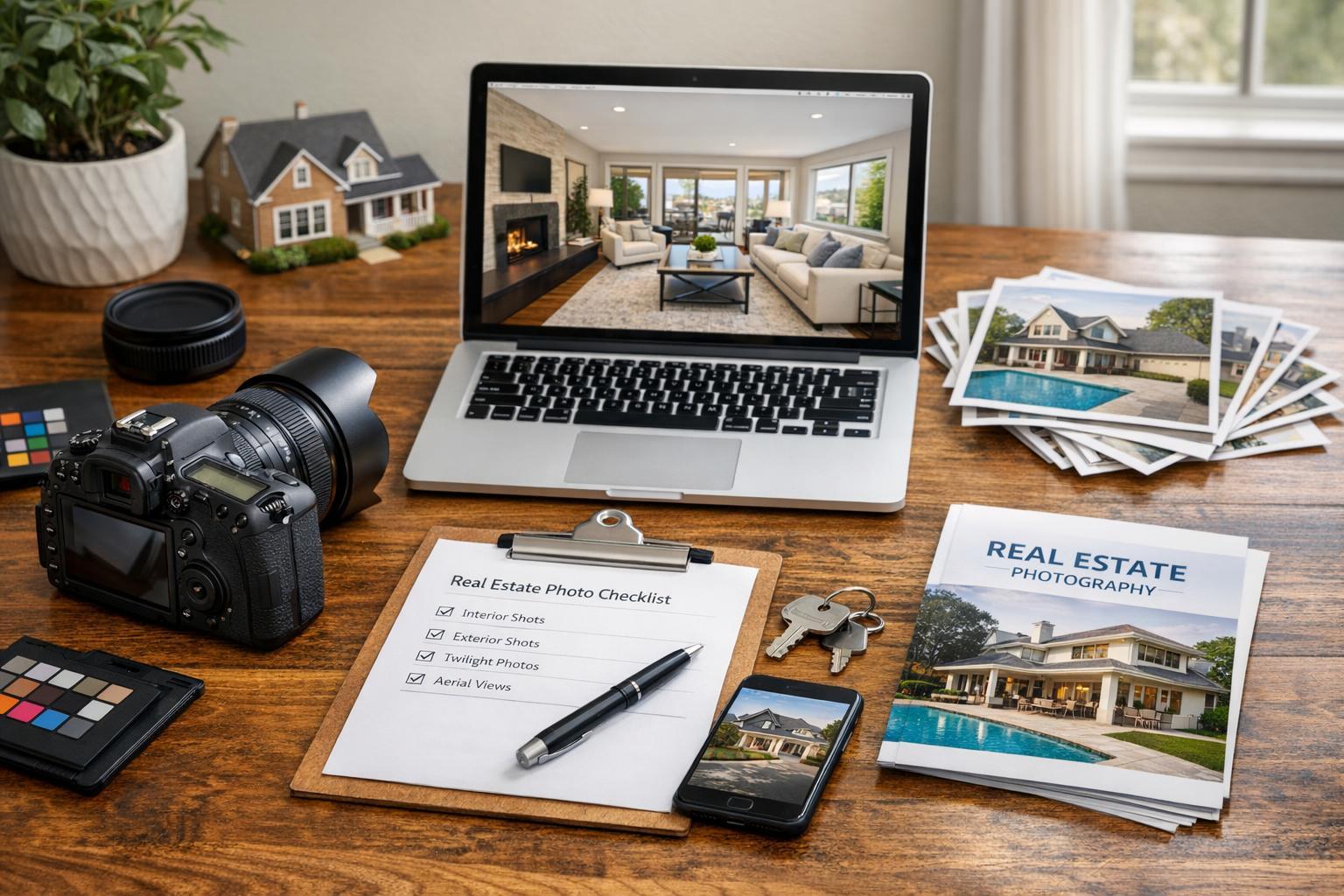
A well-organized real estate photography setup near me features a camera, checklist, laptop displaying a living room, and booklets on a wooden desk.
How to Choose Real Estate Photography Near You for Your Next Listing
Real estate photography near me is a search every agent, broker, or owner will make eventually, but the real decision goes far beyond finding the closest available camera. The practical value of choosing a local property photographer is rooted in experience, property coverage, and context-specific decision making. In NYC, New Jersey, and surrounding markets, the best fit is often the provider who understands your property’s needs and operational realities—not just the one a few subway stops away.
Rethinking “Near Me”: What Proximity Actually Means for Your Listing
When you search for real estate photography near you, proximity feels like it should simplify everything. A photographer who’s already working in Manhattan or Brooklyn might help you avoid weeks of waiting, complicated building access, or surprise travel fees. But while local familiarity can streamline scheduling and navigation—especially in busier New York City neighborhoods, co-op buildings, or areas with tight show windows—physical closeness is only part of the equation.
What matters far more is whether the photographer has a consistent workflow for capturing and presenting properties like yours. Good real estate media should provide a clear, accurate visual explanation before anyone steps through the door. Professional agents know that the quality of this presentation, not just the address on the invoice, can determine how a listing is received in a competitive market.
Begin With the Property, Not Just a Radius
Choosing the right photographer always starts with a frank review of the property itself:
- Is the space occupied, vacant, staged, or in process?
- Are there distinctive features—exposed brick, original floors, custom renovations, or expansive exteriors—that should set the visual tone?
- Does the property have unique rooms to prioritize, such as a roof deck, terrace, or garden?
- Is the floor plan complex or hard to understand from photos alone?
- Are there access limitations—gated entries, reserved elevators, parking constraints, or coordination with tenants—that could affect timing?
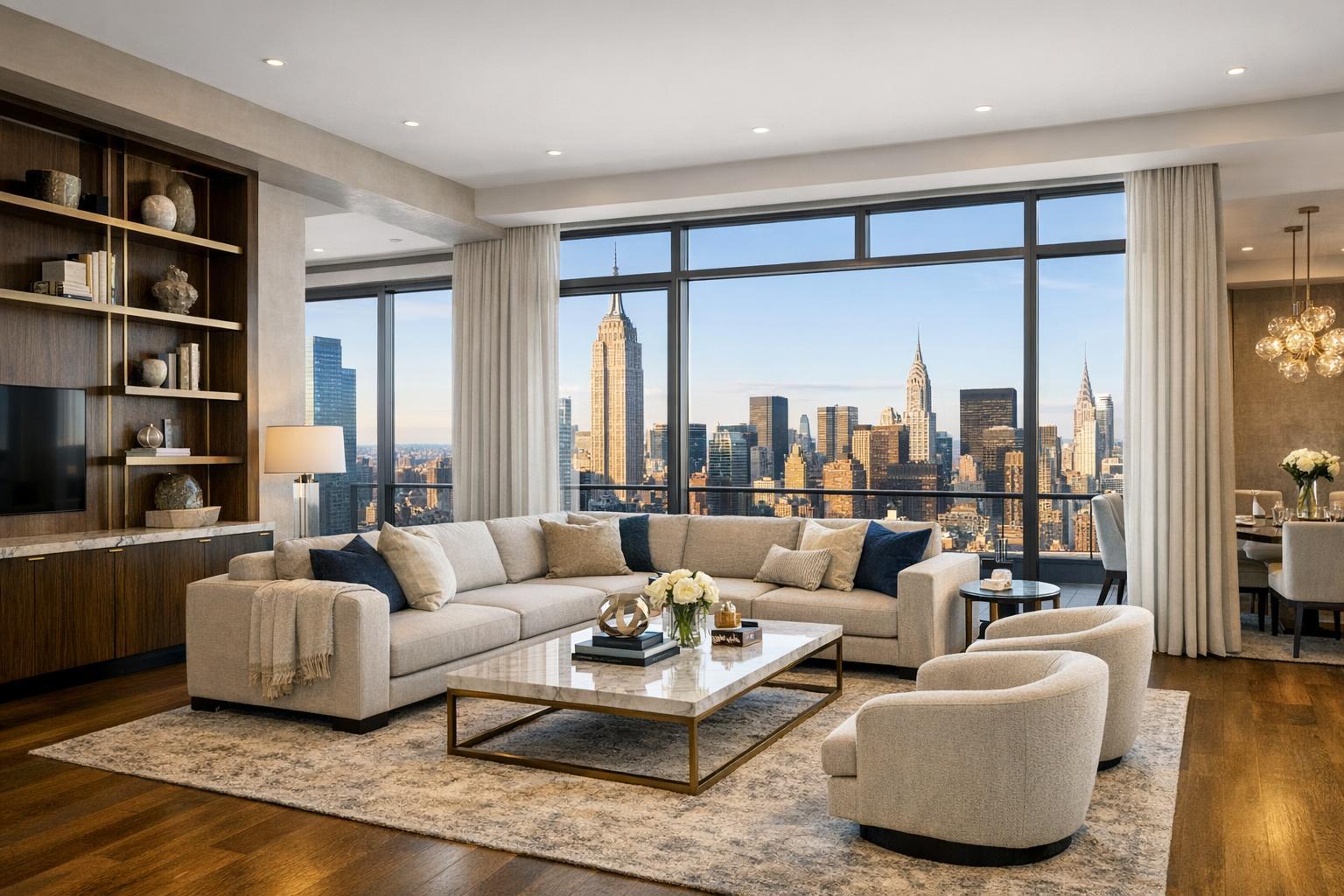
For a compact Manhattan apartment, smart use of angles and natural light can be critical. In a Brooklyn brownstone or townhouse, the assignment becomes connecting multiple floors, staircases, and period details into a flowing, comprehensible series of images. New Jersey homes might require as much attention to garages, yards, and exterior coverage as to the interiors. These distinctions drive the real coverage decisions far more than a simple map search.
How to Review Portfolios: Consistency Over Drama
Every provider will showcase their boldest kitchen or most dramatic city view, but the deeper question is how they handle the everyday spaces: bedrooms, entryways, hallways, or even storage nooks. Experienced buyers and tenants appreciate clear, honest representation of all rooms—not just the highlight shots.
When browsing samples from a real estate photographer NYC or in New Jersey, look for signs of operational experience:
- Vertical lines in walls and doorways remain visually straight, avoiding odd distortions.
- Light from windows is balanced to show both interiors and exterior views where possible.
- Darker rooms are photographed well enough to feel inviting, not artificially brightened.
- The editing style is clean and natural, reflecting real conditions rather than filters that mislead or oversell.
- Complete visual sequences show the flow from street or lobby to living areas, bedrooms, amenities, and outdoor spaces, building a story a buyer can follow.
It’s usually the ordinary images—not just luxurious features—that reveal a photographer’s ability to communicate space honestly and help clients visualize layout and scale.
Experience That Matches Your Property Type
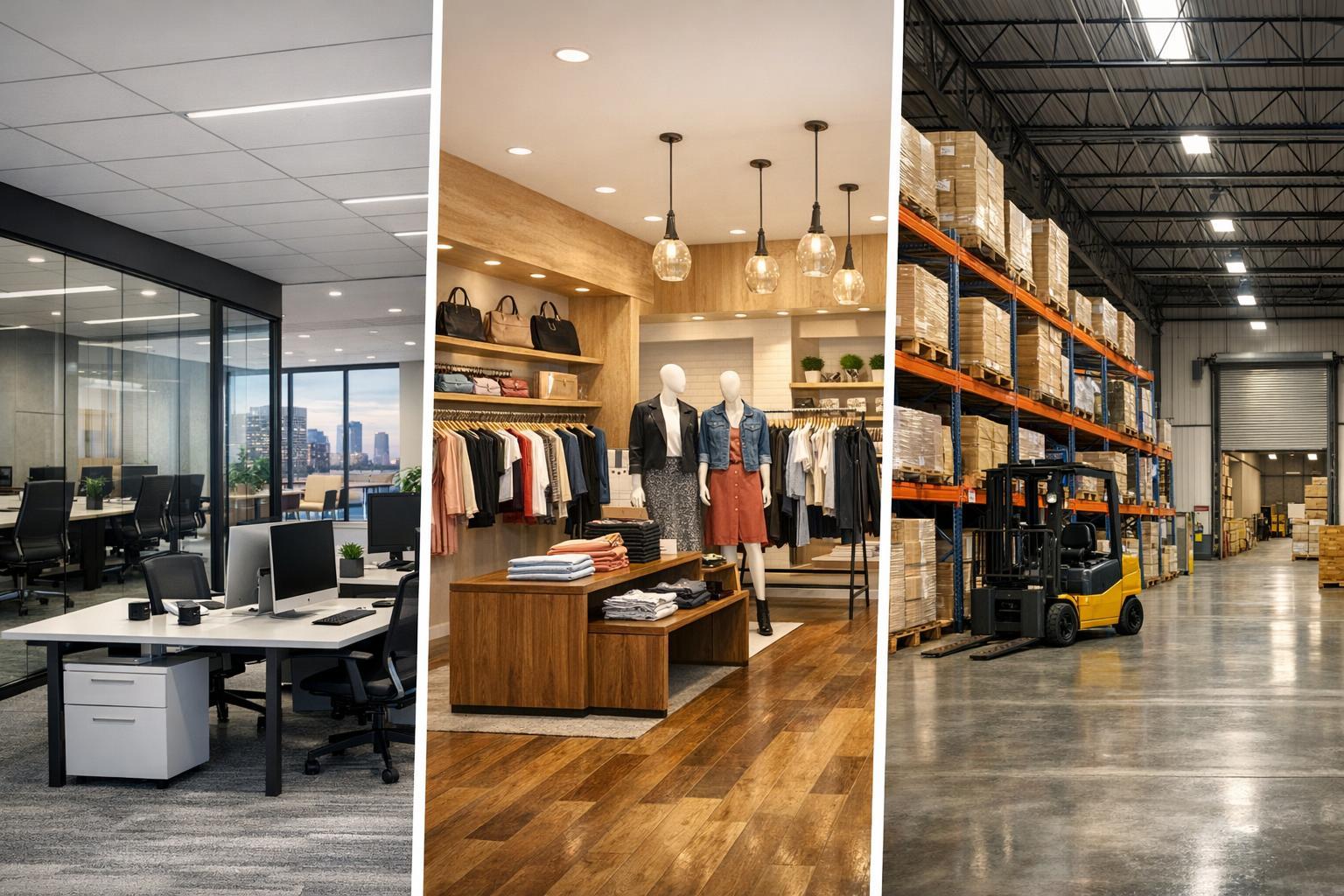
The needs of a real estate photographer in NYC can change dramatically depending on what’s being photographed. An efficient studio shoot in a busy Manhattan co-op has different requirements than a multi-level brownstone or sprawling New Jersey home. Experience counts, but it’s not one-size-fits-all.
- Apartments and condos: In compact homes, careful composition can make small areas feel accessible and help buyers understand how spaces relate. Efficient communication about pre-shoot preparation—decluttering, blind and shade positions, countertop clearing—prevents costly reshoots.
- Brownstones, townhouses, and historic properties: Capturing the full value of older or multi-level homes means more than taking extra photos. It’s about organizing the shoot as a walk-through, prioritizing distinctive features, and ensuring that viewers can follow the narrative from the façade to the backyard.
- Suburban and New Jersey homes: Larger lots, driveways, gardens, and patios often become as important visually as the kitchen or living room. Local photographers who recognize the value of these spaces will plan for extended exterior coverage and schedule accordingly—without simply treating suburban shoots as longer versions of city sessions.
Anatomy of a Well-Planned Appointment
The most reliable real estate photography providers make the actual appointment easy for you. Before booking, ask these practical questions:
- Will I get preparation guidance or a checklist?
- How should we handle tenant or occupant schedules?
- Can specific access instructions or building contact information be provided in advance?
- What is the typical duration for the shoot, and what if the property isn’t ready?
- What’s the turnaround time for receiving finished photos?
- How are special requests or revision needs managed?
Knowing the process for both common and challenging scenarios helps you avoid last-minute complications. RealtaSnap, for example, offers a straightforward online scheduling platform that allows you to input details, access notes, and preferences up front, reducing back-and-forth.
If you have features you want prioritized—like a terrace, renovated bathroom, or skyline view—concise communication before the shoot helps the photographer plan, but overly detailed shot lists can sometimes break the visual flow. Focus on features that truly matter to your listing audience.
The Role (and Limits) of Professional Editing
Good post-production is not a substitute for a well-prepared property. Professional real estate photographers can adjust color, lighting, and minor imperfections in editing, but they work best when things are ready to shoot on arrival. Decluttered rooms, thoughtful furniture placement, and unobstructed features always photograph more clearly.
Where empty rooms need staging, some providers—including RealtaSnap—can offer virtual staging services for vacant or fully cleared spaces. Note that effective virtual staging requires the removal of all physical furniture and clutter first; it’s not a fix for unprepared or partially furnished rooms. Edits that go beyond standard touch-ups, such as removing large items, are completed only when specifically requested and may incur additional charges, so advance planning pays off for a more seamless workflow.
When Complementary Media Actually Adds Value
Photography remains foundational for listings, but certain properties can genuinely benefit from additional services—floor plans, 3D tours, video, or drone media—especially when static images alone cannot tell the whole story.
- Floor plans: Vital for listings where layout is confusing, has multiple levels, or unusual connections. Plans require a physical visit and cannot be recreated reliably from prior blueprints or photographs.
- Video walkthroughs: Useful for capturing movement, transitions, and the overall “feel” of a property, but are most effective when captured intentionally on site, not pieced together from static photography.
- 3D tours: Helpful when buyers or renters need to explore remotely or when the room-to-room flow needs clarifying.
- Drone media: Adds value for homes where the setting, rooflines, or surrounding property are meaningful. In NYC, drone use is restricted by airspace, weather, site access, and safety, making feasibility a matter for case-by-case discussion.
Choose add-ons to solve specific problems or tell a more complete visual story, not just because they’re available.
The Complete Client Experience: More Than Just a Booking
Ultimately, local property photographers who provide a consistent, reliable process from booking through delivery build trust and make listing launches less stressful. Elements that set a smooth experience apart often include:
- Portfolios that address a range of property types and conditions
- Clear, detailed communication about shoot planning and deliverables
- Realistic editing that prioritizes clarity and accuracy
- Flexible scheduling and straightforward online booking processes
- Guidance for both occupied and vacant listings
- Familiarity with local building access, documentation, and knowledge of common NYC or New Jersey logistic constraints
- Easy channels for passing along property notes and priorities
If you’re preparing a listing in Manhattan, Brooklyn, Jersey City, or New Jersey, RealtaSnap offers professional photography and media services tailored to the property type and local market. Standard shoots can be booked online with all appointment details handled up front.
Present Your Next Listing Clearly
The right photographer for your next listing isn’t necessarily the nearest one, but the one who understands how to capture the property as you want it represented—and makes the process easy and predictable. By focusing on preparation, professional execution, and accurate visual storytelling, you help buyers, renters, or tenants make informed, confident decisions before they arrive in person.
For more information and to view sample work, visit www.RealtaSnap.com.
FAQ
Question: What’s a reasonable lead time for booking real estate photography with RealtaSnap?
Answer: You can typically book a standard photography appointment online with at least 24 hours’ notice, based on calendar availability. Booking a few days ahead is always wise for listings that require special access, extra prep, or specific launch dates.
Question: Does every property benefit from extra services like floor plans or video?
Answer: Not every listing needs add-ons. Floor plans are best for properties where layout is a selling point or might confuse buyers. Video and 3D tours can help with remote viewing or narrative walkthroughs. These services are most useful when planned in advance and are captured on-site—not added as an afterthought or pieced together from photos.
Question: What should be done to prepare a property for photography day?
Answer: Declutter and clean every space, remove personal items, and ensure important features are accessible and visible. If you want virtual staging, the space must be empty or properly cleared before scheduling virtual edits. RealtaSnap offers a photography prep guide to help get your listing ready for the best possible results.