How to Choose Real Estate Photography Near Me for Your Next Listing
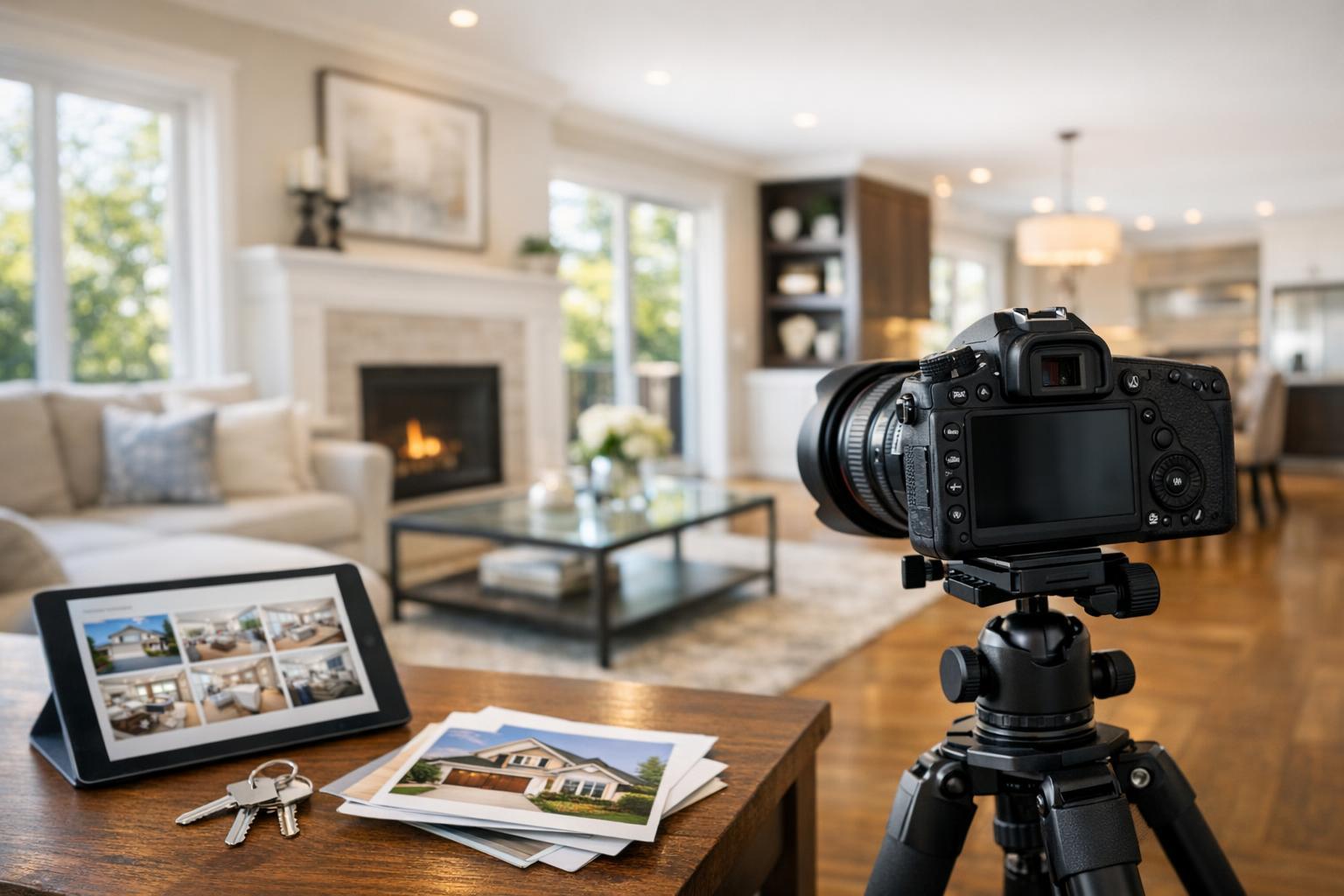
A camera set up in a spacious, well-lit living room captures images for real estate photography near me, with a tablet displaying house photos and a set of keys on a table.
How to Choose Real Estate Photography Near Me for Your Next Listing
Real estate photography near me is rarely just about finding someone local with a camera. When you need to market a property—whether it’s a tightly styled Manhattan studio, a multi-level Brooklyn brownstone, or a sprawling New Jersey home—the decision is really about finding an experienced provider who can capture the listing as it actually exists, handle the practical details, and deliver professional photos matched to both the property and your marketing strategy.
The choice of a local real estate photographer is often one of the first real-world steps agents, brokers, and property managers take once they secure a listing. The photos don’t just fill a gallery—they set the tone for the entire presentation on portals, in brokerage materials, newsletters, and social feeds. While cost is always in the mix, it shouldn’t be the only lens through which you view your options. Let’s look at how experienced teams compare photographers, what makes a real portfolio useful, and when extra services actually help with a listing in NYC, New Jersey, or any nearby market.
Prioritizing the Property Instead of the Package
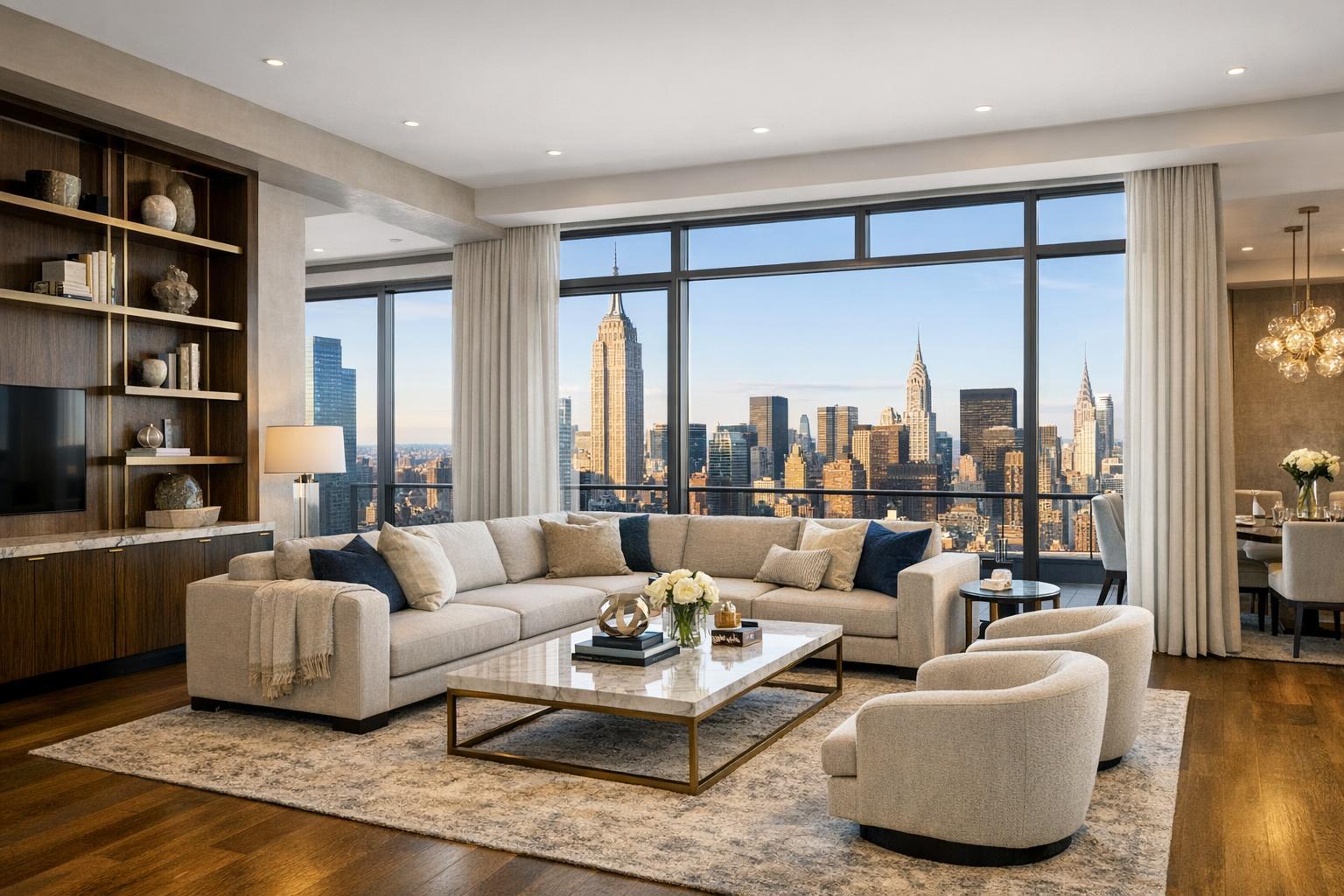
Every listing is unique, and it pays to think about the property’s story before you sift through package deals. In New York City, compact interiors call for precise, honest composition—careful choices with camera height and lens to avoid making rooms feel distorted or disconnected. In a brownstone or townhouse, you’ll want a photographer who can capture both the architectural details and the flow between multiple levels, often under changing light conditions. Large homes in New Jersey or suburban areas frequently call for broader coverage, exterior shots, and context that helps buyers understand the setting.
Consider these questions before you reach out to any real estate photography services:
- Which rooms or features will create the strongest first impression?
- Does the layout require more images to make sense to a remote viewer?
- Are the view, terrace, backyard, or context important to show?
- Will the home be vacant, furnished, occupied, or still in prep?
- Is photography alone enough, or would video, floor plans, or virtual tours be helpful?
Having clarity on these details will ensure you aren’t overspending on unnecessary add-ons—or missing visuals that would have told the property’s story more clearly.
What Really Matters in a Portfolio
Photography portfolios are often full of dramatic highlights, but a useful review looks beyond just the wow factor. An experienced local real estate photographer shows a range of work: different property types, lighting conditions, and client needs. If all you see are sunlit luxury listings or singular, wide exterior shots, it’s worth looking deeper. The best portfolios include compact apartments, lived-in spaces, multi-family properties, and the types of homes you actually represent.
Elements to Look For
- Clean composition and natural-looking lines. Vertical lines in walls, windows, and cabinetry should look straight, making every room feel balanced and approachable. The purpose isn’t to impress with how big a space can appear—but to honestly communicate layout, light, and finishes.
- Balanced lighting and controlled window exposure. One common frustration: rooms that look bright in person but turn out dark or uneven in the photos. Good photographers manage window glare and mixed lighting so both interiors and views read clearly and realistically.
- Editing consistency. Every image across a listing should feel like part of a single story. When images jump from yellow-tinged warmth to chilly blue, or details are repeatedly lost to shadow or highlights, that’s a red flag. Professional editing means making the space easy for buyers to understand, not masking the property with heavy color effects.
When reviewing examples, focus on whether you can “read” the layout—see the connections, the paths, and the way spaces relate—rather than just admiring how crisp the photos look on the surface.
Local Experience: The Unseen Advantage
Searching for “real estate photography near me” often brings up plenty of options, but local knowledge really matters. In NYC, shooting a listing can involve everything from scheduling with building management, navigating access restrictions, or reserving a service elevator to simply making the most of limited daylight. Photographers who work these markets regularly are prepared for things like doorman protocols, key handoffs, and urban parking quirks.
In New Jersey, properties may be larger, but that brings its own logistical needs—longer walks around property perimeters, more rooms to capture, or unique settings like waterfronts and hillsides. Local providers who ask about parking, gate codes, or weather backup plans are usually the ones who have encountered these situations before.
In any setting, a smooth shoot depends on details being shared early. Communicate building rules, special timing requirements, and anything out of the ordinary in advance. This allows the photographer to arrive organized and ready to deliver what you need.
Looking Beyond Price: Understanding Service and Scope
It’s easy to compare two quotes and focus on the bottom line. What matters more is understanding exactly what’s included. Two packages that sound similar could result in very different galleries or marketing options. Before booking, be sure to clarify:
- How many final images are included, and is the count appropriate for the property’s size?
- Is basic editing covered, and what does that actually mean (cleaning up color, removing minor blemishes, etc.)?
- Are extra photos or edits available if you realize you need more?
- How are special requests and access instructions handled?
- What’s the standard turnaround window for image delivery?
- Can the photographer reliably handle your building’s or neighborhood’s access quirks?
At RealtaSnap, for example, agents and owners can choose packages from 10 up to 50 photos, allowing you to match the service to the scale of your listing rather than fitting every property into a one-size-fits-all gallery. When booking through the online system, you can enter the address, provide access details, select services or add-ons, and lock in your appointment on a real-time calendar. Bookings require at least 24 hours’ notice, and the automatically displayed calendar reflects up-to-date availability, making the logistics feel simple and predictable. View photography package details
Preparing the Space: What Makes a Shoot Succeed
Great photos start with a well-prepared property. Even skilled image editing can’t fully compensate for rooms still in the middle of prep or full of visual distractions. The standard for market-ready isn’t magazine perfection; it’s simply minimizing anything that pulls focus from layout, features, and finishes.
Steps that make a real difference:
- Declutter countertops, bathroom vanities, and tables.
- Remove family photos, pet supplies, and stray cords.
- Make sure lights are working and shades or blinds are open (when privacy and view allow).
- Tidy up linens, pillows, and rugs.
- Move vehicles when exterior shots or garage space are to be featured.
- Ensure pets are secure and comfortable for the duration of the shoot.
- Double-check that every relevant area is accessible.
Especially in occupied homes, focus efforts on the primary rooms and the entry. The aim isn’t to stage every square foot, but to let permanent features shine and help buyers visualize themselves in the property.
Explore our property prep guide
When to Consider Extra Media
While photography is the foundation for most listings, some properties can present their story more fully with supplementary media. The need for add-ons should grow from what the listing genuinely needs, not from a sense of keeping up with marketing trends.
- Video is especially helpful for layouts with multiple levels, open transitions, or outdoor elements that benefit from showing motion and flow. Listing videos, captured on site rather than assembled from photos, create a sense of progression through the property.
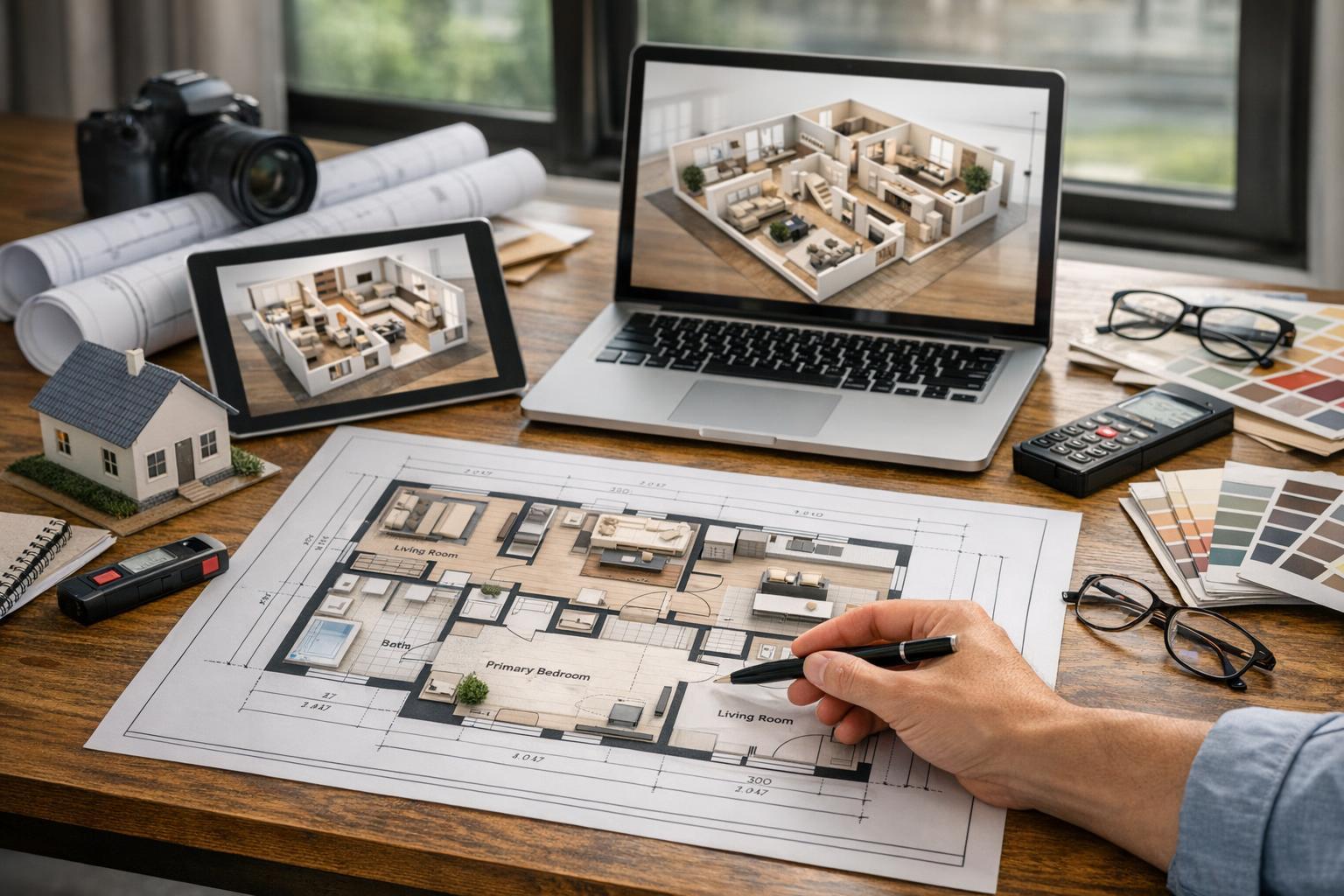
- Floor plans clarify relationships among rooms, dimensions, and circulation. For non-standard layouts or larger spaces, a professional floor plan captured on site (not drafted off listing photos or PDFs) can be the difference between a confused and an informed buyer.
- 3D virtual tours give remote buyers the ability to explore a property interactively. These also require a dedicated site visit and can be especially useful for intricate layouts or long-distance interest.
- Drone imagery can provide valuable exterior context in markets where aerial views matter. In New Jersey, especially with larger lots and waterfront locations, drone images highlight a property’s setting. In most of NYC, drone feasibility depends on airspace, weather, building access, and regulatory restrictions, so advance coordination is essential.
- Virtual staging can help vacant rooms feel more inviting by adding digital furnishings—but this is only effective for empty or truly decluttered spaces. For furnished rooms, RealtaSnap requires clutter removal before virtual staging, ensuring the digital presentation feels realistic.
See more about our floor plans | Virtual tour info
Booking and Briefing: Getting the Most from Your Photographer
Efficient collaborations almost always begin with a clear booking and briefing process. Whenever possible, aim to confirm the following before scheduling the session:
- Has the photographer captured similar properties in your local area?
- How many photos will truly cover the property in a logical, storytelling sequence?
- Which features, exterior areas, or rooms will be prioritized?
- Are there practical prep steps or access needs that should be resolved in advance?
- Will you need video, floor plans, 3D tours, or drone services for this listing specifically—or are those add-ons not genuinely warranted?
- Are there building, parking, or neighborhood considerations that affect timing or access?
- What’s the simplest way to communicate post-shoot edit requests?
A little preparation and a precise brief keep the work streamlined and the results focused on the property’s key selling points.
Book for the Listing, Not the Lowest Price
Choosing real estate photography near me isn’t really about finding the cheapest provider or the longest menu of add-ons. It’s about matching your listing to a capable photographer whose work demonstrates both technical proficiency and a real sense for property presentation. Pay attention to consistency, compositional skill, editing quality, and experience with your market’s typical property types. Then, confirm the details: coverage, scheduling, access, and delivery.
If you’re looking for a local real estate media team in NYC or New Jersey that balances professional standards with clear communication and flexible scheduling, RealtaSnap is ready to support your next listing.
For more about our services or to schedule a session, visit www.RealtaSnap.com.
FAQ
Question: How do I know how many photos to order for my listing?
Answer: Photo count depends on factors like square footage, the number of unique rooms, and any standout features you want to highlight. A small urban apartment might be well-served by 10-20 photos, while a multi-level house or large property could need 30-50 to cover interior and exterior spaces clearly. RealtaSnap offers packages from 10 to 50 photos, which you can tailor to your listing's needs when booking online.
Question: Can floor plans or 3D tours be created from existing photos or documents?
Answer: No, professional floor plans and 3D tours require onsite capture. Accurate representation and measurement are only possible by physically documenting the property; existing photographs, PDFs, or architectural plans alone aren’t sufficient for these services.
Question: What’s RealtaSnap’s approach to virtual staging for furnished homes?
Answer: Virtual staging is designed for vacant or fully decluttered rooms. If furniture is present, clutter removal is required before any digital staging is applied, so the staged images feel realistic and not artificially layered over existing items. This ensures a clean, market-ready appearance in your virtual staging images.