How to Choose Real Estate Photography Near Me for Your Next Listing
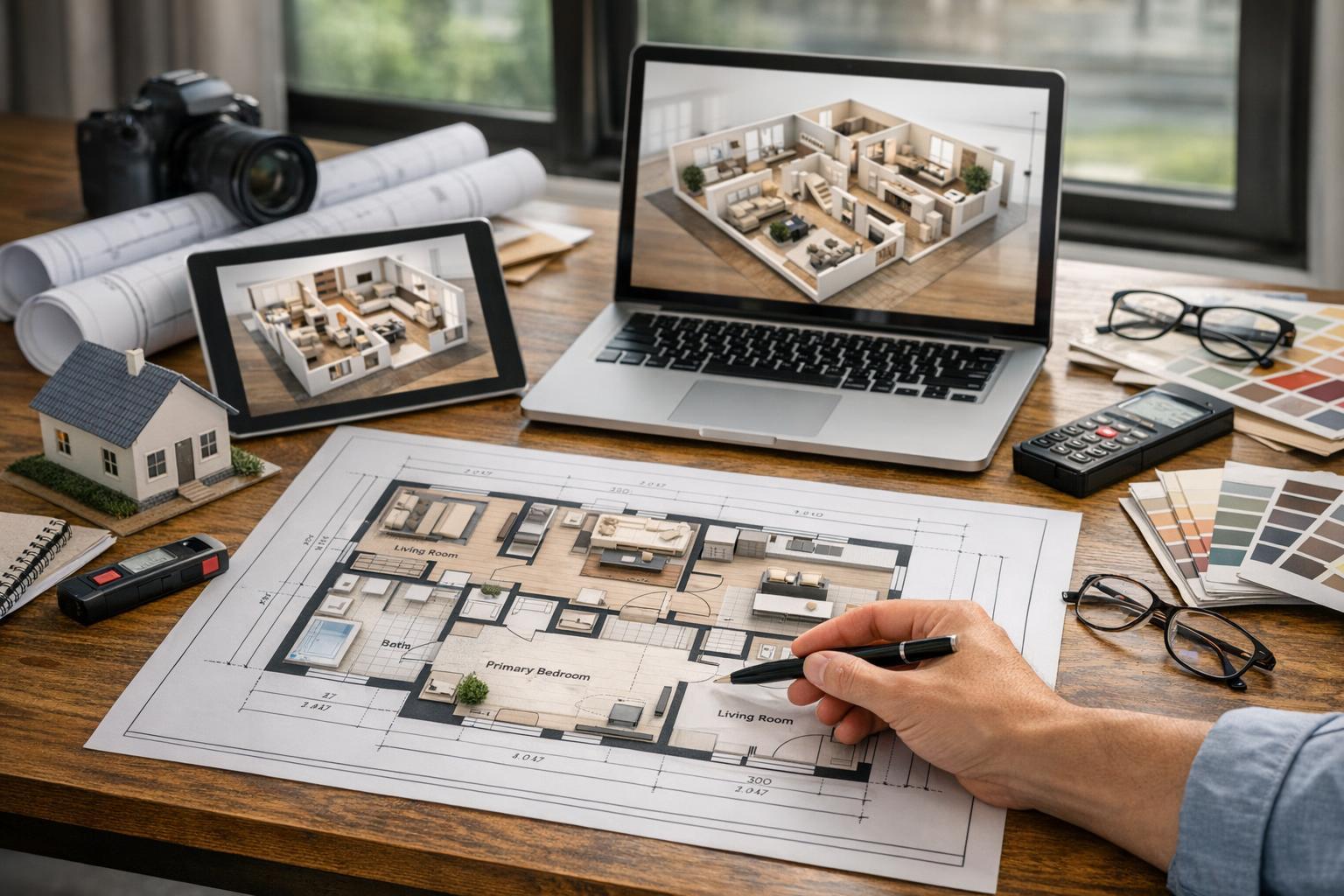
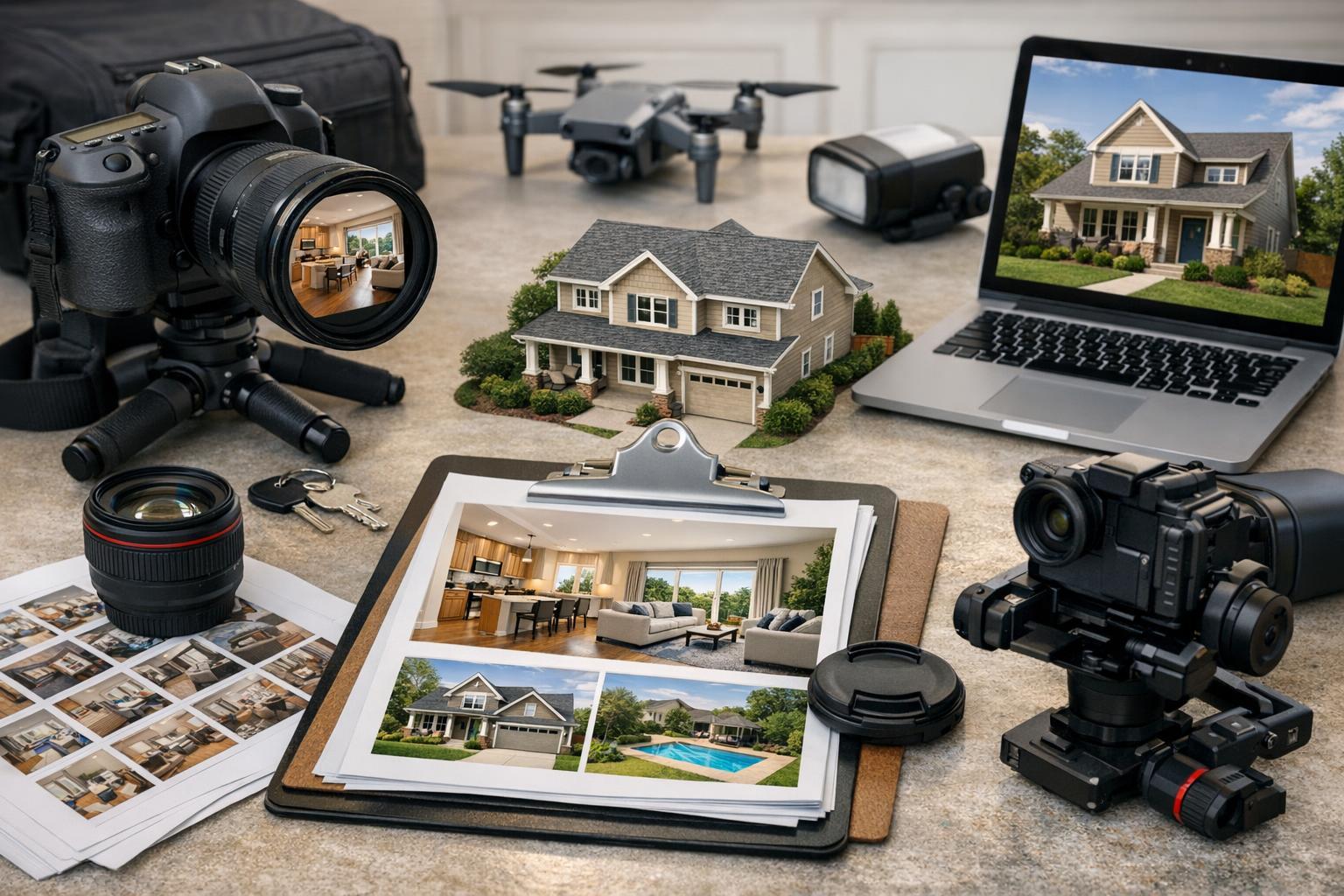
Real estate photography near me is beautifully presented with cameras, a model house, and printed property images on a table, suggesting a focus on capturing stunning home visuals.
How to Choose Real Estate Photography Near Me for Your Next Listing
Real estate photography near me often becomes a pressing search when you’re preparing to launch a new listing and need reliable visual marketing—fast. Whether you're managing an upcoming condo in Hoboken, a Manhattan apartment, a Brooklyn brownstone, or a large New Jersey home, selecting the right local photographer is about much more than simple proximity. The stakes are high: a few carefully crafted images can play a crucial role in how your listing is perceived before anyone sets foot inside.
Before You Search: Start With the Property
Too often, agents and property owners rush straight to searching for a real estate photographer NYC or nearby. But the most effective way to get value from your real estate photography is to focus first on what the property needs. Different homes require different solutions. A furnished studio apartment will be treated differently from a historic brownstone or a sprawling new construction in the suburbs. Taking a few moments to outline key details about the property makes your search for the right photographer much more purposeful.
Consider:
- Type of property and estimated size
- Room count and essential coverage areas
- Unique features like balconies, amenities, renovated spaces, or outdoor elements
- Occupancy and preparation status (vacant, staged, lived-in, under renovation)
- Building access, insurance, or scheduling needs
- Date you plan to list and prep time available
- Whether you only need photography or also want video, floor plans, or other media
A direct brief keeps expectations realistic and helps avoid surprises. It also ensures the photographer’s proposed coverage actually fits the property. For instance, a small Manhattan co-op benefits more from intentional, well-composed images than a collection of wide shots, while a NJ single-family home might call for a broader mix including exteriors and lifestyle-oriented coverage.
Portfolio Consistency: What to Look For
Browsing portfolios isn’t just about spotting a standout room or attractive image. Look for consistency across full listings—ideally several of them. Why? Because every property poses new challenges: some homes are awash in daylight, others offer limited natural light; some rooms are tiny and angular, others expansive.
Key details that signal professional, listing-ready work:
- Vertical architectural lines that remain upright (no tilting walls or cabinets)
- Even handling of bright windows and dimmer interiors
- Composition that makes the function and flow of a space clear, not just decorative flourishes
- Natural, consistent colors that reflect the real look of finishes and daylight
- Galleries that help viewers intuitively understand how rooms connect
- Clean editing that enhances the image without introducing artificial skies or oversaturated colors
A photographer’s comfort in different environments—old versus new, spacious versus compact, intricate versus minimal—directly impacts the communication value their work provides.
Tailoring Media to Property Type: Asking the Right Questions
The umbrella of “real estate photographer NYC” covers everything from quick-turn apartment specialists to seasoned shooters of luxury estates, multi-unit investments, and hospitality spaces. If your listing falls into a specific niche, it’s useful to ask how the photographer adapts their coverage:
NYC Apartments and Condos
In the city and dense inner suburbs, space is a premium and proportions matter. Wide lenses can make a space feel open, but deceptive framing is a problem—potential renters or buyers should recognize the actual room they’ll see. For condo and co-op buildings, don’t forget shared amenities or exterior features relevant to the listing story.
Brownstones, Townhouses, and Multi-Levels
In Brooklyn and beyond, properties often come with layered layouts, historic details, and multiple floors. Clear communication about which levels or features are central helps avoid missed coverage. Efficient sequencing and a mix of room-wide shots with selective detail work are powerful for these listings.
Larger NJ Homes
Suburban and larger-scale homes often require exterior coverage, sequence planning for multiple common rooms, and attention to outdoor amenities like gardens, decks, or pools. It’s worth assessing whether additional media—like drone images—make sense, depending on property size and privacy.
Communication and Workflow: What Actually Makes the Difference
Professional images depend on far more than what happens after the camera comes out. Smooth real estate photography production is deeply about process:
- Clear agreement on priority spaces and must-have shots
- Consistent communication about scheduling, entry instructions, and access restrictions
- Accommodating occupied units, pets, tenants, or ongoing renovations
- Contingency plans for weather or change of access
- Transparency about editing, turnaround expectations, and delivery workflow
This is particularly important in NYC buildings with complex access (think: superintendents, elevator bookings, or tight amenity access windows) or in larger New Jersey homes with exterior gates and time-dependent lighting.
Preparation: Setting the Scene for the Shoot
No matter how skilled your local listing photographer, the most effective images begin with a prepared property. A few practical steps before the shoot can yield clearer, more marketable photos:
- Turn on all lights and replace any burnt-out bulbs
- Fully open (or correctly stage) window coverings and check for clean panes
- Clear kitchens, bathrooms, and visible surfaces of non-essential items
- Remove magnets, mail, and clutter from refrigerators
- Neatly make beds and minimize items on nightstands and dressers
- Hide pet supplies, cords, bins, and loose items
- Move cars from driveways and tidy patios, balconies, or gardens if included
Vacant properties may not need decor, but sometimes a floor plan, virtual staging, or a video can add context that empty rooms alone can’t provide. Occupied homes simply need enough breathing room so features—not day-to-day life—stand out in photos.
Lighting and Timing: The Overlooked Factor
Many property owners and agents don’t realize just how much light influences the final image. The same west-facing living area can look entirely different from morning to late afternoon. A city apartment’s “view” may require specific hours to avoid glare, while outdoor shots in New Jersey benefit from times that soften harsh midday shadows.
If there are special lighting considerations—large windows, skylights, strong directional sunlight, or building restrictions on shared space photography—let your photographer know early. This will influence both composition and timing.
Deciding When Photography Is Enough
For straightforward listings—compact apartments, rentals, or move-in ready spaces—well-composed professional photographs might be all you need. But when a property’s layout is unusual, or there’s hidden complexity, additional media can provide needed clarity:
- Floor plans help viewers decode flow and circulation. These require on-site capture and can’t be derived from photos alone.
- Video illustrates movement through a property, showing room-to-room transitions or the appeal of a particular view.
- 3D virtual tours (for example, Matterport) offer self-paced, remote exploration—especially useful for out-of-town buyers or spacious homes with complex layouts.
- Drone imagery can establish lot context or showcase proximity to amenities, but is handled case-by-case and depends on airspace, safety, and weather.
- Virtual staging demonstrates how an empty room might look furnished but works best with fully vacant spaces or after additional decluttering.
For more on what these add-on services involve—or to see which are available in your area—see the RealtaSnap homepage.
Evaluating the Complete Experience
Comparing price is important, but only as part of the bigger picture. The true test is the overall quality of the experience:
- Is the coverage consistent throughout the listing, not just a few hero shots?
- Are expectations for editing, delivery, and file access clear?
- Does the provider explain what’s included (number of photos, types of edits, media formats)?
- Can related services like floor plans or virtual tours be coordinated easily, or will you be juggling multiple vendors?
RealtaSnap’s approach brings photography, floor plans, video, virtual tours, drone services, and virtual staging into a single online workflow. Agents, brokers, and property owners can enter the service address, outline access instructions, select relevant services, schedule via live availability, and confirm all details in one streamlined booking at www.RealtaSnap.com/schedule.
Proven in NYC and New Jersey
Finding a local listing photographer starts with a map, but the more important factors are experience, process, and local knowledge. By reviewing portfolios, asking clear questions, preparing properties, and thinking strategically about which media best explain your listing, professional photography becomes a workflow benefit rather than a last-minute requirement.
For your next listing in New York City, New Jersey, or a neighboring market, you can explore RealtaSnap’s full service and scheduling options.
FAQ
Question: How much advance notice is needed to book a shoot?
Answer: RealtaSnap’s booking system accepts appointments with at least 24 hours’ notice. If a time slot is visible on the calendar, it’s available. Booking early provides more flexibility, especially if extra prep or building access coordination is required.
Question: Do I need to be at the property during the photo shoot?
Answer: It can help for the agent, owner, or someone who understands listing priorities and access details to be present. If that’s not possible, clear directions and a concise list of priority features go a long way toward a smooth shoot.
Question: Can the photographer stage or digitally alter rooms if they’re cluttered or furnished?
Answer: RealtaSnap photographs properties as they physically exist at the time of the shoot. Some editing can be done by request, but permanent changes or full-room decluttering require specific ordering—virtual staging is designed for empty or properly decluttered rooms. For best results, prepare the space before your appointment.