How to Choose Real Estate Photography in NYC for Your Next Listing
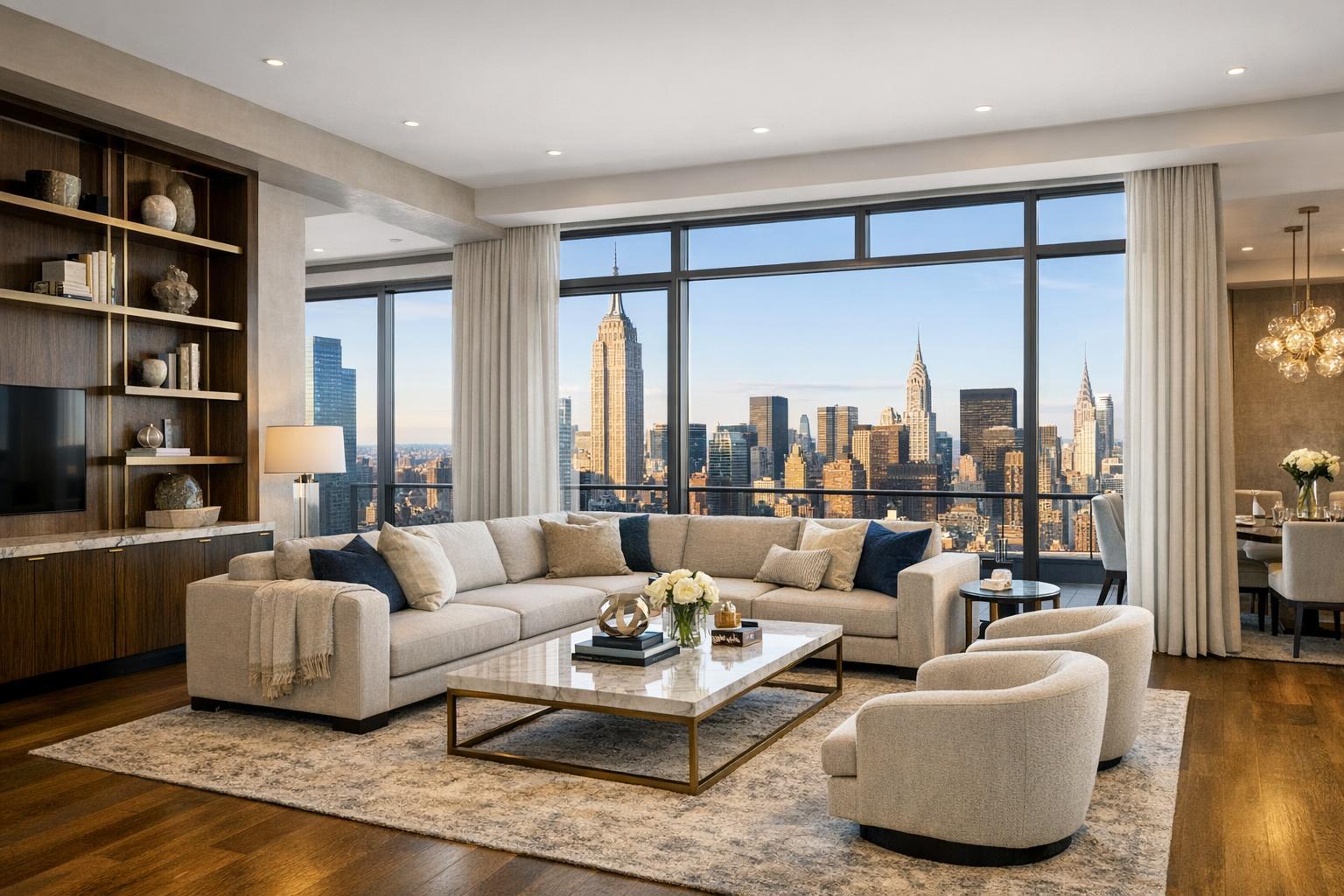
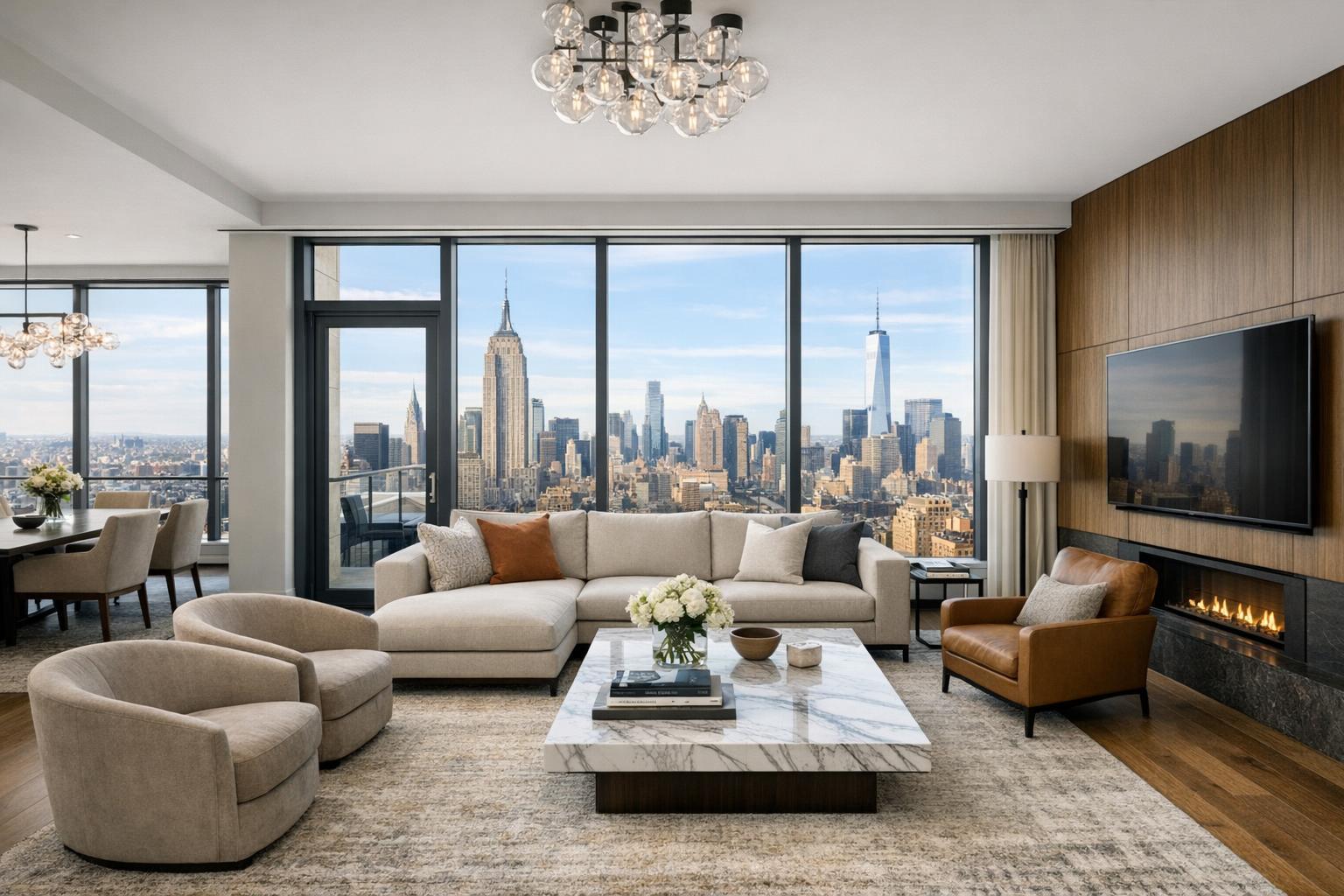
Modern luxury living room with panoramic views of the New York City skyline captured in real estate photography NYC.
How to Choose Real Estate Photography in NYC for Your Next Listing
Real estate photography in NYC is more than just a nice-to-have for your next property listing—it’s a practical decision that shapes how potential buyers, renters, or investors first experience your space online. In the dense, fast-moving markets across New York City and New Jersey, clarity and accuracy matter as much as visual appeal. Whether you’re dealing with a compact Manhattan studio, a pre-war Park Slope co-op, or a Jersey City multi-family, selecting the right photography service can make the difference between helping a viewer “get” a property or leaving them with more questions than answers.
Starting With the Space, Not the Standard Package
Every property has its quirks. In NYC, this is even more pronounced: a high-rise one-bedroom has different visual challenges than a Windsor Terrace brownstone or a renovated Hoboken condo. When you’re evaluating your options for real estate photography services in NYC, begin by asking what a viewer will need to understand about this property—not just what kind of photography packages are available.
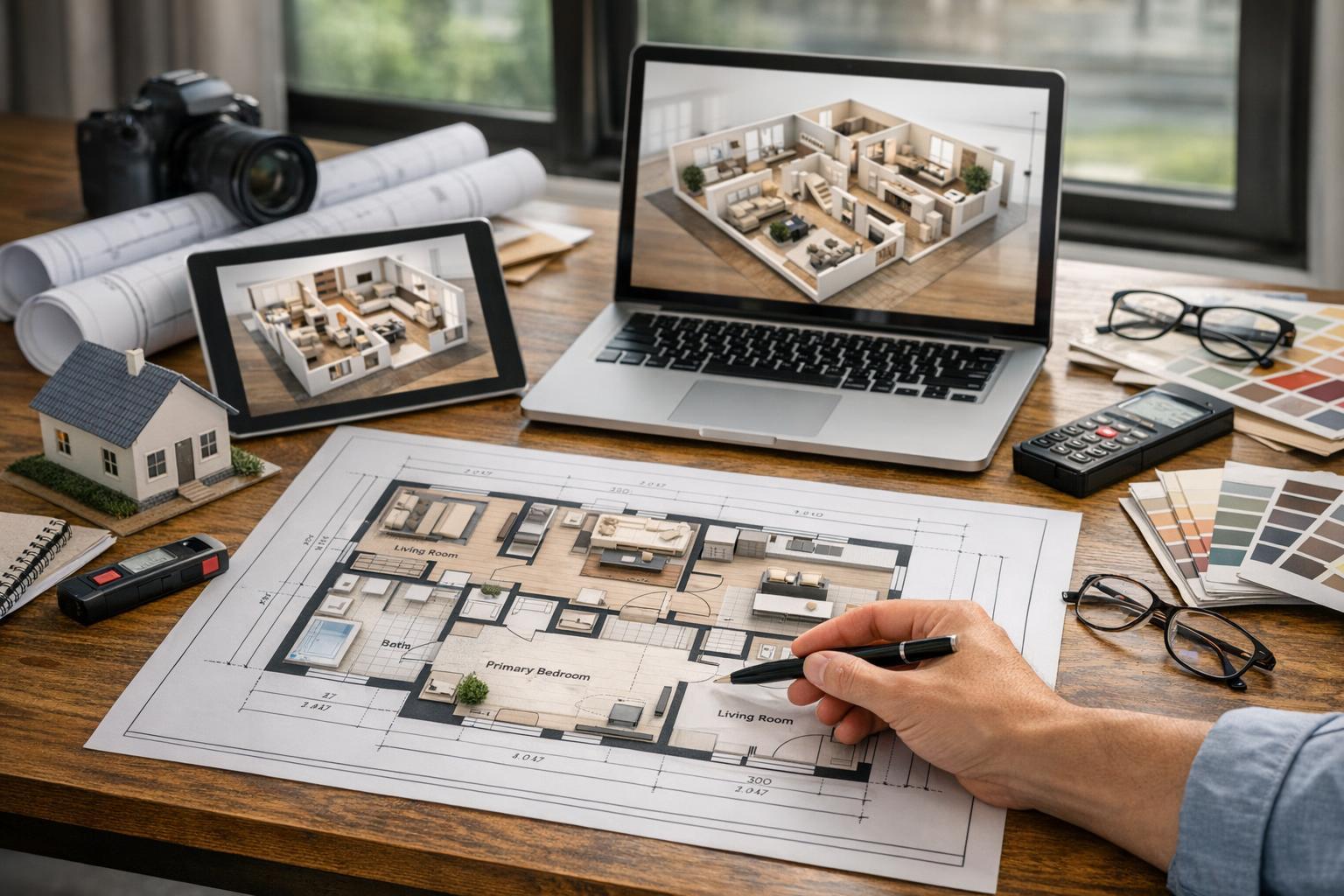
For some homes, a focused set of well-staged photos will do the job. If the apartment has clear lines, strong light, and a simple layout, strong interior and a handful of exterior images may be enough. But if the space has a challenging or unusual layout—split bedrooms, open-plan living, or unique views—it’s worth drafting a photo and media plan that addresses those features head-on. Sometimes, adding a floor plan, listing video, or 3D tour is what bridges the gap between an interested click and an in-person showing.
This property-first mindset also safeguards you from spending on extras with little added value.
What to Look For in a Real Estate Photographer’s Portfolio
Most NYC property photographers can produce a few “hero shots” for their portfolios. The more useful test is how their work holds up in tight, dim, or awkward rooms and whether those images genuinely help a viewer understand the space.
When interviewing providers, ask to see examples that are as close as possible to your listing’s conditions—think narrow hallways, odd angles, or strong window light. For Manhattan condos with skyline or river views, look at how the balance between interior space and exterior vistas is handled. For older properties with small rooms, check whether the images feel true to the actual experience.
Professional property photography in New York City should emphasize:
- Straight verticals and architectural lines that read accurately
- Room proportions that feel real, not stretched or distorted
- Consistent color across shots and between rooms
- Compositions free of visual clutter and distractions
- A logical progression that helps a viewer “walk through” the home in sequence
- Sufficient variety to cover key features—without endless repeats of the same corner
An honest photographic representation makes it easier for buyers to picture scale and flow, whether the home is 450 square feet or four stories tall.
Handling Window Exposure and Challenging Lighting
NYC apartments are famous for their light, but that can be a double-edged sword for listing photography. Strong sunlight outside often creates extreme contrast with interior spaces, which is one of the most common reasons DIY photo attempts fall short. Overexposed window views or dark, shadowy rooms don’t do a listing any favors.
A professional real estate photographer should have a real process for balancing exposure in mixed-light situations. Look for images where the room and the view out the window are both visible, not one washed out by the other. This detail matters anytime a view is part of the property’s value.
Don’t Overlook Exterior and Amenity Photos
First impressions in real estate listings often come from the exterior photo. In a Brooklyn brownstone or Upper West Side co-op building, the approach, entry, stoop, or even the block may be part of the draw. In New Jersey, a yard, driveway, or outdoor area may define the property’s character.
Scheduling the right time for light, avoiding crowded curb shots, and considering what part of a building gives the best sense of arrival are the hallmarks of thoughtful real estate photography services in NYC and surrounding markets.
Editing: Polish Without Fiction
Editing is a normal part of the post-production workflow, but consistency and accuracy should win over dramatic retouching. Good editing enhances visual clarity: balancing color, correcting perspective, adjusting exposure, and removing minor distractions. It shouldn’t create spaces, colors, or finishes that would surprise anyone walking through in person.
When reviewing editing style, check that:
- Images are bright enough without looking sterile or washed out
- Colors look accurate and consistent across the sequence
- No artificial sharpening or contrast “over-edits” the photo
- Polished shots preserve the real character (wood grain, brick texture, architectural detail)
- Interiors, exteriors, and detail images feel like parts of the same home
If you need virtual staging for an empty room, make sure that space is cleared ahead of the shoot—adding digital furniture over existing beds or couches rarely looks convincing. In cases where significant clutter removal is needed before staging, check if your photographer offers the service and whether it fits your timeline.
On-the-Ground Logistics: NYC and New Jersey Realities
Photo quality starts, in part, with what’s physically present and accessible at the property. In NYC especially, preparing for listing photography often starts with simple but essential questions:
- Is the home occupied, staged, or vacant?
- Will residents, pets, or building staff be present?
- Are there rules for elevator use, loading, or building access?
- Which rooms, amenities, or shared spaces are in the scope?
- Are rooftop or outdoor areas accessible and ready?
For smaller apartments and dense multi-family buildings, clutter removal and thoughtful staging is more important than ever. Countertops, floors, and surfaces should be as clear as possible. Even a single crowded bookshelf or a pile of personal items can distract from what matters: how the space actually looks and functions.
If you’re collaborating with a media provider like RealtaSnap, advance preparation creates smoother, faster shoots, reduces the need for return visits, and results in a cleaner gallery. For tips on preparing your listing, check our photo prep guide.
Evaluating Providers: More Than Just the Camera
Good real estate photography in NYC is as much about communication as it is about technical skill. Does the provider explain what they’ll need on site? Do they offer clear, up-front booking instructions and make their workflow transparent? How do they deliver your files—and what does the revision process look like if you need changes or have a special request?
Before hiring, consider:
- How easy their online scheduling system is to use (RealtaSnap offers direct booking at www.RealtaSnap.com/schedule)
- Whether shoot length and delivery times are explained and reliable
- Preparation tips or guides that fit NYC/NJ property realities
- Flexible options for floor plans, virtual tours, or video if the property calls for it
- Practical communication about building access, special requests, and order status
A listing is easier to launch when the media provider’s process fits your deadlines and the specifics of your property.
Is Photography Enough, or Should You Add More Media?
Photography is often the right main deliverable for NYC and New Jersey listings, especially where the layout is simple or the market moves quickly. But some properties—multi-level townhomes, homes with complex room connections, or places where outdoor context is a big part of the story—may benefit from additional media.
Consider these complementary services:
- Floor plans: Ideal when spatial relationships aren’t obvious from photos. Floor plans should be created on site, reflecting the property as it stands. Learn more about our floor plan services.
- Video: Real listing videos go beyond slideshows, showing how a viewer might move through the space. This can help when flow, entry sequence, or building amenities add real value.
- 3D tours: Virtual tours let remote decision-makers explore at their own pace. As with floor plans, accurate 3D capture requires a site visit.
- Aerial (drone) media: In NYC, aerial photography depends on airspace rules, roof access, safety, and the pilot’s judgment. For suburban or water-adjacent NJ listings, drone coverage can provide a unique look at property context—when conditions allow. See more about drone services.
Each add-on is best used when it helps clarify the property, not simply when available.
Building Listings Around Clarity
Beyond sharp photos and dramatic hero shots, what sets effective listings apart in competitive NYC and New Jersey markets is accuracy. That means both visual honesty—showing rooms as they are, with scale and detail preserved—and making sure the viewer can picture themselves moving through the property, understanding how spaces connect, and knowing what makes the property unique.
A strong media partner will work with (not against) the property’s real characteristics, from compact dimensions to open lofts or outdoor amenities. Preparation, clear communication, and experience with local property types all contribute to a smoother shoot and a well-presented listing.
RealtaSnap specializes in real estate photography and supporting media for listings across NYC and throughout New Jersey, with experience covering everything from Hudson County townhomes to West Village apartments. If you’re looking for professional, easy-to-book, and locally knowledgeable media coverage, you can view options or schedule at www.RealtaSnap.com.
FAQ
Question: How many photos are appropriate for a NYC or New Jersey real estate listing?
Answer: The right amount depends on the property’s size and complexity. A small studio may need focused coverage on key areas, while a multi-level townhouse or large condo will benefit from showing every significant room and outdoor space. Choose enough angles to help viewers understand the space, but avoid unnecessary repetition.
Question: What’s the best time to schedule photography—before or after prepping the property?
Answer: Always schedule once the home is as prepared as possible: clean, decluttered, furniture arranged, and building access confirmed. This creates smoother sessions and stronger images. If you’ll need virtual staging, aim to have rooms empty or minimally furnished.
Question: Can drone or aerial photography be done for Manhattan or Brooklyn properties?
Answer: Drone flights in NYC are case by case, depending on airspace rules, safety, building access, and pilot discretion. If the location and conditions are favorable and aerial shots will add meaningful context to the listing, it can be worth the effort. Team up with a provider who’s upfront about feasibility and alternatives.