How to Choose Real Estate Photography in NYC for Your Next Listing
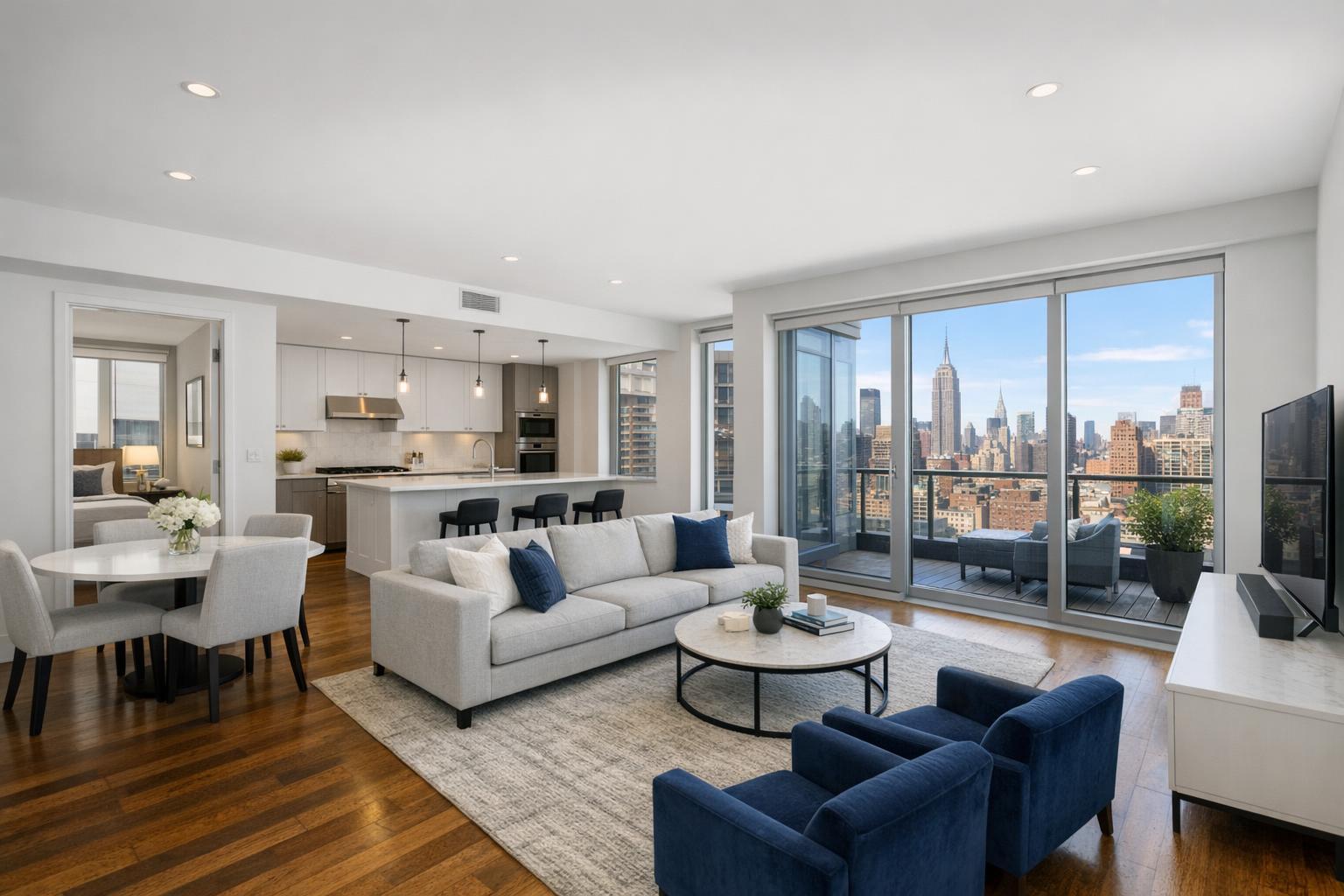
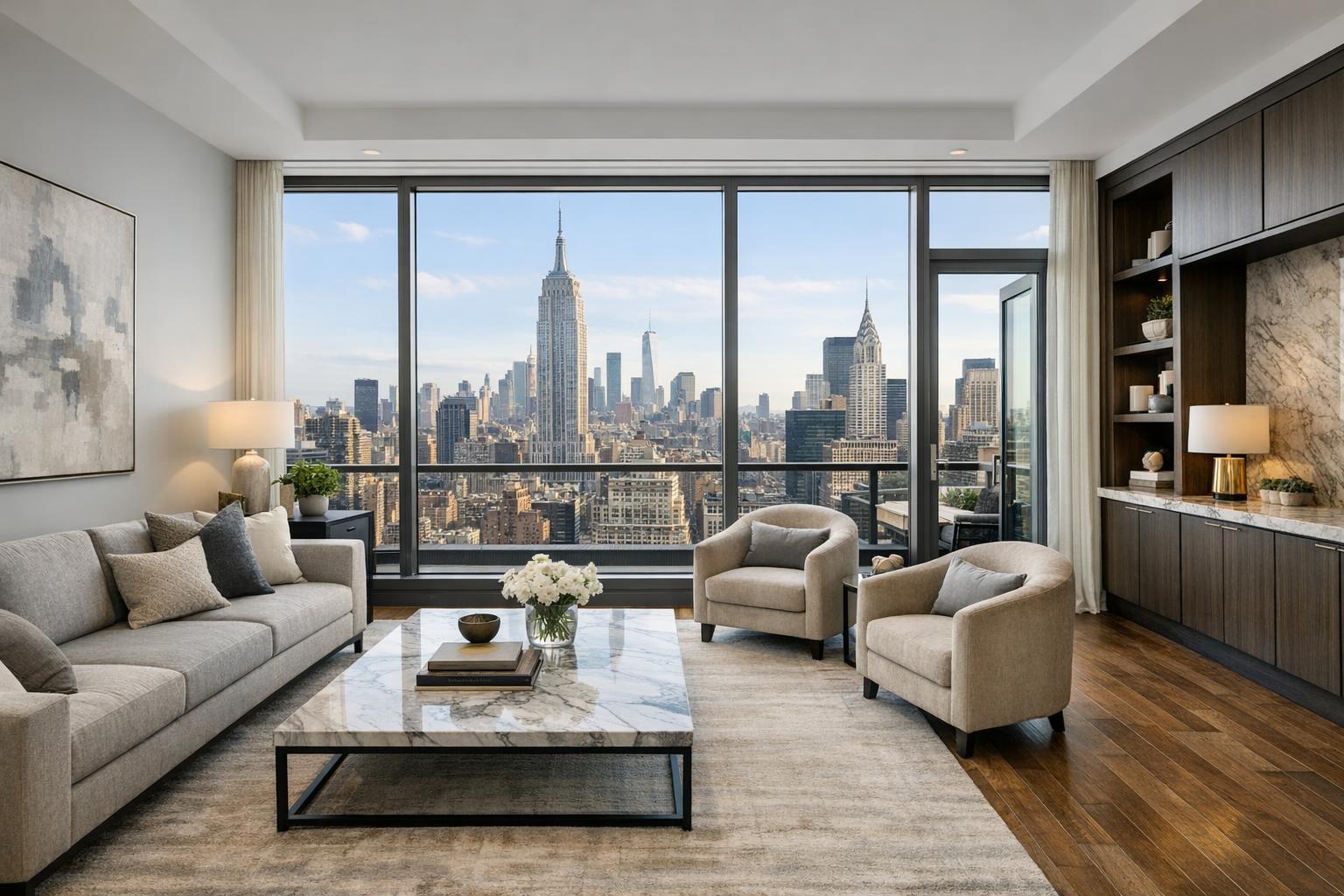
A beautifully staged living room showcases stunning views of the New York City skyline, capturing the essence of real estate photography in NYC.
How to Choose Real Estate Photography in NYC for Your Next Listing
Real estate photography in NYC is more than just a box to check when preparing a new listing. In a market where dozens of properties often compete on the same block — sometimes in the same building — imagery becomes the vital first showing. Effective, professional property photography serves as both introduction and filter, helping buyers, renters, and even other agents decide if an in-person visit is worthwhile. When the presentation is clear, honest, and thoughtfully executed, it accelerates the entire listing process and can improve communications with everyone involved.
Why Visual Clarity Is the Starting Point
We see plenty of beautifully retouched listing images that, for all their gloss, leave viewers guessing basic details: how rooms flow together, what faces what, or why certain windows are so bright while the room feels dark. The purpose of experienced real estate photography services in NYC is to erase those question marks.
A focused media team approaches each space with both composition and clarity in mind, aiming for images that immediately answer:
- What does the main living space actually feel like?
- How does the kitchen relate to dining, work-from-home, or lounging zones?
- Is there usable daylight, and from which direction?
- Are transitions between areas—like hallways, alcoves, or open concepts—clear?
Visual clarity depends on several practical choices in the field:
- Clean, logical composition: Every room is photographed to establish size and context, not just for a “pretty picture.” The right angle incorporates doors, windows, and built-in features to help viewers imagine movement.
- Straight lines and balanced perspectives: Crooked doorframes or tilting cabinets can distort a room. Vertical lines are kept visually correct, especially important with high ceilings or architectural moldings common in Manhattan and Brooklyn.
- Natural exposures: Handling both interior and exterior light in one frame is tricky. Overblown windows are avoided so a view isn’t just a white rectangle, but shadowy corners aren’t left murky.
- Consistent editing: Color and brightness should look unified, from the first image to the last. Discrepancies in white balance across shots distract buyers and make listings feel disjointed.
A great NYC real estate photographer isn’t just trying to make a room “pop.” They're shaping a coherent visual story that feels as truthful as it is inviting.
NYC Property Types and Their Visual Demands
New York City isn’t a one-size-fits-all environment, and neither are its listings.
Manhattan Apartments and Condos
In most Manhattan apartments, every square foot counts, and multi-function rooms are normal. A photoset must clearly show how spaces serve more than one use—a living room that handles dining, a bedroom with a home office alcove, a galley kitchen that maximizes its footprint.
What professional coverage seeks:
- Accurately scaled perspectives without wild wide-angle distortion
- Explanations of transitions: showing how a bedroom leads to a bath, or an open-plan kitchen functions in daily life
- Balanced exposures to capture both bright windows and interior surfaces
- Representative shots of building amenities if they help market the unit
Brownstones and Townhomes in Brooklyn
Brownstones, townhouses, and single-family homes often span multiple floors and feature intricate details: staircases, fireplaces, original woodwork, outdoor patios or gardens. Here, the priority is a sense of narrative—helping buyers feel the vertical and horizontal flow that defines these homes.
Effective sets will:
- Use staircases and visual sightlines to give a sense of progression
- Highlight architectural features as organizational “anchors”
- Tie together indoor and outdoor spaces, especially when showing gardens, decks, or roof access
Larger Properties and Single-Family Homes
For homes with more square footage or unique lots—a suburban property in New Jersey, for example—the key is not overloading the viewer. Photos should create a sense of layout (differentiating primary vs. secondary spaces), draw attention to defining features (pools, garages, yards), and move from overview to detail in a logical flow.
Finding a Reliable Photography Partner (Not Just a Portfolio)
It’s tempting to hire the photographer with the flashiest sample gallery. But producing a market-ready listing in NYC and New Jersey takes more than artistic talent—it requires a disciplined approach to logistics, communication, and process.
A dependable partner should be able to articulate:
- How appointments are confirmed and access is managed: In urban markets, timing around elevators, doormen, and building rules matters as much as camera work.
- What prep is expected from agents, occupants, or owners: A thorough team will offer a preparation checklist to minimize last-minute cleaning or clutter removal.
- How editing, revisions, and add-on services are handled: Whether you need minor retouches, a few extra images, or additional video, clarity in boundaries and pricing is key.
- Comfort with occupied, lived-in, or partially staged homes: Reliable providers explain up front how they’ll work around pets, personal belongings, contractors, or ongoing showings.
- What actually gets photographed and edited: Professional, listing-focused providers like RealtaSnap capture what exists on-site and aim for honest, clean representation—not fictionalized enhancements or digital alterations.
These questions reveal who treats real estate media as a working partnership, not just a drop-off product.
Prepping the Space for Professional Photography
No matter how skilled the photographer, the result is always improved by a prepared environment. Even in high-end properties, walk-throughs reveal overlooked clutter: tangled cords, maintenance equipment, countertop items, pet beds, dim bulbs.
Before the shoot, a quick but thorough checklist yields better images:
- Turn on all lights and replace burnt-out bulbs to ensure consistency.
- Remove visible clutter from kitchens and bathrooms.
- Hide small appliances, trash bins, and pet items.
- Strip refrigerators of magnets, lists, and personal items.
- Straighten bedding and window treatments.
- Open shades or curtains to highlight light and views, if appropriate.
- Confirm access to all areas intended for coverage—outdoor spaces, amenities, or storage.
For vacant single rooms or entire apartments, virtual staging is sometimes helpful. However, it works best in genuinely empty spaces and is never used at RealtaSnap to cover existing furniture by digital means. If staging is appropriate, clutter removal or clearing rooms is a worthwhile first step.
When to Consider Media Beyond Still Photography
Photography forms the backbone of most listings. Yet in some markets—especially city townhouses or larger suburban homes—additional media serves specific needs.
Floor Plans: NYC apartments with unusual layouts, multi-level brownstones, and homes with flexible rooms often benefit from a measured floor plan. These are not generated from old PDFs or quick sketches, but from on-site data capture. A floor plan can help convey complexity that photos alone struggle to communicate.
Listing Videos: If movement, flow, or atmosphere are central—think open-concept living, dramatic entries, or properties with unique transitions—a brief video walkthrough may be the answer. This is particularly effective for larger homes, amenity-rich buildings, or listings with expansive outdoor connections.
3D Tours: Remote buyers often need more than photos to make a decision. Interactive 3D virtual tours provide exploration at the viewer’s own pace, and are captured on-site for each unique property.
Aerial Media: Drone photos or video add context for homes with land, water proximity, or iconic exteriors. In NYC, however, drone feasibility is determined case-by-case, as flights depend on airspace, weather, building access, and regulatory requirements.
Matching Photo Coverage to the Property
More images aren't always better; it's about delivering the right narrative. Studios and small units might need a tight, thoughtfully chosen sequence, while connected townhouses or expansive homes may warrant broader documentation across levels and zones.
We recommend discussing:
- Which rooms and features truly define the listing?
- Are there views, amenities, or outdoor spaces that differentiate the property?
- Do particular areas (kitchen, living, entry) deserve multiple angles?
- Are there spaces that require a specific time of day for optimal exterior light?
A skilled photo team will organize the shoot accordingly, avoiding repetitious or filler images.
What Makes a Professional, Listing-Focused Provider
Experienced real estate media companies in NYC and New Jersey know the pressures of listing deadlines, access challenges, and the expectation for consistent, accurate results. Reliable providers prioritize preparation, clear communication, and prompt delivery.
At RealtaSnap, photography is planned around the property as it physically exists. Every shoot is organized to create a coherent, truthful, and visually appealing sequence that serves the real needs of agents, sellers, and buyers. When your listing calls for additional media—be it floor plans, video, 3D tour, or drone—we build those options into a single, simplified workflow from booking through delivery.
To learn more about how we approach listing-focused real estate photography, visit www.RealtaSnap.com.
FAQ
Question: How many photos do I really need for a NYC apartment listing?
Answer: The right number depends on the size and complexity of the space. Studios or one-bedrooms generally require focused images of main living areas, kitchen, bathroom, any significant storage, and the view. Larger apartments and single-family homes may need more coverage for bedrooms, secondary levels, amenities, and outdoor features. The best guideline is to show every area that contributes to the buyer’s understanding, while avoiding repetitive shots.
Question: Can I use virtual staging if a room still has furniture or clutter?
Answer: Virtual staging works best in clean, empty rooms. If the room currently has furniture or clutter, that should be physically removed prior to capture, or a paid clutter removal edit should be completed. At RealtaSnap, we only apply virtual staging to vacant or properly decluttered spaces to ensure the results look natural.
Question: Is drone photography an option for every building or home in NYC?
Answer: Not automatically. Whether drone photos or video can be captured depends on several factors: local airspace, weather, safety, building access, and FAA rules. RealtaSnap reviews each location individually, and flights in dense or controlled airspace are not always possible. Roof access can help, but does not guarantee feasibility. If you’re considering drone media, check with us about your specific address.
For further information or to schedule a photography session, please visit www.RealtaSnap.com.