How to Choose Real Estate Photography in NYC for Your Next Listing
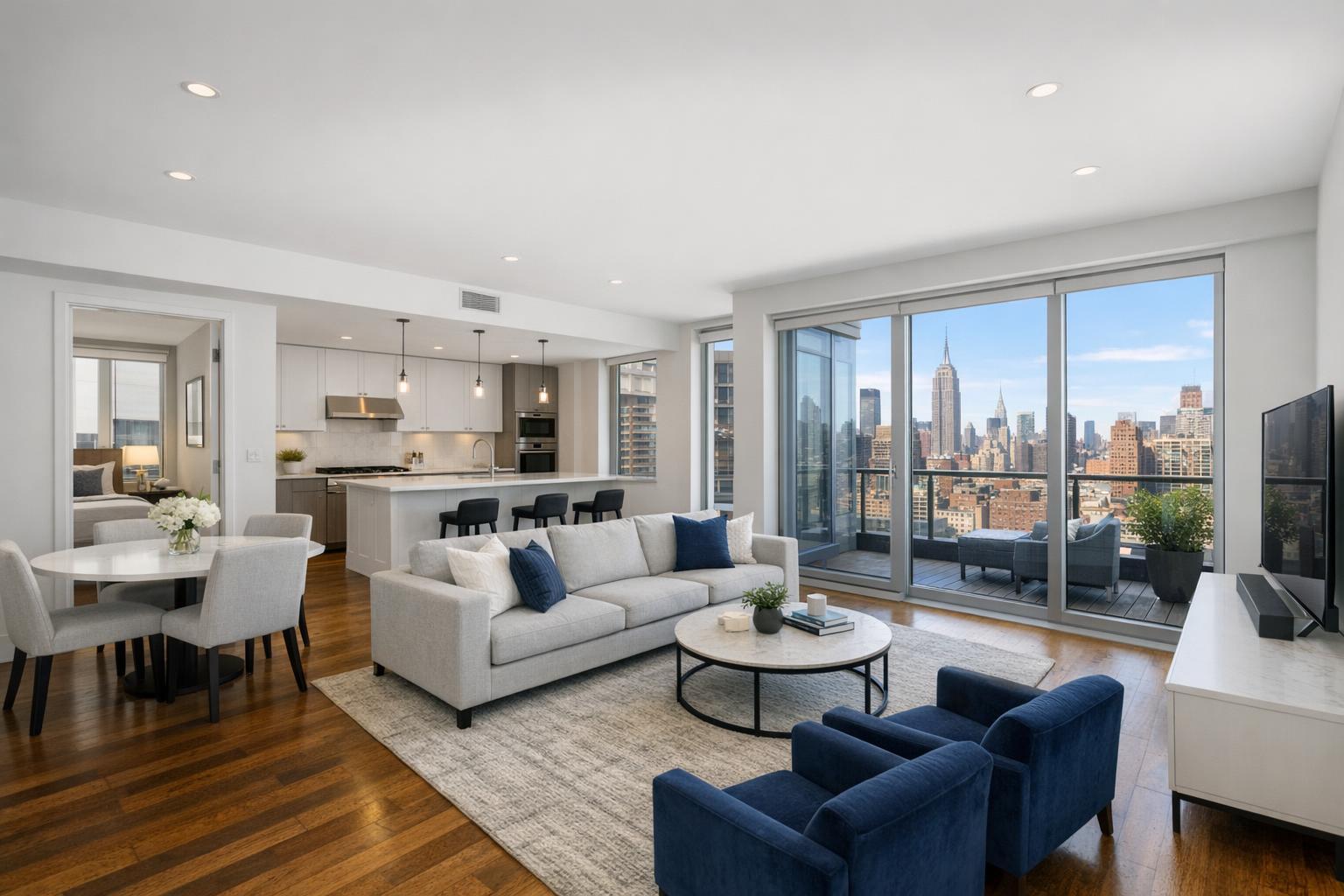
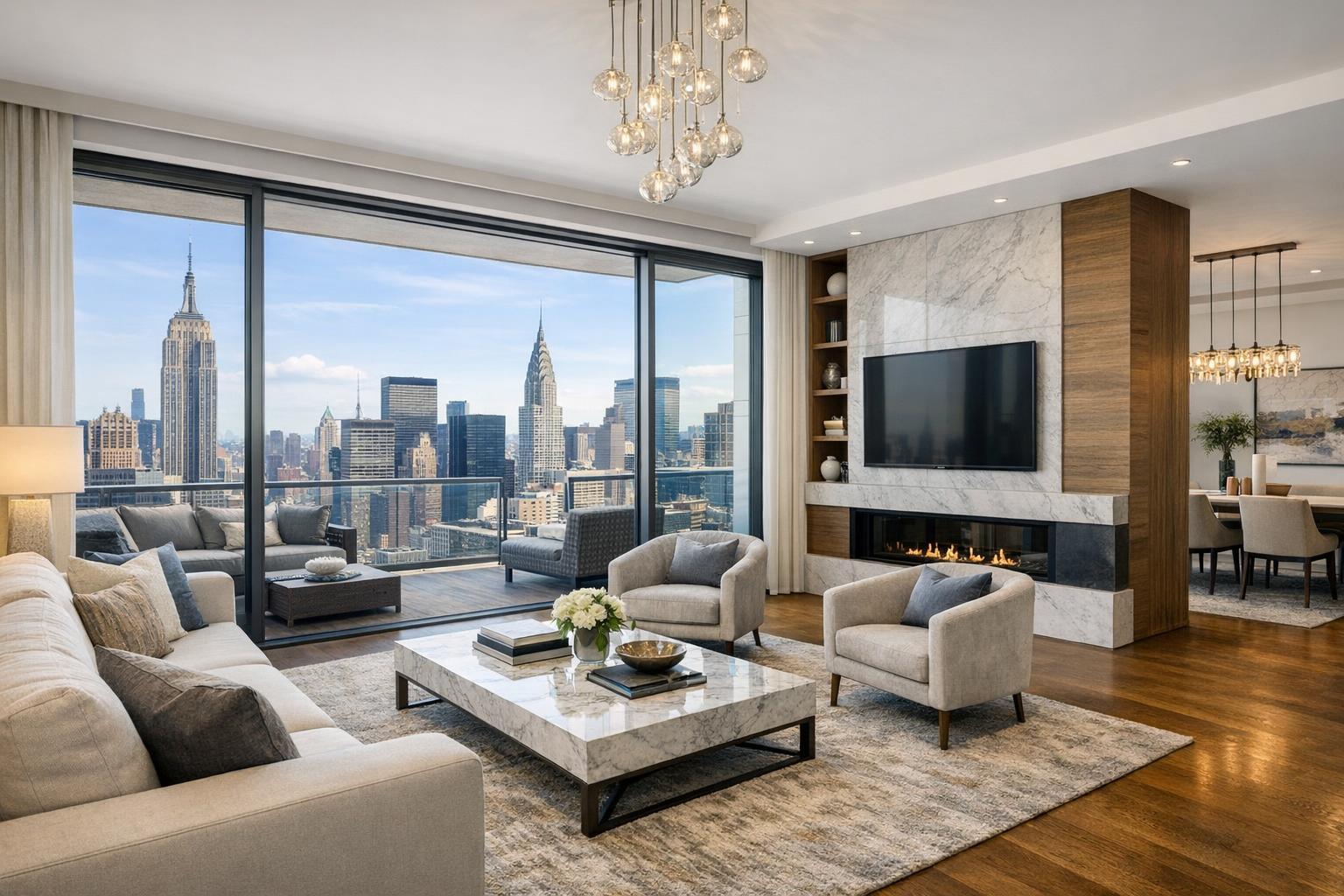
Real estate photography in NYC showcases a luxurious living room with modern furnishings and a stunning view of the iconic skyline through floor-to-ceiling windows.
How to Choose Real Estate Photography in NYC for Your Next Listing
Real estate photography in NYC is more than just a box to check off before a listing goes live. It’s one of the first touchpoints for buyers or renters trying to understand what a property actually offers—especially across the dynamic mix of apartments, co-ops, brownstones, condos, and rentals you’ll find across the five boroughs and New Jersey. Yet, not all listing media is created equal. For agents, owners, and managers, choosing the right real estate photographer in NYC can mean the difference between clear, believable representation and images that leave clients confused about the actual space.
What Real Estate Photography Should Actually Accomplish
Professional property photography in New York City exists to provide an accurate, practical visual tour of a space. That expectation may sound obvious, but in crowded urban markets like NYC and New Jersey, the room for misrepresentation—even unintentionally—grows as soon as you factor in compact interiors, inconsistent daylight, building restrictions, and all of the visual noise that can distract prospects from what’s being offered.
Here’s what standout listing photos should provide:
- Believable proportions: Wide-angle lenses are a staple, but stretching a tiny living room to look three times its size is more likely to erode trust than drive interest. The right angle and lens choice let viewers understand the true nature of a room, rather than presenting a too-good-to-be-true illusion.
- Balanced window and interior exposure: Many NYC apartments and brownstones have rooms with uneven sunlight—or limited natural light altogether. Good real estate photography reveals both the inside and, where possible, the exterior view through the window, without blowing out the highlights or losing interior details to darkness.
- Straight architectural lines: Crooked doorways, warped windows, and leaning cabinets jump out even to the untrained eye. Proper leveling and perspective correction in post-production helps images feel calm, intentional, and professionally crafted.
- Logical image flow: A finished set of photos should walk a viewer logically through the property, tying the relationship between spaces together. The goal is that someone scrolling the gallery can actually imagine how one room leads to another—even if they’ve never set foot inside.
Anticipating Practical Hurdles: NYC and NJ Realities
Selecting a real estate photographer in NYC isn’t just about technical skills—it’s about finding a provider who understands the local context and logistical quirks of the region.
- Access and Scheduling: Some buildings require doorman check-in, vendor approval, or strict appointment times. Others might have lockbox pickups, tenant-occupied units, or reserved elevator slots. If these factors aren’t discussed before the shoot, valuable time can be lost onsite. It’s normal here to handle coordination up front, not as an afterthought.
- Occupied Properties: NYC and New Jersey listings are frequently photographed while occupied—by sellers, renters, or even active hosts. Complete perfection isn’t required, but removing countertop clutter, personal pictures, pet items, and stray cables makes a major difference in how the space is perceived. Cleaning up sightlines helps permanent features stand out while minimizing distractions.
- Respecting Character vs. Clarity: Older buildings (think pre-war co-ops and brownstones) often feature original doors, intricate plasterwork, or fireplace mantels. It's worthwhile to include detail photos, but they should complement—never replace—the wider shots that show a room’s size and use.
Choosing Media that Serves the Listing
Every listing has its own story to tell, and it’s usually the job of the property owner or agent to define what that story is, not invent one from scratch. Before you even reach out to a real estate photographer in NYC, it pays to identify the must-show features:
- What’s the single strongest image to start with?
- Which rooms or amenities are actually crucial for buyers or renters to see?
- Do you need a floor plan or virtual tour to make the layout clearer, or do standard photos suffice?
- Should attention be paid to building amenities, exteriors, gardens, terraces, or shared spaces?
- Is the listing vacant, furnished, or still being prepared for market?
- Will the media be used for a sale, lease, rental, or something more specialized?
A practical photo brief is the backbone for a predictable result. It sets expectations for both sides and keeps the gallery focused on what matters visually, rather than checking off a list of possible angles that may confuse viewers rather than clarify the property.
Portfolio Review: Consistency vs. One-Off Shots
One of the surest ways to evaluate a provider is to look beyond their showpiece images and into their consistency. Effective real estate photography in NYC and NJ means producing strong work in a variety of conditions—from bright, modern condos to cramped, third-floor walkups. When reviewing a photographer’s portfolio, consider:
- Are interiors equally readable, or do some rooms look oversaturated or underexposed?
- Is there attention paid to vertical lines and careful architectural detail?
- Can you clearly understand how the photographer handles both small apartments and larger multi-room spaces?
- Does the editing style enhance the practical feel of the home, rather than overwhelming it with artificial effects?
- Are occupied homes presented thoughtfully, not just treated as a lesser version of staged or vacant properties?
A portfolio that shows balance across these situations is more useful than one that spotlights only luxury lofts or expansive houses.
Ask About the Full Scope—Not Just the Price
It’s normal to compare real estate photographers on cost, but the most important questions surround what’s actually included and how well the provider communicates:
- How is photo count determined for different property types?
- Is there a chance to give property-specific instructions or requests before the shoot?
- What’s considered “standard” editing—and what’s an additional fee?
- How are access issues, rescheduling, or weather handled?
- Is the delivery platform straightforward, and can you get images in the formats needed for listing sites, MLS, or social media?
- Are options like floor plans, video, Matterport 3D, or virtual staging available if the listing would benefit?
If you're interested in learning more about advanced add-ons or the booking process, check out the frequently asked questions for photography or dive into the property preparation guide.
NYC and NJ: Different Properties, Distinct Approaches
The approach to real estate photography in NYC can look very different than in New Jersey:
- In New York City, the focus is often on maximizing space clarity in compact apartments, highlighting unique brownstone features, or capturing the amenities of high-rise condos. Common area shots (lobbies, rooftop terraces, gardens) and logistical challenges (stairs, elevators, access) are frequent considerations.
- In New Jersey, the properties may have bigger yards, outdoor entertaining spaces, multi-car garages, or multi-story layouts. Coverage often expands to the surrounding environment, which may call for different angles, coverage decisions, and, where permitted, exterior drone shots.
Media Add-ons: Use Them Where They Make Sense
Standard still photos represent the core of most listings, but a handful of properties genuinely benefit from additional media:
- Floor plans help show unusual or complicated layouts, especially in larger homes or combination units. Make sure the provider captures these on-site so the plan actually matches the space.
- Matterport 3D tours are valuable for remote previewing and are especially effective for complex or high-end listings where buyers need a stronger sense of flow.
- Video can reveal the atmosphere, depth, and movement between spaces, but it should be shot on-site to accurately showcase how rooms connect—slideshow videos stitched together from images tend not to provide the same clarity.
- Drone imagery offers a hard-to-replicate perspective for properties where a bird’s-eye view adds context—think buildings with notable roof decks, yards, or waterfront access. In urban or densely built areas, flight is always dependent on regulation, weather, and pilot discretion.
If you’re exploring these options, RealtaSnap offers Matterport virtual tours, real estate floor plans, and drone services for eligible properties throughout NYC and New Jersey.
Booking and Execution in Practice
Agents and owners looking for cohesive, easy scheduling can book directly online with RealtaSnap—simply enter the address, select services, add any access instructions or special notes, and reserve a confirmed appointment time. Every shoot requires at least 24 hours’ advance notice, and payment is handled at confirmation. If you’re looking for a streamlined, calendar-based process, you can start at www.RealtaSnap.com or book through the scheduling portal.
Final Thoughts
Value in real estate photography comes not just from the aesthetics of a single image, but from the photographer’s ability to capture the spirit, structure, and actual livability of the property—without misleading or overselling. In a market as competitive and visually complex as NYC and New Jersey, a thoughtful, practical approach wins every time.
For reliable real estate photography and property media across New York City and New Jersey, see what RealtaSnap can provide at www.RealtaSnap.com.
FAQ
Question: How do I know how many photos my NYC listing will need?
Answer: It depends on the property’s layout and features. An efficient set for a studio or one-bedroom apartment might focus on key living, kitchen, and bath spaces, while a larger home or condo could need more comprehensive coverage of each area and amenity. Discuss your specific priorities with your provider to determine what’s essential rather than duplicating angles without a purpose.
Question: Should furnished and occupied homes be photographed as-is?
Answer: They often are, but a bit of preparation goes a long way. Removing loose items, personal effects, and obvious clutter lets the space—not distractions—take center stage. If you’re considering virtual staging, make sure the room is empty or appropriately cleared so staging can be applied accurately.
Question: Can I schedule photography and add-ons like floor plans or 3D tours at the same time?
Answer: Yes. With RealtaSnap, you can select photography, floor plans, virtual tours, and other eligible enhancements during the booking process—as long as onsite access and conditions allow. It’s helpful to note any special requirements when booking to ensure everything is captured as needed during your appointment.