How to Choose Real Estate Photography in NYC for Your Next Listing
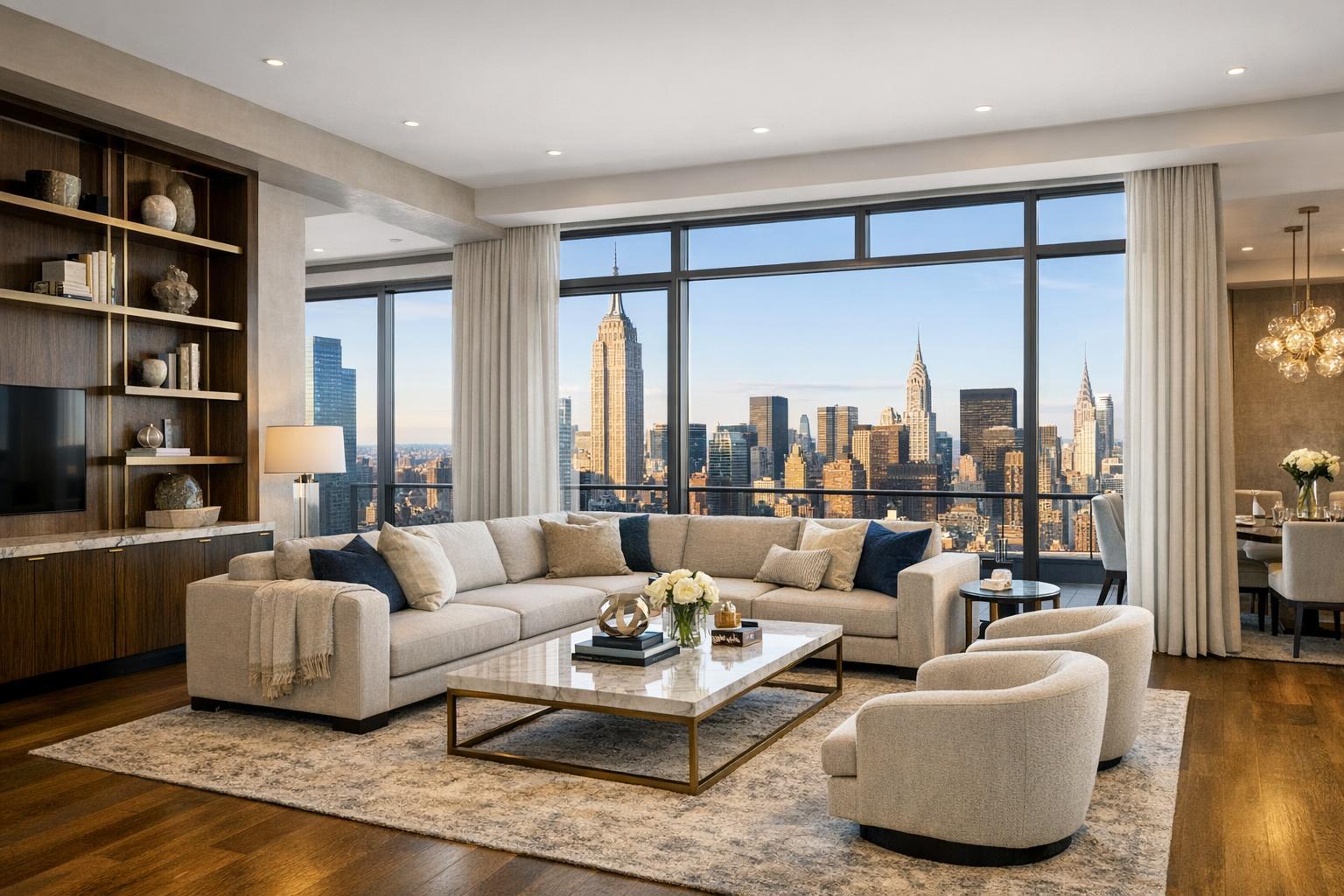
A luxurious living room with elegant furnishings and a stunning NYC skyline view showcased through real estate photography.
How to Choose Real Estate Photography in NYC for Your Next Listing
Real estate photography in NYC is more than just a set of bright, attractive images—it’s about creating a clear, trustworthy visual narrative for every property, whether you’re listing a cozy co-op in Manhattan, a renovated Brooklyn brownstone, or a modern condo in Jersey City. As a real estate media team working across New York City, New Jersey, and surrounding areas, we know firsthand how the right photos help agents and property marketers communicate not just what a property looks like, but how it really feels.
This guide shares our field perspective on how to approach your next listing, choose real estate photography services in NYC, and ensure the results actually move your marketing forward.
Begin With the Specific Property—Not a One-Size-Fits-All Package
Every property has a unique story and set of selling points. Before you even review photographer portfolios or compare photo packages, step back and ask: what does a buyer genuinely need to see to understand this listing?
- Compact apartments may require careful composition so that each room’s function is clear without exaggerating size.
- Brownstones and multi-level homes often need sequences that convey how spaces flow vertically, from garden to roof.
- Condos and larger homes might benefit from coverage of both interiors and amenities, or strong exterior and setting shots that anchor the property context.
This approach goes beyond just checking off rooms or stuffing a gallery with repetitive shots. Instead, prioritize the images that clarify layout, highlight features, and reveal transitions a written description would miss. Ask yourself:
- Which rooms communicate the home’s core character?
- Do any features require dedicated photos to be understood (think terraces, bold architectural details, unusual layouts)?
- Are exterior views or amenity spaces integral to the lifestyle you’re selling?
A focused photo plan leads to images that educate, orient, and persuade—not confuse or distract.
Evaluating a Real Estate Photographer’s Portfolio: What Matters
A professional property photography portfolio should do more than show off a talented eye for a dramatic kitchen or sky. Here’s what we look for—and what you should too, whether you’re an agent, property manager, or host.
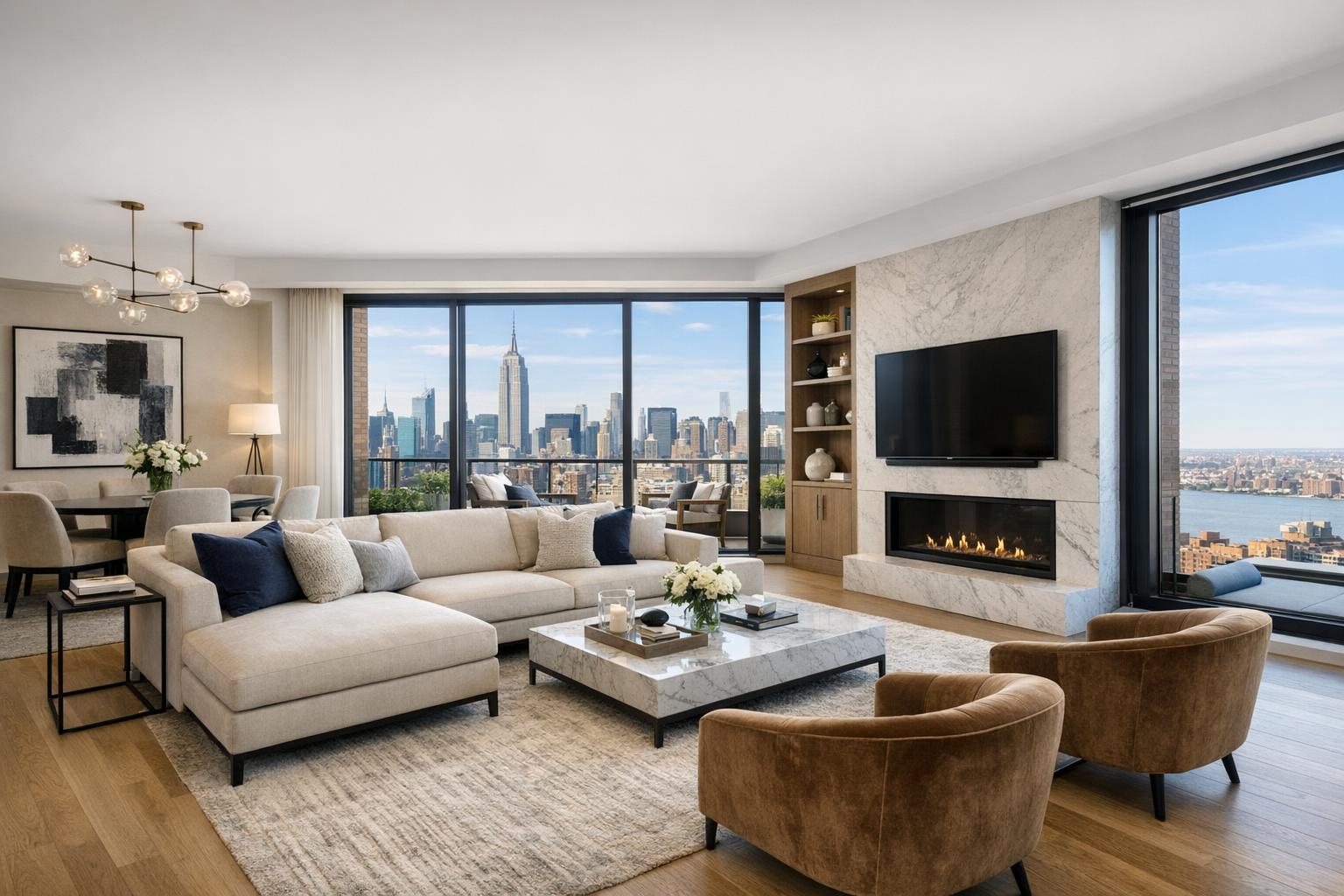
- Balanced Exposure, Inside and Out: New York-area properties frequently contain challenges like strong daylight, big windows, and complex lighting. The best photographers balance interior brightness with exterior visibility, preserving key views without washing out the cityscape or plunging the room into gloom. A truly useful shot keeps you aware of both interior mood and what’s outside those windows.
- Straight Lines, Realistic Geometry: Architectural lines are a hallmark of professional quality. Door frames, cabinetry, and windows should appear intentional and vertical unless the space itself is unconventional. Wide-angle lenses are helpful for tight rooms—but beware of distortion that makes spaces feel fake or furniture look warped.
- Visual Flow that Makes Sense: The portfolio shouldn’t just deliver a set of pretty single shots. Is it easy to imagine how someone would walk through this home based on the gallery sequence? Do you see connections—like how a living area opens to a terrace, or how a kitchen links to a dining zone? Cohesive coverage gives meaning, while random images can leave viewers lost.
- Editing That’s Polished but Honest: Retouching is expected, but it should support accuracy. Watch for overly bright rooms, unnatural skies, or saturated colors that look beautiful but misrepresent the actual space. Consistent editing, correct lighting, and true-to-life materials always win with buyers and colleagues.
If you want to explore portfolios tailored for New York and New Jersey listings—including condos, brownstones, and townhomes—view our real estate photography gallery.
Matching Approach to Property Type and Location
NYC offers diverse architecture, dense blocks, and building quirks that influence every shoot. There’s no substitute for local experience—here’s how different property types shape the process:
- Manhattan Apartments and Co-ops: Room layouts can be tight. Photographers have to be strategic with angles, showing flow (not just square footage) while dealing with building protocols and limited prep time.
- Brooklyn Brownstones and Townhouses: Multi-level spaces need thoughtful photo sequencing. Coverage should highlight progression (parlor, garden, stoop, roof deck) and historical details, without missing exterior curb appeal.
- Condos and Amenity Buildings: These often call for a story that connects living spaces with amenities—a gym, roof lounge, lobby, or terrace may factor into the buyer’s decision just as much as the kitchen or bathrooms.
- Larger Homes and NJ Properties: In the suburbs and around the city’s edges, layouts are more expansive. Here, exterior shots, aerial/droned images (weather and regulation permitting), and portrayals of entry or outdoor living can be just as important as the interiors.
Whether in a city high-rise or along a residential block, professional property photography in New York City means making informed choices on site and anticipating the unique challenges presented by each area and property category.
Understanding the Process: What to Ask Before Booking
A positive photography experience is a product of both visual skill and operational clarity. Here are some questions that can help agents and coordinators avoid surprises:
- What coverage is included for my property type and size?
- How should I prepare occupied vs. vacant spaces?
- How is scheduling managed, especially if there’s doorman or elevator access?
- When and how will I get my images?
- Are color, exposure, and geometry edited for consistency?
- Can I add optional media (video, floor plans, 3D tours) if it helps my listing, or is the package rigid?
- How are amenity and exterior spaces handled?
- Are there recommended steps for cleaning, de-cluttering, or removing items before the appointment?
The best outcomes start with clear, early communication. If you know you’re dealing with unusual floor plans, restrictive building policies, or access challenges, mention them upfront.
For more detailed booking info or to check coverage areas, visit our NYC scheduling page.
Preparing Spaces for Photography: Operational Tips
No amount of post-processing can substitute for a well-prepared property. Prior to the shoot, focus on minimizing distractions so each room’s actual features stand out. That doesn’t mean making a lived-in home sterile—it means removing the ordinary clutter that competes for attention.
Practical steps include:
- Turning on all lights (and replacing burnt-out bulbs).
- Opening blinds/curtains to maximize natural light where helpful.
- Clearing kitchen and bathroom counters.
- Tidying beds, pillows, and throws.
- Removing personal photographs or sensitive paperwork.
- Hiding trash bins, laundry, pet products, and charging cables.
- Straightening patio furniture and entry spaces.
A lived-in home can look welcoming with a few intentional props—a coffee mug on the counter, a book on the table. The difference is planning, not excess.
For a more detailed checklist, RealtaSnap provides a property photography prep guide.
When to Add Optional Media
While standard still photography is the bedrock of most listings, sometimes additional formats help convey the property more completely:
- Video Walkthroughs: Helpful when flow and transitions matter—think townhouses, unique layouts, or homes that rely on indoor/outdoor connections. Real listing videos are captured on site, not simply stitched from photos.
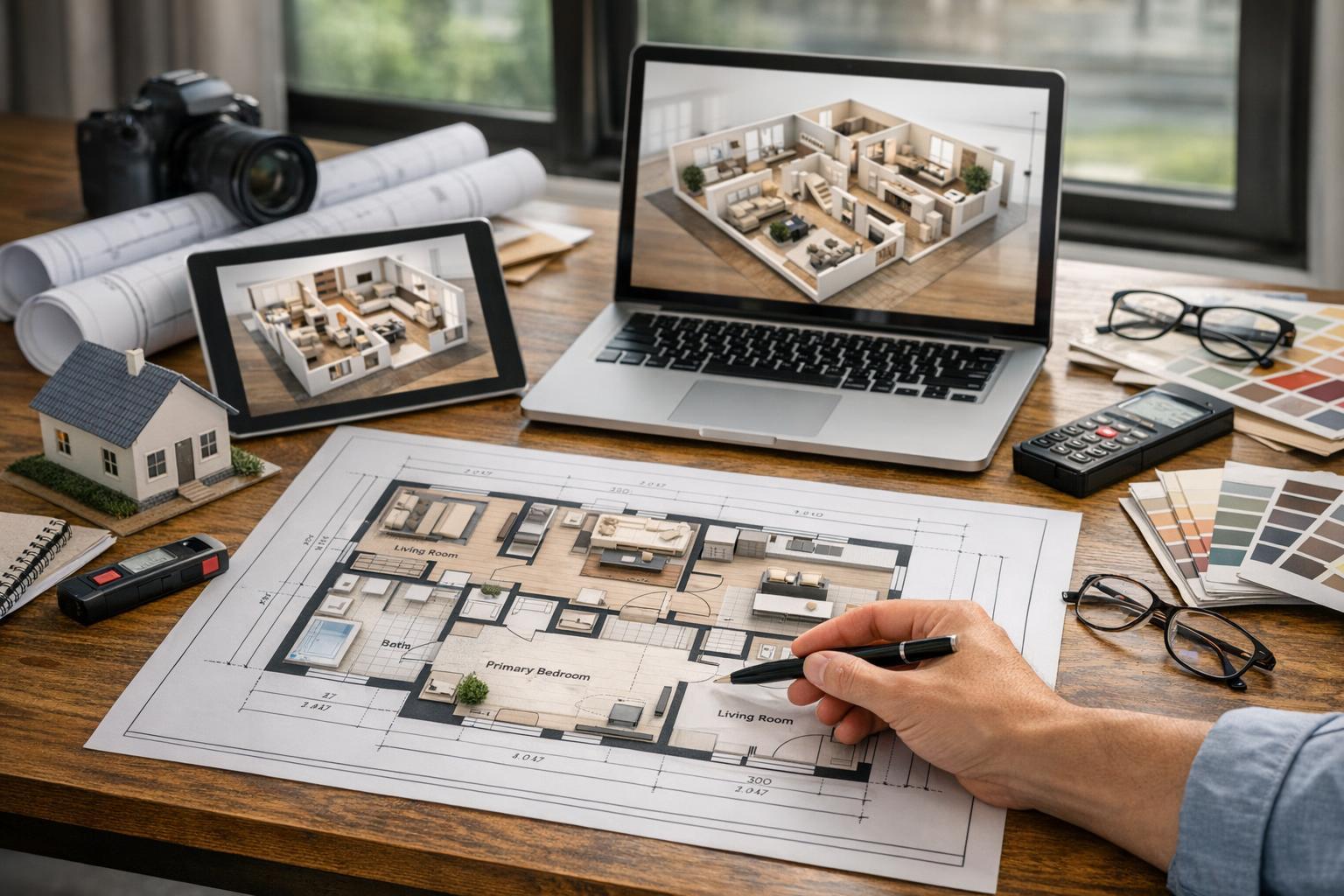
- Floor Plans: For unusual, multi-level, or hard-to-picture spaces, a floor plan clarifies dimensions and circulation. This requires a physical visit for measurement and accuracy.
- 3D Virtual Tours: Especially useful for remote buyers and larger homes, these interactive experiences allow viewers to navigate the space virtually. Like floor plans, they’re created on site.
- Virtual Staging: For empty rooms that are difficult to conceptualize, digital furniture helps buyers imagine uses. It’s most effective when the space is already cleared.
Choose additional media based on property features and the needs of your audience. Adding extras makes sense when they support understanding—not just for the sake of more content.
Why Local Knowledge Matters
NYC photo shoots can involve tight scheduling, strict doormen, complex elevator arrangements, and lighting that changes by the minute. New Jersey properties present different challenges and often need wider coverage, especially for exterior and lot features.
A local provider should be comfortable handling these realities, ensuring shoots stay on schedule and the end product matches both property and market expectations. At RealtaSnap, our focus is on producing images and media that align with each listing, presented clearly and consistently across NYC, NJ, and surrounding areas.
To see more about our process and local experience, visit NYC real estate photography services or explore options in New Jersey.
If you’re weighing providers, start by comparing portfolios, clarifying your specific needs, and checking that the team’s workflow fits your building logistics and turnaround requirements.
If you have an upcoming listing, we’d love the opportunity to work with you.
www.RealtaSnap.com
FAQ
Question: How do I determine the right number of photos for my NYC listing?
Answer: The number of photos should reflect the property’s size, layout, and main features. Smaller apartments may only need a focused set that covers essential rooms, while larger townhomes or homes with outdoor space may call for broader coverage. Aim for images that help buyers understand layout and features without unnecessary repetition.
Question: Is virtual staging worth considering for a vacant property?
Answer: Virtual staging can be valuable for empty rooms that are hard to visualize. It works best on clean, vacant spaces so the added furnishings look realistic. For properties with existing furniture or clutter, those items generally need to be removed or digitally cleared first for the best result.
Question: Can floor plans be made from old listing photos or PDFs?
Answer: Floor plans require a physical on-site visit to accurately capture dimensions and layout. Old photos or PDFs usually don’t reflect changes or enough detail for a precise, up-to-date floor plan—especially in buildings with renovations or unique configurations.