How to Choose Real Estate Photography in NYC for Your Next Listing
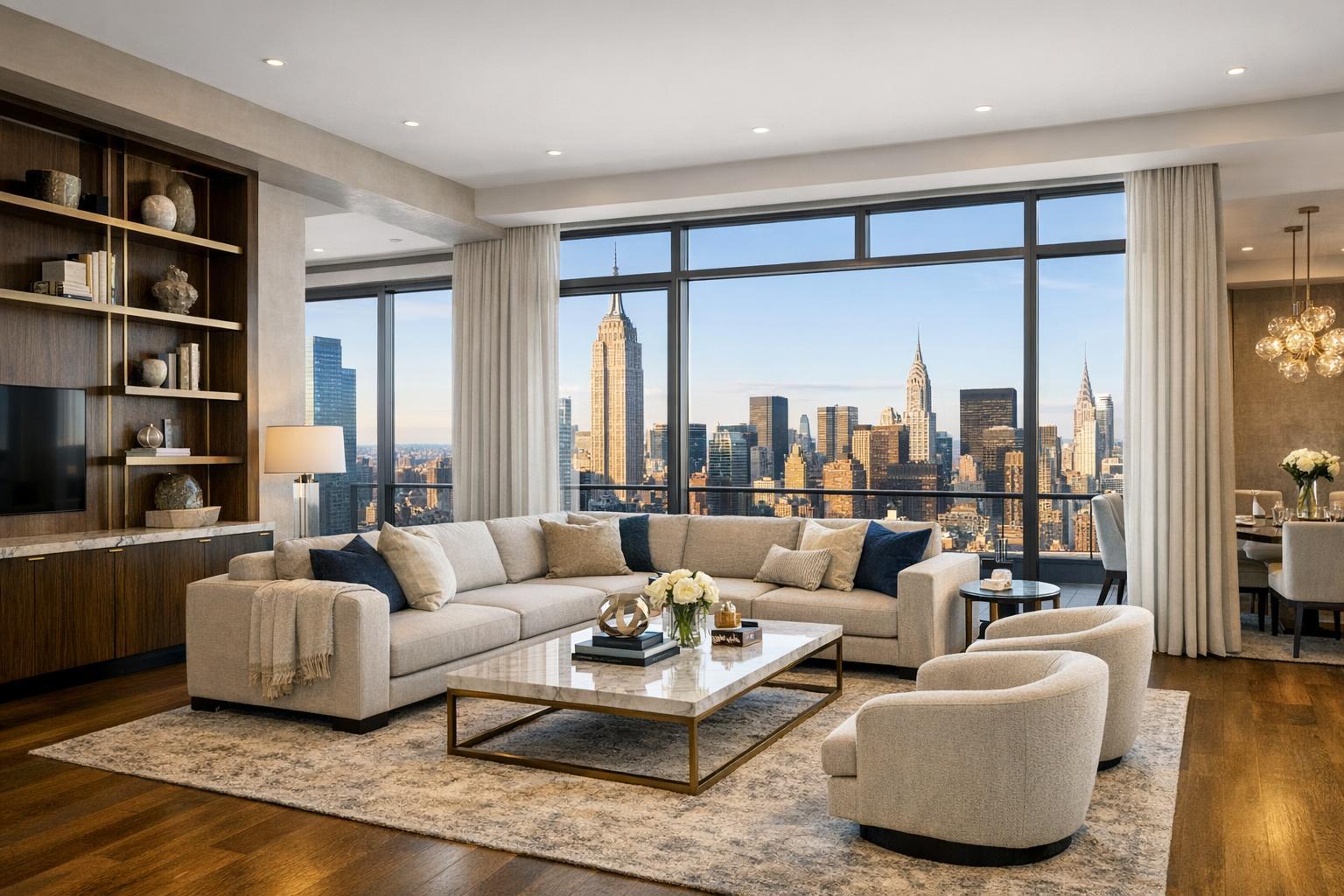
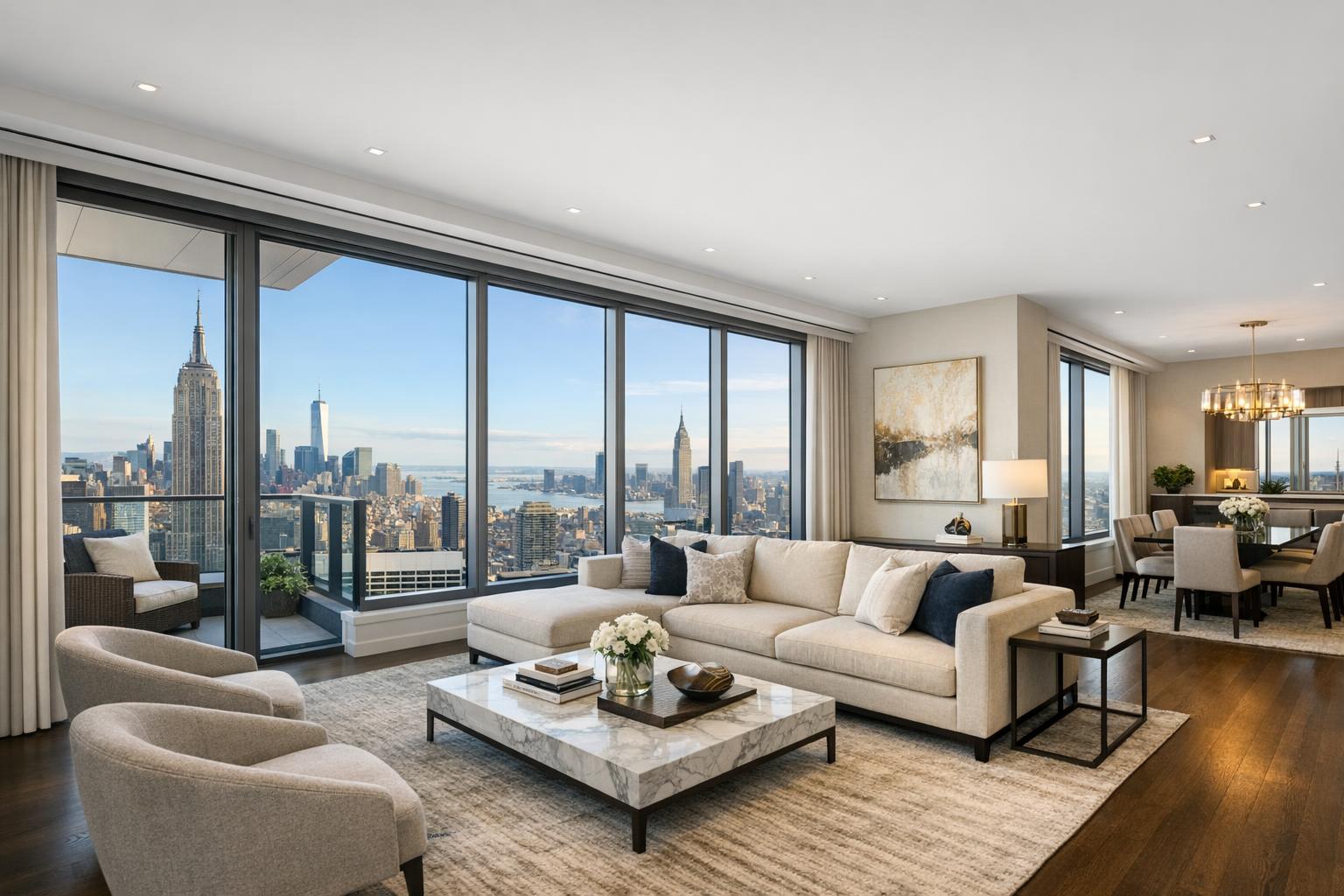
Featuring luxurious interiors with expansive windows showcasing a stunning skyline, this example of real estate photography in NYC highlights the perfect blend of elegance and breathtaking views.
How to Choose Real Estate Photography in NYC for Your Next Listing
Real estate photography in NYC is a decision that goes far beyond simply picking the sharpest image or the lowest price. For agents, brokers, and property owners working in this market, the practical difference between a gallery that feels crisp, inviting, and trustworthy, and one that leaves buyers confused, can shape initial interest in a listing before a single showing is ever booked.
From a media production perspective, what actually sets apart a professional NYC real estate shoot? It’s not just technical camera work—it’s the blend of clarity, workflow, local experience, and honest representation. Properties in NYC and the surrounding markets pose unique challenges that demand more than a checklist approach. Here, we take a practical look at what matters when evaluating real estate photography services in NYC, touching on project realities, visual strategy, preparation, and media options that make sense for real-world listings.
What Listing Photos Actually Need to Do
In competitive residential and commercial markets, real estate photography isn’t about making every room look ten times larger or over-polished. The purpose is to help potential buyers or renters clearly understand the property as it is—and to entice them to take the next step. That requires more than just brightness and wide-angle lenses:
- Good photos establish how rooms connect. A logical visual flow helps the viewer picture moving through the space.
- Accurate representation is essential. Overly wide perspectives or misleading edits can create expectations that fall flat on a visit.
- Balanced exposure matters. In NYC, windows are often a selling point. Photos should show both the interior and exterior views when possible—bright windows shouldn’t wash out a room, nor should interiors become gloomy in the pursuit of a “view shot.”
- Architectural lines are kept natural. Crooked door frames, slanted walls, or obvious distortion distract from the honest dimensions of a property.
- A consistent editing style ties the gallery together. This is what separates professional property media from a folder of cell phone images.
When these elements are present, listing media supports confidence—not only for buyers and renters, but for agents under pressure to present properties clearly and quickly.
Why NYC and New Jersey Properties Demand a Tailored Approach
Metropolitan real estate photography is fundamentally different from suburban or rural work, and even within NYC, each borough comes with its own quirks. Manhattan and Brooklyn listings can be radically different—think compact studios, co-ops with pre-war moldings, brownstones with parlor floors and outdoor gardens, and high-rises with sweeping city views. In New Jersey, single-family homes and larger lots might call for a different coverage plan, such as exterior context or more expansive galleries.
- Manhattan apartments and condos often require precision and creativity in small rooms, efficient use of camera positions, and careful handling of building access or doorman protocols.
- Brooklyn brownstones and townhouses usually benefit from a sequence that links floors together visually, paying special attention to architectural character and the way spaces flow from one to the next.
- Queens, Bronx, and Staten Island homes may offer more space and outdoor features. Here, the right coverage balances the house itself with the context—yards, decks, parking, and street presence.
- Larger New Jersey properties introduce larger footprints, multi-level layouts, and opportunities for exterior, drone, or amenity photos when justified by the listing strategy.
A one-size-fits-all approach falls short. Professional real estate photographers serving NYC and New Jersey need to adapt coverage, composition, and even appointment logistics to the realities of each assignment.
Reviewing Portfolios: What Truly Matters
When you look at a provider’s online gallery, look for more than glossy images. What you want to see is evidence that the photographer can handle the kind of listing you have—not just luxury penthouses, but the unvarnished challenges that define local property types. Ask yourself:
- Are room layouts communicated clearly, or are the images just isolated vignettes?
- Do both interiors and window views show up well?
- Is color consistent and realistic, or lost to heavy filters?
- Are verticals straight, especially around windows, cabinets, and architectural features?
- Does the photographer handle common spaces, amenities, and exteriors with as much care as main rooms?
- Is there a consistent, honest feel across different listings?
Lack of attention to these factors results in confusion for prospective buyers—and extra work for agents trying to explain “what’s where” over the phone.
To see RealtaSnap’s visual approach, you can visit our NYC real estate photography gallery.
Workflow and Communication: The Often Overlooked Difference
The way a real estate media team approaches pre-shoot communication and on-site workflow signals what you can expect in the final result. The best experiences start with clear expectations and a shared understanding of what needs to be captured.
At RealtaSnap, standard practice includes confirming building access, understanding any protocols (doorman, management, elevators), and identifying listing-critical features in advance. The photographer typically sequences the shoot so important spaces are covered first, distractions can be adjusted where practical, and the full set aligns with listing deadlines—especially when 24-hour delivery is needed.
Before scheduling, confirm the provider’s turnaround guarantees and what happens if something special (like priority on a view or amenity) is required for your listing. You can find more about RealtaSnap’s workflow and prep tips in our property preparation guide.
Effective Preparation: Staging, Decluttering, and Virtual Staging
No photography can compensate for an unprepared space. Even with careful composition, a cluttered room, visible trash bins, tangled cords, or overly personal items will distract from the listing itself. Practical preparation means:
- Clearing surfaces in the kitchen and bathrooms
- Making beds and tidying bedding
- Opening shades or blinds to maximize light and views (where privacy allows)
- Removing personal photos and pet items
- Turning on lamps and fixing burned-out bulbs
- Tidying outdoor areas and removing any seasonal clutter
Occupied homes don’t need to feel sterile—they just need reduced visual noise, so core architectural features and proportions stand out cleanly.
If a room is empty and difficult to visualize furnished, AI virtual staging can help. At RealtaSnap, virtual staging is reserved for rooms that are either fully empty or properly decluttered first. It’s important not to place virtual furniture over existing items, as this leads to an unrealistic result.
For more preparation guidance, see our real estate photography prep guide.
Deciding on Add-Ons: When Extra Media Helps
Photography is the heart of any property media set, but certain listings benefit from supplemental options based on layout, property type, and marketing needs:
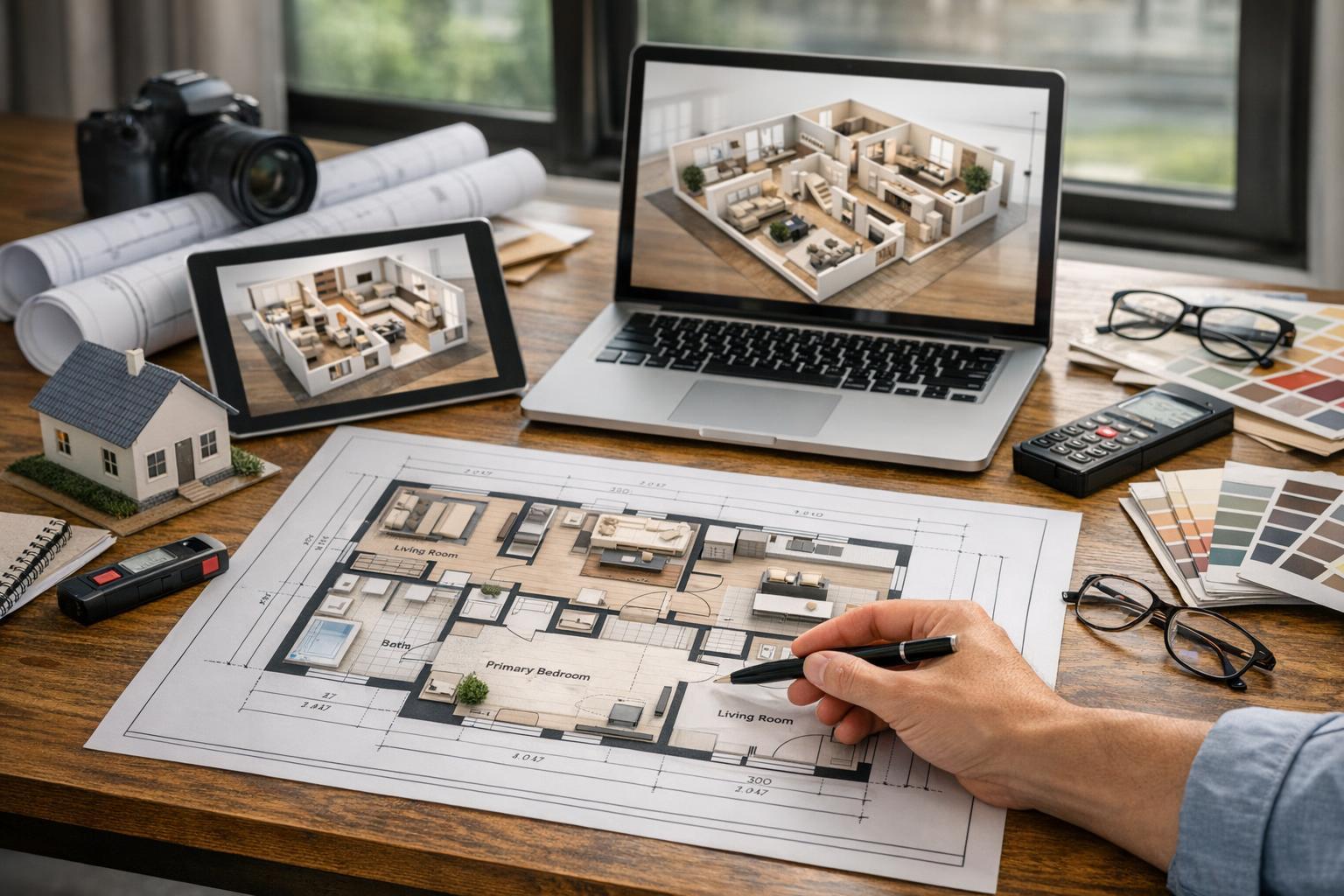
- Floor Plans: Especially valuable for multi-level homes, unusual layouts, or spaces that are tough to explain photographically. Floor plans with accurate measurements require in-person scanning; they cannot be made remotely from existing PDFs alone. For details, visit our page on NYC real estate floor plans.
- Video: True listing video demonstrates movement through the space and can be particularly effective for properties with unique flow or amenities, such as brownstones, condos, or single-family homes where transitions between rooms tell an important story. All RealtaSnap videos are captured on location—never assembled from static photos.
- 3D Tours (e.g., Matterport): Interactive virtual tours allow prospective buyers or renters to explore a property remotely, an advantage for relocation clients or decision-makers who can’t visit easily. These also require an on-site scan.
- Drone Photography and Video: Useful when exterior context is necessary, for example with large lots, unique rooflines, or waterfront properties. Drone media in NYC depends on FAA airspace, weather, safety, access, and pilot discretion. Not every property will qualify, and roof access is often needed for meaningful aerial coverage. Explore available options on our drone photography and videography page.
Price and Scope: How to Compare Providers
Rates for real estate photography in NYC can seem straightforward at first, but direct comparison requires understanding what’s actually included. Ask for specifics:
- Number of final photos included in each package
- What spaces (interior, exterior, amenities) receive coverage
- Amount of on-site shoot time
- Editing (what’s included, what’s extra)
- Availability of additional photos or retouches for a fee
- Separate pricing for floor plans, video, 3D tours, or drone work
With RealtaSnap, photo packages scale from 10 images for compact listings to larger galleries for multi-room properties, priced accordingly. Clarifying coverage and priorities in advance helps avoid under-shooting large properties or over-committing for small ones. If you’d like general pricing for reference, check our NYC and NJ real estate photography cost page.
Choosing a Media Partner: What Actually Makes This Easier
A solid NYC property photography provider does more than show up with a camera. True expertise is reflected in organized communication, professional scheduling, property-appropriate coverage, and clear, clean delivery. The process should feel straightforward—never stressful or opaque.
When selecting a partner, review their relevant work, clarify the services you really need, prepare the property thoughtfully, and ensure the provider will communicate logistics, timing, and deliverables in advance. The best outcome is a listing that feels authentic and well-represented, supporting trust on both sides of a sale or rental transaction.
RealtaSnap covers all five NYC boroughs, New Jersey, and select surrounding areas, offering online booking and 24-hour delivery on most photo shoots. For upcoming New York or New Jersey listings, you can find options and schedule service at www.RealtaSnap.com.
FAQ
Question: How many listing photos do I actually need for a NYC property?
Answer: Photo count should reflect the property’s size and unique selling features. Small studios may only require 10–15 images, while multi-bedroom apartments, brownstones, or large homes with outdoor areas often benefit from 25 or more. Consider not just room count, but also views, amenities, exteriors, and any important layout connections within the space.
Question: Is it worth adding a floor plan to my listing photos?
Answer: Floor plans are especially useful when properties have multiple levels, unusual layouts, or features that aren't easy to communicate with photos alone. They provide clarity to buyers and renters evaluating options remotely. Just keep in mind that creating an accurate floor plan requires physical access and on-site measurement.
Question: Can I get drone photos or video for any NYC listing?
Answer: Not every property is eligible for drone work in NYC. Flight feasibility depends on local airspace restrictions, weather, safety, property access, and pilot discretion. If drone coverage is important, discuss details—and whether roof access is possible—before scheduling. This ensures compliance with regulations and realistic expectations for your listing.