How to Choose Real Estate Photography in NYC for Your Next Listing
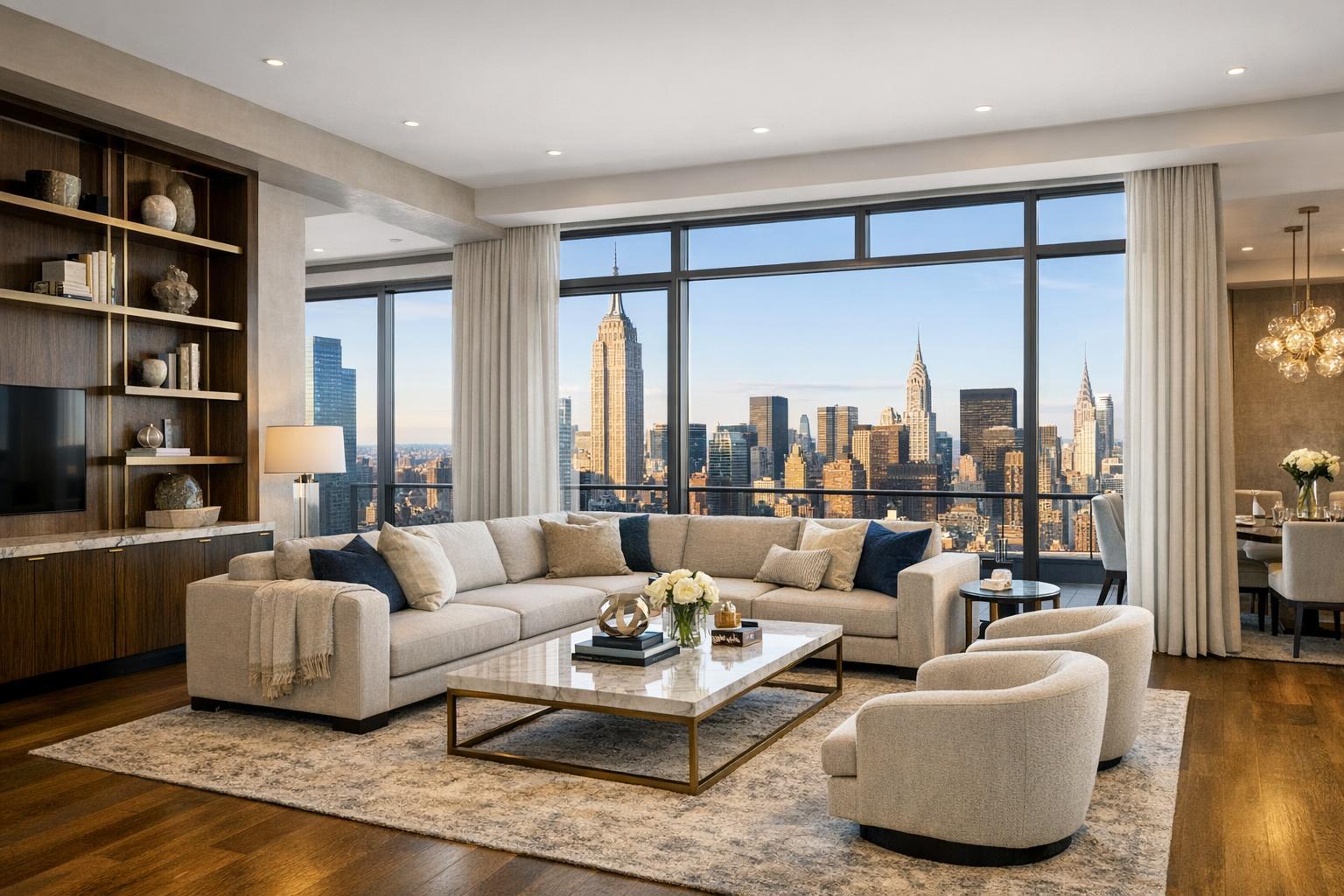
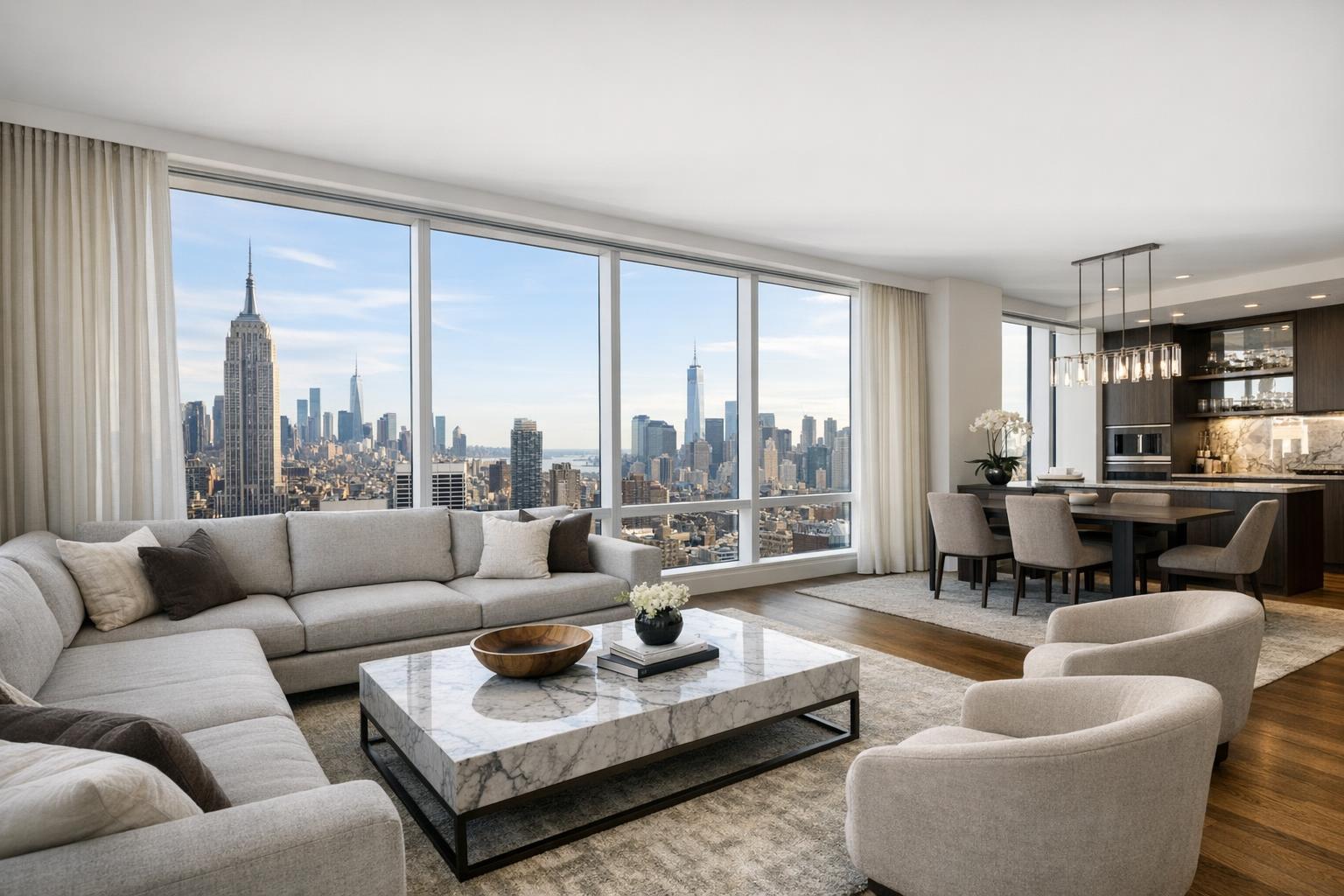
Elegant real estate photography in NYC showcases a luxurious living space with panoramic views of the city skyline.
How to Choose Real Estate Photography in NYC for Your Next Listing
Real estate photography in NYC is never just about making a space look bright. For any agent or broker preparing a listing, the right media should clarify the property’s layout, character, dimensions, natural light, and most unique features—well before a prospective buyer or renter ever arrives onsite.
In New York City, that assignment can take very different shapes. A Manhattan co-op, a Brooklyn brownstone, and a multi-story townhouse each demand their own approach not only to photography but to every stage of media production and presentation. The challenge: ensuring the resulting gallery tells the real story of the space, foregrounds what truly matters, and fits the realities of NYC properties.
Having worked extensively in both NYC and New Jersey, RealtaSnap understands the field-level distinctions that set genuinely effective real estate photography apart from generic listing imagery. Here’s an in-depth look at what matters when you’re comparing real estate photography providers—and how to make sure both you and your listing get the highest return from your investment in media.
Why Portfolio Consistency Outranks the One “Best” Shot
First impressions on a listing start with photo galleries. However, what buyers notice (and agents often regret in retrospect) is inconsistency: images that vary widely in color, brightness, or perspective. A quality real estate photographer in NYC should bring a uniform, professional treatment to every room, every exposure, and every architectural line—not just to hero shots of living rooms or skyline views.
When reviewing portfolios or requesting samples, don’t just focus on highlights. Instead, look for:
- Cohesive editing and color throughout the full home
- Realistic windows and daylight, especially with challenging urban exposures
- How the photographer navigates narrow kitchens, small bedrooms, or mirrored bathrooms
- The treatment of ornate or historic features in NYC’s pre-war properties
- Exterior shots that realistically capture dense cityscapes or limited angles
- Whether occupied rooms look both inviting and honest—without feeling staged or artificially enhanced
For most New York listings—especially apartments or brownstones—the most telling way to judge consistency is to ask photographers for full galleries from previous similar jobs, not just their single favorite image.
Composition: Clarity Over Gimmicks
Good listing photography simplifies the property, making it easier to understand at a glance. That process starts with careful composition. In practice, this means deliberate camera placement, consistent vertical lines (no leaning walls), and a real sense of how one room connects to the next.
While extra-wide lenses can create the illusion of vast space, experienced NYC photographers know when restraint is wiser. Overly wide angles can distort a room, mislead about its actual size, and create odd proportions—especially in smaller or irregularly shaped apartments. The better alternative? Shots that prioritize flow, help viewers place themselves in the environment, and use furniture to support—not obscure—the sense of volume and layout.
What to check for when comparing service providers:
- Walls, doors, and cabinets that read as truly vertical and straight
- Balanced framing with a clear subject in each shot
- Sufficient context in each image to understand layout—not just vignettes
- Judicious use of images (not dozens of near-identical angles)
- Natural perspective, avoiding the “funhouse” effect of ultrawide distortion
A well-composed photo gallery encourages a virtual walkthrough. The viewer should feel guided naturally from entryway to living areas, bedrooms, and beyond.
Editing: Getting Color and Windows Right (Without Overdoing It)
Editing is a foundational element of real estate photography services in NYC, simply because properties here pose so many lighting challenges: harsh contrast between sunlit windows and darker interiors, mixed color temperatures from various light sources, and reflective surfaces abound.
Effective editing preserves reality while improving clarity:
- White-painted walls should appear white, not blue or muddy
- Wood and stone finishes should keep their warmth and texture
- Interiors lit by both daylight and lamps should feel balanced—not artificially flat
Windows often reveal the difference between competent and exceptional editing. Listing media should show a believable view—whether that’s a cityscape, a leafy courtyard, or even a neighboring building. A blank white rectangle replacing a dramatic terrace view is always a missed opportunity.
Watch out for:
- Inconsistent sky replacements or obvious cut-and-paste edits
- Overly saturated colors that don’t represent the actual space
- Contrast so strong that it loses subtle details in furniture or finishes
- Windows that look unnaturally dark next to a bright interior
- Extreme brightening that removes texture and personality
Thoughtful touch-up work brings out the best in a property—but should never attempt to transform it into something it’s not.
Matching Media Services to the Property
While high-quality photos are often enough for classic NYC apartments and straightforward layouts, some listings merit additional media—especially if buyers need to grasp a complex layout, extended space, or unique flow.
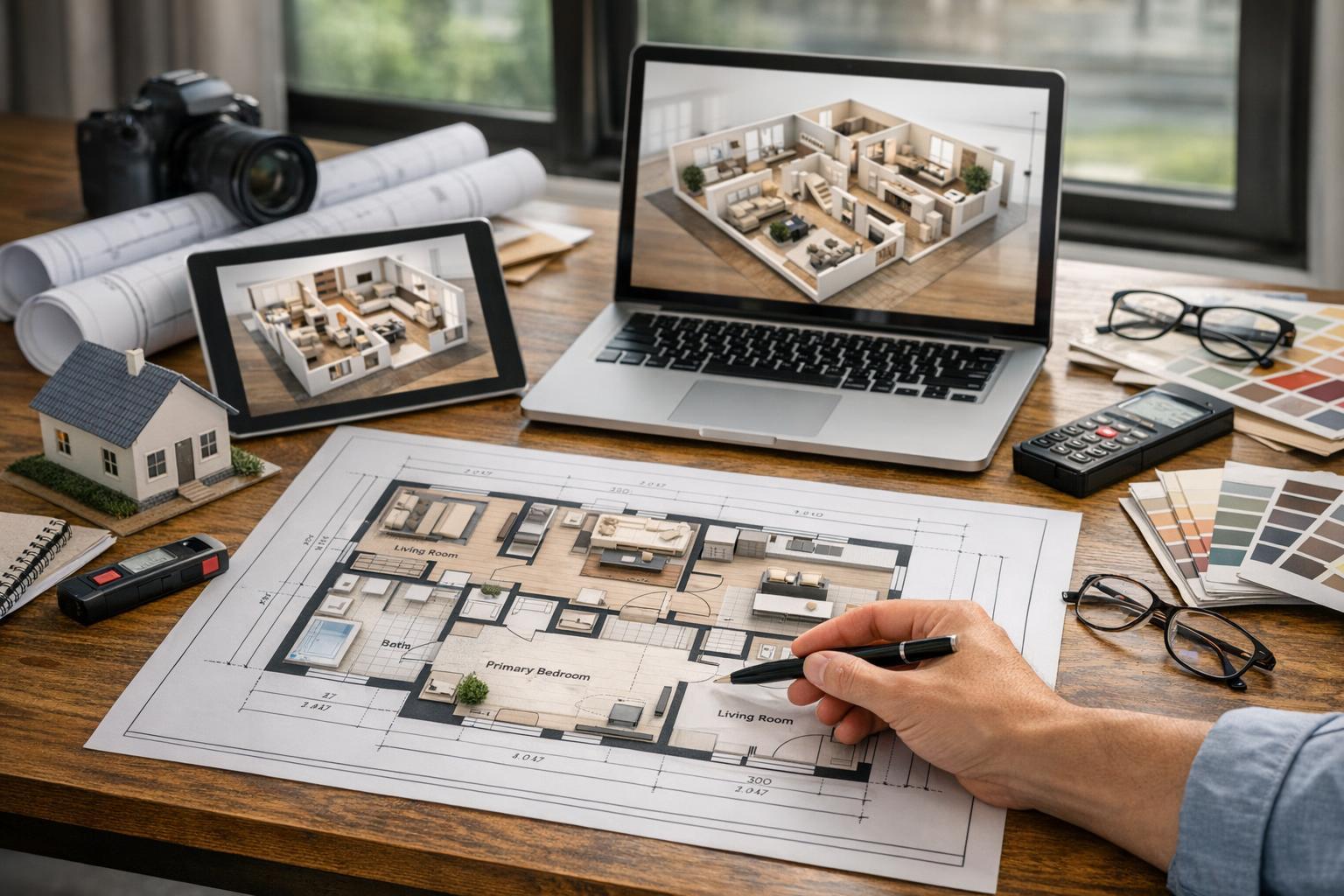
When to add a floor plan:
- Listings with odd or sprawling layouts, multiple floors, combination units
- Townhouses or brownstones with garden, parlor, and upper floors
- Homes with split bedrooms, offices, or flexible-use areas
At RealtaSnap, floor plans are captured on-site, ensuring they represent precisely what exists at the time of the shoot. Making floor plans from old PDFs or pre-renovation sketches just isn’t realistic for accurate marketing.
Learn more about our floor plan process.
When video is appropriate:
- Properties where the transition from room to room is a selling point
- Listings with dramatic views, indoor-outdoor movement, or unique features
- Agent-led video walkthroughs with narrative context
Listing videos are produced from on-site video capture, not stitched together from still photos. This ensures motion feels intentional and property flow is shown accurately.
Explore real estate video options.
When to consider a 3D virtual tour:
- Buyers may be remote or want an in-depth sense of layout
- Homes with multiple levels or complicated footprints
All 3D and Matterport tours require on-site scanning; they can’t be created from existing media or plans. Hosting and 2D floor plan add-ons are available with many virtual tour orders.
See how 3D tours work for NYC properties.
When drone media makes sense:
- Properties with roof decks, garden lots, or important exterior context
- Larger homes where the setting is integral to the buyer’s impression
In NYC, drone work is subject to airspace restrictions, weather, pilot discretion, and building access. Some locations may not be feasible, while roof access can greatly improve the options available.
Read more about drone media for New York listings.
When virtual staging is useful:
- Empty apartments, bedrooms, or other spaces where buyers need help envisioning use
For the most realistic results, virtual staging should be applied only to vacant—or properly decluttered—spaces, not layered over existing furnishings.
NYC-Specific Considerations: Logistics, Access, and Prep
Producing listing media in New York comes with its own set of practical challenges. Photographers and agents alike have to be ready to work within the realities of high-rises, co-ops, busy lobbies, building staff protocols, and occupied spaces.
A few field-proven workflow tips for smoother appointments:
- Communicate building or management requirements (doorman, check-ins, insurance)
- Clarify elevator reservations, access to amenities, and any time restrictions
- Ensure the photographer knows where (and how) to pick up keys or access codes
- If occupied, coordinate with tenants or owners for decluttering and room access
- Let the photographer know about pets, ongoing construction, or special circumstances
For best results, prepare the home in advance—rooms should be tidy, unneeded items removed, and blinds open where privacy permits. In an occupied apartment, details like removing small appliances, paperwork, and visible cords make a notable difference in the clarity of photos.
For a property to look as spacious or inviting as it can—within reality—it’s far more effective to edit before the shoot than afterward.
Get a downloadable preparation guide.
Booking, Delivery, and the RealtaSnap Approach
Choosing a real estate photographer in NYC isn’t just about price, though rates do matter. RealtaSnap offers transparent, up-front pricing for photo packages, starting at $149 for 10 images, with additional services like floor plans, video, 3D tours, drone media, and virtual staging fully outlined during booking.
Clients can review services, select what fits the property, add access notes, schedule online, and pay at checkout. Turnaround times, delivery process, and special editing requests are communicated clearly.
Schedule a shoot or view services here.
Top operational practices RealtaSnap applies on every project:
- Capture as much of the real property as possible, never inventing details or altering structural layout digitally
- Edit for clarity, not fantasy—white walls, balanced windows, and accurate finish tones
- Guide the client with clear booking, preparation, and delivery communications
- Maintain a professional and approachable on-site demeanor, respecting both the agent’s and occupant’s time
Whether booking for a studio in Manhattan, a brownstone in Brooklyn, or a home in North Jersey, the process is designed to keep things clear, fast, and practical. For agents, that means fewer headaches and a more polished listing.
Final Thoughts: Selecting the Right Photography Partner
For most NYC and New Jersey listings, professional real estate photography is an investment in clarity and credibility. Media that truthfully and consistently presents a property supports agents, informs buyers, and helps properties stand out in crowded online searches.
If photography alone captures your listing’s story, that’s often all you need. For more complex spaces, layering in floor plans, video, or tours can give buyers the context needed to move to the next step with confidence. Above all, prioritize teams and providers who combine visual consistency, practical communication, honest editing, and workflow experience fitting the realities of your listing—not just the highlights.
If you’re preparing an upcoming listing and want media that works as well behind the scenes as it does on the gallery page, explore RealtaSnap’s service options or book directly at www.RealtaSnap.com.
FAQ
Question: How many photos are ideal for a typical NYC apartment listing?
Answer: The right number depends on the layout, size, and unique features of the property. A smaller unit may be well served by 10–20 high-quality photos, while larger condos or townhouses can benefit from broader coverage. The goal is to include every important space and viewpoint without overwhelming the gallery with duplicates.
Question: Can professional photography make a small space look much larger?
Answer: Skilled composition, proper preparation, and balanced lighting can help small rooms appear as open and clear as possible. However, true professional ethics focus on representing the space accurately—avoiding extreme lens effects or edits that mislead potential buyers.
Question: Is it necessary to add a floor plan or Matterport tour for every listing?
Answer: Not always. Photos may be entirely sufficient for simple layouts or small apartments. Floor plans and 3D tours become particularly valuable for multi-level homes, complex footprints, or listings targeting remote buyers who may want to explore before visiting in person. RealtaSnap’s booking tools let you select the appropriate add-ons for each property.