How to Choose Real Estate Photography for Your NYC or New Jersey Listing
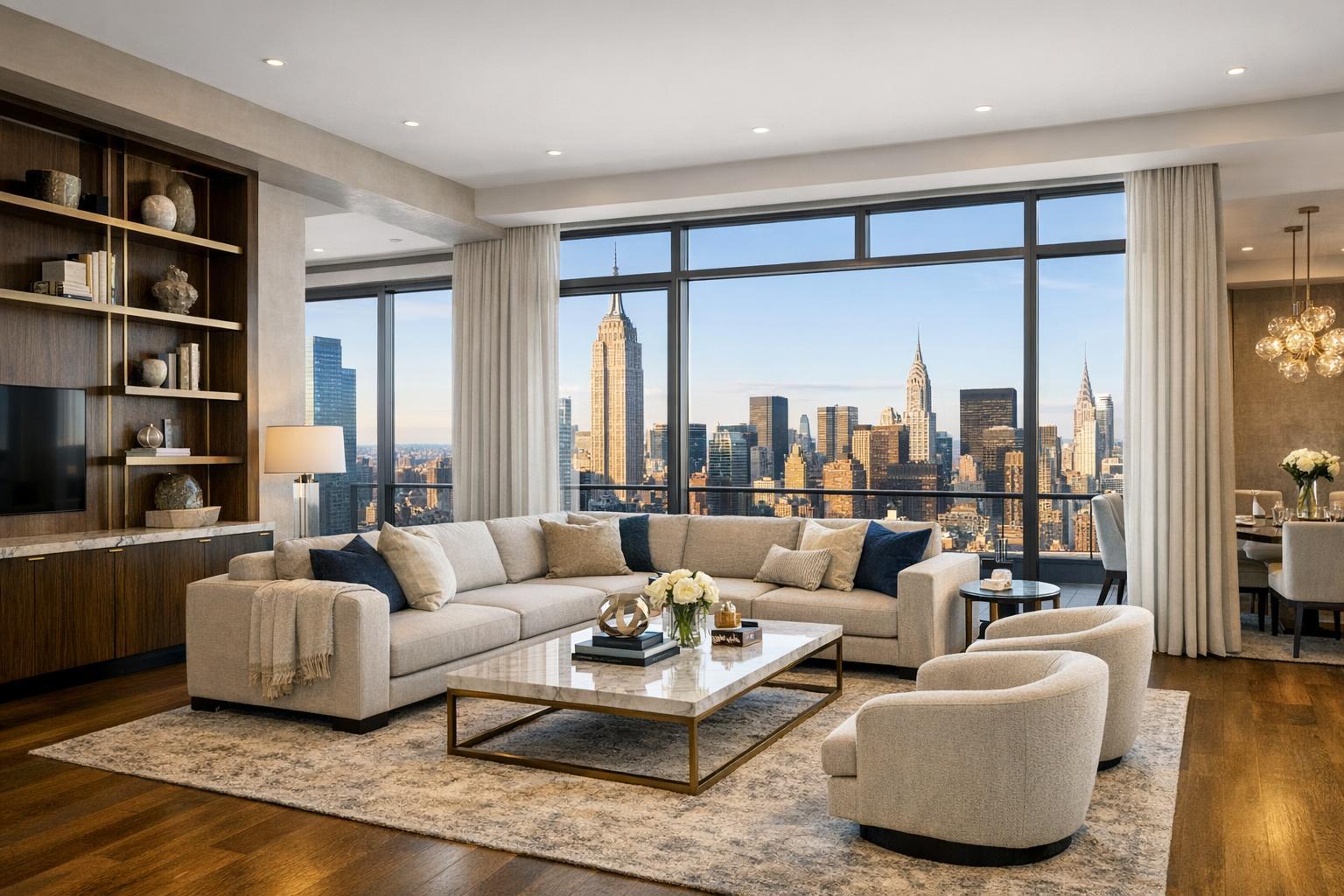
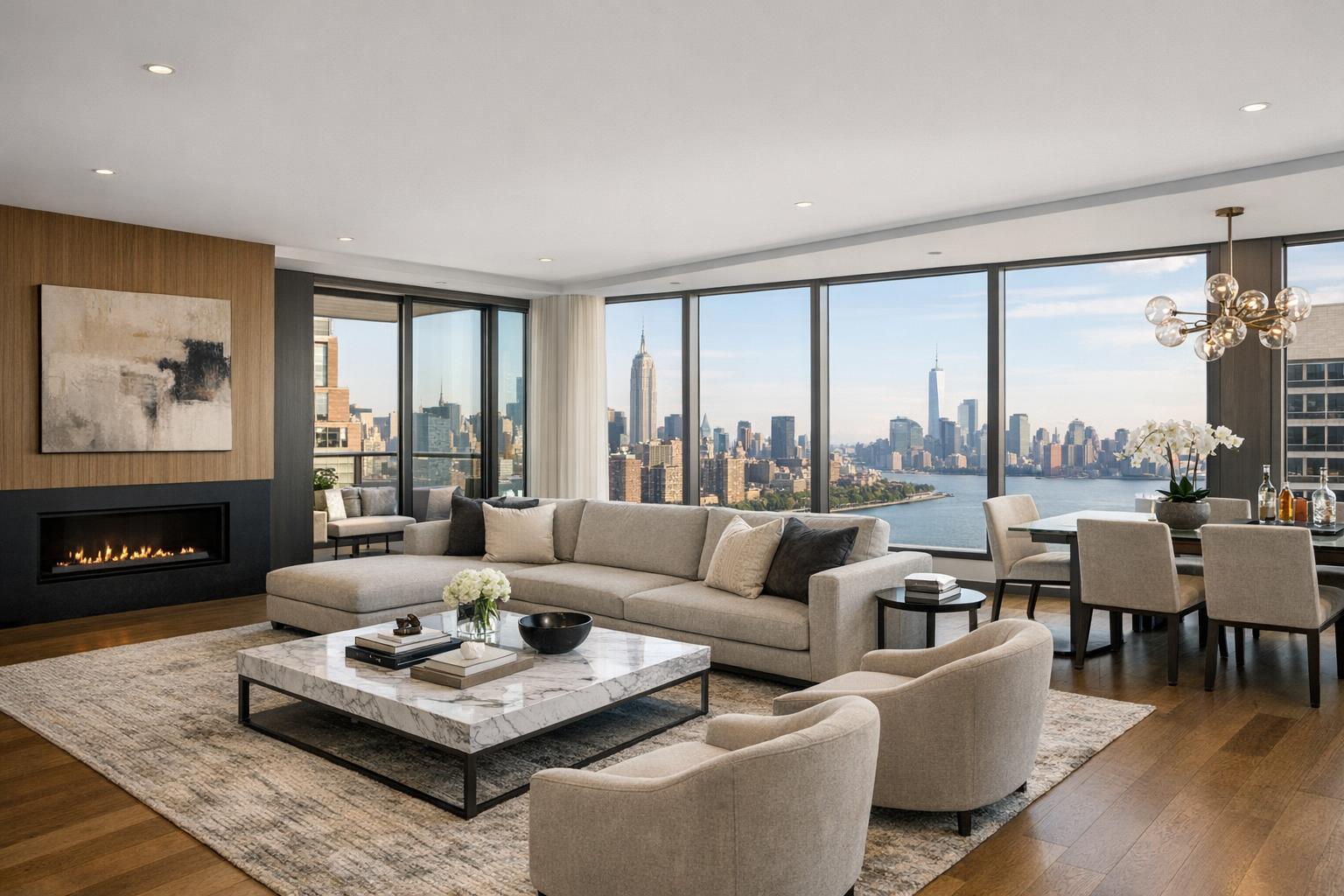
A luxurious, modern living room with a stunning city skyline view showcases elegant furniture, a cozy fireplace, and floor-to-ceiling windows in professional real estate photography.
How to Choose Real Estate Photography for Your NYC or New Jersey Listing
Real estate photography is often the first point of contact a potential buyer, renter, or client has with a property listing. In a market as dense and diverse as New York City and New Jersey, those interior and exterior images aren’t just decoration—they’re critical tools for communication. Whether you’re listing a compact Manhattan studio, a Brooklyn brownstone, a waterfront condo in Jersey City, or a large single-family home in New Jersey, professional property photography shapes how the listing is perceived long before anyone schedules a showing.
What, then, should agents, brokers, and owners actually focus on when selecting real estate photography services? This guide draws from real production realities to clarify what sets polished, trustworthy listing photography apart—and how to ensure you’re getting what your property actually needs.
What Listing Images Need to Accomplish
At its best, professional property photography answers fundamental questions for viewers at a glance:
- What does the building look like at the curb or main entrance?
- How are the rooms arranged, and how do they connect?
- Are proportions and scale represented in a way that reflects reality?
- What features stand out: natural light, outdoor space, views, details, updated finishes?
- Does the gallery feel cohesive, clearly communicating the story of this specific home?
Photography for real estate isn’t about making every corner look larger or using filters to oversell features. The best work presents the home as it truly is—tidy and inviting—while helping buyers visualize how the spaces actually flow together. The ideal photo set begins with the exterior or entry, guides you through major rooms, and carefully illustrates any standout secondary spaces or unique features. If the layout is nontraditional (think pre-war apartments with long hallways or a brownstone’s vertical stacking), more intentional coverage may be needed to clarify the space.
Evaluating Portfolios: Look for Consistency, Not Just Highlights
Most photography portfolios are heavy on the beautiful kitchens and sunlit living rooms, which makes sense—everyone wants to showcase their best work. But to judge a photographer’s ability, it’s just as important to review how they handle typical, imperfect, or varied spaces.
A reliable portfolio should show:
- True-to-life architectural lines (verticals stay vertical; no cartoonish distortion)
- Exposure that preserves both room interiors and bright window views, not one at the expense of the other
- Compositions that show how a room can be used, not just wide shots for the sake of width
- Natural-looking colors that reflect real finishes and lighting conditions
- Clean editing—retouching for clarity, not unnatural shine
- A visually united collection, as if the home is being presented as one property rather than a random series of images
A bright photo isn’t automatically better. For example, showing living room windows with balanced exposure helps viewers understand both the space and its views outside, while preserving some shadow in darker interiors protects a property’s character. Rushed or inconsistent edits—such as blown-out skies, warped rooms, or mismatched colors—signal a lack of attention to detail.
Aligning Coverage With Property Type
No two NYC or New Jersey homes require exactly the same real estate photography plan. The right approach depends on the scale, configuration, and features of the property, as well as building access realities.
Compact Manhattan Apartments
Studios and one-bedrooms in Manhattan call for thoughtful, restrained coverage. Overloading the gallery with repetitive angles of tight spaces doesn’t help buyers; careful compositions that show how rooms relate are more valuable. It’s important to capture the areas that most affect decision-making: the main living space, kitchen functionality, bathroom finishes, closet capacity, and, if relevant, any terraces or views.
Because many NYC buildings have strict access rules, it’s standard practice to confirm all entry instructions and requirements before scheduling. Knowing whether the shoot needs to be coordinated with building staff or if certificates of insurance are required ensures a smoother appointment.
Brooklyn Brownstones and Townhouses
These homes often require a different visual strategy. Multi-level layouts, original features, and garden or roof access make sequencing crucial. Good photography connects the dots—showing how the main floor, sleeping levels, garden parlor, and outdoor spaces come together. In rooms where garden light meets deeper interior shadows, thoughtful camera placement and editing preserve both detail and atmosphere.
Jersey City, Hoboken & Waterfront Condos
Condos in these locations often combine modern interiors with location-based amenities: skyline views, balcony space, and waterfront proximity. A well-executed photo set will give priority to the unit’s own features first, then integrate outdoor or amenity images only when those spaces have a direct impact. Over-emphasizing shared common spaces at the expense of the actual apartment can dilute a listing’s impact.
Large New Jersey Homes
Single-family properties and larger homes in suburban New Jersey benefit from extensive but purposeful coverage. In addition to the main rooms, areas like home offices, finished basements, mudrooms, detached garages, patios, pools, and yards may warrant coverage if they contribute functionally to daily living or curb appeal. The mark of a skilled photographer is knowing when to focus on flow and feature, not just taking more photos for volume’s sake.
Practical Considerations: Light, Windows, and Room Proportions
An often-overlooked difference between DIY and professional real estate photography is how light and scale are managed in camera and in postproduction. Real-world properties almost always contain a mix of natural daylight, artificial light, and reflective surfaces. Handling window views or rooms with dramatic light shifts (such as north-facing spaces or basement dens) is part creative decision, part technical process.
Ask prospective photographers how they approach:
- Room exposures with bright windows and needed interior detail
- Mixed sources of light, especially in city apartments
- Mirror reflections, glossy furnishings, or unusually narrow spaces
- Photo composition when capturing vertical or multi-level layouts
Wide-angle lenses are standard in real estate photography, but experienced professionals avoid using extreme settings that misrepresent the space. The aim is to provide a sense of the room’s actual dimensions and usability—not to create the illusion of more square footage.
The Role of Preparation: Setting the Scene
Even the best professional property photography can’t fix a poorly prepared space. Before any shoot, decide what needs to remain visible, what should be stored away, and which features must take center stage. Small details matter: turning on all lights, opening shades for desirable views, removing everyday clutter (like kitchen appliances, paperwork, or pet bowls), and tidying up surfaces make a significant difference. Beds with clean linens, organized countertops, and hidden cords contribute to inviting, distraction-free photos. Occupied homes don’t have to look empty, but excess personal items can steal focus from architecture and features.
It’s wise to communicate any concerns or priorities to your photographer in advance—whether skipping a particular room or emphasizing a recent renovation. These notes help teams on site make the best visual decisions for your goals.
For in-depth advice on preparing your property, take a look at RealtaSnap’s preparation guide.
When to Consider Add-On Media
Still photography forms the backbone of most listings. Sometimes, visual storytelling can benefit from complementary services that clarify layouts or provide additional context:
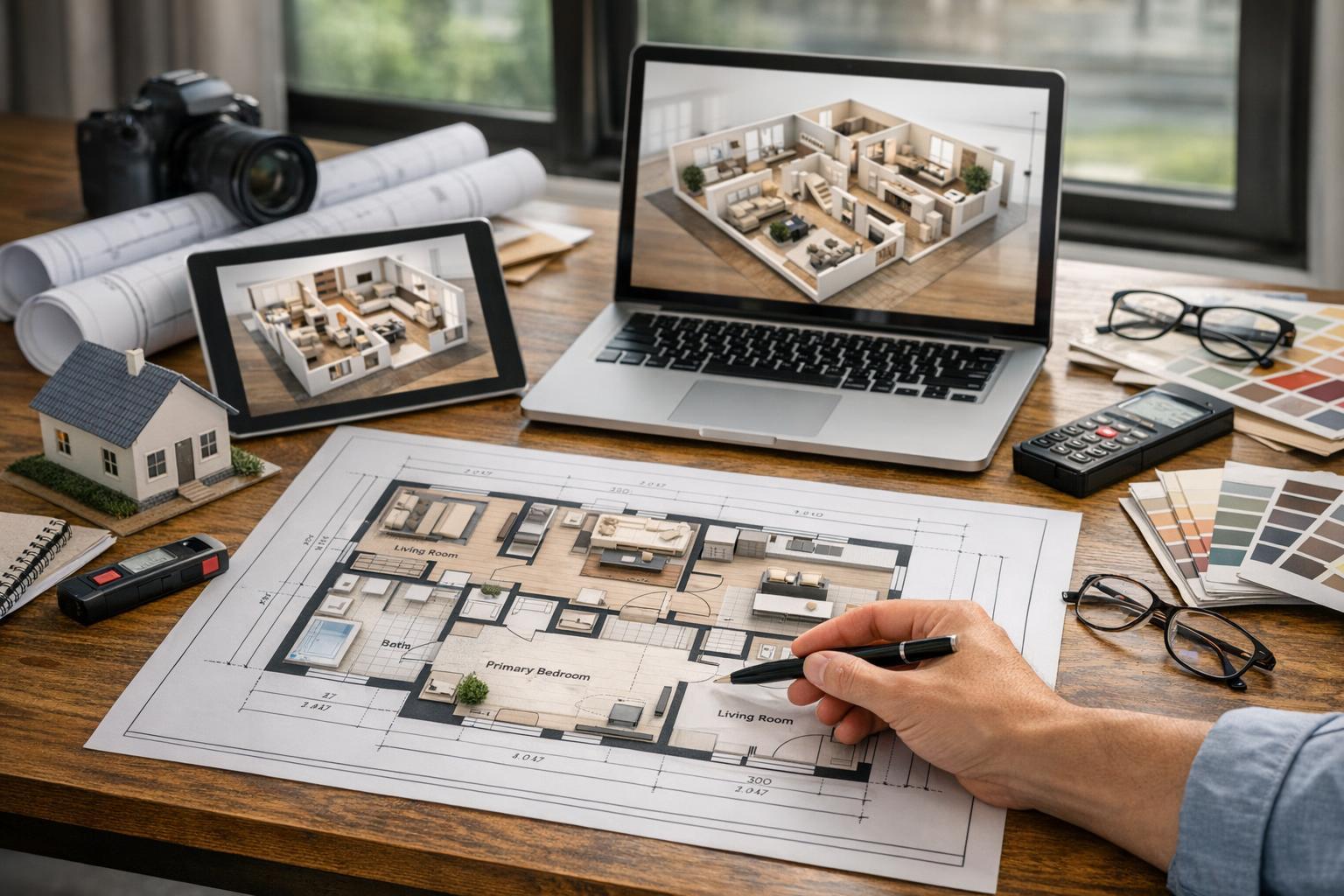
- Floor Plans: Especially useful for unusual or multi-level layouts, floor plans are captured on site (never generated from PDFs or prior plans) and help viewers visualize spatial relationships that aren’t always evident from photos alone. Details and guidelines are available at RealtaSnap’s floor plan page.
- Listing Video: On-site video can demonstrate the movement and connection between spaces in a way stills cannot. This is particularly relevant for properties with open layouts, multiple stories, or meaningful transitions between indoor and outdoor spaces. RealtaSnap does not use slideshow videos—listing videos are shot intentionally on site.
- 3D Virtual Tours: Interactive tours provide a remote viewing option, helping out-of-town buyers or those wanting to explore properties in detail. These require on-site scanning and can’t be produced from existing assets.
- Drone Media: Aerial photography and video are sometimes useful for larger homes, unique settings, or waterfront locations. In urban areas, drone feasibility depends on airspace, weather, building access, and pilot assessment.
Each of these add-ons involves separate onsite capture and may not be a fit for every property. Drone work and 3D tours are subject to accessibility and, in the case of drones, regulatory checks. More information on these offerings can be found on RealtaSnap’s services overview.
Questions Worth Asking When Booking
A quick conversation with your chosen media provider can prevent misunderstanding and ensure you know what to expect:
- How many images are appropriate for my space and strategy?
- Can I see examples from similar listings or property types?
- What guidance do you provide on space preparation?
- How do you handle tricky exposures, window views, or lighting?
- What is the standard turnaround for delivery of images and any add-ons?
- Are add-ons like floor plans, video, 3D tours, or drone services recommended based on my listing?
- What access or entry instructions should be supplied, and how are any special editing requests handled?
A reputable provider will answer specifically and practically, setting clear expectations for the process and deliverables.
Choosing a Reliable Local Real Estate Media Partner
For NYC and New Jersey listings, local knowledge isn’t just a bonus—it impacts everything from understanding building logistics to adapting to local listing platforms. RealtaSnap specializes in real estate photography services for these markets, providing tailored coverage options, clear prep and scheduling guidance, and support for properties ranging from small city apartments to expansive New Jersey homes.
Bookings are handled directly online at www.RealtaSnap.com, with convenient service selection, notes, and payment built into the process. Standard online bookings require 24 hours’ notice, and all standard pricing can be previewed during checkout.
Whether you’re preparing a compact co-op in Manhattan, a brownstone in Brooklyn, a modern condo on the Jersey waterfront, or a large home in the suburbs, your choice of real estate photography service matters. Consistent, clear, and honest images build buyer trust and make listings easier to understand—critical advantages in a fast-moving local market.
To learn more about service options or to book an appointment, visit www.RealtaSnap.com.
FAQ
Question: What’s the right number of photos for an NYC apartment listing?
Answer: This always depends on layout and features. A small studio may need just a handful of well-composed images, while a larger apartment merits additional photos for bedrooms, views, outdoor spaces, or unique details. It’s best to include enough photos to make the space clear without repeating nearly identical perspectives. RealtaSnap offers several fixed-count packages to fit different listing types.
Question: Is it worth adding a floor plan to my listing?
Answer: Floor plans are especially helpful for properties with complex layouts, multiple levels, or unconventional room relationships. They can clarify spatial relationships and help viewers visualize circulation and bedroom placement. All floor plans produced by RealtaSnap are captured on site for accuracy.
Question: Can you virtually stage a room that already has furniture?
Answer: AI virtual staging works best on empty or properly decluttered rooms. If a space has existing furniture, you’ll need to remove it before capture, or order paid clutter removal as an extra service before virtual staging is applied. This ensures the finished image looks realistic and uncluttered.