How to Choose Real Estate Photography for Your Next Listing
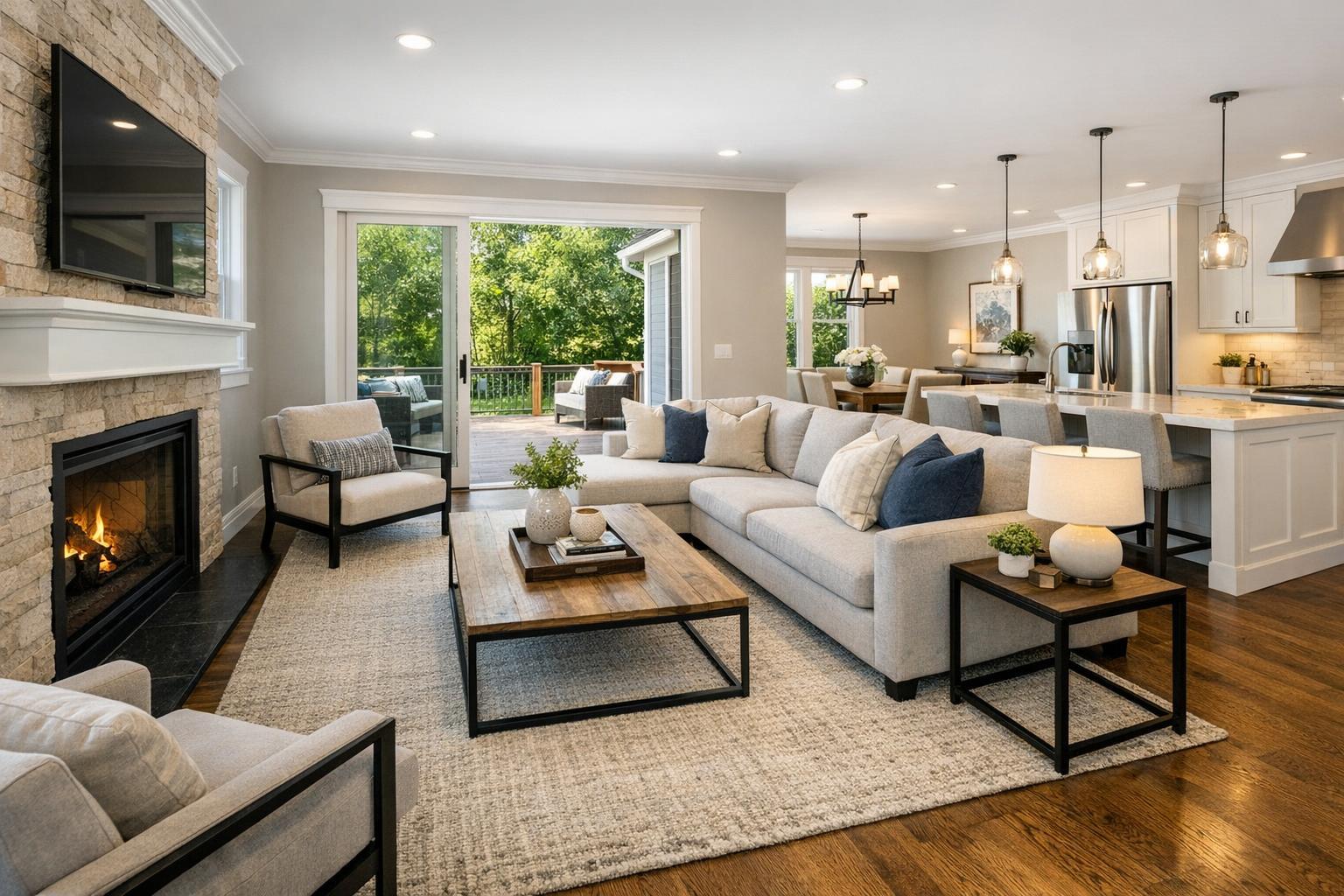
A spacious, elegantly designed living area features a cozy fireplace, modern furniture, and large sliding doors opening to a lush backyard, captured in high-quality real estate photography.
How to Choose Real Estate Photography for Your Next Listing
Real estate photography shapes the way every listing is seen—long before a showing or walk-through. For agents, brokers, and property owners preparing a new listing in NYC or New Jersey, selecting the right photography service is a key strategic step, not just a routine task. A thoughtfully captured gallery gives prospective buyers and renters a clear sense of a property’s layout, features, and atmosphere. Here’s how experienced professionals weigh their options and what really matters when choosing real estate photography services for your next listing.
Effective Real Estate Photography: A Field Guide for Listing Success
At its core, strong professional property photography answers the practical questions buyers have as they scroll through a listing:
- What does each main space look like?
- How do the rooms connect?
- Where does natural light enter, and how does it affect the mood?
- What are the kitchen, bedrooms, and storage areas really like?
- Which finishes, details, or outdoor features stand out?
Polished images can draw attention, but beauty without clarity works against the purpose. When done well, real estate photography leads a viewer through the home in a logical sequence—helping them picture themselves in the space, not just admire isolated shots.
Prioritizing Clarity and Honesty in Property Photos
Great listing images are about more than technical skill. They’re about representing the property accurately, including its strengths and its layout, so viewers feel familiar with the space when they step through the door. A gallery that’s visually appealing but misleading erodes trust and can waste everyone’s time.
Managing Light, Windows, and Perspective
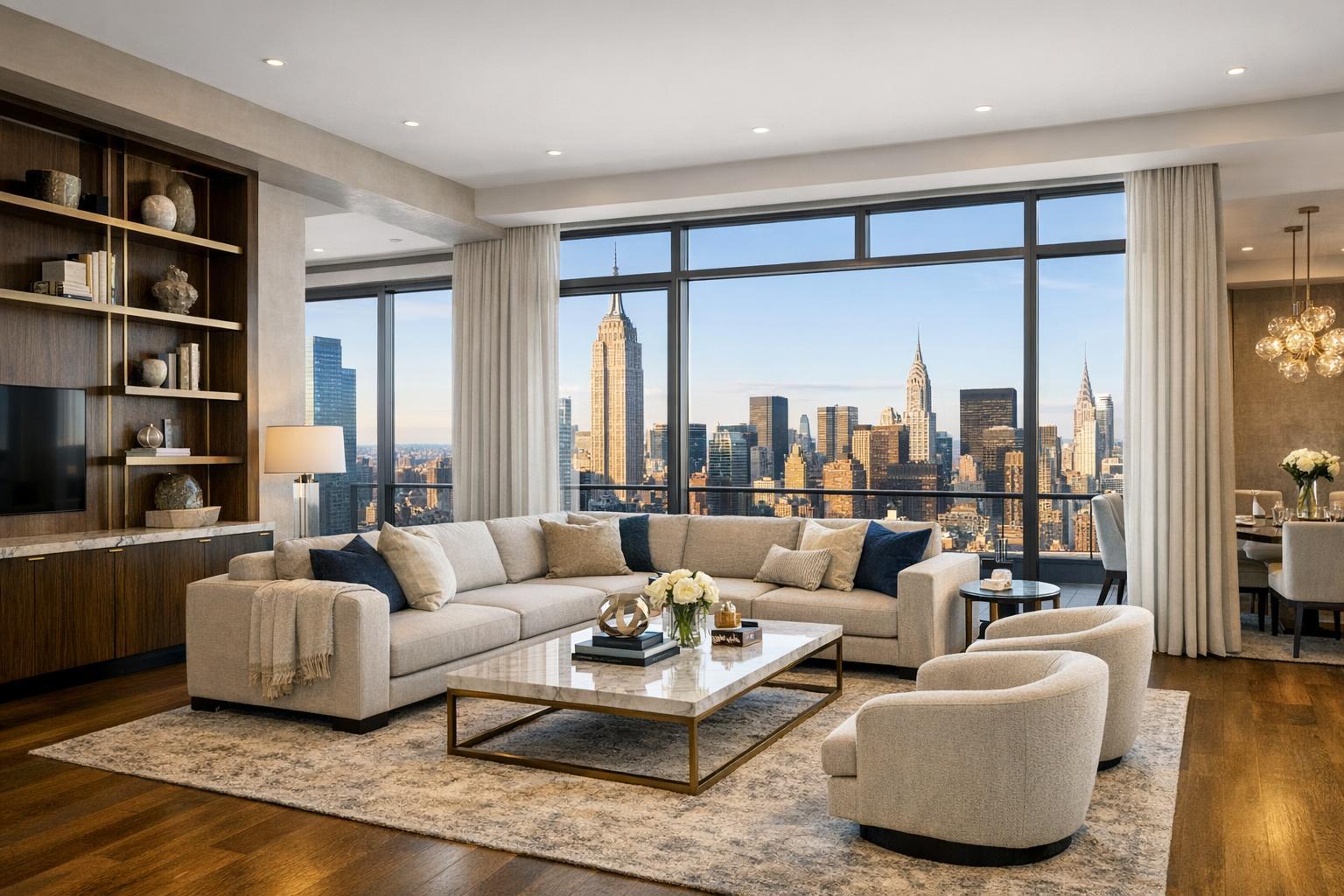
- Window and Light Balance: Bright windows and dim interiors often present competing exposures, especially in NYC apartments or brownstones with unique light patterns. Effective photographers use a mix of camera technique and careful editing to balance interior brightness with realistic window views—never sacrificing clarity for dramatic effect.
- Architectural Lines: Keeping vertical lines true—door frames, corners, cabinetry—makes it easier for buyers to interpret room shape and size. Wide angles have their place, particularly in smaller spaces, but overdoing it can distort the feel of a room, leaving buyers with unrealistic expectations.
- Editing with Restraint: Post-production should enhance, not overhaul. Watch for consistency across a photographer’s portfolio: Are colors and finishes true to life? Are shadows and highlights controlled, not forced? RealtaSnap’s policy is to present the property as it exists, never digitally fabricating structural changes.
Reviewing Portfolios That Match Your Property Type
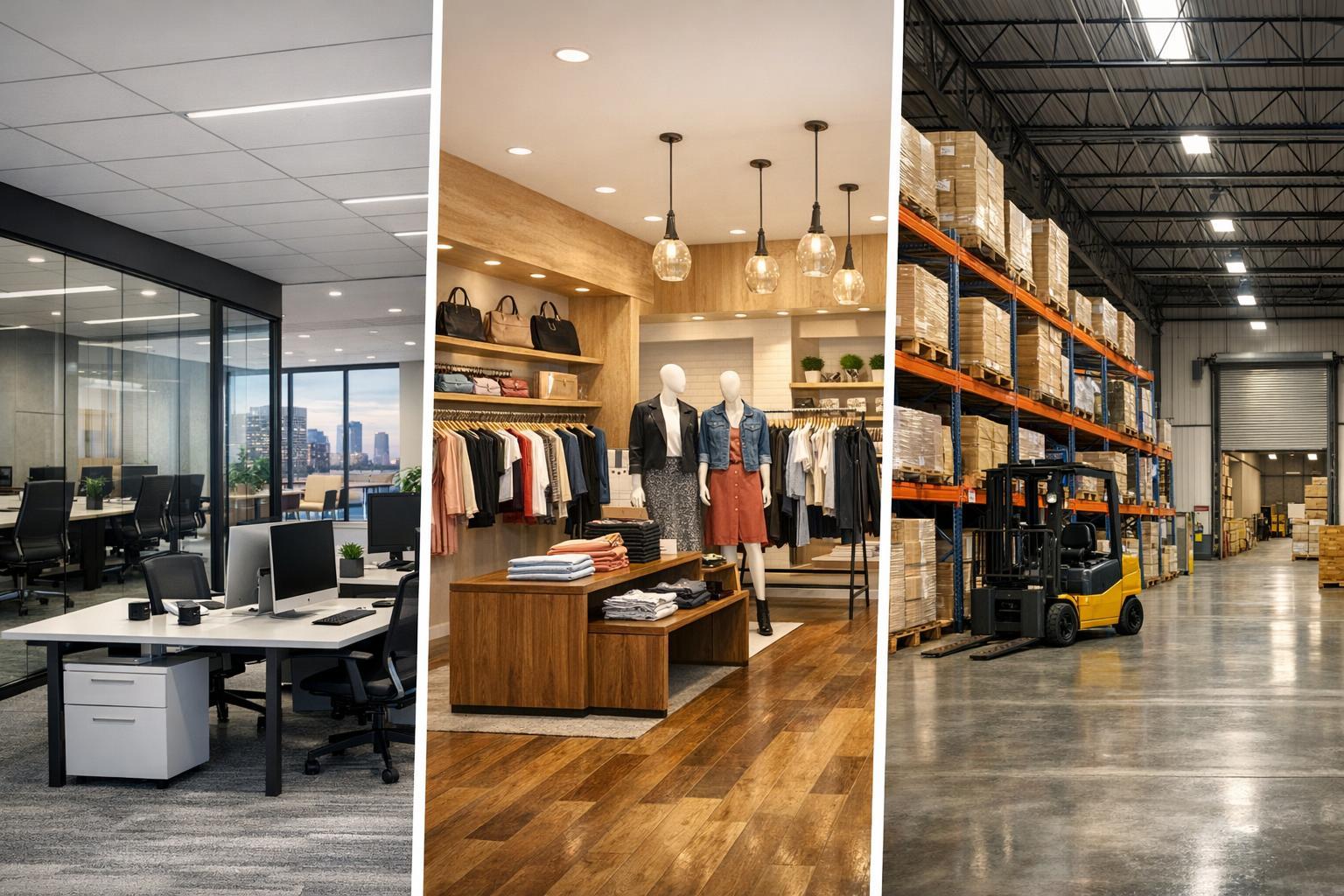
A sample gallery should demonstrate more than camera skill. Look for a photographer whose work aligns with your kind of listing. An open, modern condo is not the same as a pre-war co-op, a historic townhouse, or a larger suburban home. Portfolio relevance matters:
- Images of both open layouts and compact, challenging spaces
- Balanced exposures in rooms with large windows or minimal natural light
- Handling of lived-in, furnished homes versus vacant spaces
- Clear coverage of details—built-ins, fireplaces, kitchen features, or terraces
Not every space needs the same number of photos, and a good provider uses judgment about what to include. Insist on thoughtful coverage, not a one-size-fits-all shot list.
Preparing Occupied and Lived-In Spaces
Properties that are actively lived in require advance preparation. Visual distractions can compete with permanent features, so a quick walk-through to clear surfaces, stow away personal items, and tidy rooms sets the stage for a cohesive photo set.
For occupied spaces, focus on:
- Main living areas
- Kitchen and key bathrooms
- Primary and secondary bedrooms
- Outdoor spaces and any amenity areas
AI-based virtual staging is sometimes used to illustrate possibilities for empty rooms. RealtaSnap’s policy is to apply virtual staging only to vacant or properly decluttered spaces; if furniture or significant clutter remains, those items must be removed (or digitally edited as a paid service) before staging is applied.
Navigating NYC and New Jersey Listing Realities
Every market presents unique logistical challenges. In New York City, photo sessions may involve coordinating building access (walk-ups, doorman entry, co-op approvals), working with architectural details like high ceilings, original millwork, and varied daylight, or sequencing coverage across multiple levels in a brownstone. Compact Manhattan apartments often benefit from careful camera placement to keep perspectives honest, while larger New Jersey homes might need creative outdoor coverage for yards, decks, or water views.
Sharing essential details with your photographer in advance—entry protocols, access instructions, time restrictions, unit occupancy, or particular features to highlight—can prevent headaches on shoot day.
Communication, Scheduling, and Delivery: The Service Side
Beautiful photos won’t rescue a cumbersome or unclear process. Scheduling, preparation guidance, and clear expectations about image count, turnaround times, and add-on options are as important as camera skills.
RealtaSnap’s booking system is online and straightforward. You can schedule a shoot by entering your address, selecting preferred services and add-ons, and choosing from live calendar availability (with at least 24 hours notice). Pricing is transparent and tailored: select from packages of 10, 20, 30, 40, or 50 photos depending on your property's needs. To streamline your next booking, visit RealtaSnap’s online scheduling page.
Complementary Media: Floor Plans, Video, 3D Tours, and Drone
Images are the foundation of listing media, but some properties are best served with additional formats:
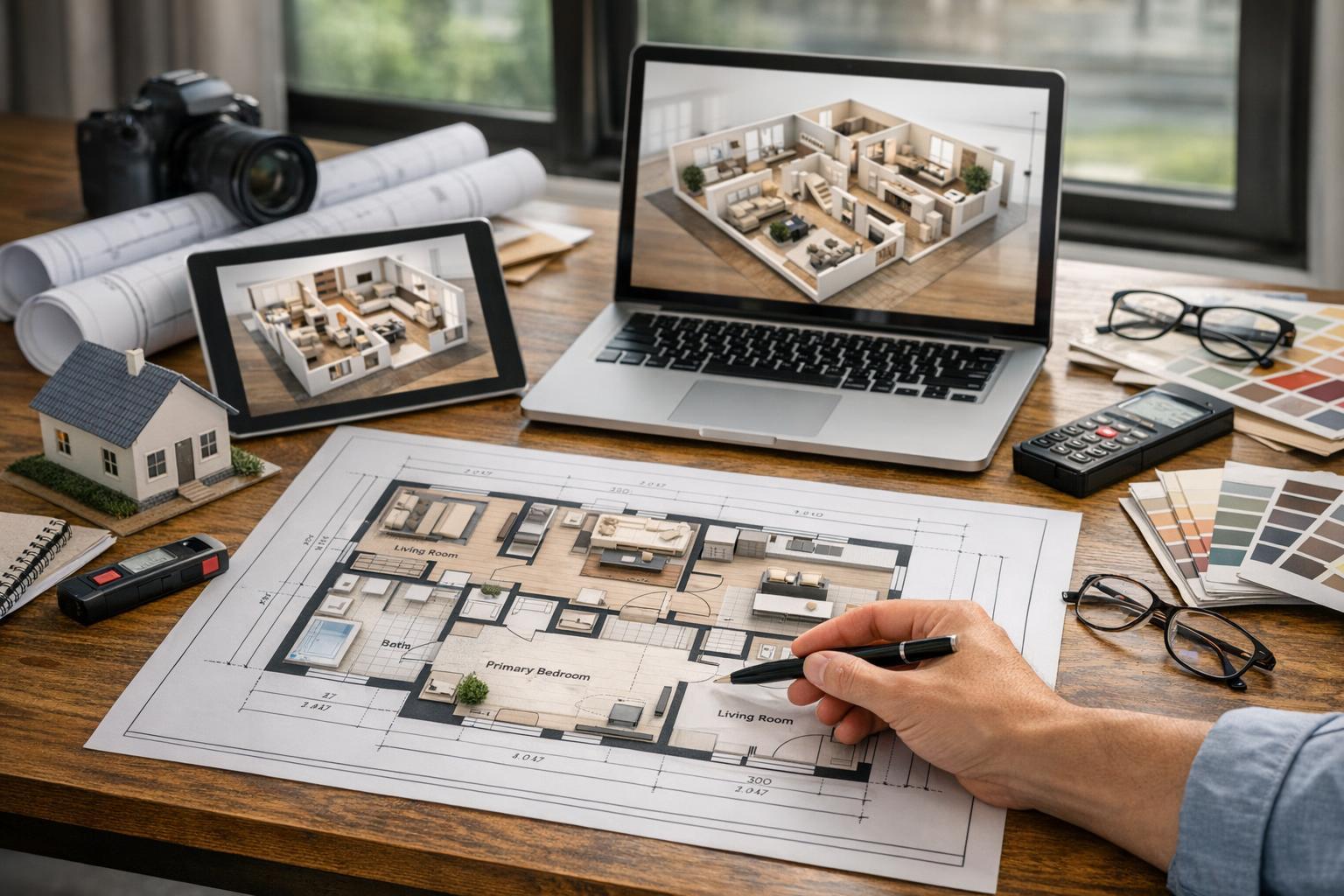
- Floor Plans: If layout or room relationships are central to the property’s appeal (think duplexes, multi-level brownstones, or homes with a unique flow), a clear floor plan can help buyers orient themselves. RealtaSnap creates floor plans by physically capturing the property—never by drawing from third-party PDFs or purely digital modeling.
- Video: Well-executed listing videos show movement through the property and help buyers grasp flow, atmosphere, and setting. RealtaSnap captures video on-site, never generating “videos” from still photo slideshows.
- 3D Virtual Tours: Interactive walk-throughs are especially helpful for complex layouts or buyers viewing from afar. These tours require physical scanning.
- Drone Media: Aerial photos or video provide helpful context for properties with significant exterior features, yards, water access, or striking rooflines. In NYC, drone operations depend on airspace and safety, with every project evaluated case by case—nothing is guaranteed until the site is reviewed.
For more about these options, see RealtaSnap’s real estate media services.
Beyond Price: Comparing Photography Providers
Price matters, but so does substance. Lower-cost options may differ significantly in included image count, prep guidance, editing, scheduling, and communication. Clarify with any provider:
- What is included for the quoted price?
- How many edited photos will you receive?
- How are reshoots, retouching, and add-ons handled?
- What’s the expected turnaround?
Discuss your specific listing—the square footage, room count, layout, unique features, and timeline. Ensure the photographer can flexibly coordinate any add-on media you need, from floor plans to drone images, in a single visit when possible.
Making Photography an Integrated Part of Your Listing Strategy
Thoughtful professional photography is about more than just attractive images: it’s a strategic tool for clear marketing, effective showings, and efficient communication with buyers. Photos should present the property accurately, inspire confidence in its representation, and support your listing goals.
If you’re preparing an NYC or New Jersey listing, consider what your property needs to communicate. Review providers with a careful eye toward accuracy, visual flow, consistency, and local experience. When you’re ready to book, you’ll find RealtaSnap’s process simple and reliable.
We’d be happy to help with your next listing.
FAQ
Question: How many listing photos do I actually need for my property?
Answer: The right number depends on size, layout, and the distinctive features you want to highlight. For a compact apartment, fewer images—thoughtfully selected—prevent repetition. Larger homes or multi-level properties usually benefit from more coverage to show room flow and outdoor areas. RealtaSnap offers packages ranging from 10 to 50 photos to fit a range of property types.
Question: Should I add floor plans or a 3D tour to my marketing package?
Answer: Floor plans are especially useful when the property’s layout or room-to-room flow can’t be easily grasped through photos alone. 3D tours help buyers who may not be able to visit in person, offering a virtual experience of the property. Both require on-site capture, so it’s best to decide before the appointment.
Question: What’s the best way to prepare my listing for a professional shoot?
Answer: Clear visible clutter, personal items, and pet supplies wherever possible. Make beds, tidy counters, and turn off TVs and ceiling fans. A quick walk-through to focus attention on rooms and features rather than distractions makes a meaningful difference in the final gallery. If there are specific areas or improvements you want to showcase, communicate those details in advance so they’re properly prioritized.