How to Choose Real Estate Photography for Your Next Listing
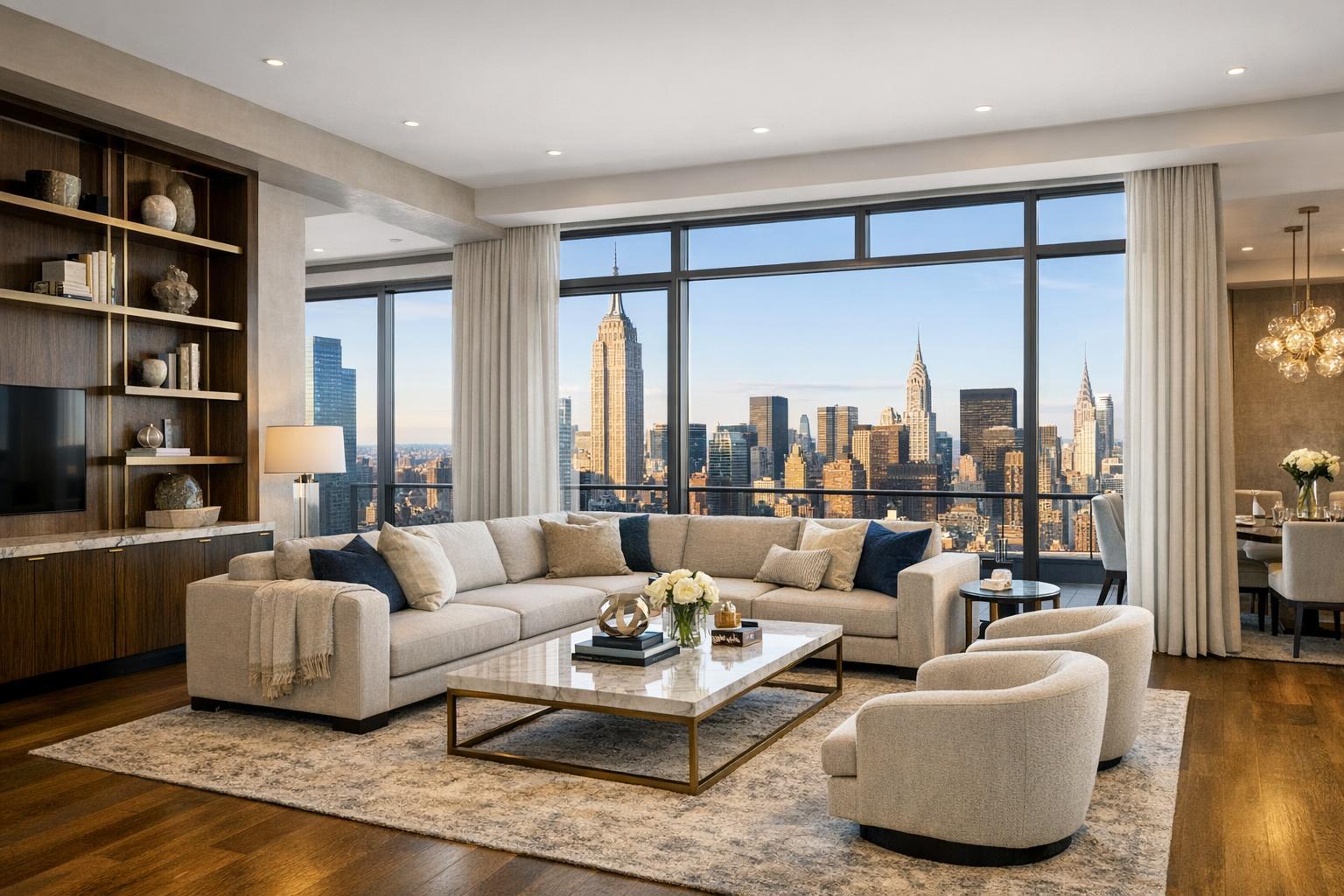
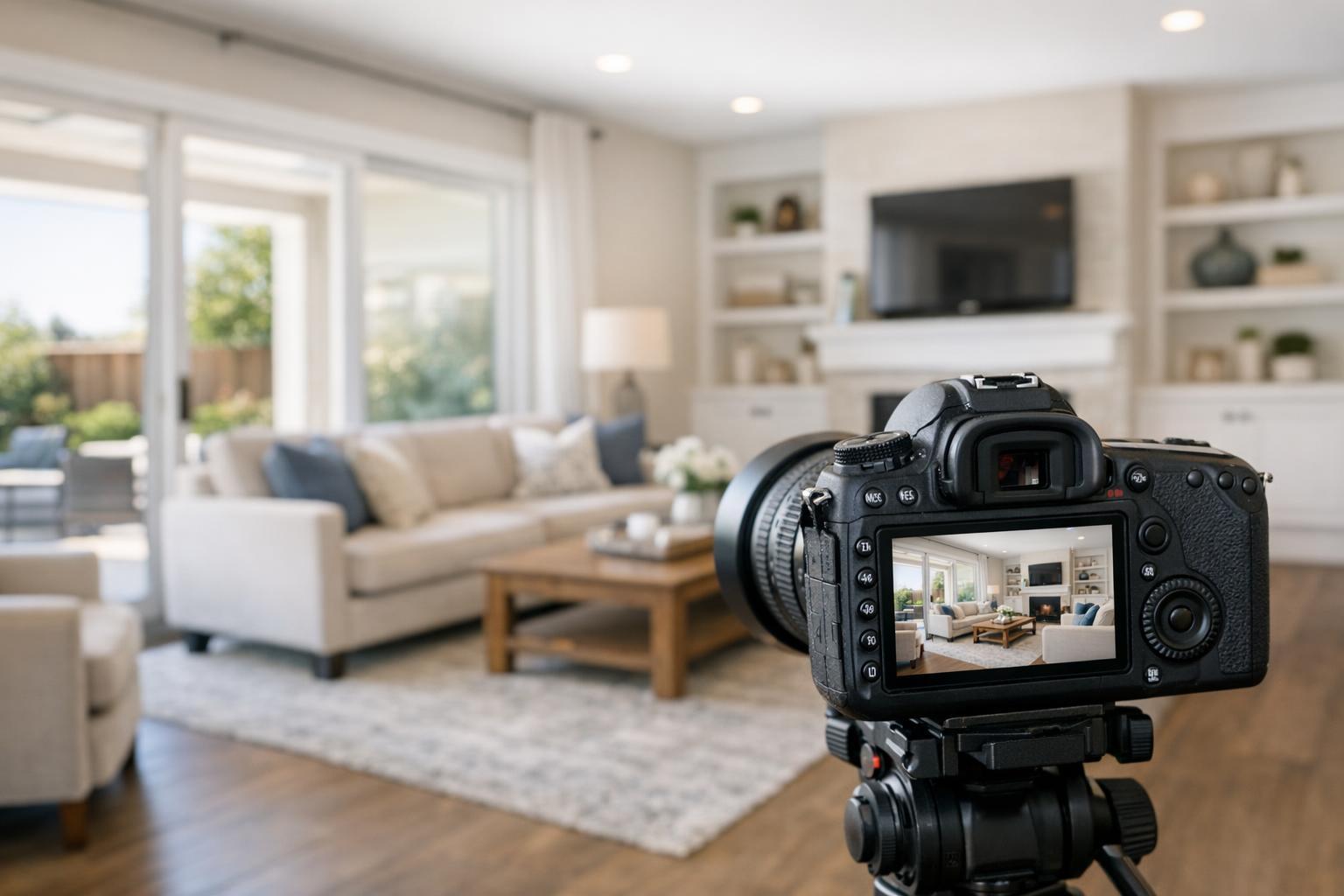
A professional camera on a tripod captures an elegantly designed living room, highlighting a cozy seating area with a large window view for real estate photography.
How to Choose Real Estate Photography for Your Next Listing
Real estate photography is often the first impression a property makes on its audience—across listing platforms, social media, brochures, emails, and client conversations. For agents, brokers, owners, and property managers, the decision of how to present a new listing with professional photos is a practical and impactful one. At RealtaSnap, we work with properties across NYC and New Jersey, and we've seen just how much detail, preparation, and discernment go into getting property photography right.
This guide shares what genuinely matters when selecting real estate photography services, with an emphasis on real-world workflow and expertise rooted in NYC and NJ markets.
Real Estate Photography: More Than Just Documentation
The best real estate photography does more than show rooms—it provides potential buyers or renters a clear, inviting, and accurate sense of a home's layout, light, finishes, and spatial flow. High-quality images help people preview a property before visiting in person, but creating those images requires much more than owning a camera and a wide-angle lens.
A professional property media team makes dozens of technical and creative choices during a shoot, including:
- Deciding which angles reveal a room’s true proportions without distortion
- Showing how spaces relate, especially in tight NYC apartments or multi-level homes
- Balancing window light and interior lighting to preserve exterior views without darkening interior features
- Keeping lines straight and compositions intentional, so rooms look natural, not exaggerated
Editing plays a critical behind-the-scenes role as well. Proper post-production can refine exposure and color, maintain consistency across images, and create a polished result—but top-tier editing does not mask reality. The property should look clean, bright, and appealing, but still accurately represent what clients will see when they walk through the door.
Evaluate Real Estate Photography Services by More Than the Portfolio Highlights
Nearly any provider can showcase five great shots on their homepage. The real measure of professionalism is consistency. When reviewing potential photographers or media companies:
- Request to see complete galleries of prior listings, not just a handful of “hero” images. Look for the ability to handle challenging areas: small bathrooms, windowless spaces, or rooms with complex lighting.
- Check for visual consistency. Images should feel cohesive, with balanced exposure and color, straight lines, and reliable scale.
- Review coverage of various property types. Shooting a Manhattan studio is a different logistical challenge than capturing a Brooklyn brownstone or a New Jersey home with a yard and pool. The best photographers show control across different layouts and settings.
Experience with your property type and local requirements matters. Navigating an urban high-rise co-op is not the same as scheduling in a suburban home with yard access or several levels. It’s worth choosing a provider who understands both the space and the logistical realities specific to your listing.
Tailor Your Photography Plan to the Property
There’s no universal package that fits every property. Decisions about media coverage should align with:
- The scale of the listing
- The features that set it apart
- The intended marketing audience
- The property’s location and logistical realities
A compact Manhattan apartment may only need 10–20 photos focused on entry, main living spaces, kitchen, bath, and any notable amenities or views. In these cases, every image must earn its place. A multi-story Brooklyn townhouse, on the other hand, might call for broader coverage to showcase original details and flow between levels. New Jersey homes often benefit from additional exterior and amenity shots, especially when lots, pools, or outbuildings are involved.
Before you book, list out what genuinely distinguishes the property. Typical features that can warrant special photo attention include:
- Exceptional natural light or unique views
- Renovated or designer kitchens and baths
- Period or architectural features
- Private or shared outdoor spaces
- Flexible office/den/recreation areas
- Building amenities (in condos or co-ops)
- Waterfronts or neighborhood highlights
- Multi-level or complex layouts
This approach prevents you from simply "buying more photos" and helps ensure media coverage matches the project's needs.
At RealtaSnap, for example, pricing is straightforward: packages start at 10 photos for $149 and scale up by image count, allowing clients to select just what fits their listing without paying for unnecessary extras. More on packages here: RealtaSnap Real Estate Photography Cost.
Ask the Right Questions Before Hiring
Knowledgeable real estate professionals ask practical questions before hiring photography services, such as:
- Can I see complete galleries of listings similar to mine?
- How many images are included, and what if I need more later?
- What should I (or my client) do to prepare the home before the shoot?
- How long is the appointment likely to take, and what’s your typical turnaround?
- What editing is included, and are advanced requests possible?
- What happens with scheduling changes, building access, or bad weather?
- Can you add floor plans, video, or virtual tours if I decide I need them later?
- Is all pricing clear upfront, or are there surprise fees?
Pricing transparency helps you compare apples to apples and order only what’s necessary for your listing, rather than being locked into a vague or oversized package. The provider’s clarity and professionalism at this stage speak volumes about your future experience.
Proper Preparation: The Foundation of Excellent Results
Even the best photographers cannot produce portfolio-quality results if the property is not ready for capture. Occupied or vacant, a listing should feel clean, open, and orderly—free from distractions that are easy to overlook in person but obvious in photos.
To help your project go smoothly:
- Turn on all lights, and replace burnt-out bulbs before the appointment
- Open blinds or curtains where appropriate to let in light and reveal views
- Clear all kitchen counters of small appliances, food packages, and extra items
- Remove notes, magnets, and reminders from refrigerators
- Hide toiletries, hampers, and cleaning products in baths; remove bath mats
- Make beds and remove personal items and visible laundry from bedrooms
- Put away pet bowls, toys, and litter boxes
- Tidy up cords, remotes, charging cables, and paperwork
- Move cars out of driveways or off-site if exteriors will be shot
- Organize or stage outdoor spaces, removing bins and yard clutter
In practice, a thoroughly prepared space means the photographer can spend more time on creative composition, and less time moving items, waiting for last-minute cleaning, or working around obstacles.
For empty spaces, virtual staging is an option—but only when rooms are vacant and free from furniture or clutter. If the property is not empty, clutter removal or actual cleaning must come first.
For a more in-depth guide to preparing your property, see the RealtaSnap Real Estate Photography Prep Guide.
When Are Add-Ons Like Floor Plans, Video, or Virtual Tours Worthwhile?
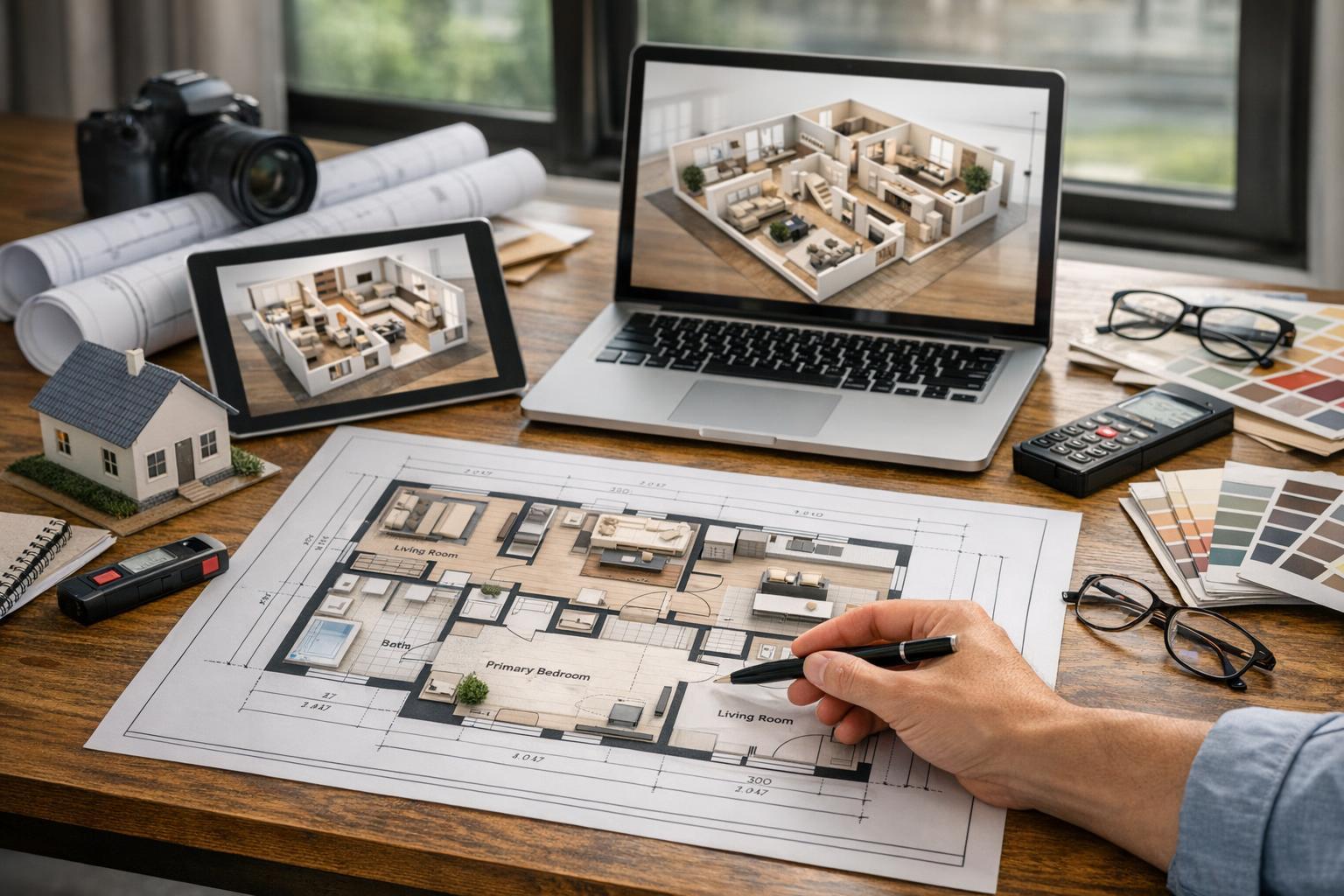
While real estate photography covers the basics for most listings, certain properties benefit from additional media such as floor plans, video, or 3D tours:
- Floor Plans give visual clarity to layouts with multiple levels, flexible rooms, or unusual flow (e.g., brownstones or renovated lofts). They require a physical visit and direct on-site capture, not just a scan of a prior drawing.
- Video is useful for showcasing movement and atmosphere, especially when amenities, outdoor access, or dramatic room-to-room transitions form part of the selling story.
- Virtual Tours (such as Matterport 3D) allow remote, interactive exploration—especially helpful when buyers cannot visit in person or for listings with interest from out-of-town.
- Drone Media can highlight the context of larger homes, waterfront properties, suburban estates, or land, but is less commonly needed in dense urban settings. Drone work is always subject to weather, airspace, safety, and access rules.
The key is not to "add everything" but to select media that directly answers the most likely questions a buyer will have about that specific property. If still photos tell the full story, that may be sufficient for a straightforward condo or single-family rental. For anything more complex, it may be worth considering an upgrade as part of your media plan. Learn more about available options at RealtaSnap’s NYC Photography Page or NJ Photography Page.
Workflow Matters: Make the Shoot and Delivery Process Seamless
A smooth production experience is rarely accidental. Confirming access procedures (doorman buildings, keys, lockboxes, contractor access), sharing contact information for building staff, specifying any must-have or must-avoid shots, and noting whether the listing is occupied or vacant will all help on shoot day.
At RealtaSnap, the online booking process begins with entering the property address and special entry instructions. From there, you choose the services, select a date and time, and confirm payment. This keeps things clear for both agent and photographer, and lets you add options like floor plans or video depending on what the listing requires.
Turnaround is also a real consideration. For most residential photography, delivery within 24 hours is typical, but always confirm this before scheduling so your listing timeline stays on track.
Choosing Media That Makes Listings Easier to Understand
The end goal of professional real estate photography—whether for a compact apartment, a classic brownstone, a modern condo, or a sprawling New Jersey property—should always be to present the home clearly, honestly, and attractively, in a way that’s genuinely helpful to buyers, tenants, agents, and owners.
Review whole portfolios, communicate thoughtfully, prepare spaces thoroughly, and add media only when it makes the story and marketing stronger. For clients seeking reliable, modern real estate photography in NYC and New Jersey, you can explore booking or contact RealtaSnap at www.RealtaSnap.com.
FAQ
Question: How many real estate photos should I order for my listing?
Answer: The appropriate number depends on the size and features of the property. Smaller apartments may require only 10–20 images focused on primary living areas and amenities. Larger homes, multi-story properties, or listings with significant outdoor features typically need more images to cover additional rooms, exteriors, and details. Prioritize clear, purposeful coverage instead of a higher image count just for the sake of it.
Question: Should I get a floor plan in addition to listing photography?
Answer: Floor plans are especially useful when the property's layout is complex, covers multiple levels, or could be confusing from photos alone. They require on-site measurement or scanning, so it’s best to arrange floor plans and photography together if you anticipate the need.
Question: Can virtual staging be added to occupied rooms?
Answer: Virtual staging is designed for empty rooms only, as adding virtual furniture to spaces with existing furniture or clutter can feel unrealistic. If a property is occupied or partially furnished, those items should be physically removed prior to the shoot or addressed with a clutter-removal service before staging is applied.
For more details, booking, or property-specific recommendations, visit www.RealtaSnap.com.