How to Choose Real Estate Photography for a New York City Listing
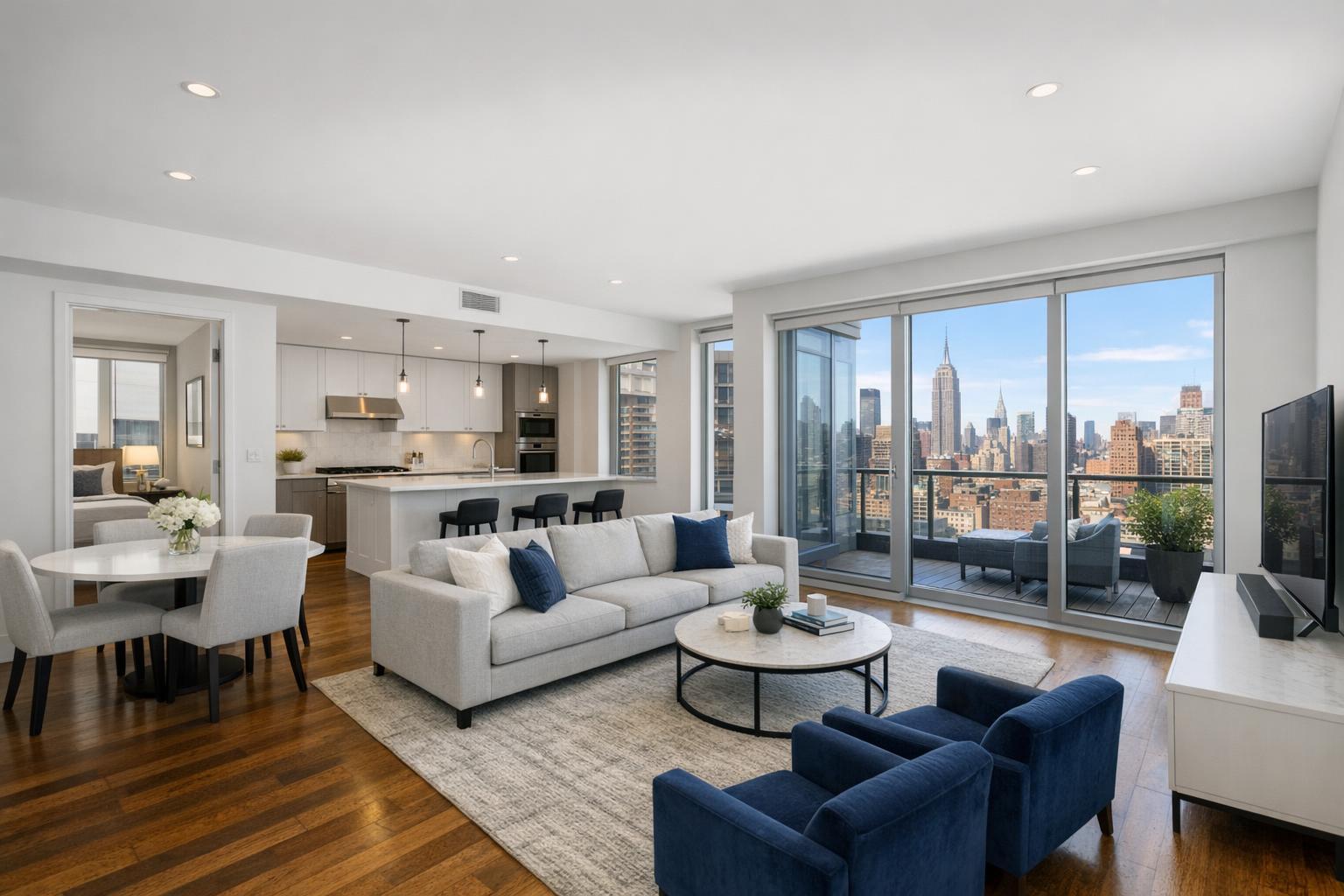
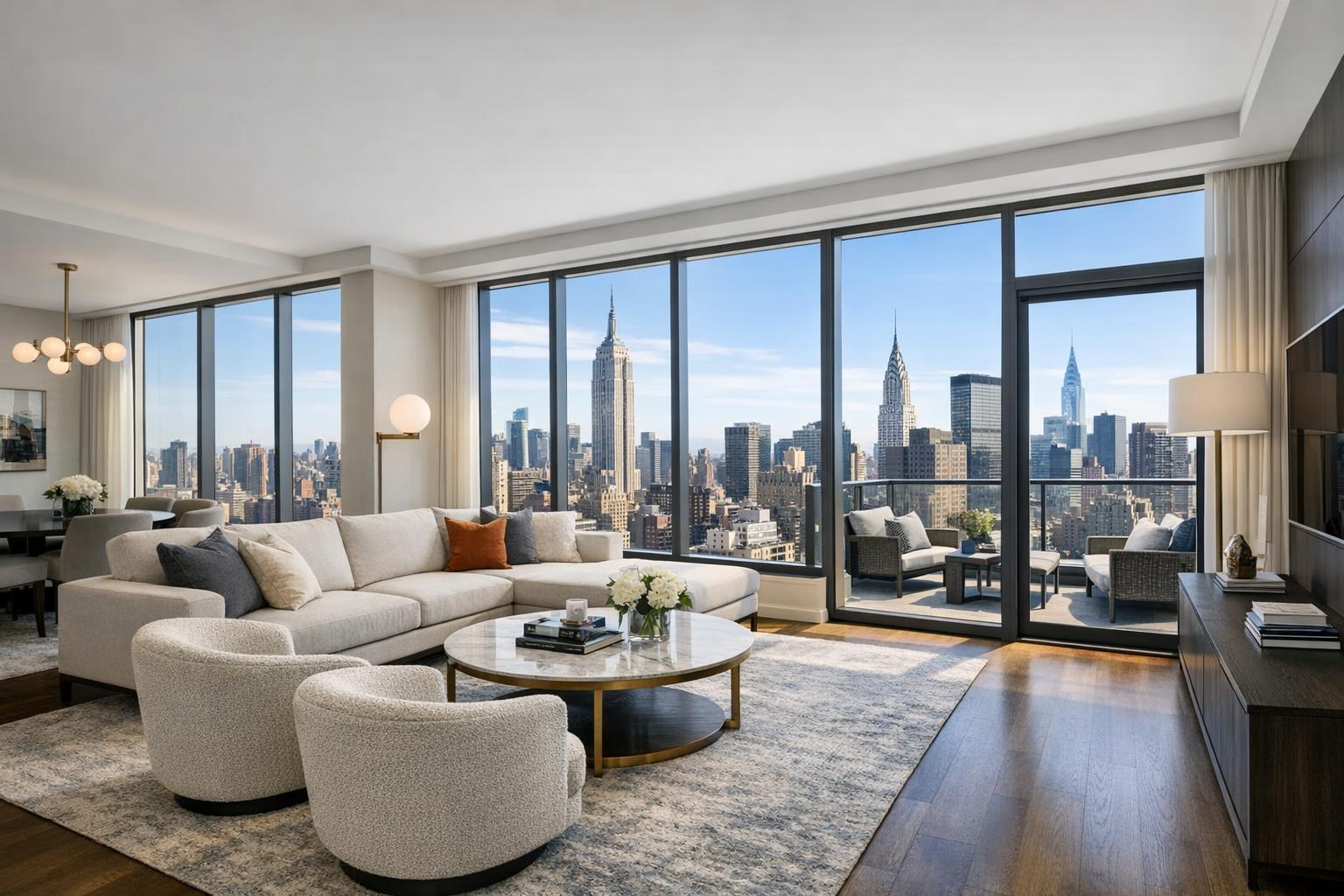
Real estate photography captures a luxurious, modern living room with large windows offering a panoramic view of a city skyline.
How to Choose Real Estate Photography for a New York City Listing
Real estate photography in New York City isn’t just about taking attractive pictures—it’s the first point of contact for buyers, renters, and their agents before a single showing is booked. The right images must quickly capture a property’s layout, light, and authentic character in a way that’s genuinely helpful for evaluation. For agents, brokers, and property owners, knowing how to select the right photographer and prepare a space makes a measurable difference in how a listing is received.
What Counts as Professional Listing Photography?
When the images on a listing are thoughtfully produced, the property isn’t just visually attractive—it’s easy to understand. Clarity is the top priority: strong real estate photography should help viewers figure out if the listing could really work for them before they ever set foot inside.
Professional property photography should highlight features like:
- Living area proportions and room-to-room flow
- Kitchen layout, finishes, and counters
- Bedroom positions and available light
- Bathroom fixtures and notable details
- Built-in storage, outdoor access, or any standout features
- How adjacent spaces relate, when it’s clear
- Neighborhood context, if it’s an asset
Every photograph should serve a reasoned purpose, not just fill out a gallery quota. A good lead image can showcase scale and brightness, while follow-up shots might clarify renovation work, a terrace, or classic brownstone details. With especially complex properties, choosing which angles or features to show is as important as capturing them—too many similar shots can overwhelm, while too few can leave essential questions unanswered.
Going Beyond Snapshots: What Deliberate Photography Looks Like
Today’s smartphones can create a decent picture in the right hands, but what separates professional real estate photography services from DIY attempts is the approach both before and after the shutter is pressed. Every decision is filtered through the lens of what best communicates real property—not just what’s most visually striking.
Sensible Composition for Real Spaces
In NYC buildings ranging from tight studios to sprawling brownstones, experienced photographers approach each room with intention. That means thinking about where to stage the camera, how high to position it, which architectural lines to emphasize, and what distractions to exclude.
A skilled photographer will:
- Use composition that shows depth (foreground to background)
- Establish clear movement paths within and between rooms
- Highlight square footage without distortion
- Emphasize focal points like windows or millwork
- Keep verticals true and minimize distractions
- Maintain a logical perspective across photos
For many New York spaces, ultra-wide shots can make doorways and furniture look unnatural. Real experience means knowing when to avoid exaggeration, enabling viewers to trust what they see.
Authentic Lighting That Reflects Reality
Every home is unique in how it handles light: a south-facing living room in Manhattan, a windowless bath, or a garden-level bedroom all come with visual challenges. Professional photographers balance available daylight with supplemental light and exposure control so that the final images remain bright but true to the space.
Key operational considerations:
- Window exposures should keep both interior and exterior detail readable where possible.
- Harsh daylight or mixed light can be managed with shades, reflectors, or camera techniques.
- Clean, believable light makes listings look inviting and honest—over-lit or artificially cool images tend to raise questions.
Keeping Lines Straight and Perspective Honest
Upright, vertical lines reinforce the sense that a building or room has trustworthy proportions. Crooked or slanted features (walls, cabinets, windows) can suggest, even subconsciously, that a space is distorted. A critical part of editing for real estate photography involves controlling perspective so architecture looks natural and rooms don’t appear to tip, cave, or stretch unreasonably.
In New York homes, those details matter: prewar moldings, detailed cabinetry, or exposed brick deserve to be shown in a way that reflects their physical reality.
Editing That Polishes—Without Misleading
High-quality editing isn’t an afterthought; it brings consistency, accuracy, and clarity to every photo. At the same time, there’s a line between well-finished images and those that create a false impression. Credible real estate photography should never remove permanent fixtures or add renovations that don’t exist. Buyers and agents need to arrive at showings with reasonable expectations based on what they saw online.
When virtual staging is involved, the most reliable method starts with an empty or properly decluttered space. Existing furniture and clutter should be physically removed or digitally deleted before virtual furnishings are added, to avoid obvious visual inconsistencies.
A consistent editing style throughout the listing ensures that all rooms feel like they belong in the same property—making the gallery easier to read and understand, especially when lighting changes from one space to another.
Preparing a NYC (or NJ) Property for a Photography Appointment
Preparation has tangible benefits: not only does it speed up the shoot, it allows the images to focus on the property itself rather than chores left for post-production. In small apartments or busy family homes, every surface and corner might be in frame, so it pays to plan ahead.
Here are a few practical steps:
- Remove kitchen counter clutter, loose papers, and personal items
- Clear bathroom surfaces and shower ledges
- Hide or neatly group cords and remotes
- Remove pet beds, bowls, and toys
- Keep fridge doors clear of magnets and papers
- Make beds, fluff pillows, and straighten throws and rugs
- Check floors and visible storage for bags, shoes, boxes, or laundry
There’s no expectation that a lived-in NYC apartment will look like a hotel suite, but small details—like a clean entry table or uncluttered kitchen—make a difference. The priority is to draw viewers’ attention to permanent features, not daily-life distractions.
Light is another crucial variable: open window coverings for daylight where helpful, but be wary of direct sun that can bleach out a room. Matching bulb temperatures across fixtures is also helpful for balanced, natural results.
Many projects require advance communication with building staff or, if a tenant occupies the unit, clear coordination to confirm access and clarify what will be photographed. NYC and NJ properties both occasionally require scheduling of elevator access or compliance with building procedures.
How to Evaluate a Real Estate Photography Provider
A professional portfolio says a lot. When considering real estate photography services for NYC or NJ listings, look for evidence that a provider produces reliable results—not just a few standout images, but consistent galleries across a range of property types and lighting conditions.
Factors to consider:
- Smaller apartments and studios: Is there a sense of logical flow and function, without the apartment looking unnaturally stretched?
- Condos and modern properties: Are clean finishes and amenities represented accurately?
- Pre-war or co-op buildings: Do details and layered spaces appear natural?
- Brownstones and townhouses: Does the portfolio reflect competent coverage across multiple floors with preserved architectural character?
- Larger suburban homes: Is there a comfortable balance between interiors and outdoor features like gardens or patios?
- Vacant or new-construction units: Are images clean and free of leftover staging artifacts for virtual staging or blank-slate marketing?
The goal isn’t to find images that mimic your property exactly, but to recognize photographic skill and consistent execution in different situations.
Smart Questions to Ask Before Booking
Communication is a good predictor of service quality. Before hiring a photographer or photography team, it’s worth asking:
- What photo count do you recommend for my listing size and layout?
- How should the property be prepared? Are there specific instructions for occupied spaces?
- What methods do you use to balance window and interior exposure?
- Can I see galleries from comparable properties?
- What is included in your editing process to keep photos accurate to the real property?
- Will the images be suitable for platforms that require professional quality (listing services, marketing, direct sharing)?
- Do you offer media beyond photography, like floor plans or virtual tours, if needed?
If you have special features—like an architectural staircase or an iconic view—mention them in advance so the photographer can plan for extra attention.
Where Complementary Media Fits In
While professional property photography usually forms the foundation for a listing, there are instances where additional media is helpful. Video can show the experience of moving through a space and demonstrate flow, particularly for larger or multi-level homes. Floor plans help clarify complex or unconventional layouts and require on-site capture for accuracy. Interactive 3D tours (such as Matterport) can offer remote viewers a detailed way to “walk through” the property virtually.
It’s not necessary to use every available service for every listing. The decision should weigh how each additional format genuinely assists in showing off the property for the intended audience or marketing platform.
RealtaSnap’s Approach to NYC and New Jersey Listing Photography
For agents and sellers seeking reliable, clean, and professional photographic coverage, RealtaSnap offers real estate photography services onsite in NYC and throughout New Jersey. Clients can choose from flexible coverage options, fitting properties from compact studios to expansive homes with multiple features. Images are edited for clarity and consistency, ensuring a gallery that reflects the home’s real strengths.
The best results always begin with an informed approach: prepping the property, confirming logistics, and collaborating with a provider who knows how to approach different property types. For those ready to book or explore more about our process, visit www.RealtaSnap.com.
FAQ
Question: How many photographs should a typical NYC or NJ real estate listing include?
Answer: The ideal count depends on the size and complexity of the listing, as well as the platforms you’re using for marketing. A studio might need 10–15 photos, while a multi-story home or brownstone could justify more. Each photo should provide useful information about the space; duplicates or unnecessary angles can make galleries feel overwhelming. Quality and content come before sheer quantity.
Question: Should all the lights in a home be turned on for the photo shoot?
Answer: Often, using some lights can add warmth and highlight features, especially in rooms with limited daylight. However, mismatched color temperatures or overly bright bulbs can create odd color effects. Photographers will usually make room-by-room decisions during the shoot about which lights to use for the most natural and inviting results.
Question: Can I virtually stage a property if there’s already furniture inside?
Answer: Virtual staging works best on empty or very clean spaces. If there is existing furniture, it needs to be removed physically before the shoot or handled through clutter removal editing before staging is applied. This ensures that the final images look realistic and aren’t cluttered or visually confusing.
For more preparation tips and to view our work, visit RealtaSnap’s Real Estate Photography Prep Guide or explore our main services at www.RealtaSnap.com.