How to Choose Real Estate Media Services for Your Next Listing
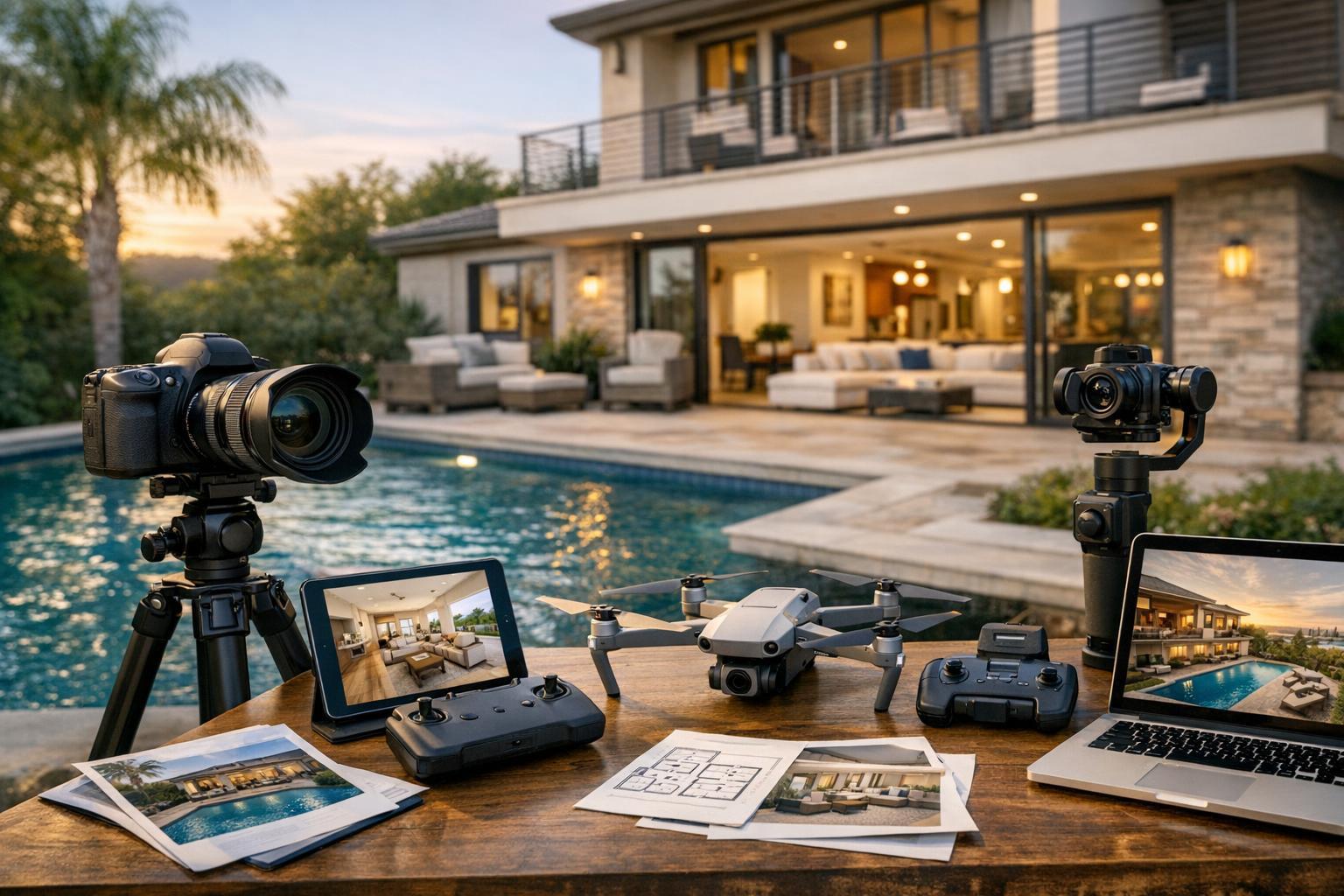
High-end real estate media equipment, including cameras, drones, and a laptop displaying property photos, is set up by a poolside with a luxurious house in the background.
How to Choose Real Estate Media Services for Your Next Listing
Real estate media is often the first—and sometimes only—interaction a potential buyer, renter, or investor has with a property. For agents, brokers, developers, and property managers across NYC and New Jersey, the challenge isn’t just filling out a checklist of possible media types, but making thoughtful choices that clarify the property, target the intended audience, and actually support the marketing strategy. The right mix shifts depending on layout, features, location, and who you expect will be reviewing the listing.
Below, we’ll walk through how experienced real estate media teams approach this decision, what practical considerations shape each choice, and how to avoid both under-presenting and over-ordering when creating your listing’s visual assets.
Why Effective Media Selection Starts With the Property Itself
Every property has a unique story to tell. Figuring out how to tell it well online usually starts with a planning conversation, not with ticking boxes for every available service. The questions that shape wise decisions typically include:
- How many distinct rooms, levels, and functional areas need to be represented?
- Is the layout simple, or will it be confusing through photos alone?
- What features (high ceilings, original details, renovations, big windows) deserve special attention?
- Are there outdoor elements like terraces, yards, or views that are central to the appeal?
- Is the property vacant, furnished, or in transition?
- What access restrictions or building policies might affect scheduling?
- Who is most likely to be the audience: local end users, remote shoppers, tenants, investors, or brokers?
- Will the same visuals be used in social, print, online listings, or direct outreach?
Getting aligned around these basics prevents two common mistakes: glossing over unique features that set a property apart, or spending time and budget on media that adds little value for a particular listing.
Photography as the Essential Foundation
High-quality listing photography isn’t just a baseline for most properties—it’s often the medium that conveys the most information quickly. Still images establish style, finish quality, light, and condition in a way that prospective clients can instantly absorb.
Experienced real estate photographers plan coverage around:
- Major exterior and entry shots (when permitted by the building or site)
- Living spaces, kitchens, and primary bedrooms and baths
- Noteworthy secondary rooms, flexible spaces, home offices, or finished lower levels
- Outdoor areas such as balconies, yards, and roof decks, when accessible
- Building amenities and unique views if those features actively support the listing
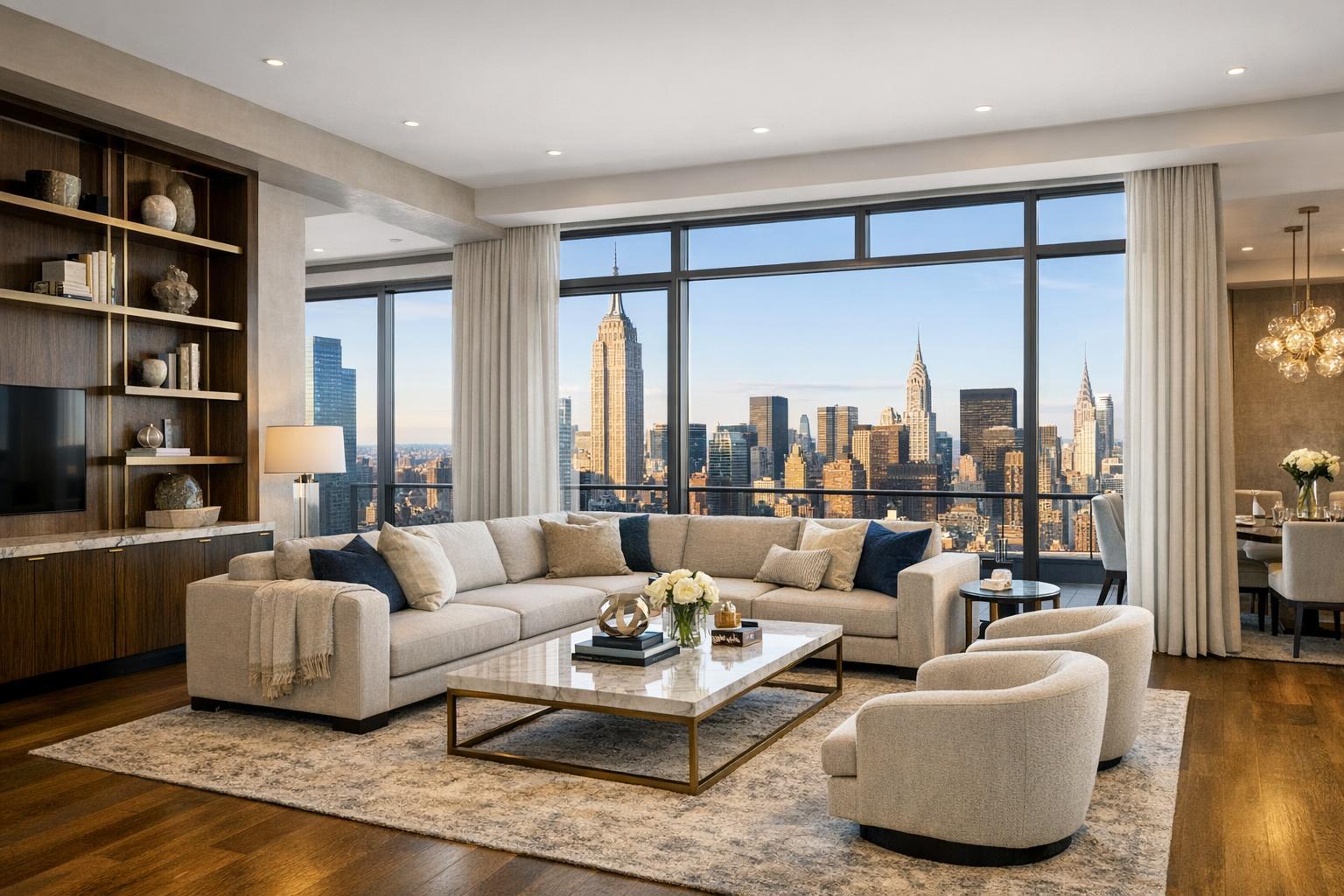
For NY and NJ properties, context matters. A Manhattan studio or one-bedroom needs a photographic approach that clarifies how living and work areas co-exist without cramping the scale. Brooklyn brownstones and larger New Jersey homes often require a different strategy—focusing on how rooms relate, where transitions occur, and which areas really sell the space.
Operational note: Angle and camera height are chosen to preserve architectural lines and avoid distorted perspectives, making small rooms feel authentic rather than artificially stretched. When possible, professional teams also work to balance daylight through windows so bright exteriors don’t wash out valuable views.
For more details on RealtaSnap’s approach to NYC and NJ listings, you can visit RealtaSnap - Real Estate Photography Services.
When to Add Video: Movement and Atmosphere
A well-crafted listing video can demonstrate how spaces connect, how one area flows into another, and the energy or peace a property offers that’s hard to communicate with photos alone.
Video is often beneficial for:
- Multi-level dwellings with complex layouts
- Open-plan living spaces
- Dramatic interior features like sweeping staircases or long sightlines
- Listings with significant outdoor extensions or seamless indoor-outdoor transitions
- Properties where atmosphere, arrival experience, or progression are major selling points
- Marketing campaigns making use of social or agency branding
That said, not every spacious or high-priced listing needs video. A straightforward one-bedroom rental may offer more value from strong photography, a clear floor plan, and perhaps a virtual tour. Video works best when it reveals something that still photos cannot, such as spatial progression or a distinctive sense of place.
RealtaSnap videos are always captured on location and are not slideshows stitched together from photo galleries. This means advance preparation of the space is as important as for any major shoot.
The Case for Floor Plans
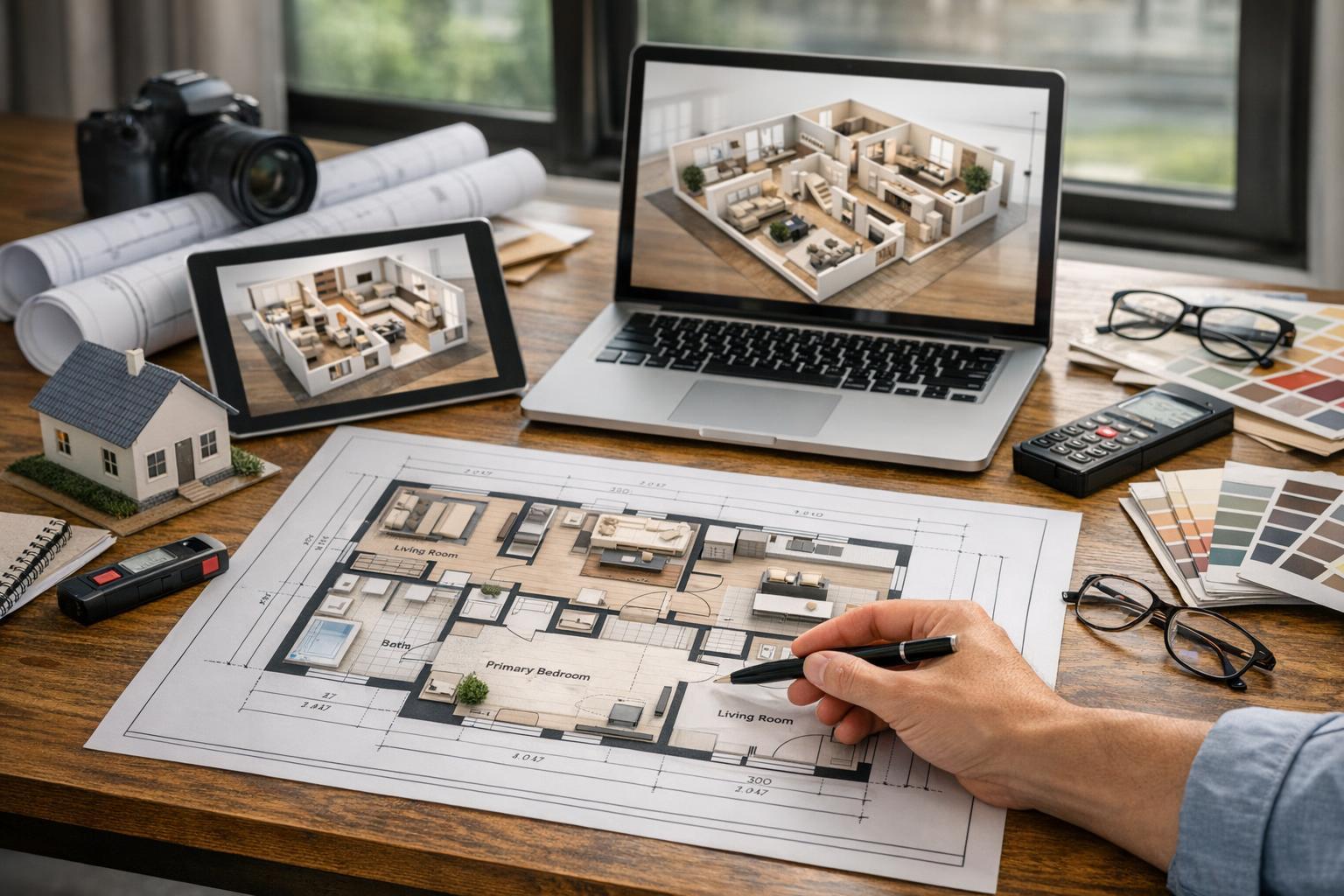
Floor plans remain one of the clearest ways to reduce buyer uncertainty—especially for listings where the relationships among rooms and levels are not obvious from photos alone. A concise floor plan can clarify:
- Pathways between spaces and floors
- Bedroom and office locations
- How additions, finished lower levels, or unique layouts fit together
- The scale of outdoor areas in relation to the interior
These are especially helpful in NYC brownstones, duplexes, or condos with multiple layout variants, and in New Jersey homes where basements, extended wings, or large attached garages are present.
Operational reality: All floor plans require on-site capture at the property itself. RealtaSnap does not generate plans from PDFs, architectural drawings, or third-party artwork; the capture system is designed to represent existing conditions accurately and avoid miscommunications that can arise from outdated or speculative layouts.
3D Virtual Tours: For Self-Guided, Remote Exploration
The value of a 3D virtual tour is in interactivity. Rather than ride along with a fixed video, viewers can “walk” the property and revisit the spaces that matter to them. This capability is particularly attractive in markets with substantial remote interest, model units, larger homes with intricate footprints, or competitive multi-unit developments.
Consider tours for:
- Properties targeting out-of-town (or out-of-country) prospects
- Listings with many rooms or less conventional layouts
- Rental portfolios where remote tenants may evaluate several options online
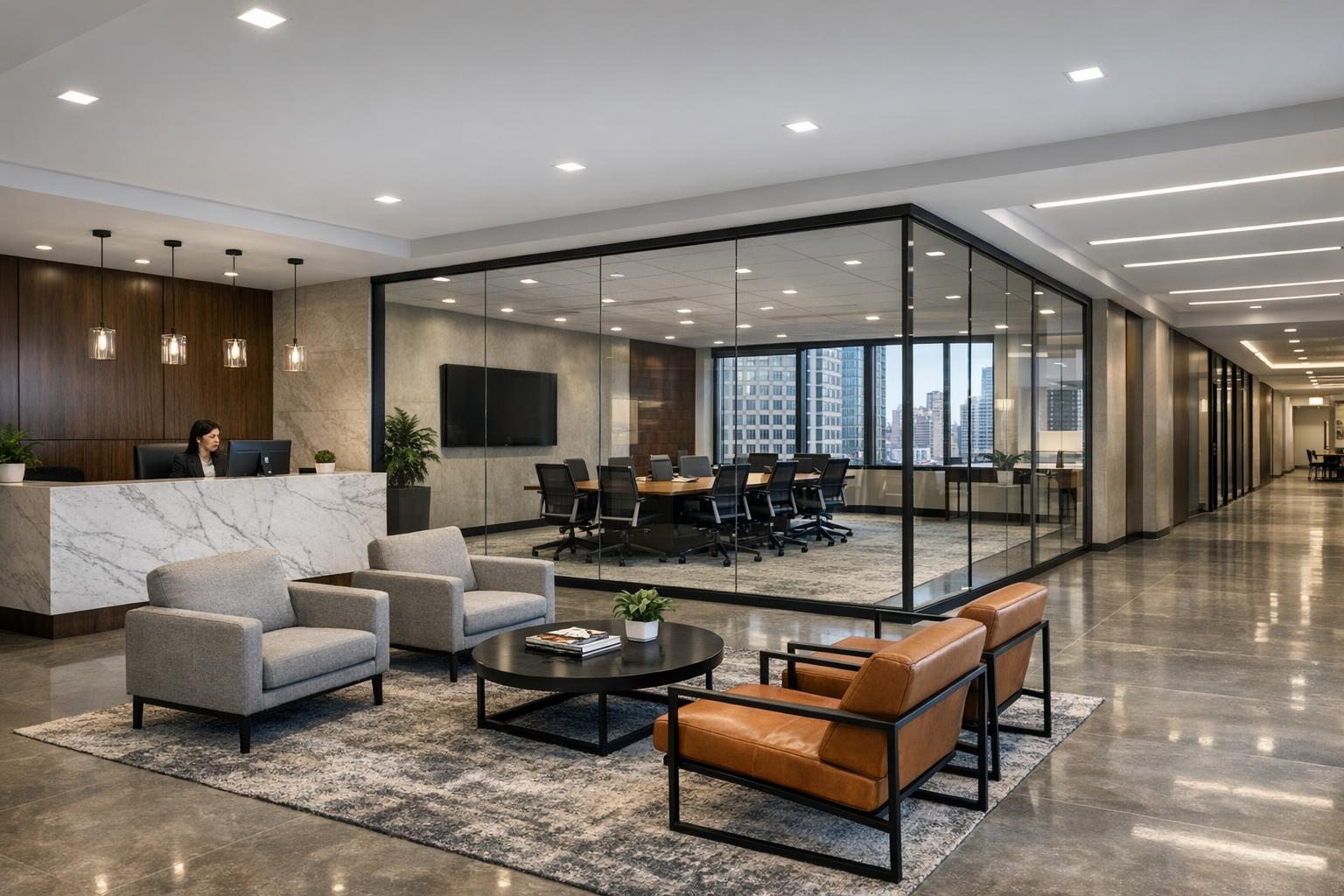
- Commercial spaces where layout and circulation drive the leasing decision
Matterport and similar scans always require full physical access. Like floor plans, these cannot be built from photography or drawings alone.
To see how 3D tours work with your listing, explore RealtaSnap - 3D Virtual Tours.
Drone Media: When Aerial Perspective Matters
Drone images and videos are often powerful when the story extends beyond what can be seen from ground level—for instance:
- Large properties, lots, or landscaped grounds
- Waterfront, proximity to parks, or architectural features only visible from above
- Context within a neighborhood or cityscape
However, both the feasibility and value of drone operations vary by location. In NYC, drone use is shaped by strict FAA rules, building access, airspace, and weather. High-rise and urban shoots require special attention to safety, site access, and regulatory clearance. RealtaSnap evaluates aerials case by case, only approving flight where conditions, access, and regulations permit.
If your listing’s value is largely interior-focused, or if the defining feature is a terrace view from 30 stories up, it is often more effective to capture that view from inside than to force aerial content.
Explore our drone services for more information on property types and approval requirements.
Virtual Staging: Best Used for Clean, Empty Rooms
Empty spaces can raise questions—how large is this room, and what could it be? Professional virtual staging gives vacant homes a sense of scale and function while leaving windows, walls, and finishes visible.
Best used for:
- Empty condos, co-ops, and new development apartments
- Unfurnished homes between tenants or owners
- Single rooms that need definition (office, nursery, guest, dining)
- Listings where buyers need to visualize potential use
Important technical note: Virtual staging is only applied to rooms that are fully empty or professionally decluttered. RealtaSnap does not place virtual furniture over existing pieces or clutter. If furniture is present, the space must either be cleared before capture, or professional clutter removal is required (as a paid service) before staging can be applied.
View our full virtual staging FAQ and service details.
Making the Right Match for Different Property Types
Not all media combinations fit every listing. Here’s how savvy agents and property managers might prioritize services for different scenarios:
Compact Manhattan Apartment
- Standard: Professional HDR photography
- Add-ons: Floor plan if layout isn’t obvious, 3D tour for remote marketing, virtual staging if vacant
- Drone media: Seldom necessary, unless a unique exterior attribute is central
Brooklyn Brownstone or Multi-Level Home
- Standard: Photography to capture both details and progression
- Add-ons: Video for movement and flow, floor plan for layout clarity, 3D tour for shopper exploration, drone when exterior context is essential
Jersey City Condo
- Standard: Photography of key rooms, terraces, and views
- Add-ons: Floor plan and virtual tour for layout and remote buyers; video if there’s a sequence or view worth highlighting; virtual staging when beneficial
Larger New Jersey Home
- Standard: Photography inside and out, planning around big spaces and multiple levels
- Add-ons: Video for walk-throughs, floor plan for spatial reference, 3D tour for depth, drone for property context, virtual staging for empty rooms
The real trick isn’t to stack every asset on every listing, but to recognize what buyers and renters will be trying to understand—and choose visuals that close those gaps.
Operational Insights for Seamless Production
A few practical observations help smooth the process:
- Property prep matters: Clean, decluttered spaces photograph and scan better, and ensure virtual staging looks credible.
- Scheduling depends on access: High-rises, attended buildings, developments with restricted hours, and shared amenities can affect timing and access.
- Weather can affect drone feasibility and some types of exterior shots; plan media capture accordingly.
- Consistency: Coordinating all media through a single team keeps style, color, and image quality uniform across all assets.
Why One Trusted Partner Simplifies the Process
Juggling multiple vendors for photography, video, floor plans, and virtual staging can create disconnects in style and workflow. RealtaSnap works with NYC and New Jersey agents, brokers, developers, and managers to streamline this process. Once you know your address and rough timeline, you can book your services online, select date and add-ons, and include any special notes for your property or building requirements.
A thoughtful suite of property marketing assets, tailored to each listing’s real needs, builds buyer confidence and makes your listings more effective without creating excess work.
If you’re preparing a property in NYC or New Jersey, start planning your next listing’s real estate media with the team at www.RealtaSnap.com.
FAQ
Question: Should every property have photos, video, floor plans, a 3D tour, and drone media?
Answer: Most listings benefit from professional photography, but the rest depends on the property and audience. Compact apartments may only need clear photos and a floor plan, while larger homes with more features could justify additional assets like video, 3D tours, or drone images. Choose based on what clarifies the property best online.
Question: Can virtual staging be applied if the room has furniture?
Answer: Virtual staging is designed for empty or properly decluttered rooms. If a space still has furniture or notable clutter, it needs to be removed or professionally edited out prior to staging. This ensures the result is realistic and accurate.
Question: How do I schedule a shoot or choose my services?
Answer: You can book any standard service directly online at www.RealtaSnap.com/schedule. Enter your property address, choose the options you want, include any notes, and select an open appointment that works for you. For unique requests, reach out and we’ll review the details together.