How to Choose Luxury Real Estate Photography for a High-End Listing
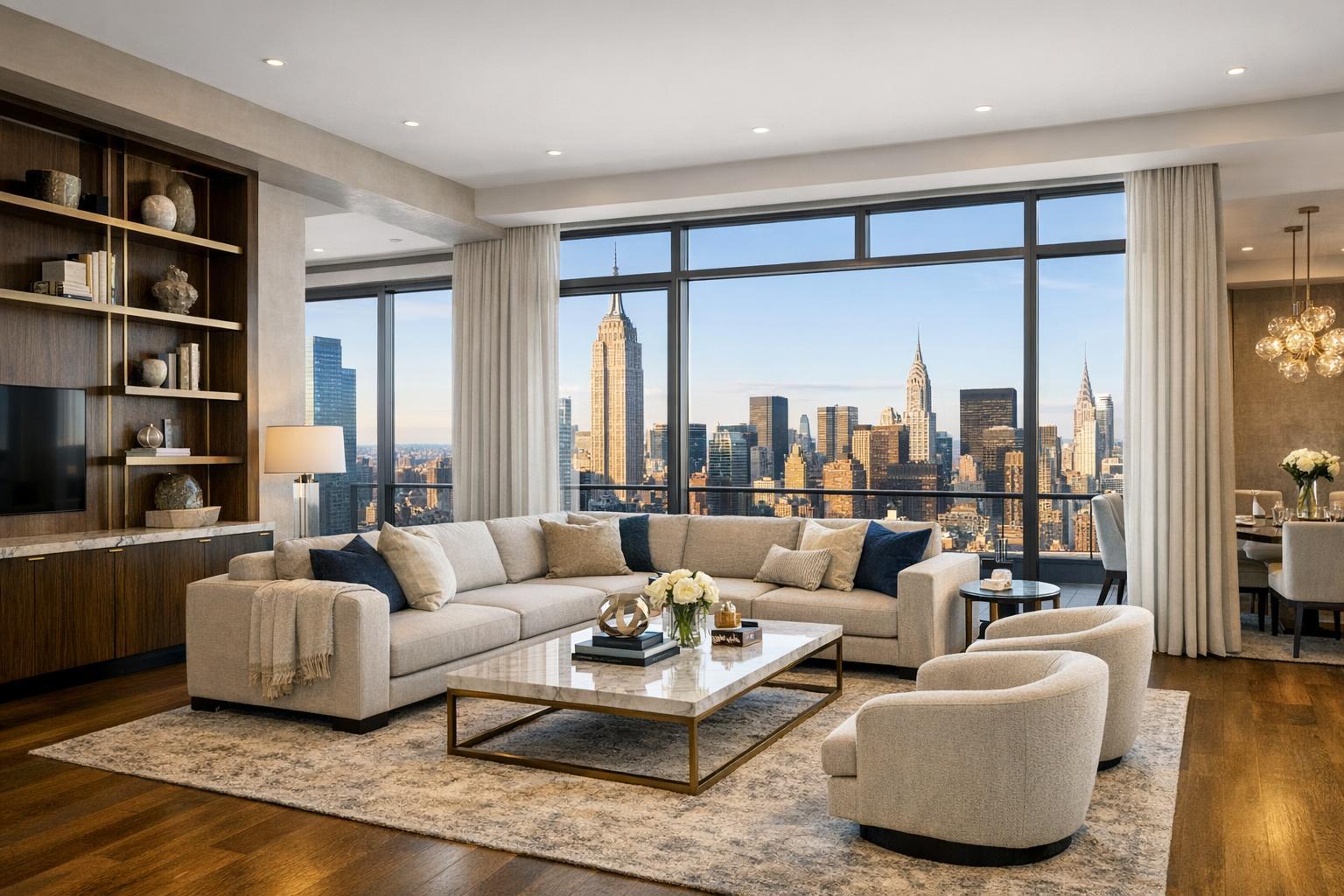
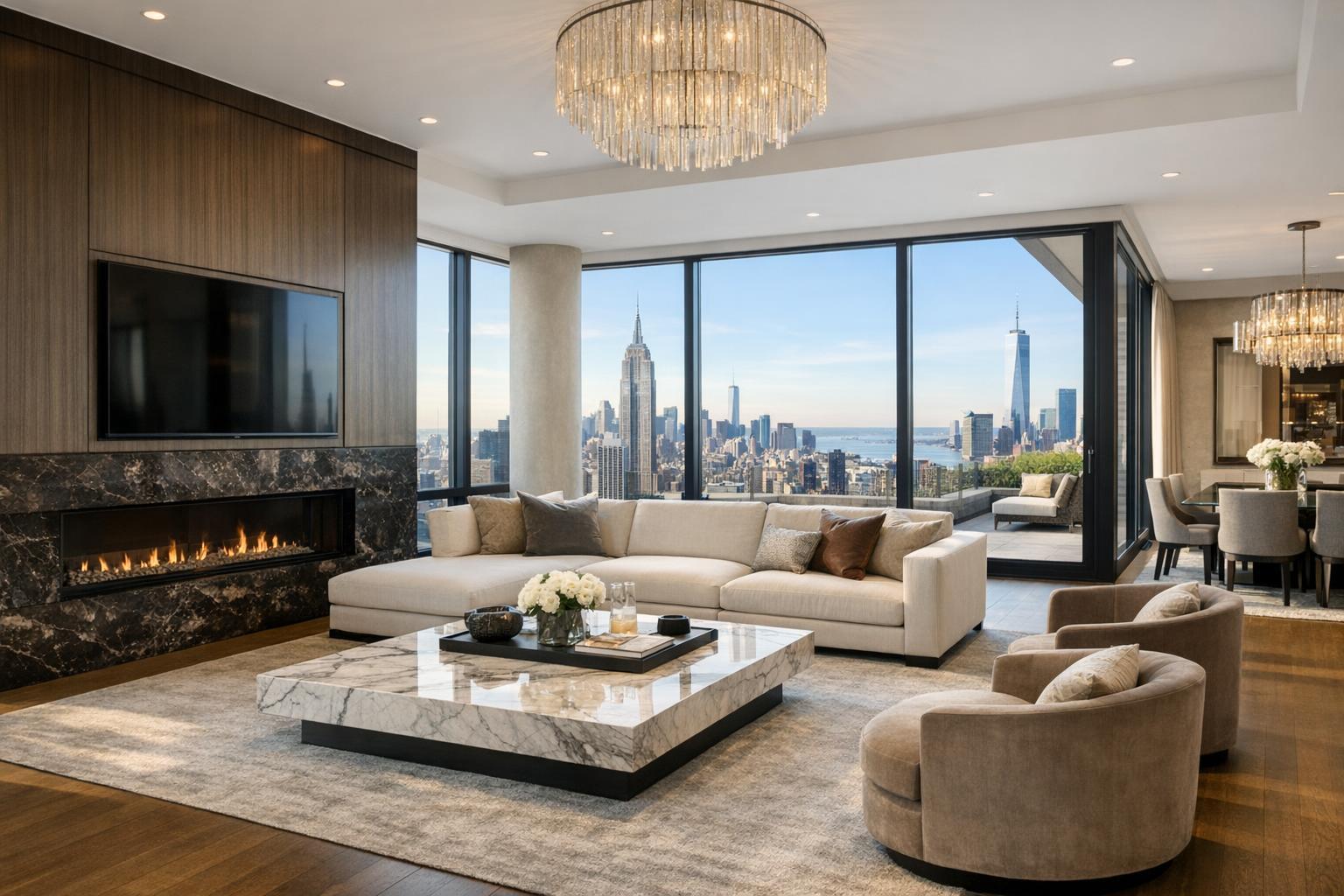
Luxury real estate photography captures a sophisticated living room with elegant furnishings, a marble coffee table, and stunning panoramic city views through floor-to-ceiling windows.
How to Choose Luxury Real Estate Photography for a High-End Listing
Luxury real estate photography is both an art and a technical discipline, tasked with capturing the essence of a property so that buyers, brokers, and owners can see its value at a glance. For agents and property owners in markets like New York City and New Jersey, selecting the right visual approach can make a marked difference in how a high-end listing is perceived—both online and in person. Every decision, from composition to editing, should be driven by what’s unique about the home and what buyers are genuinely looking for.
Understanding the Story Behind Each Property
Every luxury listing has a narrative that sets it apart. The best luxury real estate photographers know how to bring out the defining characteristics of each home rather than applying a generic style to every project. A pre-war Manhattan apartment with iconic skyline views, a restored brownstone in Brooklyn, a modern building loaded with amenities, or a New Jersey property with generous outdoor living—all need different visual strategies.
We always recommend beginning with the property’s story:
- What architectural or design features are essential?
- Are there views, details, or materials that make the home memorable?
- Is the flow from room to room intuitive, or does it need clarification through images?
- Are outdoor areas, terraces, or landscaping critical to the listing’s appeal?
- Is the property furnished, vacant, or occupied, and how might that influence the shoot?
The answers to these shape not only what’s photographed, but how. It’s important for both agents and photographers to share a clear understanding of the home’s priorities before capture begins.
Composition: More Than a Wide Lens
Thoughtful composition is what separates routine property photos from images that genuinely help buyers understand a home. In high-end property photography, each frame should feel purposeful and honest, showing off the room’s characteristics without resorting to distortion or distraction.
We look for:
- Vertical lines that remain straight (especially in city apartments where lines can become exaggerated if not handled carefully)
- Images that demonstrate the real proportions of a room
- Viewpoints that clarify how one space flows to the next
- Foreground details that add depth—but don’t overpower the subject
- Sequences that mimic how a visitor naturally explores the home
For dramatic spaces (grand staircases, soaring foyers, expansive living areas), a creative angle can add interest—but every image must still help the buyer make sense of the layout and features. Beware of overly wide shots that make spaces look larger than they are in reality; an experienced luxury real estate photographer will strike the right balance.
Balancing Window Views, Natural Light, and Color
One of the defining challenges of luxury interior photography, especially in NYC condos or high-rise buildings, involves managing competing light sources. Large windows might offer exceptional city or water views, while interiors often include a complex mix of daylight and artificial light.
Here’s what matters in actual production:
- Maintaining visibility of prized exterior views without letting them appear washed out or blown out
- Ensuring that walls stay neutral (not unnaturally tinted by daylight, lamps, or editing)
- Retaining texture in darker materials such as custom cabinetry or stone accents
- Handling reflections thoughtfully, particularly around glass walls, mirrors, or polished finishes
Color consistency is especially important in high-end listings. It supports the honest presentation of finishes and assures buyers they’re seeing the true characteristics of the property. Over-processing can make a space feel sterile or disconnected from its real materials. A luxury listing deserves editing that’s refined, never artificial.
When Detail Photography Adds Value
While wide room shots often carry a gallery, detail images can add sophistication when done right. These are most effective when they add to the property’s core narrative rather than simply filling space. That might mean focusing on hand-laid millwork in a historic home, a designer light fixture, a bespoke kitchen feature, or a window seat with a striking view.
The key is context: detail images should enhance the buyer’s understanding of the property only after the bigger picture has been established. For example, showing an intricate faucet is more meaningful when the surrounding kitchen layout has already been presented.
Tailoring Coverage to Each Listing
Luxury listings in New York and New Jersey vary enormously in size, complexity, and what’s important to show. A small but meticulously renovated apartment may only need 10–15 well-chosen images, while a multi-story townhouse could require broader coverage across primary rooms, transition spaces, and outdoor features.
It’s helpful to determine:
- Which rooms truly define the property, and which act as supporting spaces
- Whether outdoor areas, roof decks, or gardens play a major role
- How much emphasis to place on building amenities in condominiums or new developments
- If there’s a need to demystify a non-traditional layout with additional images or angles
- How to present occupied versus vacant spaces for clarity and appeal
For larger properties, especially in the suburbs or New Jersey’s more open settings, coverage might expand to exterior architecture, pool areas, detached structures, and grounds. Each property type—compact NYC condo, Brooklyn brownstone, or expansive New Jersey home—deserves a plan uniquely suited to its strengths.
Preparing for the Shoot: What Makes a Difference
Practical preparation is a recurring theme among experienced real estate media teams. In our experience, attention to small details can make or break a luxury shoot:
- Clear surfaces of everyday items and distractions
- Remove excess cords, personal belongings, or small clutter
- Decide in advance which furniture stays or goes to present spaces at their best
- Open shades or blinds in rooms where exterior views are important (unless privacy or the view itself is an issue)
- Address any maintenance touch-ups for a polished appearance
A property that’s ready before the photographer arrives means coverage can focus on capturing the best qualities of each space, not on solving preventable issues on site.
NYC and New Jersey: Location-Specific Approaches
Markets like Manhattan, Brooklyn, and northern New Jersey each offer unique photographic challenges and opportunities:
- Manhattan Apartments and Condos: The focus is often on blending dramatic window exposures with honest room coverage. Tight floor plans require creative composition while respecting architectural lines. Building amenities, lobbies, and rooftop spaces can be meaningful additions.
- Brooklyn Townhouses and Brownstones: Townhouse shoots tend to follow layered stories, connecting parlor rooms, stairways, and outdoor access. Careful treatment of historic details, staircases, and renovated spaces is essential to conveying authenticity.
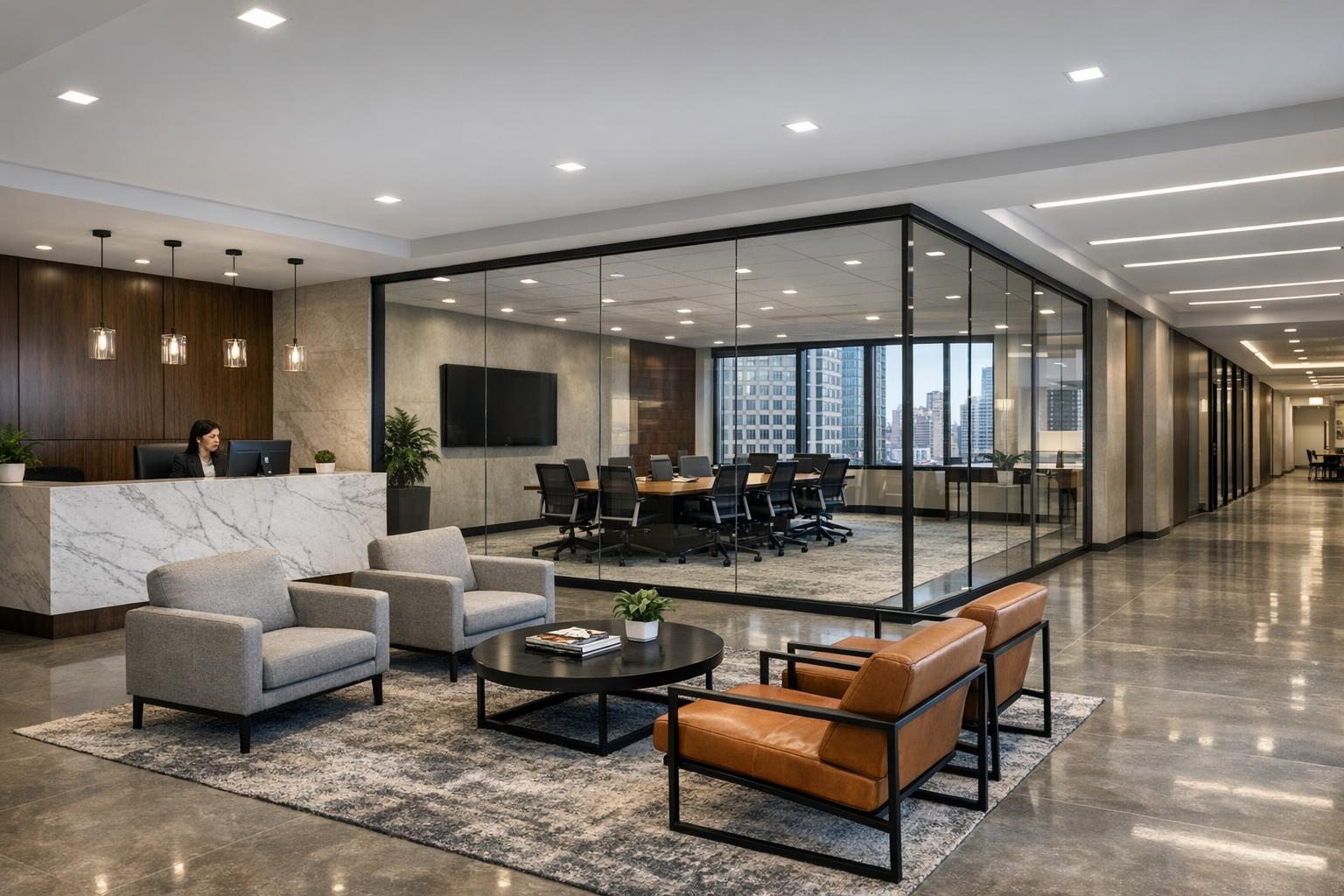
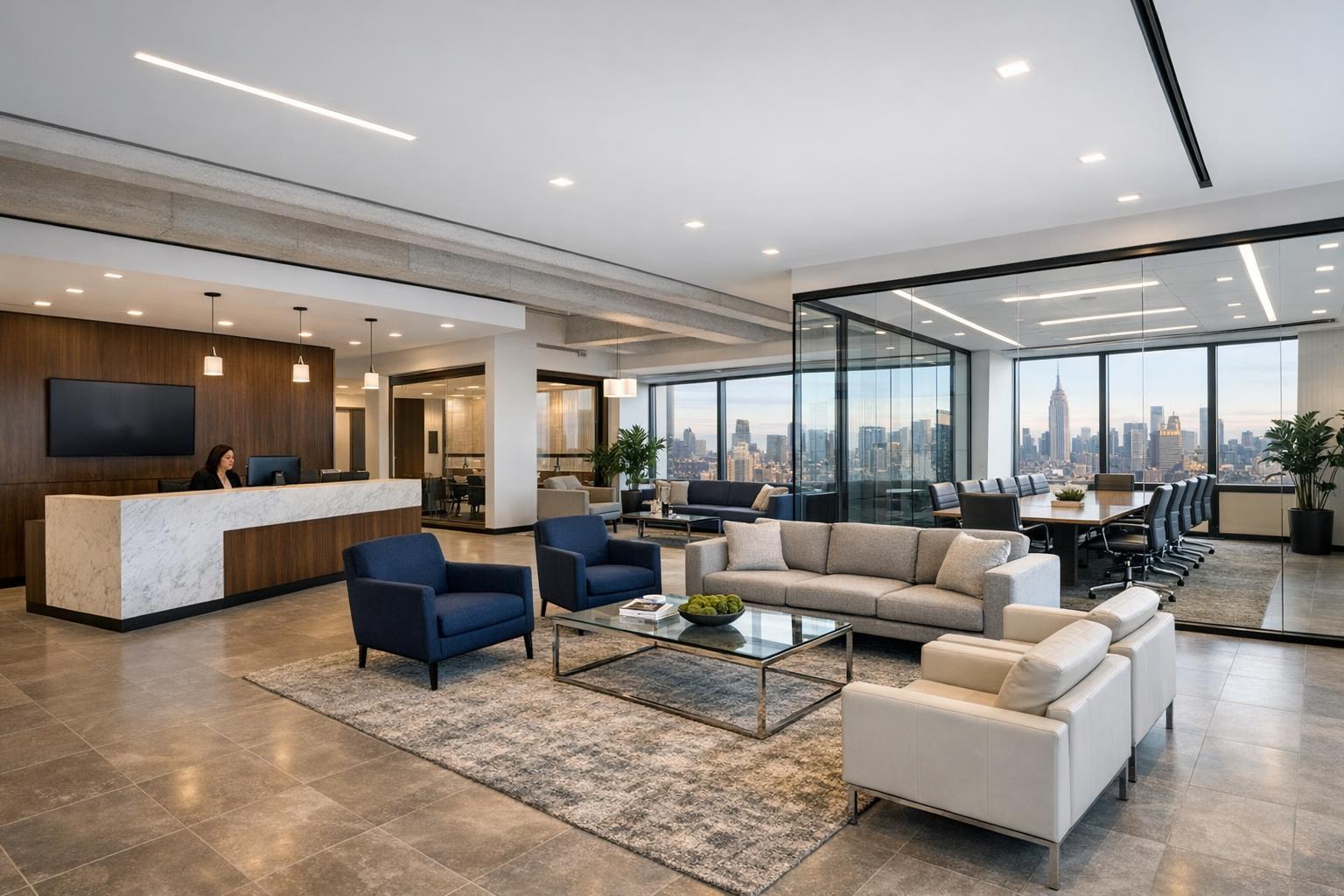
- New Developments: Consistency throughout the building is important. Photography should highlight finishes, amenities, layouts, and available light. For projects marketing multiple similar residences, cohesive visual standards build a sense of credibility and order.
- Larger New Jersey Homes: With more physical scale, coverage often extends outdoors—yards, patios, pools, garages, and the surrounding context all come into play. Drone photography may be possible to illustrate these features, but its use always depends on airspace, weather, safety, and access.
For more details on local approaches and to see example work, visit professional real estate photography for NYC listings or media services for New Jersey properties.
Adding Complementary Media: Video, Floor Plans, Virtual Tours, and Staging
Photography typically forms the foundation of any listing’s media plan, but certain listings benefit from additional assets:
- Video can help demonstrate the actual flow from room to room, especially for unique layouts or homes where movement and atmosphere are essential to the showing experience.
- Floor Plans offer clear layout information for buyers—especially those who can’t visit in person or are comparing homes remotely. Floor plans require on-site capture and must be planned alongside the shoot.
- 3D Virtual Tours (such as Matterport) give remote viewers the ability to explore the property interactively, which is valuable for listings with complex layouts or for engaging out-of-area buyers.
- Virtual Staging shows potential for empty or partially vacant rooms, offering a sense of how spaces might look furnished. It’s best applied only to clear, empty rooms without overlapping real-world clutter.
Learn more about these options and when each might be appropriate at Matterport virtual tours for NYC and real estate floor plans in NYC.
How to Evaluate a Luxury Real Estate Photographer
Before making a hire, review portfolios for:
- Consistency in composition, color, and editing
- Images that show a property’s character, not just its square footage
- Attention to vertical and horizontal lines in architectural environments
- Natural-looking room sizes and realistic window exposures
- Overall narrative flow through the gallery
It’s also valuable to ask practical questions during your initial discussions:
- How do you prioritize which features get extra attention?
- Can you share examples related to my property type?
- How do you manage challenging windows, lighting, and views?
- What’s the recommended preparation for my space?
- How much coverage will this listing need?
- What’s the best approach for occupied or vacant rooms?
- Are additional media—like video, floor plans, or drone—worthwhile for this property?
A reliable provider will answer clearly, without overselling unnecessary services or promising unrealistic results. The aim is always clarity and honesty—both in expectations and in the final product.
A Clear, Listing-Focused Option
For anyone marketing a high-end property in New York City or New Jersey, RealtaSnap offers luxury real estate photography and related media that puts the property itself first. Everything starts with the layout, architecture, and features that make the home distinct. Our process emphasizes accurate capture, careful editing, and media that is as true as it is polished.
If you have an upcoming listing that could benefit from experienced luxury real estate photography, or you’d like informed guidance on supporting assets, visit www.RealtaSnap.com. We’re happy to provide advice or book coverage that fits your property’s particular needs.
FAQ
Question: What should I look for in a luxury real estate photography portfolio?
Answer: Look for consistency in color, composition, and editing across different property types and settings. Pay attention to whether the images present rooms honestly, handle window views without distortion, keep architectural lines straight, and tell a cohesive story of the home rather than just a set of room snapshots.
Question: How much coverage does a high-end listing usually need?
Answer: The right number of photos depends on property size, layout, features, and what buyers need to see. A compact city apartment might need fewer, more targeted images; a multi-level home or larger suburban property usually warrants more extensive coverage. The goal is to clarify the property for buyers, not simply to reach a set image count.
Question: When is virtual staging a good idea for a luxury property?
Answer: Virtual staging is most effective for empty rooms that are clean and free of clutter. It helps buyers visualize furnished possibilities without crowding real-world items. For the most realistic results, any existing furniture or personal belongings should be removed before staging is applied.