How to Choose Luxury Real Estate Photography for a High-End Listing
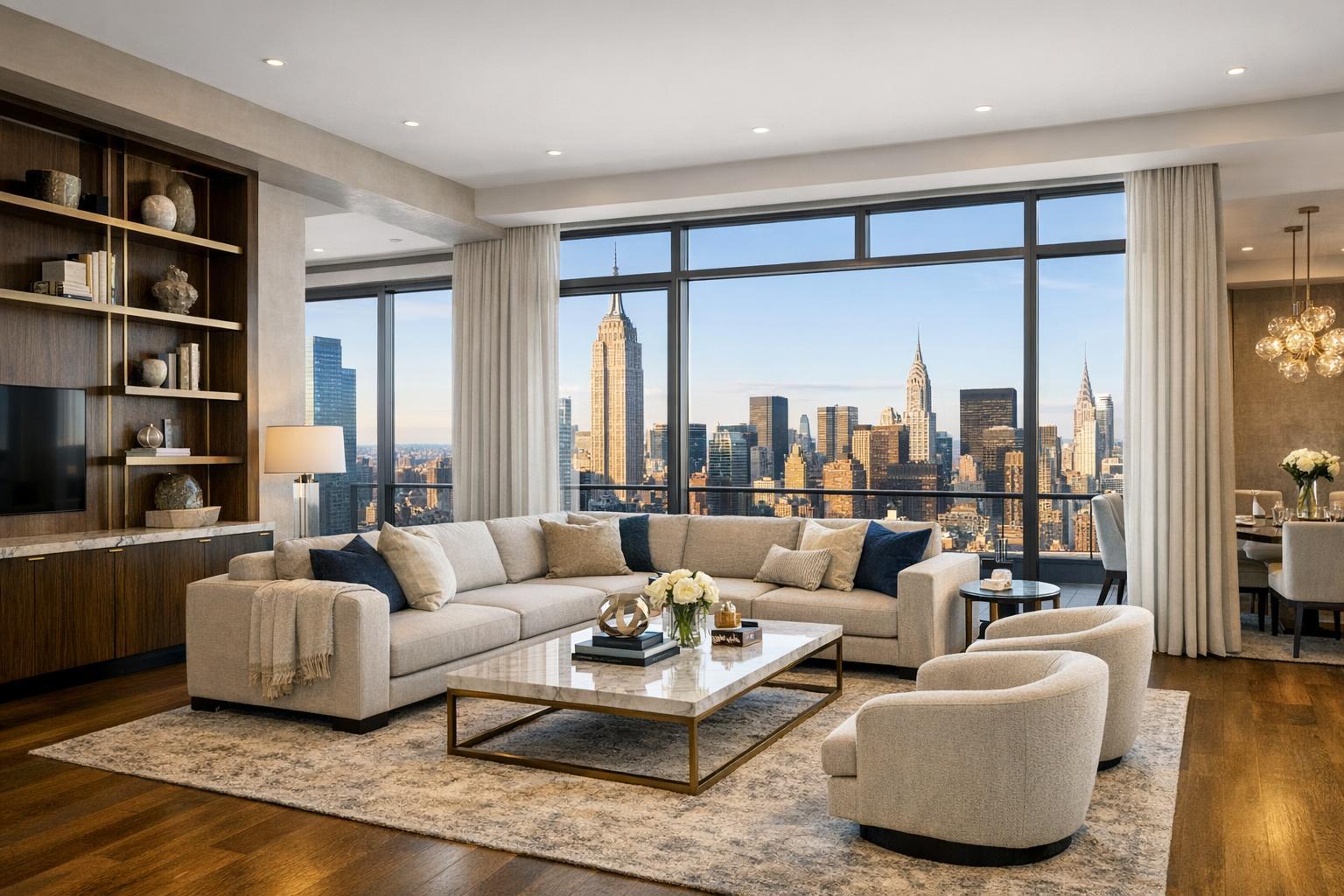
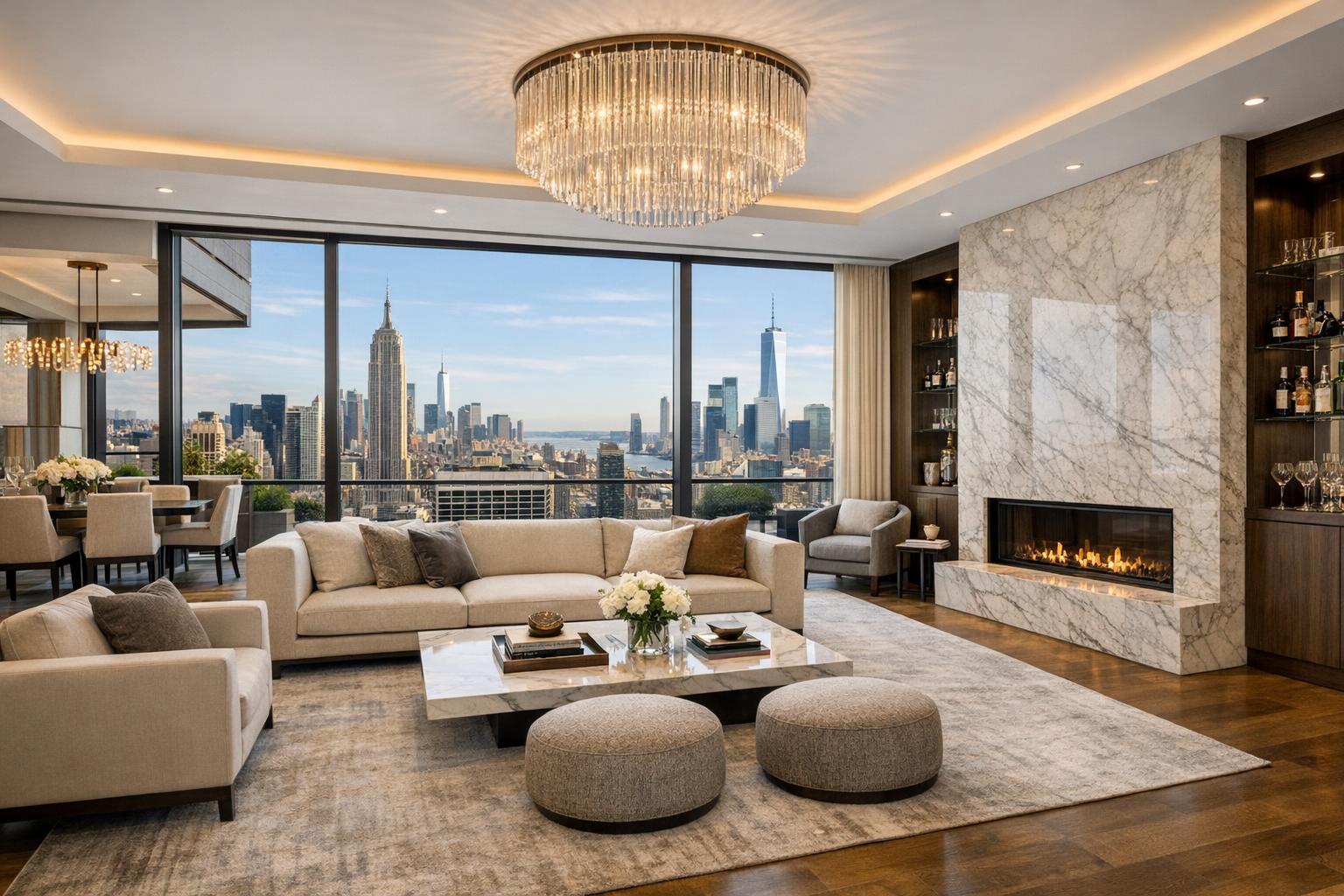
Luxury real estate photography captures a sophisticated living room featuring elegant furniture, a marble fireplace, and expansive windows with a stunning city skyline view.
How to Choose Luxury Real Estate Photography for a High-End Listing
Luxury real estate photography is where clear property marketing meets strategic visual storytelling. For agents, brokers, and developers working in NYC, New Jersey, and nearby markets, it’s not enough for a listing to look professionally shot. The photography must actually help buyers or investors understand a property’s architecture, layout, finish level, environment, and the lifestyle it supports. Capturing those qualities consistently involves more than just a long list of polished photos.
What makes one photographer or team the right choice for a high-end assignment? The differences are real—and so are the stakes. Let’s break down what distinguishes truly effective luxury real estate photography from ordinary listing coverage, with insights you can use for your next Manhattan apartment, Brooklyn brownstone, or New Jersey estate.
Beyond Coverage: Why Luxury Photography Demands a Plan
It’s easy to assume luxury media is just standard real estate photography with more images or a bigger camera. In reality, thoughtful high-end property photography starts with understanding what makes a particular home unique and then crafting an intentional editorial sequence. This often means:
- Identifying visual priorities unique to the property—maybe a double-height window wall, original millwork, or a terrace with one-of-a-kind views.
- Creating a gallery that leads with what’s important. Not every feature should be treated as interchangeable, and the strongest photos should anchor the presentation.
- Using a strategic mix of images: wide compositions to establish space, composed angles to show proportion and flow, and detail photos that reinforce the overall property story.
This approach does more than generate attractive images for MLS uploads. It helps buyers actually visualize the space, notice its standout features, and grasp its context, even in fast-paced or remote markets.
What Sets Luxury Real Estate Photography Apart?
Consistency in Exposure and Color
In high-end properties—especially those with expansive windows or premium fixtures—balancing bright exteriors with welcoming interiors is an important skill. New York apartments overlooking Central Park or Tribeca, for instance, demand that photographers expose windows and room details in a way that feels true-to-life, not artificially lit or over-edited. The same applies to New Jersey homes with substantial indoor-outdoor flow.
A luxury real estate photographer should present interior and exterior light in a believable relationship, so a dramatic view doesn’t become a washed-out rectangle, and fine finishes don’t disappear into shadow.
Respect for Lines and Scale
Architectural lines are the backbone of a property photo. Leaning walls, bowed doorframes, or exaggerated depth can quickly break trust with a viewer. An experienced photographer takes care to keep verticals straight—especially important in rooms with tall ceilings, architectural moldings, or custom renovations—and uses restraint with wide-angle lenses. The goal is to show the true sense of scale, never to distort it.
Composed Shots That Tell a Story
Not every room benefits from the same camera height or generic angle. Real luxury real estate photography considers:
- Which angle lets the architecture, windows, and features interact naturally?
- How can a composition guide the viewer toward what matters—like a fireplace, a view, or an open kitchen?
- In homes with interesting transitions (think of a split-level New Jersey house or a parlor-floor brownstone), how can camera placement demonstrate flow without feeling confusing?
Intentional composition elevates the shoot from simple documentation to visual storytelling.
Editing as a Finishing Touch—Not an Illusion
Retouching, color correction, and distraction removal are part of the professional workflow, but editing must remain grounded in reality. Over-saturated colors, unrealistically bright rooms, or digital changes to architectural features can erode buyer trust and create disconnects at showings. A reliable luxury real estate photographer keeps editing clean, consistent, and true to the space—preserving materials, scale, and natural light.
Reviewing Portfolios: What Matters Most for Luxury Listings
Single “hero shots” can be impressive, but the real test is consistency across a photographer’s galleries. When reviewing a potential hire:
- Check exposures for both bright windows and dim interiors—are they balanced time after time?
- Look for architectural accuracy: do vertical lines stay true and room shapes feel honest?
- Are entire galleries thoughtfully sequenced, telling a property’s story from arrival through main living areas to amenities and details?
- Notice adaptability across styles and property types. For example, does the same photographer show an understanding of compact New York condos and sprawling New Jersey homes, or do all listings start to look the same?
A portfolio that handles a variety of property types, lighting scenarios, and architectural details demonstrates a level of experience especially important for luxury assignments.
For those looking for more specific examples in NYC and New Jersey, you can view work directly on www.RealtaSnap.com.
Tailoring Coverage to the Property
No two listings are the same, especially at the upper end. Here’s how luxury shoots often differ by region and property type:
- Manhattan Condos and Apartments: These spaces are often defined by their layouts, finishes, and views. It’s essential to communicate scale honestly and make compact rooms feel open. Efficient prep—removing cords, personal items, and excess furniture—can go a long way.
- Pre-War and Historic Units: Moldings, fireplaces, original flooring, and ceiling heights become selling points. Good coverage moves from wide context images to intentionally chosen details—connecting craftsmanship to the rest of the home.
- Brooklyn Brownstones and Townhouses: Verticality matters. Show transitions between floors and emphasize flow by documenting stairways, entry points, and parlor spaces in context.
- Larger New Jersey Properties: Homes with significant outdoor space or acreage may require more strategic exterior shooting and, when feasible, aerial coverage. Indoor-to-outdoor relationships are often a priority.
Preparing for a luxury shoot means decluttering, addressing lighting, and ensuring the space is ready for capture. Make sure all key areas—interior and exterior—are accessible, and coordinate with building management or staff if necessary.
For a full guide to getting a property ready, RealtaSnap shares a Real Estate Photography Prep Guide.
What Practical Prep Looks Like
No amount of editing or expensive gear can compensate for an unprepared property. Practical preparation often includes:
- Removing personal effects, unnecessary furniture, and visible cords
- Clearing kitchen counters, bathroom shelves, and open storage
- Adjusting window treatments to feature views without sacrificing privacy
- Making beds, fluffing cushions, and aligning rugs and furniture
- Checking that all light fixtures are working and bulbs are replaced
For occupied properties, aim for physical preparation rather than relying on digital object removal. If you’re considering AI virtual staging, remember it’s intended for empty rooms—any existing furniture should be either removed in advance or addressed through a focused object removal service.
Working with a Photographer: Questions to Cover Before Booking
A clear conversation up front ensures the property’s strongest qualities are prioritized and prevents surprises on shoot day. Consider asking:
- How will the photographer decide which features to highlight?
- What specific prep is recommended for this property?
- Any prior experience with similar types of homes or settings?
- How do they balance lighting challenges, handle reflective materials, or deal with tight spaces?
- What image count and gallery sequence make sense for this listing?
- Any access limitations, building policies, or logistics that need nail down ahead of time?
- Will additional media—such as video, 3D tours, or aerials—meaningfully contribute to the property story?
Not every property needs every asset, but the more aligned your goals and the photographer’s approach, the stronger and more efficient the shoot.
Want to book RealtaSnap? Online scheduling and service options are available at www.RealtaSnap.com/schedule. For frequently asked questions on logistics, editing, and turnaround, see the RealtaSnap Real Estate Photography FAQ.
RealtaSnap’s Luxury Photography for NYC and NJ Listings
Serving NYC and New Jersey, RealtaSnap organizes every assignment around the real features and value of the property, not just a checklist of deliverables. We advise agents and developers to clarify which details matter most to prospective buyers before booking a shoot. Whether it's light and skyline views in Manhattan, historic details in Brooklyn, or the connection between indoor and outdoor spaces in New Jersey, tailoring the coverage ensures the listing stands out for the right reasons.
You can review media samples, check service areas, and schedule professional photography at www.RealtaSnap.com.
Choose Images That Communicate—not Just Impress
Luxury real estate photography isn’t about maximizing photo count or dramatic editing. It’s about discipline and understanding: knowing which features genuinely matter, solving real-world lighting and composition challenges, and consistently delivering images that make sense to buyers and sellers alike.
Prepare your next high-end property with care, work with professionals who value accuracy and consistency, and prioritize clear communication during planning. The results are listings that attract attention for all the right reasons.
Ready to plan a shoot or have questions about putting your property’s best foot forward? Visit www.RealtaSnap.com for accurate information, gallery samples, and scheduling.
FAQ
Question: How many photos should a luxury real estate listing include?
Answer: The right number varies by property, but a thoughtfully edited gallery should cover the main living areas, important flow or transitions, exterior spaces, and noteworthy details without becoming repetitive. Prioritize images that add unique visual information instead of showing the same angle multiple times.
Question: Are detail shots necessary for high-end properties?
Answer: Yes, when those details matter to the property’s story. Quality millwork, custom cabinetry, statement fireplaces, and distinctive hardware often deserve dedicated photos—as long as they connect naturally to the context of the wider space.
Question: What should be done to prepare a property for luxury photography?
Answer: Begin by clearing clutter, removing personal items, and ensuring all lighting works. Make beds neatly, tidy up furniture, and address window treatments to highlight views when appropriate. For AI virtual staging, make sure rooms are empty or request clutter removal first to get the best results.