How to Choose Commercial Real Estate Photography for Your Property
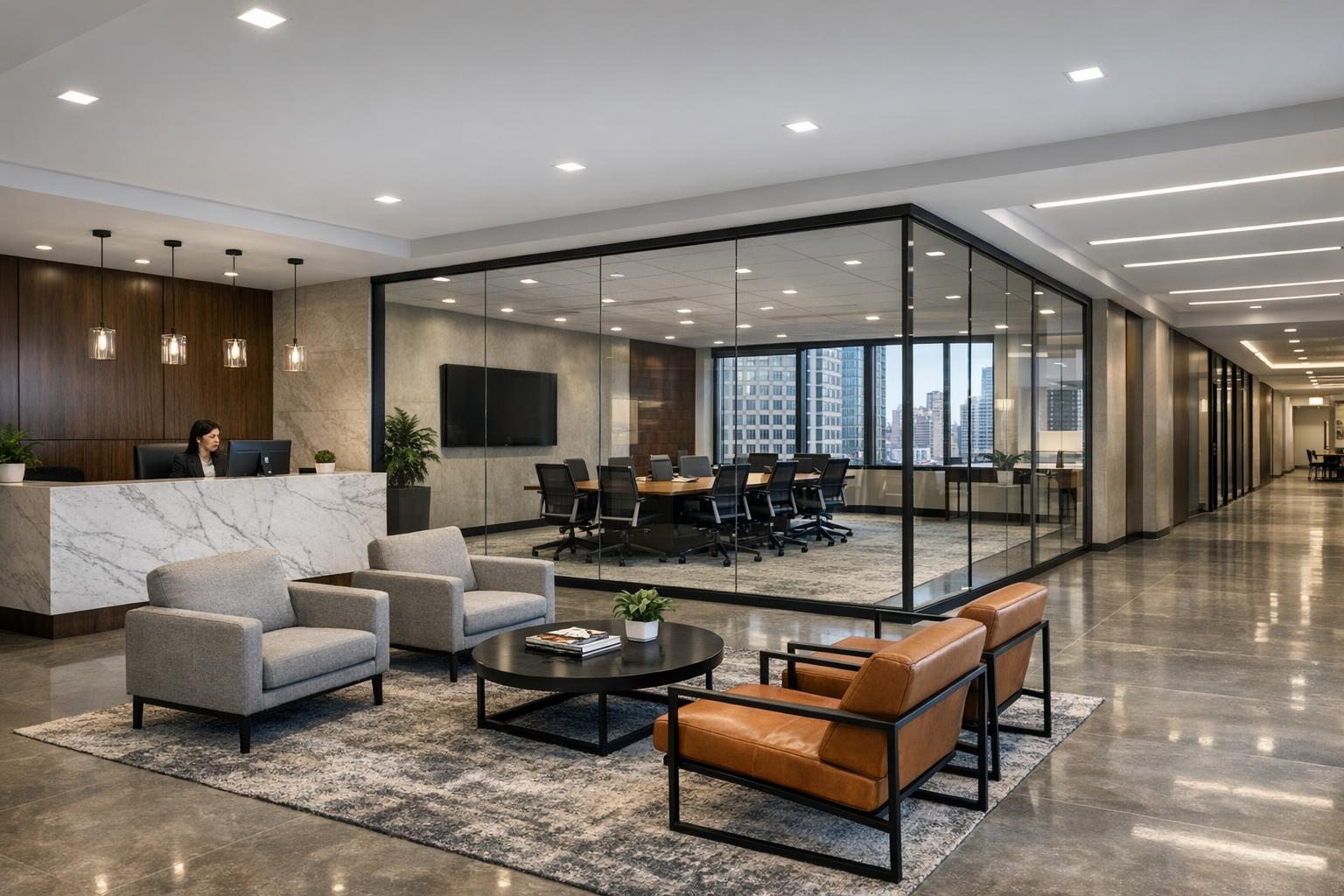
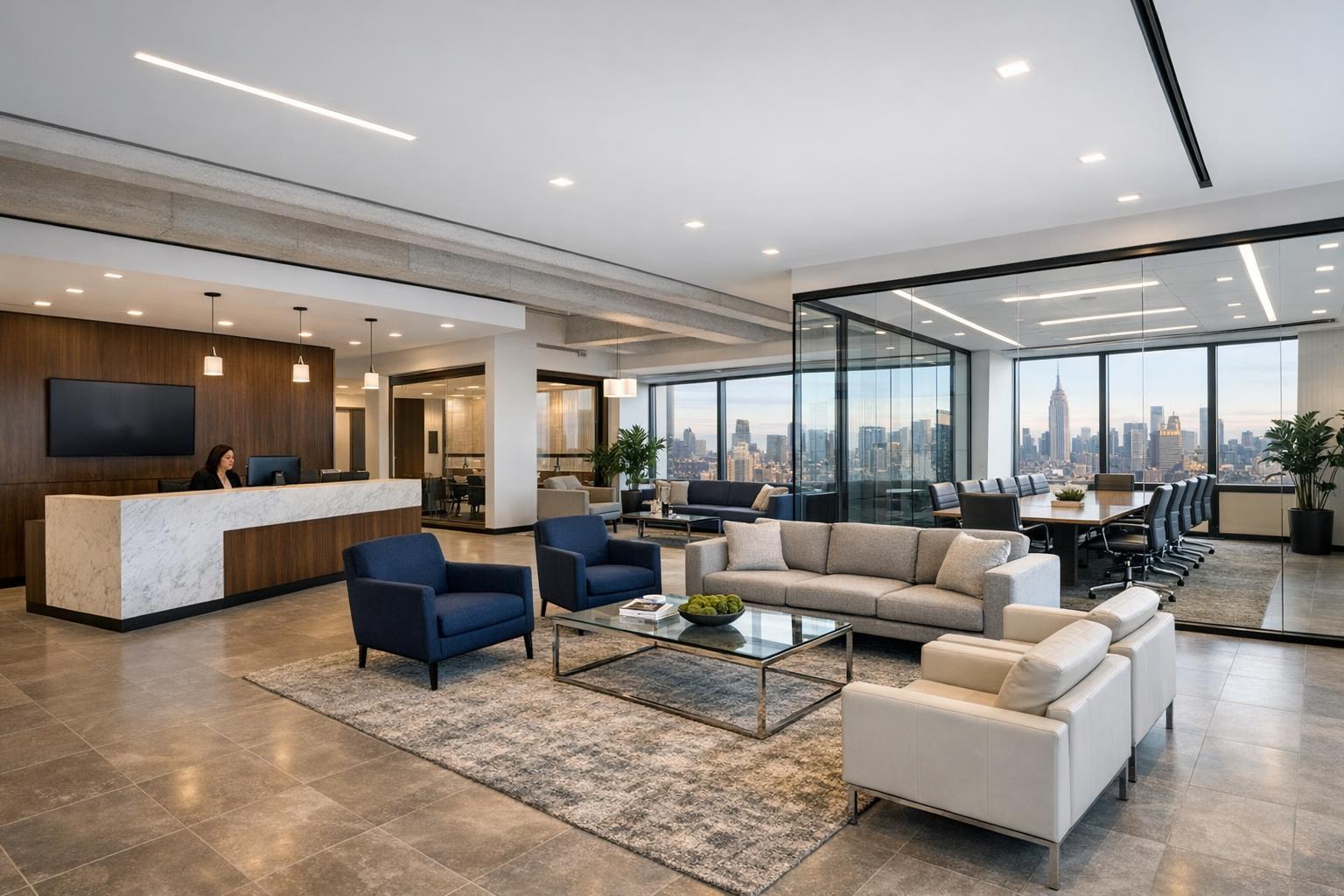
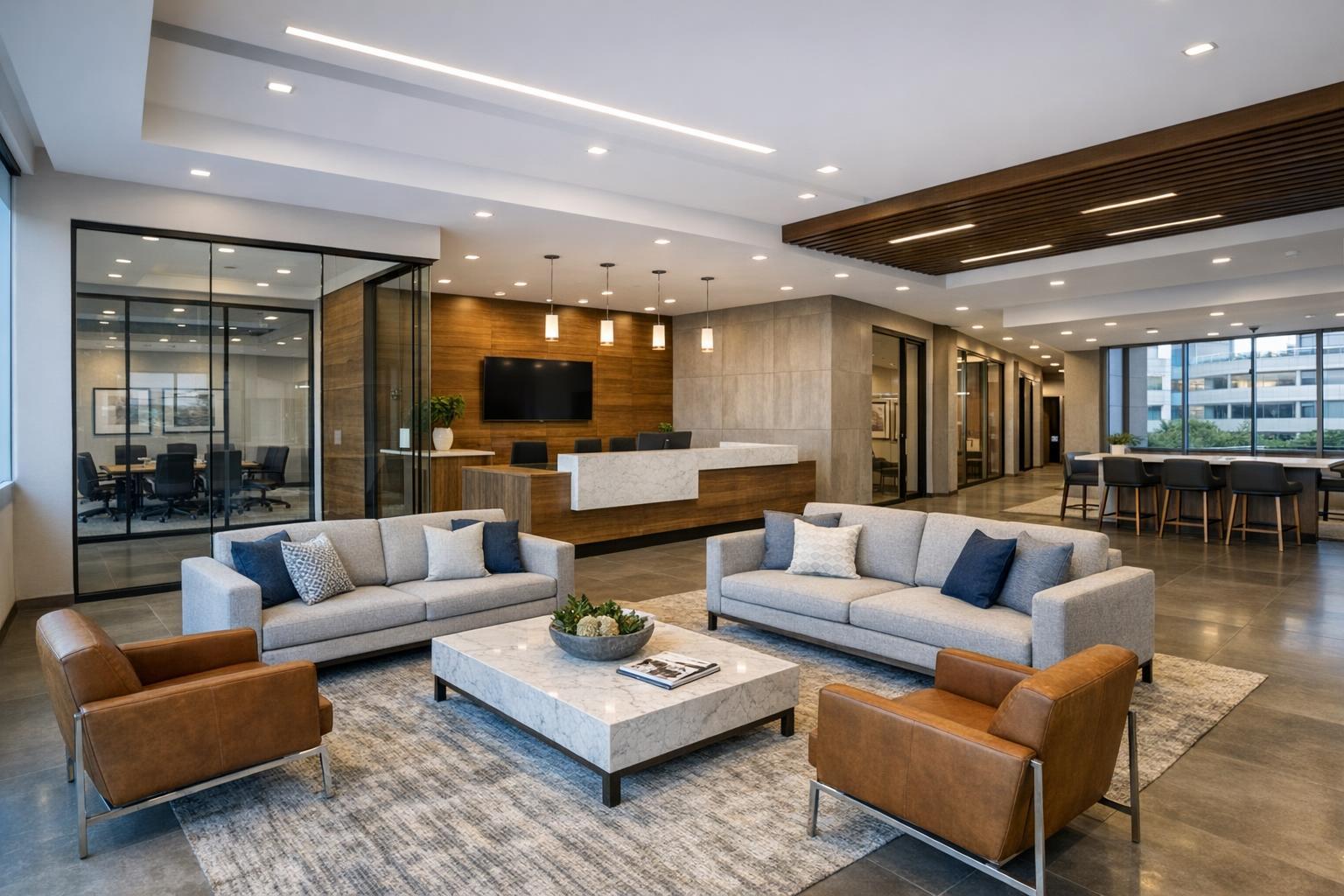
A modern and spacious commercial real estate lobby features sleek furniture, a reception area, and glass-walled meeting rooms.
How to Choose Commercial Real Estate Photography for Your Property
Commercial real estate photography is a specialized craft with real impact on how brokers, property managers, developers, and owners present their spaces to potential tenants, investors, and buyers. The visuals don’t just represent a building—they provide most prospects with their first real impression of size, flow, character, and potential. In competitive urban and suburban markets like NYC and New Jersey, selecting a commercial property photographer is a strategic choice that influences not just clicks, but the clarity and credibility of your listing.
Beyond the Surface: What Actually Matters in Commercial Photography
More than just bright images or dramatic wide shots, commercial property photography is about insight and accuracy. The objectives go far beyond making a space look appealing. Professionals in this field are focused on presenting the facts: What does it feel like to walk through the property? How does the layout actually function for a business or tenant? Is there street presence, clear access, daylight, operational amenities, and logical room relationships that serve the property’s purpose?
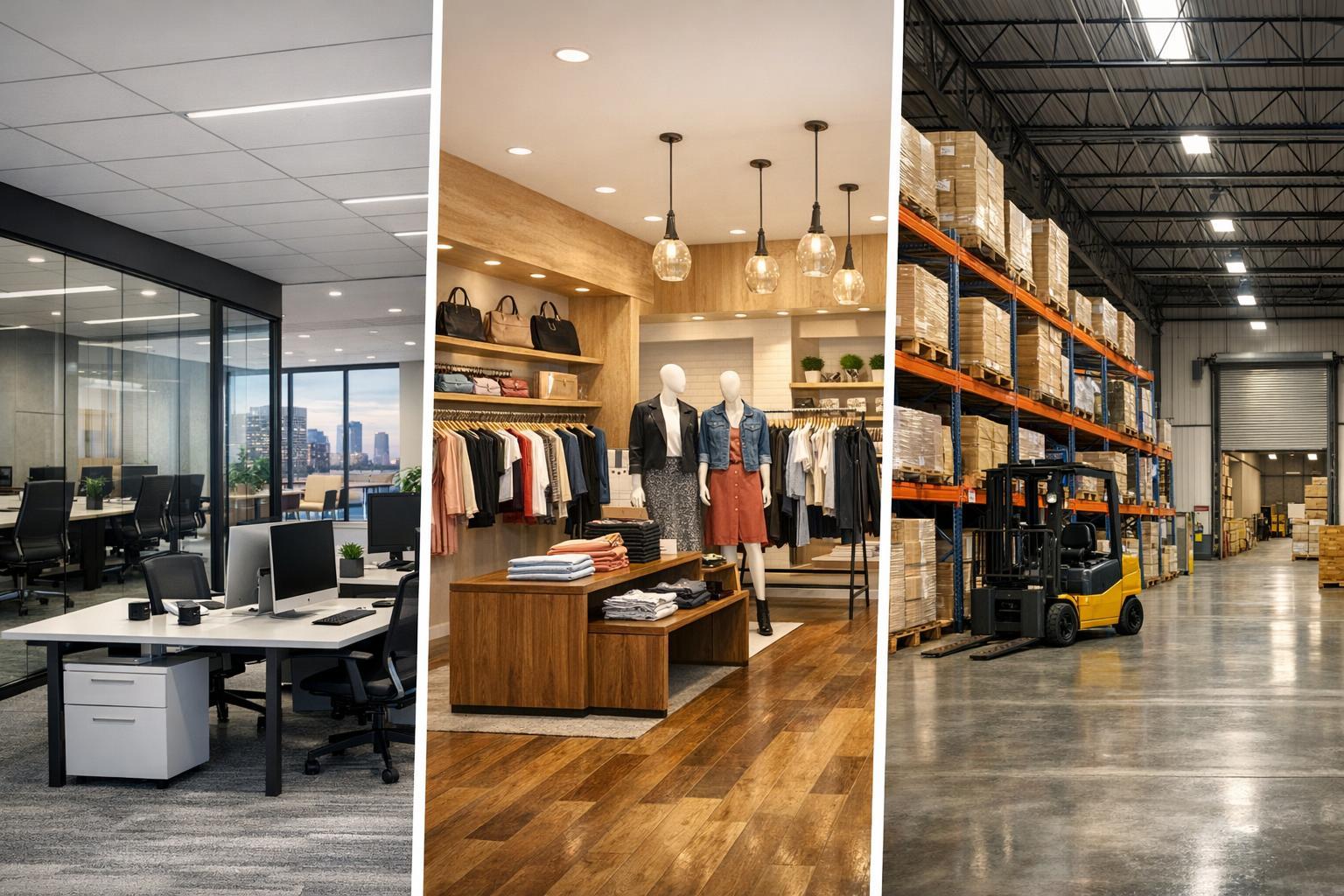
A high-rise office suite in Manhattan isn’t documented the same way as a North Jersey warehouse. The images need to show not just what’s inside, but how a property works at street level, how an entry sequence flows, or how certain features distinguish the asset from others in the market. Practical questions guide the approach:
- Can you understand the building from the exterior?
- Is the main entrance obvious and welcoming?
- How do reception areas, workspaces, and amenities connect?
- Are important features like loading docks, elevators, and window lines captured?
- What’s around the property—like transit, retail, or competing storefronts?
A true commercial property photographer will approach each assignment by first understanding the story you want to tell and the decision a prospect needs to make.
Start With the Objective: Who Are You Trying to Reach?
Any successful commercial media effort starts with a clear marketing goal. Sometimes, the same space will need very different image sets for a sale versus a lease or for different audiences such as retail tenants and office users. Here’s how to clarify what you need:
- Define whether you’re marketing for lease, sale, investment, or redevelopment.
- Know your likely first viewers: Are they tenants, investors, or brokers?
- Identify your differentiators: What features set this property apart?
- Decide where the images will be seen: Listings, broker websites, print campaigns, social media, or all of these?
- Consider if you’ll need only photography or additional media like video, drone, or floor plans.
- Note any operational realities, like current tenants or business hours, that might impact scheduling or coverage.
For a NYC office listing, you might want a logical flow from entry to amenity, while a New Jersey industrial property likely calls for comprehensive exterior, truck access, and storage coverage. Sharing specific assignment goals with your photographer leads to a smoother, more effective production.
Property Type Guides the Shot List
Commercial spaces aren’t one-size-fits-all and neither are their photo requirements. Here’s how professionals adapt coverage:
Office Suites & Corporate Space
Office photos should walk a viewer through arrival, reception, workspaces, and amenity areas. Expect:
- Straight lines and balanced, undistorted architectural shots
- Exposure that captures natural light without blowing out windows
- Wide frames for layout context, plus close-ups for finishes and features
- Special attention on conference rooms, kitchenettes, terraces, and lobbies
In NYC’s denser buildings, elevator use, lobby check-ins, and daylight timing should be coordinated in advance.
Retail Storefronts & Restaurant Spaces
Retail images start on the sidewalk. Photographers need to establish visibility, frontage, and customer access, then move inside to show depth and usable space. Look for:
- Storefront composition from a pedestrian point of view
- Images that reveal ceiling, lighting, and architectural detail
- Inclusion of back-of-house where relevant, plus local context when nearby landmarks add value
Relying only on a tight interior shot won’t help your listing stand out in any retail corridor.
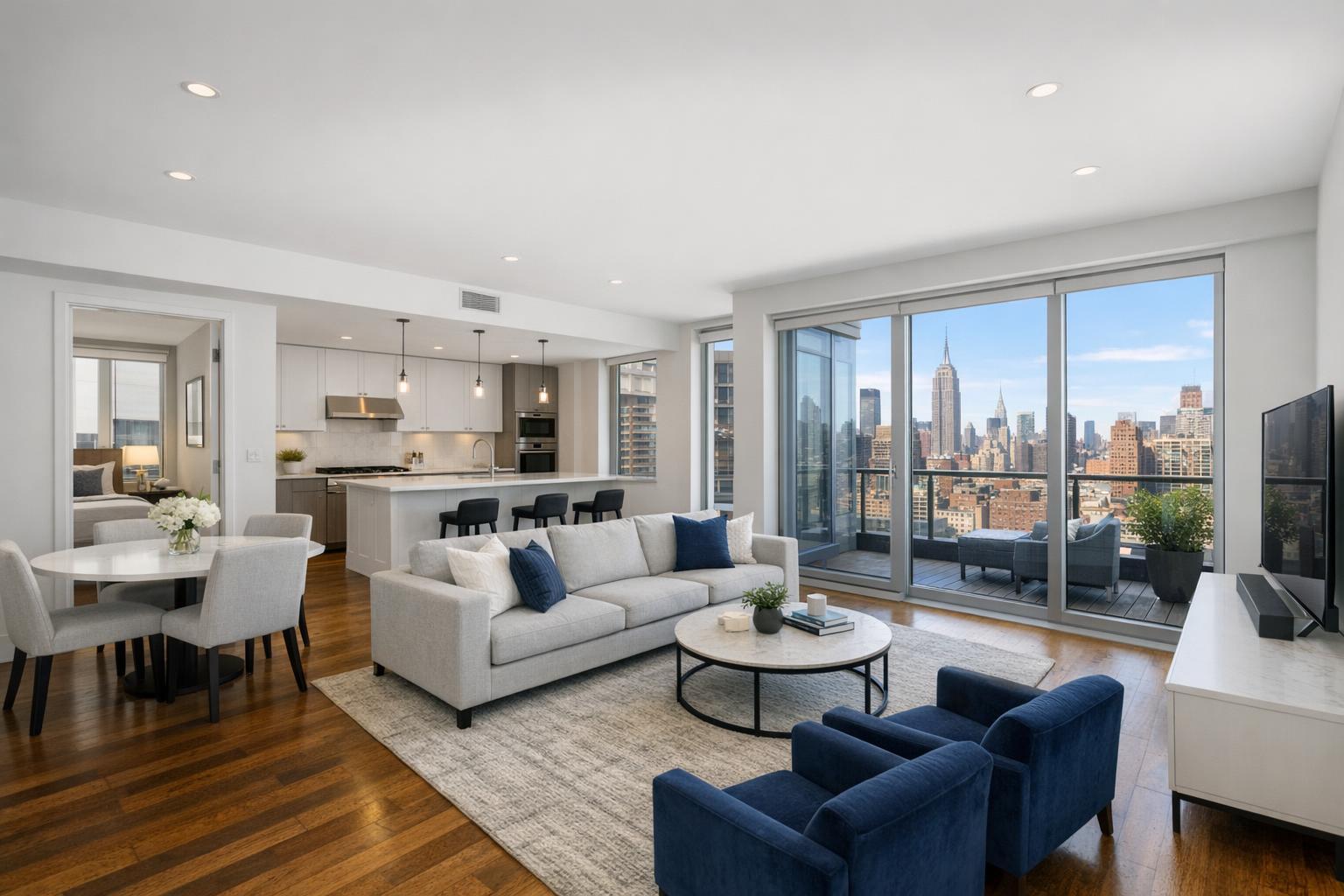
Multifamily Buildings
Multifamily assignments communicate a blend of amenity and practicality. Expect imagery of:
- Exterior presence, lobbies, typical unit interiors, amenity spaces, laundry, and parking
- Visual consistency to help compare between units or common areas
- Advance coordination with tenants for access and privacy
Clutter and personal belongings should be handled ahead of time—make sure residents are aware of the shoot.
Industrial, Warehouse & Flex Properties
Industrial photography is about clarity, not glamour. Prospective users want to see:
- Full exterior elevations and access roads
- Interior volume, loading doors, and workspaces
- Office or break areas when present
- Parking, fencing, and relevant site context
Clean, level shots that respect proportions help decision-makers quickly assess fit for their needs.
Mixed-Use Properties
Mixed-use buildings demand layered storytelling. Photographers often need to clarify how retail, residential, office, or amenity spaces interconnect, showing multiple exteriors and inside views from various vantage points.
Core Qualities to Expect From a Commercial Property Photographer
Not all portfolios tell the full story. When evaluating providers, focus on:
Architectural Control:
Images should respect the structure—parallel vertical lines, proportional spaces, and natural perspectives. Wide-angle distortion should be managed intentionally.
Lighting Mastery:
Commercial interiors often challenge photographers with mixed lighting sources and reflective surfaces. Look for consistent exposure and color balance, especially in places where daylight and artificial light compete.
Image Consistency:
A single “hero” shot isn’t enough. The full gallery should feel cohesive—matching tones, edits, and perspectives deliver a more professional presentation and make cross-platform use (listing, web, print) practical.
Occupied Space Workflow:
Experienced teams know how to plan around active offices, retail staff, or residents. Privacy, timing, and operational needs are addressed ahead of the shoot. RealtaSnap, for example, captures only what physically exists at the property, so preparing and communicating with everyone involved leads to more useful results.
When to Add Media Beyond Photos
Images form the foundation, but sometimes extra media increases clarity or marketing effectiveness:
Aerial Photography:
Drones can put a property in context, especially for standalone buildings, larger sites, or unique geographic settings. In NYC and New Jersey, feasibility is always site-specific, depending on airspace, weather, and pilot judgment. Roof access and surrounding terrain both affect what’s possible.
Learn more about drone photography for real estate
Video:
Video walkthroughs work well for properties with flowing, connected spaces, or to convey a sense of movement and layout. Quality video is always captured on-site for true realism.
Explore real estate videography options
Floor Plans:
Especially useful in multifamily, office, or complex listings, floor plans show layout logic that still images can’t always communicate. RealtaSnap requires on-site scanning for all floor plan work; plans cannot be generated from PDFs or remote sketches.
Details on commercial property floor plans
3D Virtual Tours:
Matterport and other 3D tours provide remote walk-throughs—handy for out-of-town prospects or hard-to-tour spaces. Like floor plans, these require an actual on-site scan for accuracy.
Explore 3D virtual tour services
Preparation Sets the Foundation for Great Results
No matter how skilled the photographer, preparation makes a difference:
- Remove—or at least hide—clutter, boxes, supplies, and temporary signage
- Switch on lights and replace burned-out bulbs where practical
- Clear desks and surfaces of paperwork and personal items
- Open blinds selectively to highlight views while controlling intense sunlight
- Coordinate with building management for access to parking, rooftops, or amenities
- Notify occupants, tenants, or staff as needed for smooth scheduling
- Flag any must-capture features or off-limits zones
For vacant spaces, consider if the empty look helps or hurts; virtual staging is intended for clean, unoccupied rooms. When staging is ordered, ensure furniture has been removed or request clutter removal as a paid edit.
A Practical Approach for NYC and New Jersey Listings
Working across a spectrum of real estate in NYC and New Jersey, RealtaSnap prioritizes function and clarity. Every assignment begins with a clear understanding of space, marketing goals, and operational realities—from coordinating access in Manhattan high-rises to managing broad exterior coverage on industrial sites in North Jersey. Our process supports both efficient shoot days and complete, easy-to-understand deliverables for every property type.
If you’re planning to market a commercial space, the right media partner should make the visual process feel straightforward and aligned with your business goals. For more information or to discuss photography, video, drone, floor plans, or 3D tour options, visit www.RealtaSnap.com.
FAQ
Question: How do I decide how many photos to order for my commercial property listing?
Answer: Match your image count to the property’s size, layout, and marketing objective. Smaller offices might need only key shots (exterior, reception, workspace, view), while larger buildings or complexes benefit from comprehensive coverage of amenities, lobby, multiple zones, and exterior elevations. Aim for clarity, not repetition.
Question: Can commercial listings be photographed while tenants or employees are present?
Answer: Yes, though scheduling and communication are important. Decide ahead of time whether people should appear in the images, manage privacy concerns, and clear any temporary clutter to help the space look its best. Advance notice and coordination usually produce the cleanest results.
Question: Is aerial photography always possible for NYC or New Jersey commercial properties?
Answer: Not always. Drone flights are evaluated case-by-case depending on FAA rules, airspace, safety, weather, location, and access. Roof access can be helpful for feasibility in denser urban areas, but no drone shoot is guaranteed until those checks are complete. Your media provider should help assess options for each property.
For more information or to get started, visit www.RealtaSnap.com.